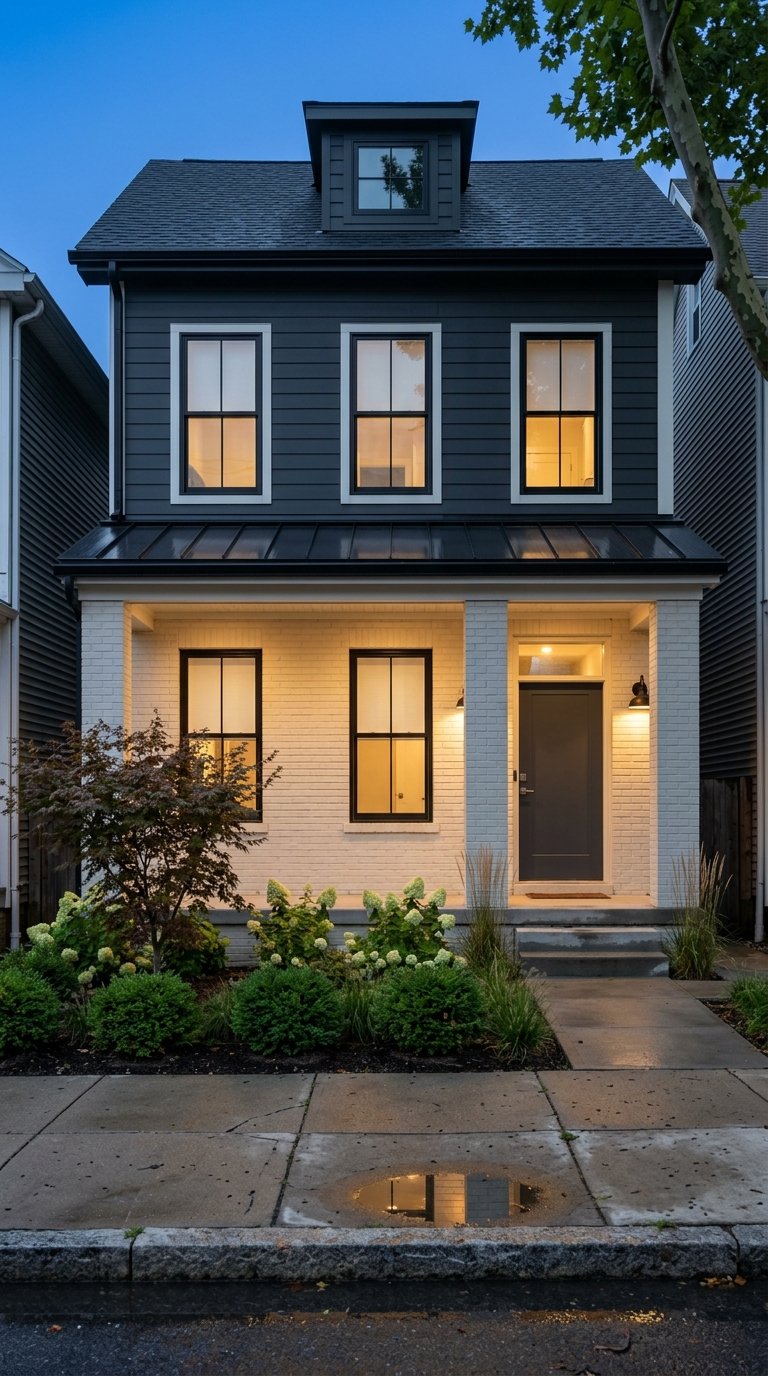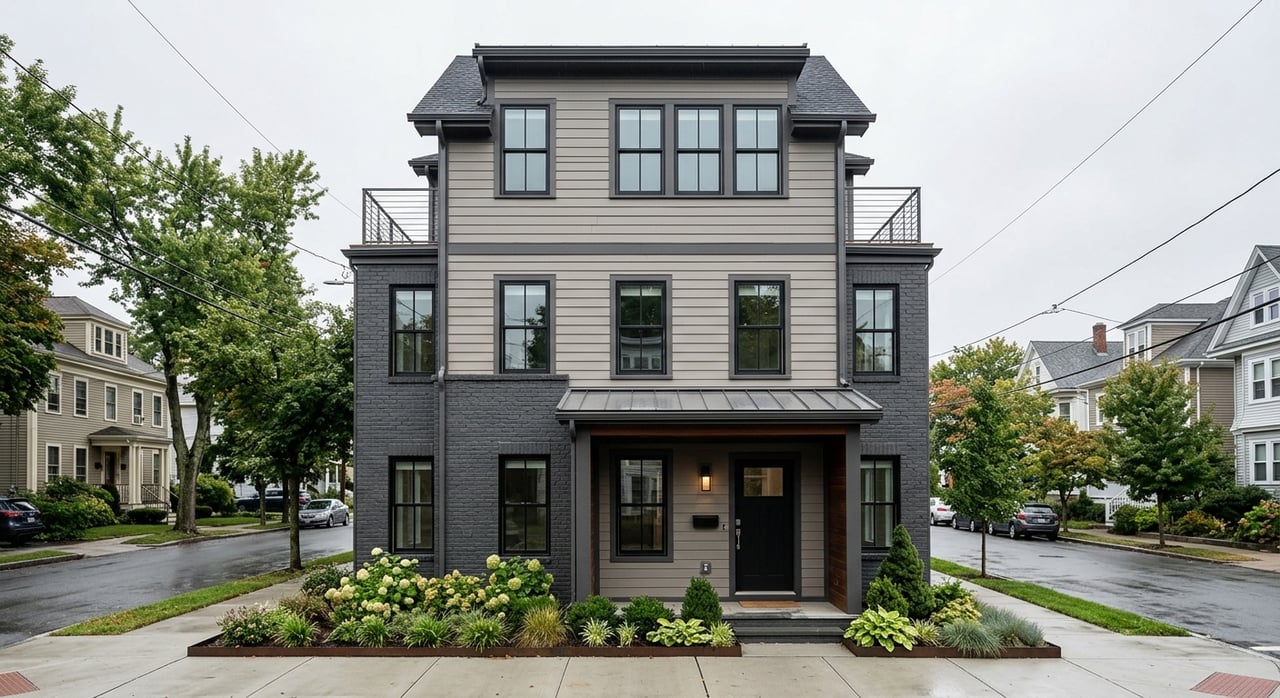
If you are weighing where to plant your next buy-and-hold in Central New Jersey, New Brunswick belongs on your shortlist. The city’s mix of major institutions, commuter rail, and ongoing redevelopment has kept renter demand resilient across cycles. You want clarity on what drives occupancy, how to underwrite expenses, and where the real risks sit. This guide breaks down the demand anchors, property types, underwriting inputs, and local regulations that matter so you can move with confidence. Let’s dive in.
Why New Brunswick rents hold up
Demand anchors you can count on
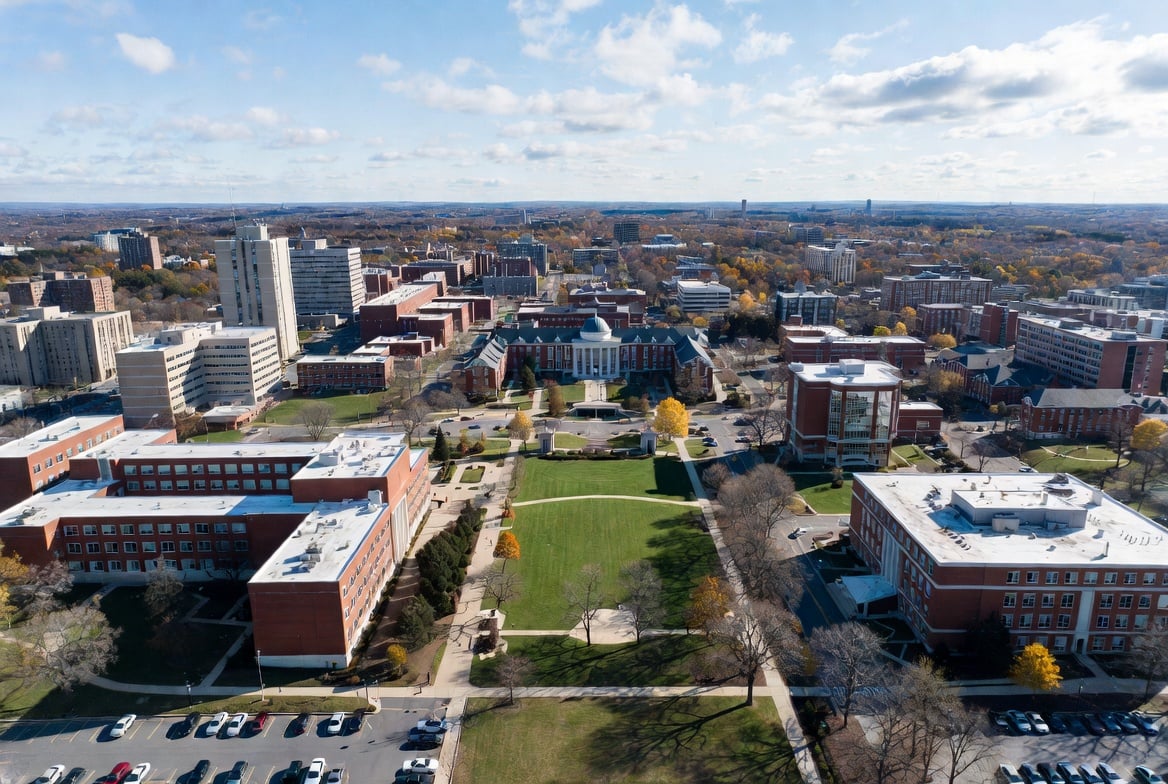
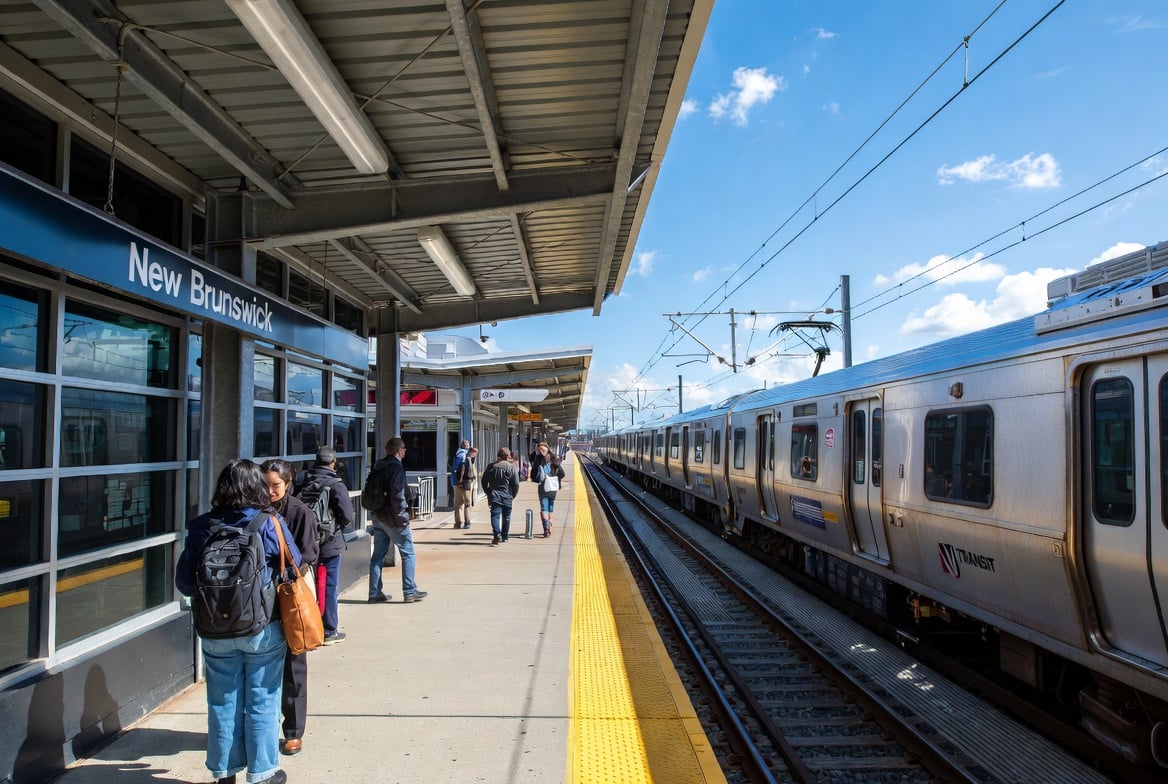
New Brunswick’s rental base is supported by Rutgers University–New Brunswick, Robert Wood Johnson University Hospital, and other healthcare and life-sciences employers. These institutions bring steady demand from students, faculty, residents, and support staff. The city sits on NJ Transit’s Northeast Corridor line with direct service to New York Penn Station, which adds commuter appeal for NYC and Jersey City workers seeking relative value. Downtown amenities and continued redevelopment near the train station and hospital zones create walkable corridors that attract renters who want convenience.
Who rents here and when
You will see an above-average renter share compared with surrounding suburbs, driven by students and young professionals. Typical household types include students, single professionals, small families, and medical staff. Unit demand often skews toward studios and 1BRs, plus 2BRs for roommates and small households, with some larger units for shared living. Expect predictable seasonal turnover tied to academic calendars, with leasing peaks in late summer and early fall.
Supply, vacancy, and rents
What is getting built
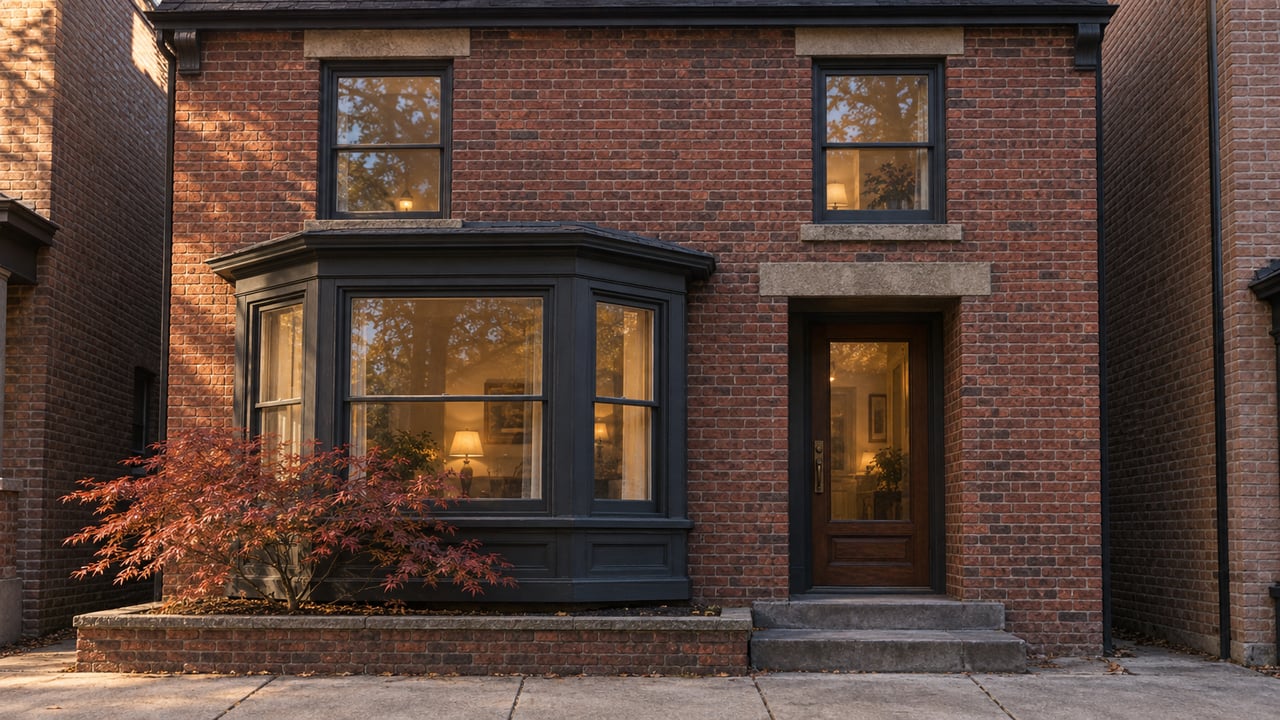
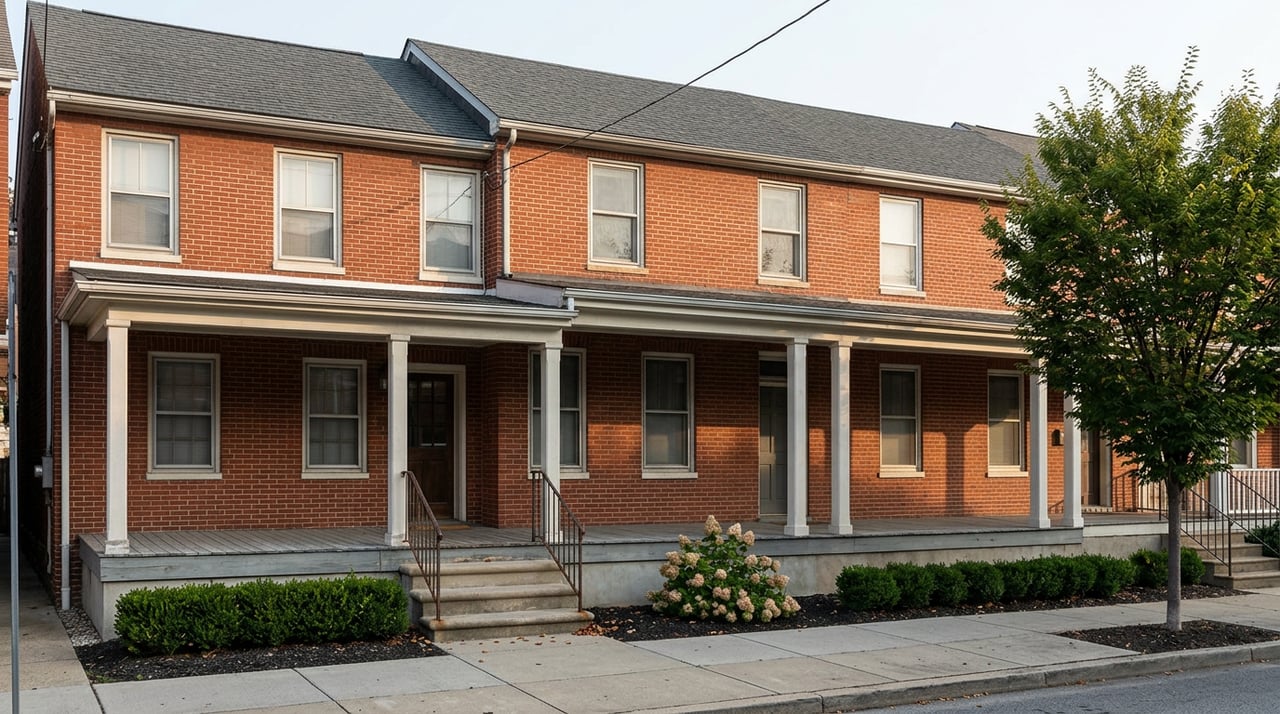
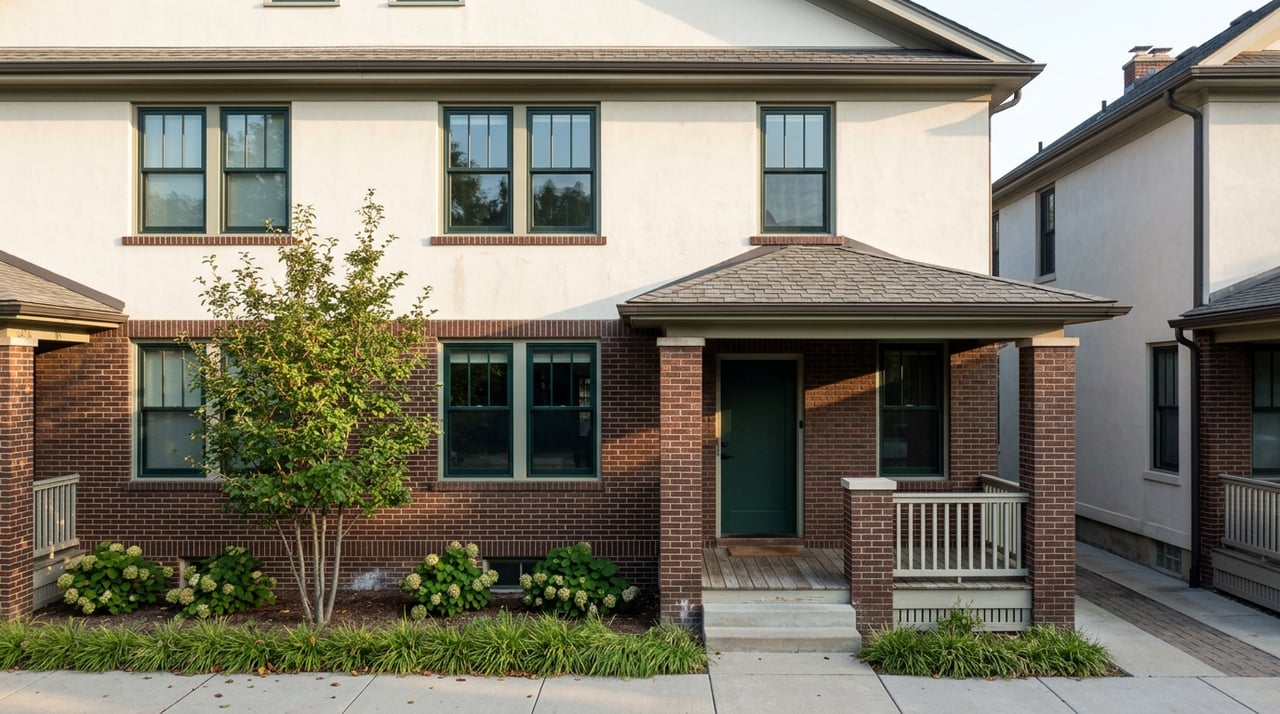
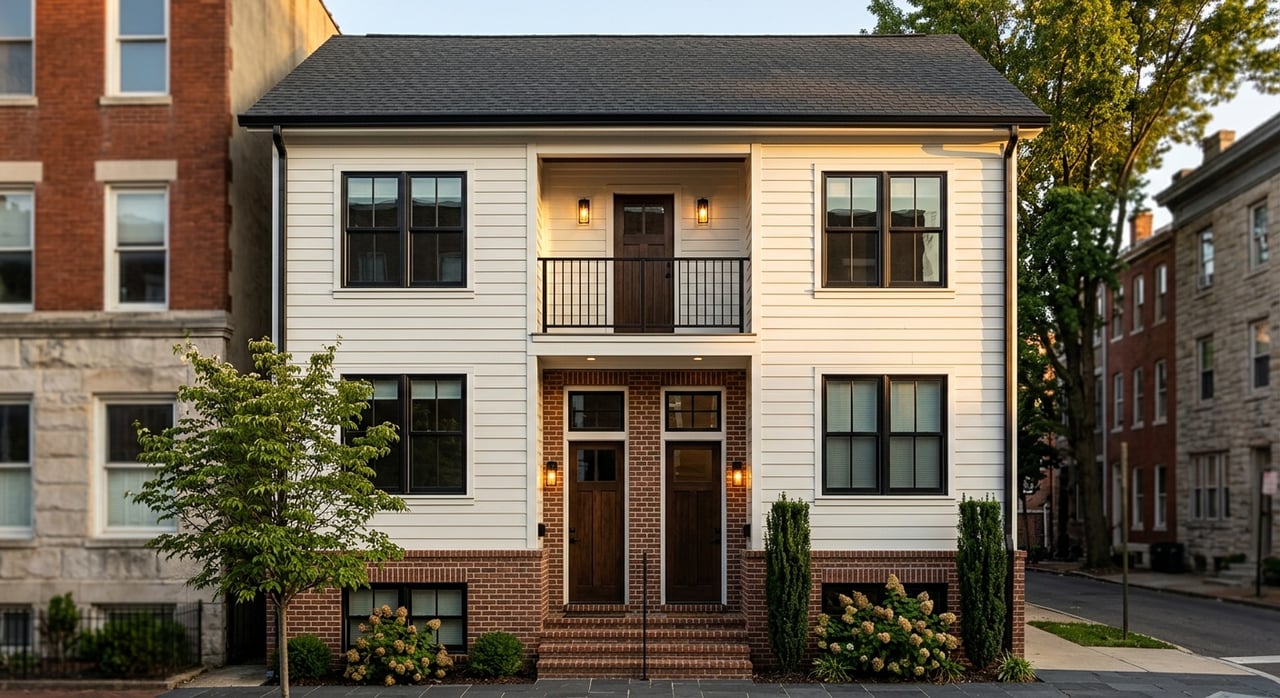
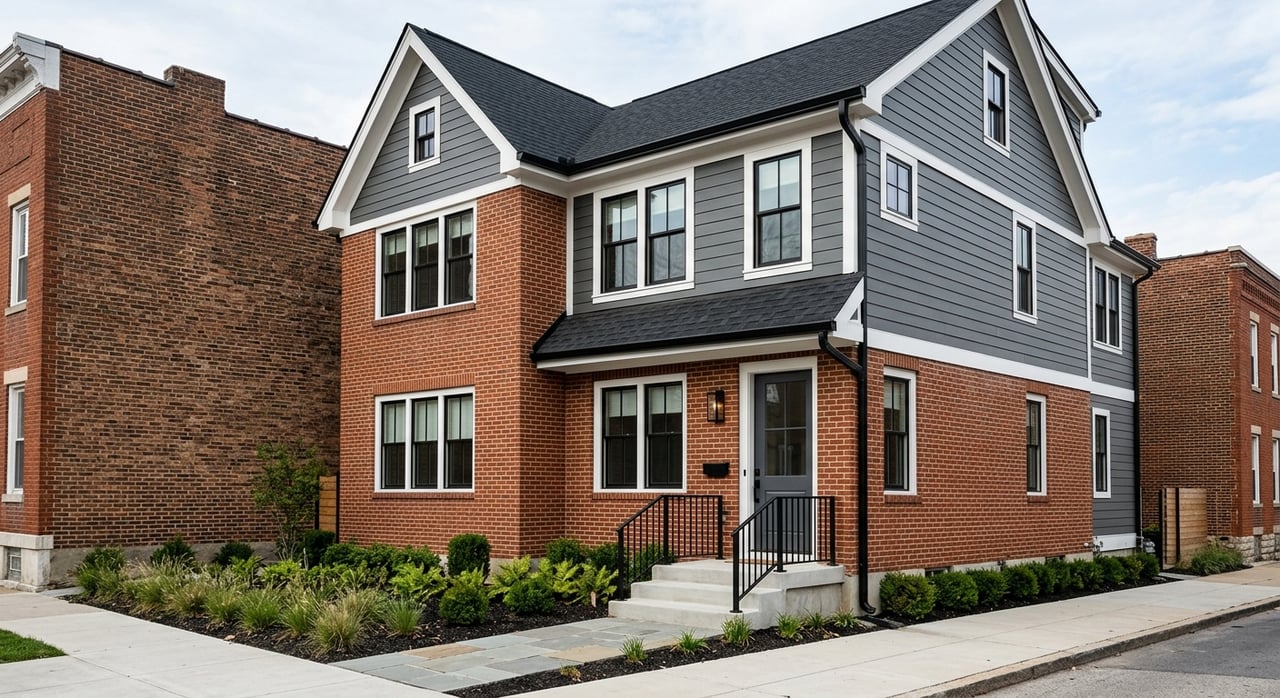
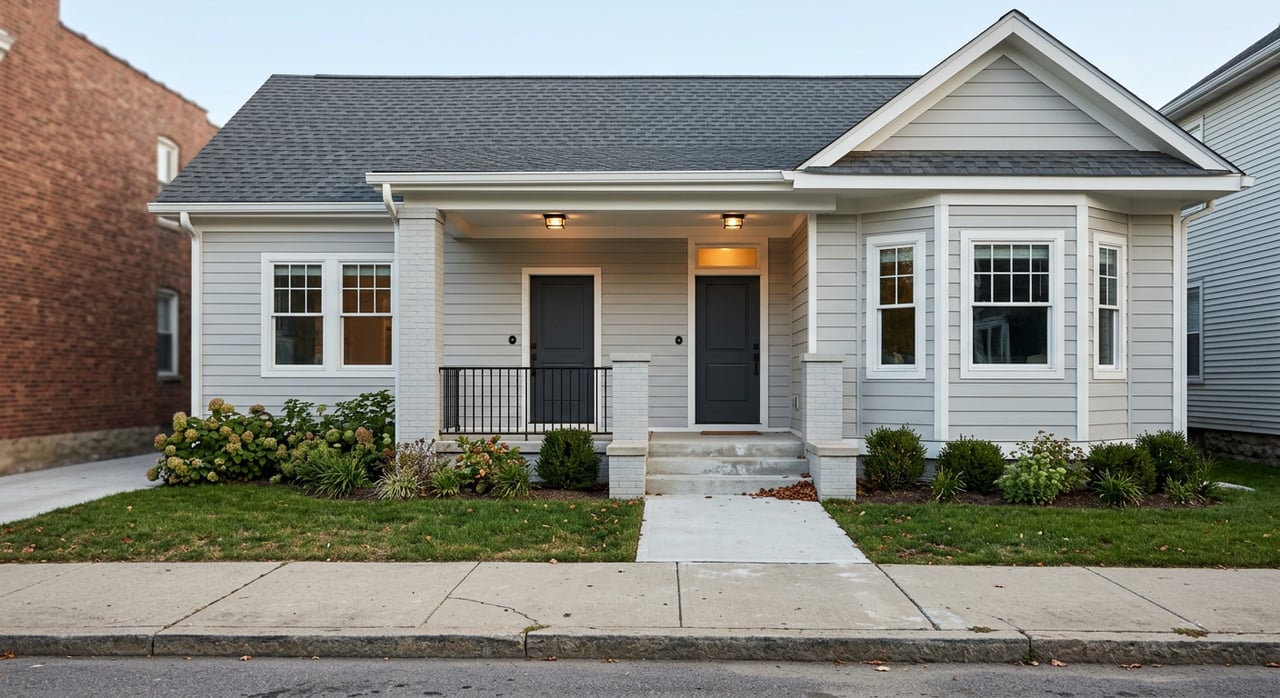
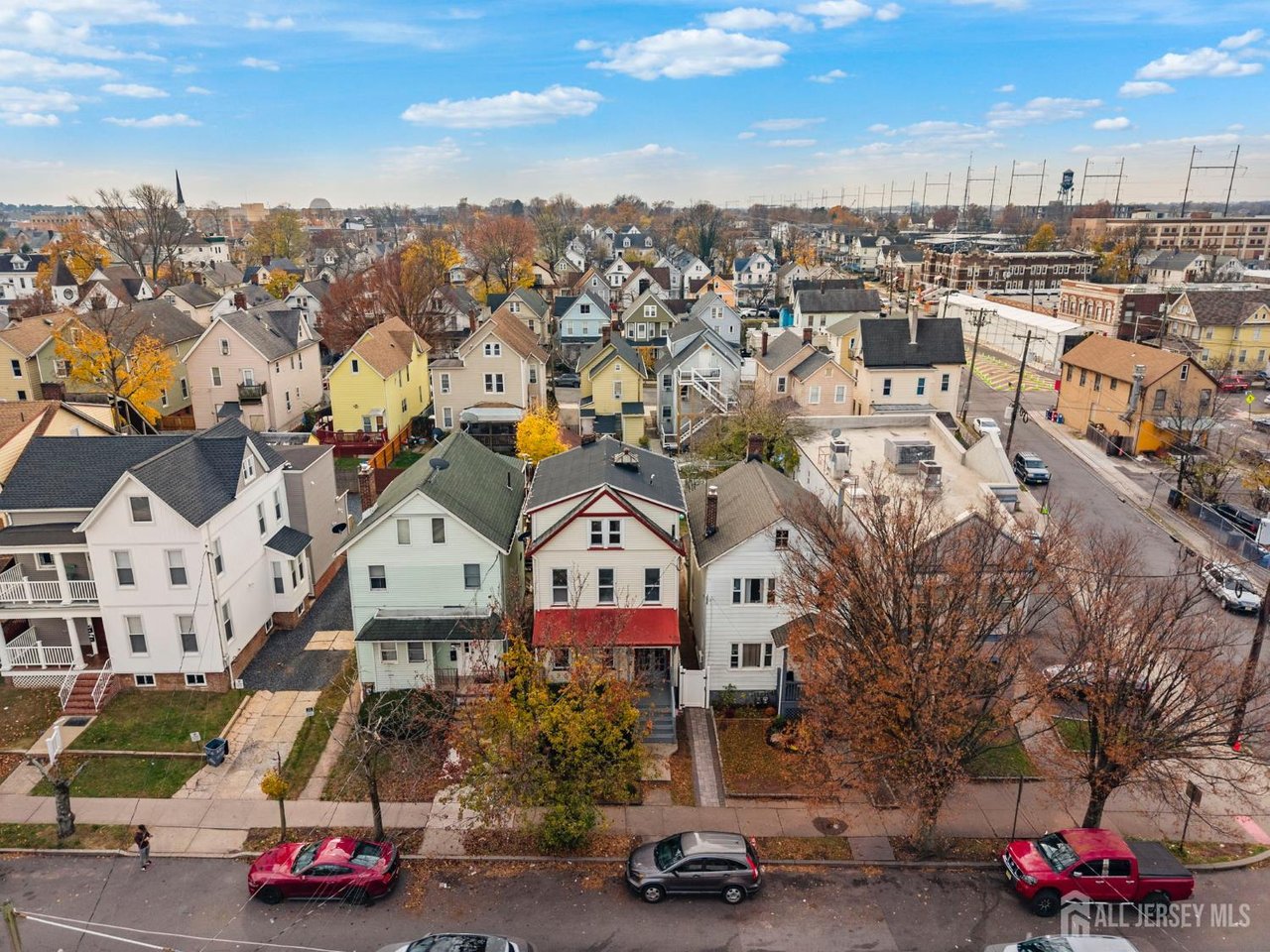
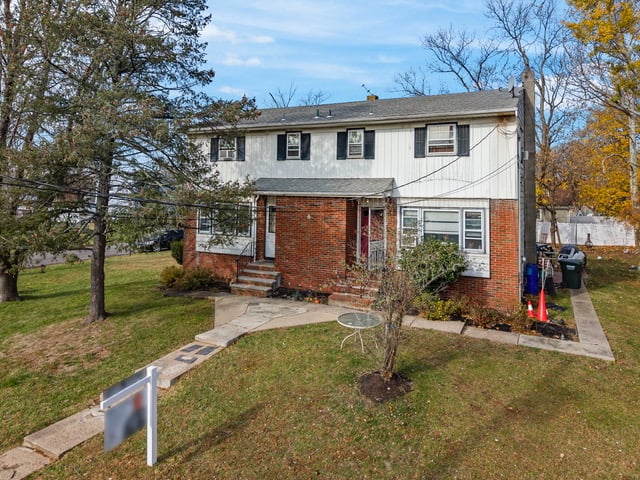
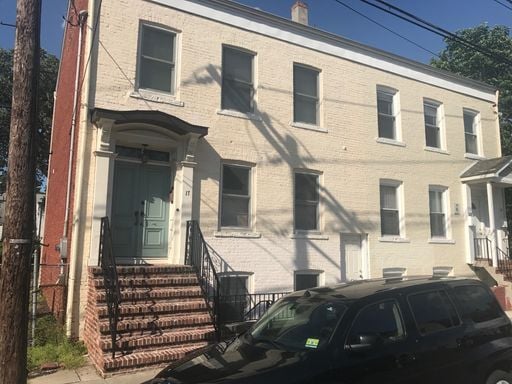
The city features a mix of small multifamily buildings, mid-rise apartments near downtown, purpose-built student housing, and mixed-use along commercial corridors. You will also find garden apartment complexes and renovated historic rowhouses. Recent years brought moderate new multifamily and student housing around downtown and along Route 1, along with some building conversions. County-level life-sciences and office-to-lab activity can indirectly support higher-income renter demand.
Vacancy patterns to watch
Vacancy tends to run lower near the train station, Rutgers, and the medical centers, and higher in peripheral neighborhoods. Academic cycles shape leasing behavior, so late summer and early fall are prime absorption windows. Seasonality means you should time marketing and renewals to align with peak demand, or budget for extra vacancy if you miss the window. For precise point-in-time vacancy by asset class, consult professional data services or local property management intel.
Rent drivers you can influence
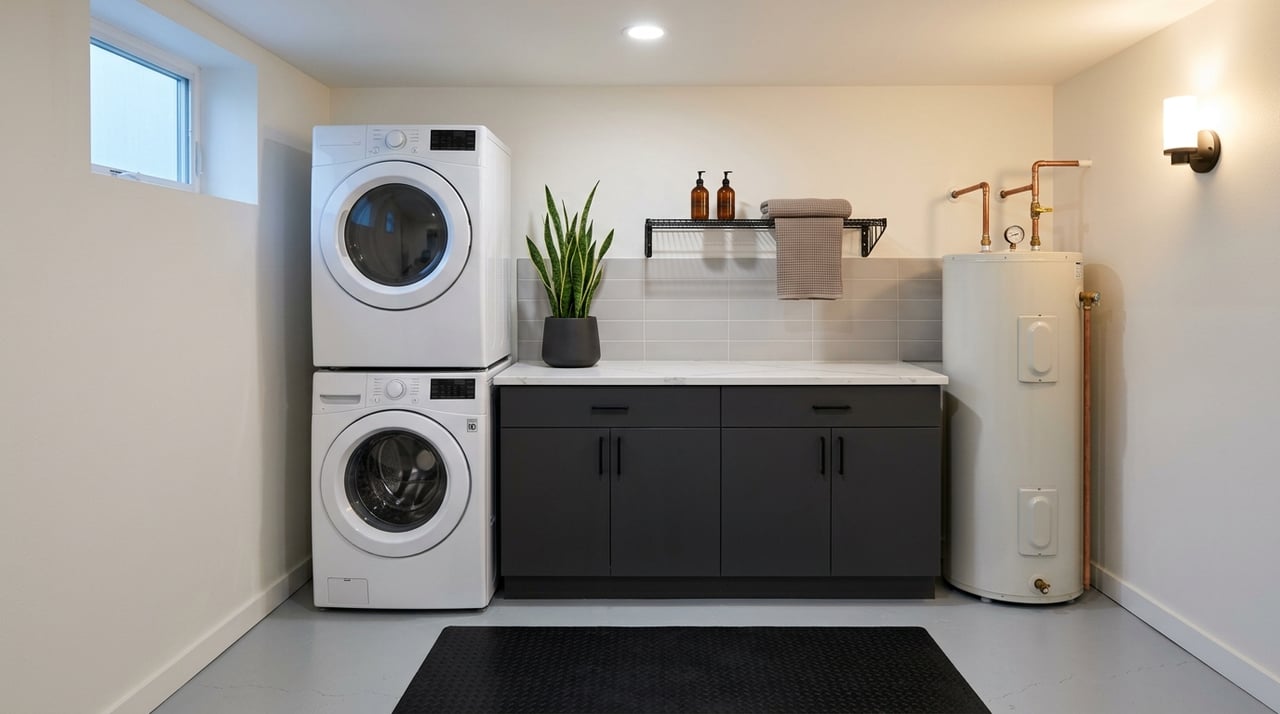
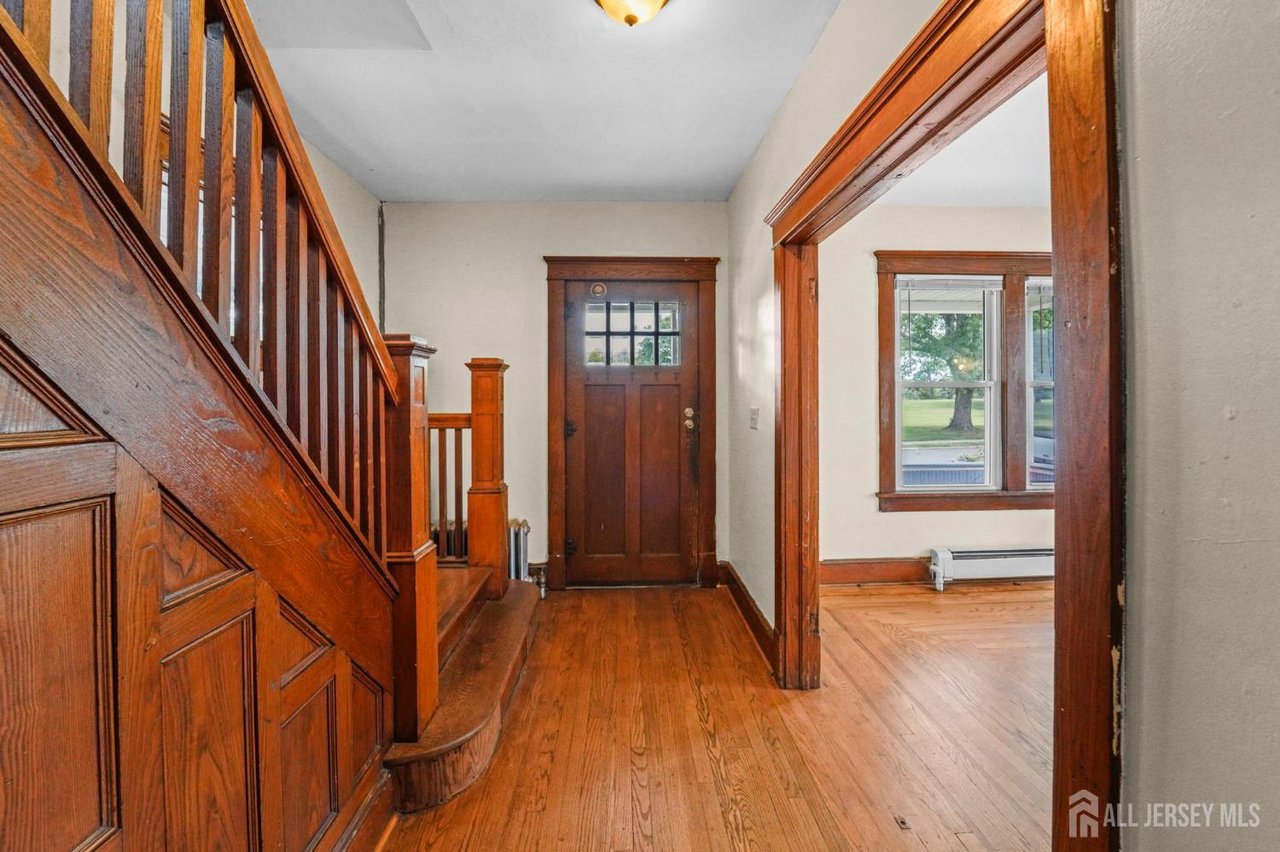
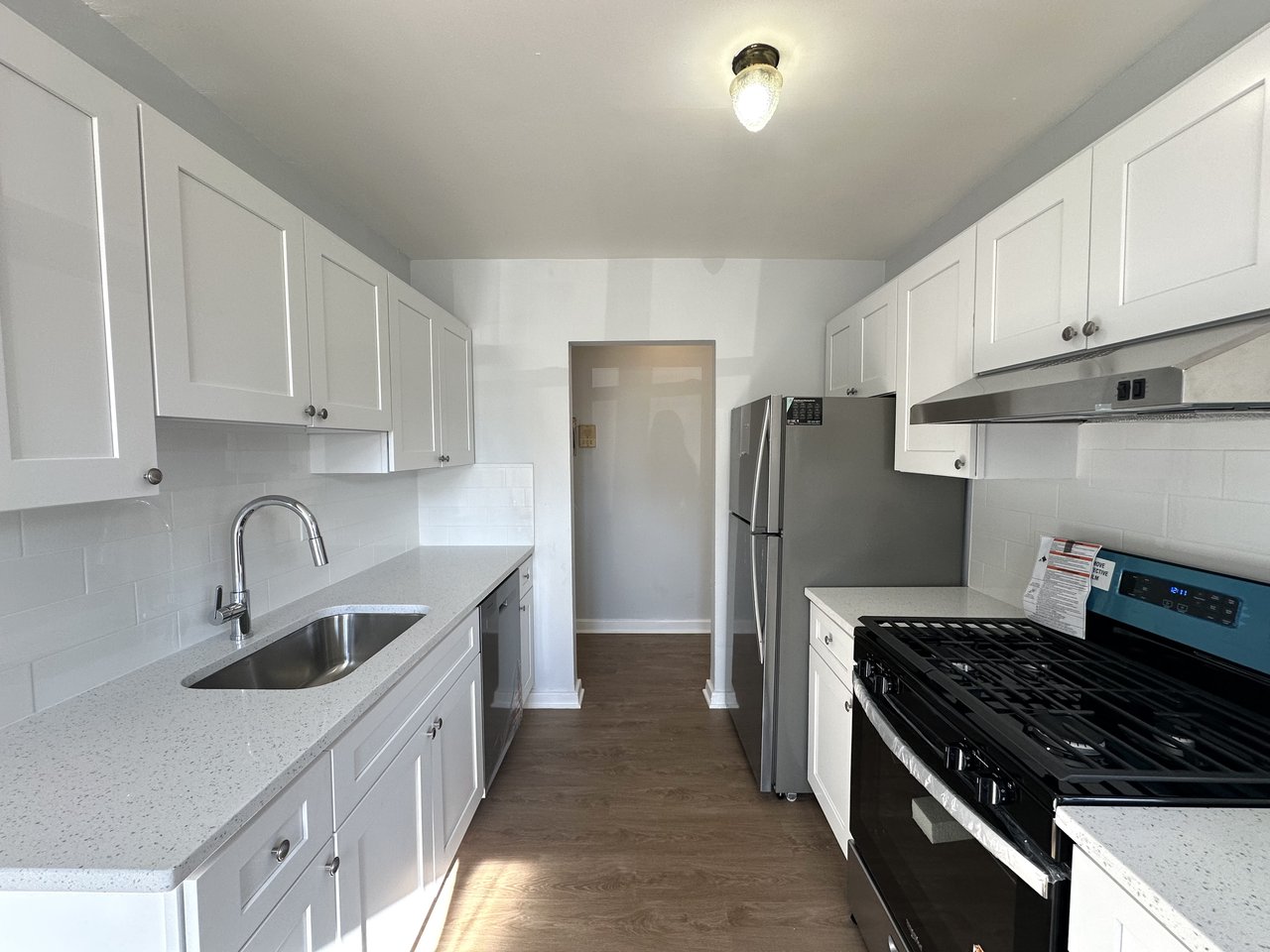
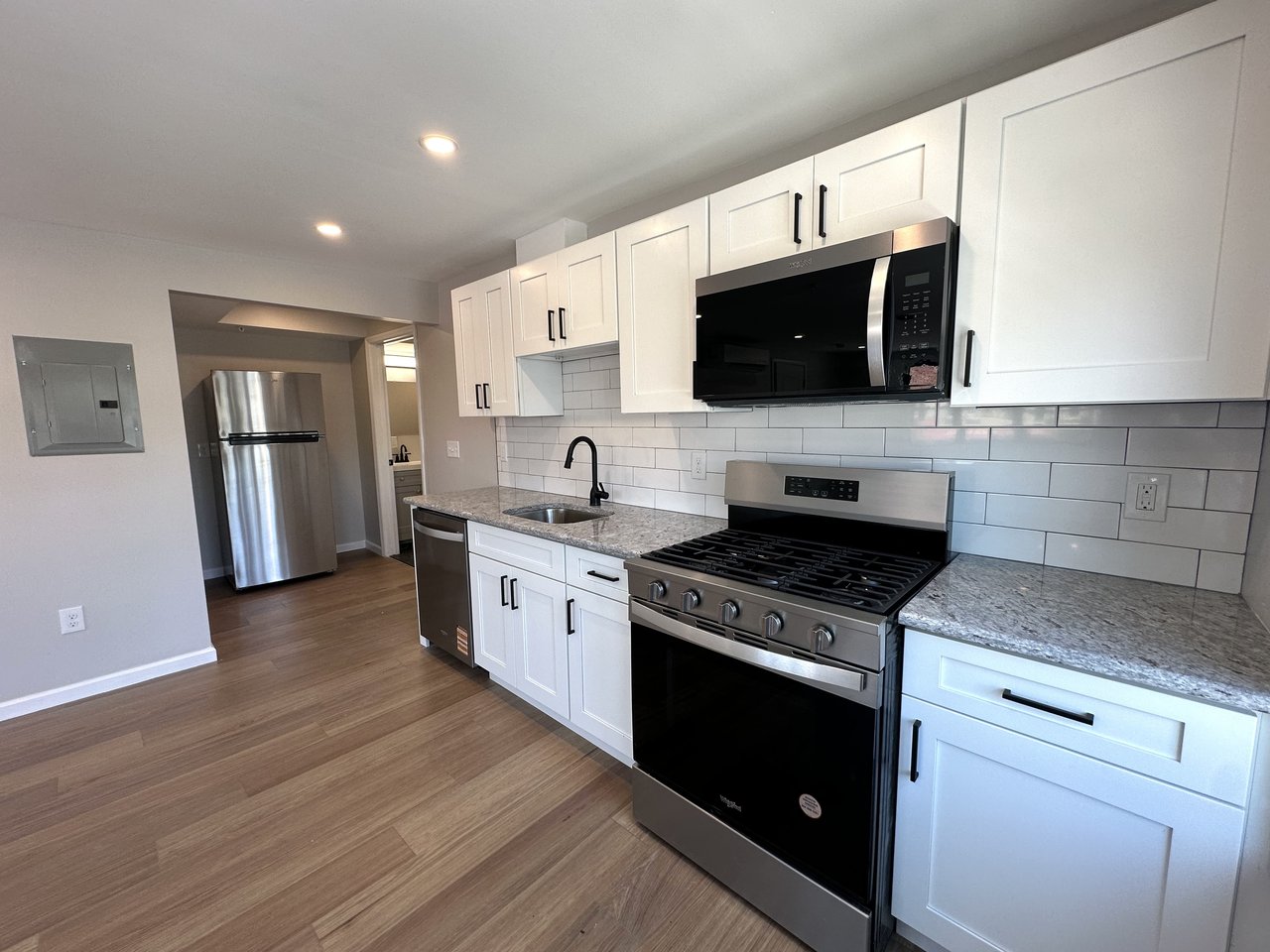
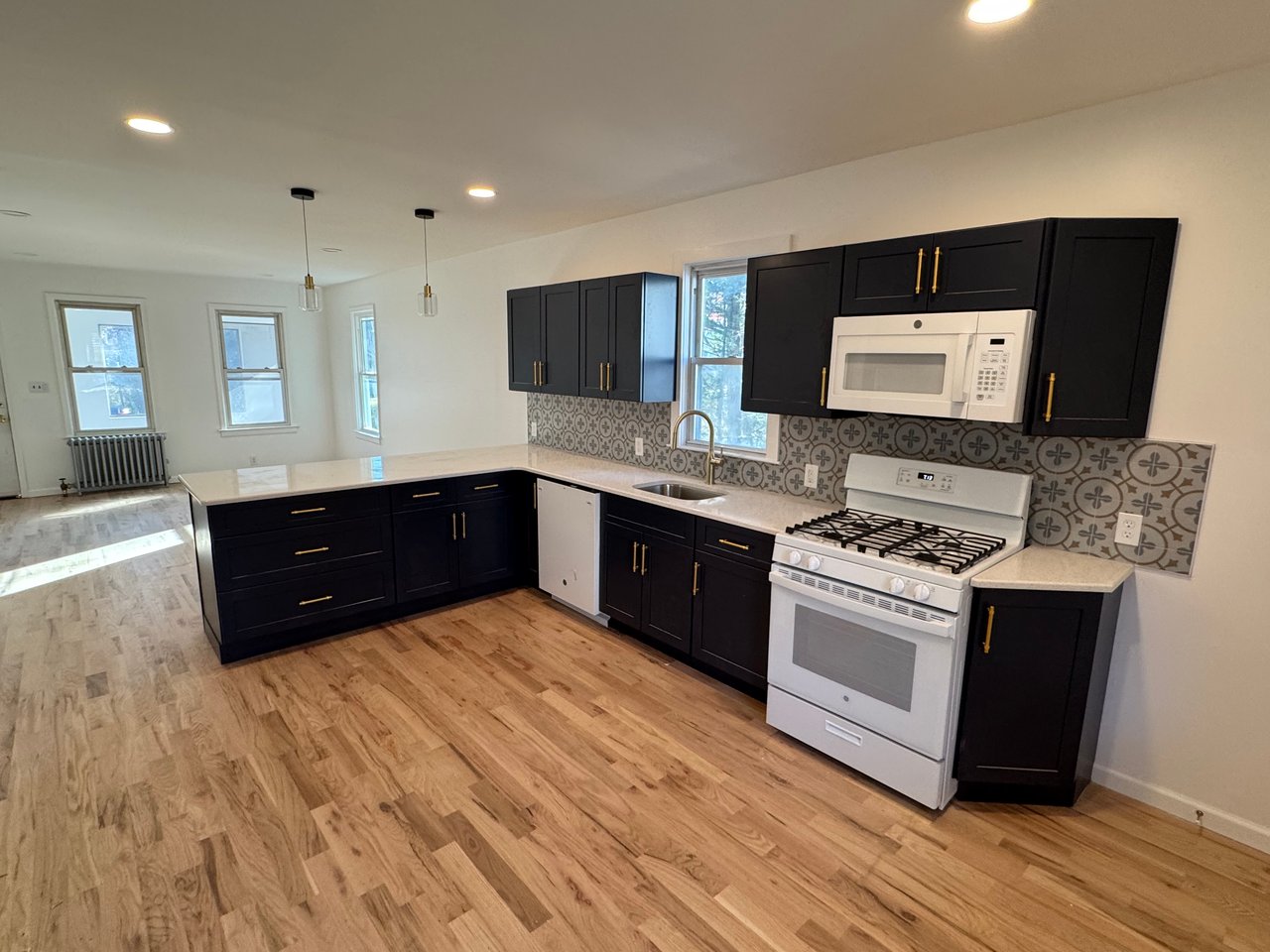
Proximity to transit and campus, unit size and condition, furnished versus unfurnished, and amenities such as parking and on-site laundry all move the needle. Furnished units often command a premium in student-heavy areas. Renovated interiors with modern kitchens and baths can justify higher rents, especially within walking distance of key anchors. Always adjust ask rents for unit size, inclusions, and distance to Rutgers or the rail station when you build comps.
What to buy and who it serves
Common asset types
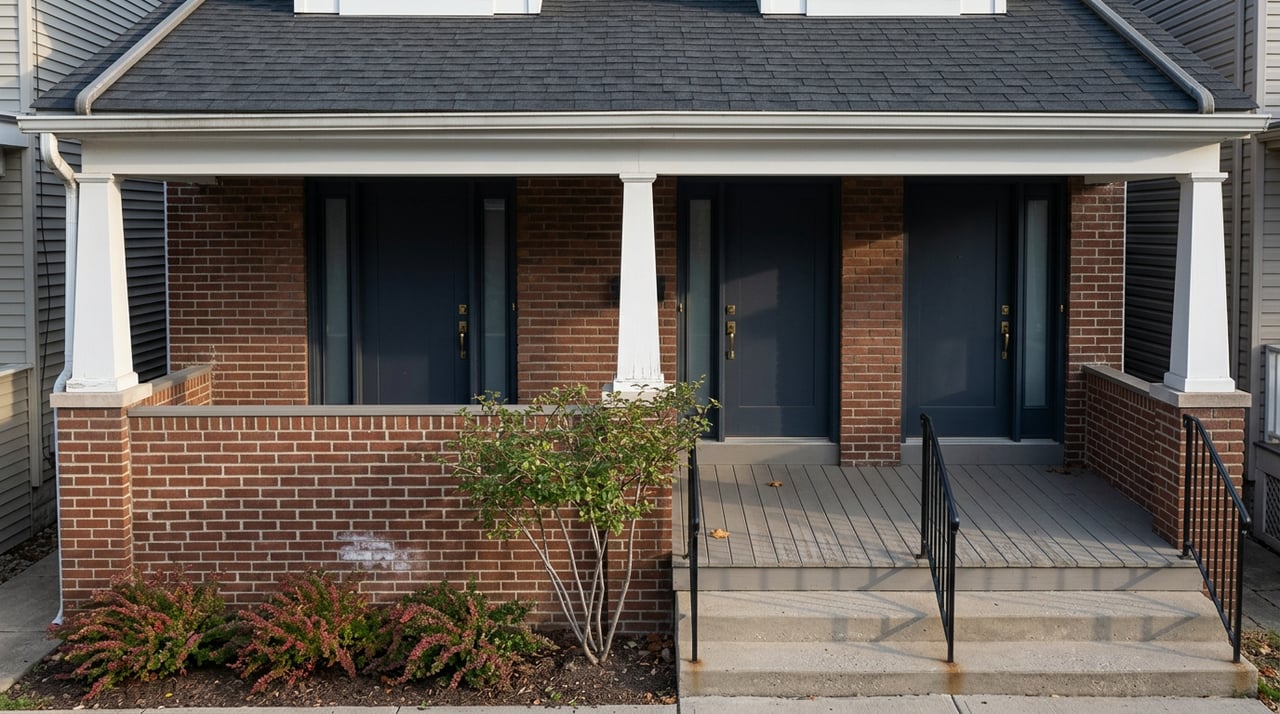
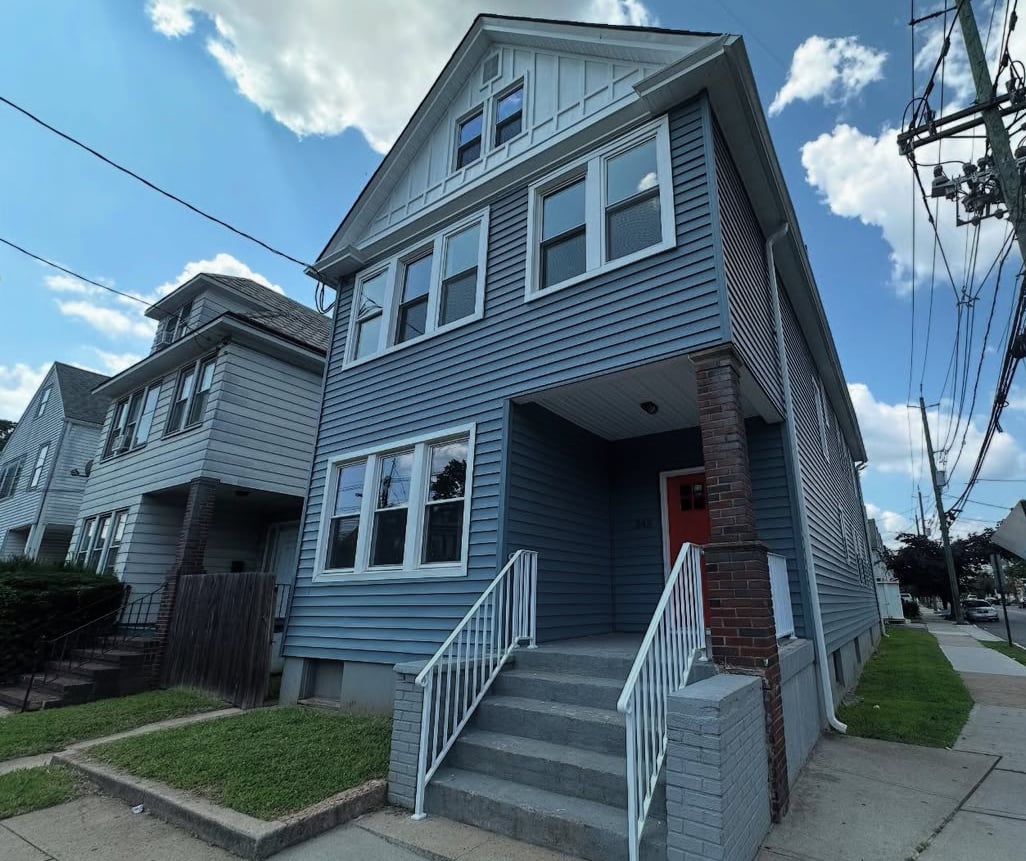
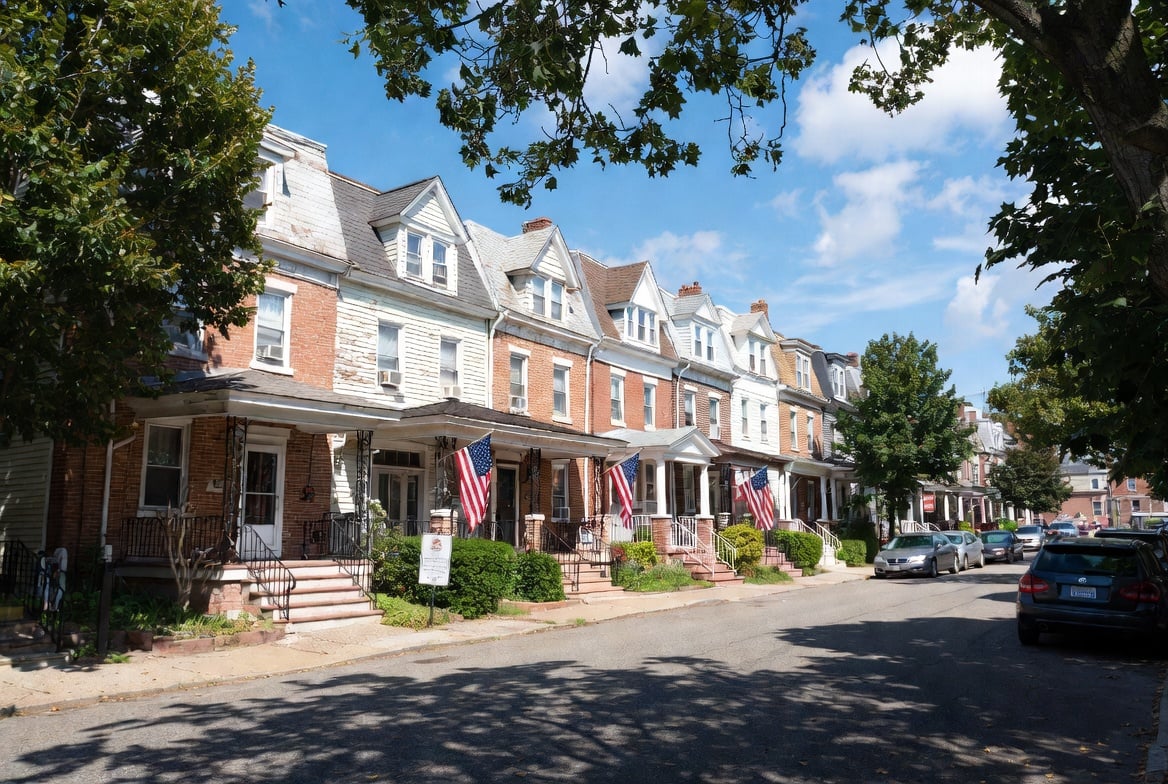
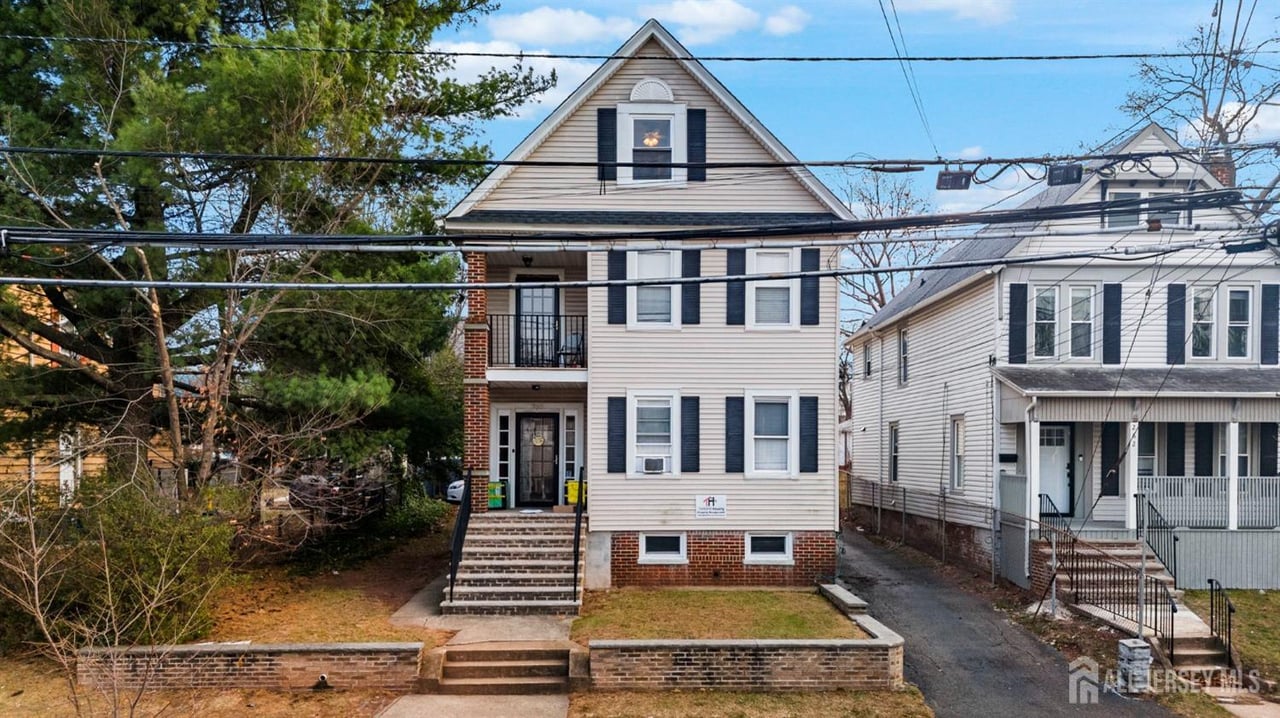
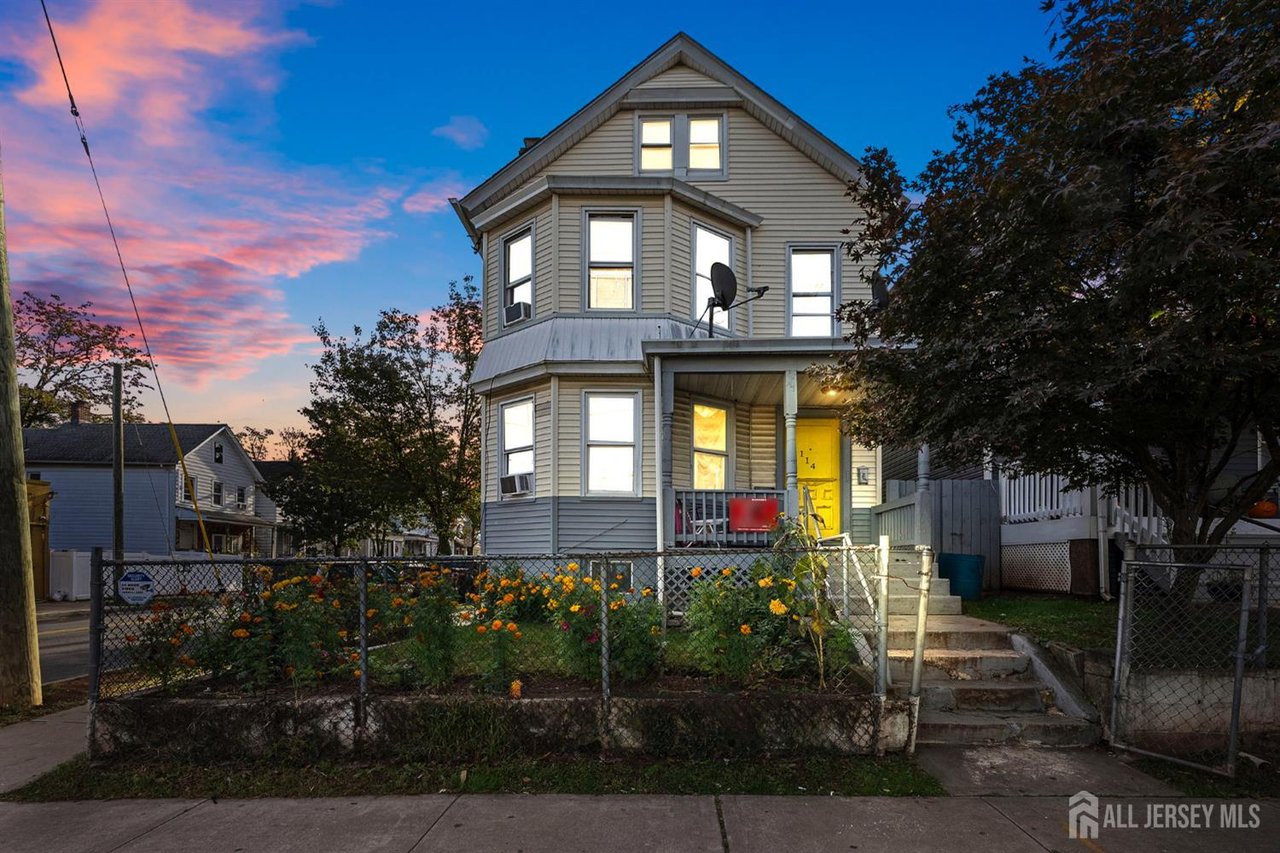
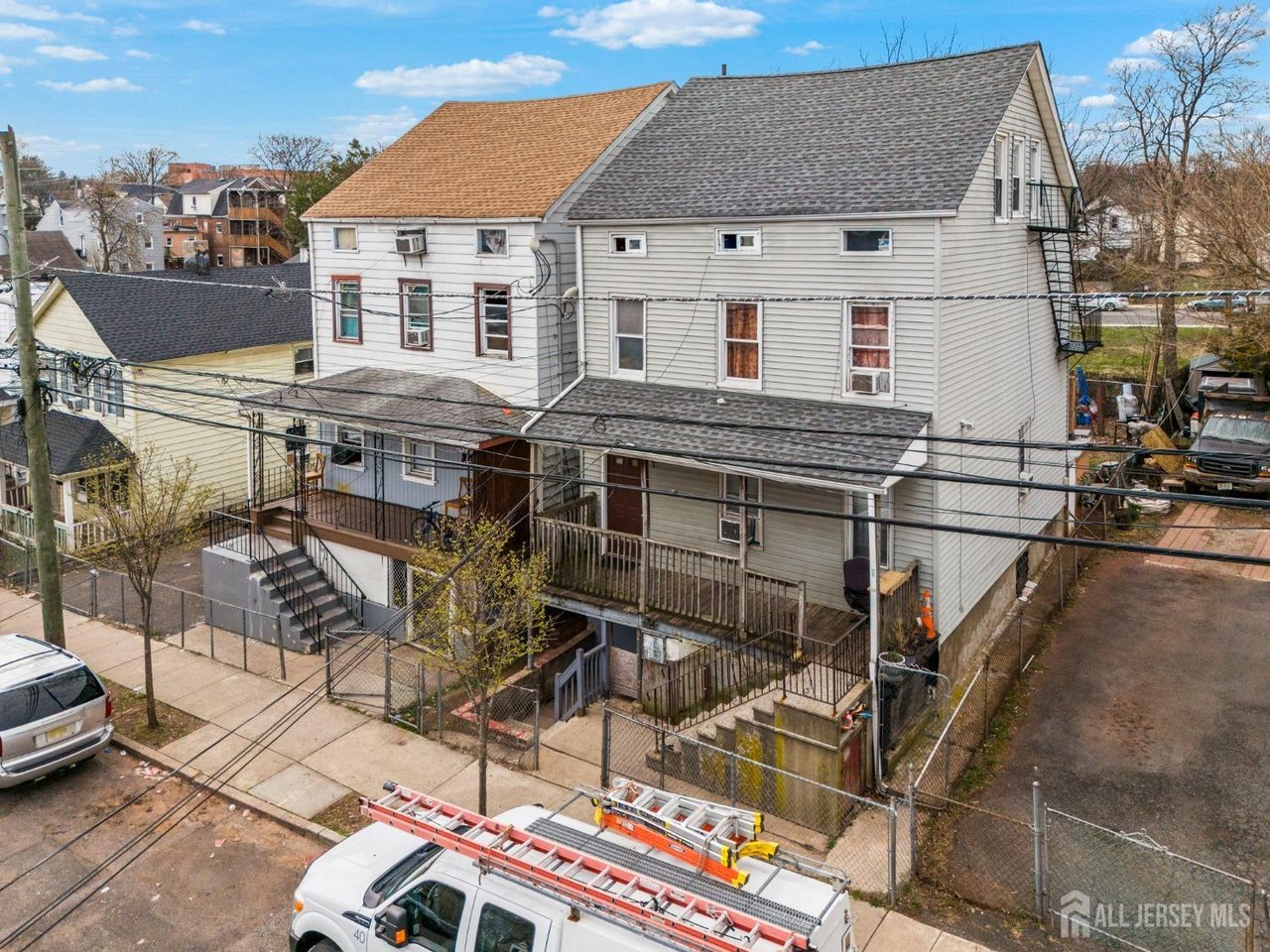
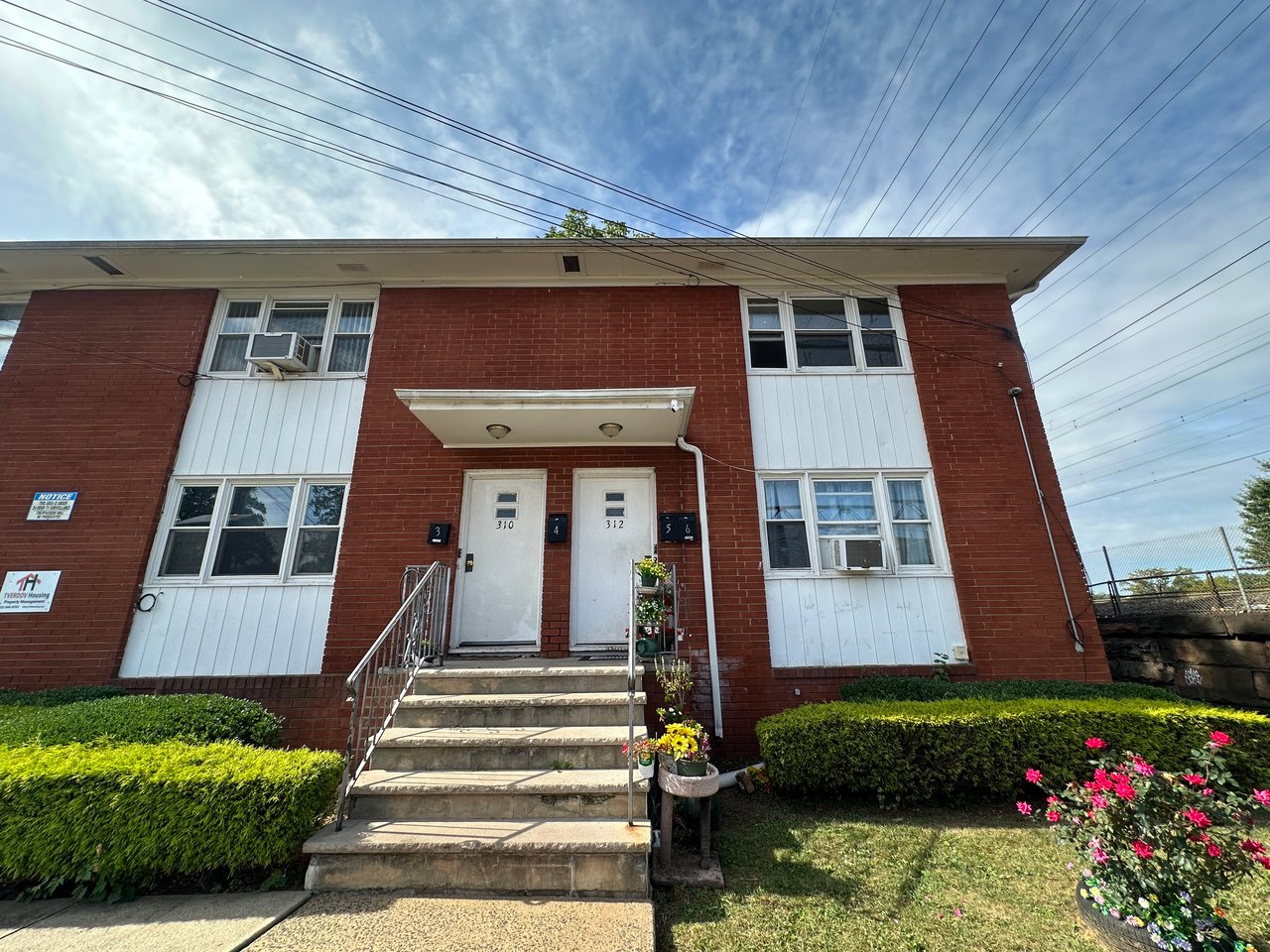
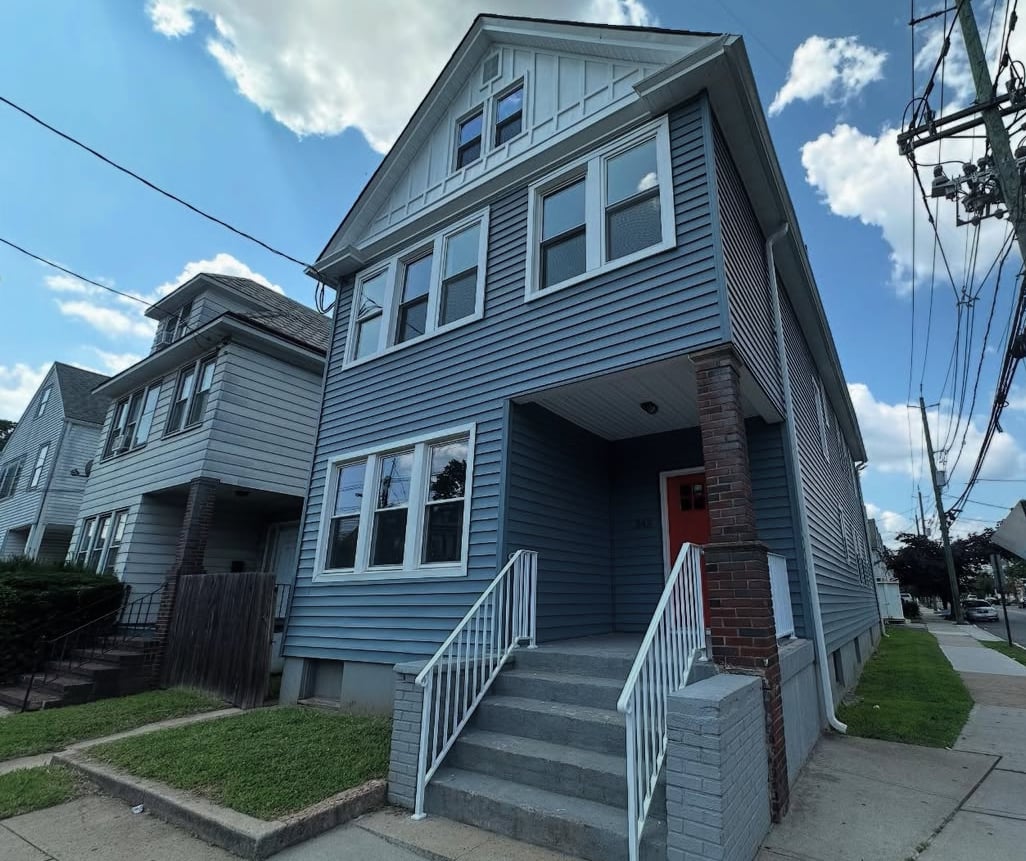
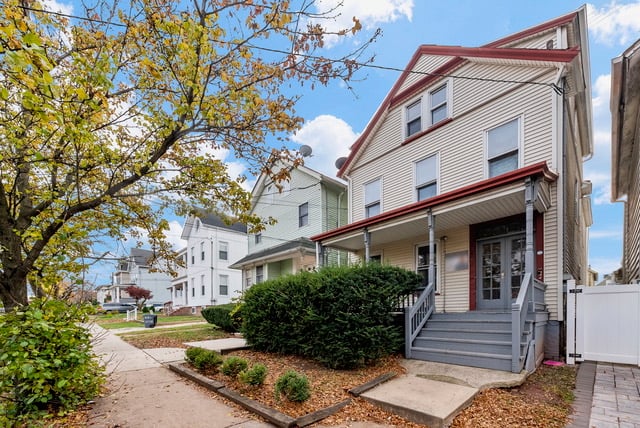
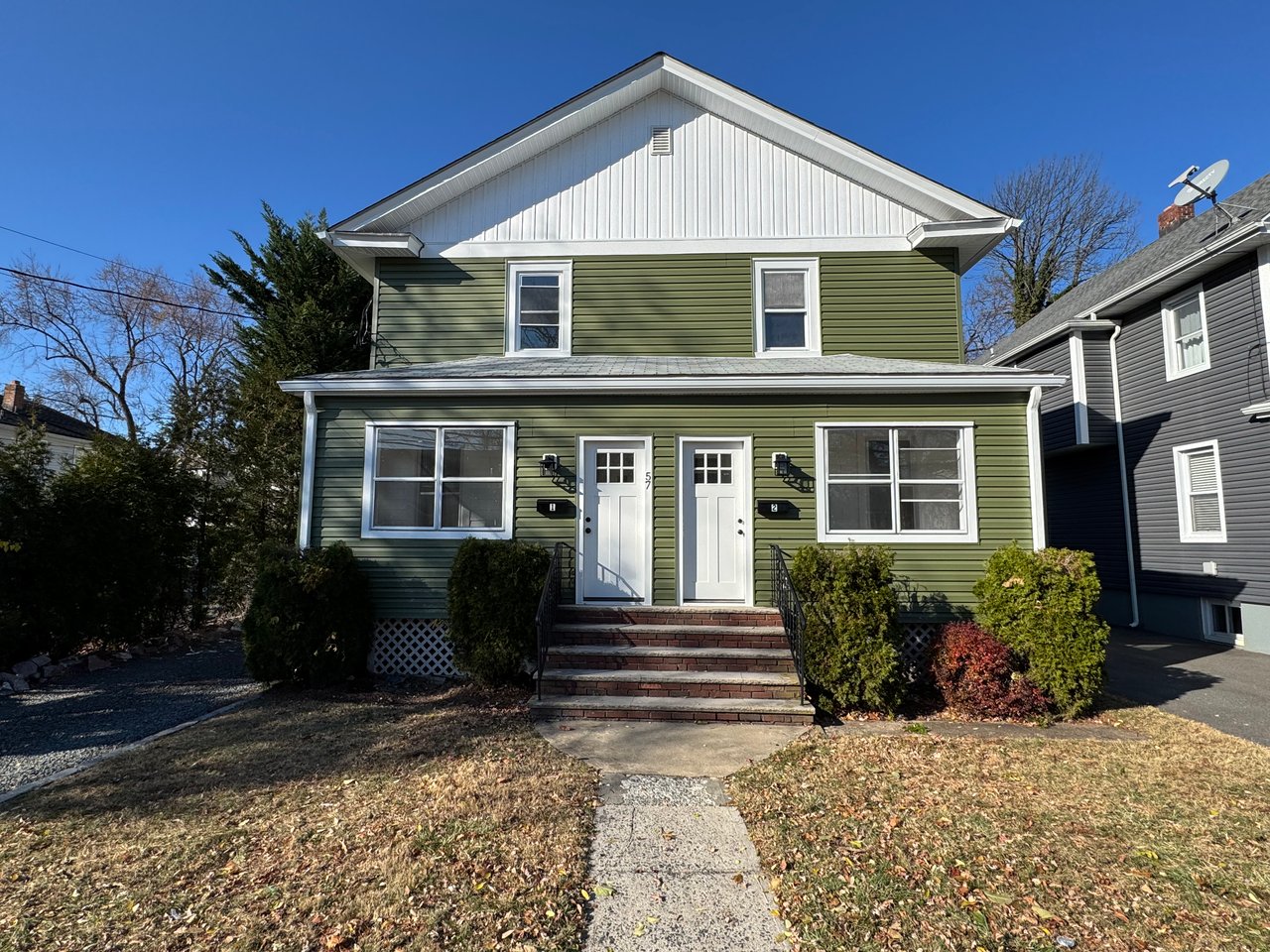
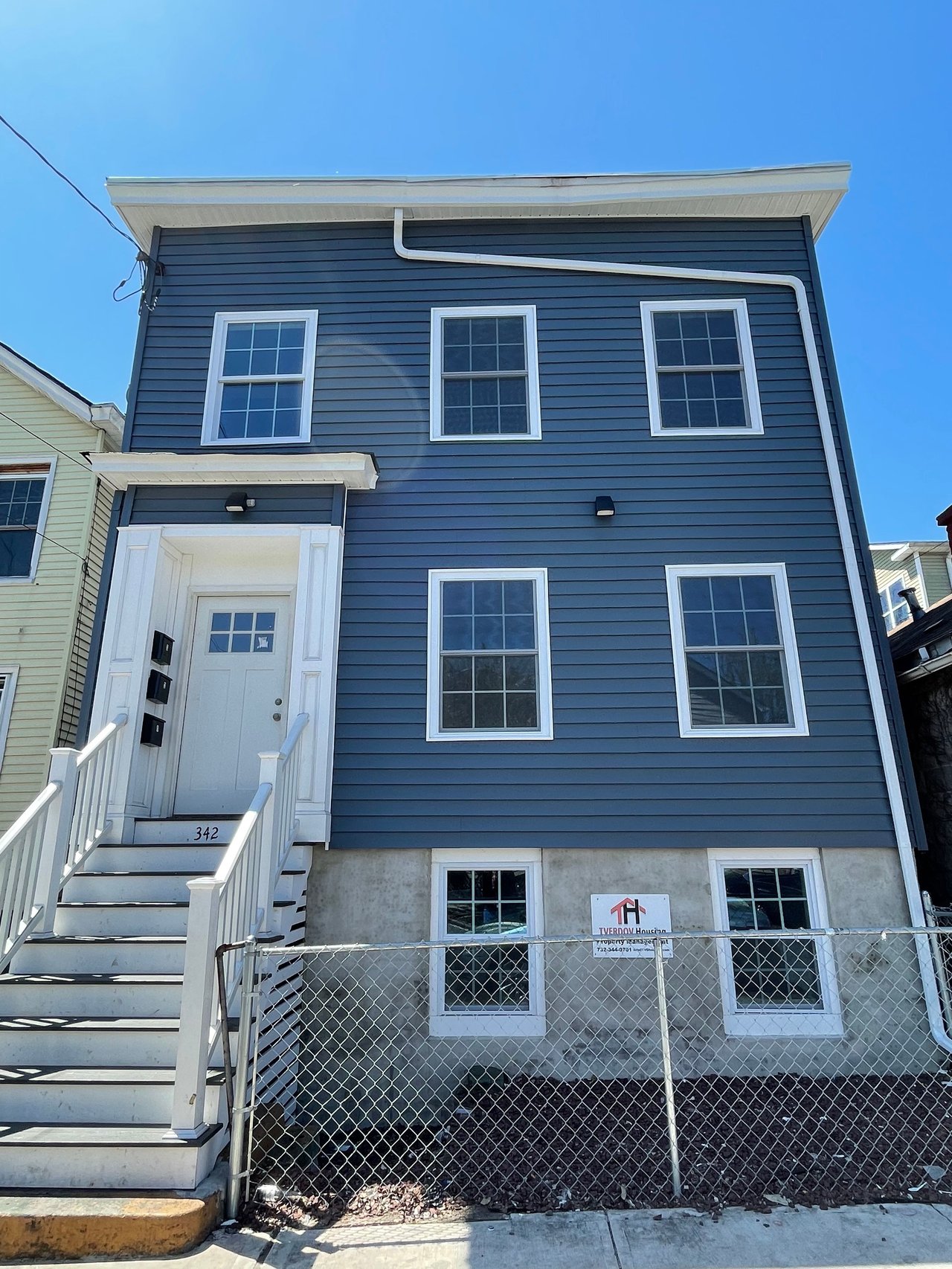
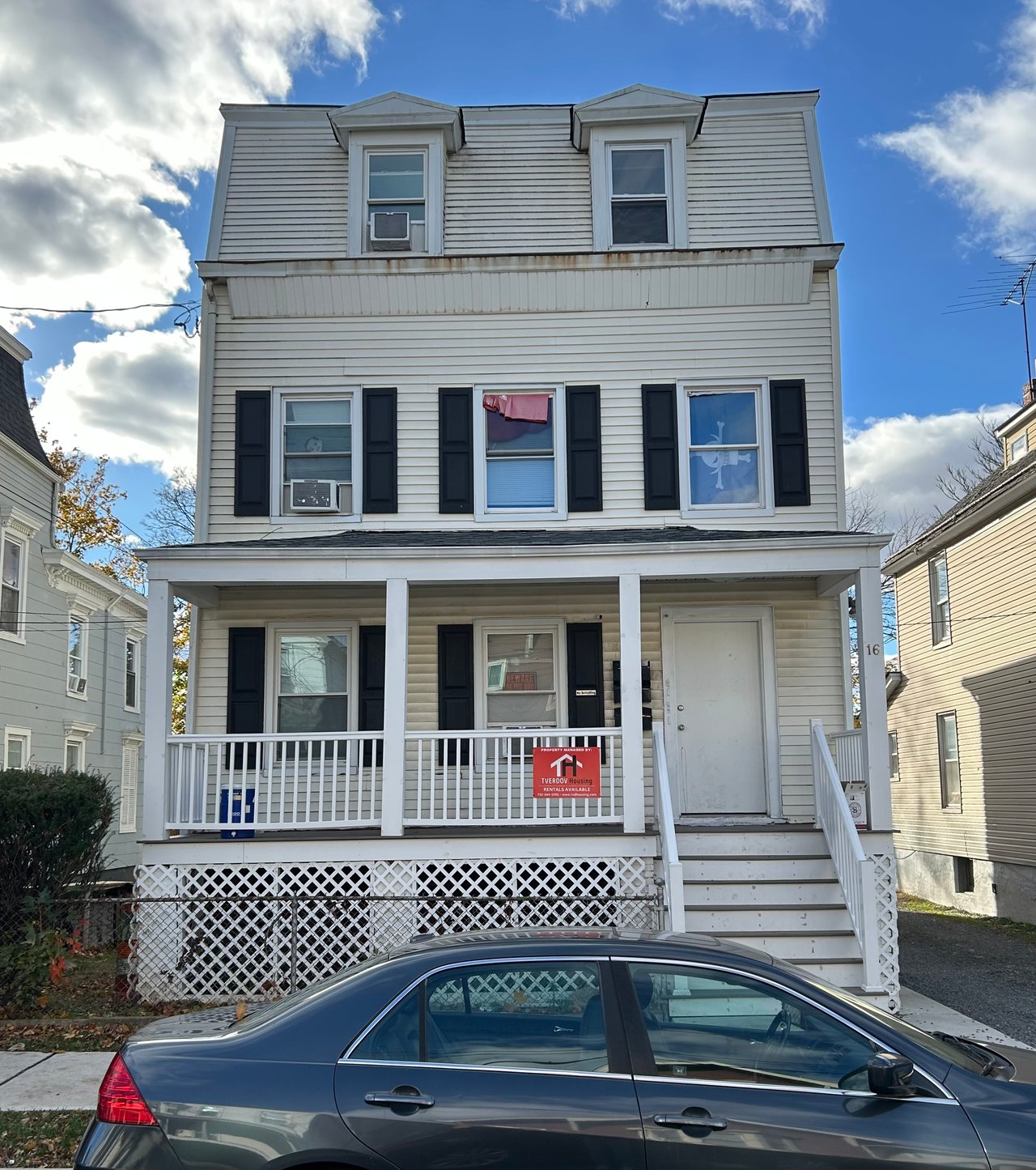
- Small multifamily (2 to 6 units). Often brick rowhouses or small walk-ups, popular with local investors for control and value-add potential.
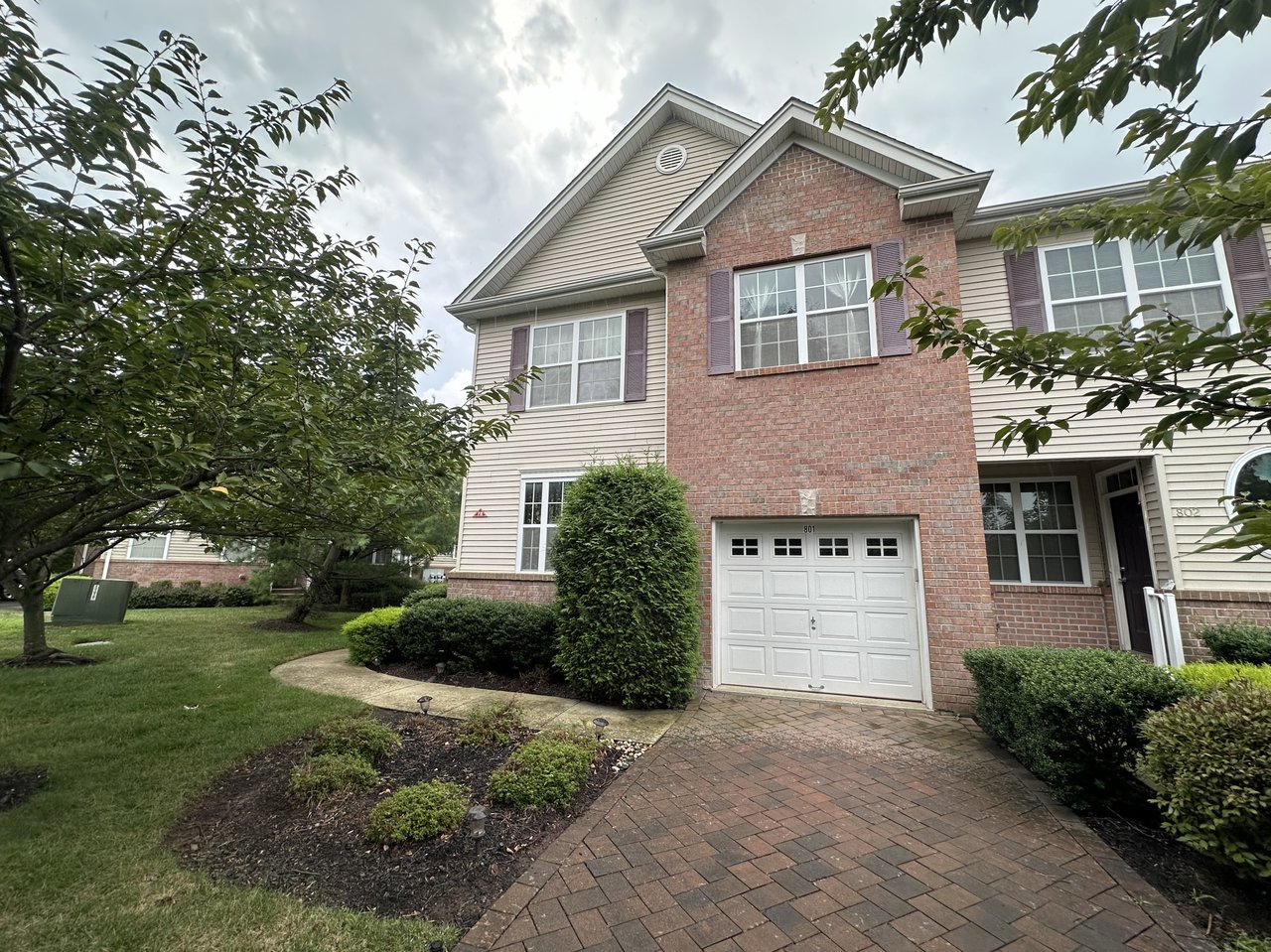
- Mid-rise multifamily (10 to 200 units). Concentrated near downtown and transit; institutional or professional operators may own larger assets.
- Purpose-built student housing. Higher turnover with premium rents per bed; operations are more active and seasonal.
- Mixed-use buildings. Street-front retail with apartments above; underwriting requires scrutiny of commercial tenancy.
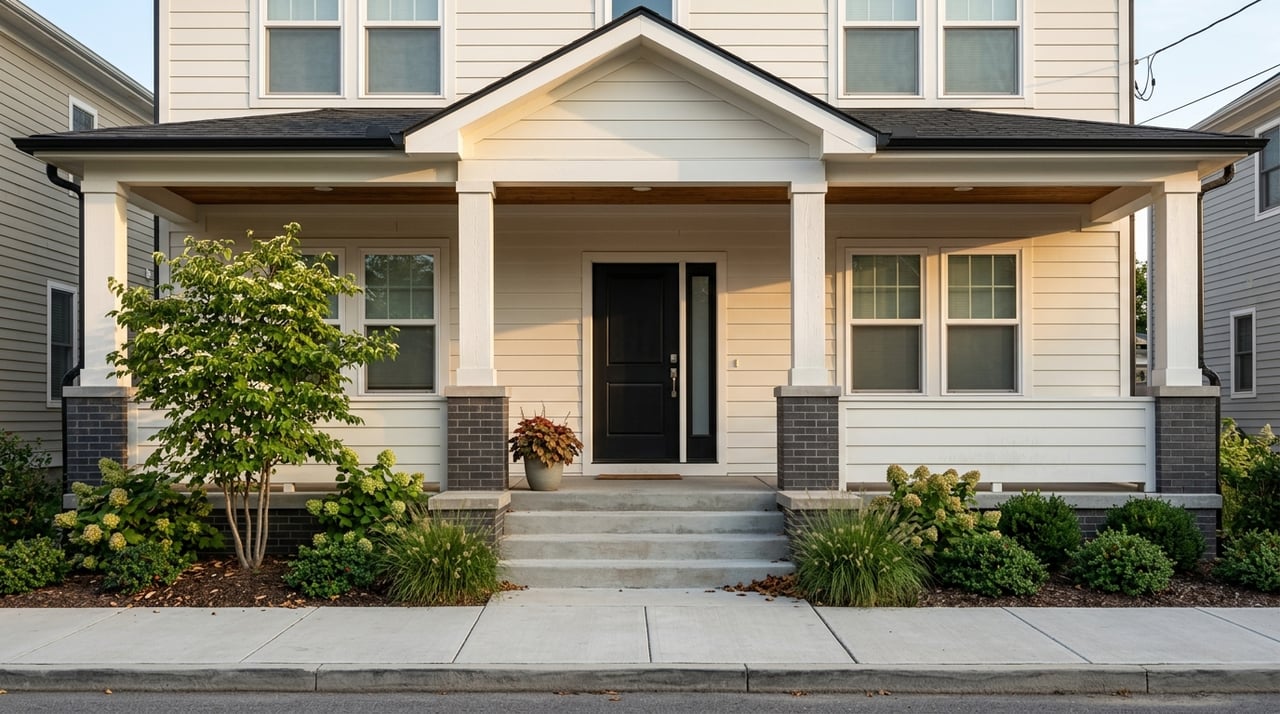
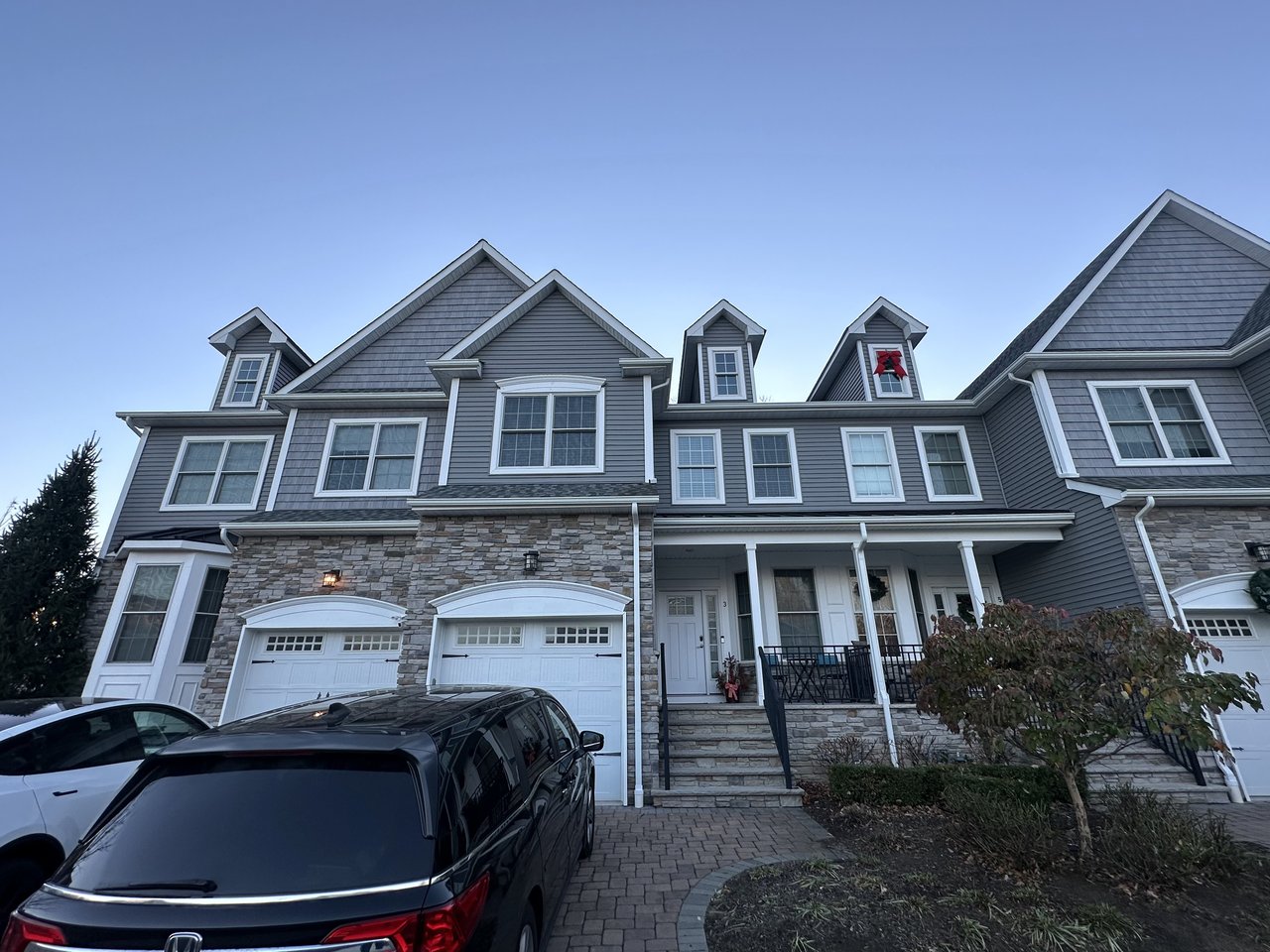
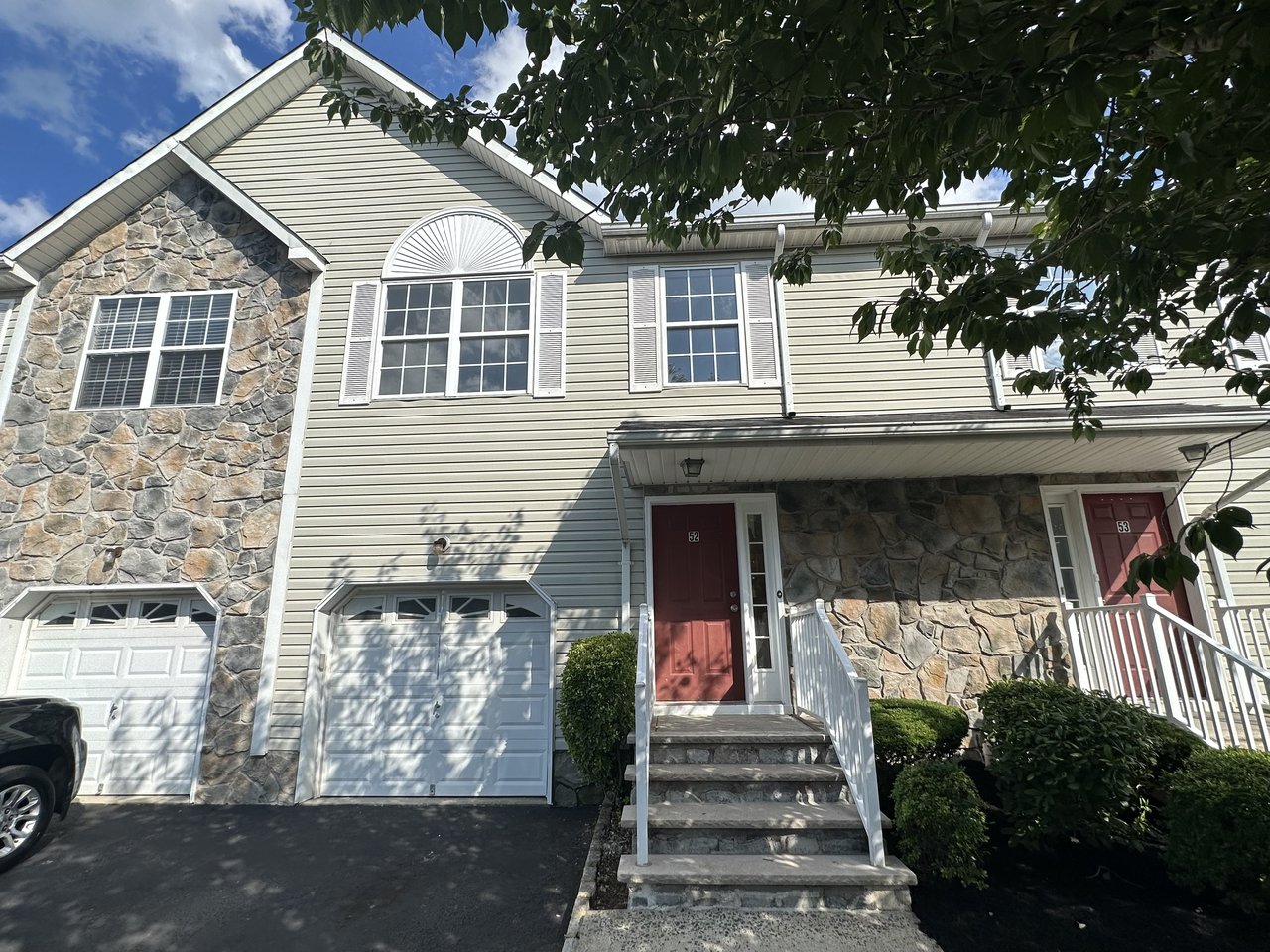
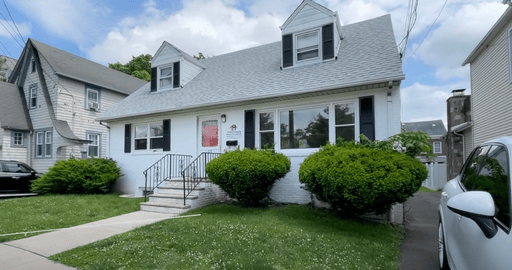
- Single-family rentals. A smaller share of the market, suited for investors targeting longer leases and household tenants.
Unit mix strategy
Studios and 1BRs attract students, young professionals, and medical fellows, especially close to transit and campus. Two and 3BRs work for roommates, small families, and medical staff who share housing. Larger 3+BR units or single-family rentals can reduce turnover with household tenants. Match your mix to your micro-location and leasing plan to minimize vacancy and churn.
Comping rents the right way
Build a comp set using active listings and recent leases within a half-mile to one mile, then segment by building type and condition. Call property managers for real-world rent and concession details, and note if units are furnished or include utilities. Adjust for parking, laundry, in-unit features, and walkability to campus or the train. Validate any projected rent uplift with multiple sources before you underwrite.
Underwriting the numbers
Core metrics refresher
- Effective Gross Income (EGI) = Scheduled Gross Potential Rent minus Vacancy and Credit Loss plus Other Income.
- Net Operating Income (NOI) = EGI minus Operating Expenses. (Exclude mortgage payments and capital expenditures.)
- Capitalization Rate (Cap Rate) = NOI divided by Purchase Price.
- Cash-on-Cash Return = Annual Cash Flow After Debt Service divided by Total Cash Invested.
- Debt Service Coverage Ratio (DSCR) = NOI divided by Annual Debt Service.
Expense benchmarks to use
Use conservative inputs, especially for property taxes and reserves.
- Vacancy and credit loss: 3 to 8 percent of scheduled rents. Student-impacted units may need higher assumptions or off-season adjustments.
- Management: 4 to 8 percent of EGI for third-party management. Small portfolios trend higher.
- Maintenance and repairs: 5 to 12 percent of EGI based on age and unit count. Value-add assets and older buildings sit at the high end.
- Replacement reserves and CapEx: 250 to 800+ dollars per unit annually, depending on age and upgrade plans. Student housing and older inventory often require more.
- Utilities: Model lease structure precisely. If owners cover heat or water, build in recent 12 to 24 month data.
- Property taxes: New Jersey taxes are among the highest nationally. Review parcel histories and appeal opportunities with the county assessor.
- Insurance: Obtain local quotes, as premiums are typically higher for urban rental assets.
Returns and valuation context
In the NY metro’s commuter markets, multifamily cap rates often compress relative to more distant areas. Assets near transit and campus tend to trade at premium pricing. Cash-on-cash results depend heavily on leverage and interest rates, so model multiple debt scenarios. Stress test for rent movement of plus or minus 5 to 15 percent, higher vacancy, and rising taxes and utilities to understand downside protection.
Financing and execution
Capital sources and terms
Financing options include agency products, local banks, life company loans, and portfolio lenders. Lenders will vary on loan-to-value, amortization, and DSCR, and smaller two to six unit loans often carry higher rates or shorter terms. Rate volatility means you should evaluate fixed versus floating options and potential buydowns. Keep DSCR cushions in focus, especially for value-add plays during lease-up.
Value-add levers for NOI growth
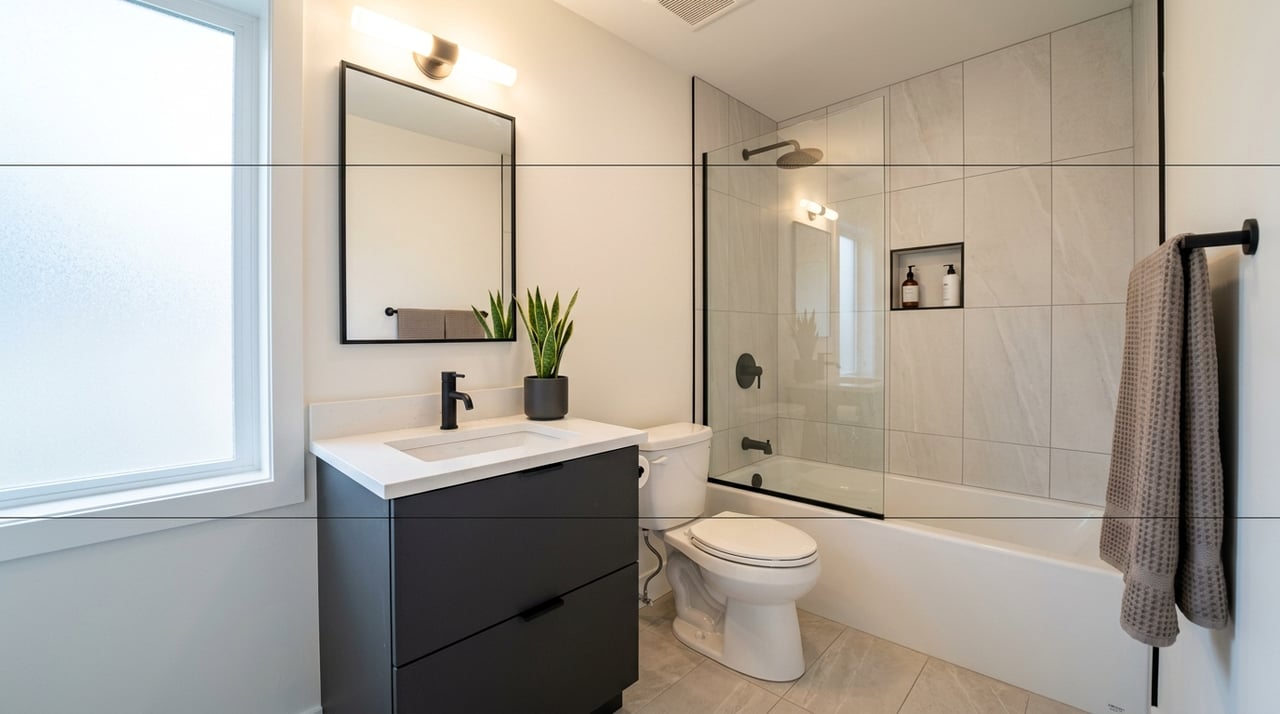
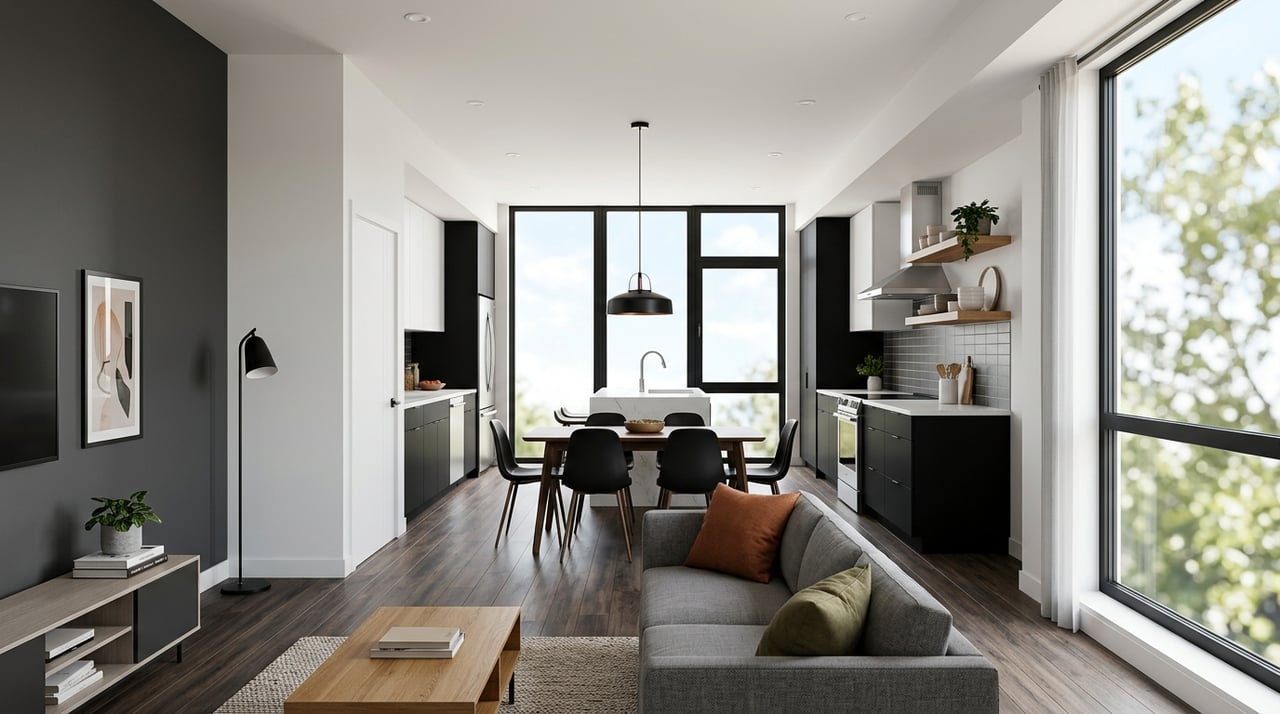
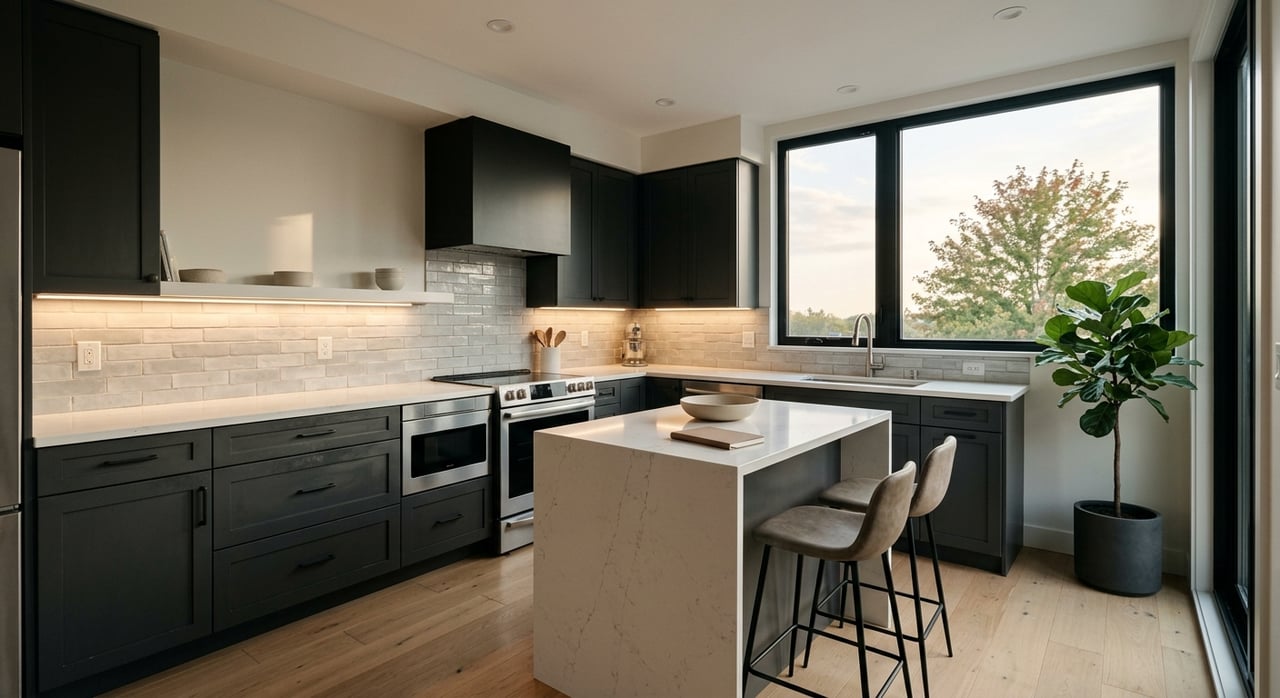
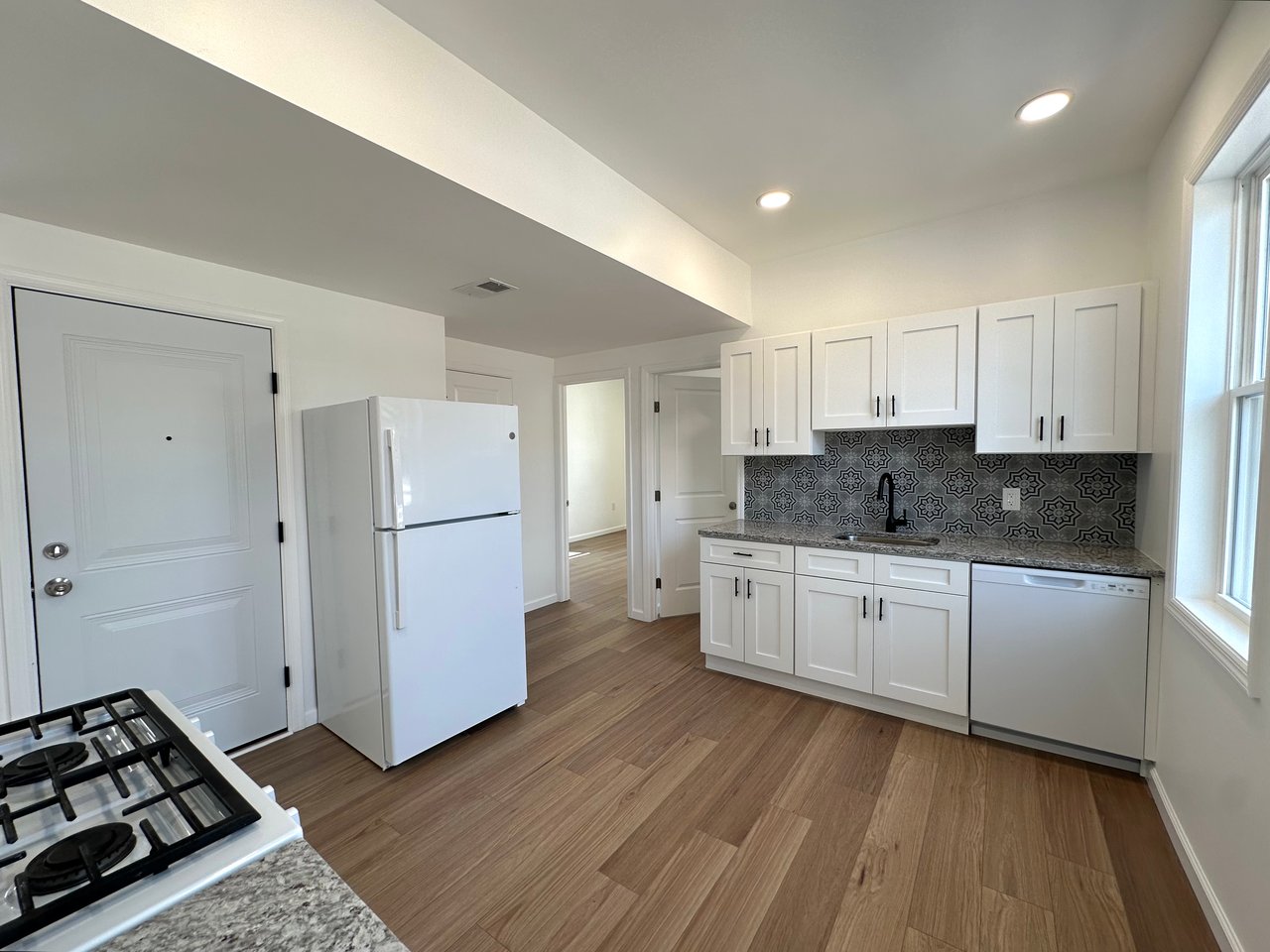
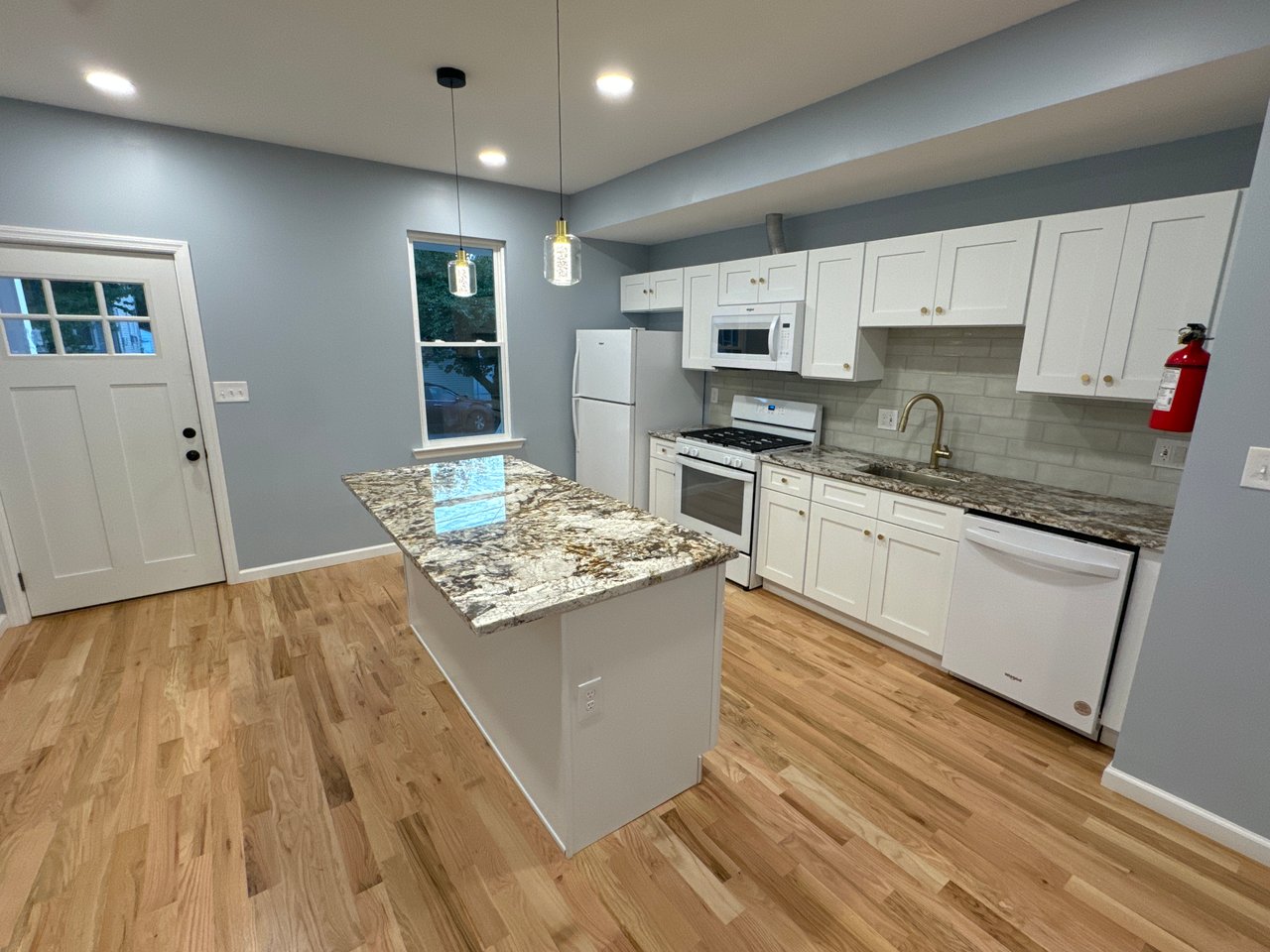
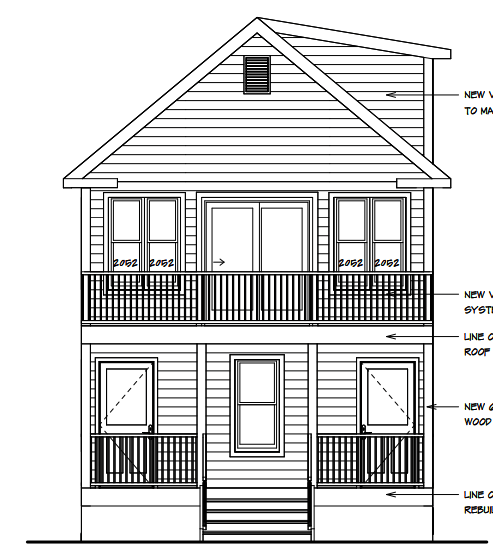
- Renovation and rent uplift. Modern kitchens, baths, flooring, and in-unit laundry can support higher rents. Measure payback periods by unit.
- Operational improvements. Professional leasing, online marketing, and utility billing conversions can reduce leakage and increase EGI.
- Ancillary income. Parking, storage, pet fees, furnished premiums, and laundry revenue can boost returns without over-relying on rent growth.
Regulations, taxes, and risk controls
Property taxes and assessments
Property taxes are a major NOI driver in New Jersey. Review assessment history, recent appeals, and how planned renovations could impact future assessments. Underwrite potential increases after capital improvements so your pro forma remains durable.
Rental registration and inspections
Many New Jersey municipalities require rental registration, certificates of occupancy for rentals, inspections, or landlord licensing. Confirm New Brunswick’s current requirements with the city’s building or housing department before acquisition. Build inspection timelines into your lease-up plan to avoid delays.
Code and habitability
Older buildings may involve lead paint, asbestos, or other remediation. Verify legal unit counts, permitted uses, and any open violations. Budget time and reserves for compliance work to protect tenant safety and your operating schedule.
Employer concentration risk
New Brunswick’s rental base leans on Rutgers and healthcare and life sciences employers. Model scenarios for enrollment or hiring shifts that could impact demand. Diversify unit mix and avoid overexposure to one tenant segment where possible.
Exit planning and liquidity
Small multifamily tends to trade frequently to local buyers, though pricing can be more volatile. Larger, stabilized assets may draw institutional capital but can require longer marketing timelines. Set hold period expectations of 5 to 10 years or more, and plan for refinancing risk, capex cycles, and market swings.
Due diligence checklist you can use
- Current rent roll with lease expirations and tenant verification.
- Last 12 to 24 months of utility bills by account to model true expenses.
- Unit-level comps within 0.5 to 1 mile, segmented by building type and condition.
- Vacancy history and a seasonality plan aligned to the academic calendar.
- Capital expense history and a 3-year capital plan with reserves.
- Current property tax bill, assessment history, and appeal status.
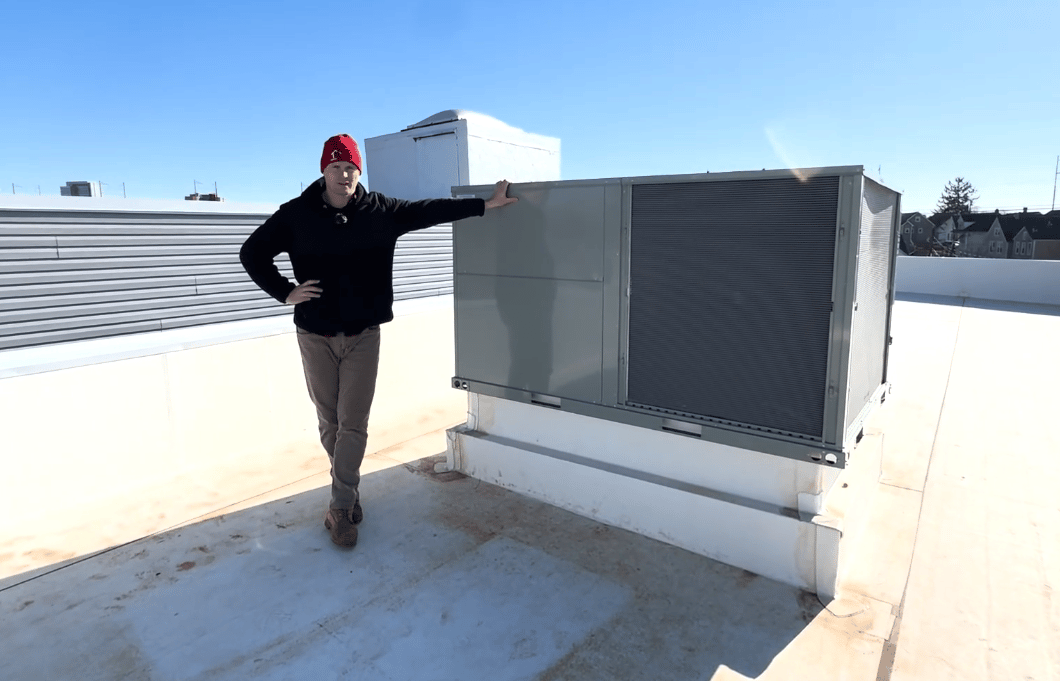
- Building systems reports covering roof, HVAC, plumbing, electrical, and structural elements.
- Certificate of occupancy, legal unit count, and any open code violations.
- Comparable sales to benchmark cap rates for your asset class.
- Lender term sheets and rate shock stress testing.
How Turnkey Tverdov helps investors win
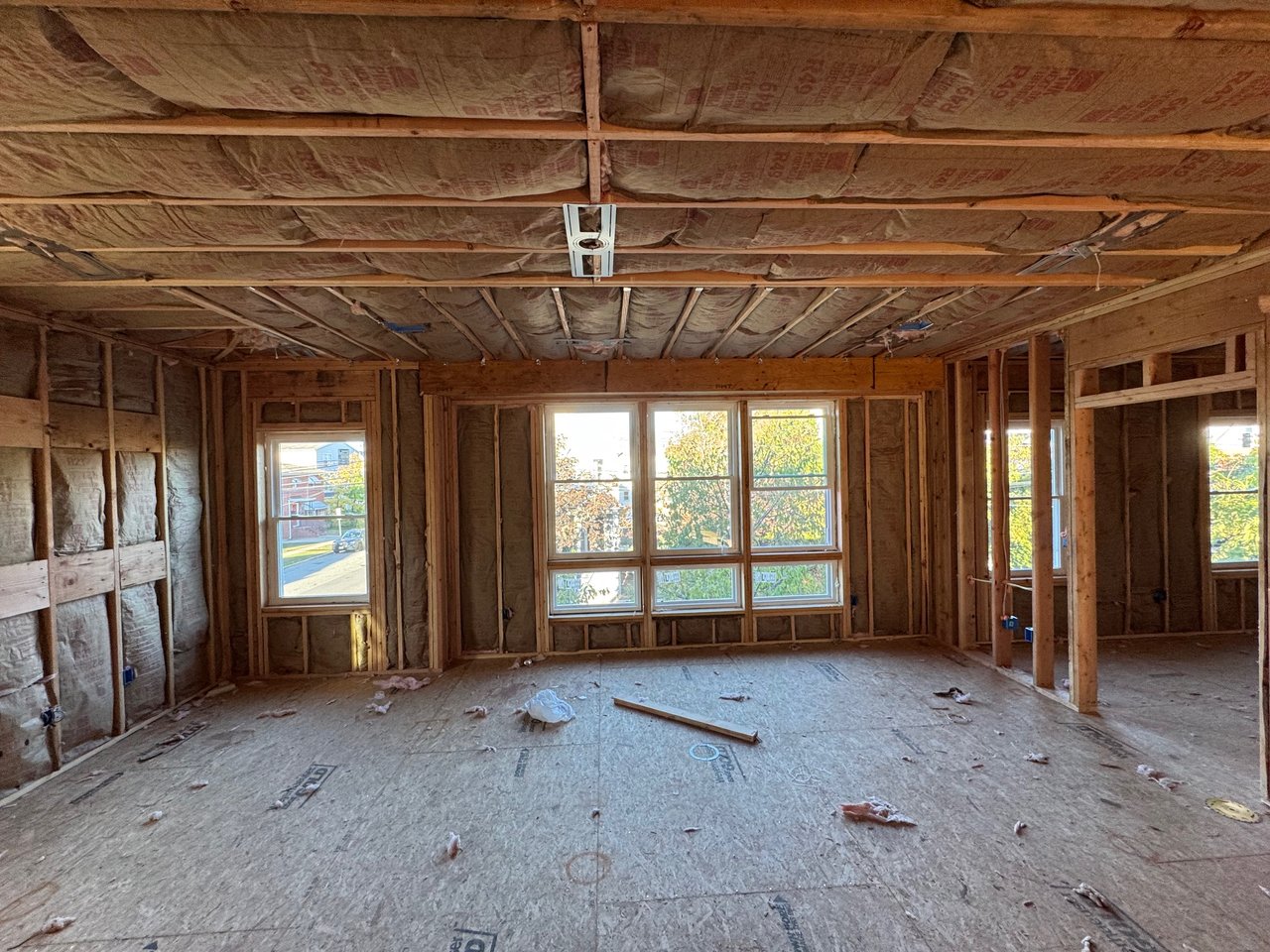
If you prefer a single accountable partner, a vertically integrated operator can speed your path from purchase to cash flow. Turnkey Tverdov sources, renovates, and manages rent-ready properties in Central New Jersey, with a focus on New Brunswick and nearby Middlesex markets. The team’s in-house construction and property management reduce coordination risk, while investor-focused systems and owner portals provide clear reporting. For out-of-market or time-constrained owners, this model can stabilize occupancy faster and keep expenses in line with your underwriting.
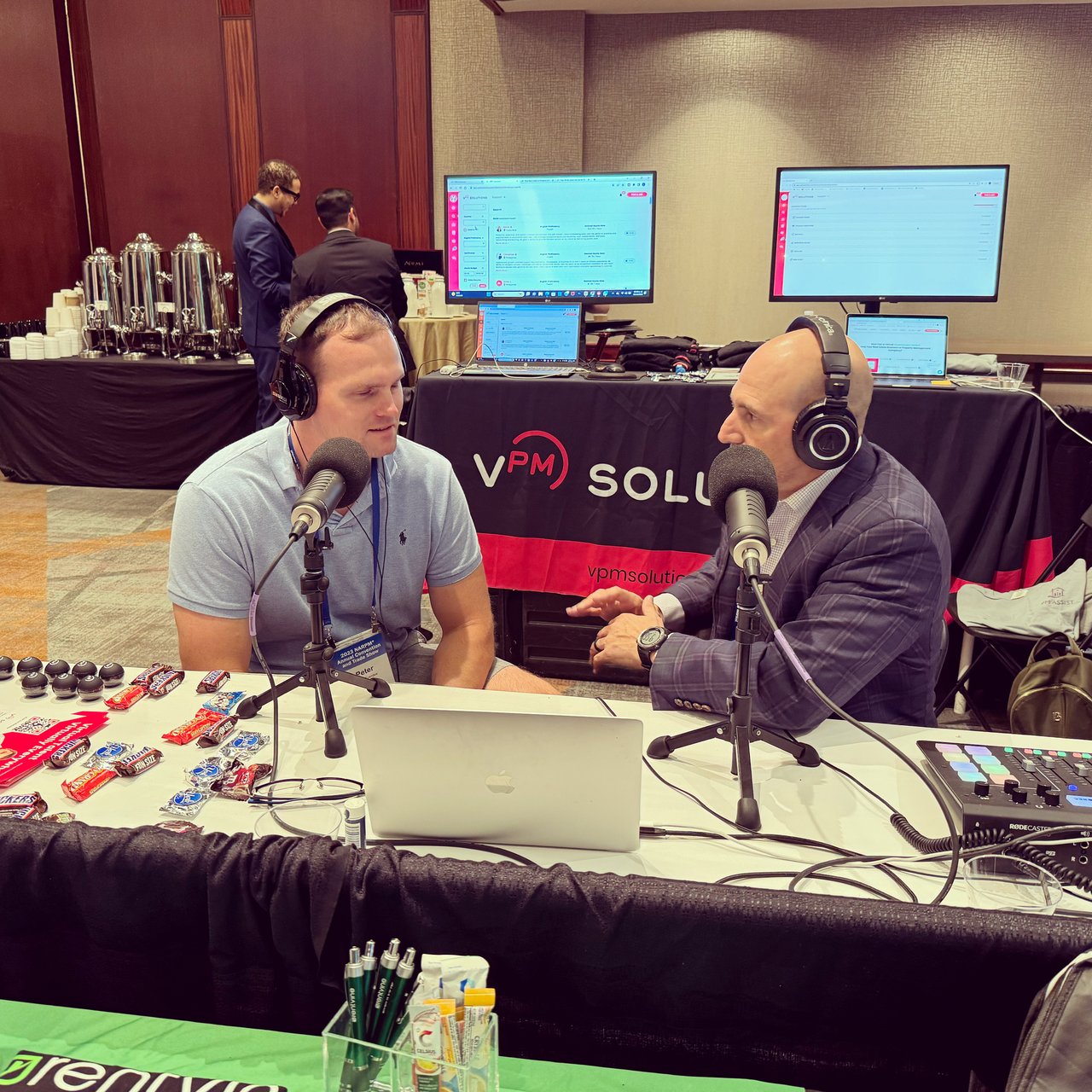
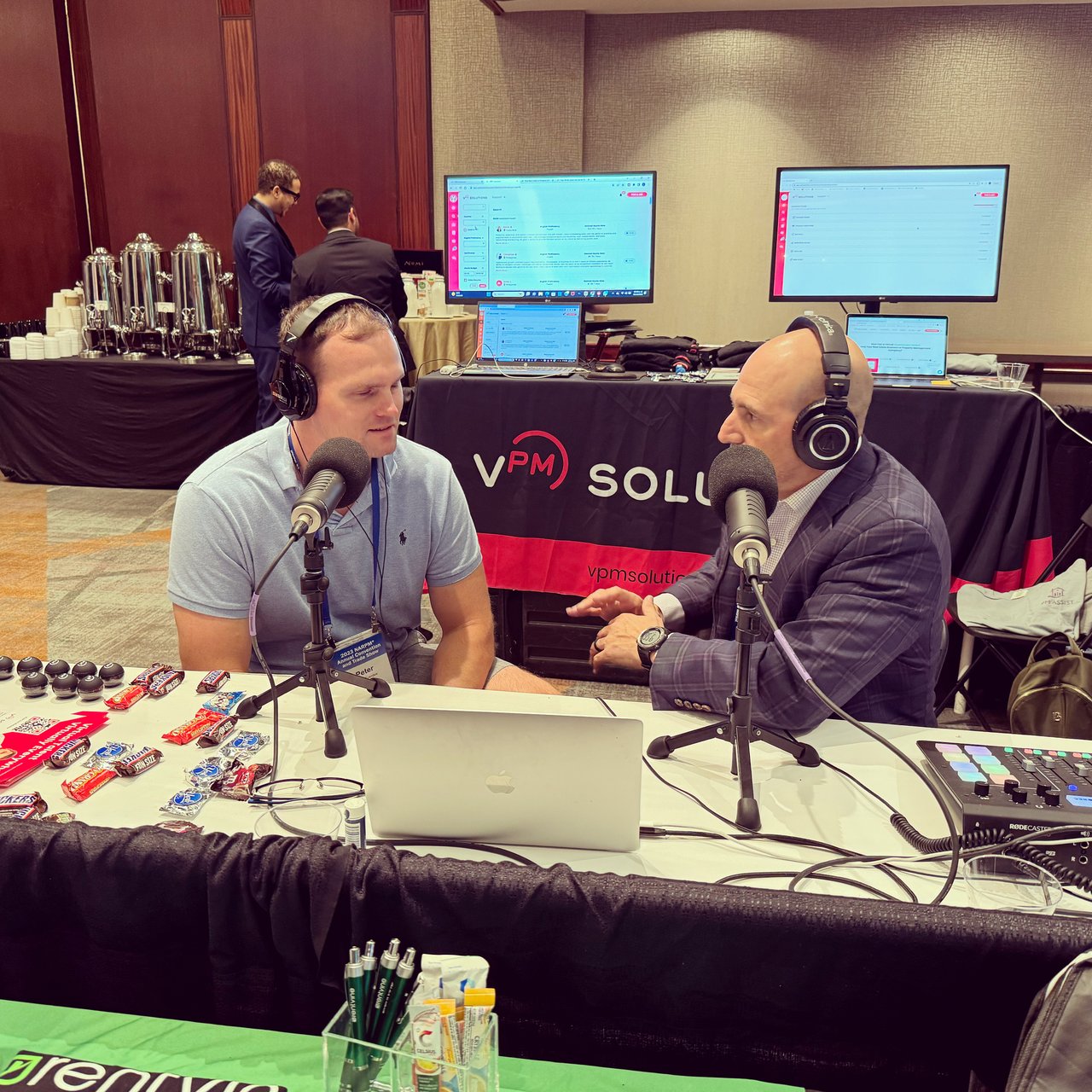
Ready to evaluate your next New Brunswick acquisition or want a packaged, rent-ready asset with professional management in place? Connect with local expertise that is built for investor outcomes. To discuss opportunities and join the waitlist, reach out to Pete Tverdov.
FAQs
When is the best leasing window for student-heavy New Brunswick rentals?
- Peak leasing typically occurs in late summer and early fall due to the academic calendar, so plan renewals and marketing to capture that demand.
How should I underwrite vacancy in New Brunswick’s student-influenced submarkets?
- Use 3 to 8 percent as a baseline, but increase assumptions or plan for off-season months for student-impacted units to reflect seasonality.
What property types near Rutgers offer the best rent-per-square-foot potential?
- Studios and 1BRs near transit and campus, and furnished student-oriented units, often capture higher rent premiums per square foot.
Which expenses do investors most often underestimate in New Jersey?
- Property taxes, utilities on owner-paid leases, and capital reserves for older buildings are common misses; use conservative benchmarks and parcel-level verification.
How do property taxes in Middlesex County affect long-term NOI?
- Taxes are a major operating expense in New Jersey, and assessments can change after renovations, so model future increases and explore appeal options.
Where can I find reliable rent comps for New Brunswick apartments?
- Use a mix of active listings, recent leases, property manager insights, and professional data services, then adjust for location, unit features, and furnishings.