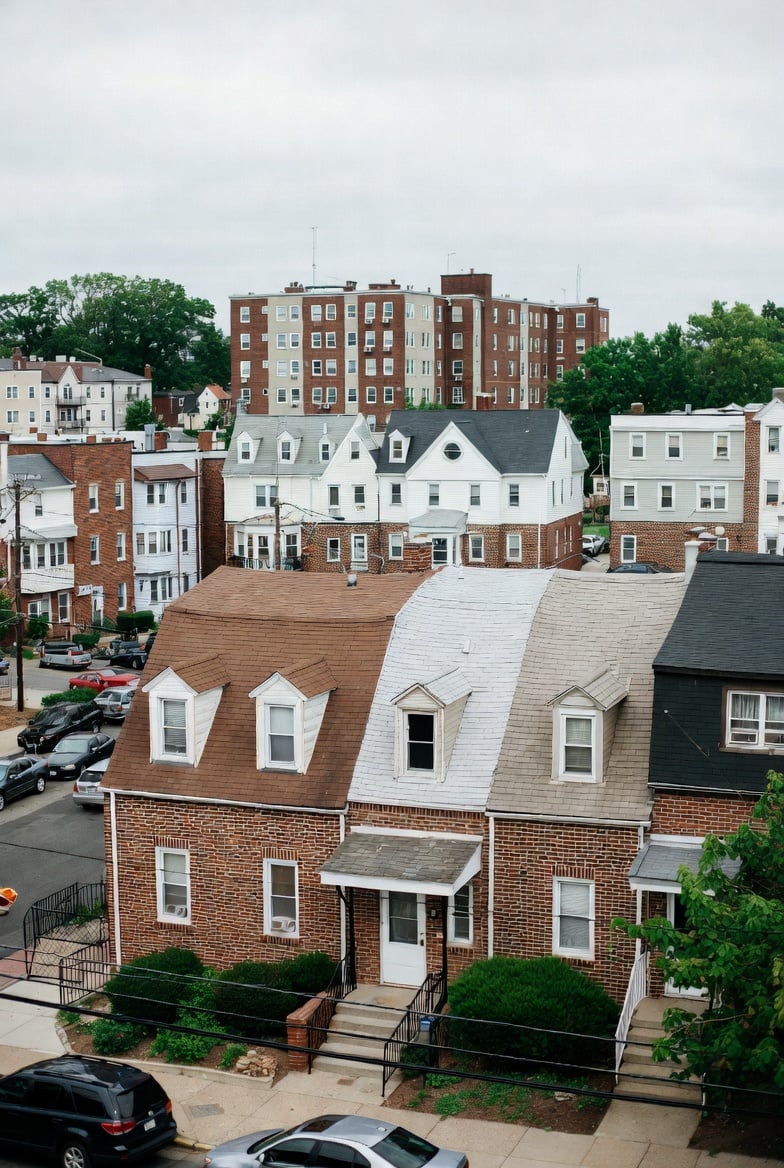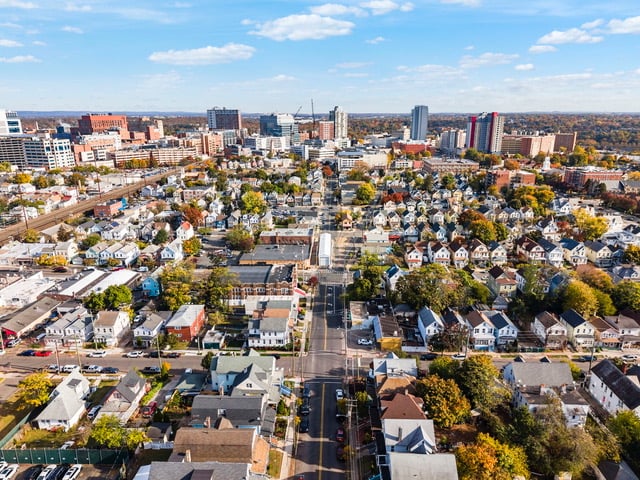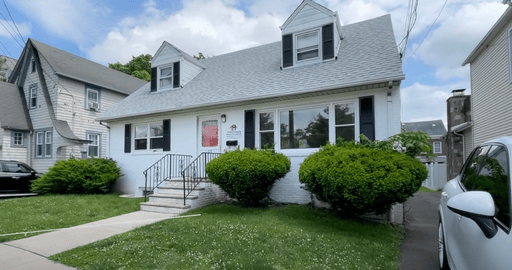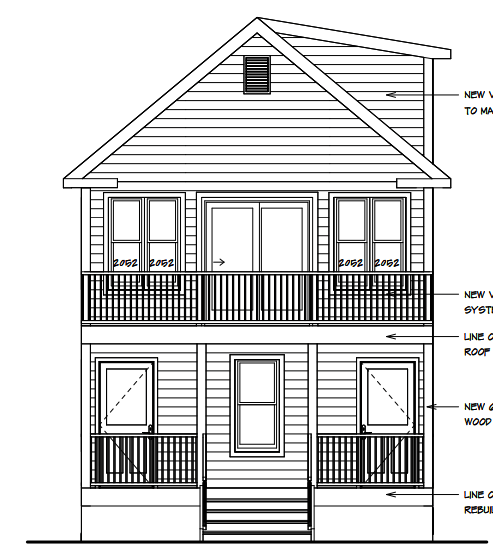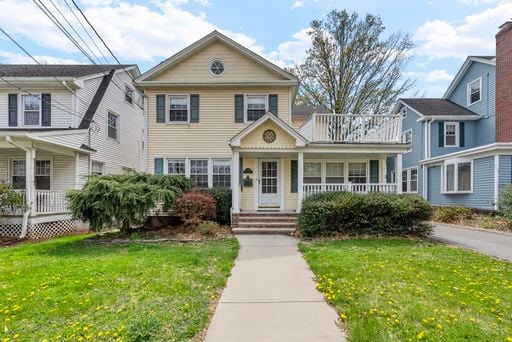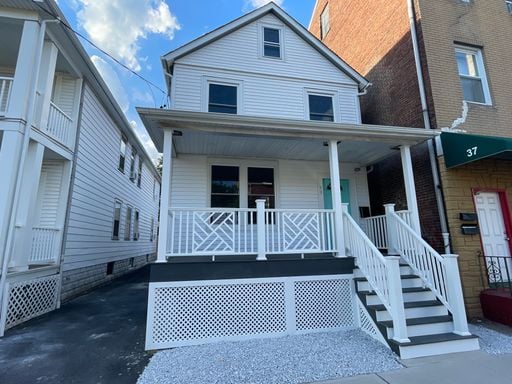
Want rental demand that shows up twice a day like clockwork? In Perth Amboy, you can anchor your investment to something commuters value every weekday: a reliable path to New York and regional jobs. If you’re weighing Central Jersey plays, this station-area market gives you a price point many NYC workers can stomach and the transit options they need. In this guide, you’ll learn how to size the opportunity, what actually drives premiums near the station, and a step-by-step checklist to underwrite commuter-focused rentals. Let’s dive in.
Perth Amboy transit snapshot
Rail to NYC and Newark
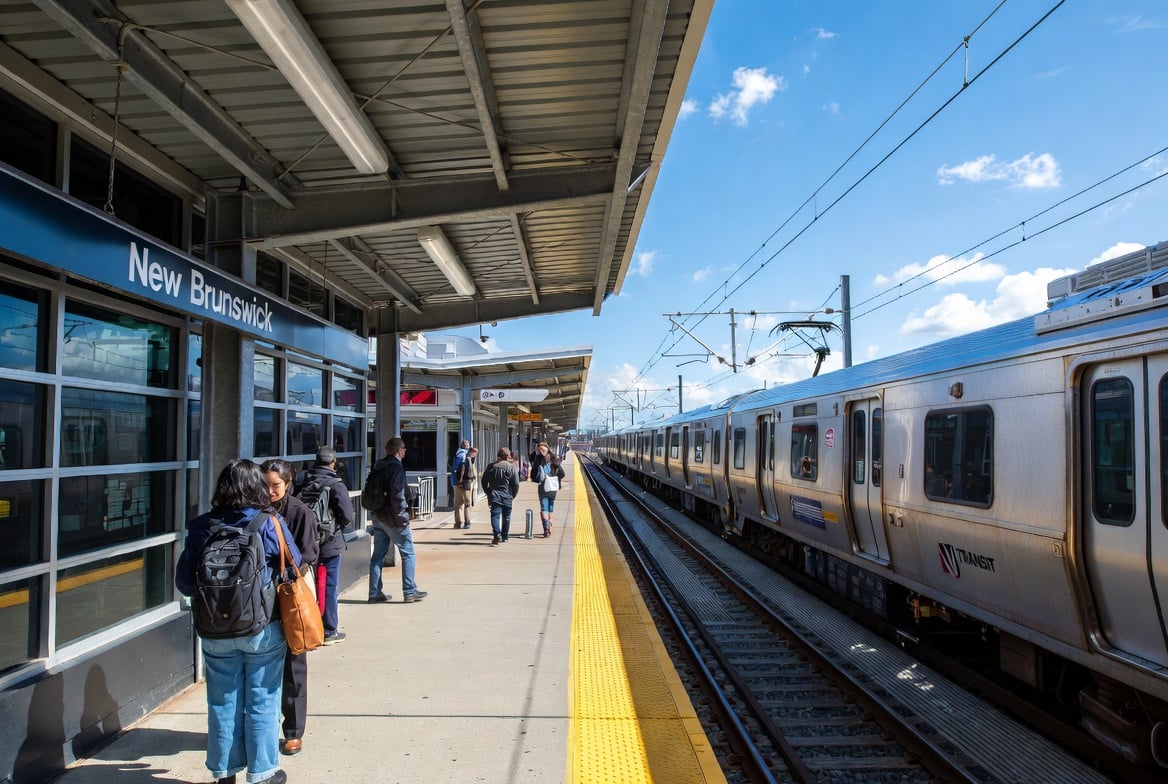
Perth Amboy sits on NJ TRANSIT’s North Jersey Coast Line, with service that connects to Newark and, for some trains, directly to Midtown’s Penn Station. Timetables show a mix of local and express patterns with most NYC-bound trips falling in a roughly 50 to 75 minute band depending on train choice. Always verify exact times for your address using the current timetable and trip planner for date-specific runs. You can review station details and amenities on the Perth Amboy station page and scan typical service patterns in the North Jersey Coast Line timetable.
The station itself offers practical commuter features investors should note. There are municipal commuter lots with 149 standard spaces and 3 accessible spaces, ticket vending machines, and bike racks or lockers. Daily and permit parking rules, including resident and non-resident options, are outlined on the station page. If your property includes on-site parking, that pairing can add meaningful appeal for hybrid commuters.
Bus and last‑mile support
Local NJ TRANSIT bus routes connect the downtown and station area to nearby job centers, which helps fill last‑mile gaps and supports non-drivers. City planning materials highlight these linkages as part of broader station-area improvements, a positive sign for long-term commuter access. You can read about Perth Amboy’s transit-oriented efforts in this TOD planning overview.
Road connectivity for hybrid commuters
Perth Amboy is positioned on the Route 440 and Route 35 corridors with direct access to the Outerbridge Crossing into Staten Island. For some renters who split days between driving and rail, that location flexibility matters. If you target hybrid workers, speak to both the rail and road advantages in your listings.
Renter demand and pricing
Average rents and unit medians
As of February 2026, RentCafe reports an average apartment rent in Perth Amboy of $2,416. By unit type, market medians are roughly $1,530 for studios, $1,862 for 1-bedrooms, and $2,459 for 2-bedrooms. These levels are often below many NYC asking rents, which draws price-sensitive commuters who still want rail access. See the current market snapshot on RentCafe’s Perth Amboy page.
Who rents here
Perth Amboy skews rental-heavy, with RentCafe citing about 67% renter-occupied households. That tenure profile supports a rental-focused strategy and steady tenant pipelines near the station. Demographics are mixed, with a median age around 37.9 and a mean travel time to work of about 23 to 25 minutes, reflecting both transit and auto commuters. You can review city-level profiles on Census Reporter.
Walkability and TOD momentum
Market summaries place Perth Amboy as moderately walkable with a Walk Score near 70 and a Transit Score near 39. Station-area plans aim to boost density, pedestrian links, and ridership, which tend to support rent stability near the platform over time. For context on the city’s TOD direction and historic ridership references, review this Perth Amboy TOD planning brief. Historical planning materials cited around 900 daily boardings at the station; treat that as directional and confirm current counts as you underwrite.
What drives rent premiums near transit
What the research shows
A wide body of studies from TCRP, FTA, and the National Academies finds that proximity to transit and walkable station-area design are linked to higher property values and rent premiums. Effects vary by market, but case studies often point to uplifts in the 5 to 20 percent range in true transit-oriented settings. Use this as a directional benchmark, not a promise, and underwrite with sensitivity cases. A useful overview appears in this transit performance guidebook, and recent work underscores that better walking accessibility to platforms amplifies premiums near suburban rail stations, as detailed in this MDPI study on station catchments.
Local levers you can control
- Walk-shed proximity. Properties within a comfortable 5 to 10 minute walk of the platform, roughly 0.25 to 0.5 mile, command stronger commuter interest. In Perth Amboy, the downtown core along Market and Smith Streets is the high-impact focus area, supported by the city’s TOD plans.
- Parking options. With a municipal lot of 149 spaces and limited supply during peak times, on-site or leased parking at your property can be a differentiator for hybrid commuters. Confirm today’s permit rules, rates, and eligibility on the Perth Amboy station page.
- Commute-time thresholds. Many NYC-bound renters target door-to-door trips under 60 minutes and tolerate up to about 75 minutes when schedules fit. Express availability and transfer counts affect the premium. Validate your target windows using the NJCL timetable.
- Reliability and advisories. Infrastructure projects on the North Jersey Coast Line can trigger weekend schedule changes or temporary bus substitution. Set expectations and monitor NJ TRANSIT advisories on capital work as you market and manage.
- Unit mix fit. Commuter demand often skews to studios and 1-bedrooms, with some 2-bedrooms for roommates or small families. Match your supply and finishes to those renter profiles.
Underwriting checklist for a commuter rental
Use this practical checklist to screen and structure your deal. Keep it in your underwriting file and update it as schedules or municipal rules change.
- Map and physical location
- Measure the real walk-shed to the station: 0 to 5 minutes, 5 to 10 minutes, 10 to 20 minutes. Prioritize at or under 0.5 mile.
- Walk the route. Note barriers like highways, rail lines, or missing sidewalks that make a short distance feel longer.
- Inventory parking on-site and nearby. Confirm station lot counts and permit regimes on the station page. Consider the ability to add or monetize spaces.
- Run a flood and resilience check for waterfront or low-lying blocks. Use FEMA’s Map Service Center via this resource hub to look up parcel-level flood zones: FEMA Flood Map Service Center.
- Transit-service underwriting
- Test three AM inbound and three PM outbound trips for your address using current schedules. Record duration, transfer count, and platform exits.
- Verify if one-seat rides to Penn Station exist during your target renter’s commute windows. Shorter, simpler rides usually support higher rent.
- Note planned construction that may affect service patterns. Reference NJ TRANSIT’s infrastructure advisories when timing move-ins.
- Market comps and revenue
- Pull current listings for 0.25-mile and 0.5-mile rings around the station and compare by unit type and finish level.
- Use RentCafe’s medians as a baseline for studios, 1-bedrooms, and 2-bedrooms, then calibrate to your block-level comps. See Perth Amboy’s rent trends.
- Sensitivity to transit premium
- Start with a conservative +5% premium assumption for properties within 0.5 mile and +10% or higher for properties within 0.25 mile and great pedestrian access.
- Stress-test at zero-premium and high-premium cases. The literature supports a broad 5 to 20 percent range depending on frequency, reliability, and walkability. See the TCRP/NAP synthesis.
- Capital and operating levers
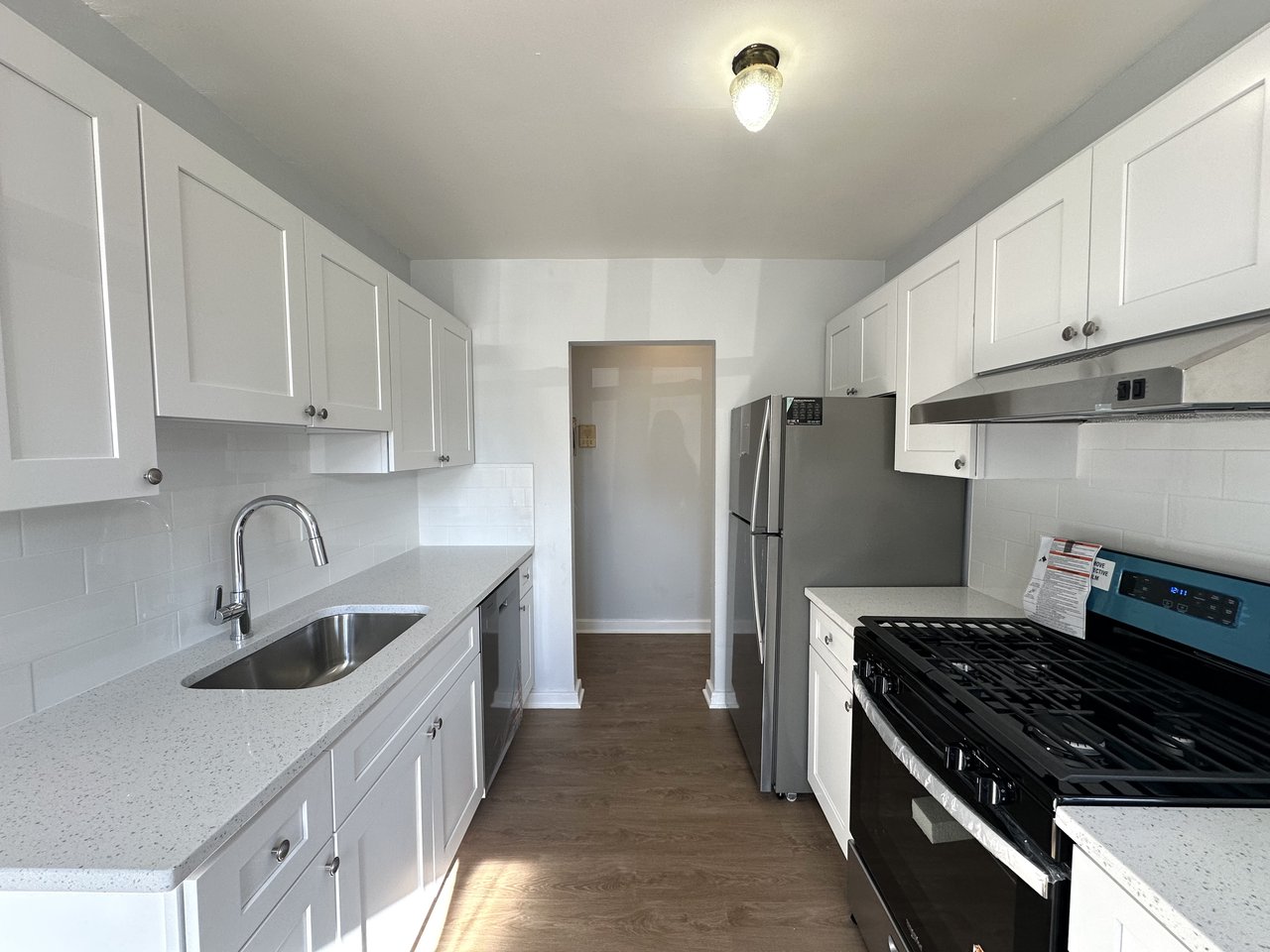
- Value-add with commuter ROI: secure bike storage, brighter entry and pathway lighting, package lockers, and upgraded broadband.
- Monetize or assign parking where supply is tight. Price it relative to station permits.
- Emphasize commute messaging in listings: walk time to platform, specific train windows, and how to access permits.
- Regulatory checks
- Review the city’s Transit District zoning and redevelopment maps to spot areas likely to see public investment or increased density. Start with the city’s TOD planning overview.
- Confirm municipal parking rules, rental inspections or registrations, and any local rent regulations with the City Clerk or code portal. The station page lists city parking contacts.
Simple sensitivity approach
Build a quick three-scenario rent model tied to walk-shed and service quality:
- Base case. Use immediate comps, then add +5% for a location within 0.5 mile with average walkability and standard station access.
- Optimistic case. Apply +10 to +12% if the property is within 0.25 mile, the walk is direct and well-lit, and express trains align with typical work hours.
- Defensive case. Apply 0 to +3% if the route includes barriers, parking is limited, or trains during target windows require a transfer.
Layer in a small premium if you include on-site parking, secure bike storage, and fast internet. Keep turnover and vacancy assumptions conservative until you observe your first leasing cycle. Revisit your model after the first 90 to 120 days of operations.
Leasing and operations tips
- Lead with commute clarity. Spell out the walk time to the platform and the morning and evening train windows your target renter cares about. Link to current timetables in digital listings.
- Package the last mile. If you offer bike storage or have a partnership with a nearby lot, make it clear. Show how residents can bridge the gap from door to platform in under 10 minutes.
- Design for weekday life. Install package lockers, prioritize quiet HVAC and window seals on rail-adjacent blocks, and market strong internet as standard.
- Market to demand pools. Target job centers reachable on the line, plus Newark and Midtown workers. Use commuter groups and regional job boards where allowed.
Risks to watch
- Temporary service changes. Infrastructure work on the Raritan River drawbridge or Portal Bridge can alter weekend service and platform access. Monitor NJ TRANSIT’s advisories and adjust your leasing timeline around planned outages.
- Parking constraints. With a defined station lot size, permits can be competitive. Properties with on-site or nearby leased parking gain an edge.
- Flood exposure. Waterfront and low-lying parcels can face higher insurance and resilience costs. Check the FEMA Map Service Center before you offer.
- Market drift. Rents and ridership can shift in a 12 to 24 month window. Refresh comps and train windows each leasing season.
Ready to invest with a local operator
If you want a property positioned for commuter demand without juggling contractors and managers, partner with a team that sources, renovates, and operates in Central Jersey every day. Turnkey Tverdov aligns acquisition, construction, and management so you get a rent-ready asset near the transit nodes that matter. Join the waitlist, share your target walk-shed and unit mix, and we’ll match you with a vetted opportunity in the Perth Amboy commuter belt. To start a focused, data-forward plan, connect with Pete Tverdov today.
FAQs
What is the typical commute time from Perth Amboy to Midtown Manhattan?
- Most trips fall in the roughly 50 to 75 minute range depending on train pattern and time of day. Check the current North Jersey Coast Line timetable for date-specific runs.
How much commuter parking does Perth Amboy Station offer?
- The municipal lot lists 149 standard spaces and 3 accessible spaces, with daily and permit options. Confirm today’s rules and rates on the Perth Amboy station page.
Are Perth Amboy rents lower than many NYC options for commuters?
- As of February 2026, RentCafe reports an average rent of $2,416 in Perth Amboy, and unit medians of $1,530 (studio), $1,862 (1BR), and $2,459 (2BR). See the latest on RentCafe.
Does being closer to the station increase achievable rents?
- Research on transit-oriented development often shows 5 to 20 percent uplifts tied to strong walkability and frequent, reliable service. Use this range as directional and model sensitivity. See the TCRP/NAP overview.
How walkable is the station area and is the city investing there?
- Market summaries show a Walk Score near 70 and a Transit Score near 39. The city is advancing station-area plans that improve pedestrian connections and support ridership. Explore the Perth Amboy TOD planning brief.
What unit types appeal most to NYC-focused renters in Perth Amboy?
- Studios and 1-bedrooms often lead demand for single professionals, with some 2-bedrooms for roommates or small families. Calibrate pricing to block-level comps and the RentCafe medians above.