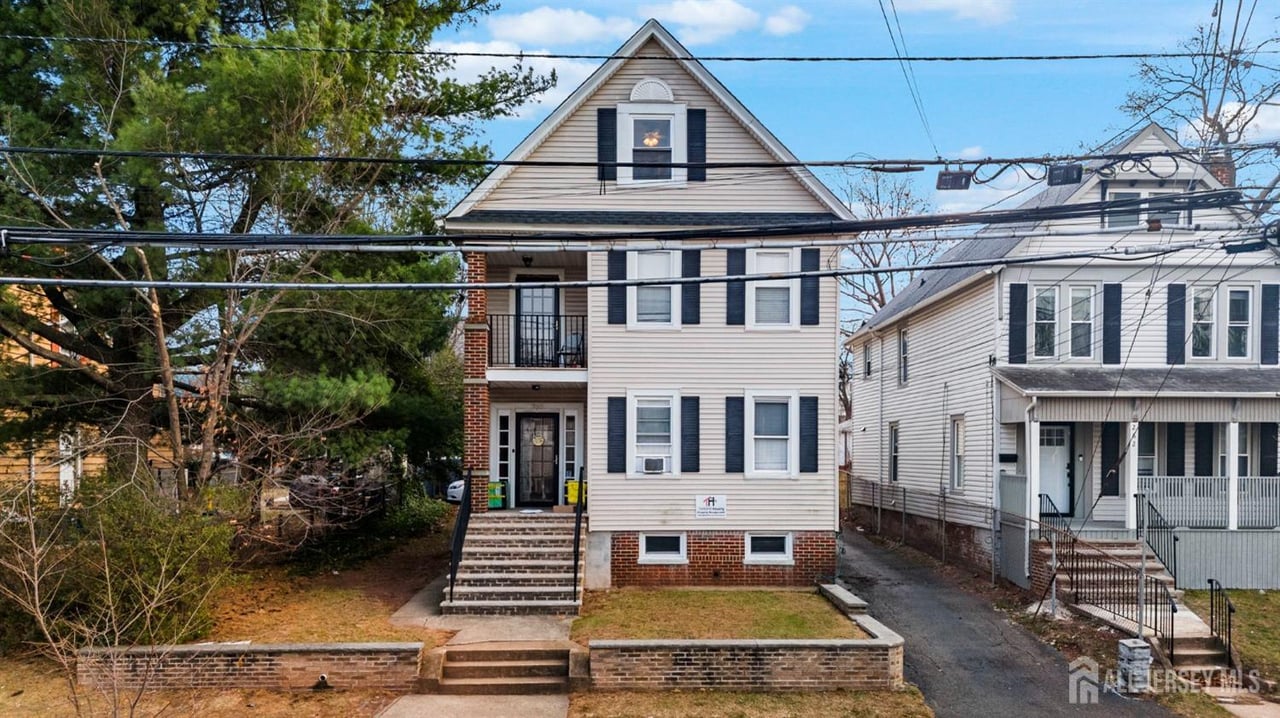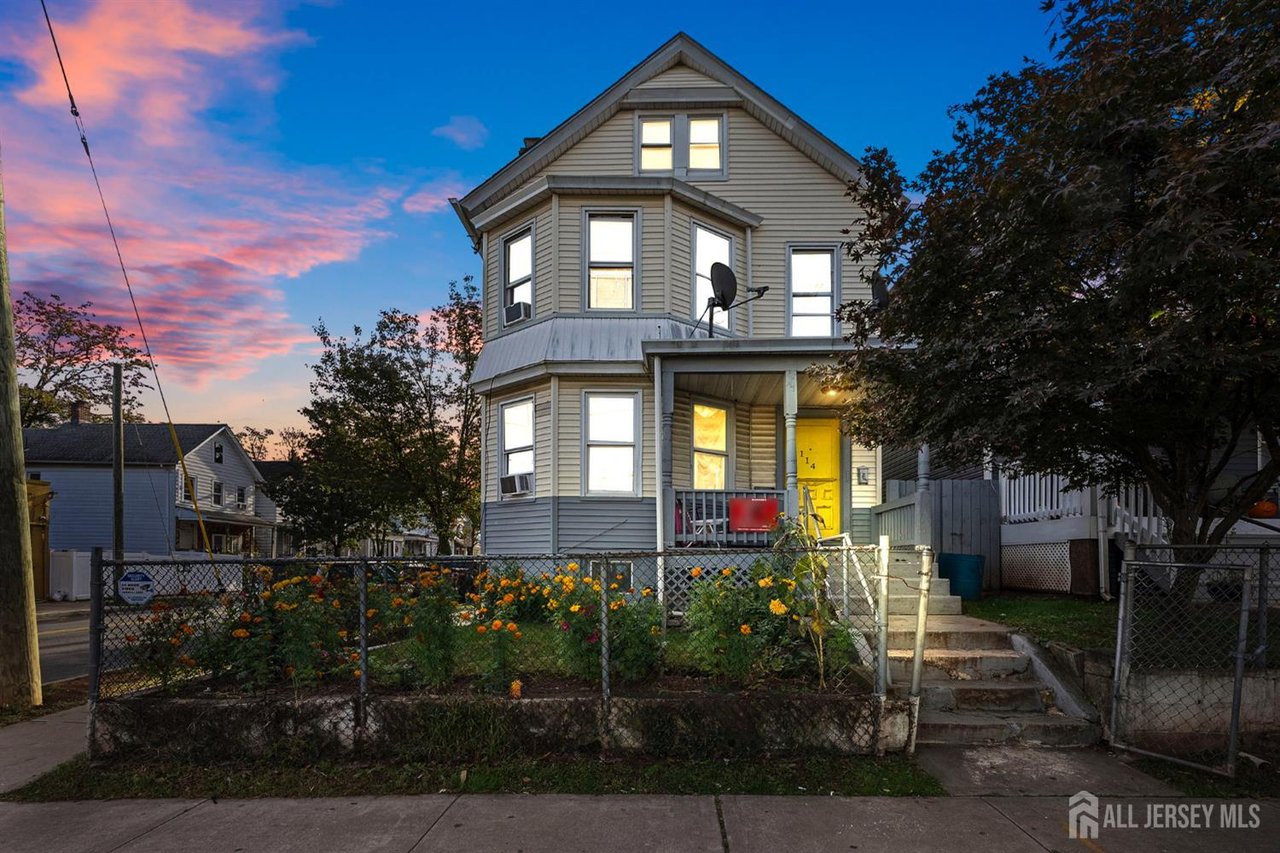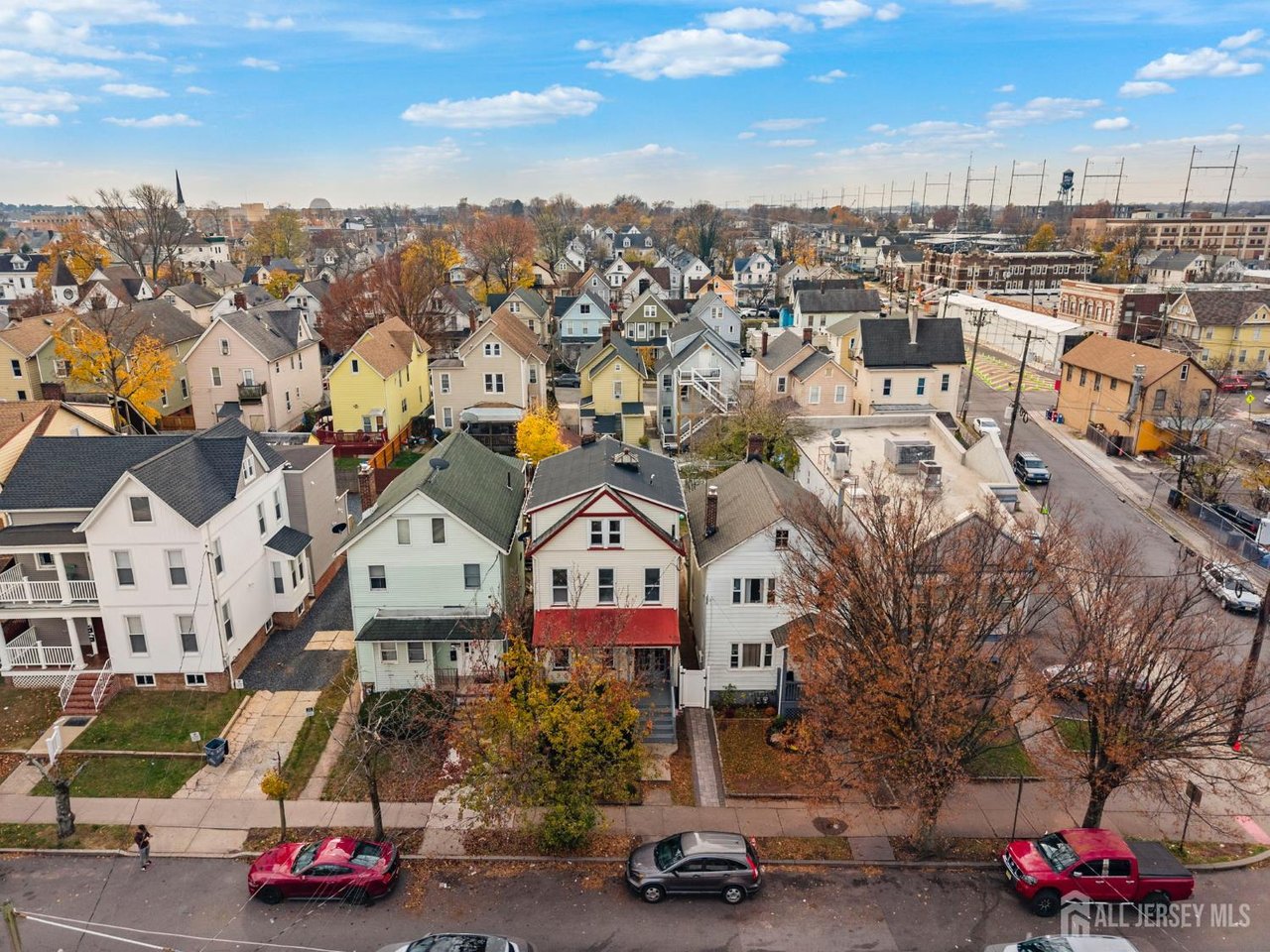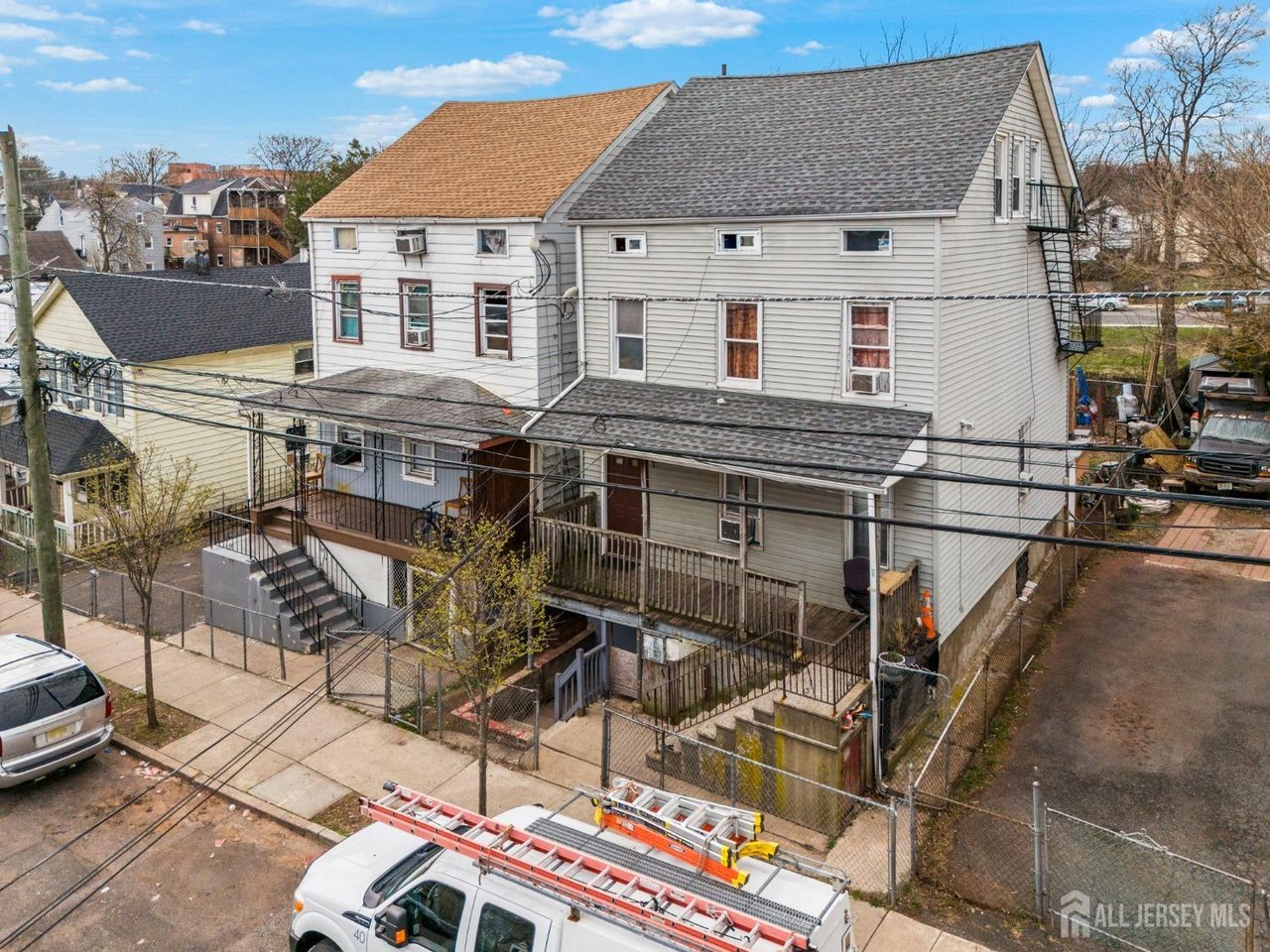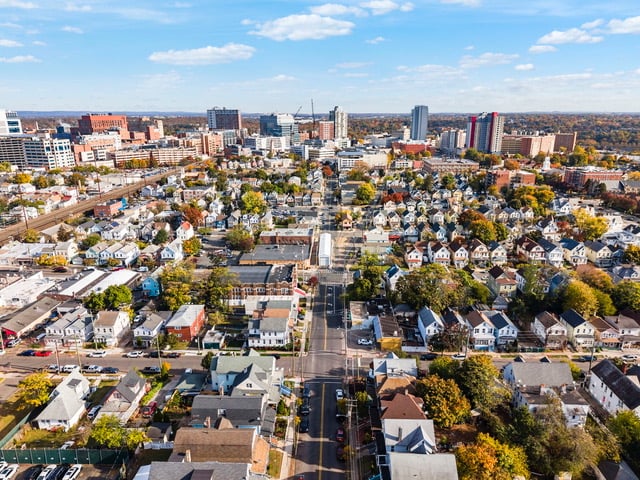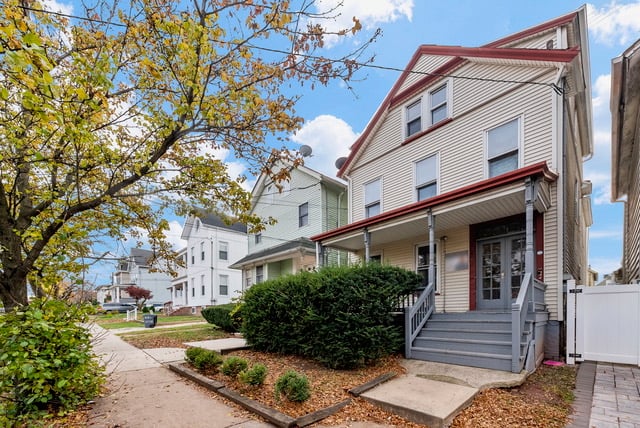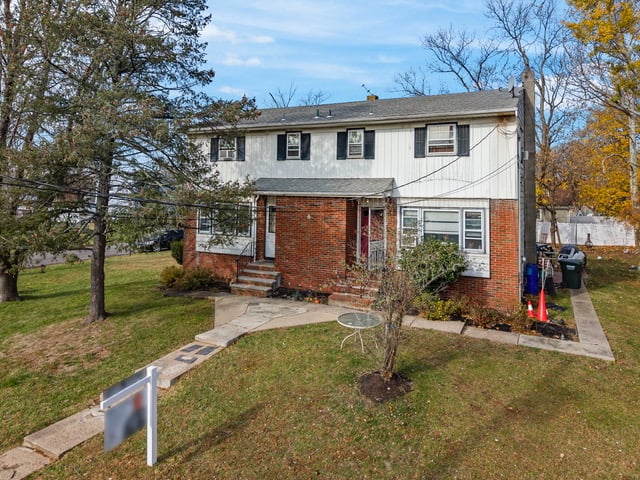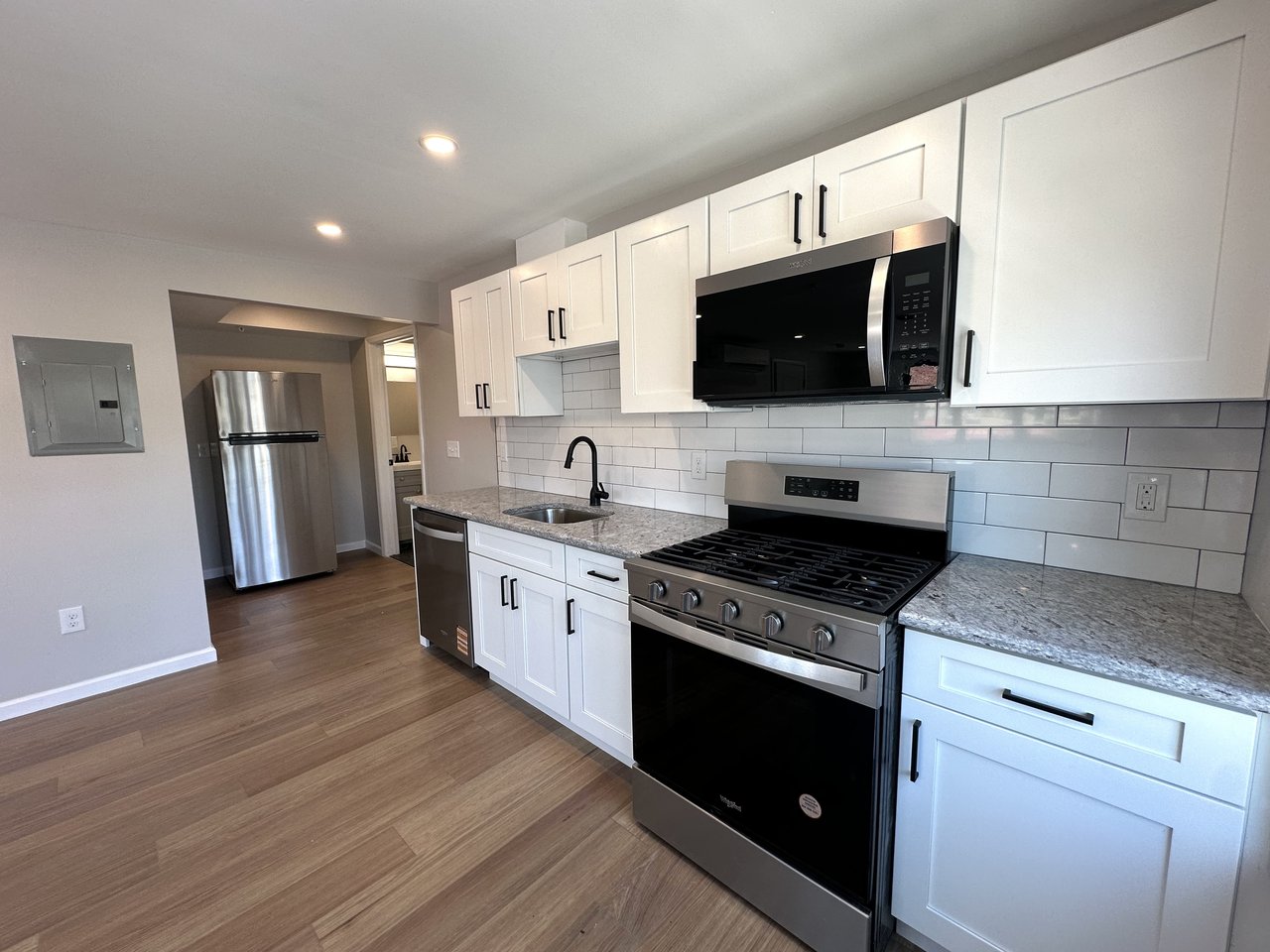
Is your New Brunswick rental better off in your hands or with a local property manager? If you own student housing or a small multifamily near Rutgers, you know the stakes are high during peak leasing season and when rules get complex. You want steady occupancy, clean compliance, and predictable cash flow without burning your calendar.
In this guide, you will see how the local rental market works, the must-know New Jersey and New Brunswick rules, what self-managing really takes, what a manager does, and how fees affect your net operating income. You will also get a clear cashflow example built for a 4-unit near campus. Let’s dive in.
New Brunswick demand at a glance
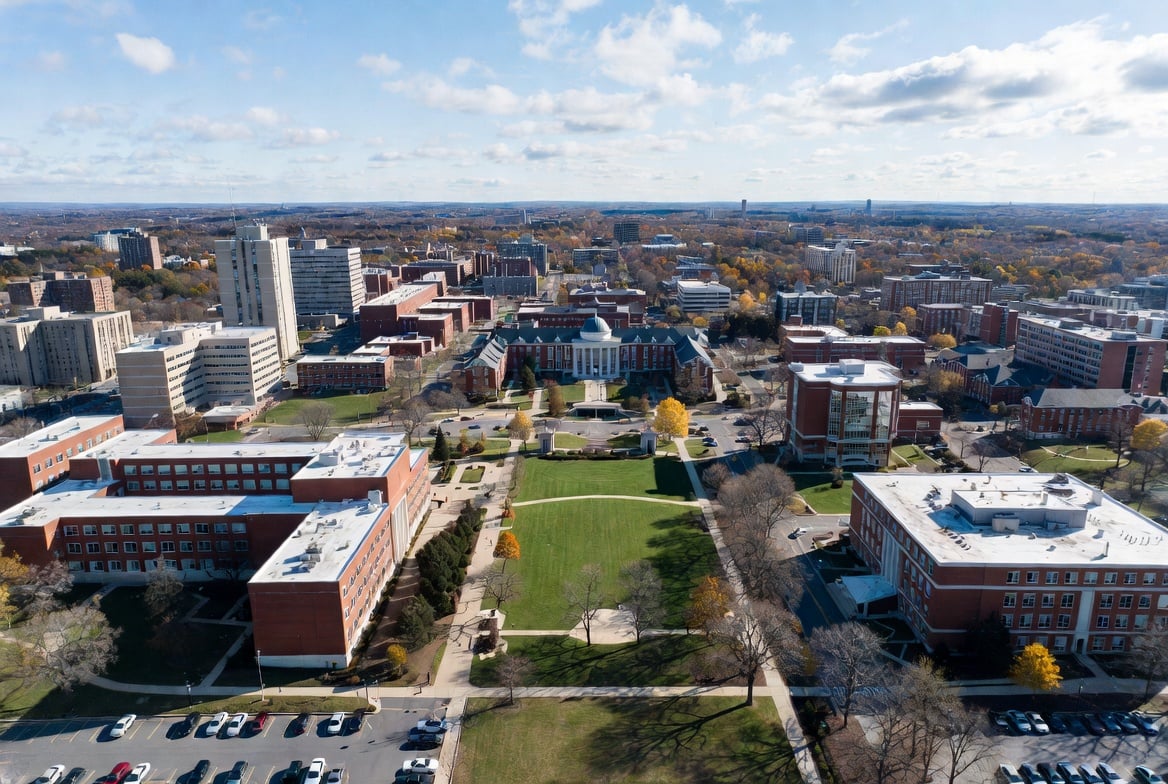
Rutgers creates a recurring pool of renters who cycle with the academic calendar. The university maintains an off-campus housing marketplace that concentrates student search activity and helps you time leasing and marketing.
Rents sit in the mid $2,000s for common 1–2 bedroom inventory. For example, RentCafe reported average asking rents roughly $2,500 per month in 2025 for New Brunswick, with variation by unit type and neighborhood. You can review a local example on RentCafe’s New Brunswick listings. Always check current comps before pricing.
What this means for you:
- Leasing is seasonal. Student leasing peaks late spring through early summer. Your marketing, showings, and renewals should align with that calendar.
- Turnover is compressed. Move-outs and move-ins often cluster around a few weeks.
- Clear lease terms matter. Decide if you will rent by the bedroom or by the unit, and be consistent about start and end dates.
Rules you must not miss
New Jersey and New Brunswick have specific requirements that affect leases, deposits, rent increases, and notices. Use these official sources as your baseline.
Truth-in-Renting statement
- Many landlords must give tenants the current Truth-in-Renting statement at the start of tenancy and on request. The guide also summarizes disclosures you need to include. Review the DCA Truth-in-Renting guide.
Security deposits
- New Jersey caps security deposits at no more than 1.5 times one month’s rent. You must place deposits in an interest-bearing account and give written notice of where the deposit is held within 30 days. Interest belongs to the tenant and must be paid or credited annually or on the lease anniversary. See the DCA Security Deposit Law.
Rent control in New Brunswick
- New Brunswick operates a municipal rent control program under Chapter 5.80. The ordinance establishes a Rent Control Board, requires registration for covered units, and ties certain increases and surcharges to compliance and filings. Before setting or advertising rent, confirm coverage and required steps with the city. Read Chapter 5.80 in the City Code.
Landlord identity and registration
- New Jersey requires landlords to file identity and registration information and provide copies to tenants. Multiple dwellings have additional state filings. Review the Landlord Identity Law.
Evictions and notices
- New Jersey’s eviction process requires specific notices and court procedures. For example, month-to-month tenancies generally need one month’s notice to terminate. Self-help evictions are not permitted. Review timelines and requirements in the DCA Eviction Guide.
Lead and related disclosures
- Federal and state rules require lead-based paint disclosures and pamphlets for homes built before 1978. Flood disclosures and bed bug guidance are included in DCA materials. See New Jersey’s lead resources and links to federal pamphlets at the NJ DEP lead page.
Tip: Local items like Certificates of Occupancy, inspections, and residential permit parking can affect marketing and move-ins, especially for shared student houses. Check with city departments early if you plan updates or occupancy changes.
Self-manage vs hire local
You can absolutely self-manage a New Brunswick rental if you have time, local presence, and a system. Many owners hire a local manager when the calendar and compliance load get heavy. Here is what each approach looks like in practice.
What self-management requires
- Leasing and marketing. Build a schedule around peak student search. List on the Rutgers off-campus marketplace and local platforms, host grouped showings, and track inquiries.
- Screening and leases. Verify income or guarantors for students, run credit and background checks, and use compliant leases with required DCA disclosures.
- Turnover coordination. Plan cleaning, repairs, and key exchange on a tight summer timeline.
- Maintenance response. Maintain a vendor list for routine and emergency repairs. Track invoices and warranties.
- Compliance tasks. Serve Truth-in-Renting, manage security deposit notices and interest, and follow New Brunswick rent control filings if covered.
- Accounting. Keep a rent ledger, receipts, and year-end statements for taxes.
What a local manager handles
- Pricing and placement. Market-rate analysis, listing syndication, professional showings, and tenant placement.
- Screening and lease execution. Standardized criteria, guarantor processes, and compliant documentation.
- Maintenance and vendors. 24/7 coordination, preventive schedules, and potential volume pricing.
- Legal process. Correct notices, filings, and coordination with counsel for evictions and rent-control procedures.
- Owner reporting. Monthly statements, invoice copies, and year-end summaries.
Costs and fees to expect
Fee structures vary by provider and scope. Typical industry ranges include:
- Ongoing management fee. About 8 to 12 percent of collected rent for small residential portfolios. See a breakdown of common structures in this property management fee guide.
- Leasing or tenant placement. Often 50 to 100 percent of one month’s rent, charged when a new tenant is secured. Learn how placement fees are quoted in this overview of management costs.
- Setup and renewals. Setup fees range from 0 to 500 dollars. Renewal fees are often a flat 100 to 300 dollars or a fraction of one month’s rent.
Ask whether fees are calculated on rent due or rent collected. That detail matters if a tenant is late.
Cashflow example for a 4‑unit near Rutgers
Use this simple example to see how management fees change NOI. Replace assumptions with your current data.
Assumptions:
- Property. Four units in New Brunswick.
- Average rent. 2,500 dollars per unit per month as a 2025 reference point from RentCafe. See a local example on RentCafe.
- Gross monthly rent. 10,000 dollars. Annual gross rent equals 120,000 dollars.
- Vacancy. 5 percent to reflect mid 90s occupancy expectations for stabilized housing.
- Operating expenses. 30 to 40 percent of effective gross income. Use 35 percent as a middle case.
Scenario A — You self-manage:
- Effective gross income after 5 percent vacancy. 114,000 dollars.
- Operating expenses at 35 percent. 39,900 dollars.
- Management fee. 0 dollars.
- Example cash NOI before debt service. 114,000 minus 39,900 equals 74,100 dollars.
Scenario B — You hire a manager:
- Effective gross income. 114,000 dollars.
- Operating expenses. 39,900 dollars.
- Management fee at 8 percent of collected rent. 9,120 dollars. See typical ranges in the fee guide.
- One new placement per year at 75 percent of one month’s rent. 1,875 dollars. See placement ranges in this cost overview.
- Example cash NOI after manager fees. 114,000 minus 39,900 minus 9,120 minus 1,875 equals 63,105 dollars.
Result in this example:
- Self-managed NOI. About 74,100 dollars.
- Managed NOI. About 63,105 dollars.
- Difference. About 10,995 dollars before considering your time, legal risk, vacancy swings, or vendor pricing.
When a manager can improve returns
- Faster lease-ups cut vacancy. A one-week faster lease-up per unit can offset a material share of the annual fee.
- Tighter compliance reduces fines. Correct rent-control filings and notices protect future rent actions.
- Vendor scale lowers costs. Volume pricing and preventive maintenance can reduce big-ticket repairs.
- Time value counts. If your time is limited, an 8 to 12 percent fee can be a fair trade for speed and predictability.
Decision checklist
Use this quick filter to choose your path:
- Consider hiring a manager if you live more than one hour away, own five or more units, expect rapid turnover during the academic season, have rent-controlled units, or prefer hands-off cash flow.
- Self-manage if you live nearby, enjoy operations, can answer maintenance calls, and have a system for leasing, deposits, and compliance.
- If you may be under rent control, confirm coverage and what filings are required before advertising increases. Start with the New Brunswick rent control code.
- For any lease package, include the Truth-in-Renting statement, follow the Security Deposit Law, and keep copies of all notices you deliver.
Next steps for owners
- Validate your numbers.
- Pull current local comps and confirm target rent. Use the Rutgers off-campus marketplace for student timing and demand cues.
- Pressure test vacancy and turnover costs in your pro forma. Run a high-turnover year and a low-turnover year.
- Tighten compliance.
- Assemble a lease packet with the Truth-in-Renting guide, lead disclosures from the NJ DEP page, and a security deposit notice that matches the DCA law.
- If you think a unit is covered, read the New Brunswick rent control chapter and contact the city for current procedures before any rent changes.
- If you want quotes from managers, ask these questions.
- Do you charge on rent collected or rent due, and what is the exact percentage within the typical 8 to 12 percent range noted in this fee guide?
- What is your tenant placement fee and what is included? Compare to the 50 to 100 percent of one month’s rent range discussed in this cost overview.
- How do you handle maintenance, markups, and after-hours calls?
- How do you manage New Brunswick rent control registrations, notices, and affidavits for covered units?
- What owner reporting do you provide monthly and at year end?
If you want one local partner to acquire, renovate, and manage student or small multifamily rentals in Central New Jersey, our team is built for speed, compliance, and cash flow. To talk through your property and see if full-service management or a turnkey solution fits your goals, connect with Pete Tverdov. Join the Turnkey Waitlist to get early access to upcoming opportunities.
FAQs
What are typical New Brunswick rents for 1–2 beds in 2025?
- RentCafe reported average asking rents roughly 2,500 dollars per month in 2025, with variation by unit type and neighborhood. Review a local example on RentCafe.
Are New Brunswick rentals subject to rent control?
- Many are, depending on coverage rules in Chapter 5.80, which require registrations and control certain increases and surcharges. Read the city’s rent control code.
How much security deposit can I collect in New Jersey?
- No more than 1.5 times one month’s rent, held in an interest-bearing account with written notice to the tenant within 30 days. See the DCA Security Deposit Law.
When should I market student housing near Rutgers?
- Student search activity peaks late spring through early summer, and the university’s off-campus marketplace is a key channel for listings.
What do local property managers typically charge?
- Ongoing fees often fall around 8 to 12 percent of collected rent, with tenant placement commonly 50 to 100 percent of one month’s rent. See fee details in this guide and this cost overview.