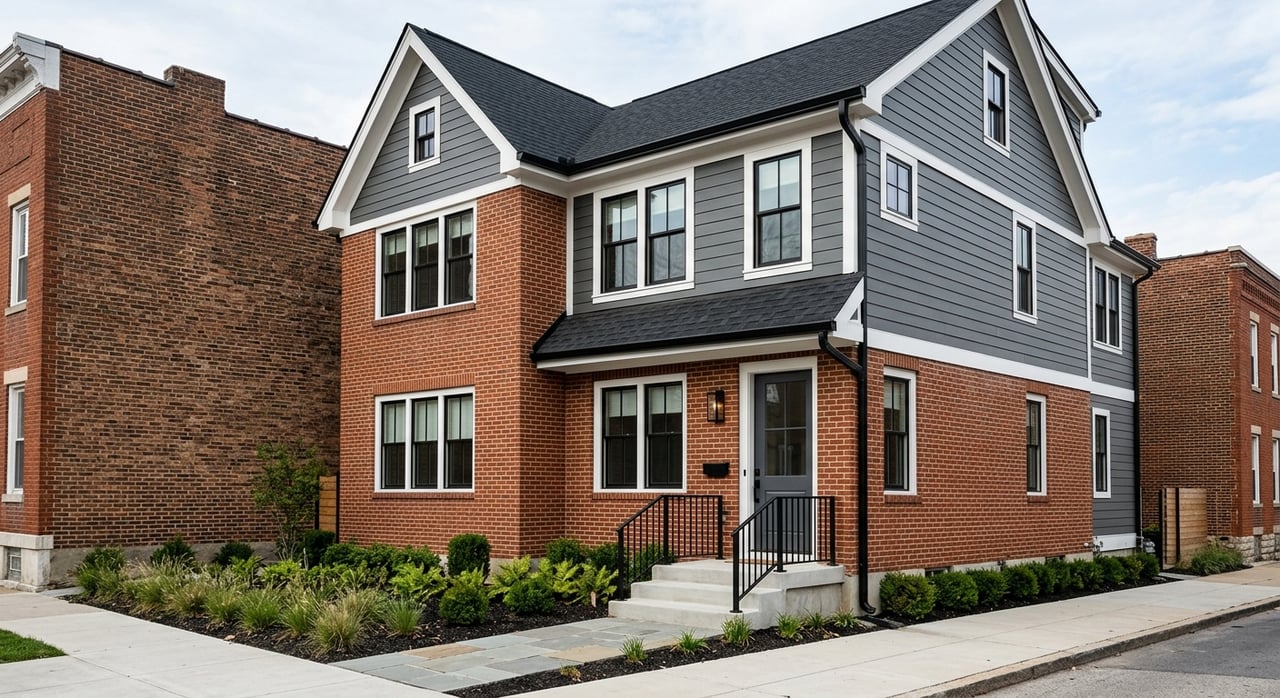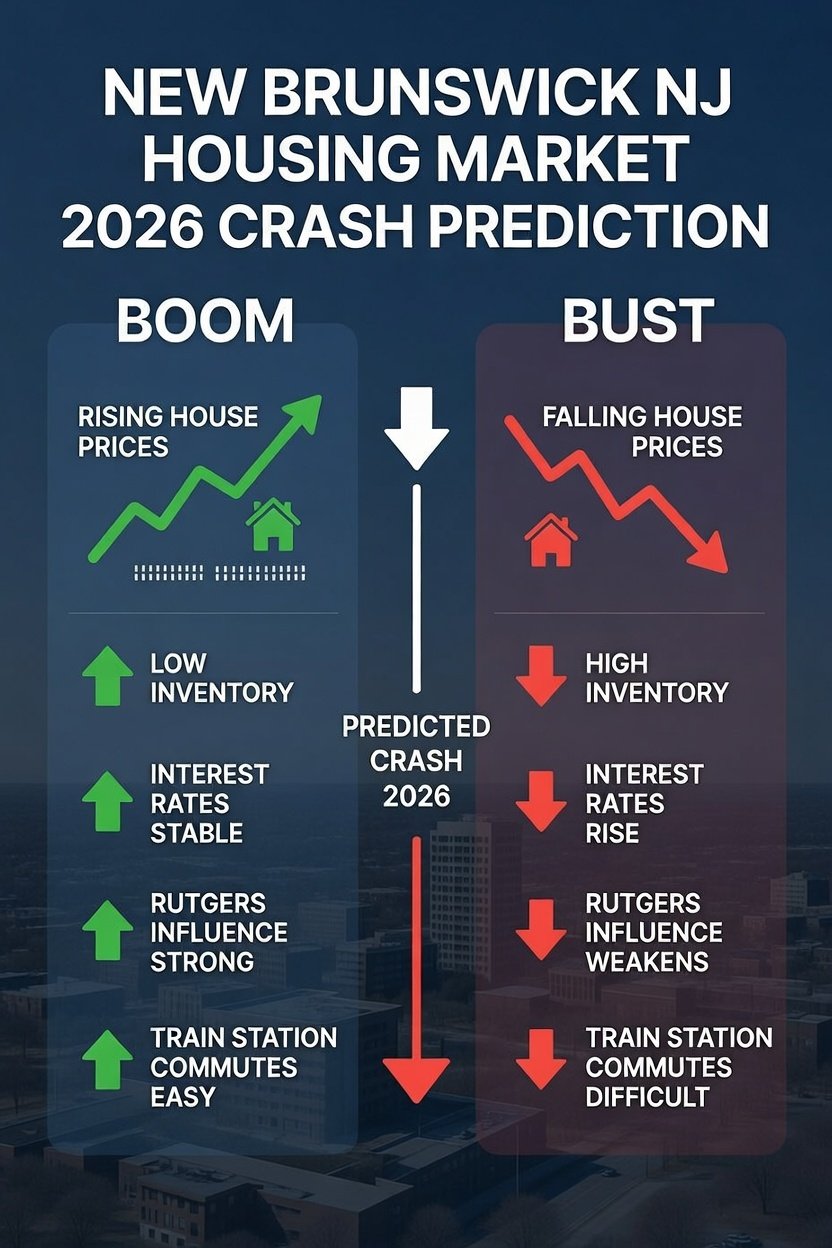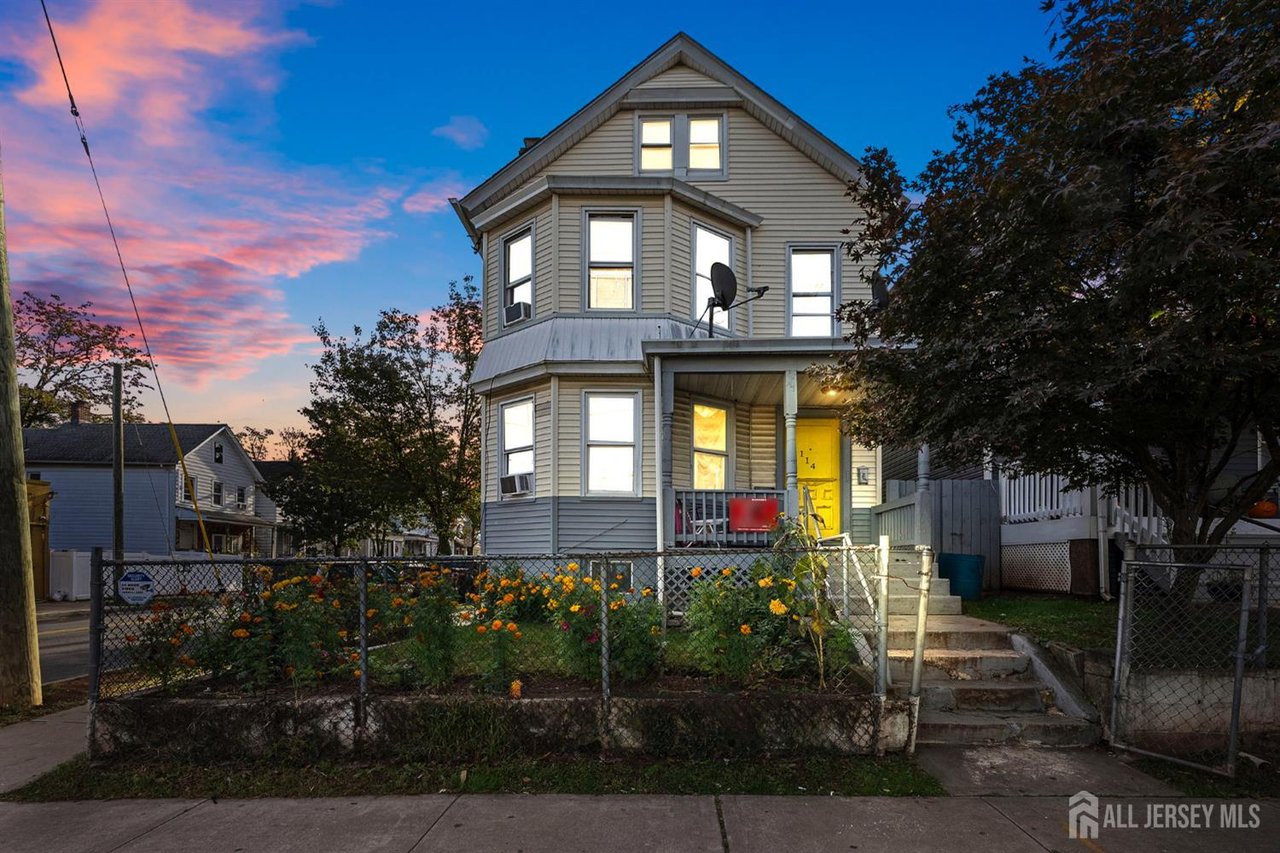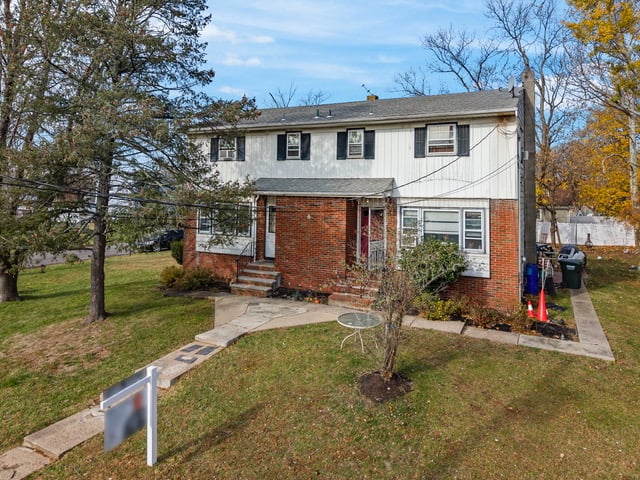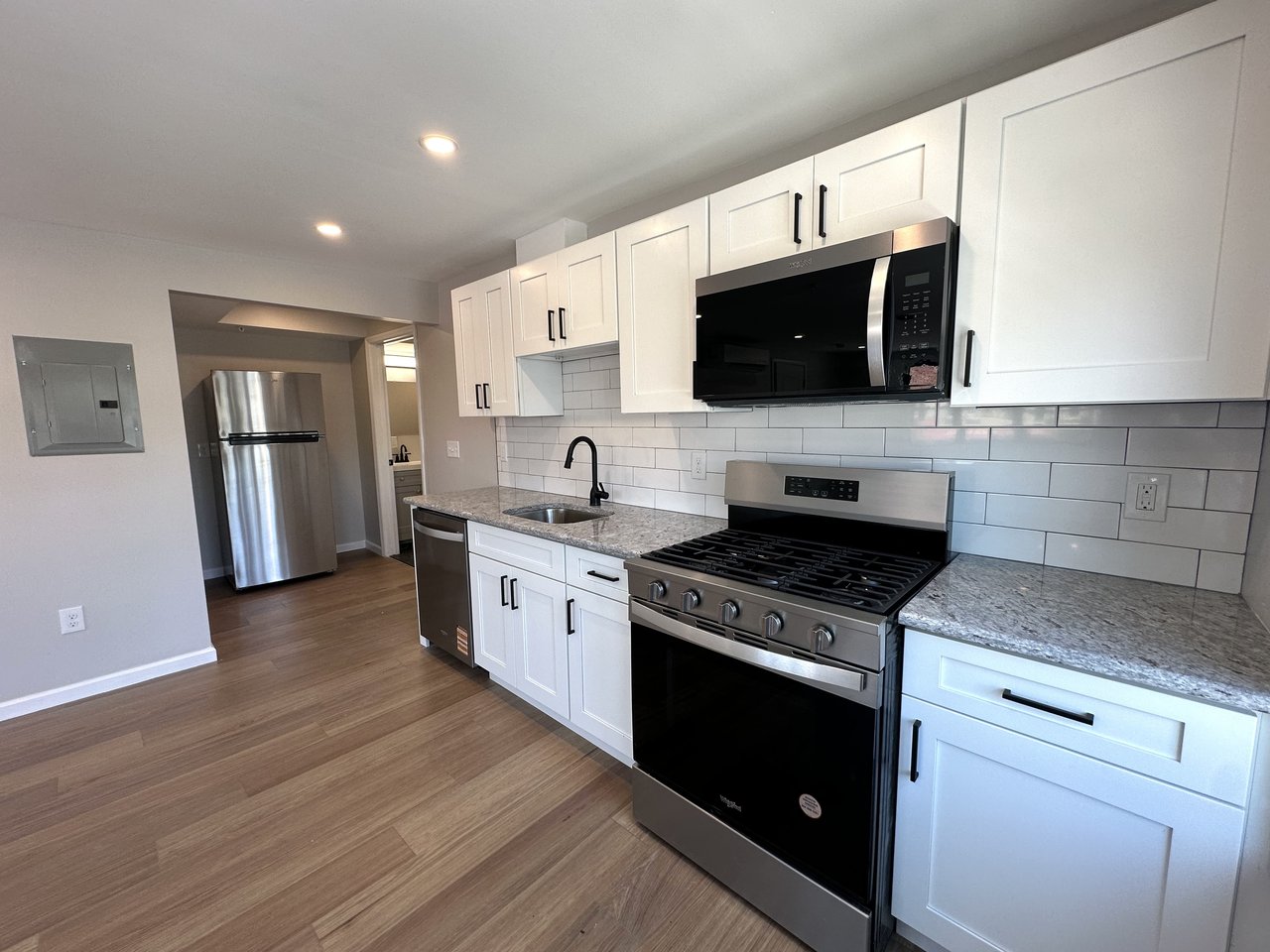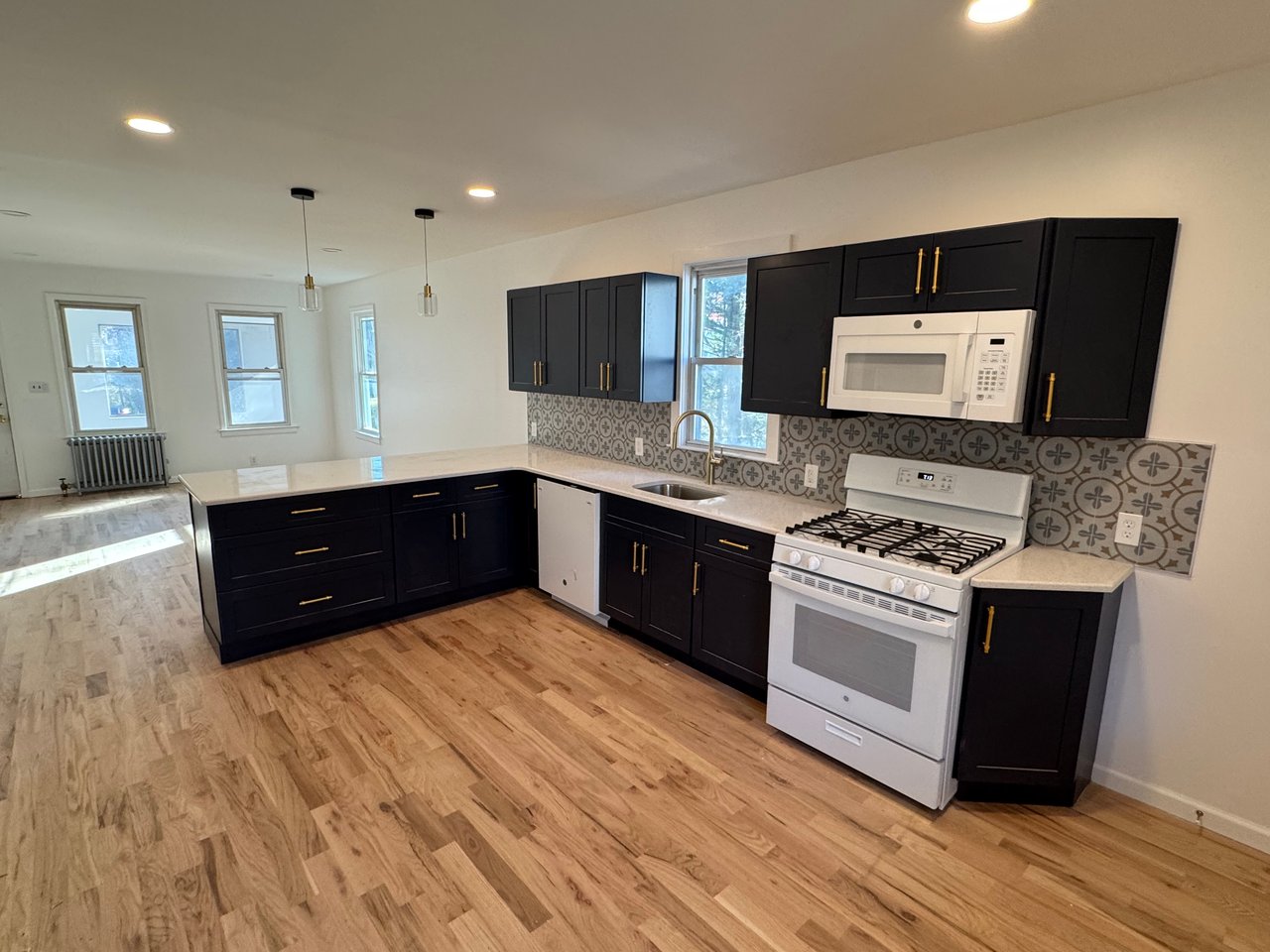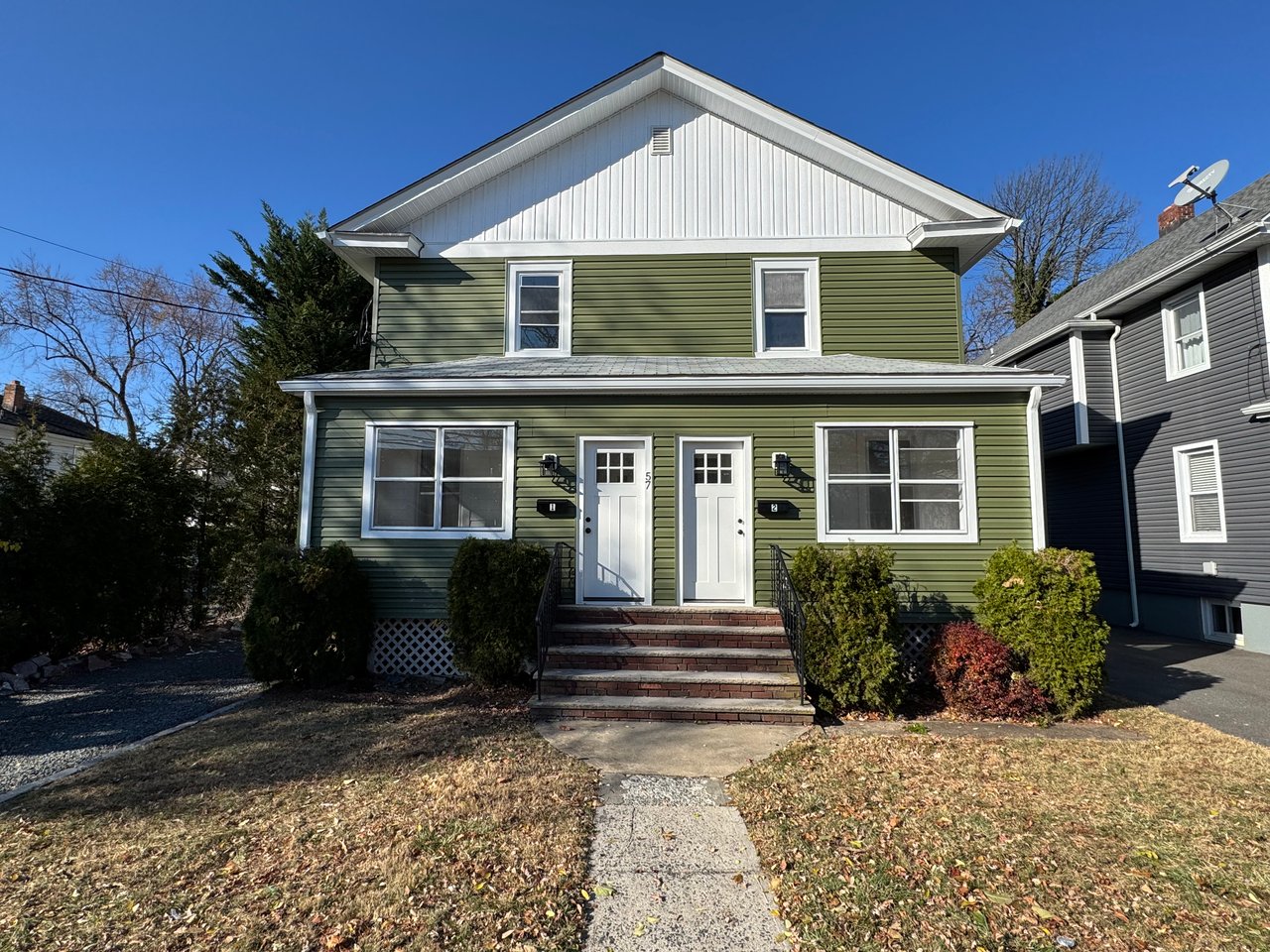
As the founder and broker of Tverdov Housing, with over a decade specializing in New Brunswick's real estate—particularly multi-family and investment properties near Rutgers University—I've assisted many self-employed sellers, from entrepreneurs to freelancers, in maximizing their sales. Self-employment brings flexibility but can impact the process through variable income, tax strategies, and financial planning. In this somewhat balanced market as of January 2026 (median sale prices around $433,000-$440,000 per recent Redfin data, with homes taking 48-83 days on market), preparation is key to a smooth, profitable sale.
Key considerations for self-employed sellers:
- Tax Implications: Proceeds from your primary residence qualify for the $250,000/$500,000 capital gains exclusion (single/married) if you've lived there 2 of the last 5 years—often tax-free for most. However, self-employed deductions (home office, etc.) may partially reduce basis, increasing taxable gain. Consult a CPA early to estimate liability and explore strategies like 1031 exchanges if reinvesting in investment property. New Jersey's Realty Transfer Fee (~0.8-1%) remains seller-paid.
- Financial Readiness: Unlike W-2 employees, you won't need income verification for selling (no new mortgage required), but strong records help if buying next. Keep business finances separate and organized—lenders scrutinize self-employed buyers more.
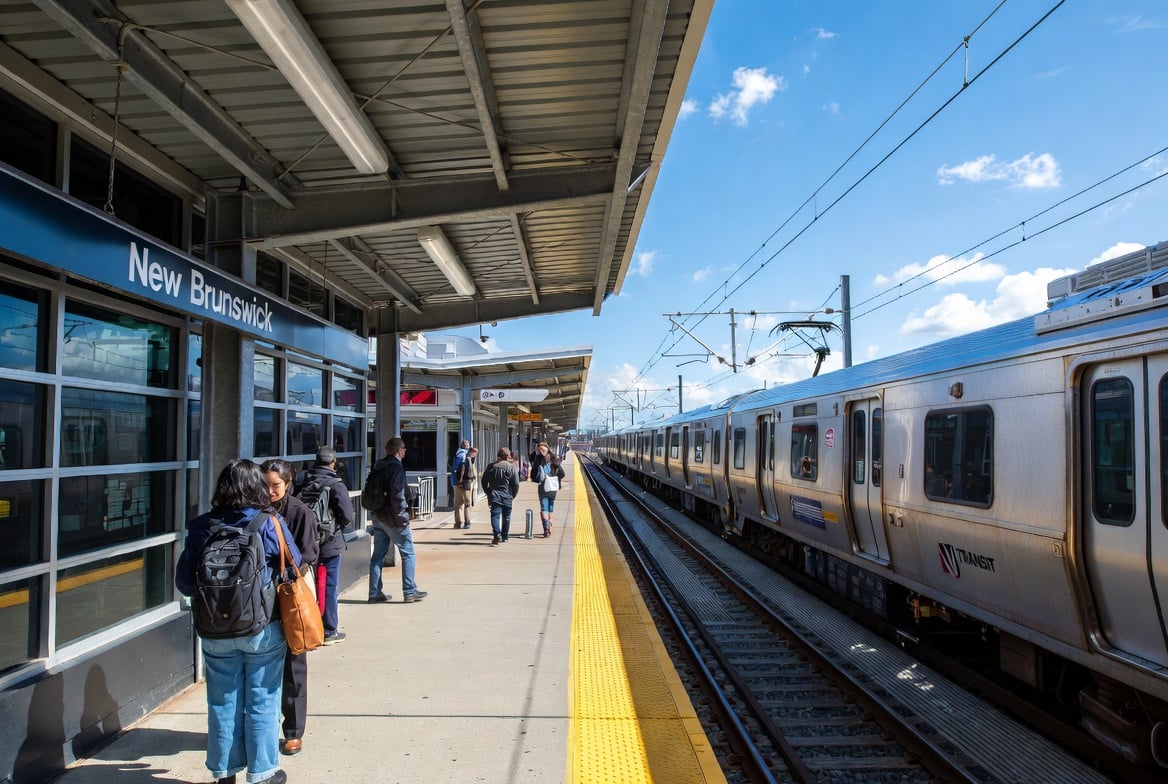
- Market Timing and Pricing: New Brunswick's market favors prepared sellers, with steady demand from Rutgers investors and professionals. Price competitively using fresh comps—properties near campus or the train station sell fastest. Overpricing risks longer days on market in this cooling environment.
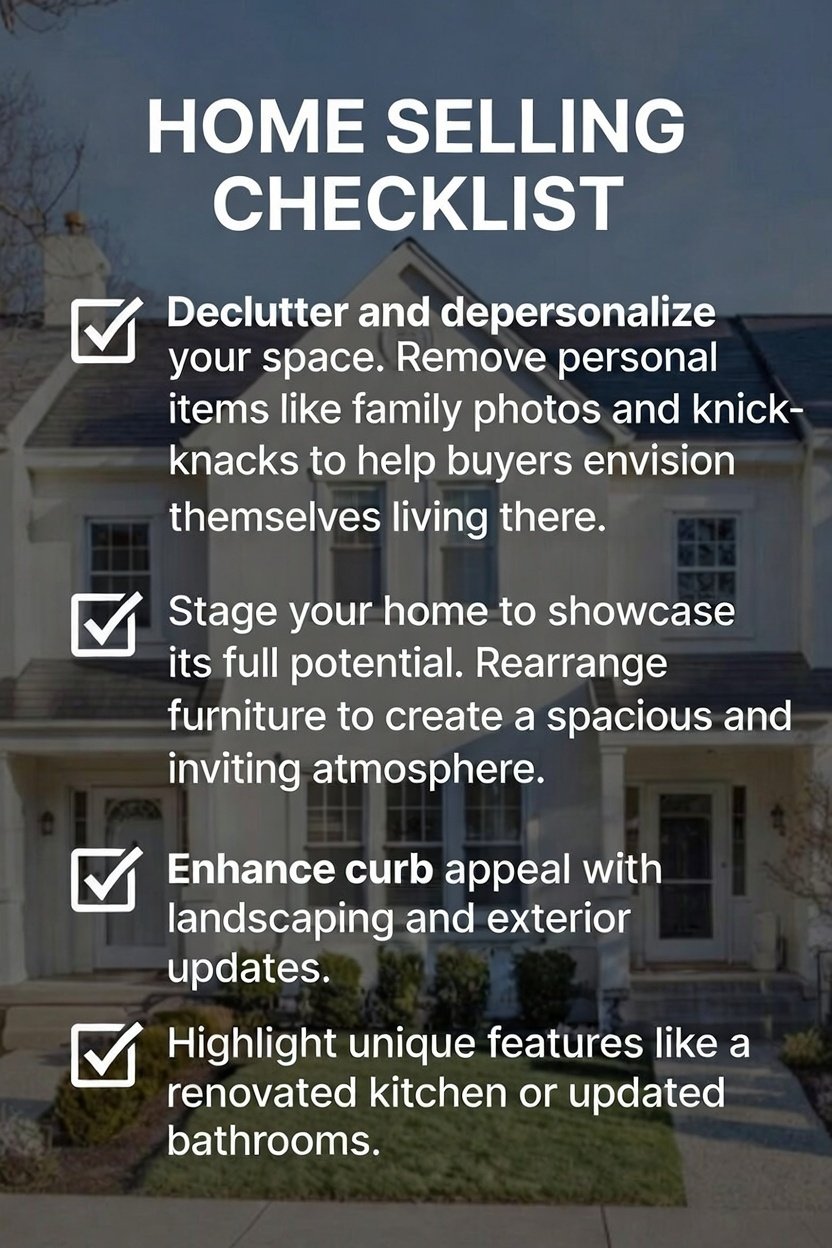
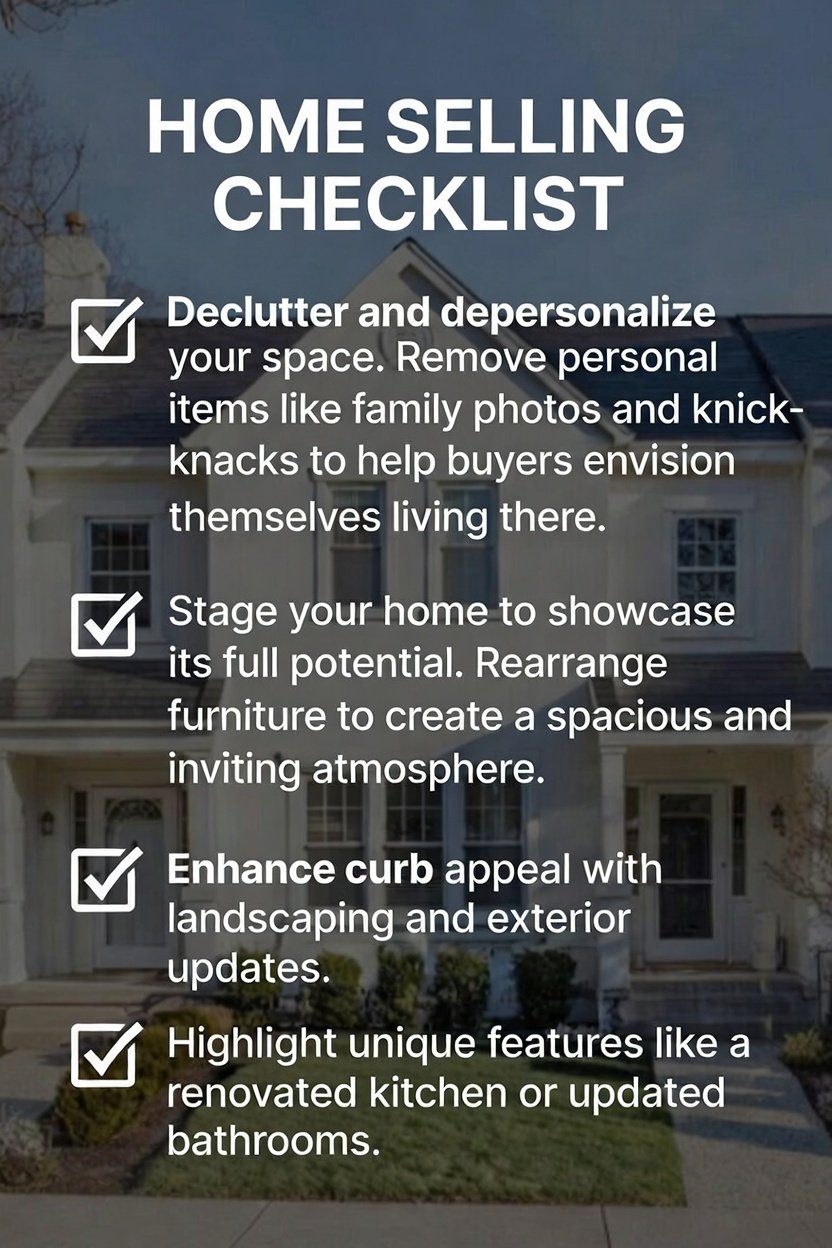
- Local Requirements: Address the Certificate of Continued Occupancy (CCO) inspection upfront—fix code issues (detectors, rails) to avoid buyer concessions. Professional staging and marketing emphasize rental potential for multi-families.
- If Buying Next: Self-employed buyers face stricter qualification (2+ years tax returns, after-deductions income). Selling first often strengthens your position, avoiding contingencies. Bridge options exist but require solid credit.
At Tverdov Housing, we guide self-employed clients through net proceeds calculations, tax-aware pricing, and seamless transitions—many leverage sales into stronger investments.
For Central Jersey insights, check The New Jersey Real Estate Investor podcast.
Selling as a self-employed owner? Contact Tverdov Housing—we'll tailor a strategy to your business and goals in New Brunswick's market.