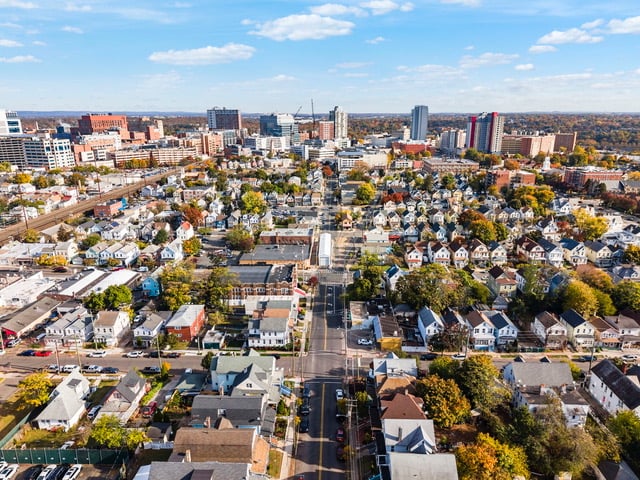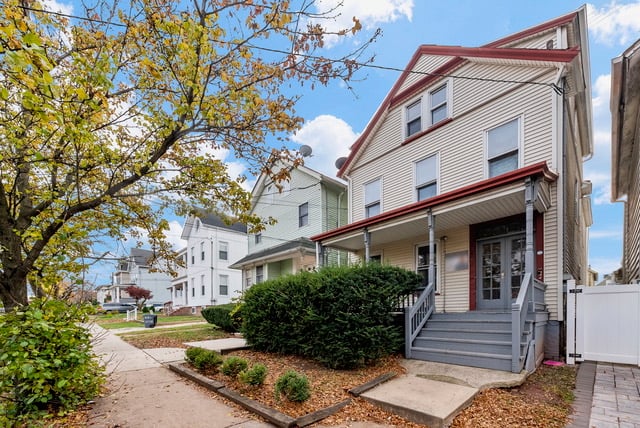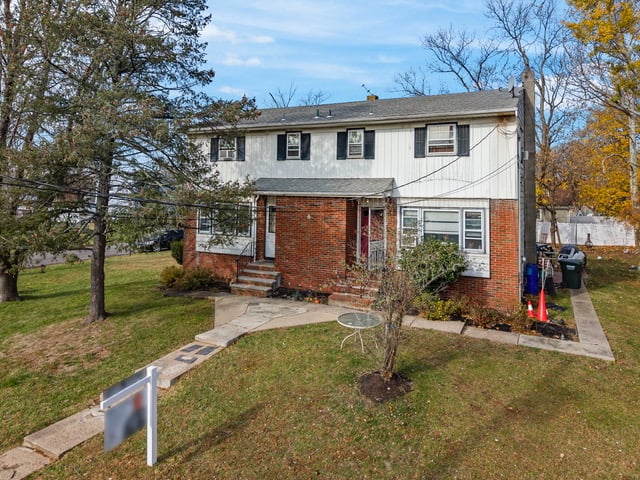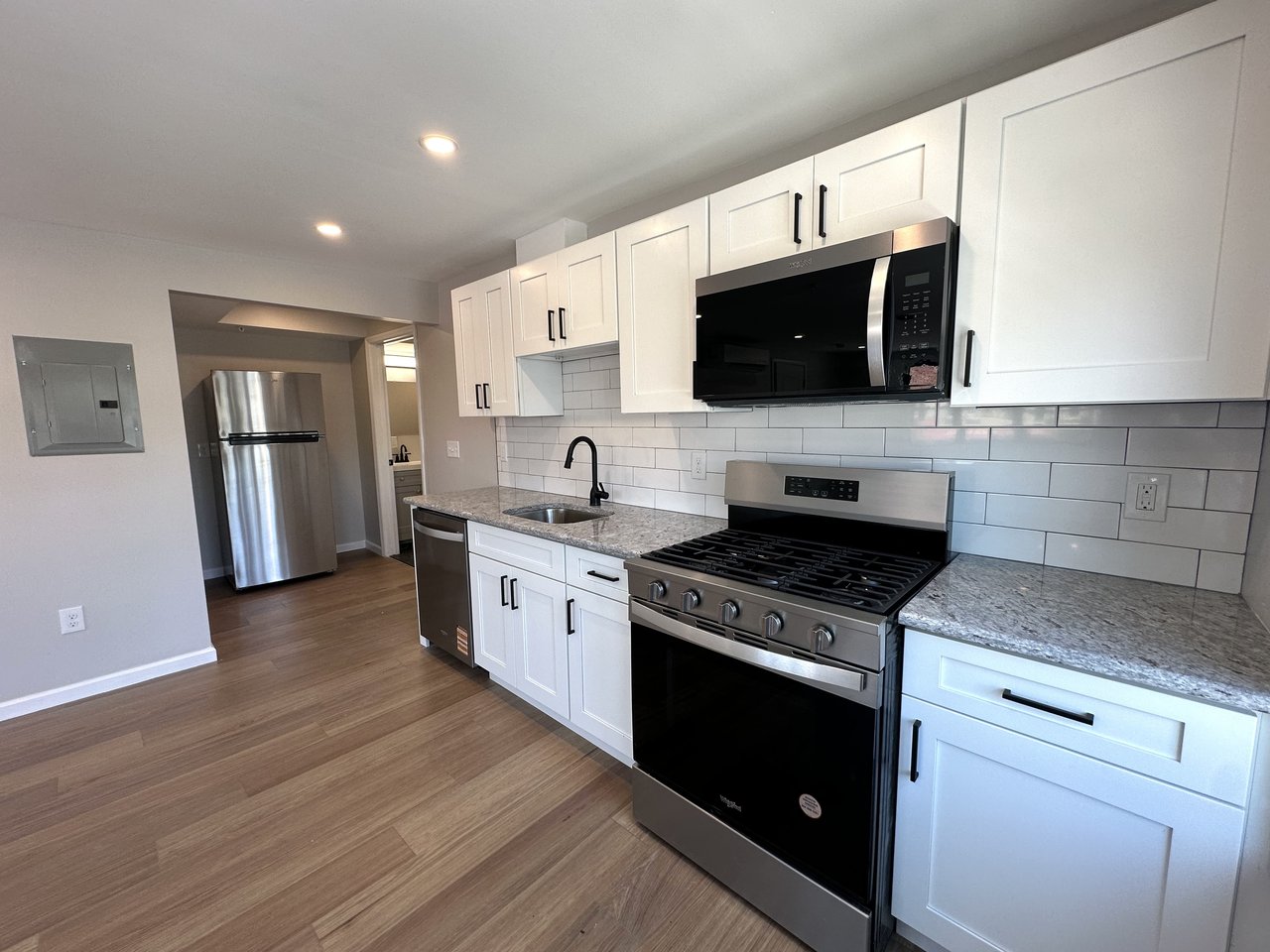
If you are looking for cash flow in North Jersey, Elizabeth deserves a serious look. This is not a hype market built on luxury rent spikes or speculative appreciation. It is a dense, renter-heavy city with real demand drivers, older multifamily stock, and a pricing profile that can work for investors who underwrite carefully. Let’s dive in.
Why Elizabeth stands out
Elizabeth is one of the most renter-oriented cities in the region. The city has an estimated 140,413 residents and 46,121 households, and the owner-occupied housing rate is just 25.6%. That means roughly three-quarters of households are renters, which gives investors a deep tenant base to work with.
For cash-flow investors, that matters more than flashy headlines. A large renter population can support steadier occupancy, especially when the market is tied to year-round employment and commuting patterns. Elizabeth fits that profile well.
What drives rental demand
Transportation supports the renter base
Elizabeth benefits from a strong regional location. The city is near Newark Liberty International Airport, the Port Newark-Elizabeth Container Seaport, the New Jersey Turnpike, U.S. Routes 1 and 9, and NJ Transit rail access.
Those connections help support rental demand from working households who need access to jobs and transportation. Newark Liberty alone served 48.9 million passengers in 2024, which shows the scale of activity tied to the local economy.
Jobs add depth to the market
Transportation and logistics are major demand drivers, but they are not the only ones. Elizabeth also has a meaningful retail and service employment base, with about 1,000 participating businesses in the city’s Urban Enterprise Zone.
The city also identifies The Mills at Jersey Gardens and IKEA as major anchors. Jersey Gardens reportedly drew more than 15 million visitors in a recent year, which reinforces the city’s role as an active employment and commercial hub.
Tenancy tends to be stable
Elizabeth does not read like an overly transient rental market. According to the city’s housing plan, 91.8% of residents lived in the same house one year earlier.
That kind of stability can be attractive for buy-and-hold investors. Lower turnover can help reduce leasing costs, vacancy loss, and unit-refresh expenses over time.
Who rents in Elizabeth
A working-renter market
Elizabeth’s median household income is $66,555, and the median gross rent is $1,523. Labor force participation is 67.6%, and the average commute is 26.7 minutes.
Put simply, this is a working-renter city. Occupancy can be supported by local household formation and commuter demand, but rent growth is usually tied to affordability. That makes disciplined underwriting more important than optimistic projections.
Families shape unit demand
Elizabeth’s renter base is not just studio and one-bedroom demand. The average household size is 2.95, 25.5% of residents are under 18, and 11.9% are age 65 or older.
That profile supports practical family-sized rentals. In the city’s tenure breakdown, renters are concentrated in 1-bedroom units at 29%, 2-bedroom units at 34%, and 3-bedroom or larger units at 29%.
For investors, that suggests broad demand across standard unit types, with particular relevance for 2-bedroom and 3-bedroom layouts. If you are evaluating a building in Elizabeth, the unit mix deserves close attention.
The housing stock favors value-add investors
Small multifamily is the core inventory
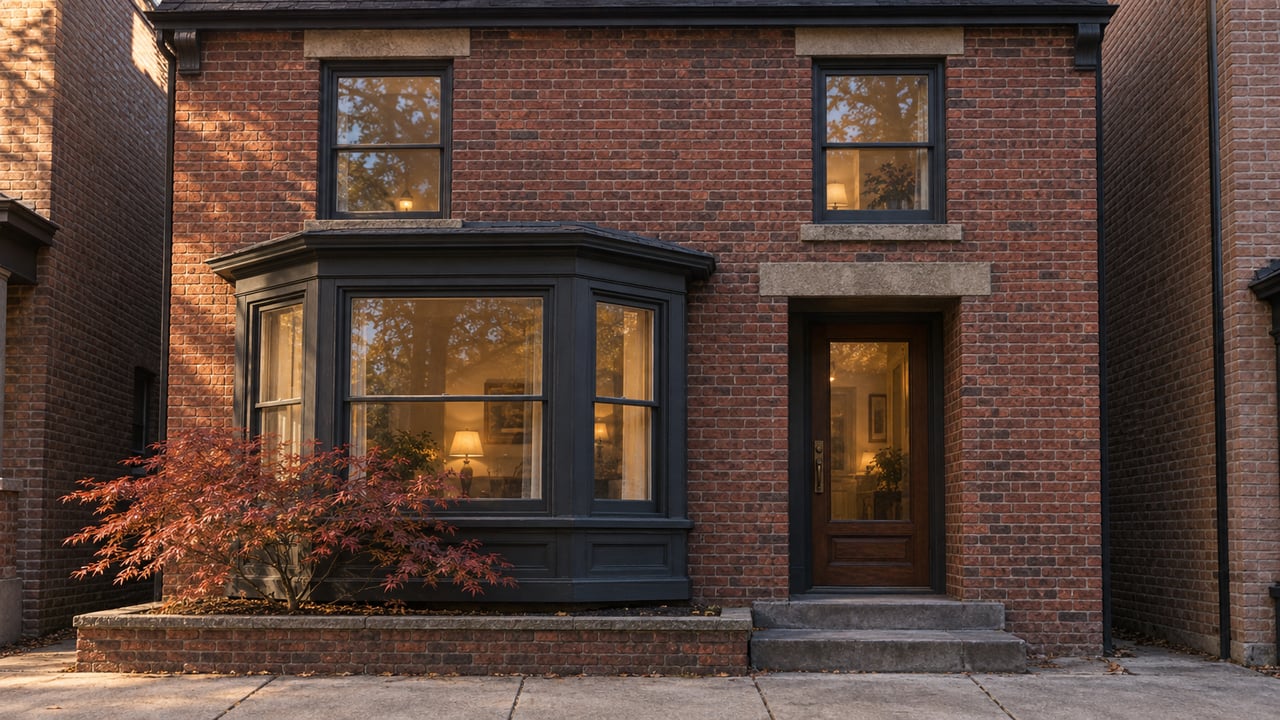
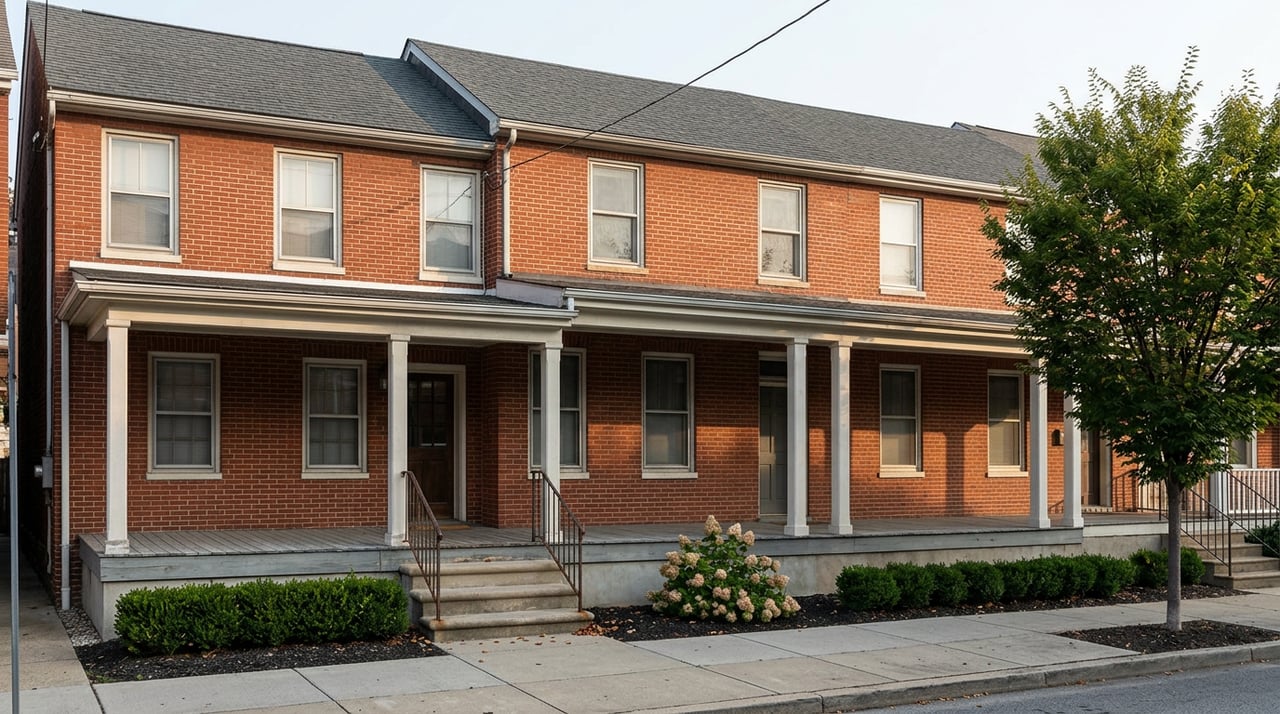
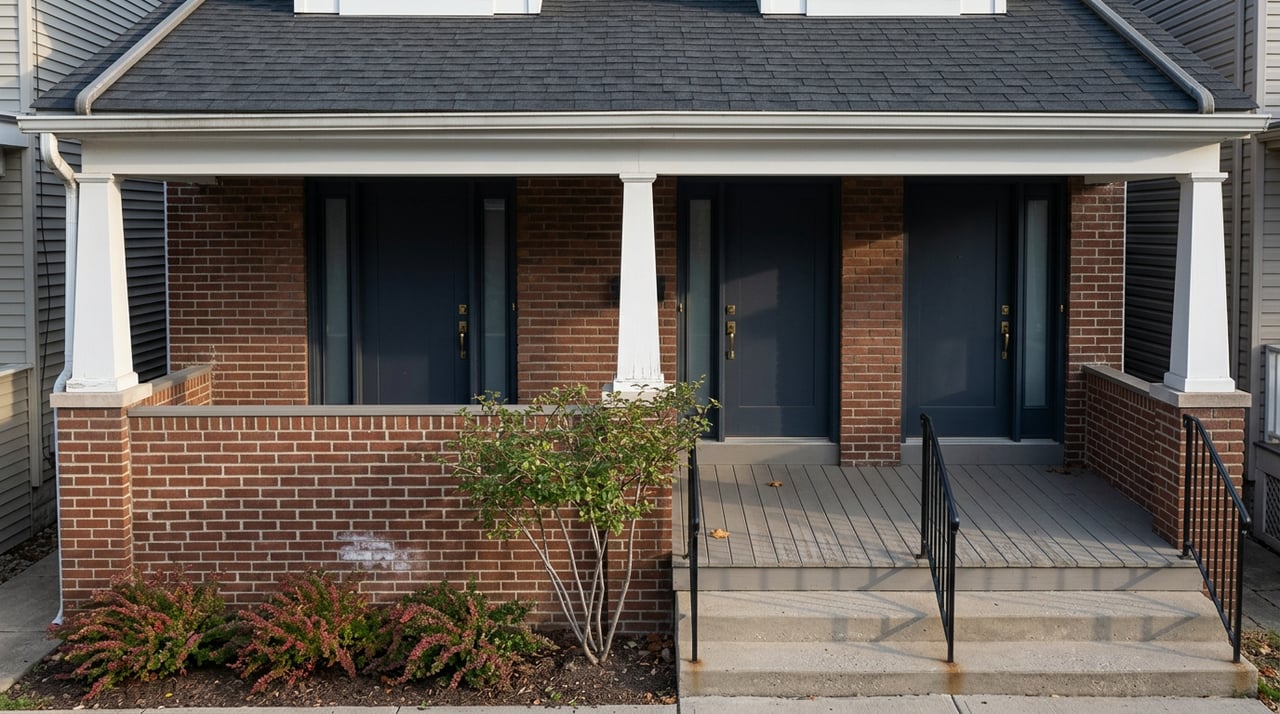
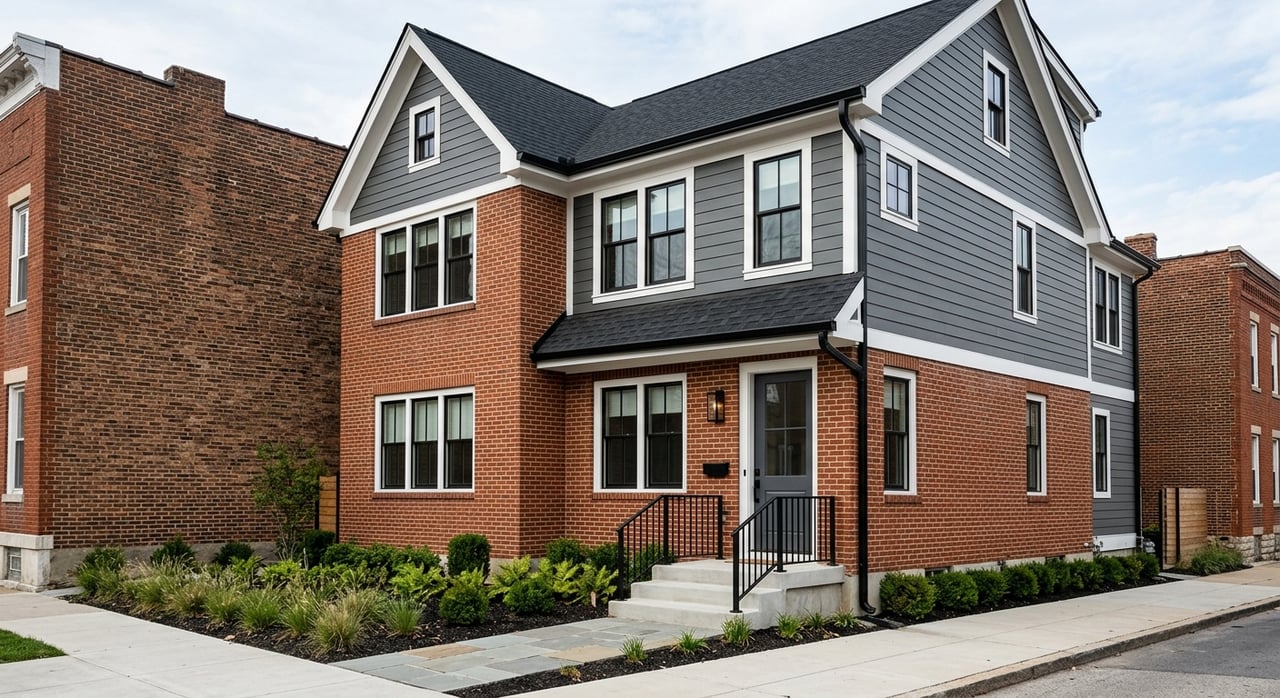
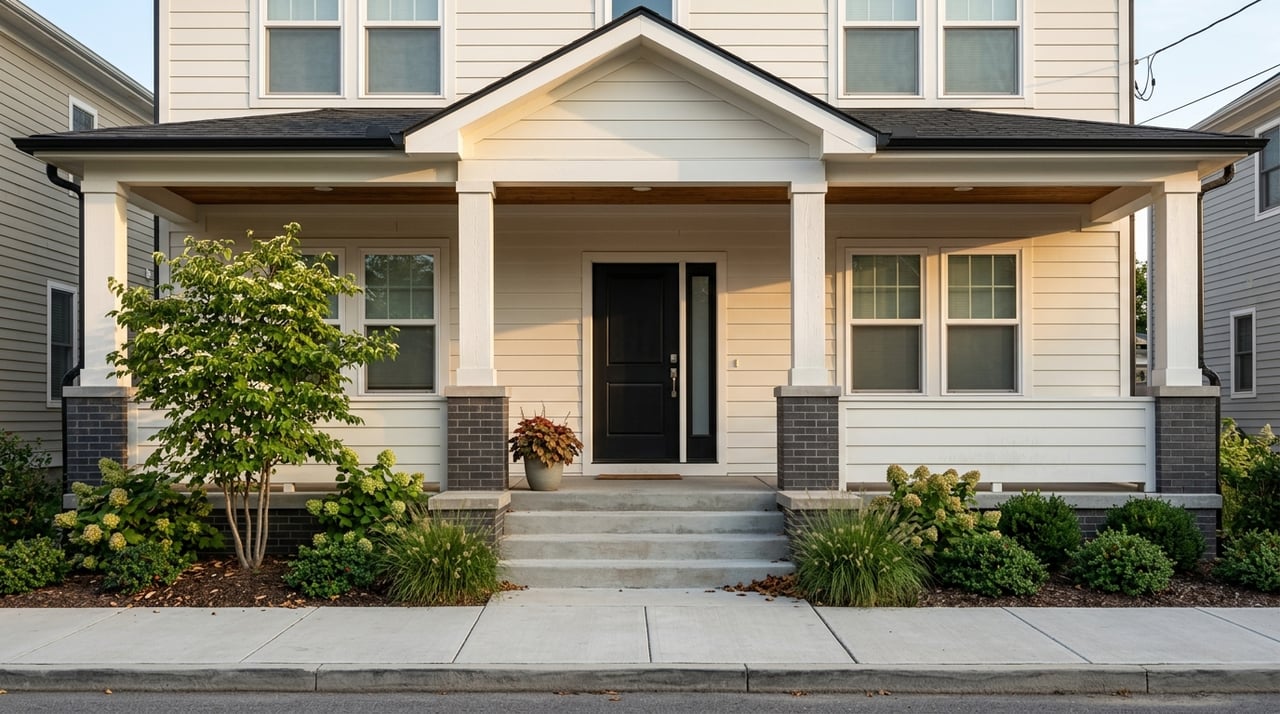
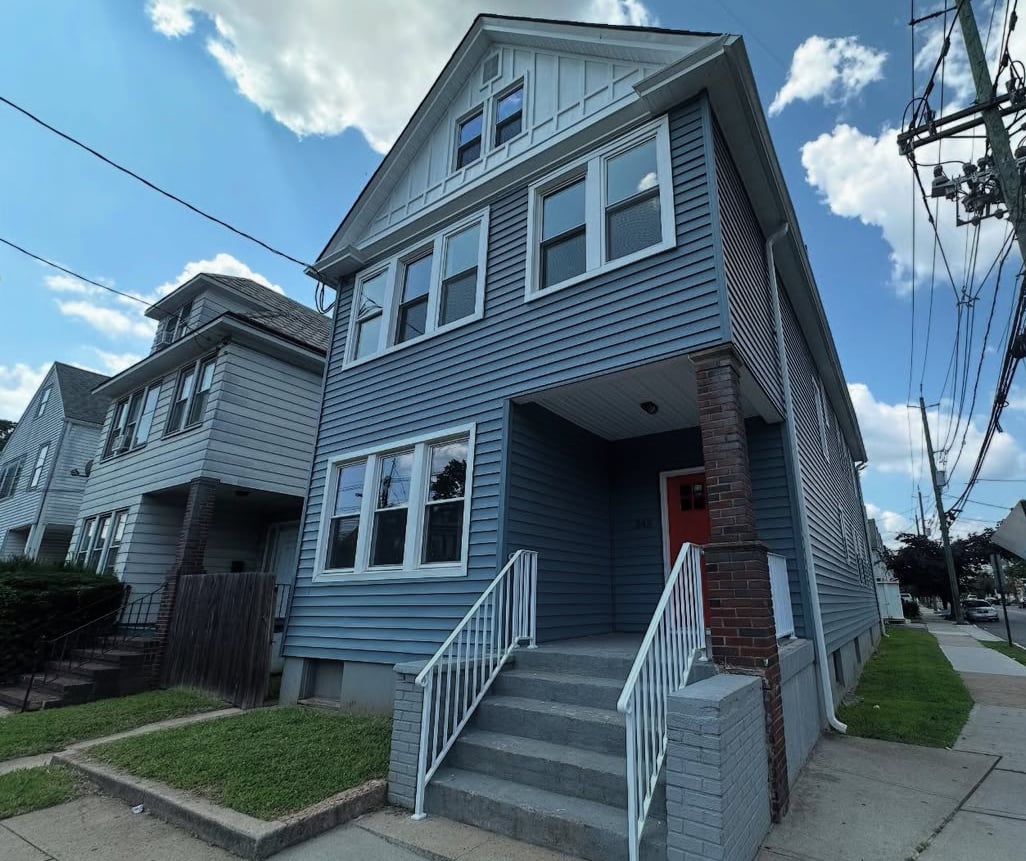
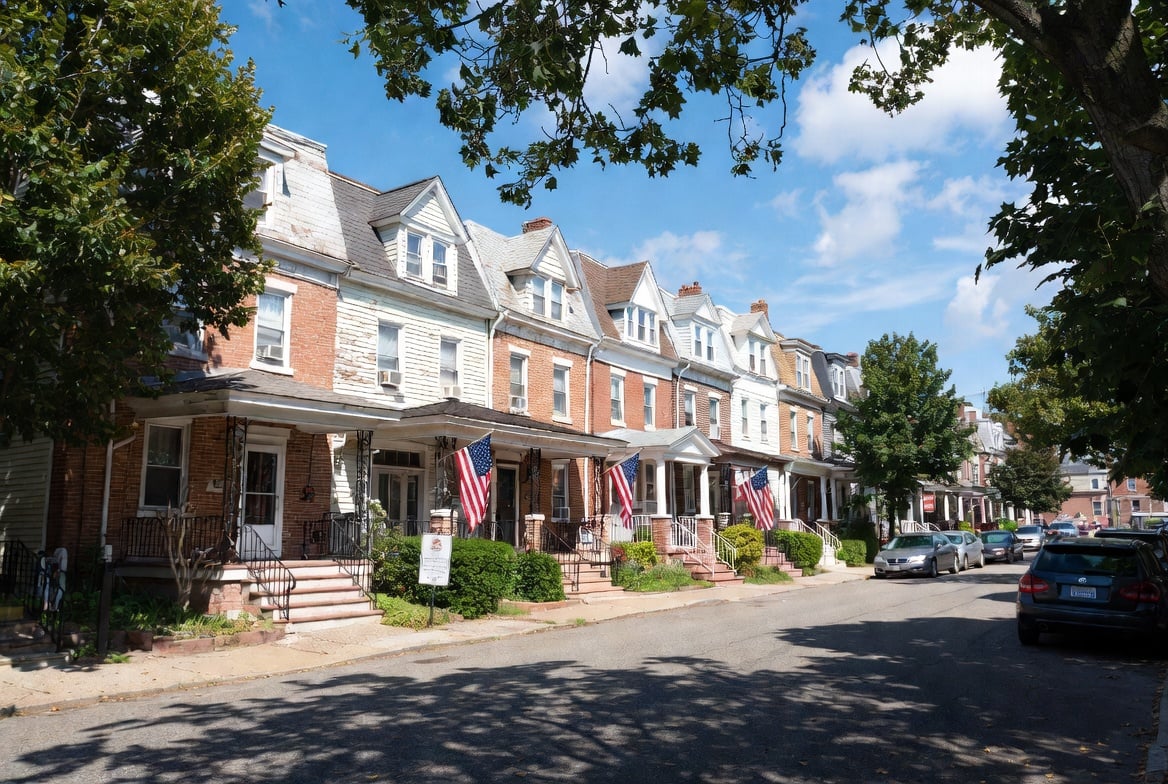
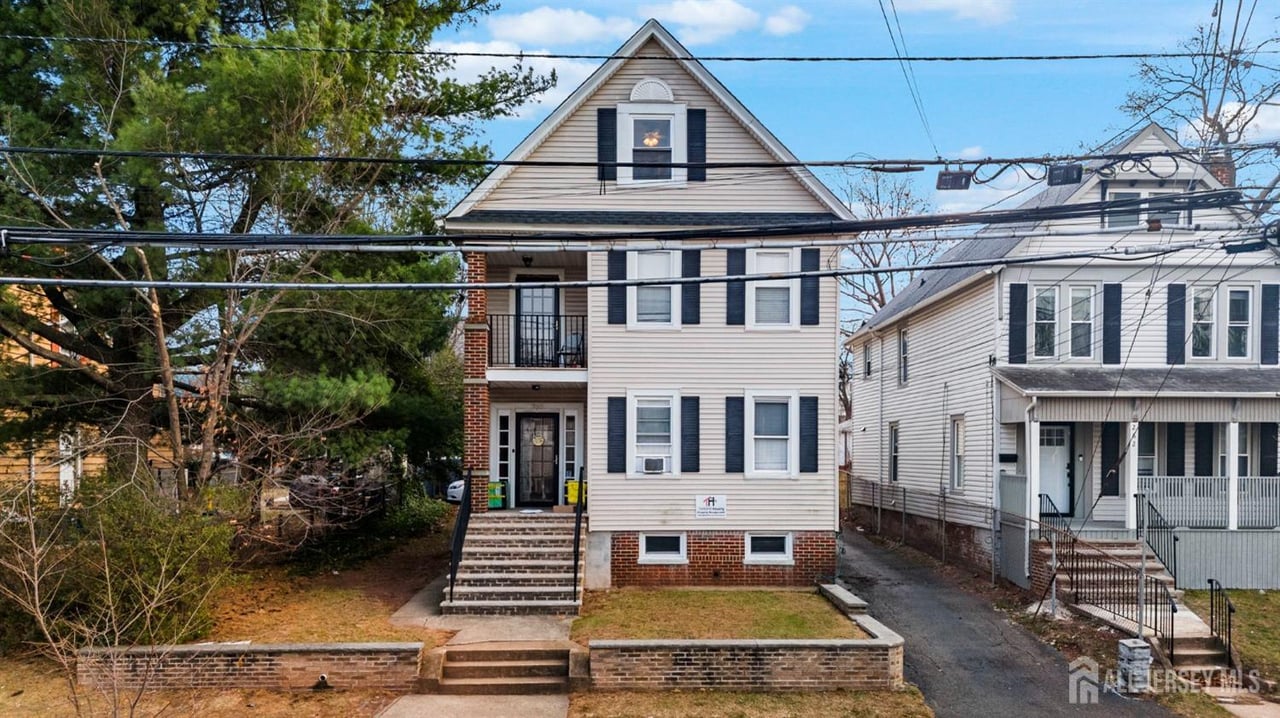
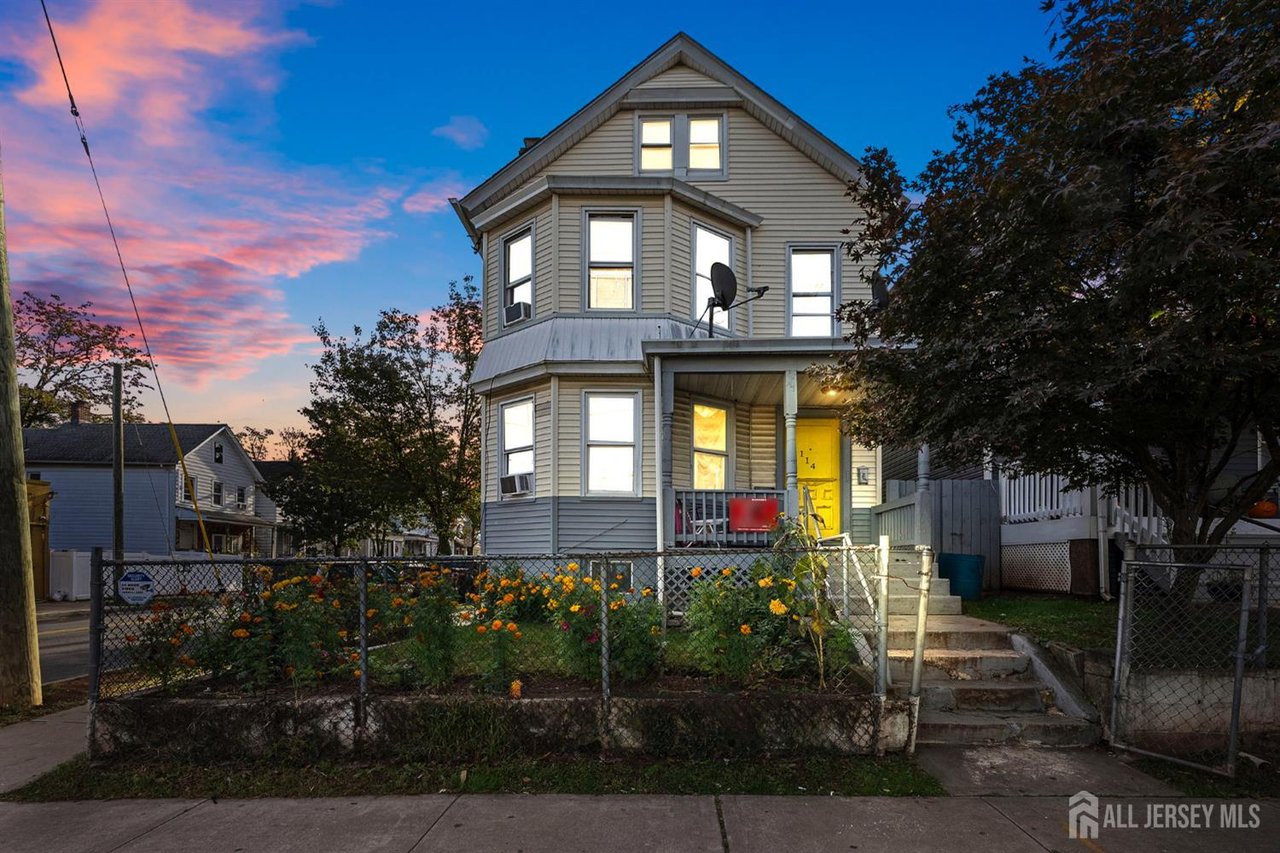
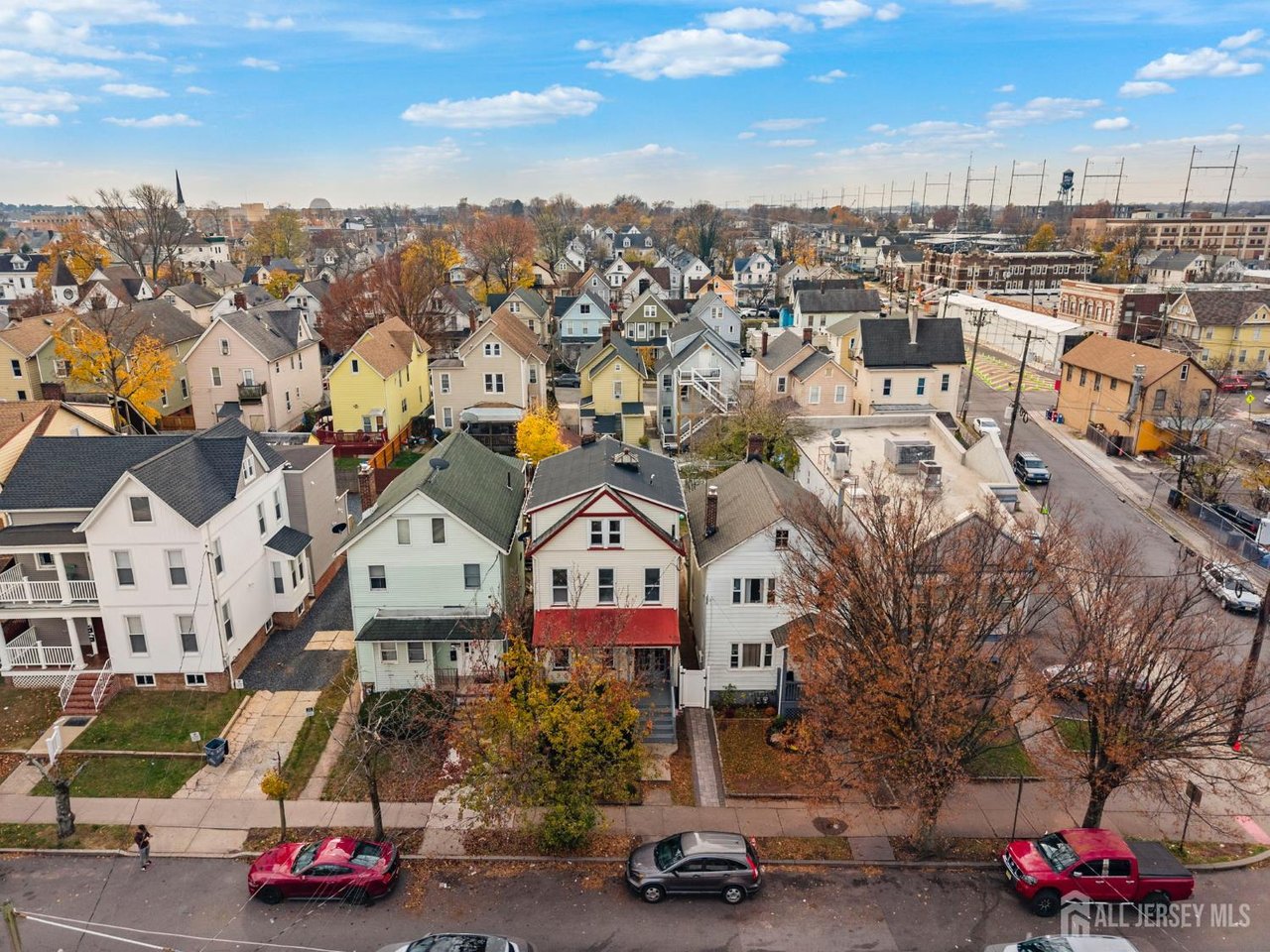
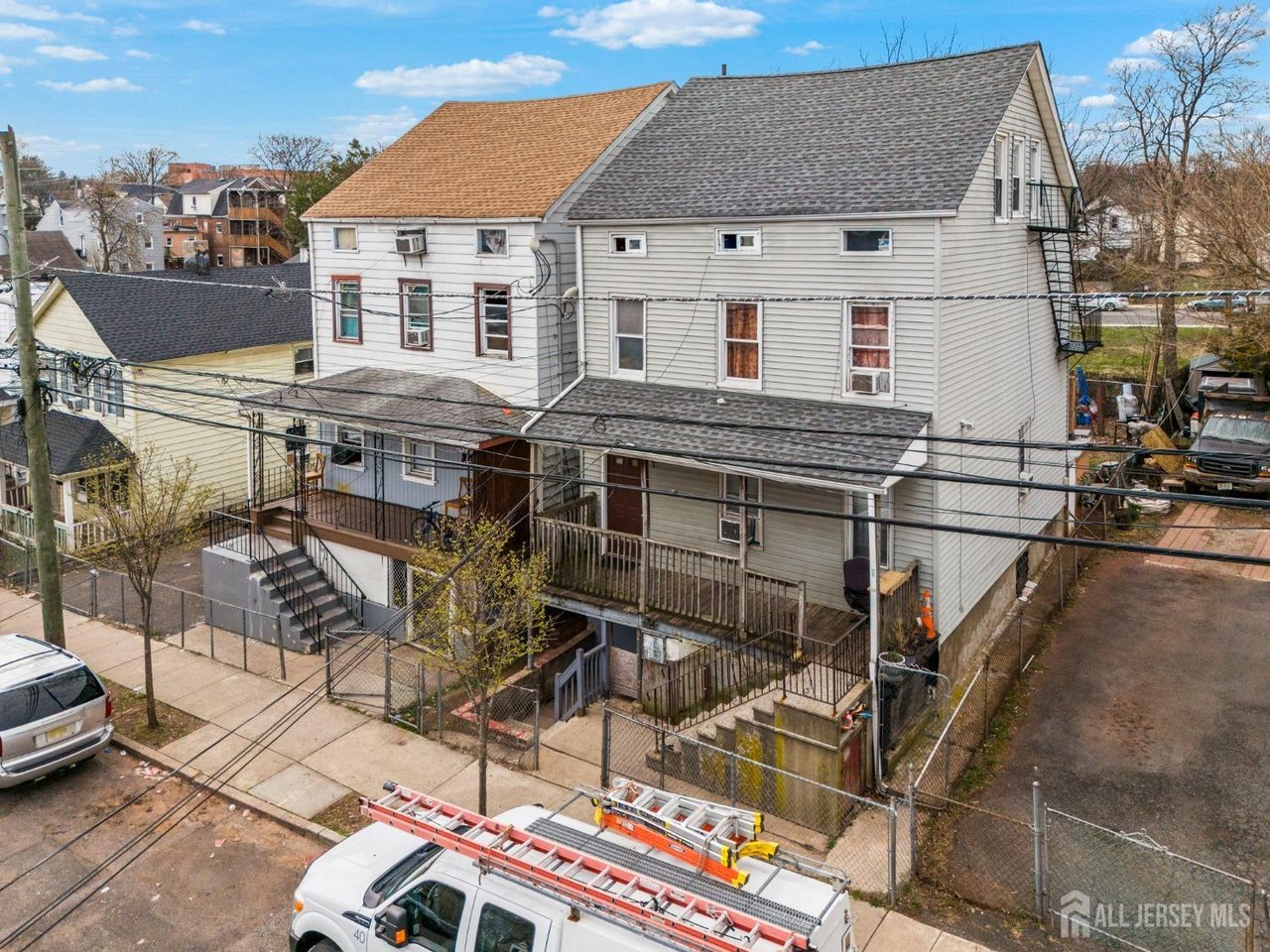
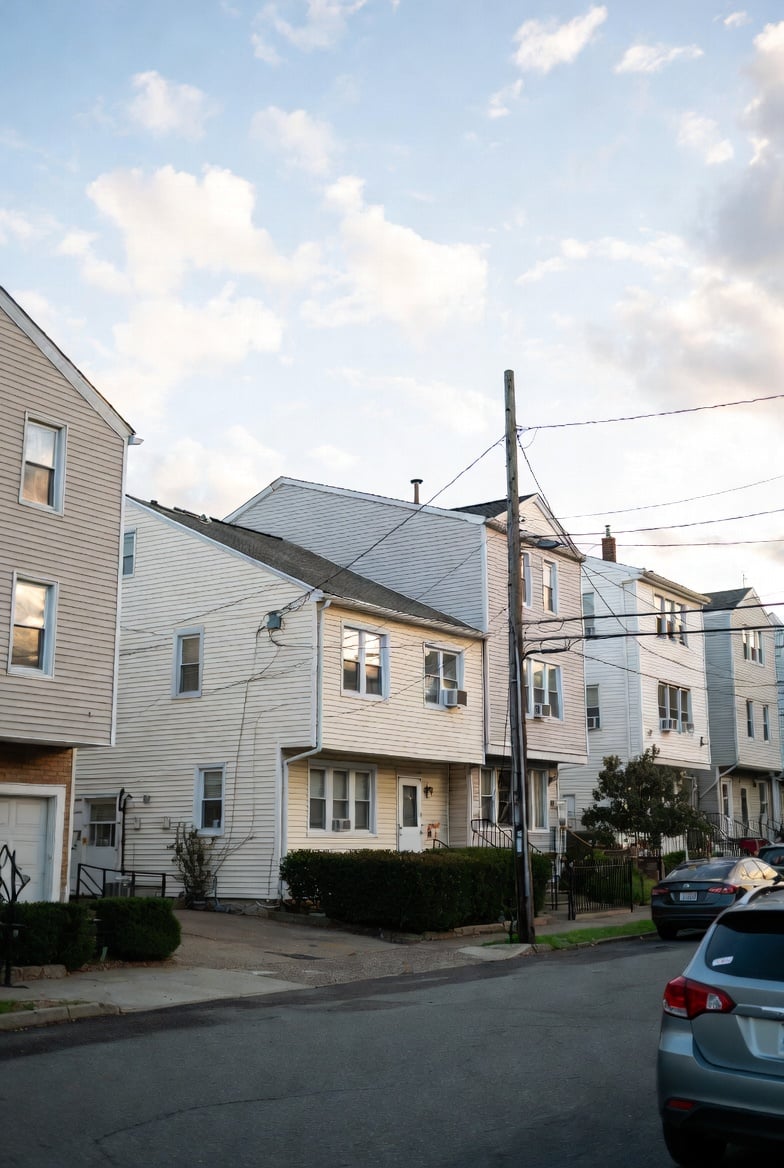
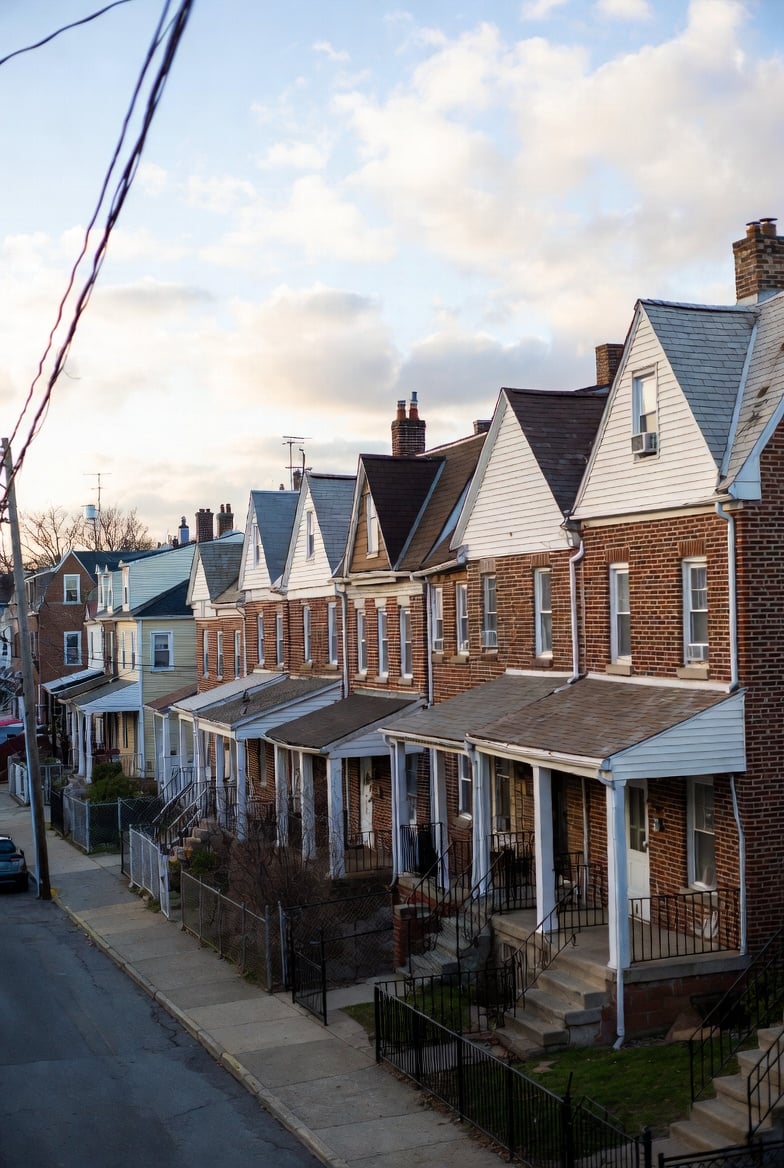
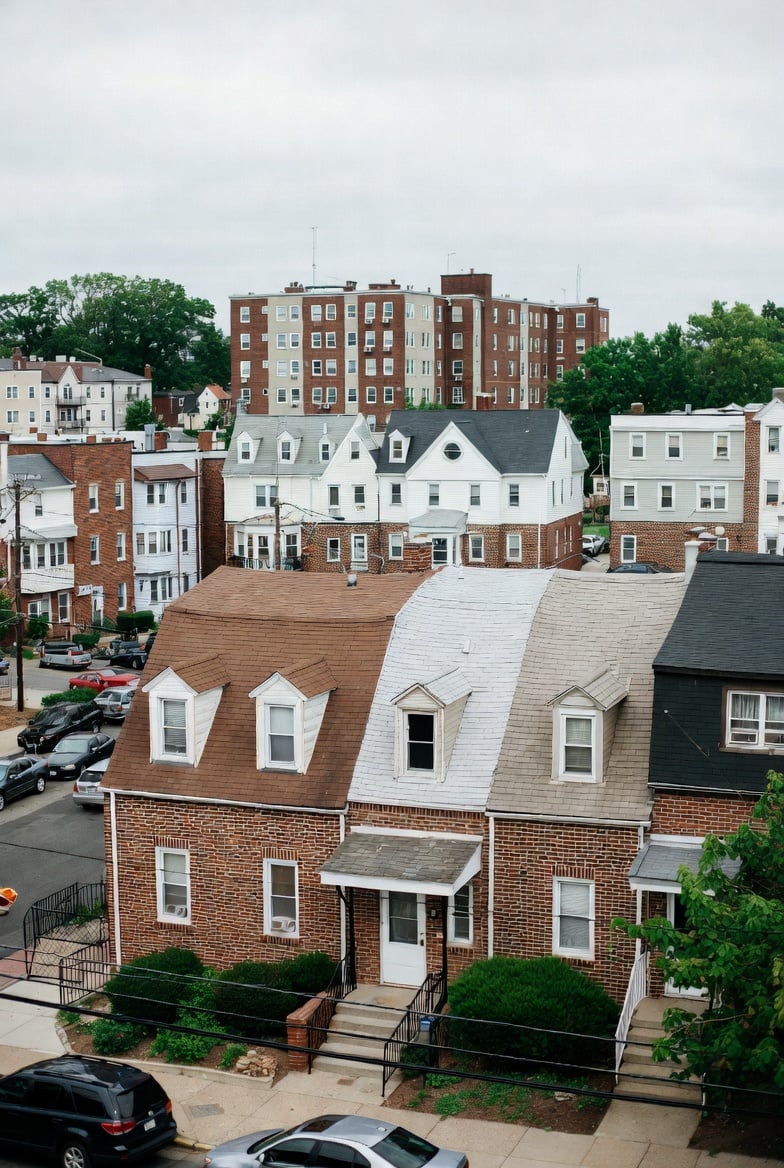
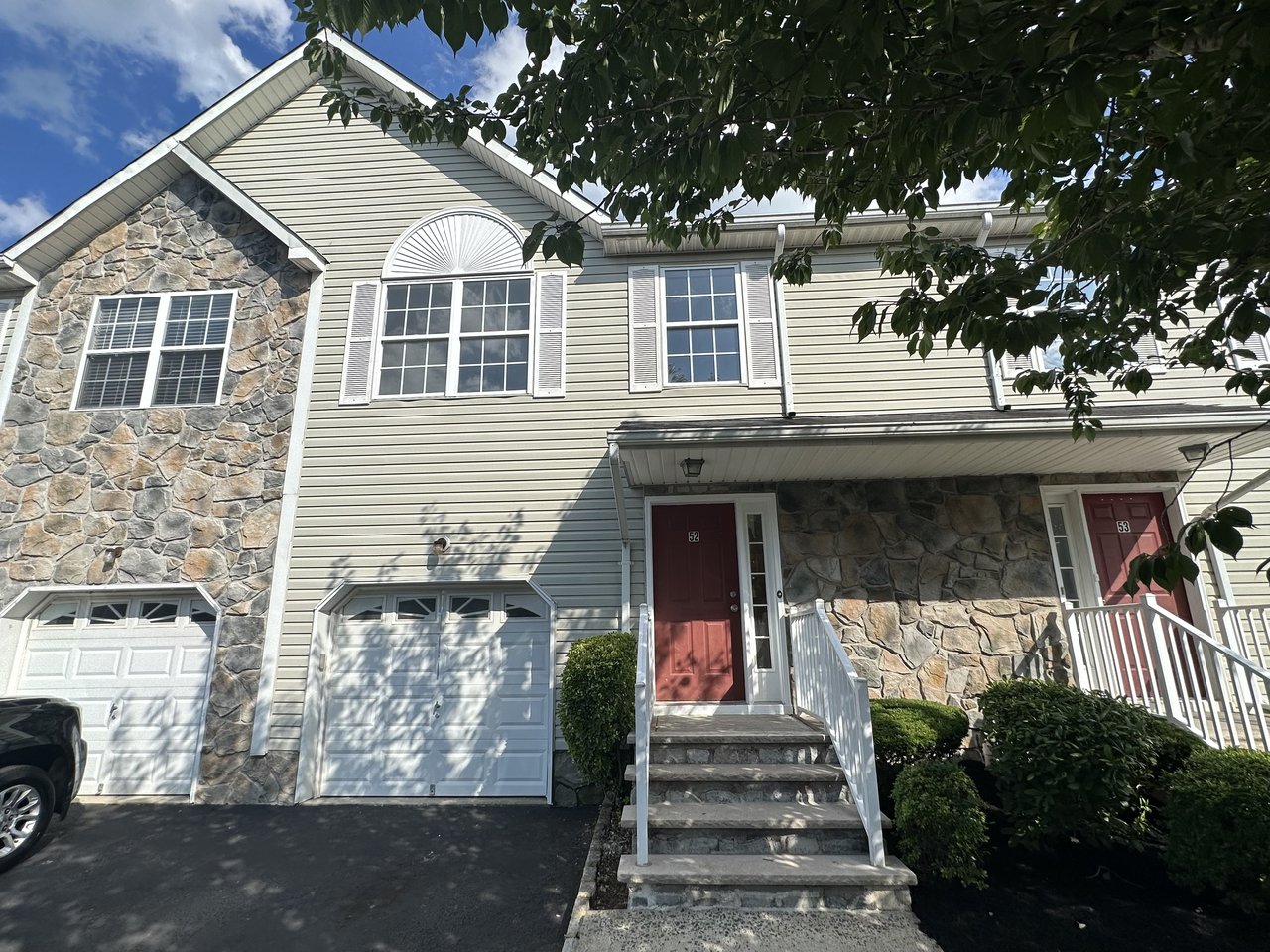
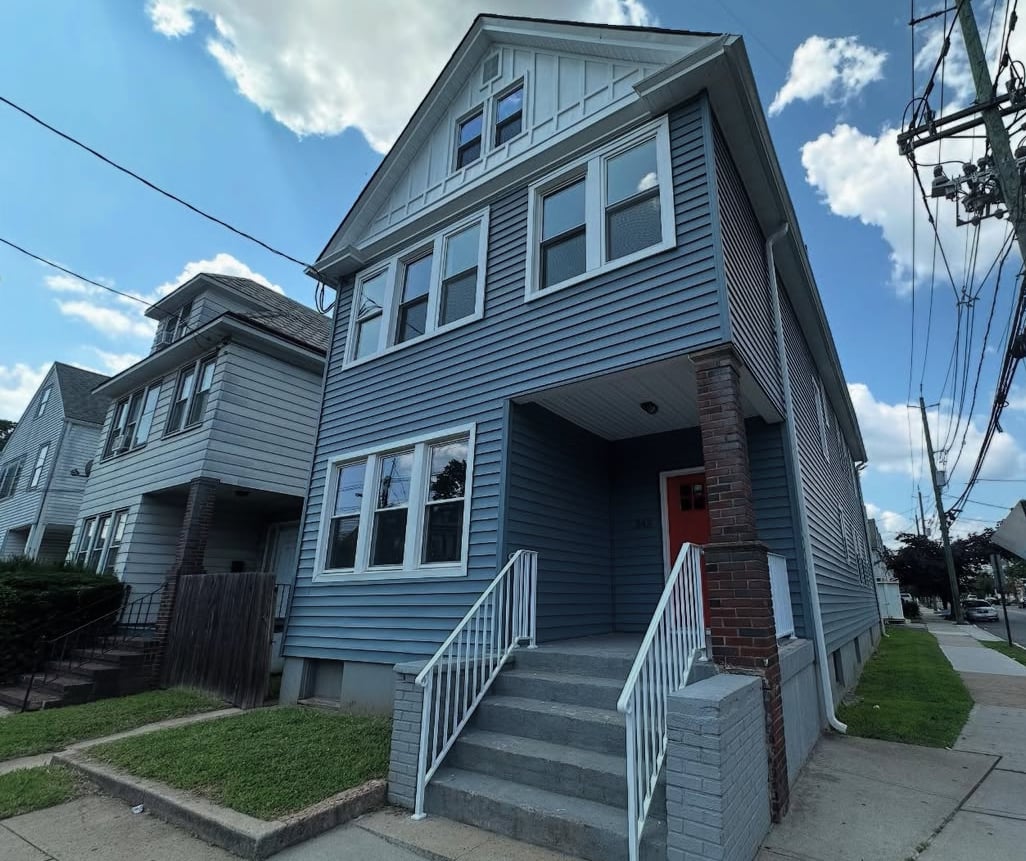
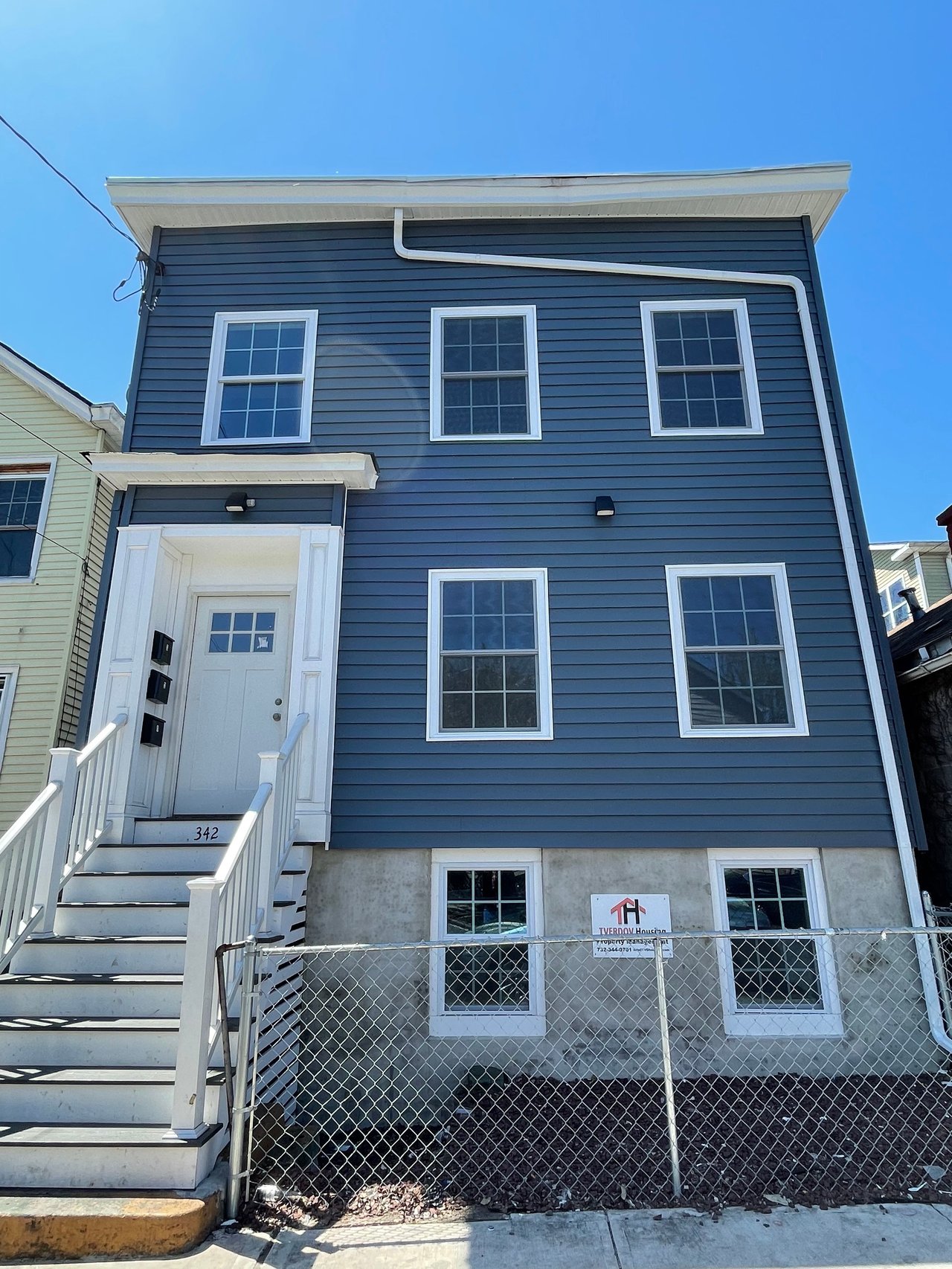
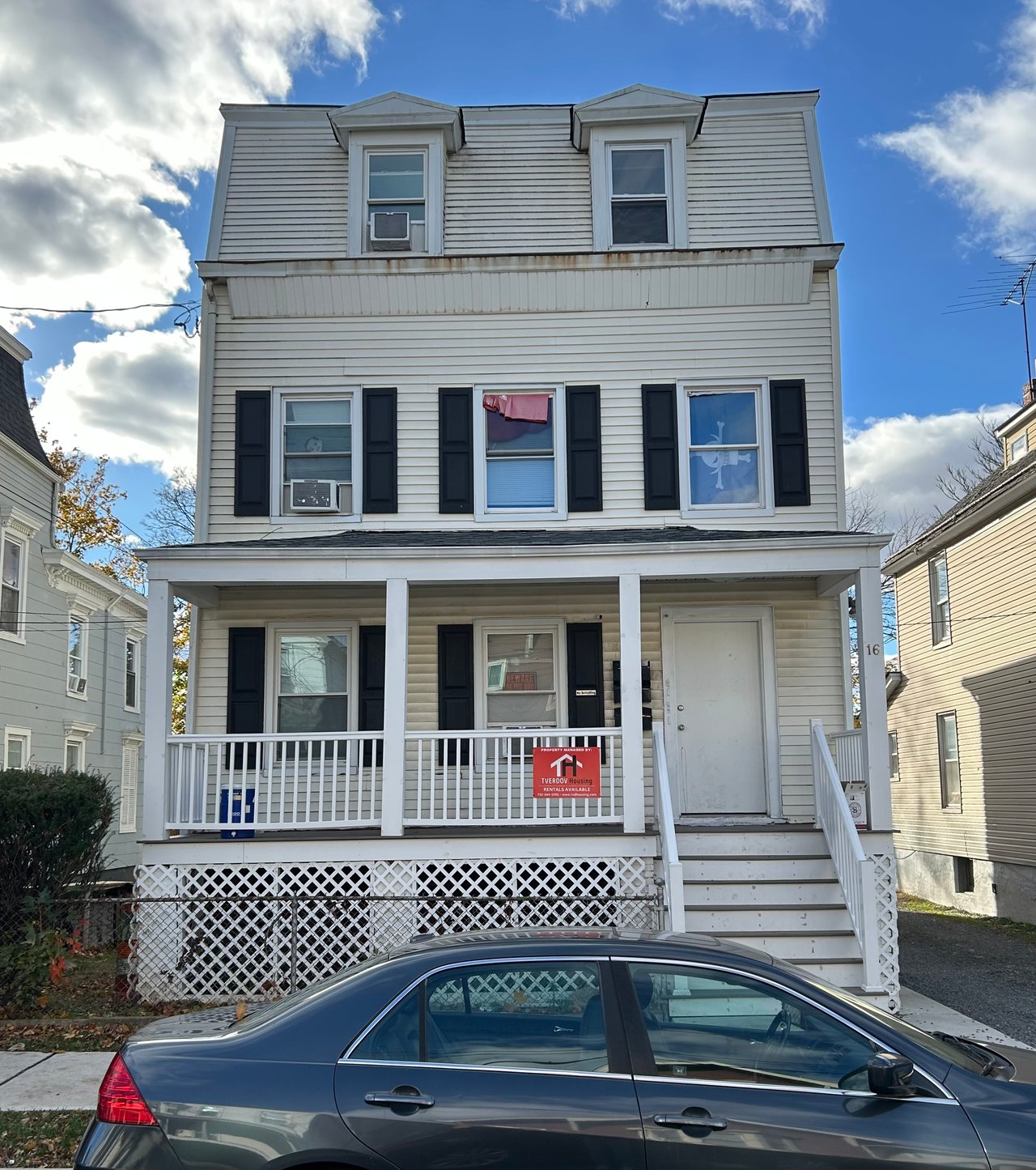
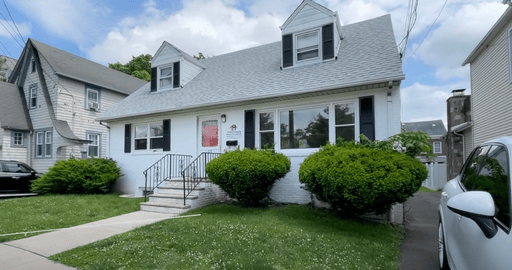
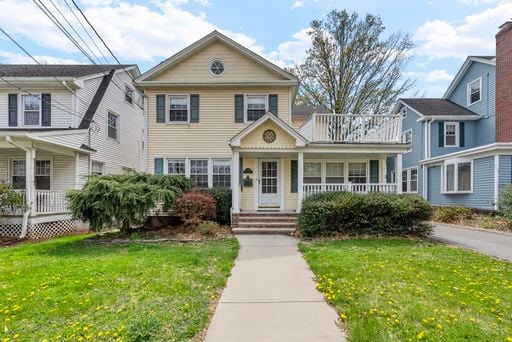
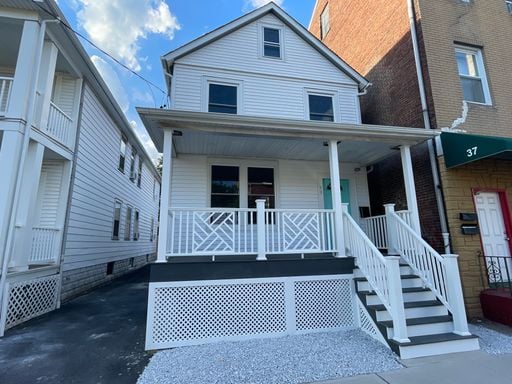
Elizabeth is a dense, fully built-out urban market. The housing stock is heavily weighted toward smaller multifamily properties rather than large amounts of new construction.
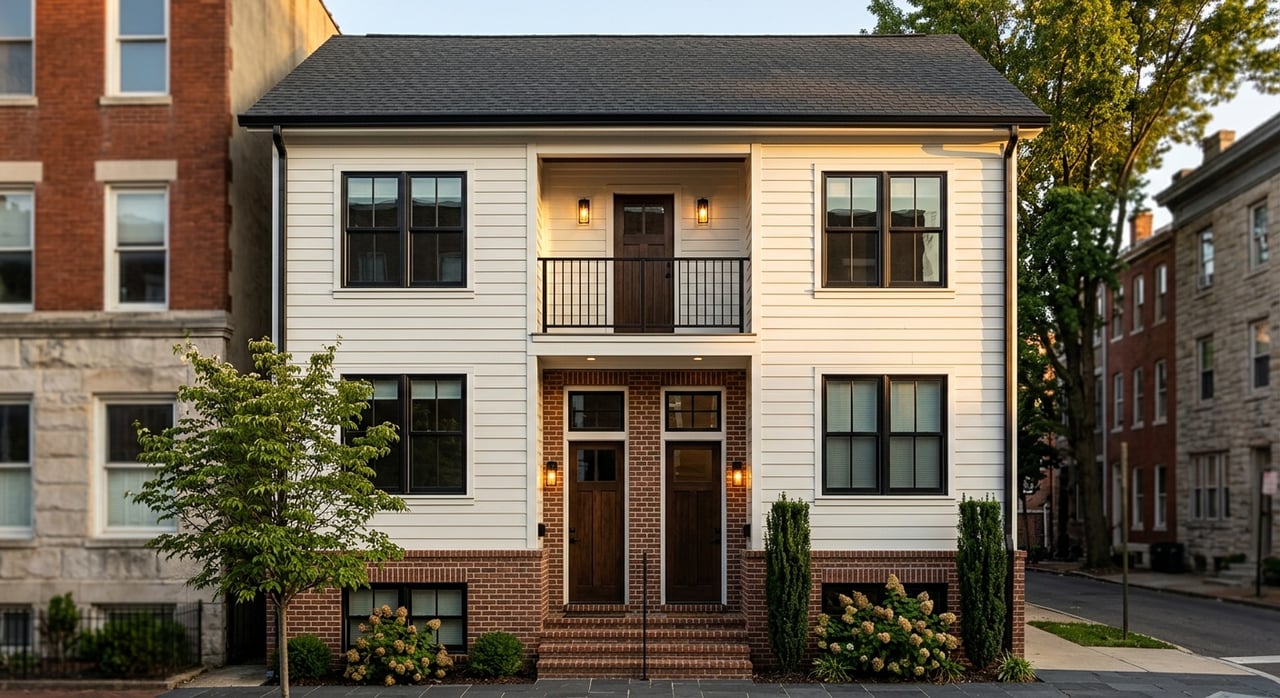
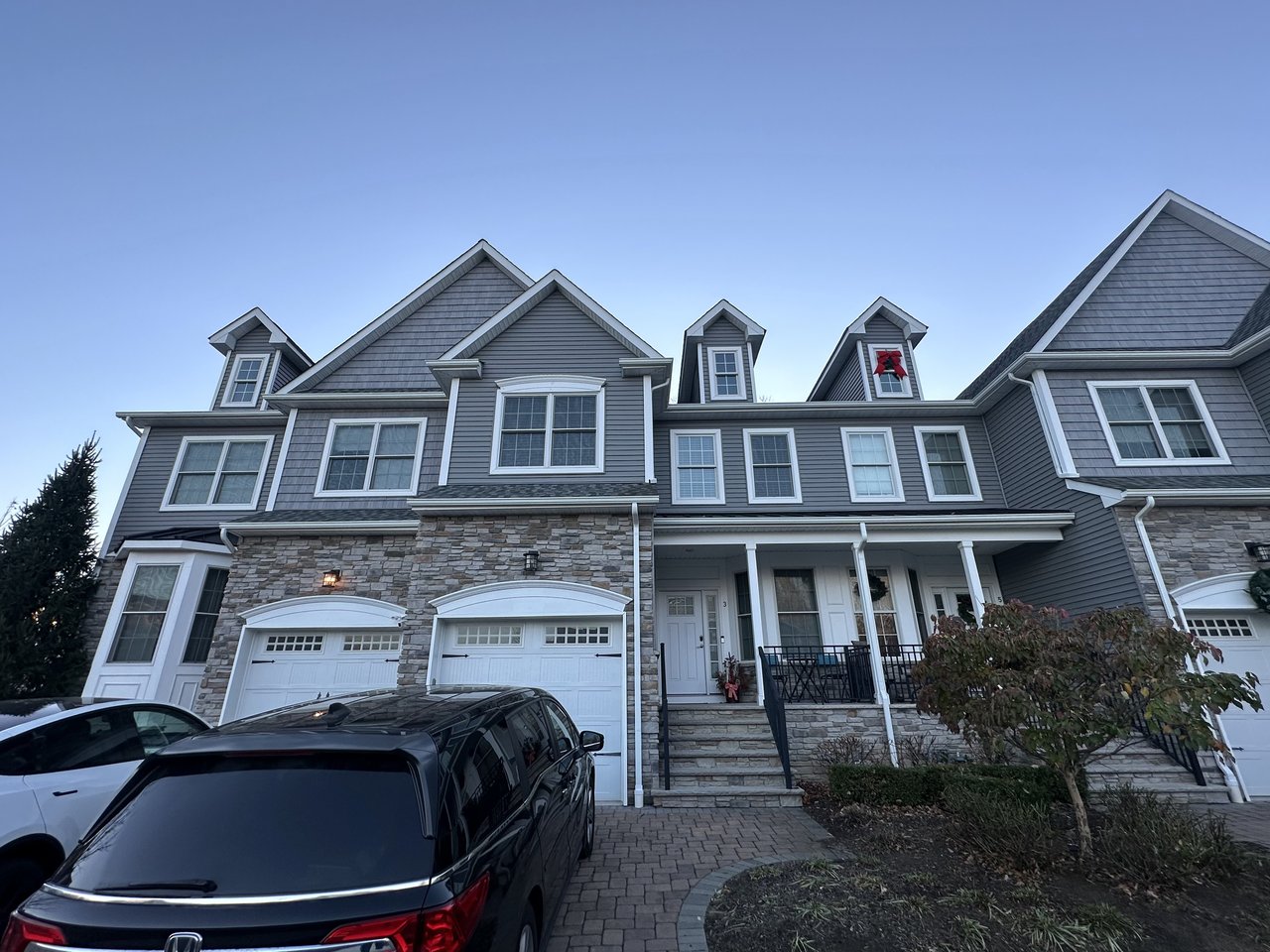
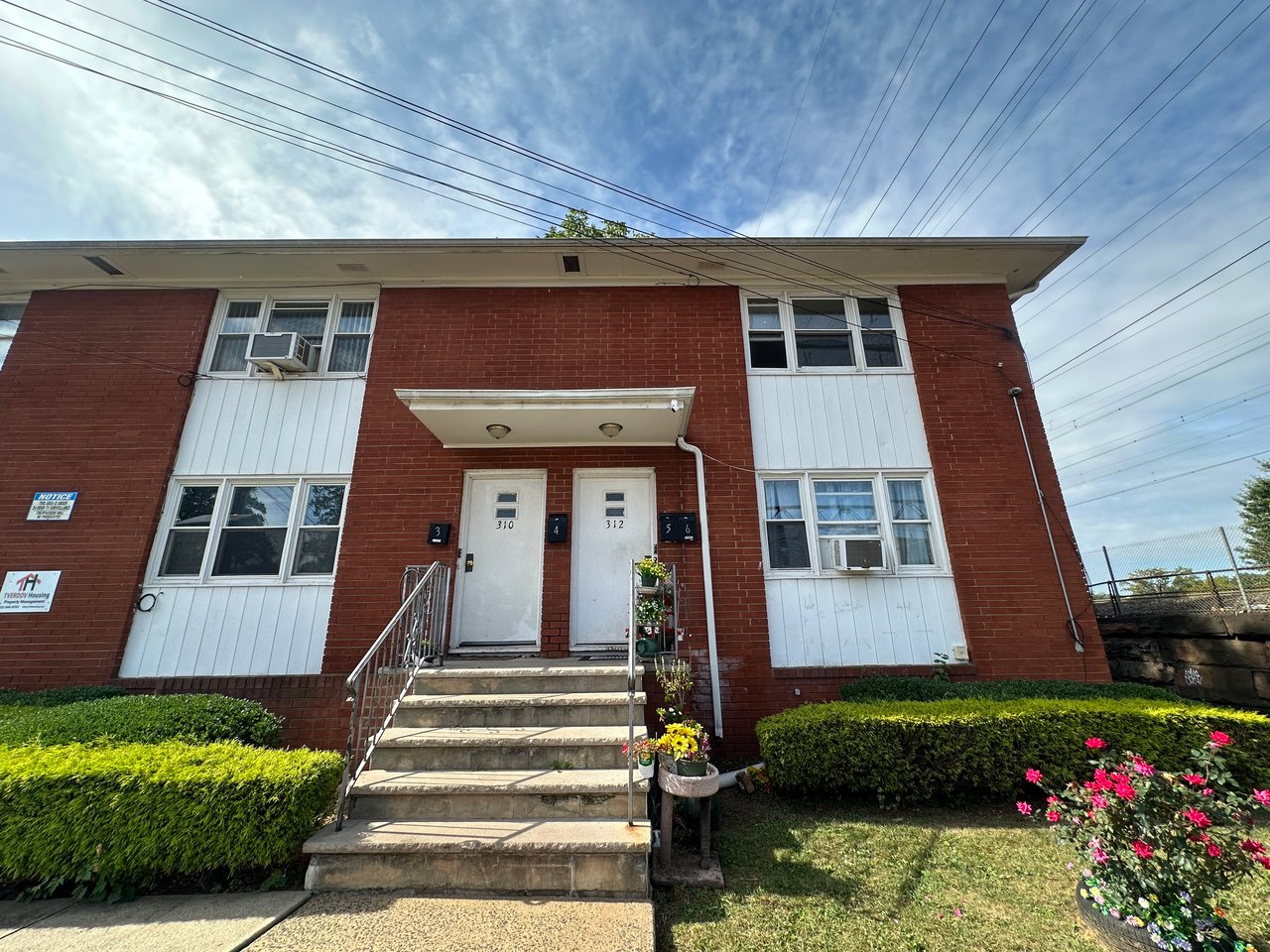
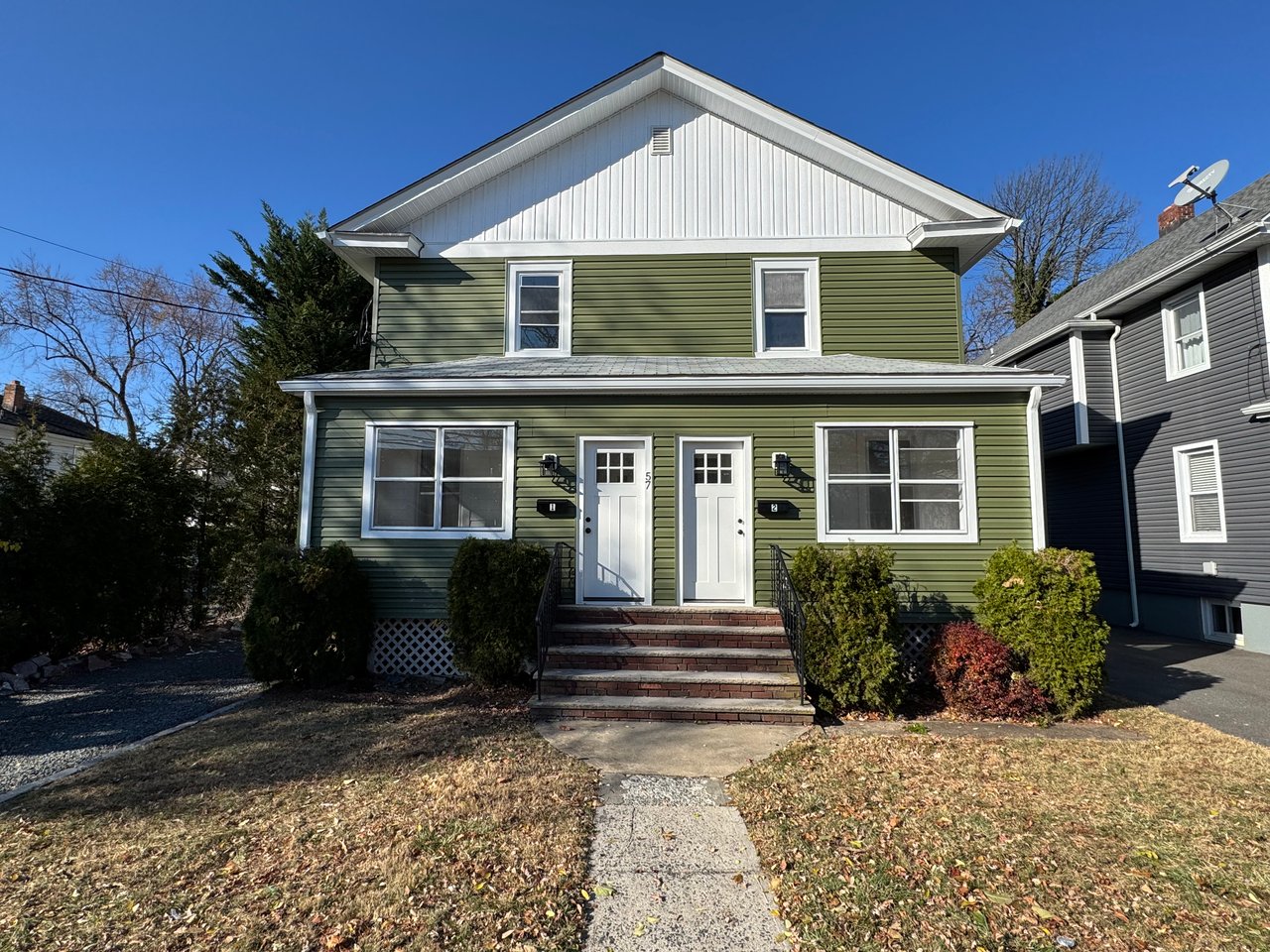
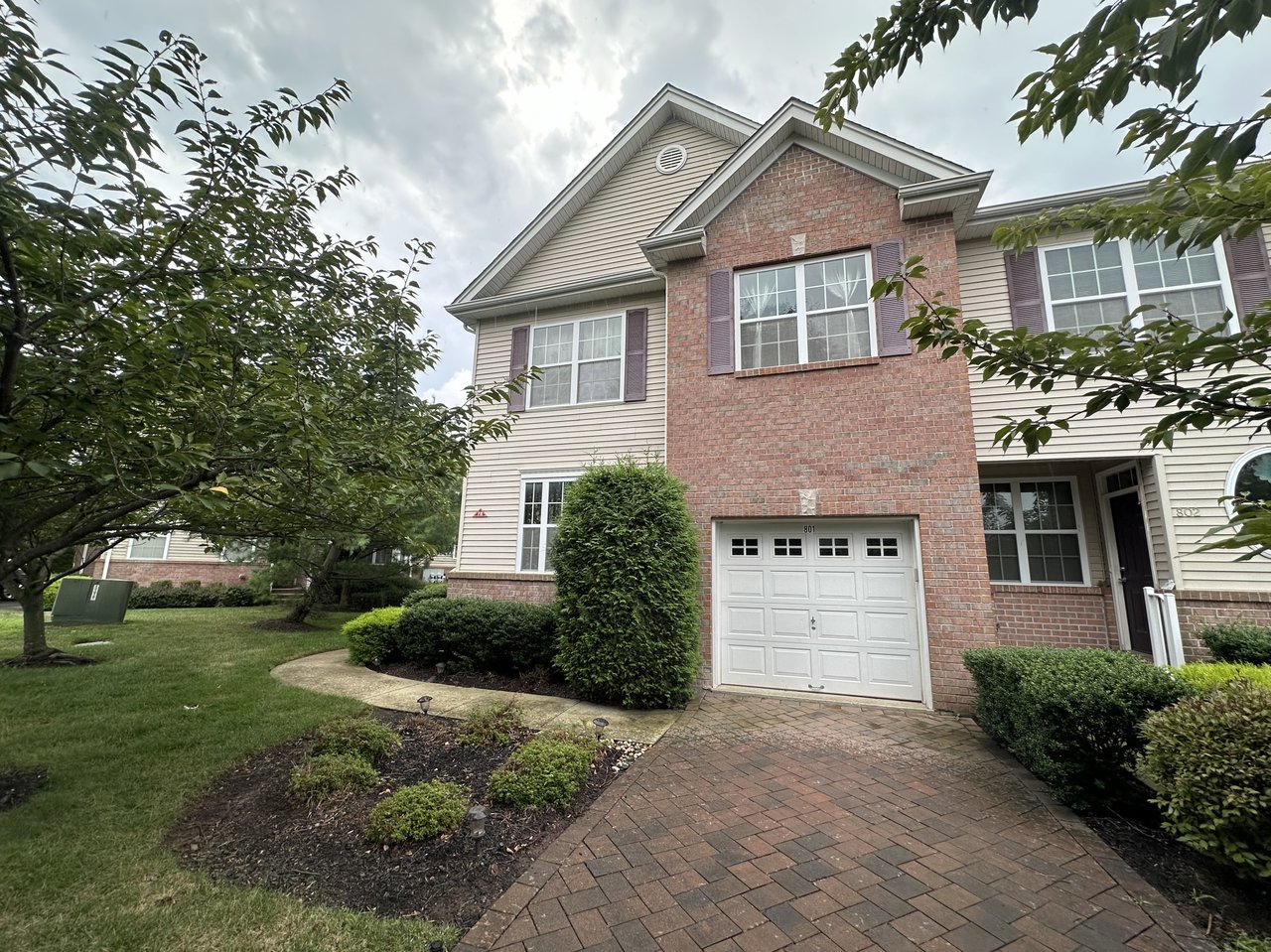
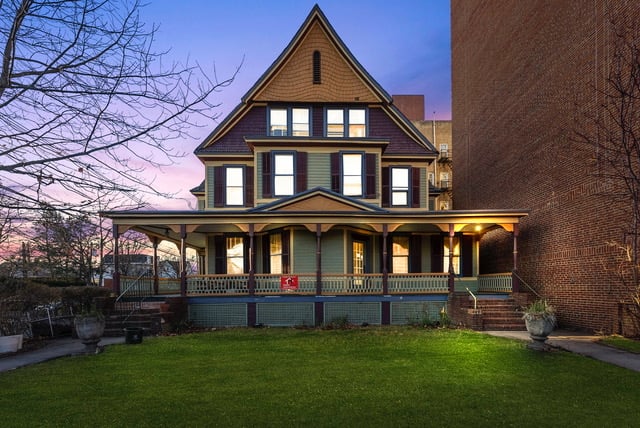
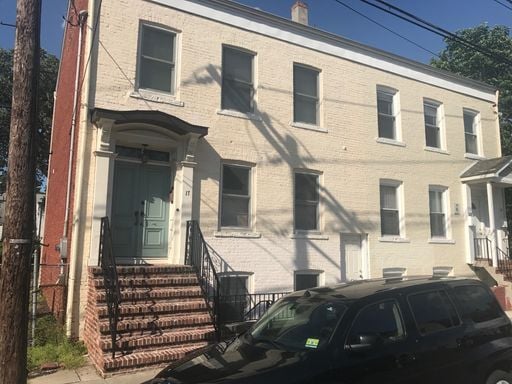
According to the city’s housing plan, 2-to-4 unit buildings make up 46% of the stock. Another 15% consists of 5-to-19 unit buildings, and 19% is made up of 20-plus unit properties. Detached single-family homes account for just 15%, with attached single-family homes at 5%.
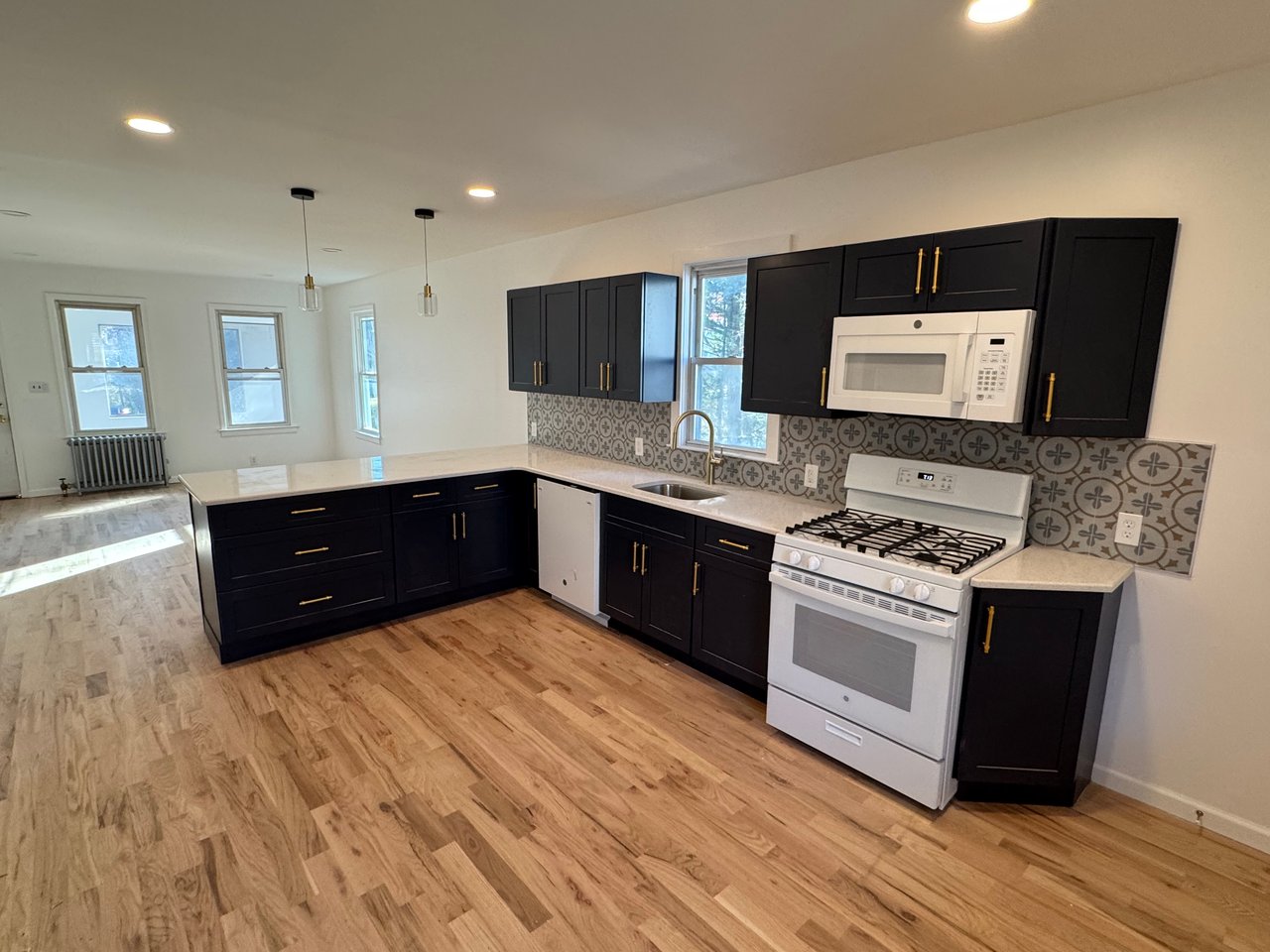
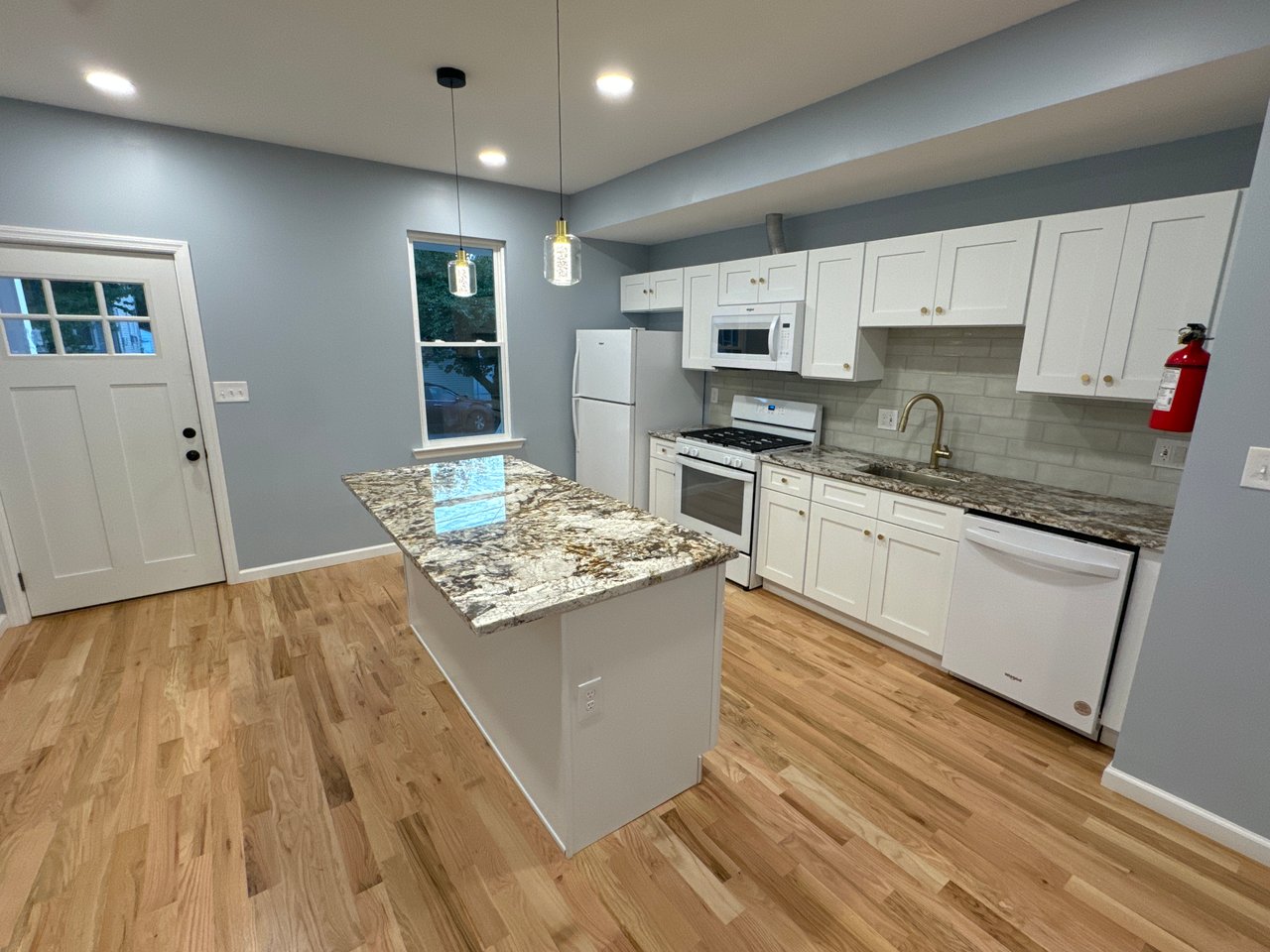
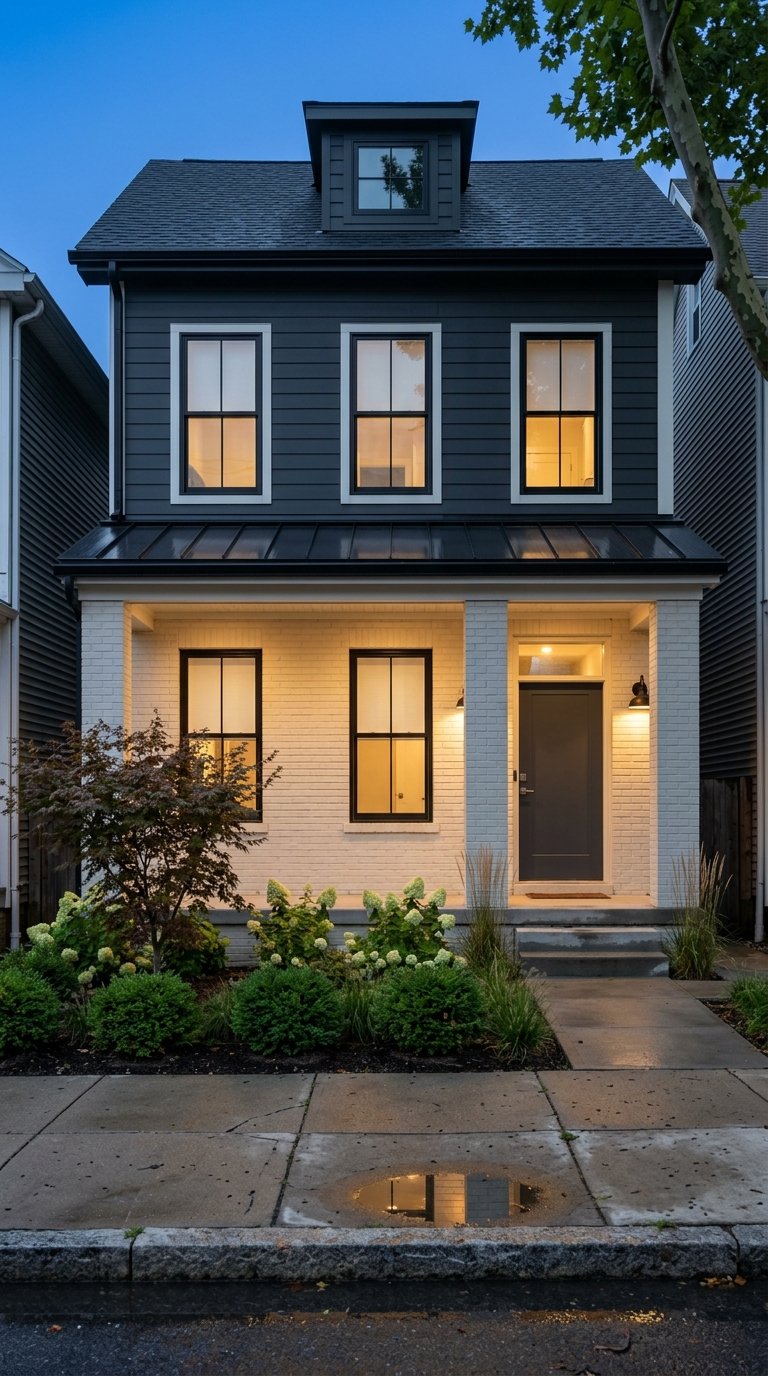
That mix matters. For many investors, Elizabeth is less about chasing new luxury inventory and more about finding small multifamily assets that can be improved, stabilized, and operated efficiently.
Older buildings create both upside and risk
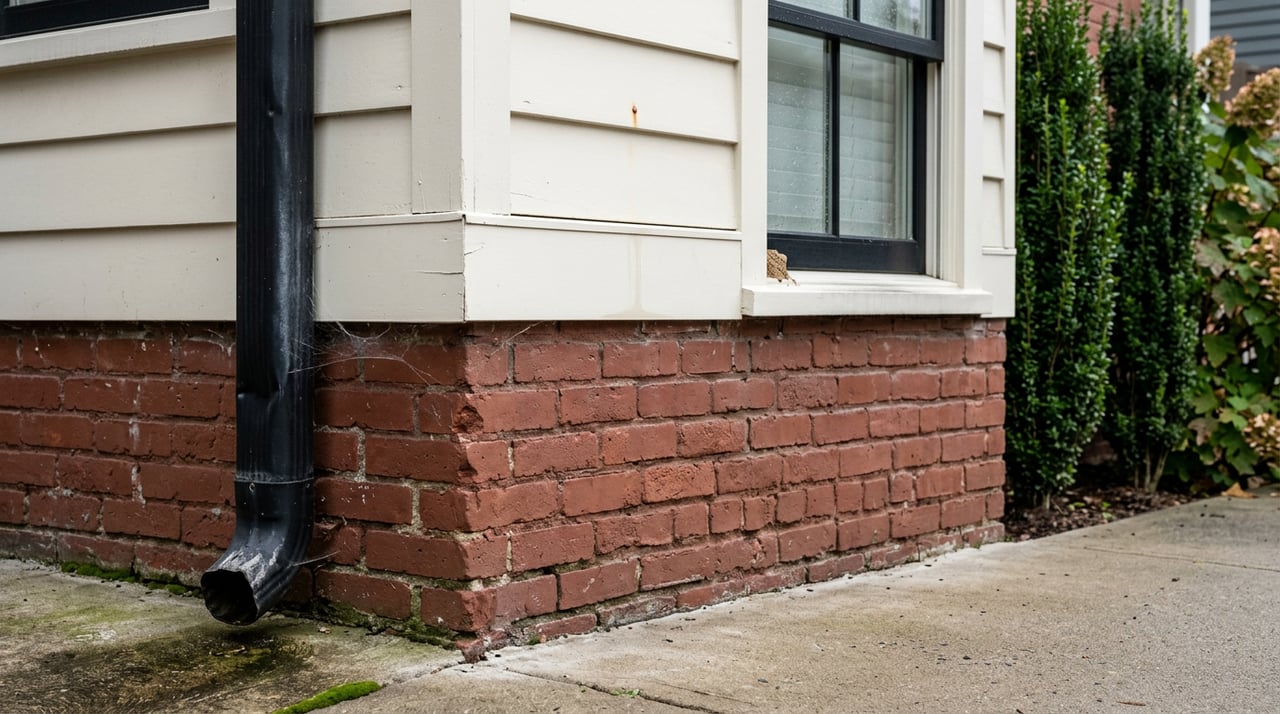
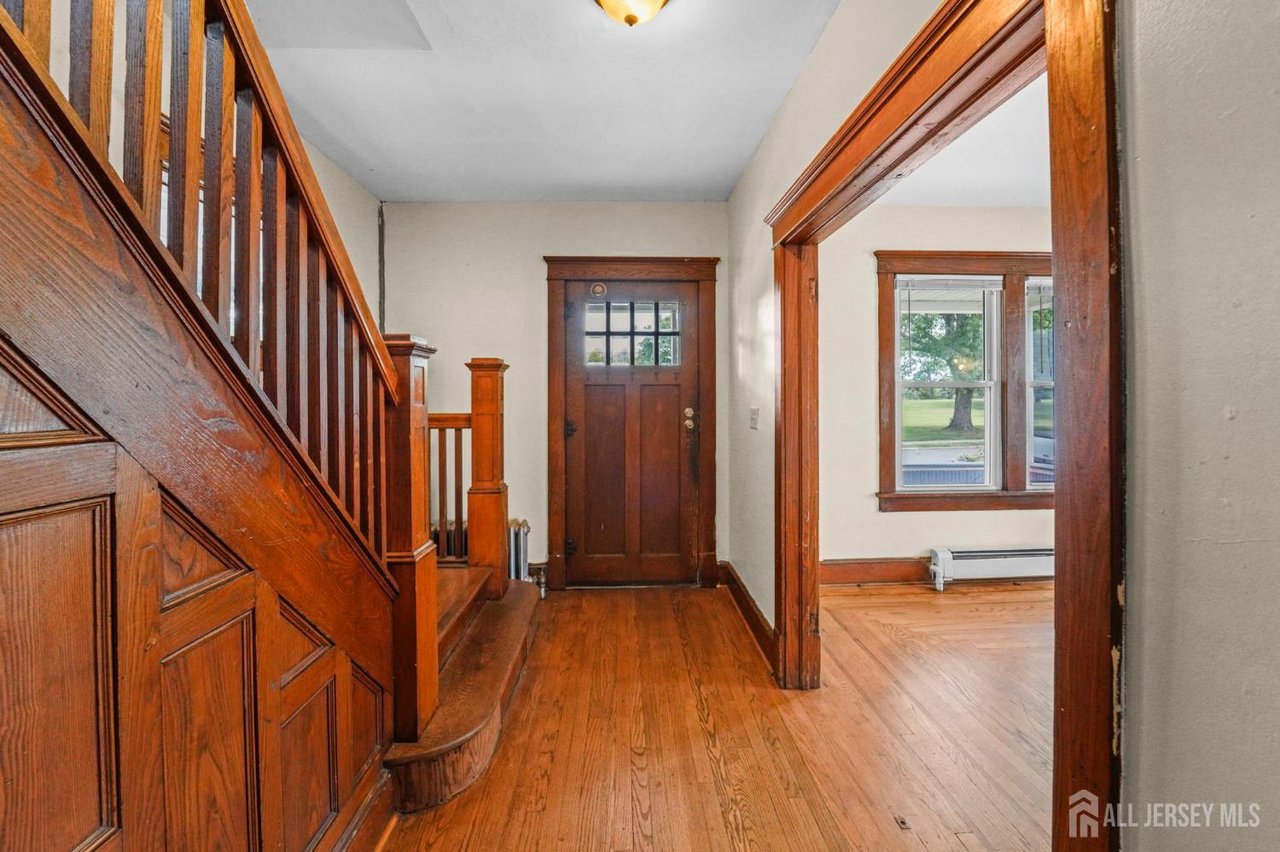
Much of Elizabeth’s housing stock was built before 1970, and 75% of renter-occupied units were built before 1980. The city also states that many homes have not been substantially modernized since before 1978, and that rental rehabilitation needs are critical.
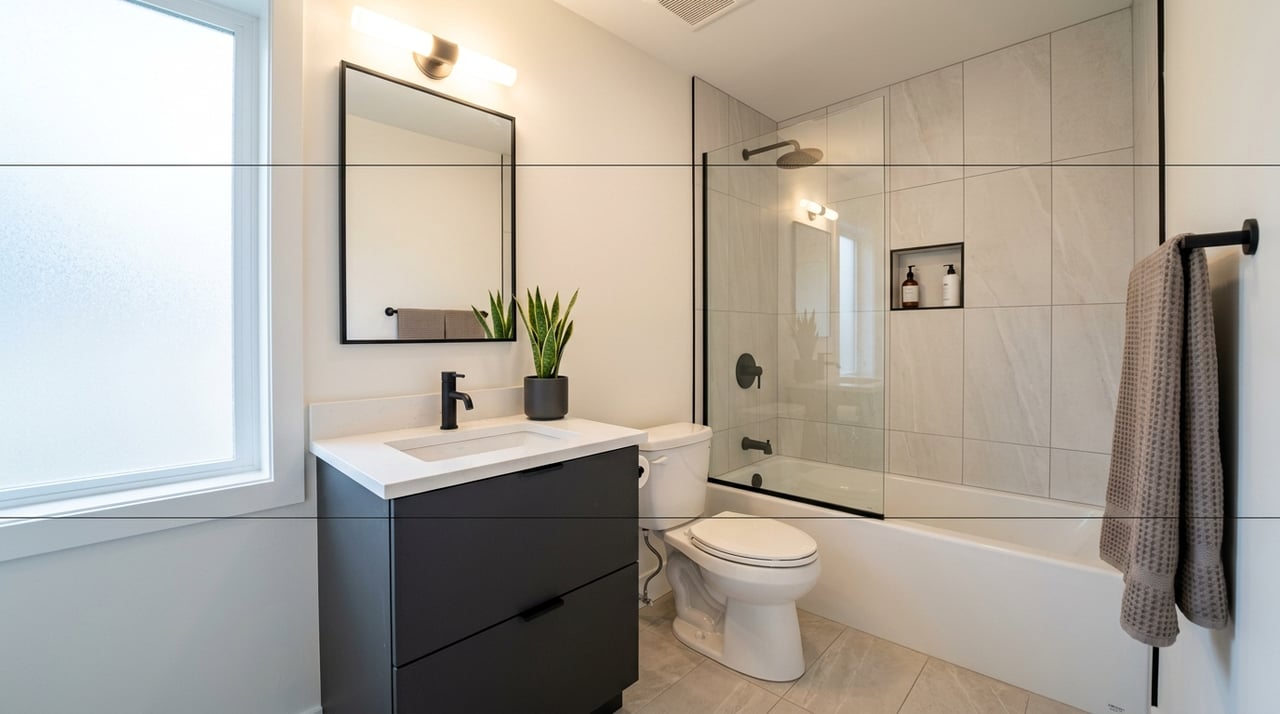
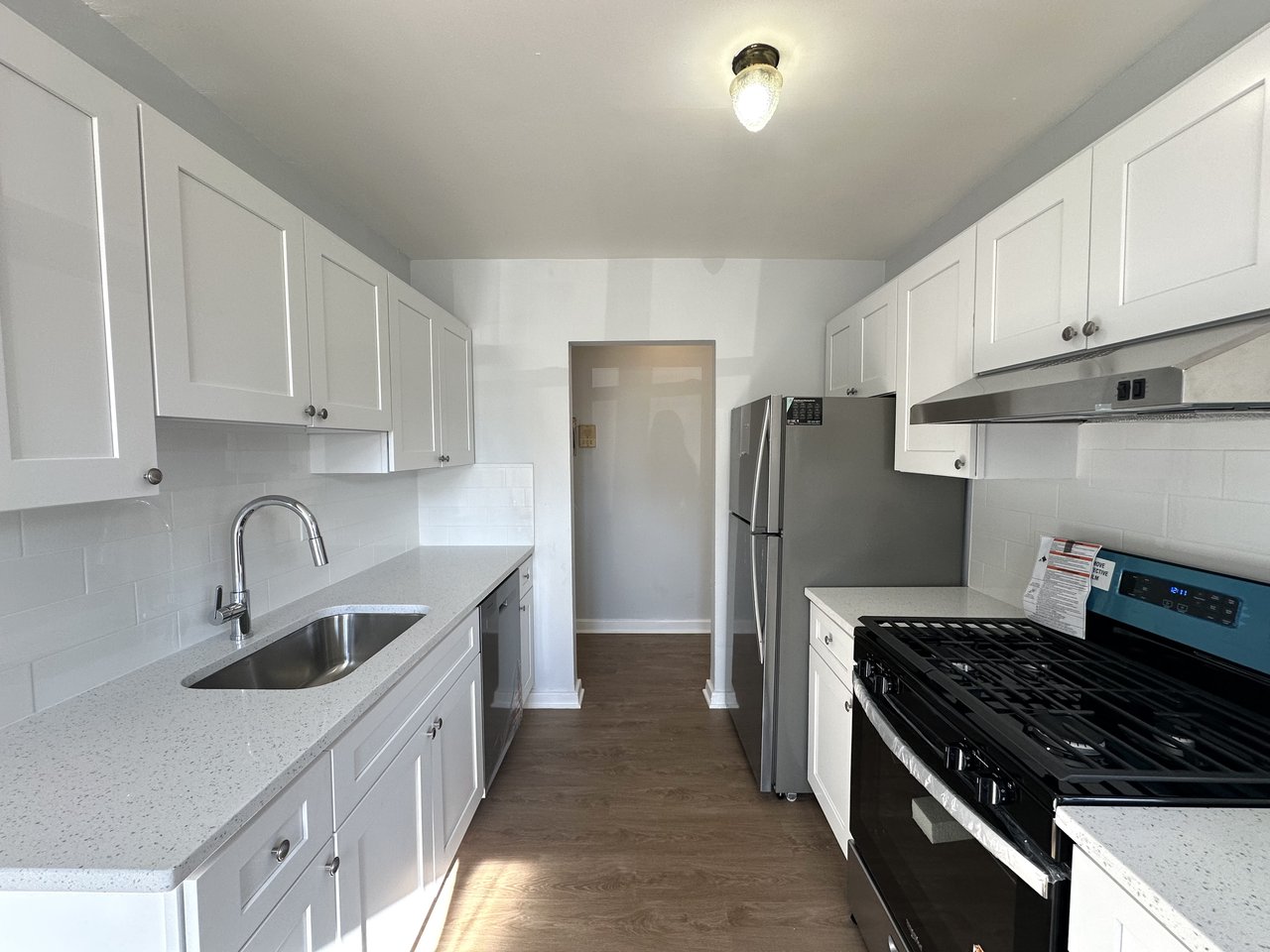
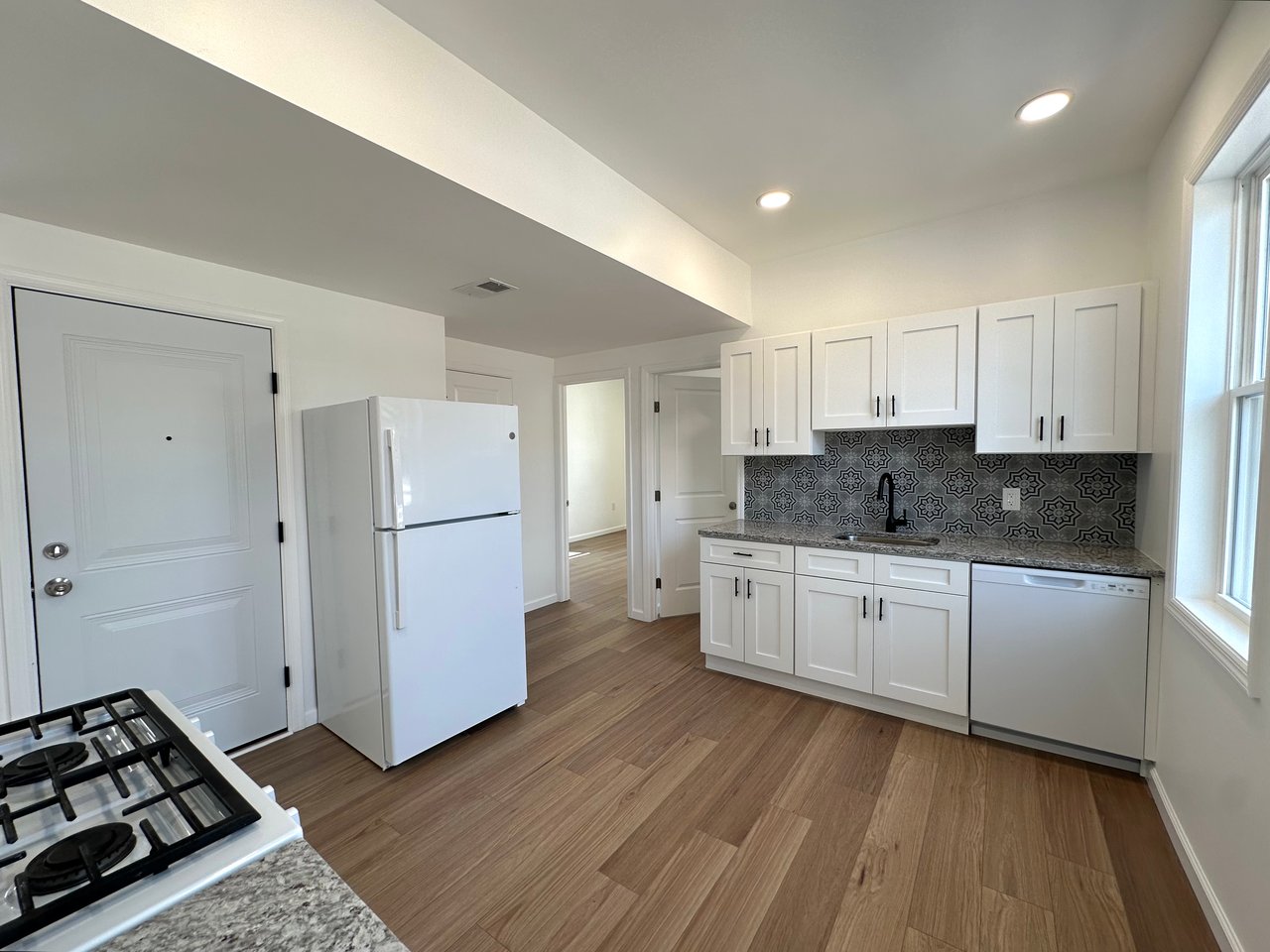
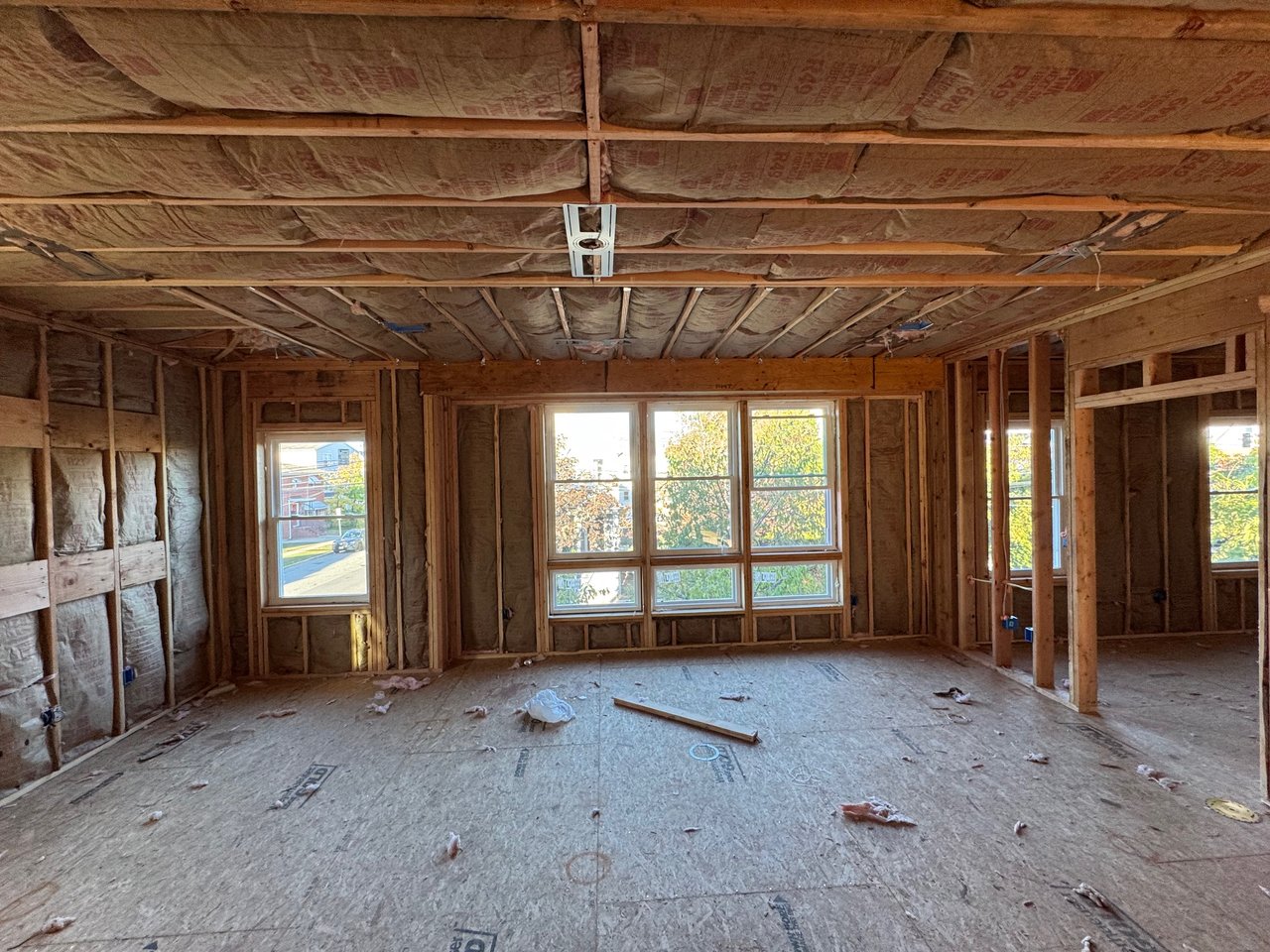
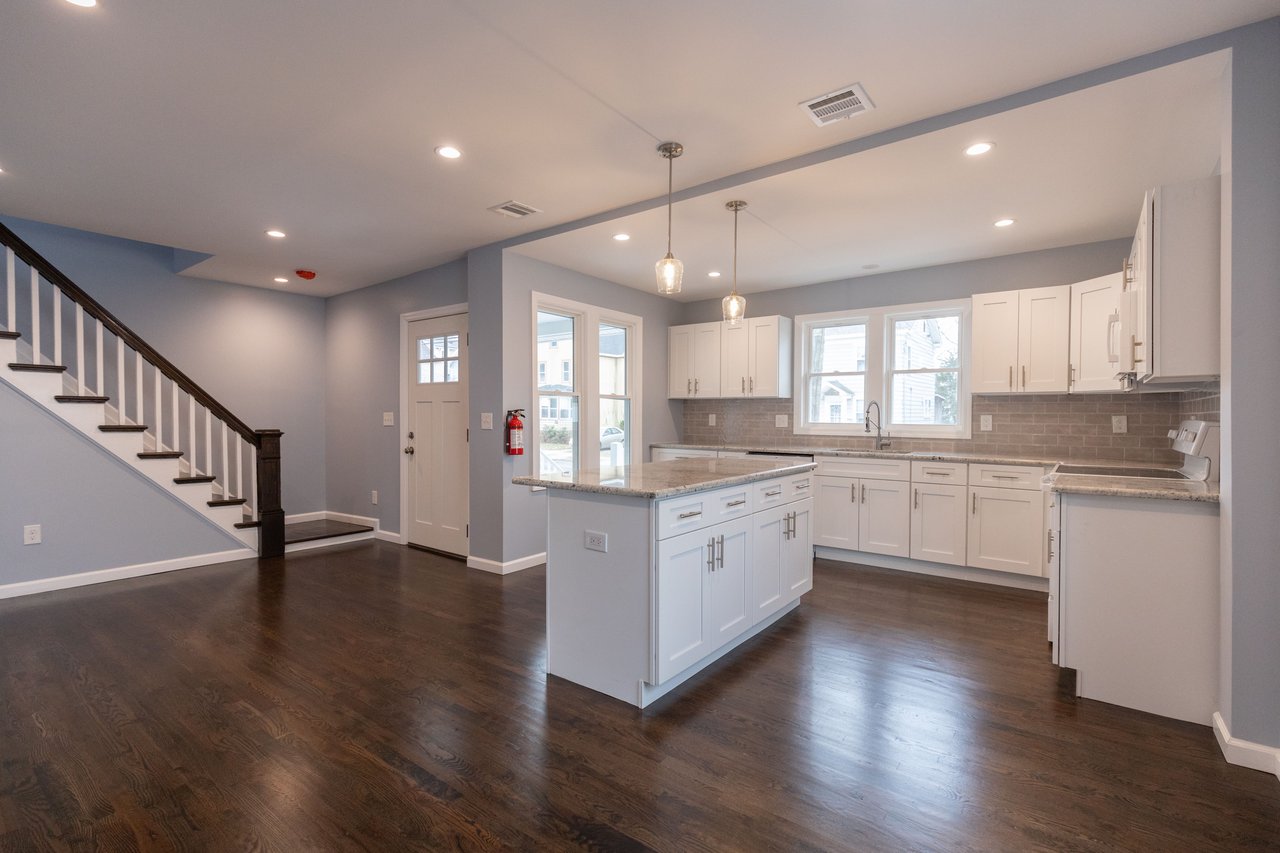
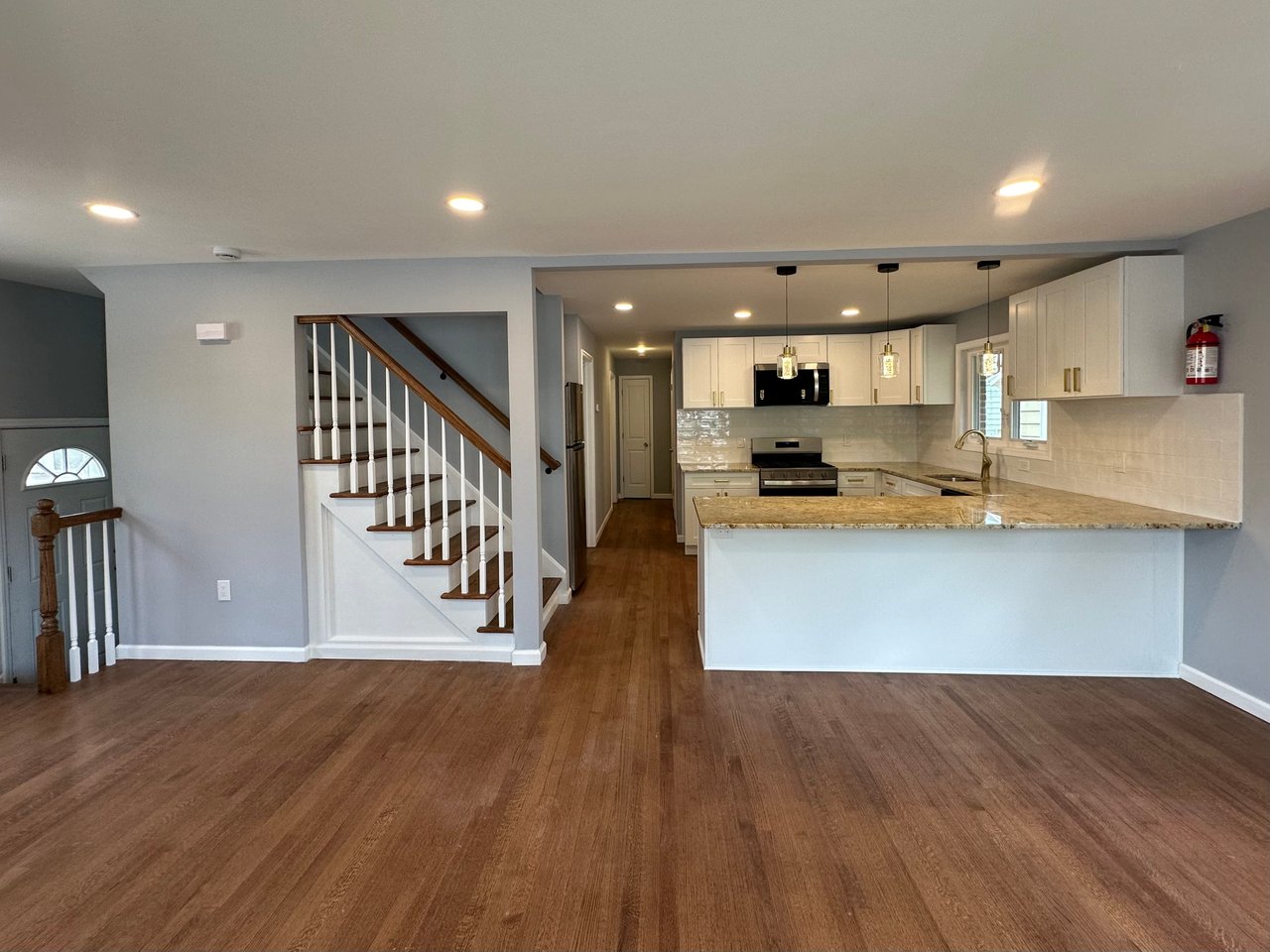
That creates a familiar value-add setup. You may be able to buy below replacement cost and improve the property through targeted renovations, but you also need realistic budgets for repairs, systems, code compliance, and ongoing maintenance.
For cash-flow investors, this is a market where operational discipline can make or break returns. On paper, an older multifamily property may look attractive. In practice, the real result depends on your rehab scope, your reserve planning, and your ability to manage the building well after the work is complete.
Rent ranges to watch
Benchmark rents in Elizabeth
Elizabeth sits within the Newark HUD metro rent area. For 2025, fair market rents are listed at $1,551 for an efficiency, $1,768 for a 1-bedroom, $2,140 for a 2-bedroom, $2,695 for a 3-bedroom, and $3,065 for a 4-bedroom unit.
The same New Jersey housing plan lists lower HOME rent levels of $1,185, $1,269, $1,522, $1,759, and $1,962 by bedroom count. These numbers can be useful as conservative benchmarks, especially when stress-testing rents on older stock or units serving voucher-oriented demand.
Asking rents show a practical range
Current listing-platform snapshots place Elizabeth rents broadly in the low-to-mid $2,000s overall, though methods vary by source. Reported figures include about $1,781 for a 1-bedroom and $2,224 for a 2-bedroom on RentCafe, an average of $2,100 on Zillow, $2,352 on Redfin, and rough ranges on Trulia of $1,700 for a 1-bedroom, $2,000 for a 2-bedroom, $2,500 for a 3-bedroom, and $2,900 for a 4-bedroom.
Taken together, the market appears to support a practical underwriting frame of about $1,500 to $2,200 for older or regulated 1-bedroom to 2-bedroom units, and roughly $2,500 to $3,100 for renovated 3-bedroom-plus product. Actual outcomes depend heavily on condition, size, and whether a property falls under local rent regulation.
Rent control can change the math
This is one of the most important parts of underwriting Elizabeth. The city’s rent-control code caps base-rent increases at 3% over the prior 12 months, or $20 when 3% would exceed that amount, and landlords are limited to one increase per 12-month period.
The ordinance includes exemptions for newly constructed units at first rental and certain owner-occupied small buildings. The city’s housing plan characterizes the ordinance as affecting existing properties with 4 or more units.
For investors, that means you should not assume unrestricted market-rent upside on every deal. Building status, exemption treatment, and current rent levels need to be confirmed before you project future income. In Elizabeth, rent control is not a side note. It is a core underwriting variable.
How Elizabeth compares with Union County
Elizabeth sits at the lower-rent, lower-income end of Union County. Its median gross rent of $1,523 is below the county’s $1,730 and below nearby municipalities including Linden at $1,731, Plainfield at $1,767, Rahway at $1,845, and Westfield at $2,357.
Its median household income of $66,555 is also below Union County’s $103,202, as well as Linden, Plainfield, and Rahway. That does not make Elizabeth a weak market. It makes it a different kind of market.
This is usually a better fit for investors focused on cash flow, occupancy, and operational efficiency than for investors relying on aggressive annual rent growth. Elizabeth can offer a lower entry-rent environment than many nearby markets, but it rewards careful management and realistic business plans.
What cash-flow investors should focus on
If you are evaluating Elizabeth as a buy-and-hold market, keep your attention on the fundamentals:
- Unit mix: Demand appears strongest across practical 1-bedroom, 2-bedroom, and 3-bedroom layouts.
- Property age: Older stock can create value-add opportunity, but also higher capital needs.
- Rent regulation: Confirm whether a building is subject to the city’s ordinance before you model rent growth.
- Affordability: Tenant demand is deep, but income levels can limit pricing power.
- Operations: Stable occupancy often depends on responsive maintenance, efficient leasing, and strong management systems.
Elizabeth is best understood as a market where you make your money through smart buying, disciplined renovations, and consistent operations. It is not a market where you want to rely on fast rent jumps to save a thin deal.
Why execution matters here
In a market like Elizabeth, the gap between a good investment and a frustrating one often comes down to execution. Older buildings, rent-control considerations, and affordability constraints all put pressure on your plan.
That is why many investors do better with a full-cycle approach that includes acquisition, rehab, and long-term management under one system. When your property is underwritten correctly, improved with a clear scope, and operated with transparent reporting and day-to-day discipline, cash flow becomes more predictable.
That is the lens Turnkey Tverdov brings to Central New Jersey investing. If you want to discuss rent-ready acquisitions, value-add strategy, or long-term property management for buy-and-hold rentals, connect with Pete Tverdov.
FAQs
Is Elizabeth, NJ a good market for cash-flow investors?
- Elizabeth can be a strong cash-flow market for investors who prioritize occupancy, careful underwriting, and operational efficiency over aggressive rent-growth assumptions.
What types of rental properties are common in Elizabeth, NJ?
- Elizabeth’s housing stock is heavily weighted toward multifamily properties, especially 2-to-4 unit buildings, with additional inventory in 5-to-19 unit and 20-plus unit properties.
How important is rent control in Elizabeth, NJ investing?
- Rent control is a major factor because the city caps certain base-rent increases and limits how often increases can occur, so investors should confirm whether a property is subject to the ordinance before underwriting income growth.
What rent ranges should investors expect in Elizabeth, NJ?
- A practical range is roughly $1,500 to $2,200 for older or regulated 1-bedroom to 2-bedroom units and about $2,500 to $3,100 for renovated 3-bedroom-plus units, depending on condition and regulation status.
What tenant demand trends matter most in Elizabeth, NJ?
- Elizabeth has a large renter base, stable year-to-year residency, and demand across 1-bedroom, 2-bedroom, and 3-bedroom units, with transportation access and local employment supporting occupancy.