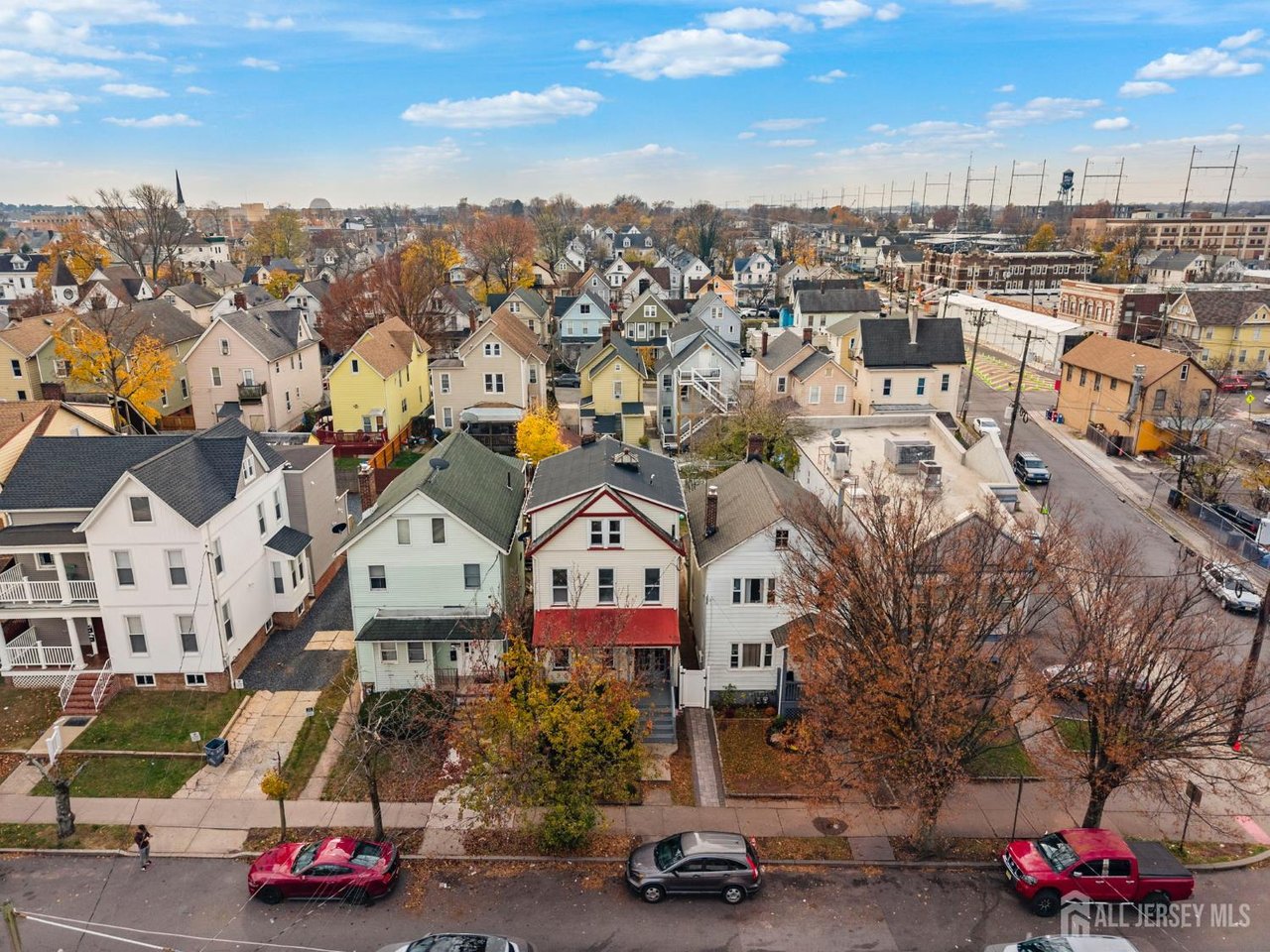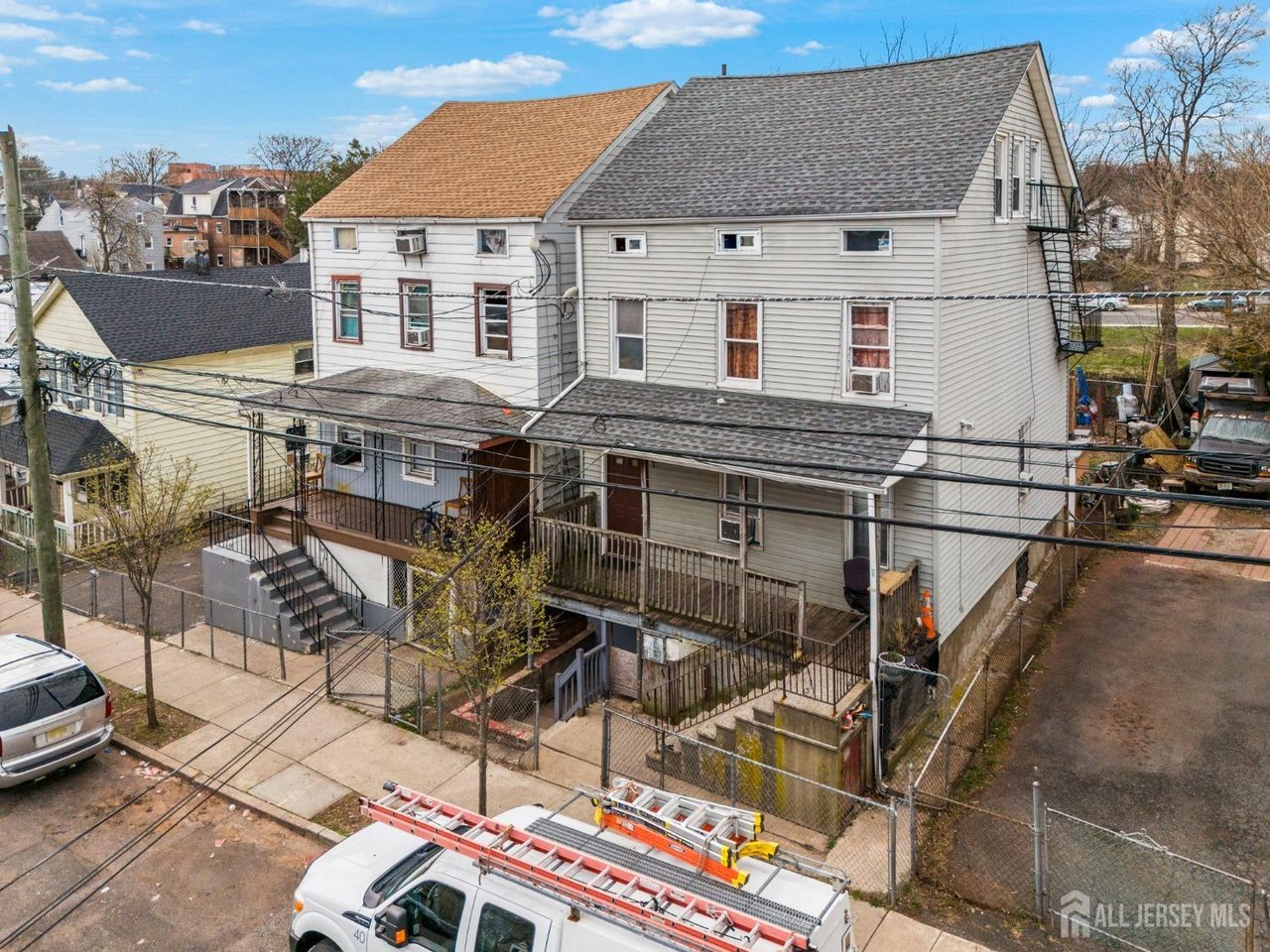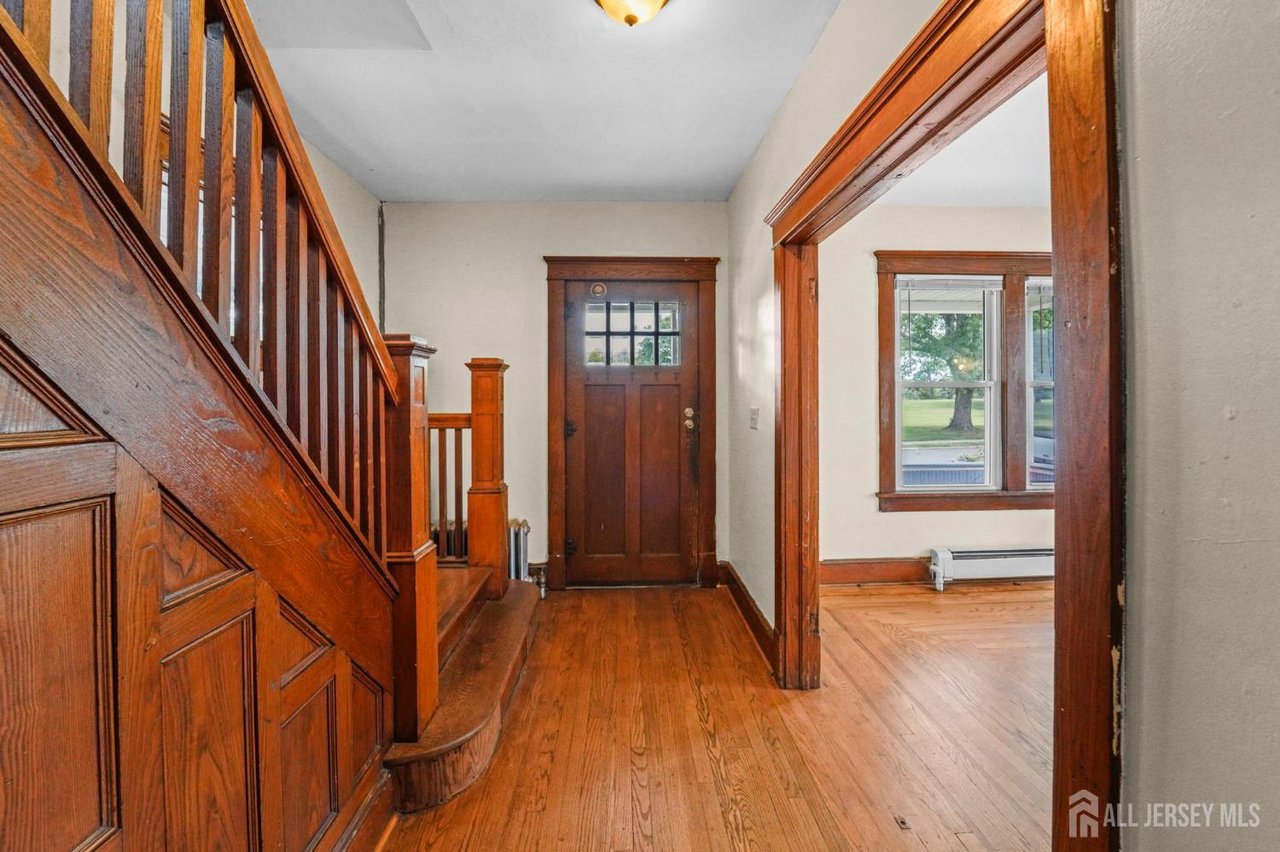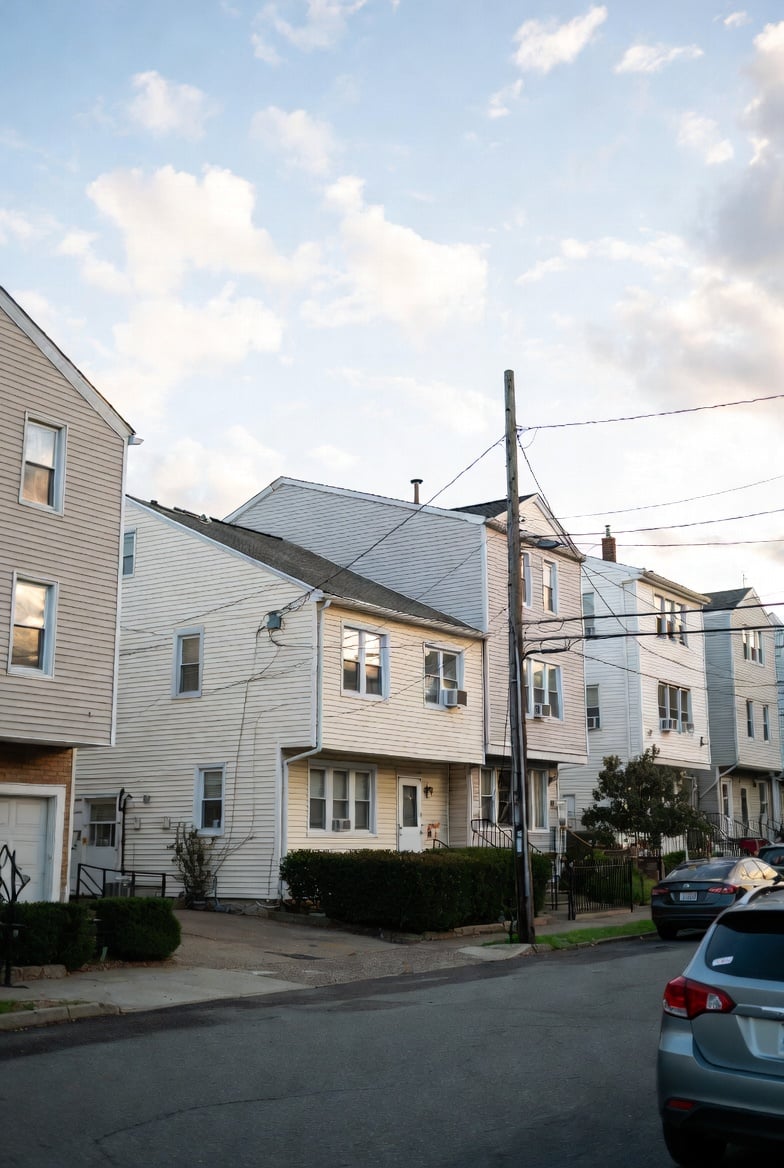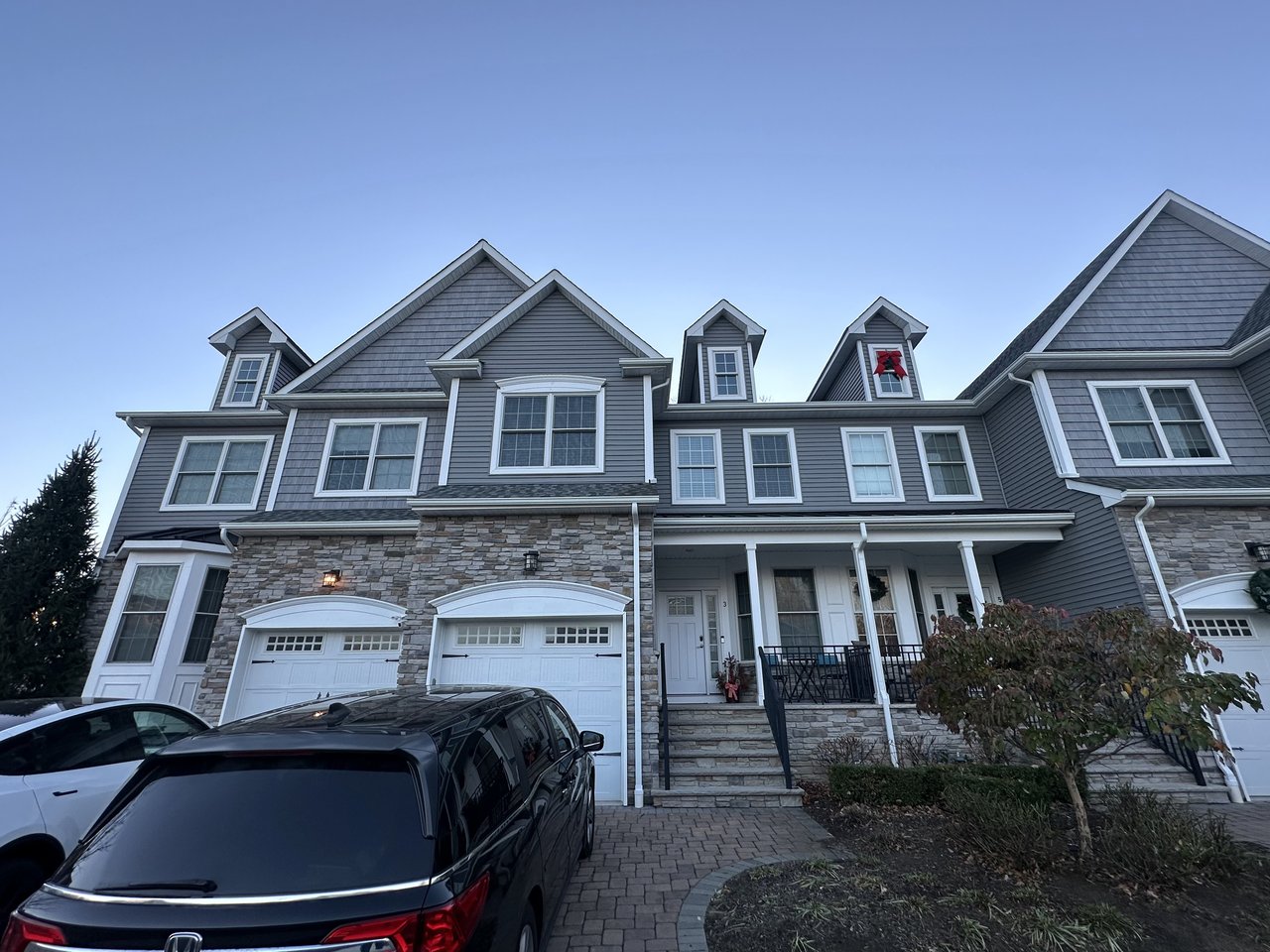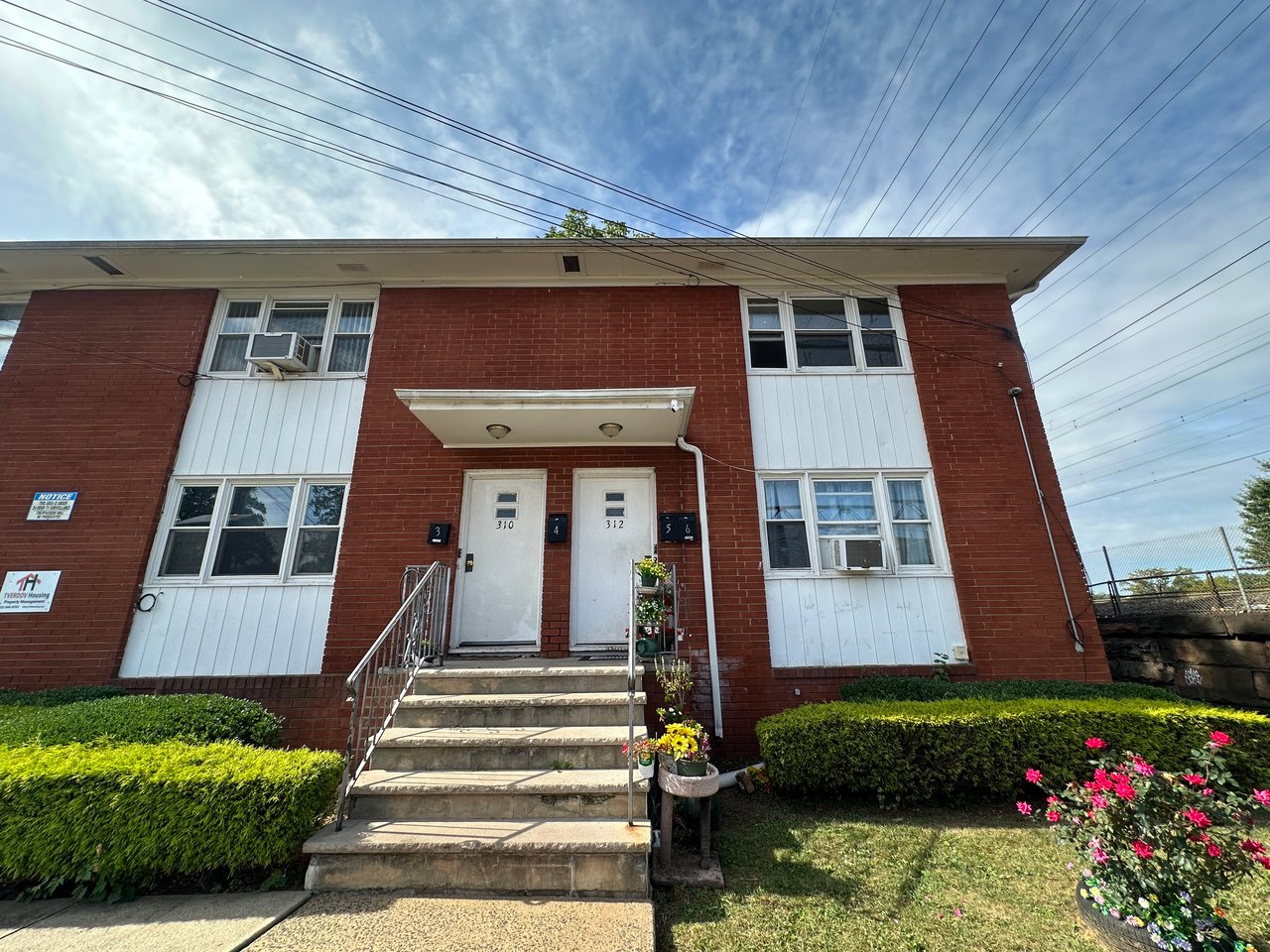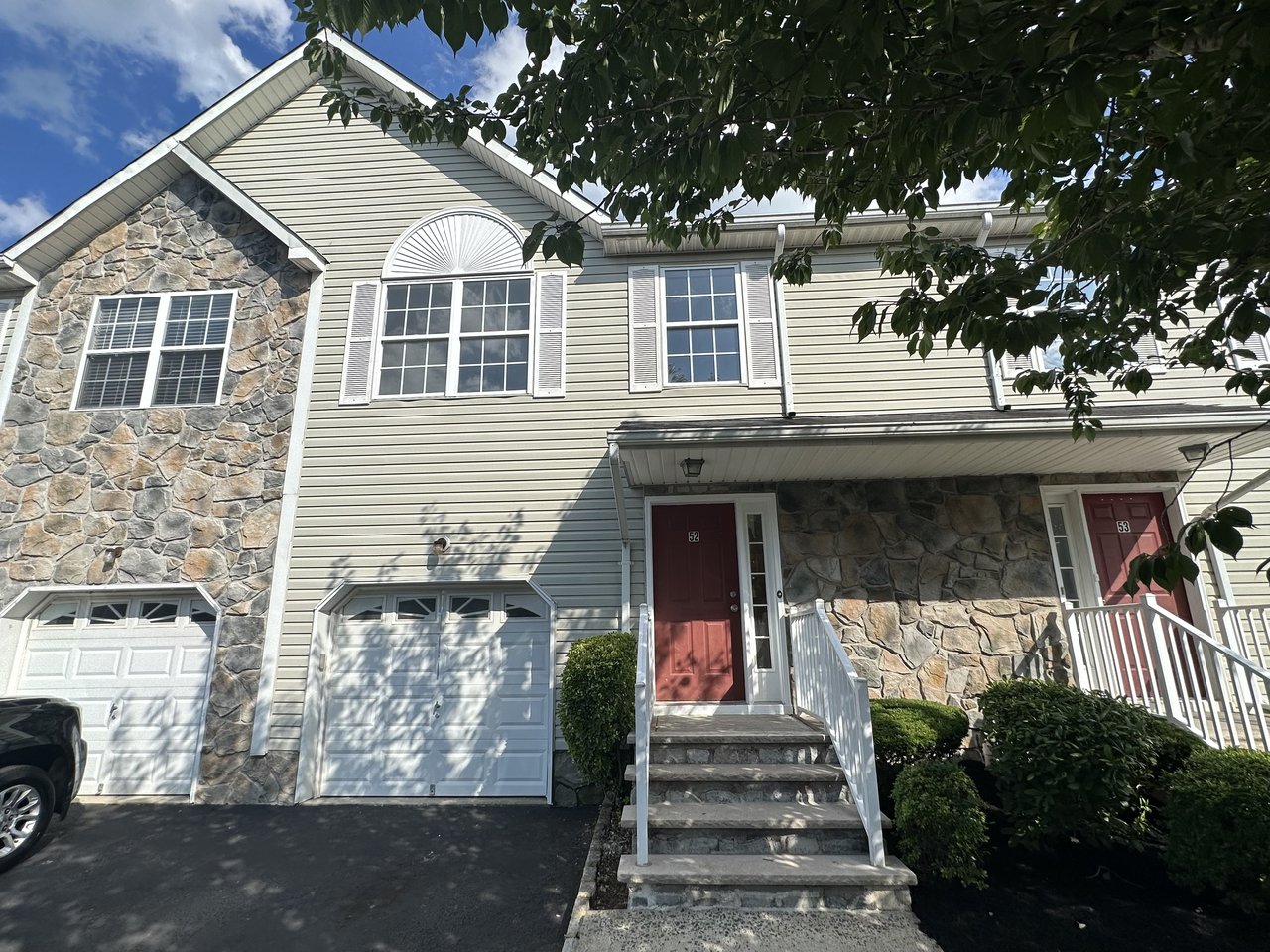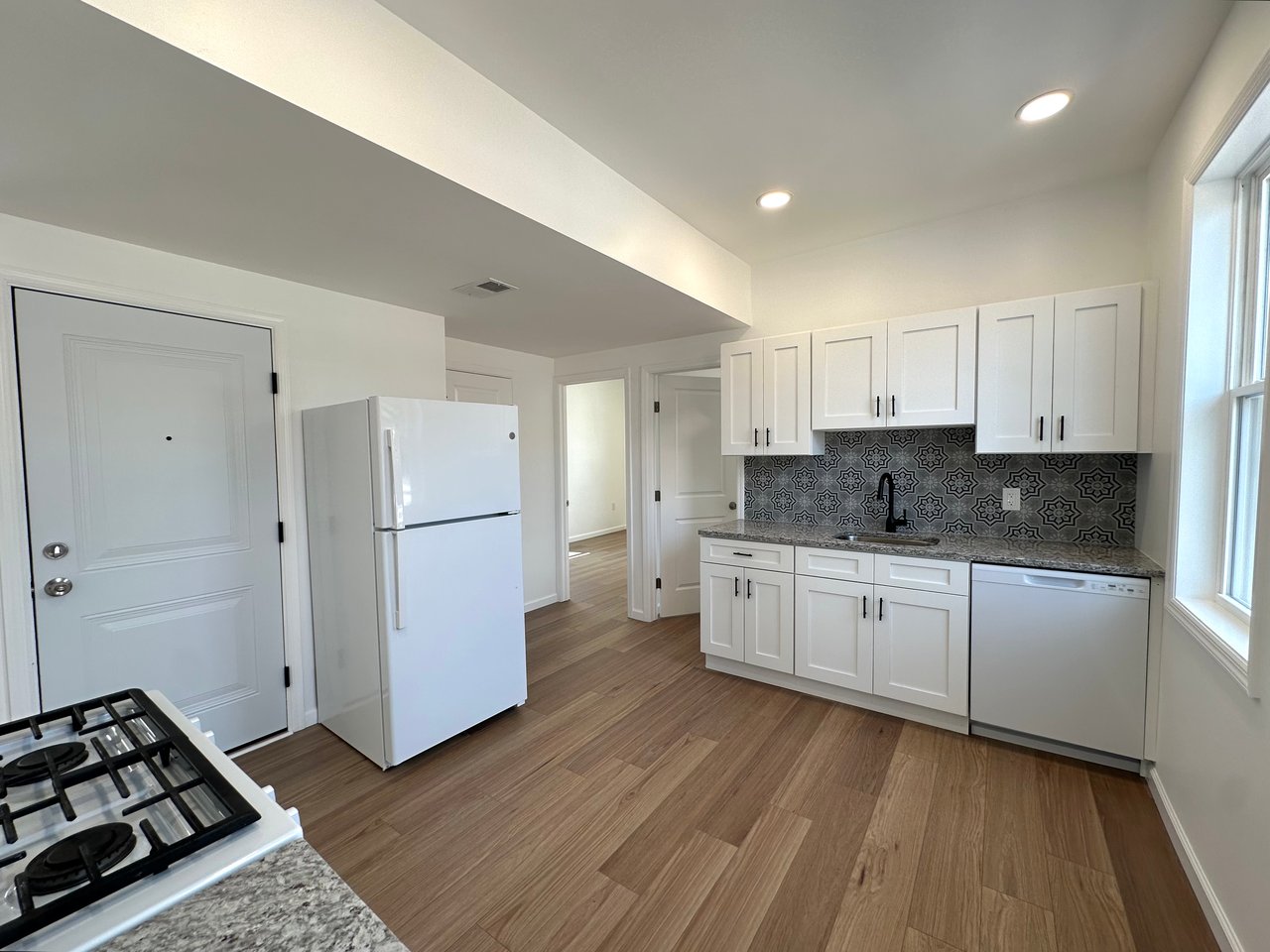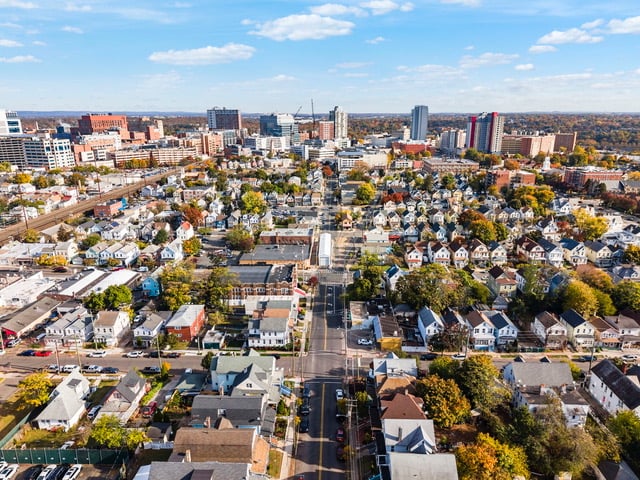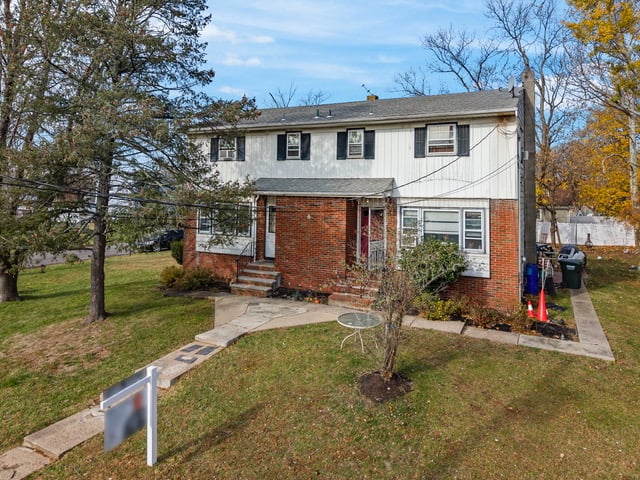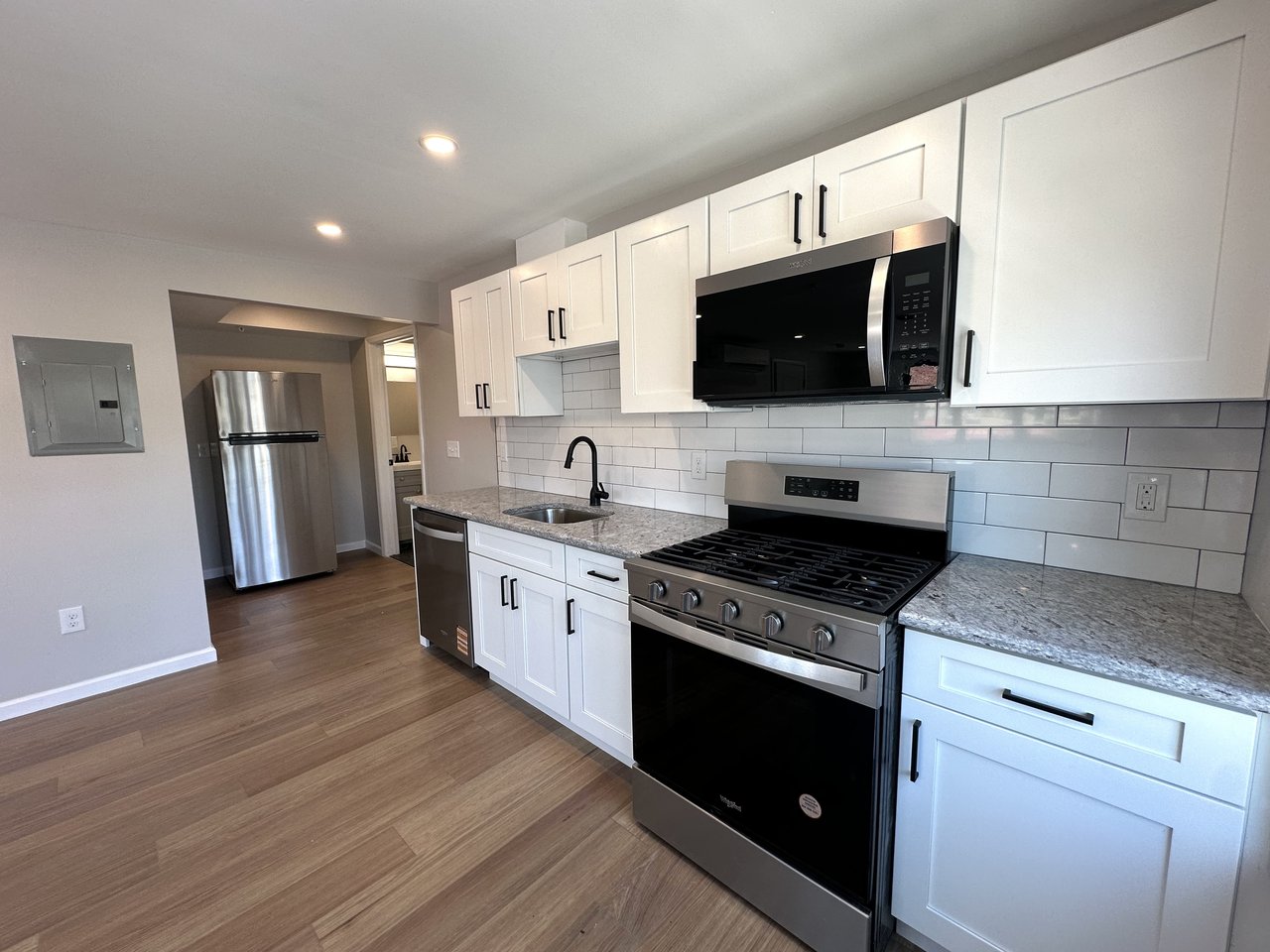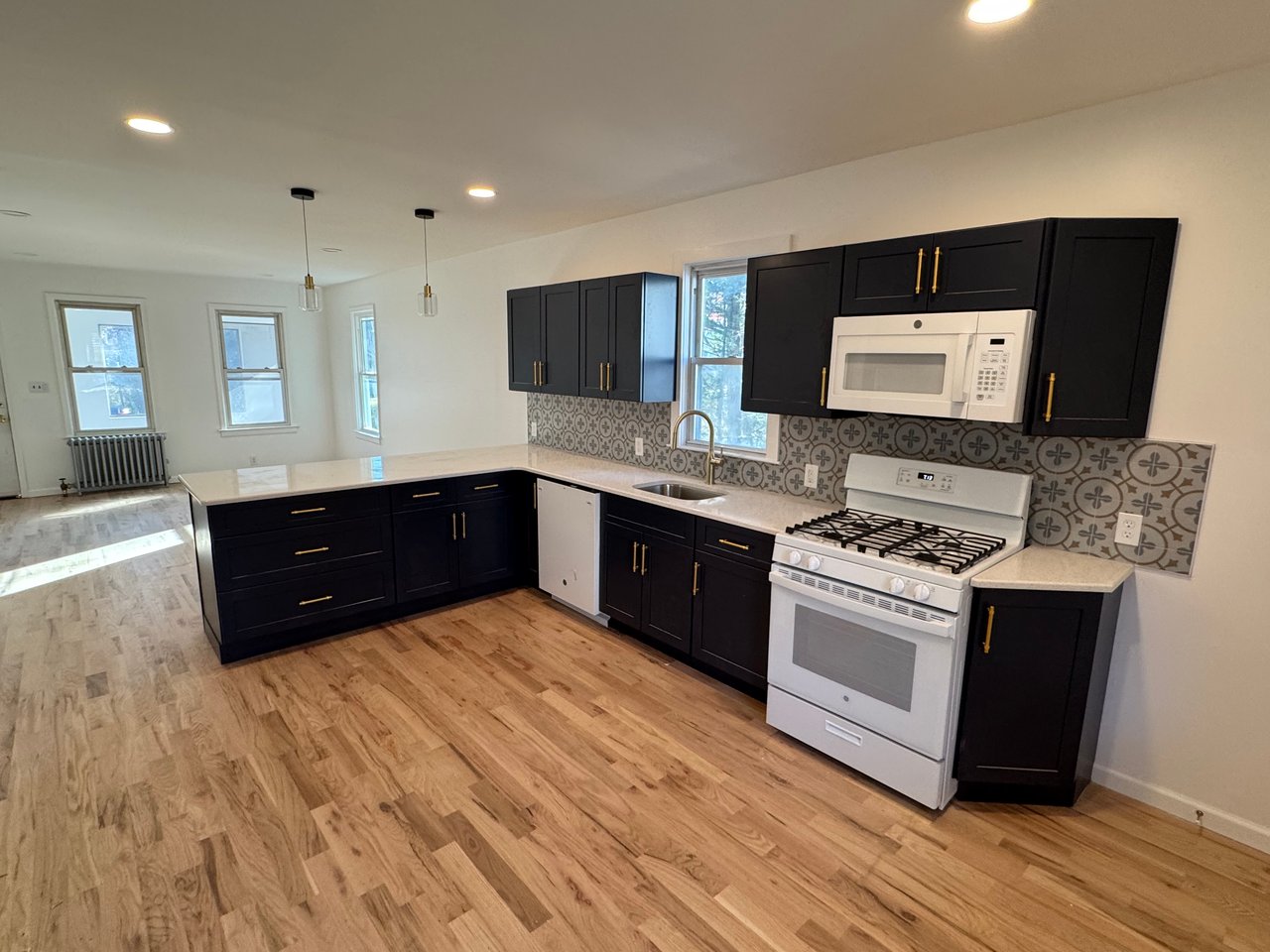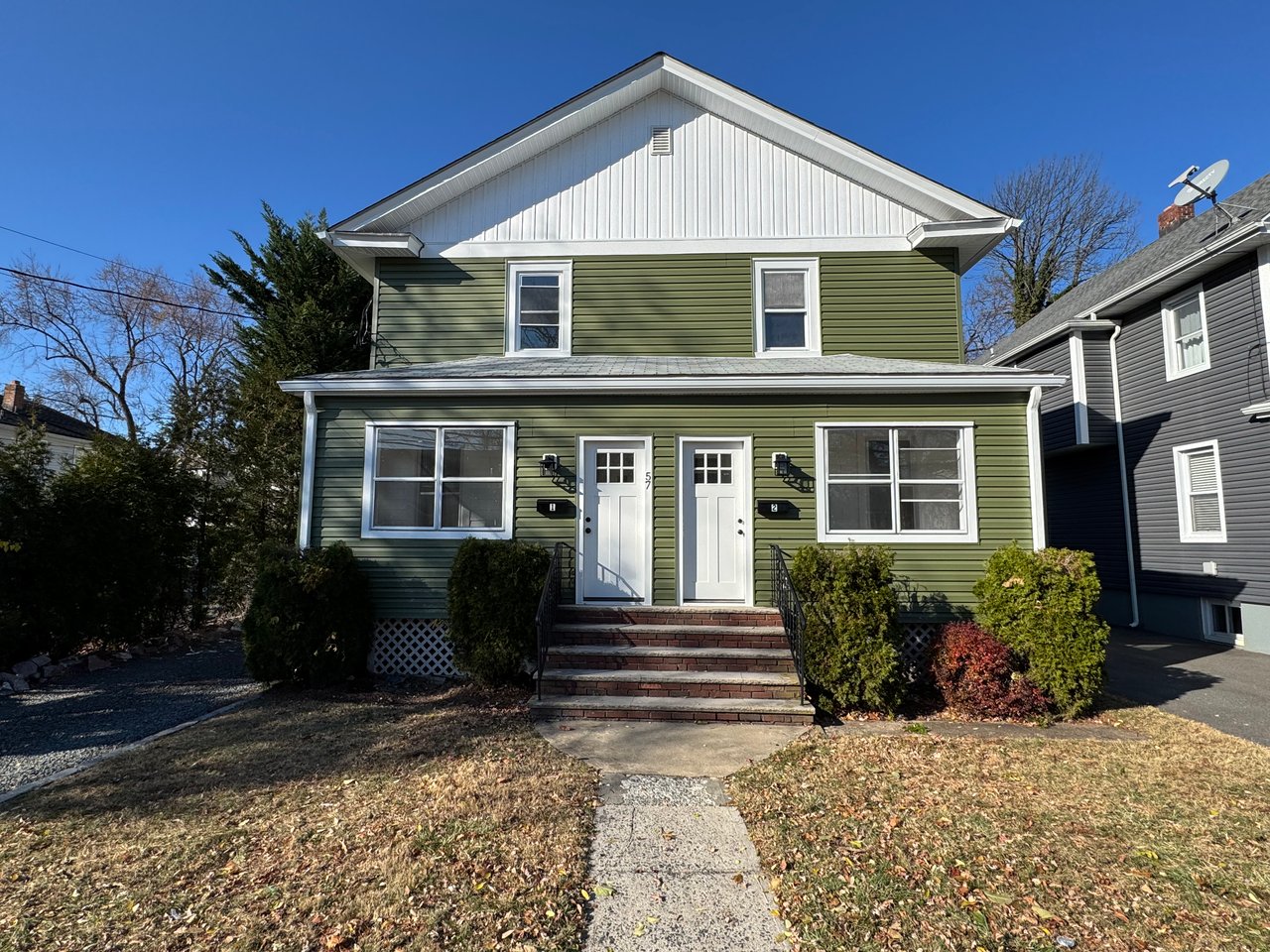
If you are looking at Perth Amboy rentals through an investor lens, one fact stands out right away: this is a renter-heavy city, and where people want to live is not evenly distributed block by block. Renters here tend to respond to a few clear drivers, including transit access, walkability, waterfront amenities, and value for the money. Understanding those patterns can help you spot stronger leasing demand, set more realistic rent expectations, and avoid underwriting a property based on citywide averages alone. Let’s dive in.
Why renter demand is strong
Perth Amboy has a rental base large enough to matter. According to U.S. Census QuickFacts, the city has an owner-occupied housing unit rate of 35.4%, median gross rent of $1,688, median household income of $61,977, and a poverty rate of 20.2%.
That context matters because it points to a market where many renters are price-sensitive, and where household size can shape what layouts perform best. The same local housing data referenced in the research shows 71% renter-occupied housing and an average renter household size of 3.17 people, which supports demand for both efficient small units in convenient locations and larger layouts in more residential pockets.
Current asking rents also run above the Census figure. The spread between official historical rent data and active listing trackers suggests one simple takeaway: you should underwrite by micro-location, unit type, and condition, not by a citywide average.
What renters prioritize in Perth Amboy
In Perth Amboy, renter demand tends to follow the city’s strongest convenience and lifestyle features. The most important ones are transit, walkability, and recreation.
NJ Transit’s Perth Amboy Station sits on the North Jersey Coast Line at Elm Street between Smith and Market streets, giving the downtown area a clear commuter advantage. The city has also added a free Hometown Trolley route connecting downtown, Harbortown, the marina, and City Hall, along with waterfront amenities such as bikeshare access at Harborside Marina.
On top of that, city planning and recreation investments support a strong amenity spine. Downtown preservation efforts, business-district programming, a pocket park at Smith and Madison, marina access, and more than 110 acres of parks all help shape where renters see everyday value.
Downtown attracts convenience-driven renters
Downtown is Perth Amboy’s clearest transit-first rental pocket. Around Smith Street, Market Street, High Street, and State Street, renters can access the train, walk to errands, and stay close to business-district activity.
That convenience shows up in both the built environment and asking rents. A representative downtown property at 175 Smith Street has a walk score of 96 and a transit score of 50, while active listings in the area include studios and one-bedroom units at relatively accessible entry points compared with some waterfront product.
For investors, downtown often stands out for leasing velocity. Smaller units near the station may turn faster, but updated apartments close to transit can also see strong absorption because renters are paying for convenience, not just square footage.
What makes downtown appealing
Renters drawn to downtown are often looking for:
- Easy access to Perth Amboy Station
- Walkable daily errands
- Proximity to shops and local business activity
- Smaller-unit options at a lower entry point than premium waterfront housing
What to watch downtown
Downtown can offer strong demand, but not every building performs the same way. Condition, renovation quality, street position, and unit layout still matter, especially in a market where asking rents vary widely from one listing to the next.
Waterfront draws premium lifestyle demand
If downtown wins on convenience, the waterfront wins on lifestyle. The waterfront and marina edge attract renters who want views, recreation, and a more coastal feel while still staying connected to the city core.
The city highlights Harborside Marina for direct access to Raritan Bay, fishing piers, free parking, and nearby restaurants and shopping. Recreation materials also point to walking, jogging, fishing, sailing, concerts, and bikeshare access near the Historic Ferry Slip.
This helps explain why waterfront listings often sit at the higher end of the local rent range. Current examples in the research include studios, one-bedrooms, and two-bedrooms with pricing that generally exceeds many inland options, especially for updated units with direct water-facing appeal.
Why renters choose the waterfront
The waterfront tends to appeal to renters who value:
- Bay views and outdoor access
- A more amenity-rich daily experience
- Walkable access to the marina and downtown
- Newer or updated housing stock in select pockets
Investor takeaway on waterfront rents
This is likely Perth Amboy’s clearest premium-rent pocket. That can create stronger pricing power, but it also raises expectations around upkeep, amenities, and capital expenditures.
In practical terms, waterfront product may support a higher rent ceiling, but it can also come with more sensitivity to building condition, insurance costs, and long-term maintenance planning. That makes careful underwriting especially important.
Harbortown offers planned-community appeal
Harbortown stands out as the city’s most obvious planned rental submarket. It offers a different kind of appeal from downtown and the marina edge because renters here are often choosing a more organized community setting with larger-format housing and shared amenities.
According to Apartments.com’s Harbortown Terrace listing, the community includes 427 units in a three-story layout built in 1999, with two- and three-bedroom townhomes and flats, plus features such as a pool, clubhouse, fitness room, shuttle access, and walkability to downtown shopping and the waterfront promenade.
That combination can be attractive to renters who want more space and a community-style living experience. It also gives investors a different demand profile than small-unit downtown inventory.
Where Harbortown fits best
Harbortown may be especially relevant when you are evaluating:
- Larger unit mixes n- Townhome-style layouts
- Amenity-driven renter demand
- Households looking for more interior space than a typical downtown apartment
Harbortown tradeoffs to consider
Planned-community product can support stronger rents, but it is also more exposed to amenity competition and product aging over time. In other words, the same features that help drive demand can require more ongoing investment to keep the property competitive.
Inland blocks can win on value
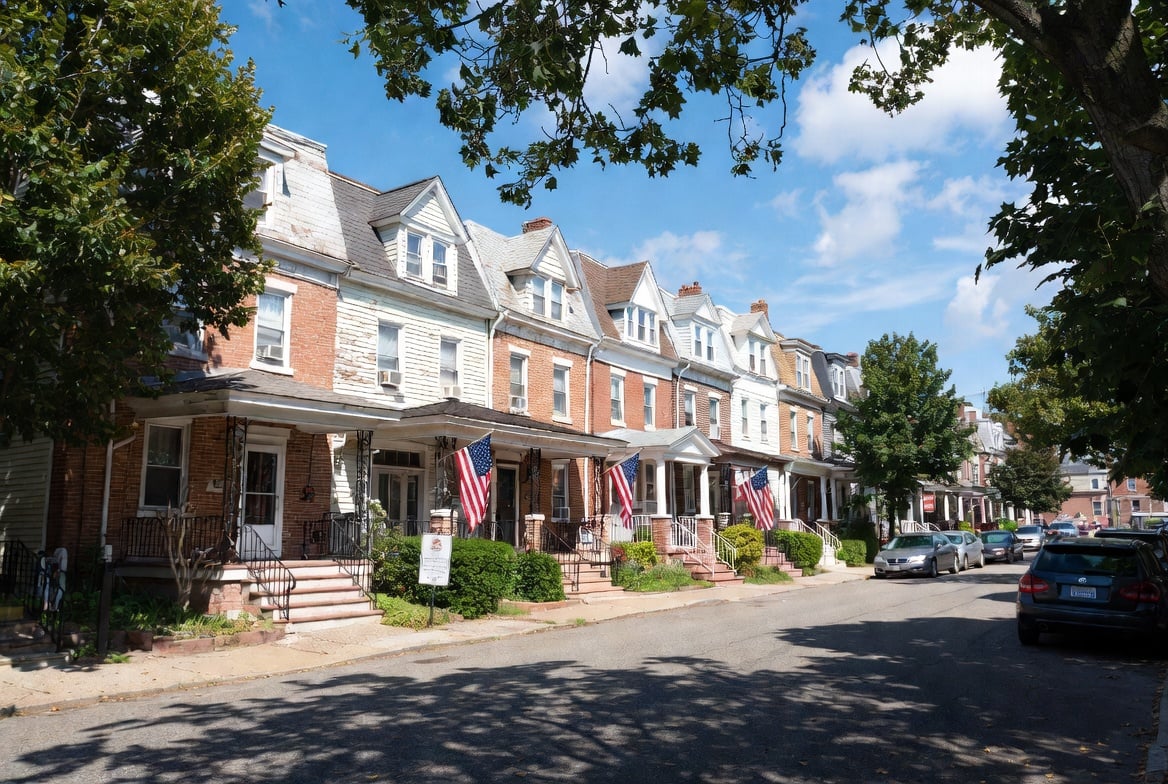
Not every renter in Perth Amboy wants a waterfront address or a downtown location. More residential and value-oriented blocks around State Street, Convery Boulevard, Florida Grove, Madison Avenue, and Washington Street often appeal to renters who want a lower entry price, more practical layouts, or a setting that feels less centered on the waterfront core.
Examples in the research include listings such as State Fayette Gardens, Convery Gardens, 579 Florida Grove Road, and 224 Madison Avenue. These areas may still offer solid access to transit and services while keeping rents below the top tier of the market.
For investors, that often means a different operating profile. Value-oriented locations may attract longer-term renters who prioritize affordability, parking, or extra room over premium amenities and views.
Why these blocks matter
These more residential pockets can be useful if your strategy focuses on:
- Budget-conscious renter demand
- Larger layouts or more practical unit configurations
- Potentially lower turnover than amenity-heavy locations
- Stable occupancy driven by everyday affordability
Redevelopment could reshape demand
Perth Amboy’s waterfront is not just an established draw today. It is also a redevelopment priority.
The city’s FOCUS 2020 redevelopment framework identifies the waterfront as well suited for predominantly mixed-use residential growth because of its location, historic resources, and street grid. In January 2026, the city also approved the Sea Gate waterfront redevelopment plan, which includes 602 market-rate rental units, a public esplanade, and public amenities.
That matters because future supply can change how renters compare neighborhoods. New product may raise the profile of the waterfront even further, but it can also increase competition for existing buildings that have not kept pace on condition or amenities.
Risk still matters by block
Demand is only half the story. Perth Amboy investors also need to think about location-specific risk.
The same redevelopment materials note that some northern industrial and Arthur Kill edge areas are low-lying and vulnerable to storm surge and sea-level rise, and that the Sea Gate plan is tied to brownfield remediation. That does not make these areas unusable, but it does mean diligence around flood exposure, redevelopment timing, insurance, and property-level costs should be part of the underwriting process.
This is another reason broad city averages can be misleading. Two properties with similar rents can perform very differently once you factor in maintenance burden, location appeal, and long-term risk.
Where renters most want to live
If you simplify Perth Amboy into its clearest rental-demand tiers, four areas stand out:
- Downtown and station-adjacent blocks for commuter convenience and walkability
- Waterfront and marina-edge locations for premium lifestyle demand and higher rent ceilings
- Harbortown for planned-community housing and larger amenity-rich layouts
- Inland residential pockets for affordability, practicality, and potentially longer renter retention
Each area serves a different renter profile. The best investment fit depends on whether your priority is faster leasing, higher top-end rents, larger-unit demand, or steadier value-oriented occupancy.
How to use this in your underwriting
Before you evaluate any Perth Amboy deal, it helps to pressure-test a few basic questions:
- Is this property closer to a commuter-demand story, a waterfront lifestyle story, or a value-retention story?
- Does the unit mix match local household needs?
- How does the building’s condition compare with nearby active listings?
- Are you underwriting rents based on actual micro-location, not citywide averages?
- Have you accounted for insurance, flood, or maintenance costs where applicable?
The stronger your answers, the more likely you are to buy into the right pocket at the right basis.
Perth Amboy gives investors several distinct ways to play renter demand, but the market rewards local precision. If you want help identifying rent-ready opportunities and evaluating which micro-locations best fit your buy-and-hold strategy, connect with Pete Tverdov to learn how Turnkey Tverdov approaches acquisition, renovation, and long-term management in Central New Jersey.
FAQs
Which Perth Amboy neighborhood is best for commuter renters?
- Downtown near Perth Amboy Station is the city’s clearest commuter-focused rental pocket because it combines train access, walkability, and business-district activity.
Which Perth Amboy area supports the highest rents?
- The waterfront and marina-edge area generally shows the highest rent ceiling because renters pay a premium for views, recreation, and amenity access.
Is Harbortown a good fit for larger-unit rental demand in Perth Amboy?
- Yes. Harbortown stands out for two- and three-bedroom townhomes and flats, plus planned-community amenities that can appeal to renters looking for more space.
Are inland Perth Amboy neighborhoods still attractive to renters?
- Yes. More residential blocks around areas like Convery Boulevard, Florida Grove, Madison Avenue, and Washington Street can attract value-sensitive renters who prioritize affordability, parking, or practical layouts.
Why should investors underwrite Perth Amboy by micro-location?
- Rent levels, renter demand, and operating risks can vary sharply between downtown, waterfront, Harbortown, and inland blocks, so citywide averages do not tell the full story.
What risks should investors watch in Perth Amboy waterfront areas?
- Investors should pay close attention to flood exposure, storm-surge vulnerability, redevelopment timing, insurance costs, and maintenance expectations tied to amenity-rich waterfront product.