If you are looking at Union County for your next rental investment, Elizabeth deserves a careful spot on your shortlist. It is not the cheapest market in the area, and it is not the strongest pure cash-flow play either. But if your strategy values tenant depth, rail access, and a workforce-oriented renter base, Elizabeth can make sense as part of a longer-term hold. Let’s dive in.
Where Elizabeth fits in Union County
Elizabeth sits in the middle of the pack on acquisition cost when you compare it with nearby markets. Zillow’s home value data for Elizabeth shows a typical home value of $534,667, compared with $572,011 in Union, $542,929 in Linden, and $508,274 in Plainfield. Union County overall is higher at $617,054.
That middle position matters if you are building a portfolio and trying to balance entry price with demand drivers. Elizabeth is not the bargain-basement option, but it also is not priced like the county average. For many investors, that puts it in the conversation as a market where the story depends more on operations than on buying the absolute lowest basis.
Price growth is positive, but not leading
Elizabeth posted 1-year home value growth of 3.3%, according to Zillow. That trails Union at 5.6% and Linden at 4.1%, but it still shows positive movement rather than decline.
For a buy-and-hold investor, that can support a more measured view of appreciation. Elizabeth may not be the market you position as a fast-moving appreciation play, but it can still fit a strategy built around stable demand and long-term asset performance.
Cash flow is not the main headline
If you are screening markets based mostly on rent-to-value, Elizabeth looks more average than exceptional. Zillow reports average rent in Elizabeth at $2,264, which is below Union at $2,627, Linden at $2,467, Plainfield at $2,288, and New Brunswick at $2,676.
Using those Zillow averages, Elizabeth’s annualized rent-to-value proxy is about 5.1%. That is below Union and Linden at roughly 5.5%, below Plainfield at 5.4%, and well below New Brunswick at 7.2%. In plain terms, Elizabeth does not stand out as the strongest nearby market for pure cash-flow yield.
Why that does not remove Elizabeth from consideration
A market does not need to lead on headline yield to play a useful portfolio role. Elizabeth’s more credible investment case is as a value-add or long-term hold where tenant demand fundamentals help support occupancy over time.
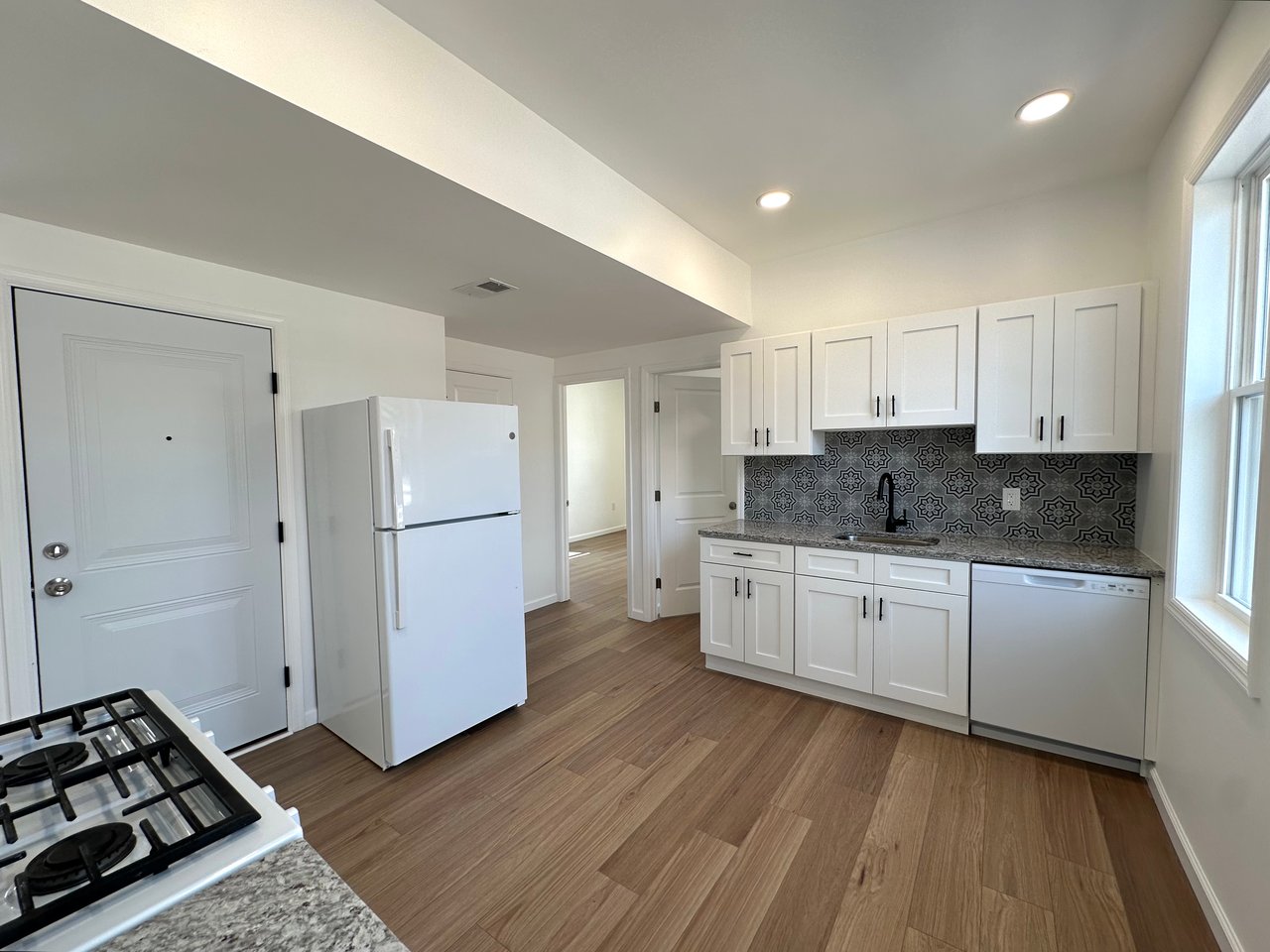
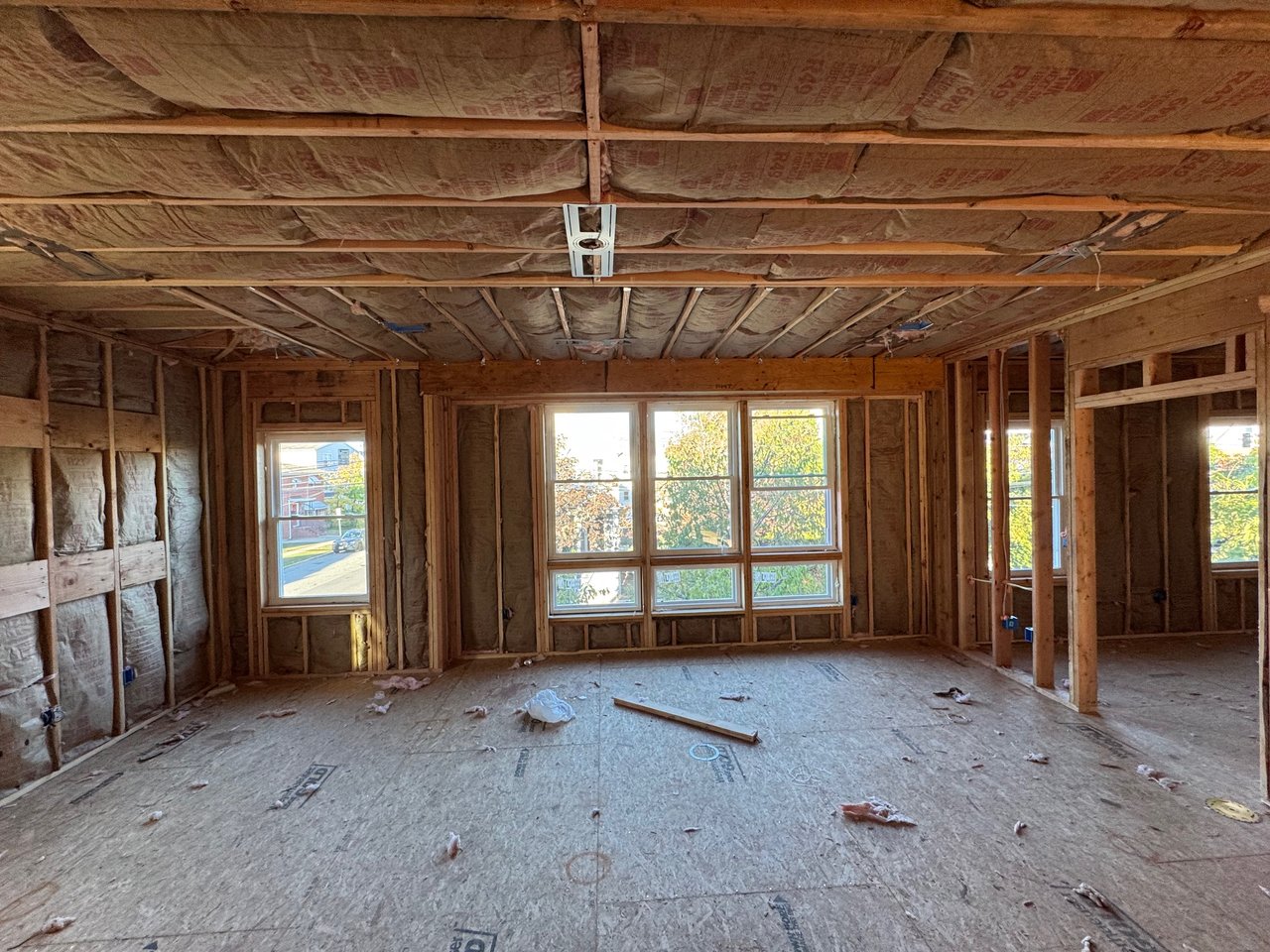
That means your execution matters. Property selection, renovation scope, rent-ready delivery, and long-term management discipline are likely to have a bigger effect here than relying on market averages alone.
Tenant depth is Elizabeth’s strongest signal
One of the clearest data points in Elizabeth is how renter-heavy the city is. According to U.S. Census QuickFacts for Elizabeth, the owner-occupied housing unit rate is 25.6%. That is much lower than Union at 71.5%, Linden at 59.5%, and Plainfield at 44.8%.
For an investor, that points to a deep renter base. Elizabeth also has 46,121 households, a median household income of $66,555, and a mean commute time of 26.7 minutes. Those numbers help frame the city as a dense, renter-oriented market where housing demand is tied closely to everyday workforce mobility.
Workforce demand supports the rental story
The Census also shows Elizabeth with a foreign-born population share of 51.6%, and 77.1% of residents age 5 and older speak a language other than English at home. On their own, those figures do not measure vacancy or absorption. But they do support the broader view of Elizabeth as a large, diverse workforce housing market with broad renter participation.
Another useful signal is the local economic base. Census data reports transportation and warehousing receipts or revenue of $3.28 billion in 2022 in Elizabeth. That is far above Union Township, Linden, and Plainfield in this comparison set, which suggests a larger logistics-oriented employment base that likely helps support rental demand.
Transit gives Elizabeth an edge
Transit access is one of Elizabeth’s clearest differentiators inside a Union County investment strategy. The city has two rail touchpoints, Elizabeth Station and North Elizabeth Station, on the Northeast Corridor and North Jersey Coast lines. That gives renters practical rail access in a way that can be harder to replicate in more interior county locations.
This became even more notable in 2024. NJ TRANSIT’s Elizabeth Station page notes that the station renovation added longer platforms, accessibility upgrades, new station buildings, and a renovated plaza, and NJ TRANSIT’s ribbon-cutting announcement confirms the project was completed in June 2024.
Why transit matters for investors
For tenants, rail convenience can widen the renter pool and support leasing appeal. NJ TRANSIT service information shows the Northeast Corridor offers frequent service from Trenton north to Penn Station New York, while the Raritan Valley Line provides weekday service from Plainfield to Newark Penn Station with extended New York service during midday and evening hours.
That comparison helps frame Elizabeth well. For renters who care about train access, Elizabeth looks better connected than some interior Union County markets that rely on the Raritan Valley Line alone. If your investment criteria include commuter appeal, this is one of Elizabeth’s strongest advantages.
Elizabeth works best as a strategy slot
The smartest way to position Elizabeth is not as an all-in answer for every investor. It works better as a specific slot within a broader portfolio. Based on the available data, Elizabeth looks most compelling for investors who want:
- A renter-heavy market within Union County
- Transit-supported leasing appeal
- Exposure to a logistics-oriented employment base
- A value-add or long-term hold thesis rather than a pure yield chase
That is a more defensible framing than calling it the best cash-flow market nearby. The data simply does not support that claim.
How Elizabeth compares with New Brunswick
If you are building across Central New Jersey, it helps to compare Elizabeth with New Brunswick because the two can play different roles. Zillow’s New Brunswick data shows a typical home value of $442,985 and average rent of $2,676, which creates a different rent-to-price mix from Elizabeth.
The research also shows New Brunswick has an owner-occupied rate of 21.4% and median gross rent of $1,814. That makes New Brunswick a lower-basis, more rent-heavy counterpart. In a portfolio context, Elizabeth and New Brunswick can complement each other rather than compete for the exact same role.
A practical diversification view
If Elizabeth is your workforce-housing, transit-connected hold in Union County, New Brunswick can serve as a different sleeve with stronger rent intensity relative to home values. That kind of mix can matter if you are trying to balance acquisition basis, tenant profile, and operational goals across more than one submarket.
For investors who value systems and execution, this is where market selection becomes more than a spreadsheet exercise. The right market mix depends on your buy box, renovation plan, target rent level, and how efficiently the asset can be stabilized and managed.
What investors should watch in Elizabeth
If Elizabeth is on your radar, focus on the factors that can influence performance after closing, not just the purchase price.
Key underwriting priorities
Keep your attention on:
- Asset-specific rent potential versus citywide average rent
- Renovation scope needed to make the property truly rent-ready
- Transit proximity and how it may affect leasing demand
- Holding horizon, since Elizabeth looks better suited to long-term execution than short-term hype
- Management quality, because stable operations can matter more in a middle-of-the-pack market
These are the levers that can turn a merely acceptable deal into a strong one.
The bottom line on Elizabeth
Elizabeth belongs in a Union County investment strategy when you view it clearly. It is not the cheapest entry point in the area, and it is not the standout choice for pure cash flow based on broad market averages. Its edge comes from something different: a large renter base, meaningful transit connectivity, and a logistics-supported employment backdrop.
For many investors, that makes Elizabeth a practical market for value-add execution and long-term holds rather than a headline-grabbing yield play. If you want to build a portfolio with fewer coordination headaches and a clearer plan from acquisition through ongoing operations, Pete Tverdov can help you evaluate where Elizabeth fits.
FAQs
Is Elizabeth, NJ a strong cash-flow market for rental investors?
- Elizabeth looks more middle-of-the-pack on cash flow, with a Zillow-based rent-to-value proxy of about 5.1%, so it is better framed as a value-add or long-term hold market than a top pure yield play.
Why does Elizabeth, NJ matter in a Union County investment strategy?
- Elizabeth offers a renter-heavy housing base, rail access through two stations, and a large logistics-oriented employment backdrop, which can support long-term rental demand.
How does Elizabeth, NJ compare with Union and Linden for investors?
- Elizabeth has a lower typical home value than Union and slightly lower than Linden, but it also has lower average rent, which means its investment appeal leans more on tenant depth and transit than on stronger headline cash flow.
What makes Elizabeth, NJ attractive to renters?
- Elizabeth’s renter-heavy population, mean commute time of 26.7 minutes, and access to the Northeast Corridor and North Jersey Coast lines can make it appealing to tenants who value connectivity.
How does Elizabeth, NJ compare with New Brunswick for portfolio planning?
- Elizabeth has a higher typical home value and lower average rent than New Brunswick, so New Brunswick may offer a different rent-to-price mix while Elizabeth can serve as a Union County workforce-housing hold.