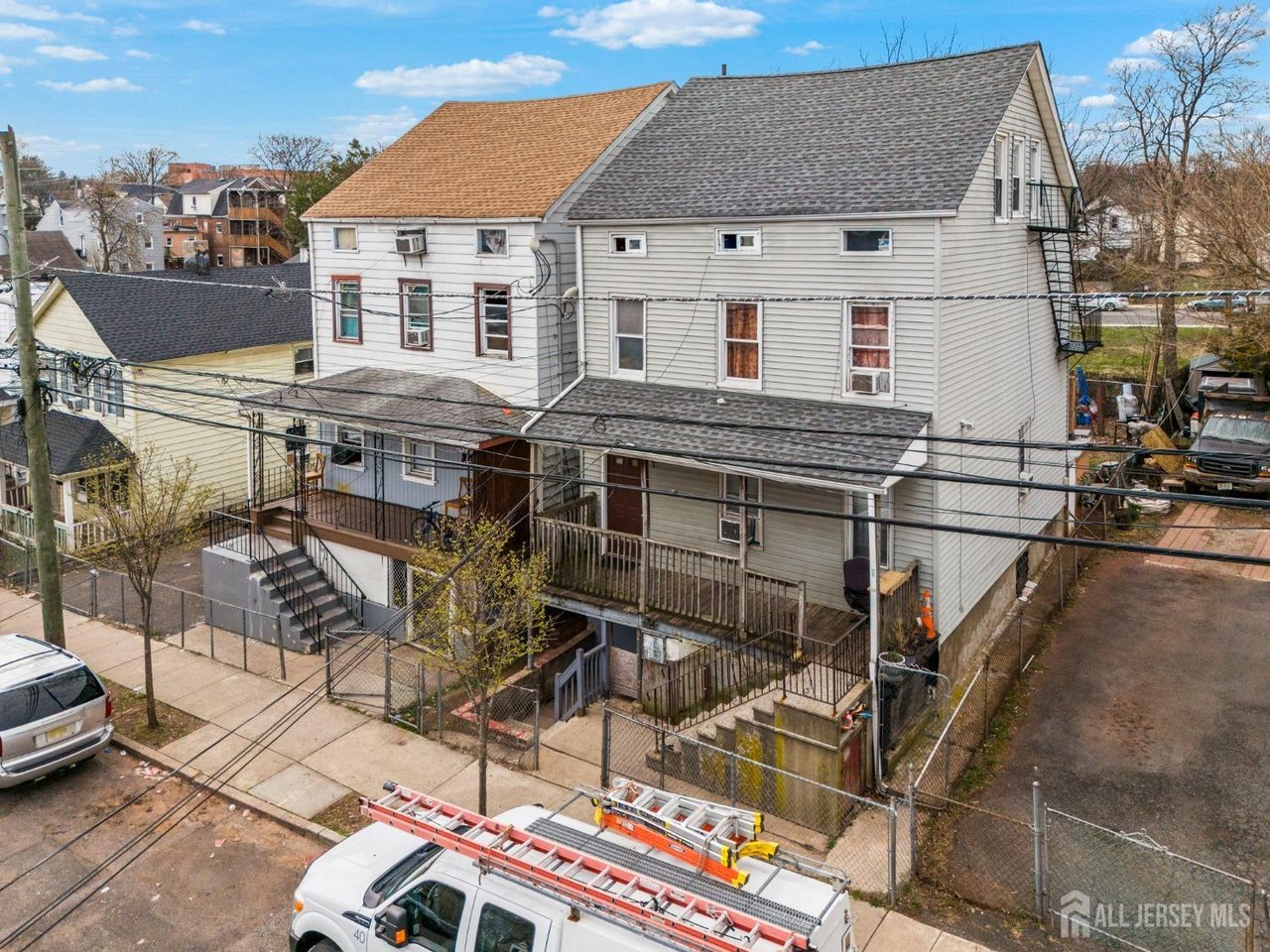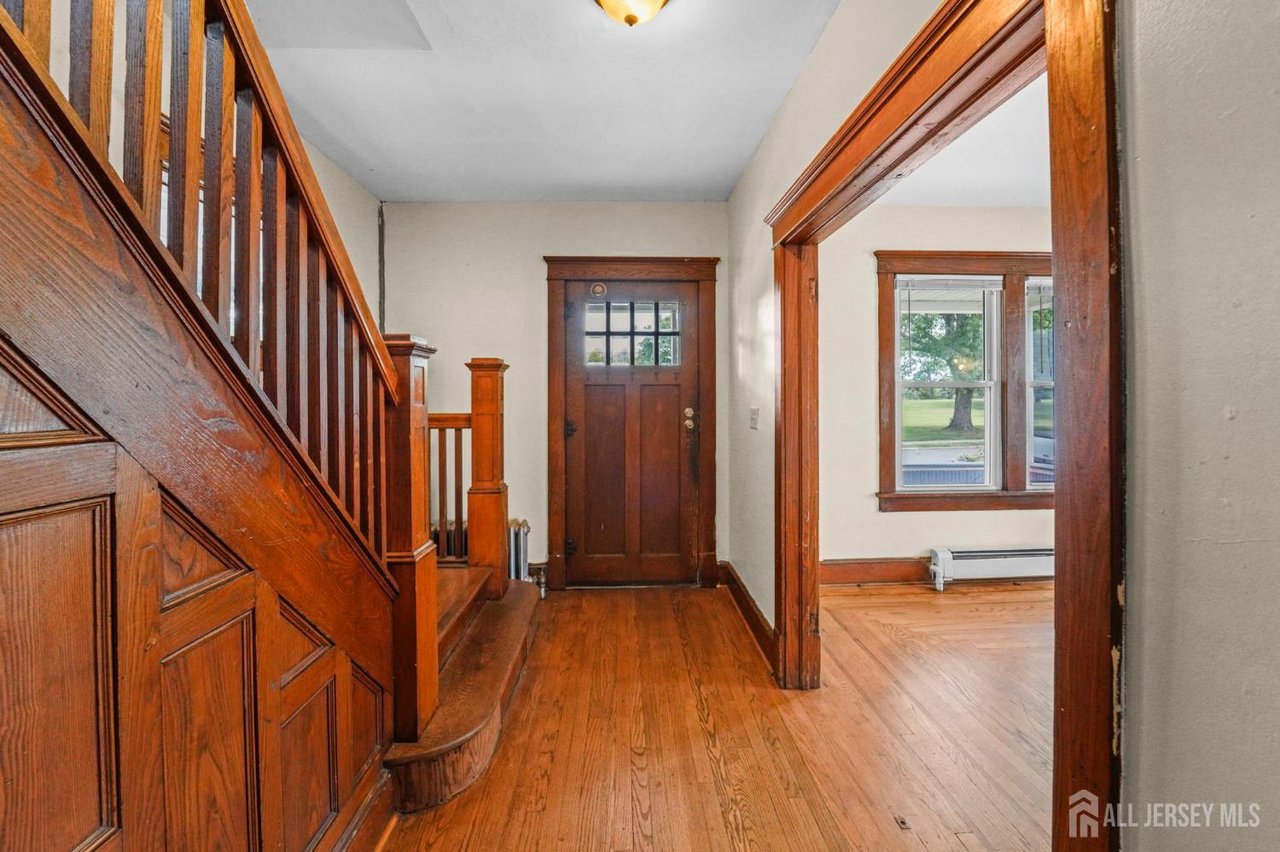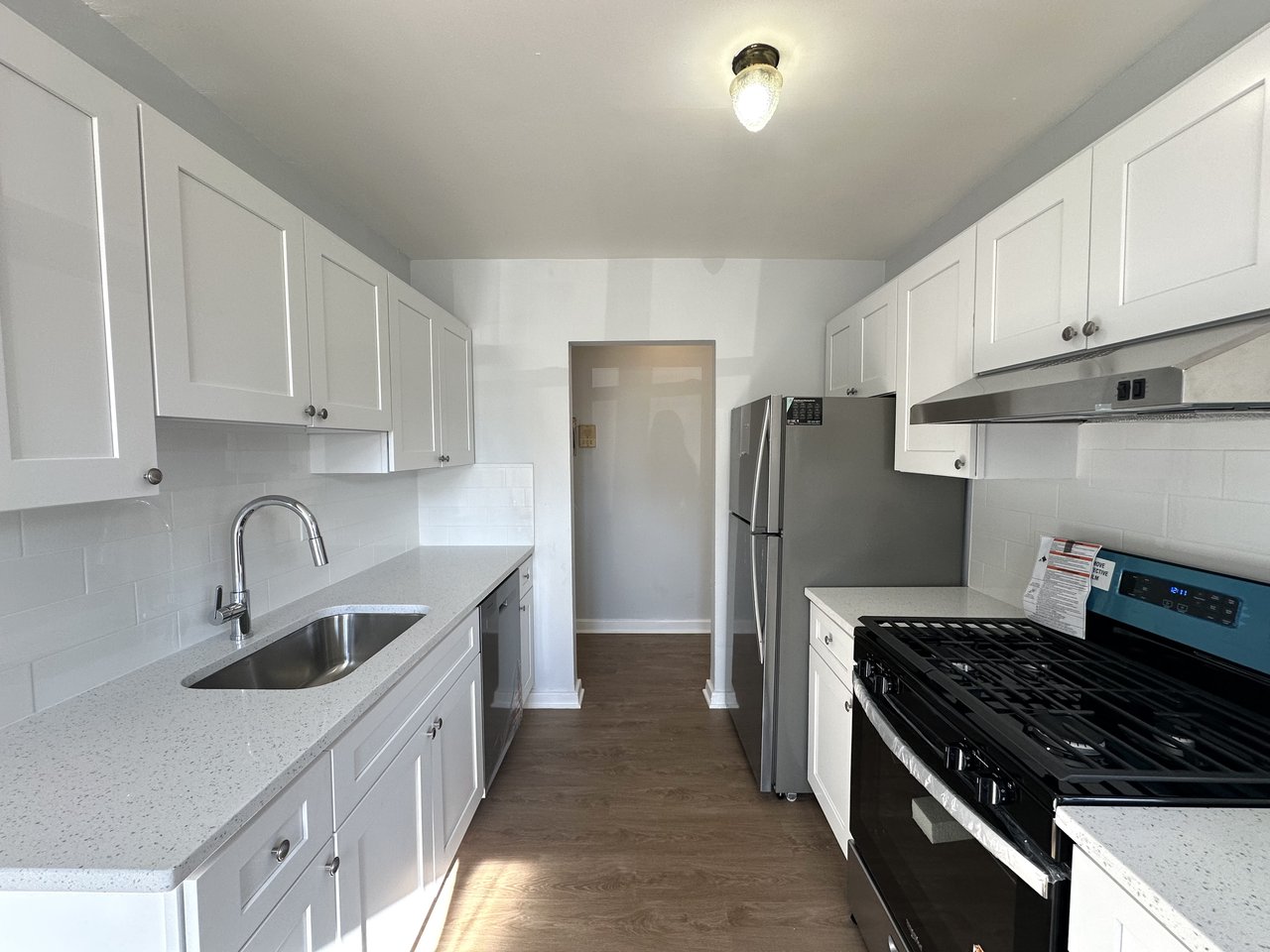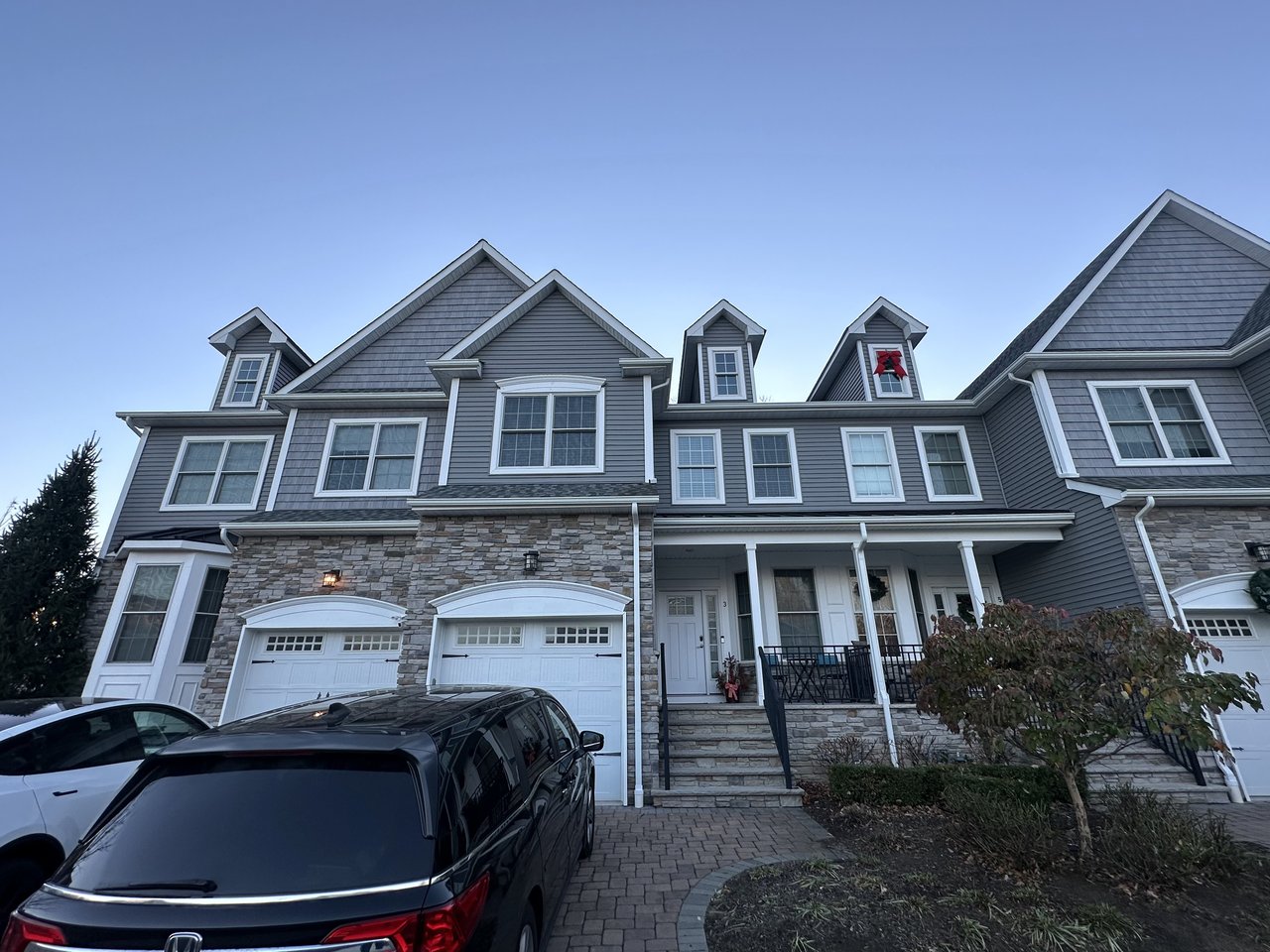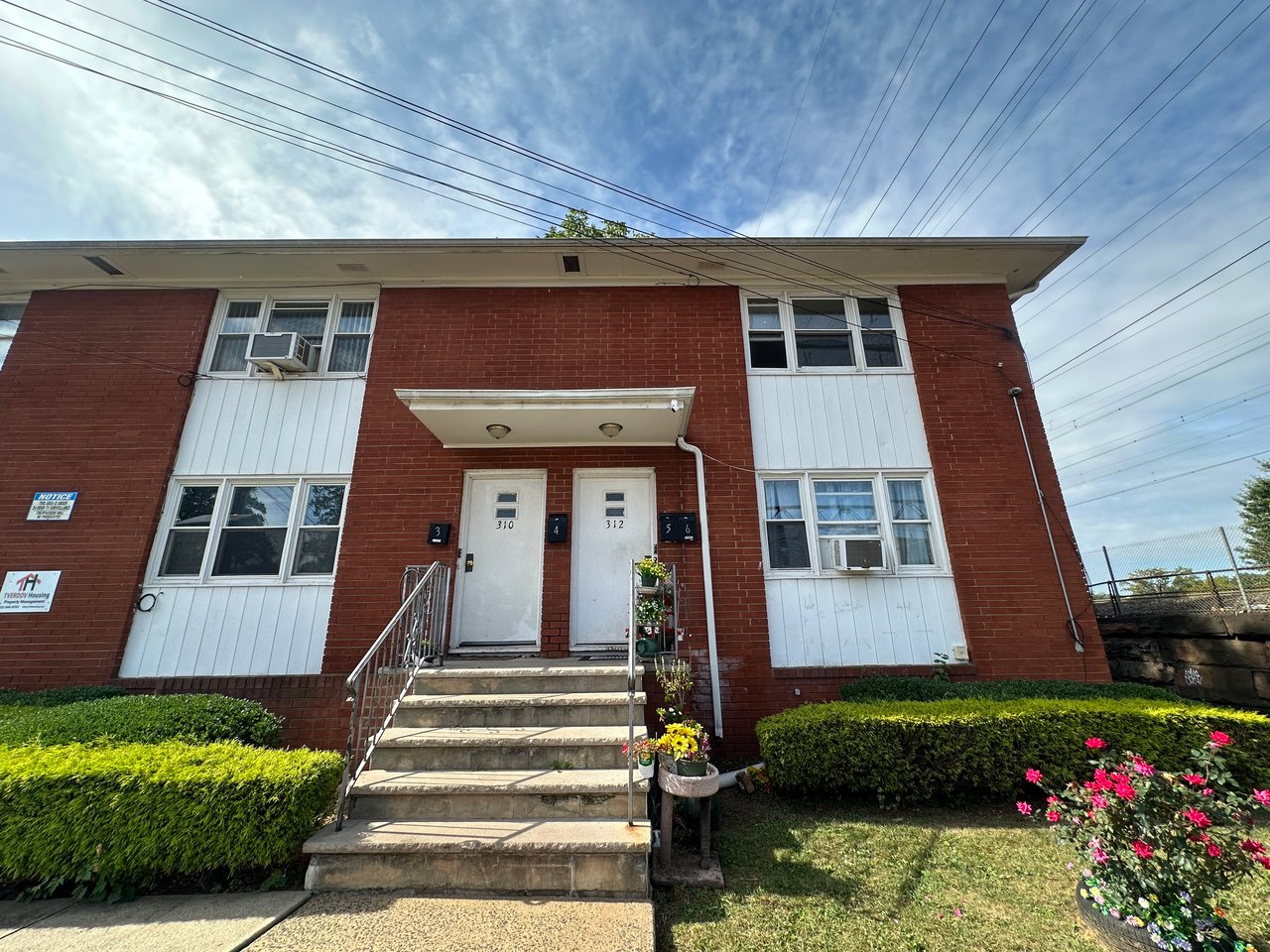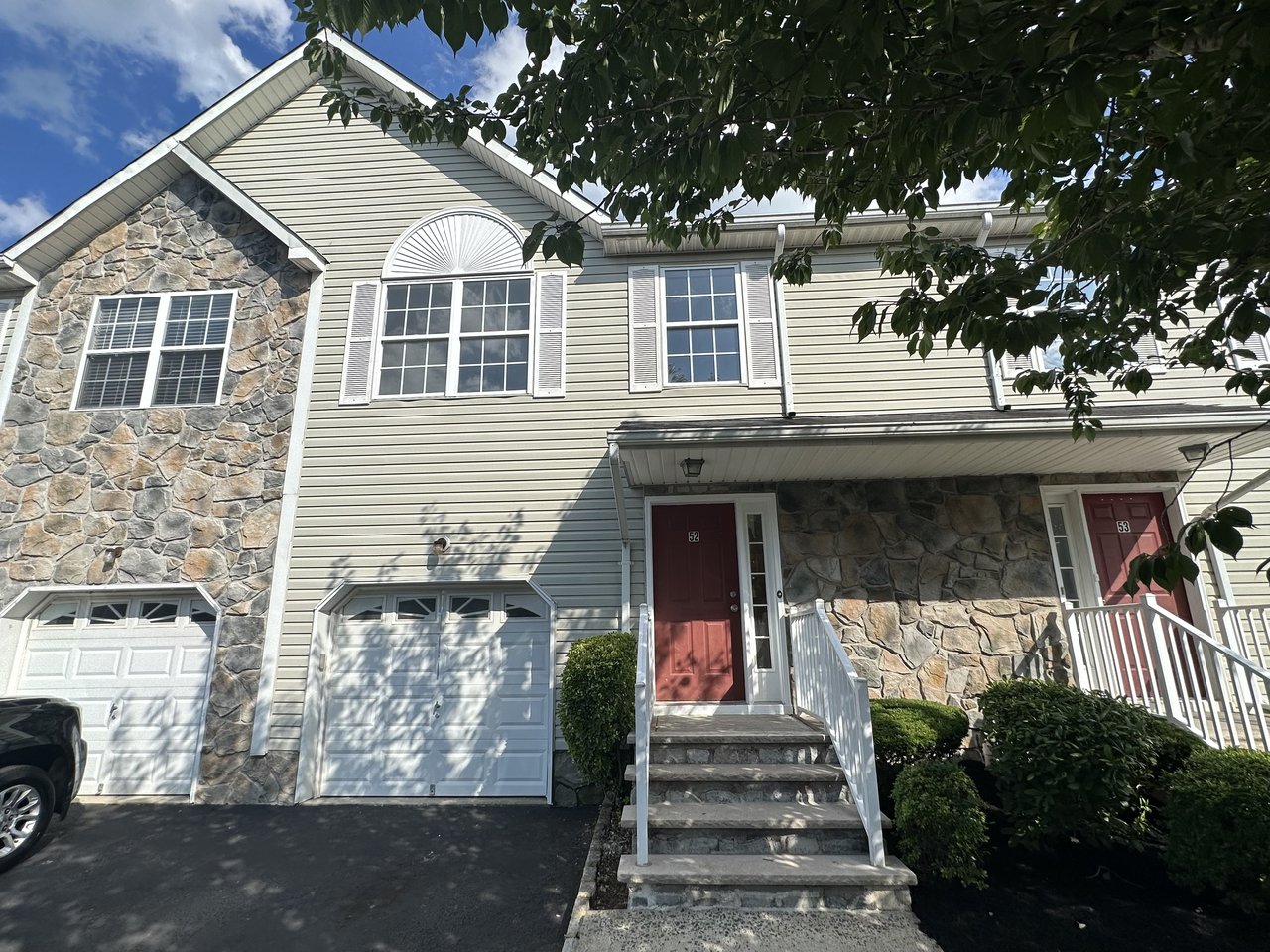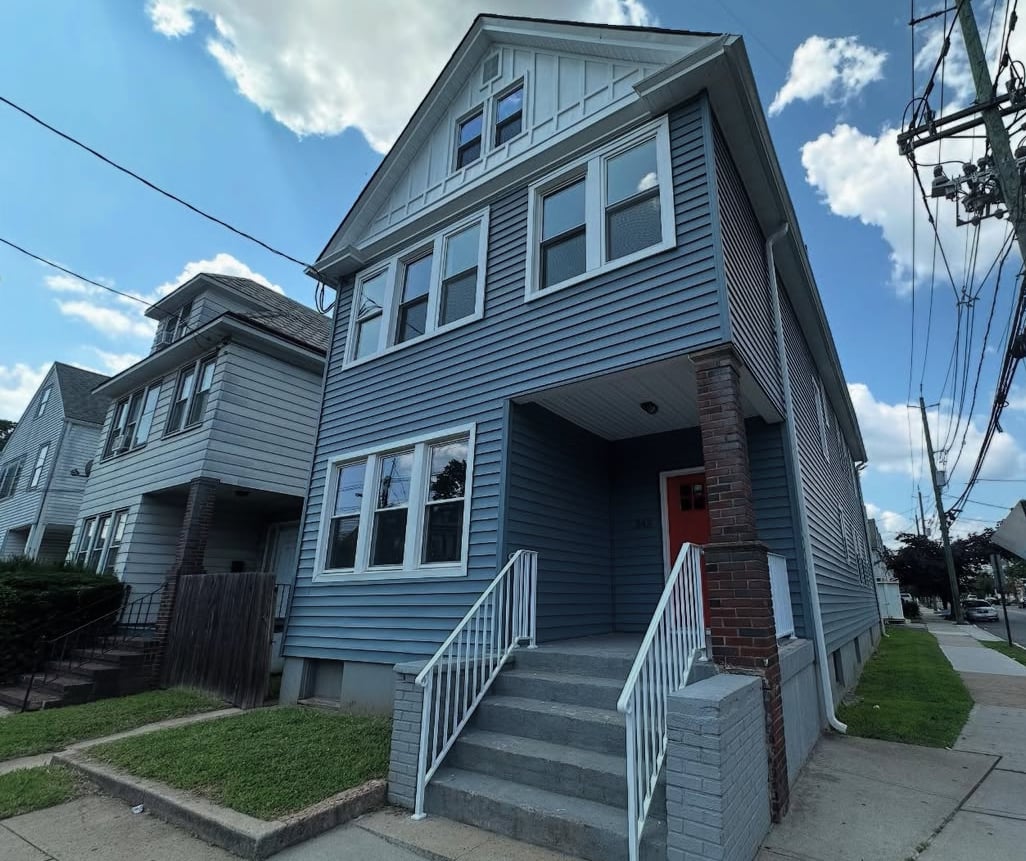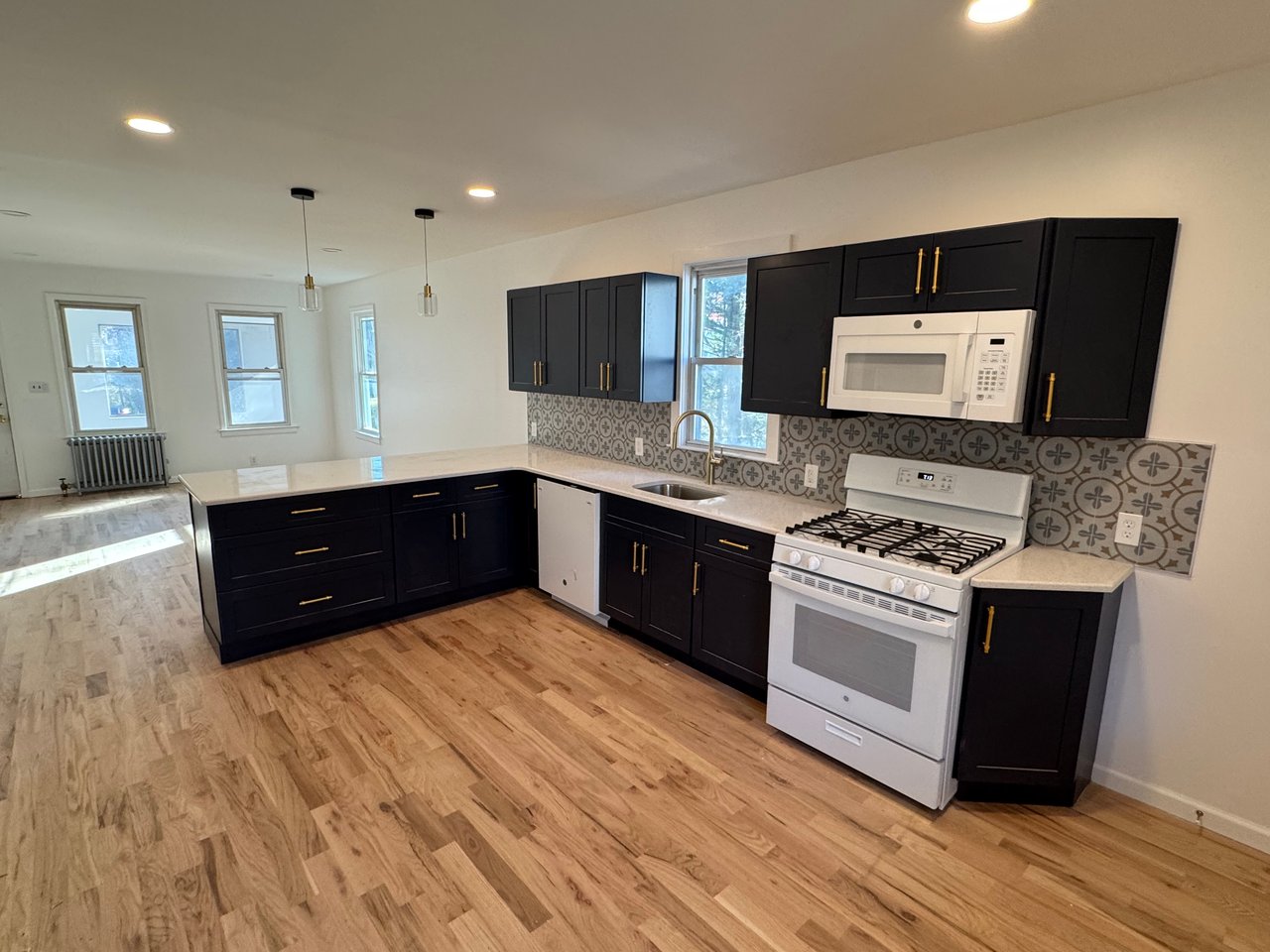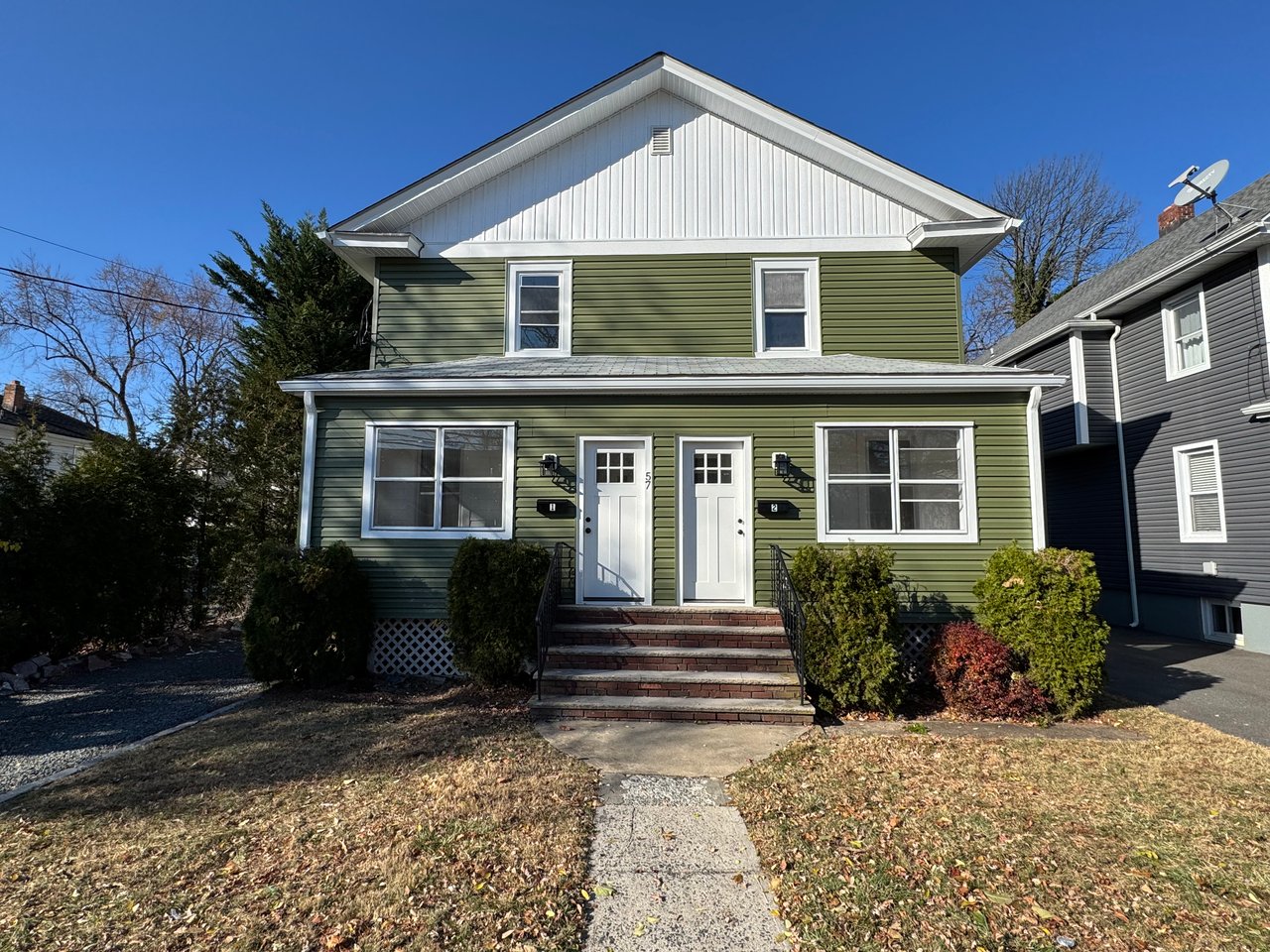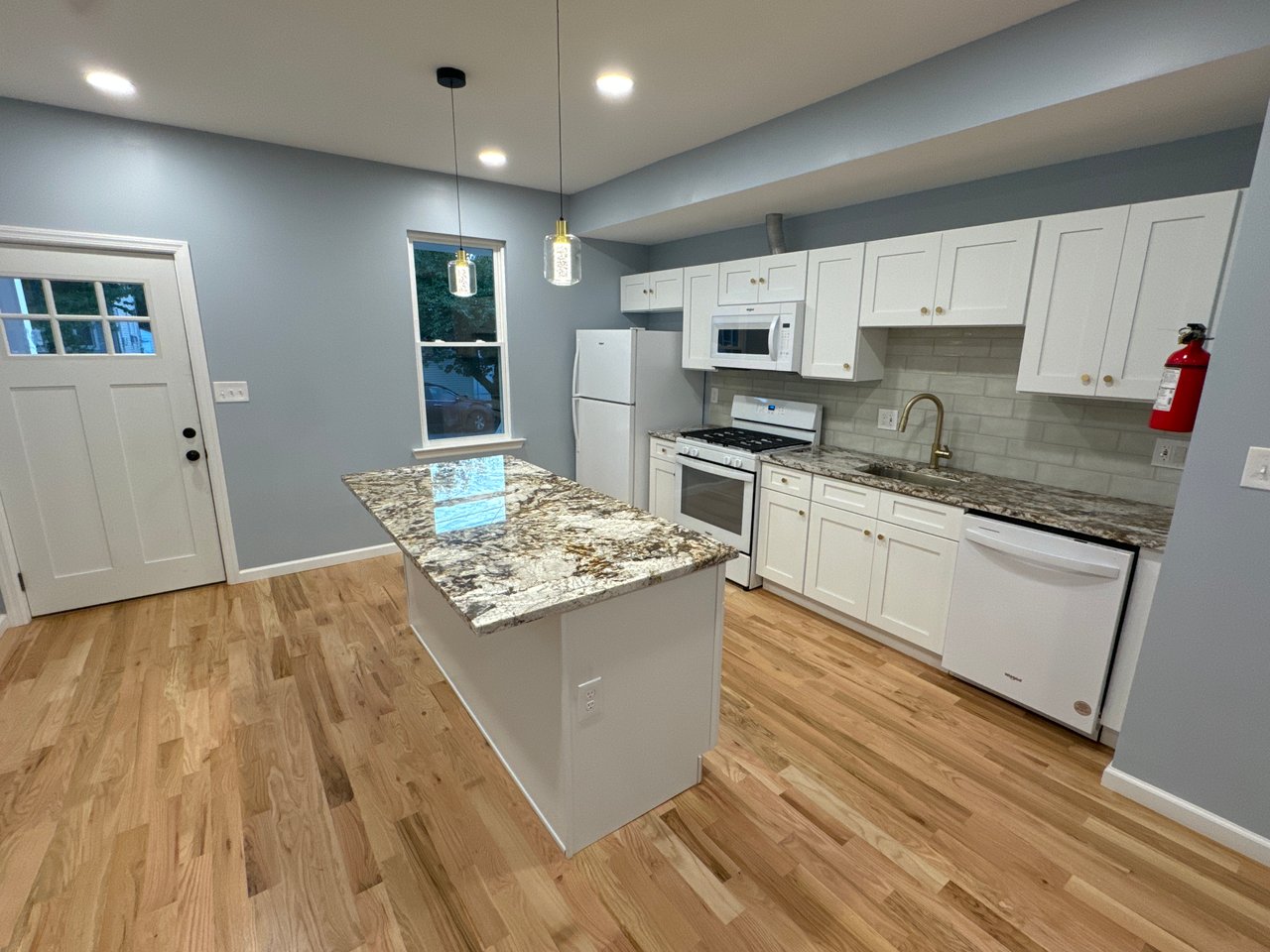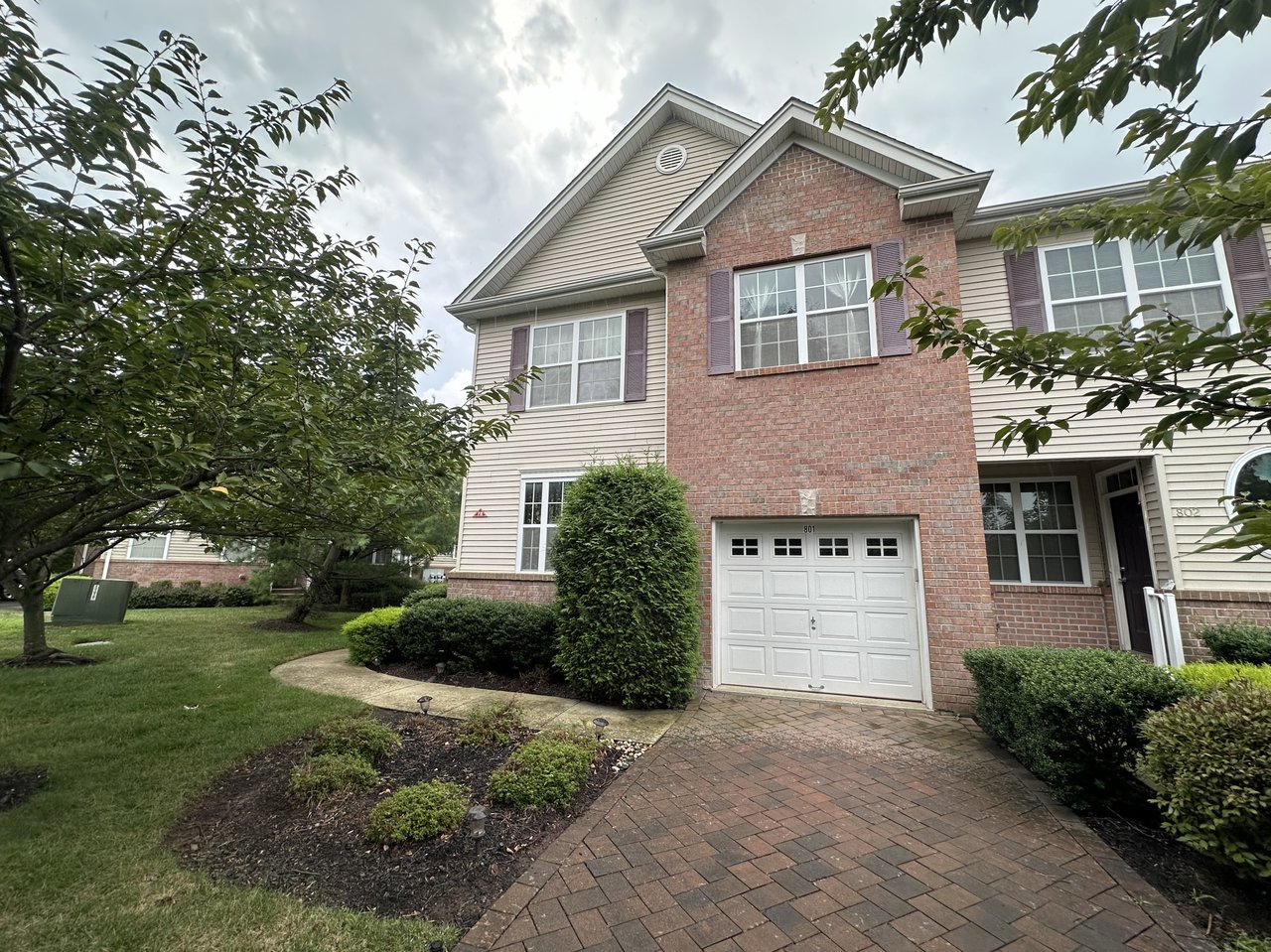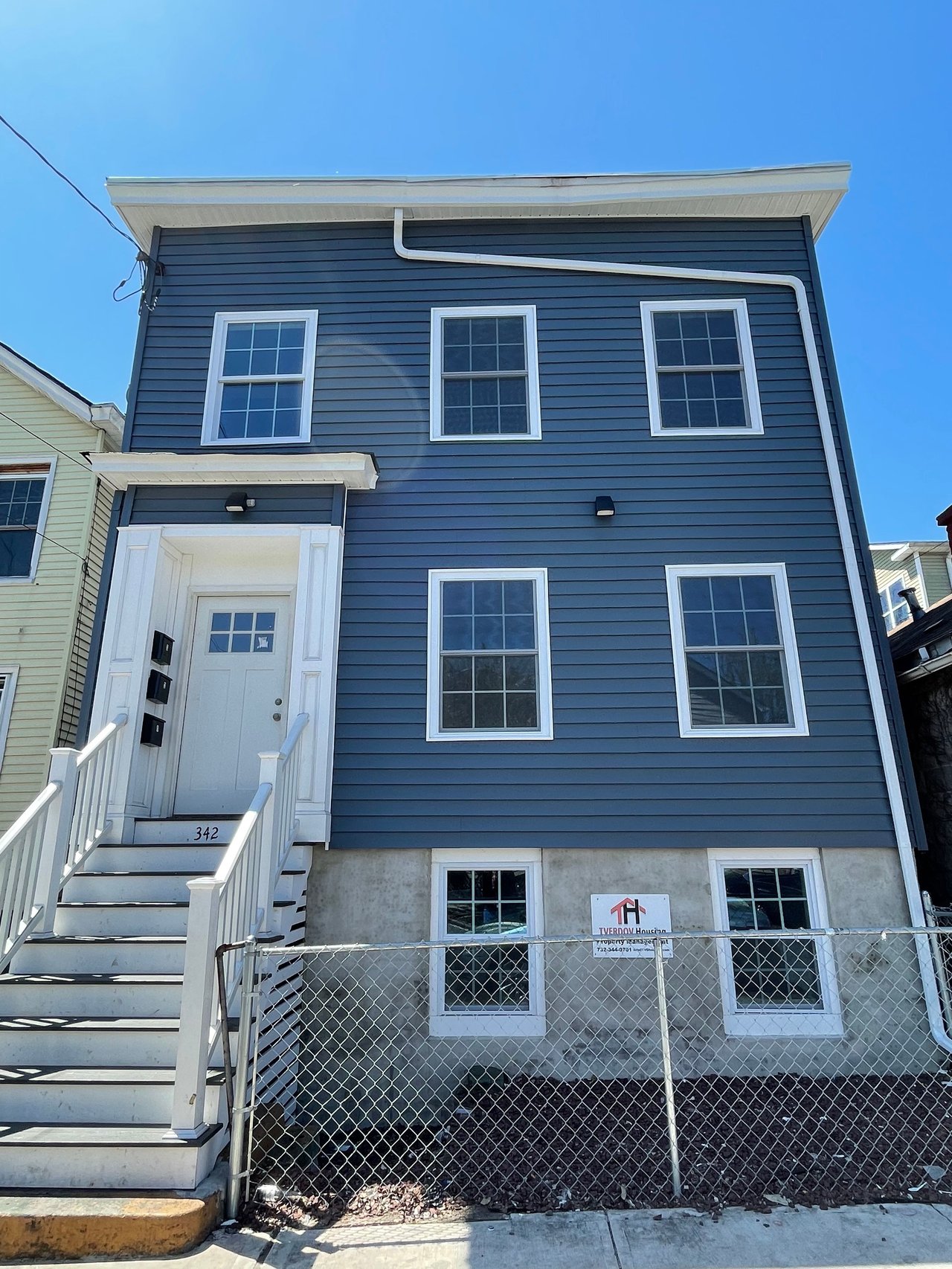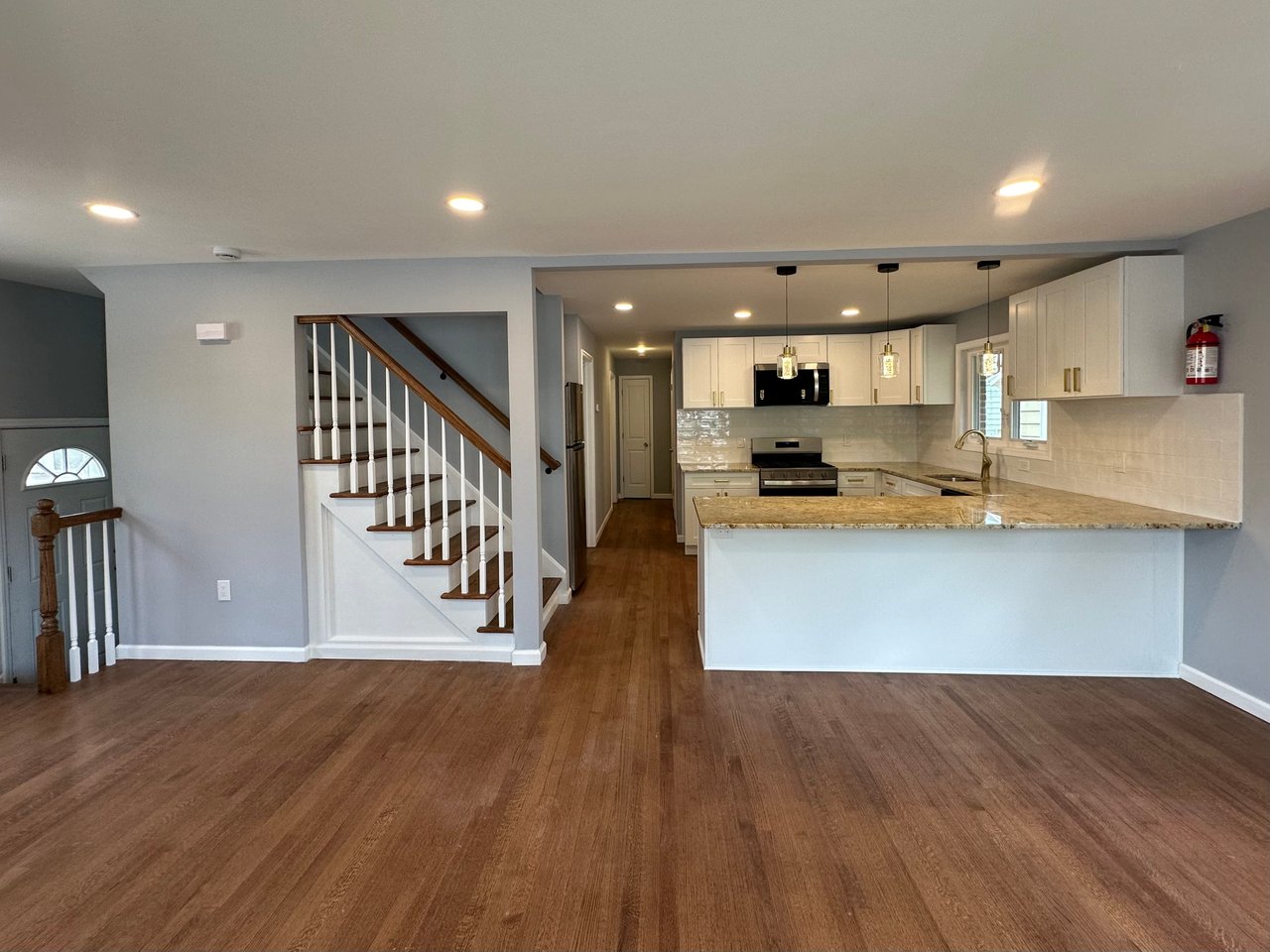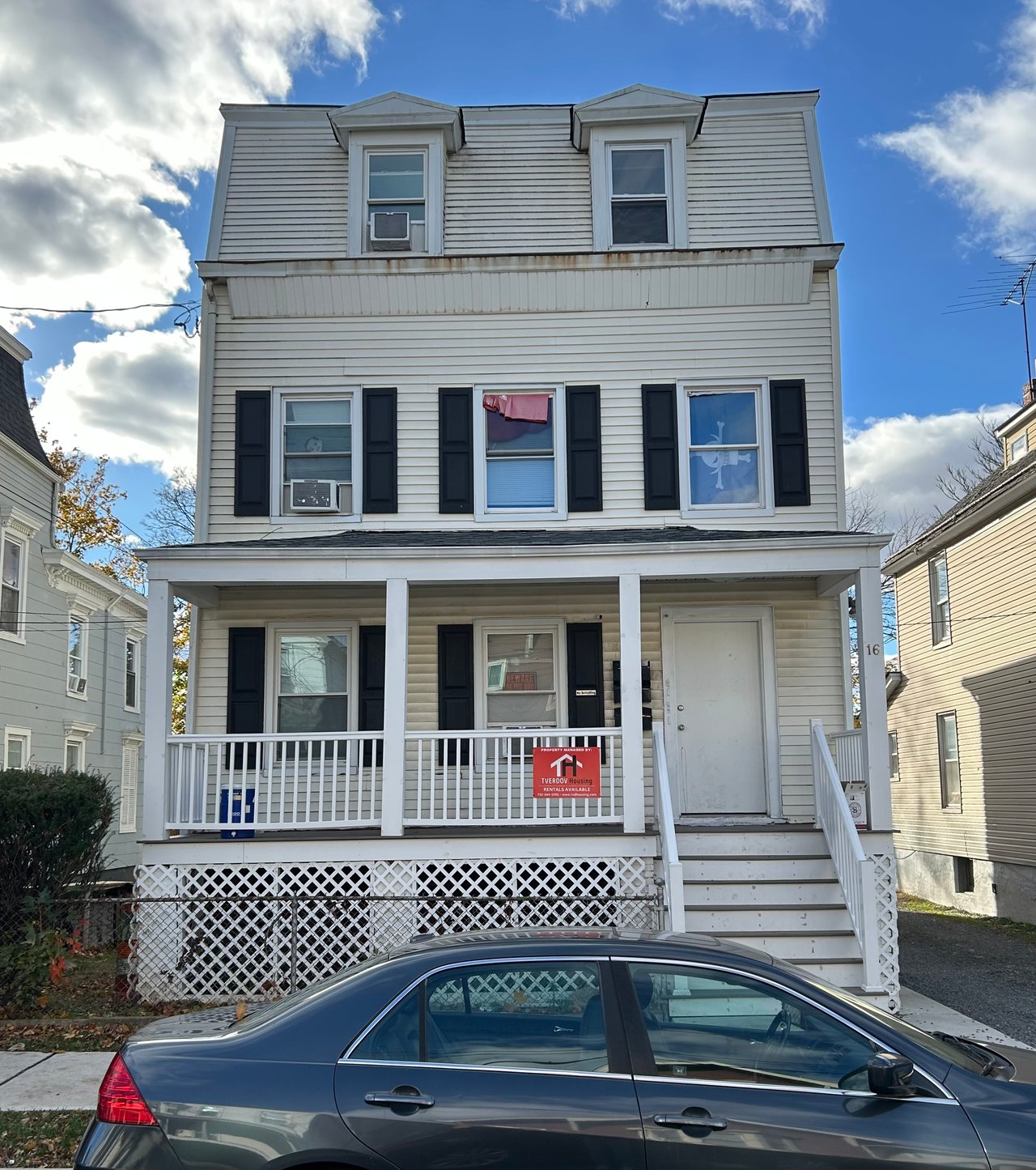
If you are looking for stable rental demand in Union County, Elizabeth deserves a closer look. It is a renter-heavy city, and that matters when you are weighing workforce housing, voucher-friendly units, or a blend of both. The key is knowing where the opportunity really is, and where the operational friction can eat into returns. This guide will help you understand how workforce and voucher-friendly investing works in Elizabeth, what to underwrite, and what to watch before you buy. Let’s dive in.
Why Elizabeth stands out
Elizabeth is a market where renting plays a major role in the local housing picture. According to U.S. Census QuickFacts for Elizabeth, the owner-occupied housing rate is 25.6%, the median gross rent is $1,523, and the median household income is $66,555.
Those numbers help explain why demand for modestly priced rentals can remain durable. Median gross rent equals about 27.5% of median household income before utilities, which places the city close to a commonly used affordability threshold. For investors, that points to a market where practical, rent-ready housing can serve a large share of residents.
Workforce housing is not Section 8
This is one of the most important distinctions to get right. In New Jersey, workforce housing and Section 8 are not interchangeable terms, and each strategy comes with different economics and rules.
The New Jersey Housing and Mortgage Finance Agency describes workforce housing as housing aimed at households earning roughly 80% to 120% of Area Median Income, often in deed-restricted apartments. By contrast, the Housing Choice Voucher program, often called Section 8, is a federal subsidy program for very low-income and low-income households.
For you as an investor, that means workforce housing is generally a middle-income play, while voucher-friendly investing involves subsidy-backed tenancy and more formal compliance steps. Both can fit a buy-and-hold strategy, but they are not underwritten the same way.
How voucher leasing works in Elizabeth
In Elizabeth, the local administrator for the Housing Choice Voucher program is the Housing Authority of the City of Elizabeth. HUD describes the voucher program as the federal government’s primary program for helping very low-income families, older adults, and persons with disabilities afford housing in the private market.
The basic structure is straightforward. The household receives a voucher, searches for housing in the private market, and the landlord screens the applicant. If both sides agree, the owner and tenant sign the lease, and the housing authority signs the subsidy contract.
HACE states that the waitlist is currently closed, which means this strategy is not about counting on immediate new local voucher issuance. Instead, the opportunity is more likely to come from existing voucher holders, portability into Elizabeth, and tenants already participating in the program.
What the lease-up timeline looks like
For investors, timing matters just as much as rent level. HACE outlines a lease-up process that starts after the tenant selects the unit and submits the Request for Tenancy Approval packet.
From there, the housing authority schedules an inspection. If the unit passes and the paperwork is complete, the lease and Housing Assistance Payments contract are finalized. Only then do subsidy payments begin.
According to the HACE lease-up process, no subsidy starts until the unit passes inspection, and there are no retroactive payments for the pre-passing period. HACE also states that checks are issued on the 1st of each month, with the authority’s portion mailed during the first week of the month.
That sequence matters for underwriting. If your unit is not inspection-ready, you may face a delay between tenant selection and first payment, which can affect early cash flow.
Inspection readiness drives performance
If there is one operational issue that can make or break voucher-friendly investing, it is inspections. HACE states that units must pass inspection before subsidy begins, and failed items must be repaired by the stated deadline.
Annual inspections are also part of the process. HACE says these are generally scheduled about two months before lease end, and landlords and tenants usually get 30 days to complete repairs. Landlord-related failures can lead to abatement, while tenant-related failures can lead to voucher termination.
HUD notes that NSPIRE standards are replacing HQS in the HCV program, with an emphasis on health, safety, and functional defects over cosmetic appearance. At the same time, HACE’s public materials still use HQS terminology, so the practical takeaway is simple: your unit needs to be safe, functional, and consistently maintained.
What to budget for inspections
Voucher-friendly investing often works best when you assume recurring compliance costs up front. That can include:
- Faster turn work between tenants
- Repair reserves for inspection items
- Documentation for completed maintenance
- Staff or vendors who can respond quickly to deadlines
If you treat inspections as a once-a-year event instead of a year-round operating standard, the strategy can become harder to manage.
Rent is not fully open-ended
A common mistake is assuming you can name any rent and let the subsidy fill the gap. That is not how the program works.
HUD’s rent reasonableness guide makes clear that the public housing authority must determine whether rent is reasonable before executing the subsidy contract and before approving a rent increase. That review compares the unit with similar unassisted units based on location, size, type, age, condition, amenities, maintenance, services, and utilities.
HUD also notes that the payment standard is not the same as a rent cap. It is the maximum assistance payment the housing authority can apply toward the unit. That distinction matters because a unit still has to make sense relative to comparable market inventory.
The real upside in Elizabeth
The appeal of this strategy is not hard to see. Elizabeth has a renter-heavy housing profile, and modestly priced rentals can appeal to a broad tenant base. A voucher-friendly asset can also tap into a larger pool of renters than a property marketed only at one narrow price point.
That can create a useful layer of income stability, especially for buy-and-hold investors who prioritize occupancy and steady collections over speculative appreciation. Voucher portability also supports demand beyond only one local issuance pipeline.
Workforce-oriented units can offer a different version of the same theme. They may target middle-income renters without the same subsidy process, while still addressing strong demand for practical housing at reachable rent levels.
The real downside to underwrite
The tradeoff is management intensity. This is not a set-it-and-forget-it strategy.
HACE’s public guidance shows an ongoing administrative cycle that includes inspections, recertifications, tenant income updates, deadlines for repairs, and rules around move-outs and transfers. For example, HACE’s recertification information states that recertifications are generally conducted within 120 days of the move-in anniversary, income changes must be reported in writing within 10 days, and rent increases may be requested after the initial year.
If your systems are weak, delays can pile up. Missed repairs, poor documentation, and slow unit turns can undercut the predictability that attracted you to the strategy in the first place.
What good operations look like
In Elizabeth, voucher-friendly investing tends to work best when operations are built for consistency. The goal is not just to fill units. The goal is to keep units lease-ready, inspection-ready, and easy to manage over time.
That usually means having a repeatable workflow for make-readies, repairs, lease-up paperwork, and maintenance follow-up. It also means screening tenants in a fair-housing-compliant way, keeping records organized, and carrying reserves for delays or abatements.
HACE’s administrative framework reinforces that this is a process-driven environment. Investors who do well here are usually the ones who treat housing operations as a system, not a side task.
Is this strategy a fit for your portfolio?
If you want a simple, low-touch rental strategy, Elizabeth’s voucher-friendly segment may feel too operationally demanding. But if you value stable demand, disciplined underwriting, and strong property management, it can be a practical part of a long-term portfolio.
The better question is not whether workforce or voucher-friendly investing is good in the abstract. The better question is whether the deal, rent level, unit condition, and management plan all line up with the rules of the program and the reality of the local market.
That is where a vertically integrated approach can make a difference. When acquisition, rehab, and management are aligned, you are in a stronger position to reduce downtime, pass inspections faster, and keep cash flow more predictable.
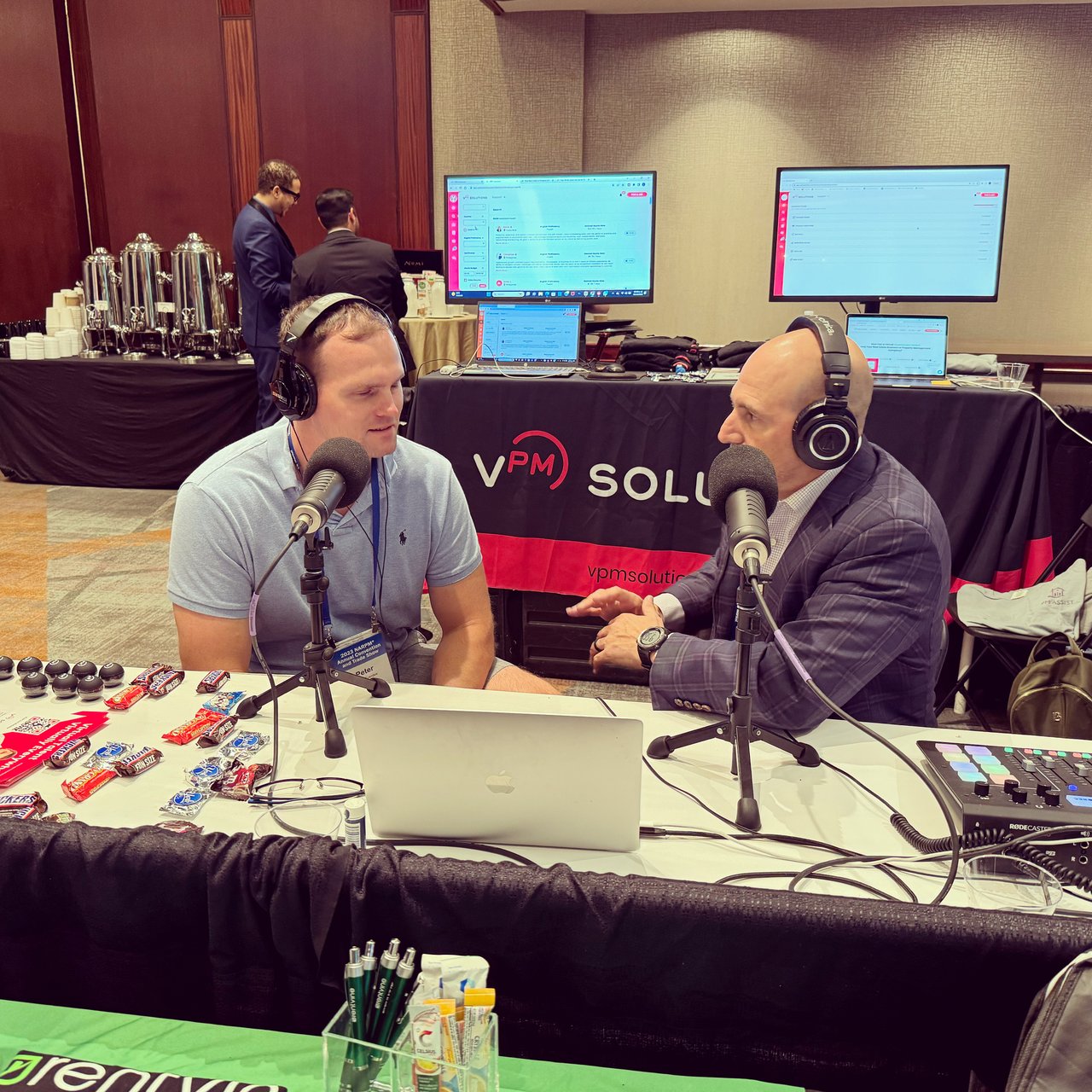
If you are evaluating Elizabeth or nearby Central New Jersey markets and want a more operational view of rent-ready investing, connect with Pete Tverdov to explore a disciplined buy-and-hold strategy.
FAQs
What is workforce housing in Elizabeth, NJ?
- Workforce housing generally refers to housing for households earning about 80% to 120% of Area Median Income, which is different from the federal Housing Choice Voucher program.
What is Section 8 or Housing Choice Voucher housing in Elizabeth, NJ?
- In Elizabeth, the Housing Choice Voucher program is administered by HACE and helps eligible households rent private-market housing, with the tenant paying a share and the housing authority paying a subsidy portion.
When does a landlord get paid for a voucher unit in Elizabeth, NJ?
- HACE says subsidy payments begin only after the unit passes inspection, the lease and subsidy contract are signed, and the file is processed.
Can you charge any rent for a voucher-friendly property in Elizabeth, NJ?
- No. HUD requires the housing authority to determine that the rent is reasonable compared with similar unassisted units before approving the contract or a rent increase.
What happens if a rental unit fails inspection in Elizabeth, NJ?
- HACE states that failed items must be repaired by the deadline, and repeated landlord-side failures can lead to subsidy abatement.
Is the Section 8 waitlist open in Elizabeth, NJ?
- HACE’s public Section 8 page currently states that the waitlist is closed, so investors should not assume immediate new local voucher issuance through that channel.