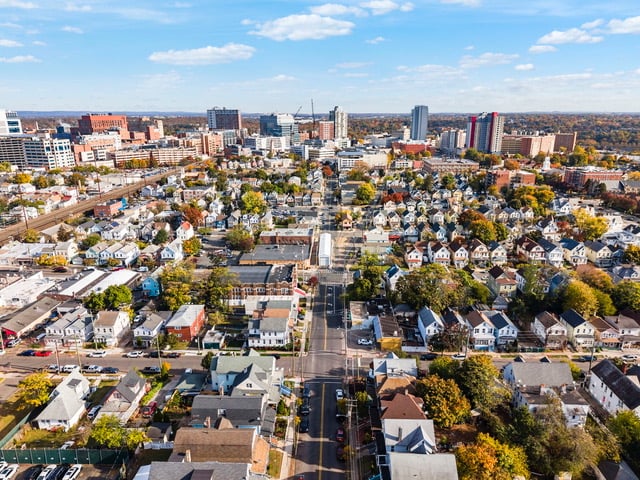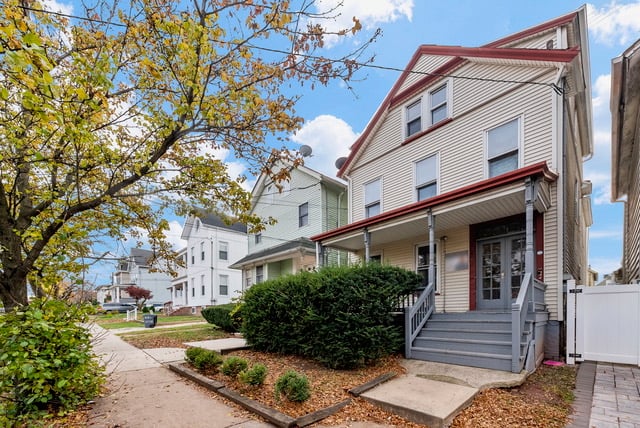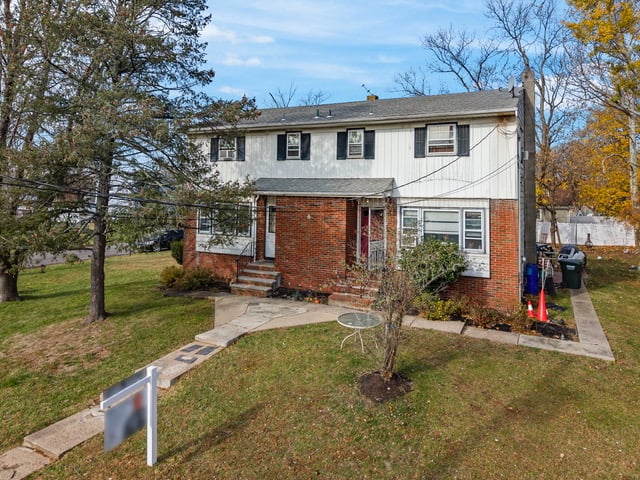
If you are investing in rental property in New Brunswick, one question matters more than almost any finish package or rent-ready upgrade: how will the location fit a renter’s daily life? In a city where many households rent, many renters are cost-burdened, and a sizable share do not have a personal vehicle, neighborhood convenience can shape demand in a big way. When you understand what renters actually prioritize in New Brunswick, you can make better acquisition, rehab, and leasing decisions. Let’s dive in.
Why neighborhood matters in New Brunswick
New Brunswick is a renter-heavy market. Census data shows the owner-occupied housing unit rate is 21.4%, the median gross rent is $1,814, the median household income is $65,810, and the mean travel time to work is 23.3 minutes.
That backdrop helps explain why convenience carries so much weight. A 2023 Regional Plan Association housing profile reports that 65.4% of households are rent-burdened and 33.5% of renter households do not have a personal vehicle.
The same profile notes that small families and people living alone make up nearly 70% of households. It also points to a larger non-family share that is likely tied to off-campus Rutgers students. For investors, that means many renters are choosing neighborhoods based on access, efficiency, and ease of movement.
What renters value most
Walkability and daily errands
In New Brunswick, walkability is not just a lifestyle perk. For many renters, it is a practical part of how they get to class, work, food, and transit without adding time or transportation costs.
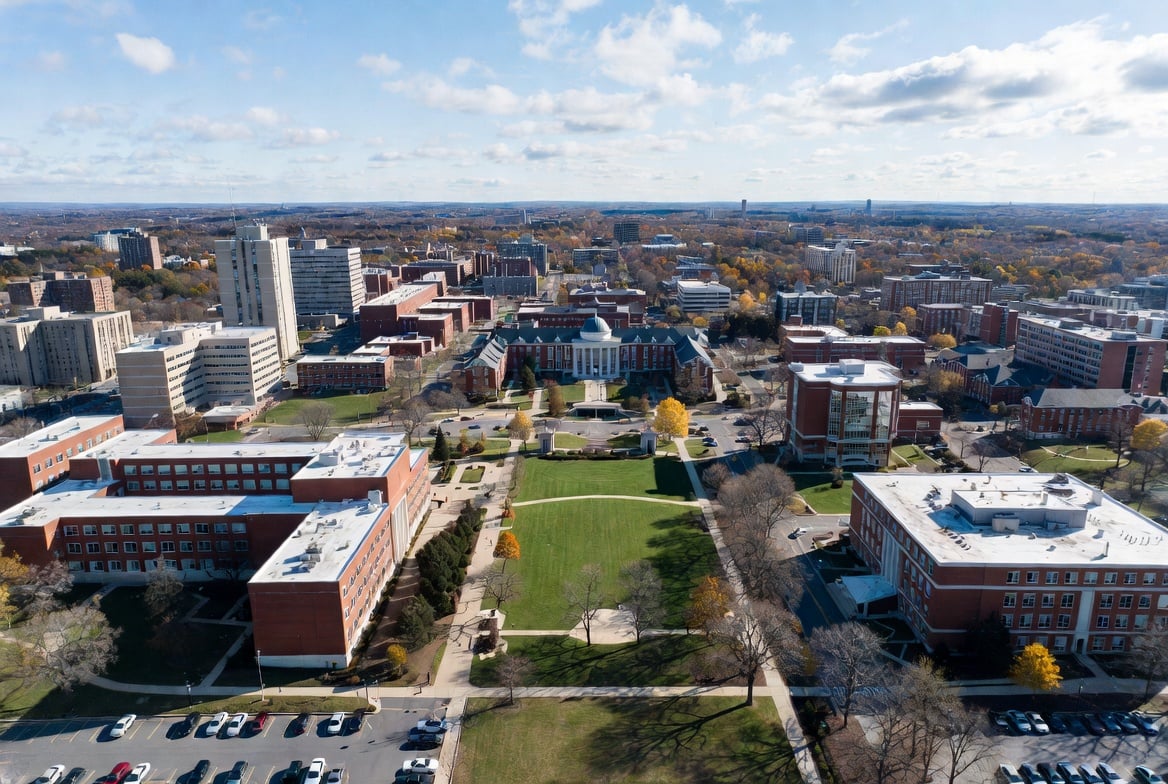
Downtown New Brunswick and the College Avenue area stand out here. Rutgers describes College Avenue as the historic heart of its flagship campus and notes its close connection to downtown cafés, shops, dining, and other daily destinations.
When a renter can walk to multiple parts of daily life, a property often becomes easier to lease. In a market with a meaningful car-free renter population, that convenience can matter more than extra square footage.
Transit access
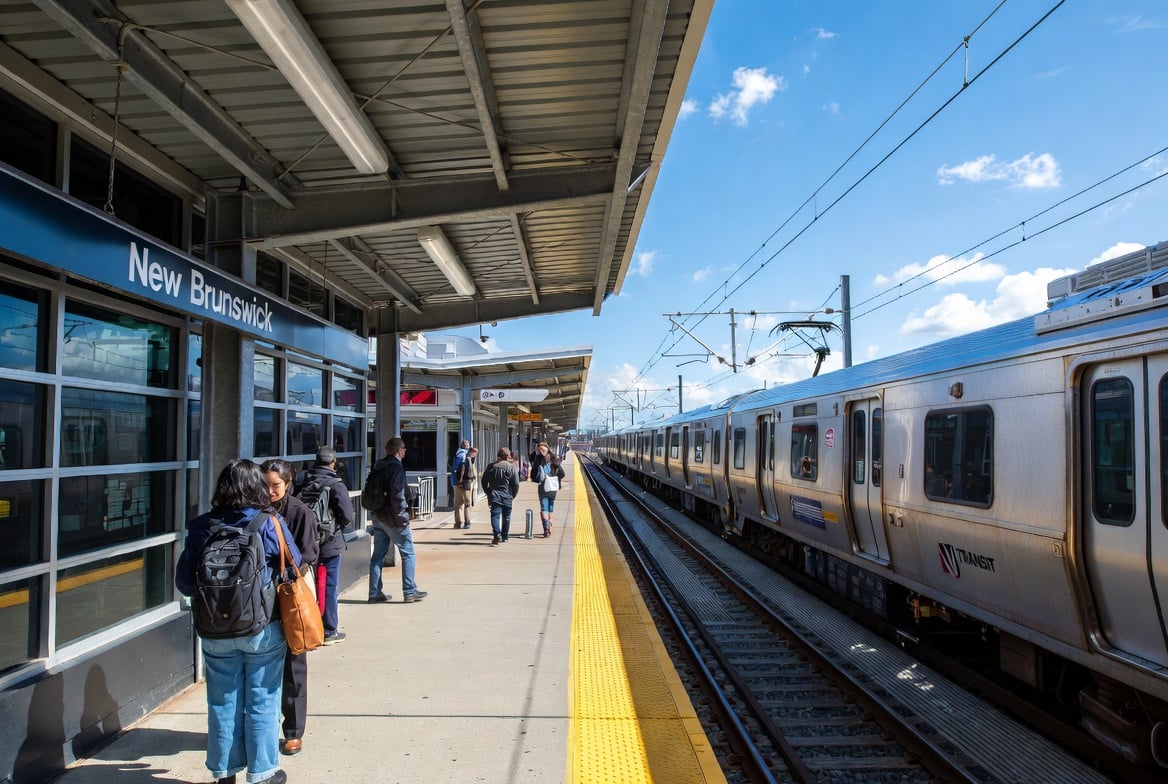
New Brunswick Station is a major draw for renters who commute within the region. NJ Transit places the station on the Northeast Corridor line, with local and express service between New York Penn Station, Newark, and Trenton.
The station area also benefits from local bus service. Rutgers notes several routes serve the area, including 810, 811, 814, 815, and 818, which makes the station more than a rail stop and more of a local transfer point.
For an investor, that matters because transit access broadens the renter pool. A property near the station may appeal to students, regional commuters, university employees, and hospital workers who want a simpler trip.
Access to Rutgers and healthcare employers
Two of New Brunswick’s strongest demand anchors are Rutgers and the local healthcare sector. Rutgers links five campuses with a free intercampus bus system, and its off-campus housing guidance notes that undergraduates often value proximity to College Avenue and the bus network.
Healthcare is another major location driver. Robert Wood Johnson University Hospital identifies its New Brunswick facility as New Jersey’s largest academic medical center, Saint Peter’s University Hospital is a 478-bed teaching hospital on Easton Avenue, and the Jack & Sheryl Morris Cancer Center is the state’s first and only freestanding cancer hospital.
These institutions shape how renters evaluate neighborhoods. Many are looking for shorter commutes, easier shift scheduling, or smoother access to campus and work instead of a long list of luxury amenities.
Parks, riverfront, and green space
Not every renter is chasing the most urban block in the city. Some want outdoor access, quieter surroundings, or a break from a denser streetscape while still staying connected to Rutgers and downtown.
That is where New Brunswick’s parks and riverfront assets become meaningful. Middlesex County describes New Brunswick Landing at Boyd Park as a riverfront amenity with Raritan River views, a pedestrian bridge, access to the D&R Canal towpath, and a short walk to the city’s commercial and historic districts.
Rutgers also adds to the city’s green-space appeal. Rutgers Gardens includes a 180-acre public botanical garden, and Rutgers describes southern neighborhoods as tree-lined and connected to parks, a working farm, and botanical garden space.
Neighborhood patterns renters notice
Downtown and College Avenue
If you are evaluating pure convenience, this is one of New Brunswick’s clearest demand stories. Rutgers places College Avenue in the historic campus core and describes it as adjacent to downtown, theaters, restaurants, shopping, nightlife, and the train station.
This area tends to fit renters who want to live close to activity and reduce travel time. From an investment standpoint, it often supports a strong case for smaller, efficient units where location does a lot of the work.
Easton Avenue and the healthcare corridor
The Easton Avenue area offers a different kind of convenience. Rutgers’ neighborhood overview points to the lively Easton Avenue area along with nearby healthcare institutions, and Saint Peter’s University Hospital is directly on Easton Avenue.
With RWJUH and the Morris Cancer Center also nearby, this corridor has clear appeal for renters focused on practical access. In this part of the market, commute efficiency and everyday function may matter more than a quieter setting.
Esperanza and French Street
Some renters want more than proximity alone. They also want a neighborhood with a distinct local feel and a commercial corridor that supports everyday routines.
Rutgers’ neighborhood overview says the Esperanza neighborhood sits west of City Center and includes the French Street corridor, known for local businesses, shops, and a wide range of Latin American and Caribbean cuisine, including more than 15 Mexican eateries. That kind of established neighborhood identity can be a meaningful draw for renters comparing options.
Cook, Douglass, and the south side
The south side offers a different value proposition than downtown. Rutgers describes this area as tree-lined and anchored by Douglass and Cook, with municipal parks, a working farm, and a botanical garden.
For renters who prefer more green space or a less dense feel, this part of New Brunswick can stand out. It may also align well with renters who want apartment-style living or a quieter environment while staying connected to the university setting.
Riverfront and Boyd Park
Riverfront access gives renters another way to think about location. Middlesex County’s description of New Brunswick Landing at Boyd Park highlights river views, outdoor access, a pedestrian bridge, and close proximity to the city’s commercial and historic districts.
For some renters, that mix creates a strong balance. They can stay near downtown activity while gaining outdoor space and a setting that feels a bit less intense than the core.
What this means for investors
Convenience often beats cosmetic upgrades
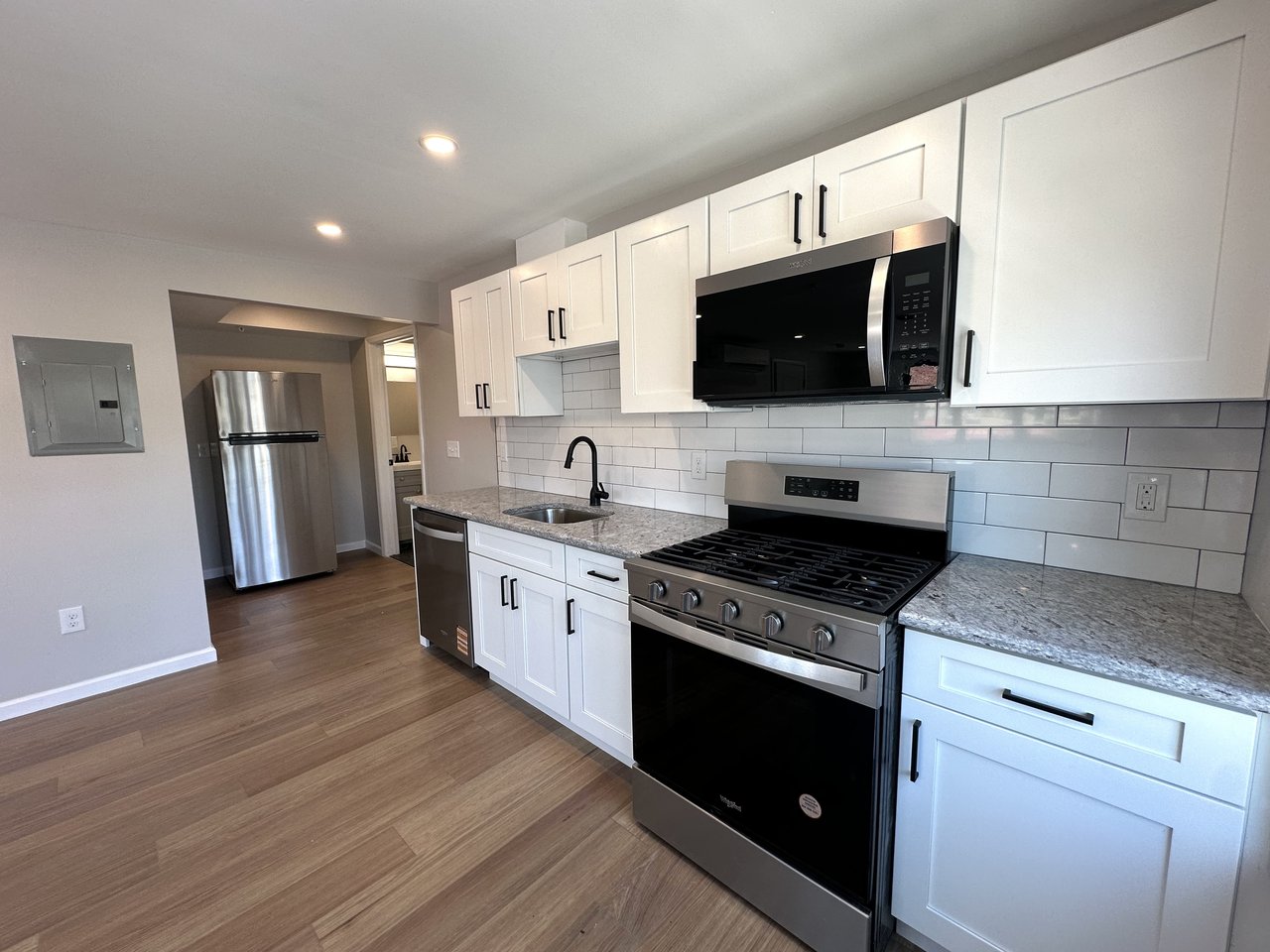
In New Brunswick, a polished unit helps, but location efficiency often does more for leasing performance. The local market data points toward renters who are weighing cost, commute, and daily convenience very closely.
The RPA profile also notes a Walk Score of 73 and a Bike Score of 60. Combined with the city’s rent burden and car-free renter share, that suggests practical location benefits can outperform upgrades that look good in photos but do not improve daily life.
The strongest stories usually combine anchors
The most compelling leasing setups often combine access points. A property that offers walk-to-train and walk-to-campus access, or walk-to-hospital and walk-to-park access, may present a clearer renter value proposition than one with only a single draw.
That does not mean every property needs to sit in the center of everything. It means the best-performing locations usually make a renter’s routine easier in more than one way.
Unit strategy should follow neighborhood logic
Different parts of New Brunswick support different renter priorities. In the downtown and College Avenue core, smaller and efficient units may align well with the local household mix, especially given the city’s high share of small households and non-family renters.
In the healthcare corridor, practical features can carry more weight. Easy transit access, straightforward layouts, durable finishes, and useful parking may align better with renters focused on work access and reliability.
In the south side and riverfront areas, the story may shift toward quieter surroundings, greenery, and a less urban feel. Those neighborhood-level differences are why local knowledge matters so much when underwriting an acquisition or planning a renovation.
A smarter way to read renter demand
The biggest takeaway is simple: renters in New Brunswick are often choosing between daily-life patterns, not just price points. Downtown and College Avenue offer speed and density. Easton Avenue offers direct access to healthcare and campus activity. French Street and Esperanza offer neighborhood identity and local retail. The south side offers tree-lined streets and green space. The riverfront offers views and outdoor access.
When you evaluate a property through that lens, you can better match the asset to the renter most likely to value it. That can lead to stronger leasing, more durable occupancy, and a clearer investment strategy over time.
If you want help identifying rent-ready opportunities in New Brunswick and understanding which neighborhood story best supports your investment goals, connect with Pete Tverdov.
FAQs
What do renters in New Brunswick neighborhoods care about most?
- Renters often prioritize walkability, transit access, proximity to Rutgers or major healthcare employers, and access to daily needs like food, shops, and parks.
Which New Brunswick neighborhoods are most walkable for renters?
- Downtown New Brunswick and the College Avenue area stand out for walkability because they are closely tied to campus, restaurants, shops, and the train station.
Why does transit matter so much in New Brunswick rental demand?
- Transit matters because many renters value easy access to New York, Newark, Trenton, and local bus connections, and a notable share of renter households do not have a personal vehicle.
How does Rutgers influence New Brunswick neighborhood demand?
- Rutgers shapes demand through its five-campus system, free intercampus bus service, and steady need for housing near College Avenue and other campus-connected areas.
How do hospitals affect New Brunswick rental housing demand?
- Major medical institutions like Robert Wood Johnson University Hospital, Saint Peter’s University Hospital, and the Morris Cancer Center increase demand for homes with practical access to work and transit.
Which New Brunswick areas appeal to renters who want more green space?
- The Cook, Douglass, south side, and riverfront areas may appeal to renters looking for tree-lined streets, parks, botanical gardens, or access to the Raritan River and towpath.
What does this mean for buying rental property in New Brunswick?
- It means you should evaluate how a property supports a renter’s routine, because neighborhood convenience and proximity to key anchors can be just as important as the unit itself.