If you are thinking about owning rentals near Rutgers in New Brunswick, the first thing to know is this: you are not buying a quiet, low-touch suburban rental. You are stepping into a dense, renter-heavy market shaped by the university calendar, frequent turnover, and a constant need for solid operations. If you understand that from day one, you can make better decisions about what to buy, how to manage it, and what kind of ownership experience to expect. Let’s dive in.
Rutgers Drives Rental Demand
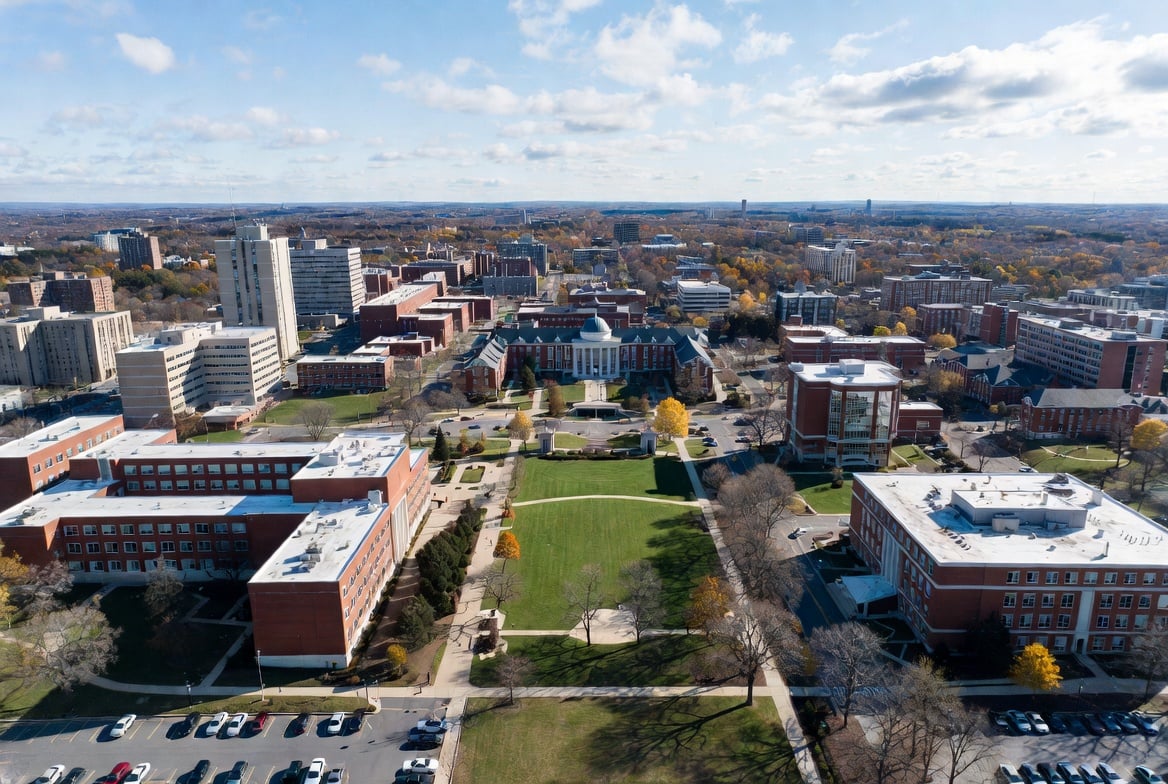
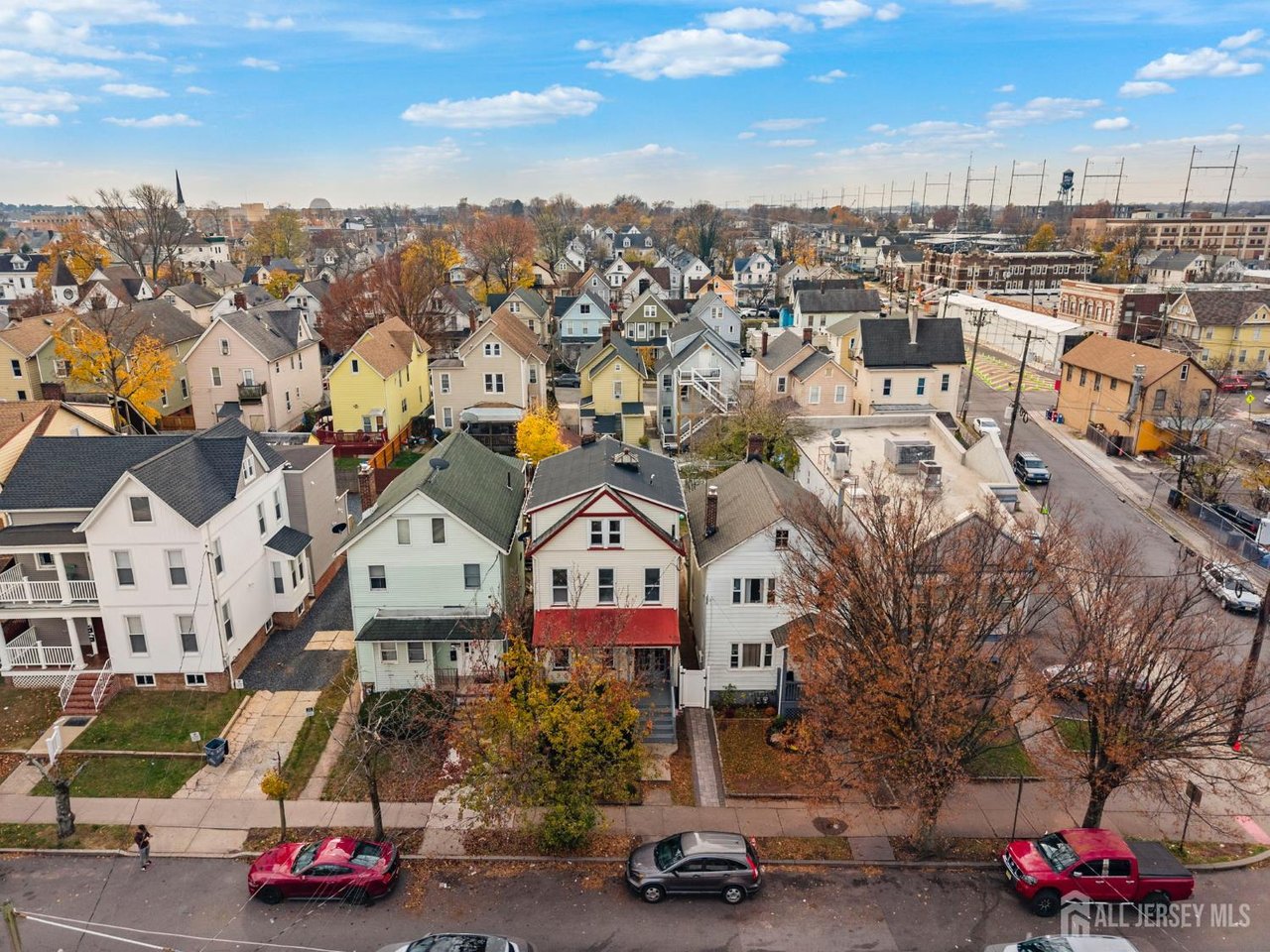
New Brunswick functions as a true college-town rental market. Rutgers University reported more than 51,400 undergraduates and 19,400 graduate students for Fall 2025, which creates a large built-in pool of renters tied to the area.
That demand sits on top of a city profile that already leans heavily toward renting. New Brunswick had a median gross rent of $1,814, an owner-occupied housing rate of 21.4 percent, a median age of 24.8, and 22.4 percent of residents moved in the prior year. Taken together, those numbers point to a younger, more mobile population and a market where turnover is part of normal operations.
Tenant Mix Is Broader Than Students
It is easy to assume every rental near Rutgers is purely student housing, but the tenant picture is a little more layered. Rutgers describes New Brunswick as the core college-town option for people connected to the university, especially undergraduates who benefit from the Rutgers bus system and access to the College Avenue Campus.
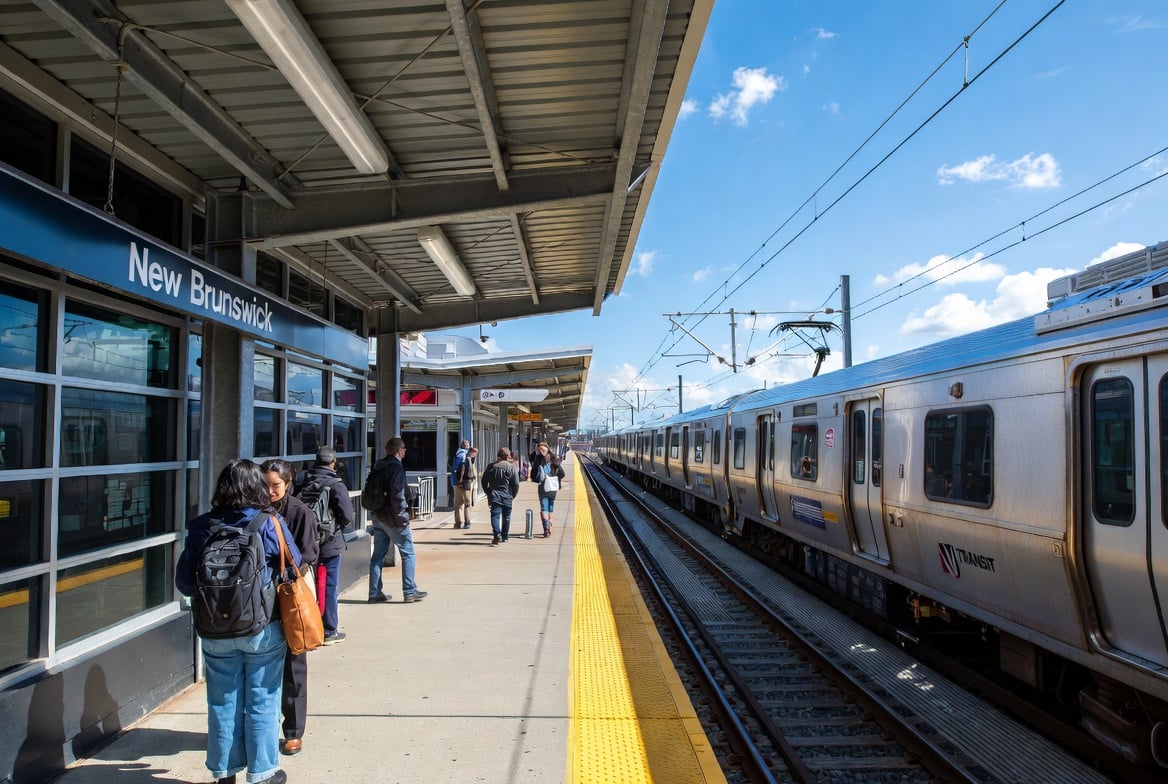
At the same time, graduate students and faculty may prefer quieter locations, and the local train station connects New Brunswick to Manhattan, Princeton, and Philadelphia. That helps explain why the area can also attract renters who value transit access and proximity to downtown activity. For you as an owner, that means some properties may fit roommate-style student demand, while others may appeal to smaller households looking for convenience.
Rental Property Types Near Campus
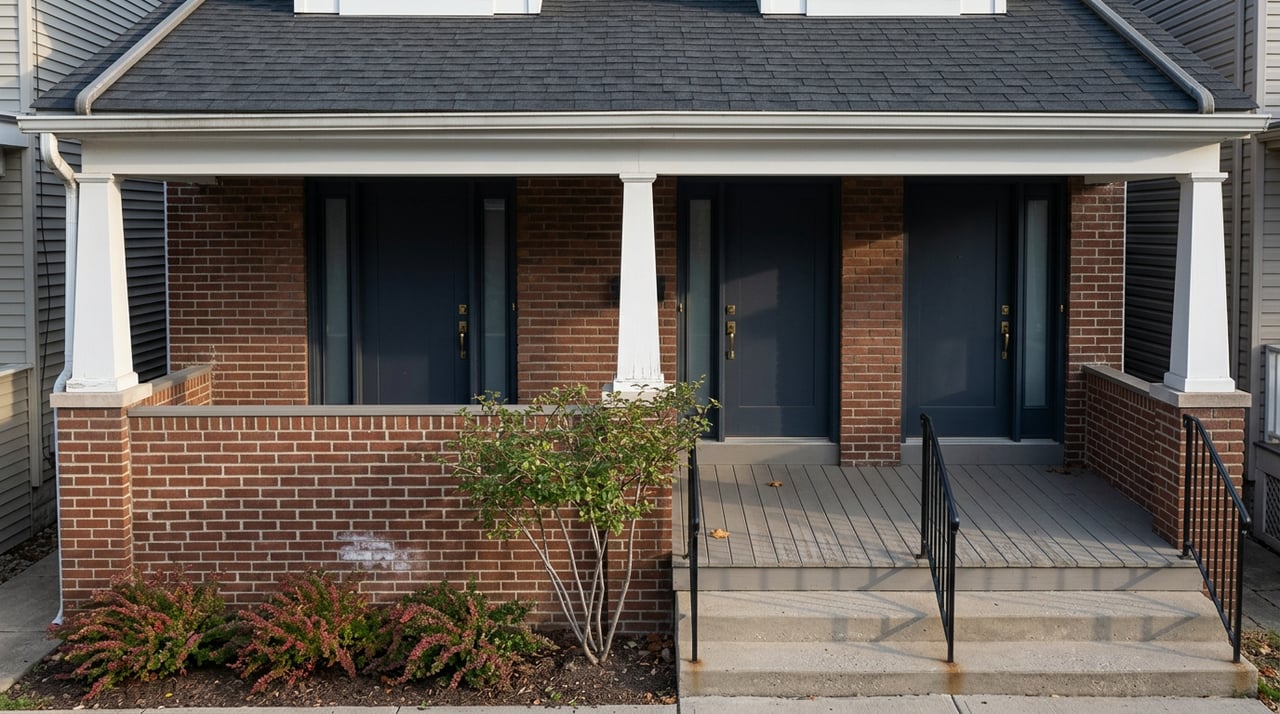
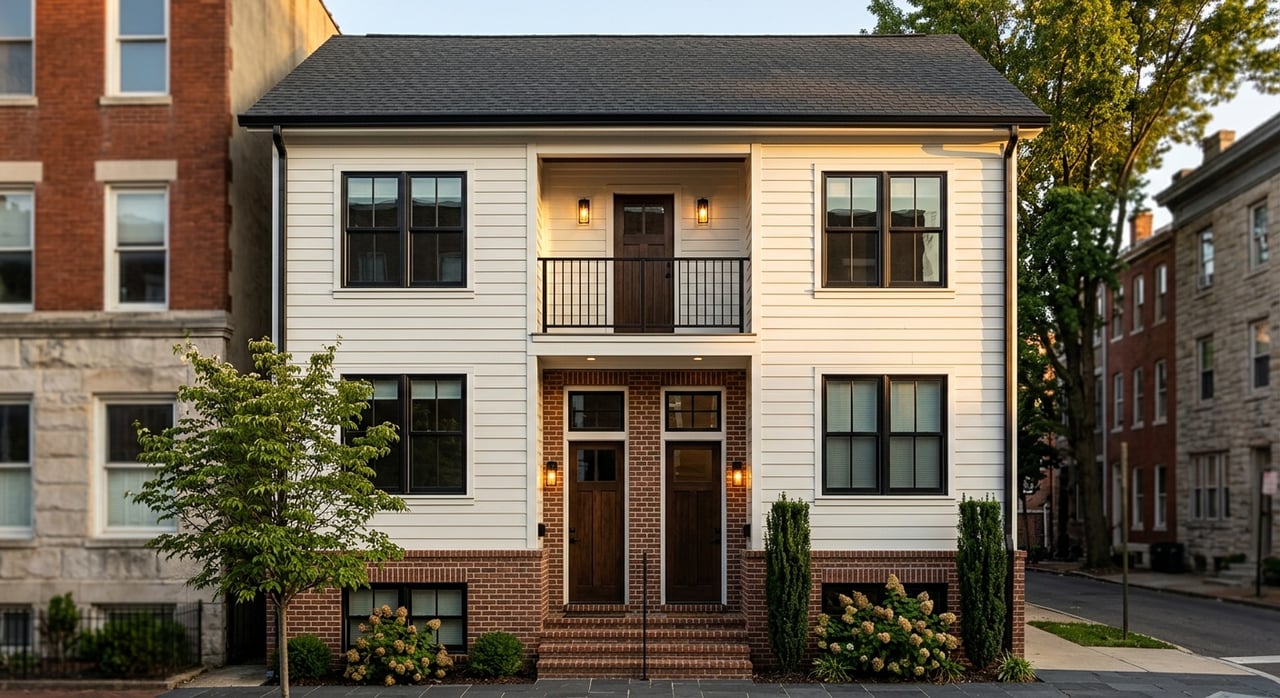
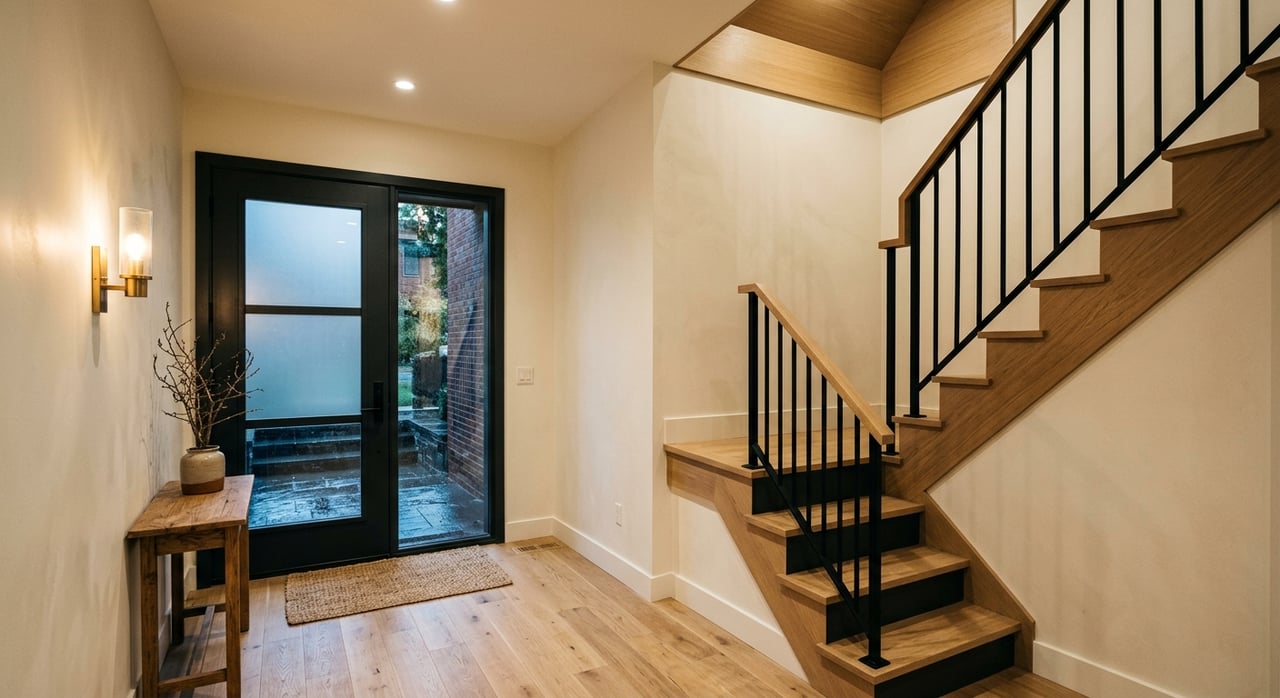
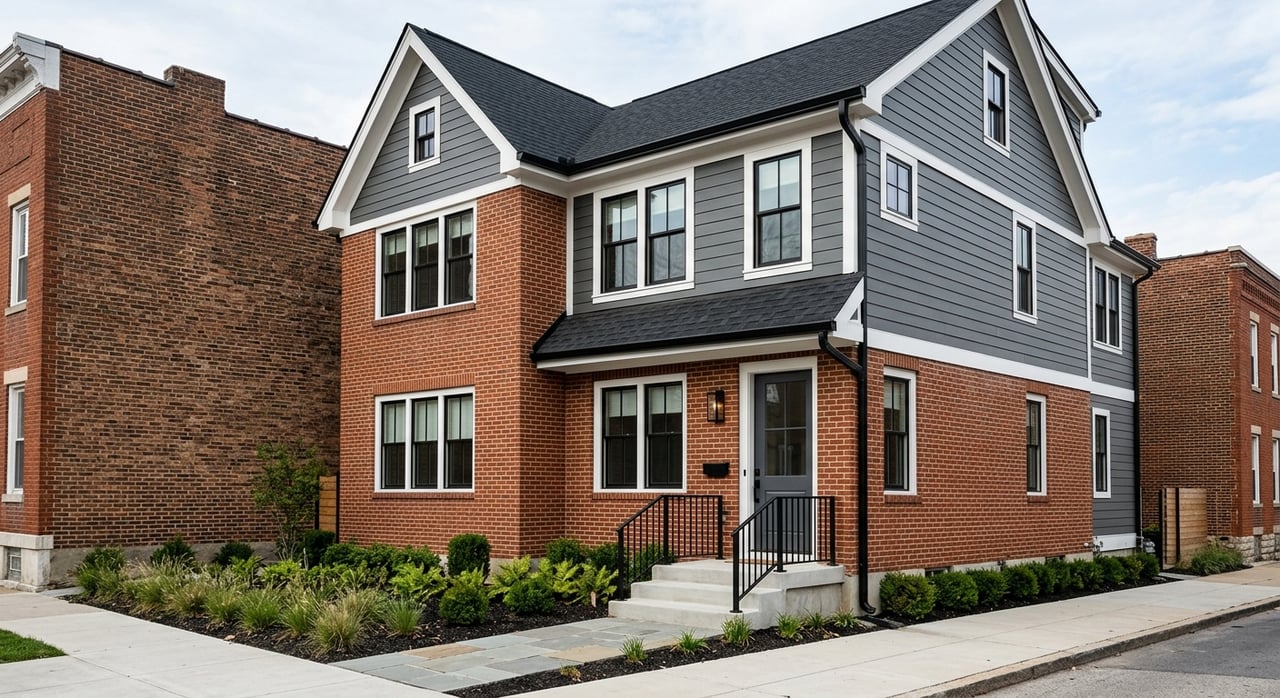
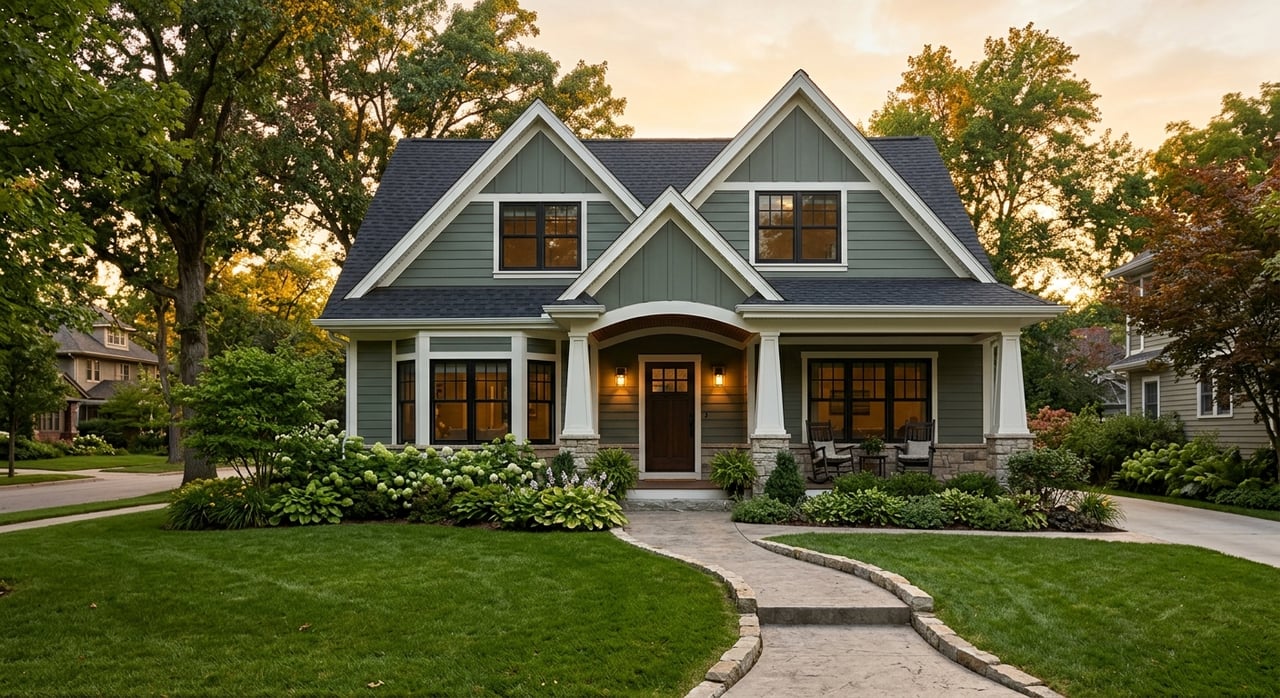
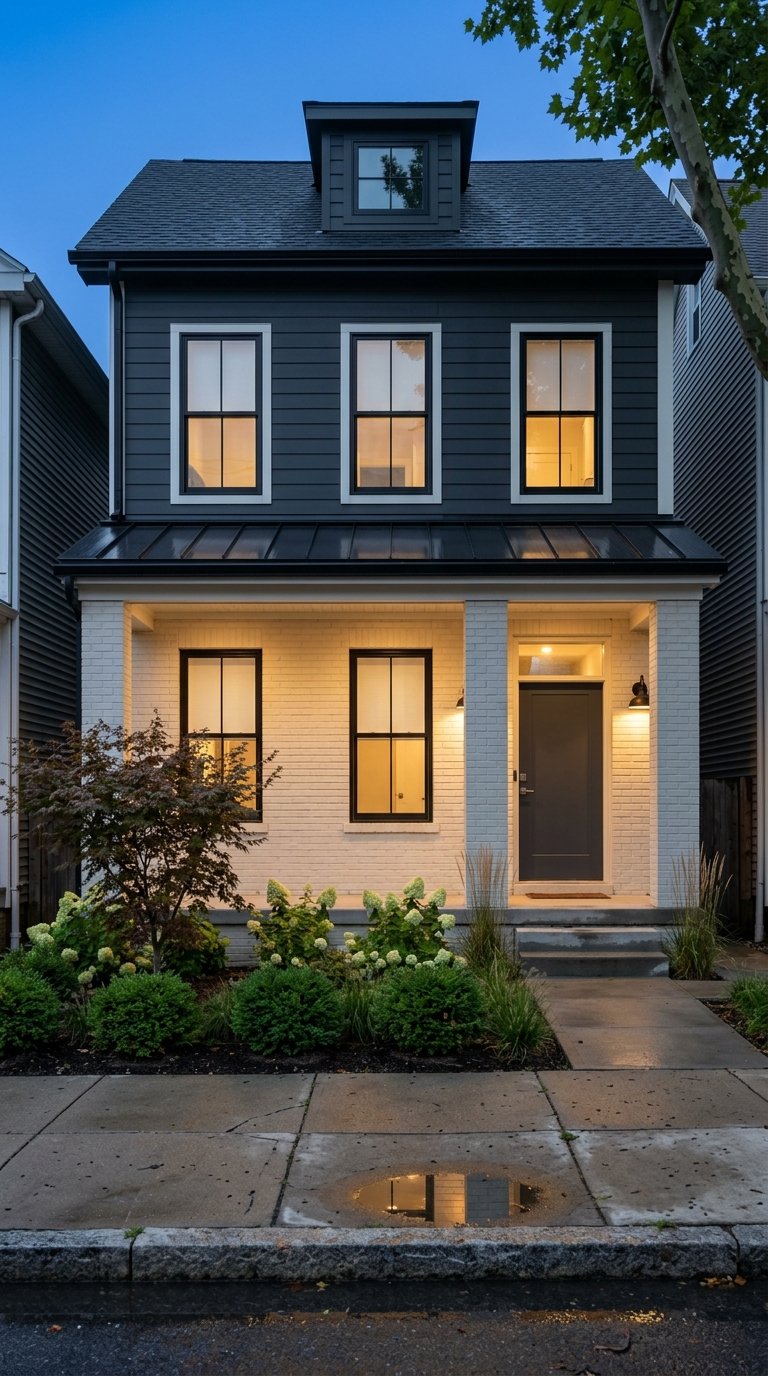
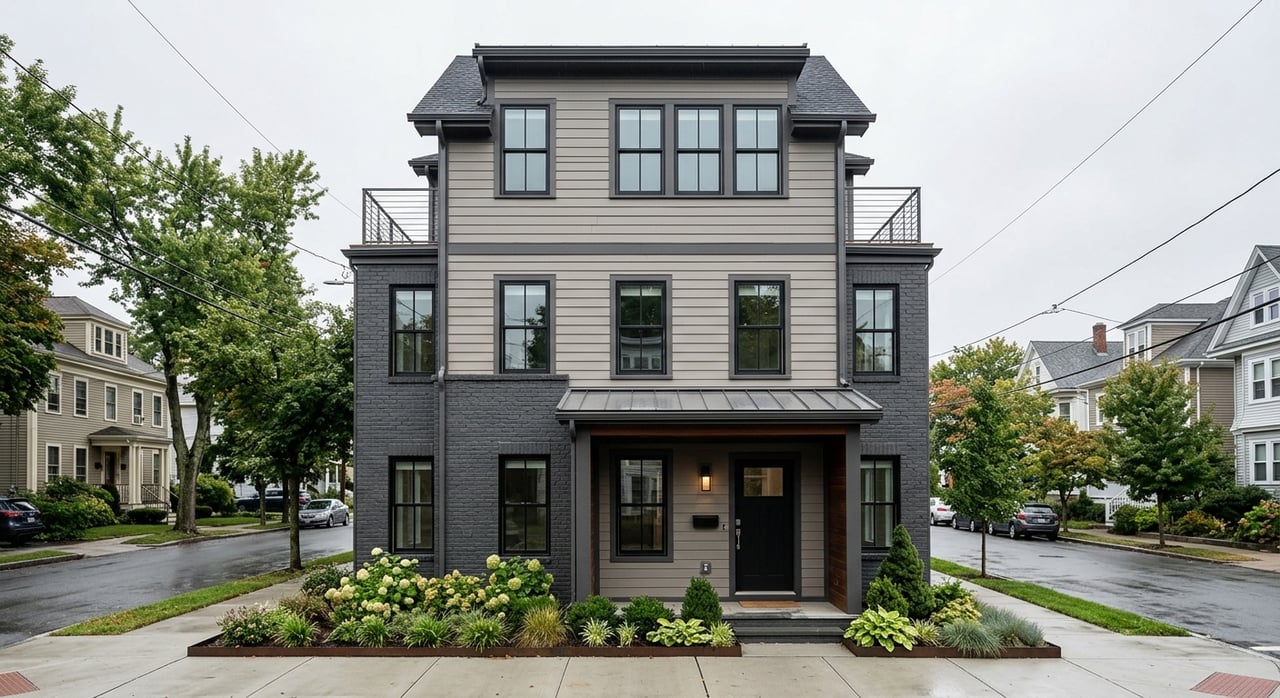
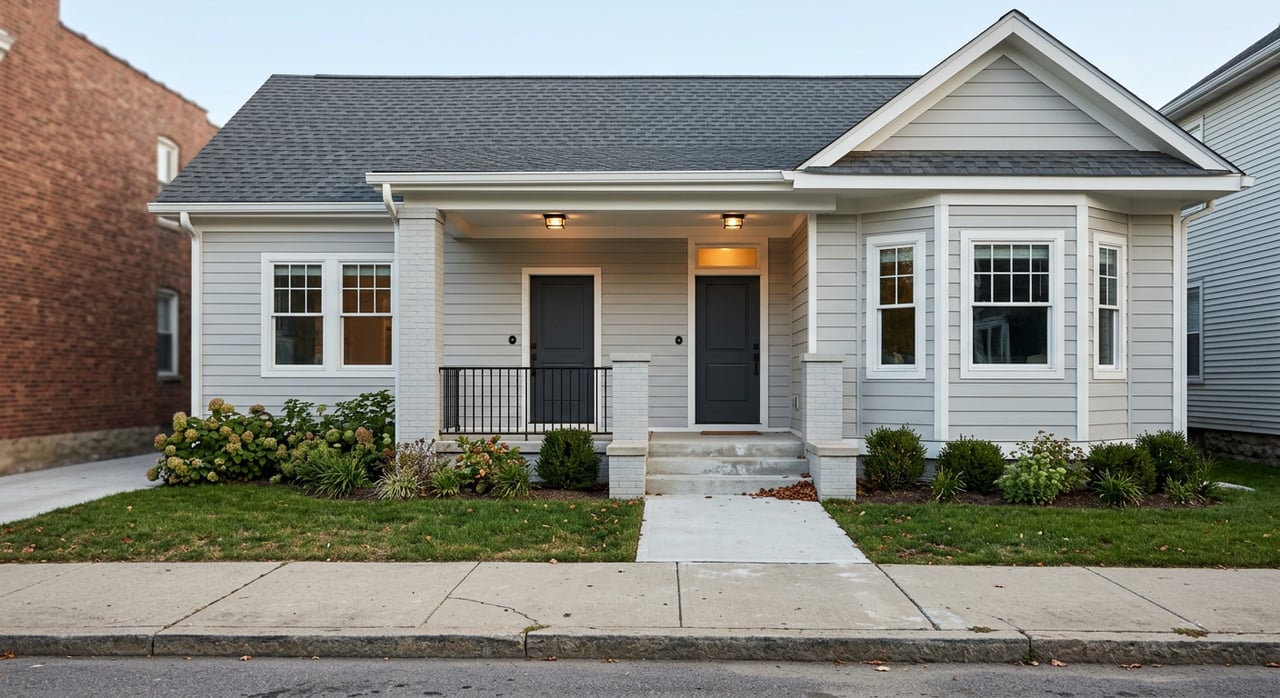
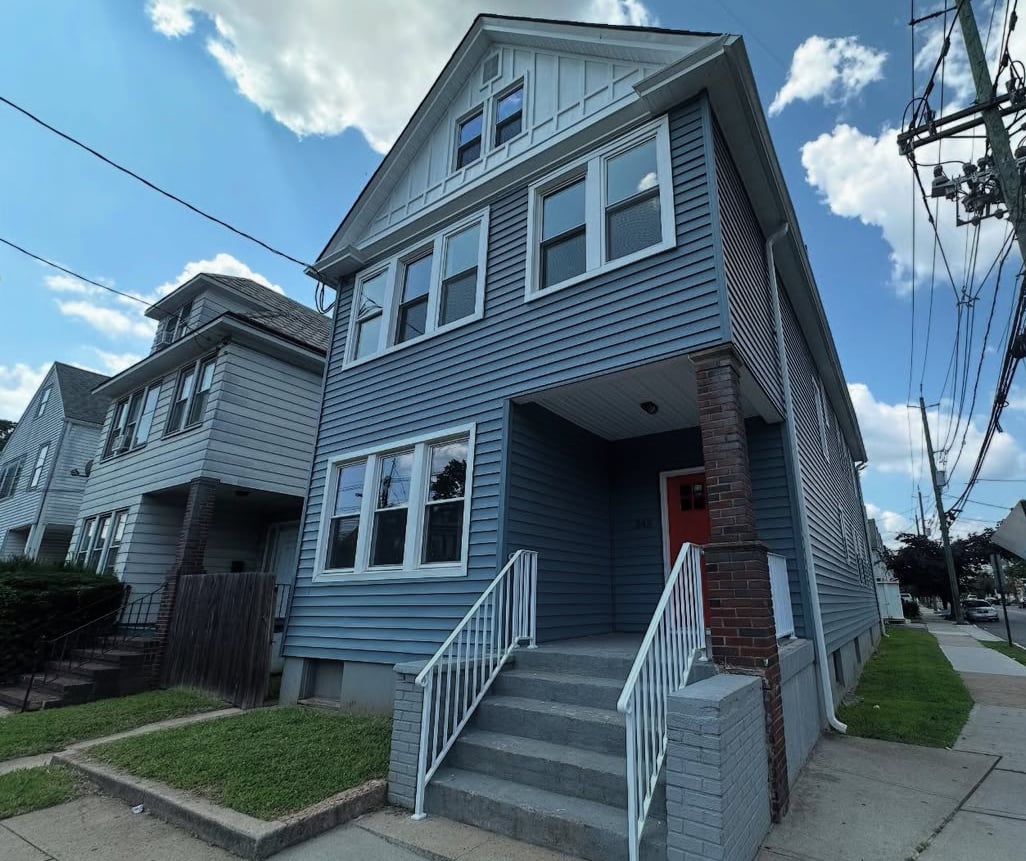
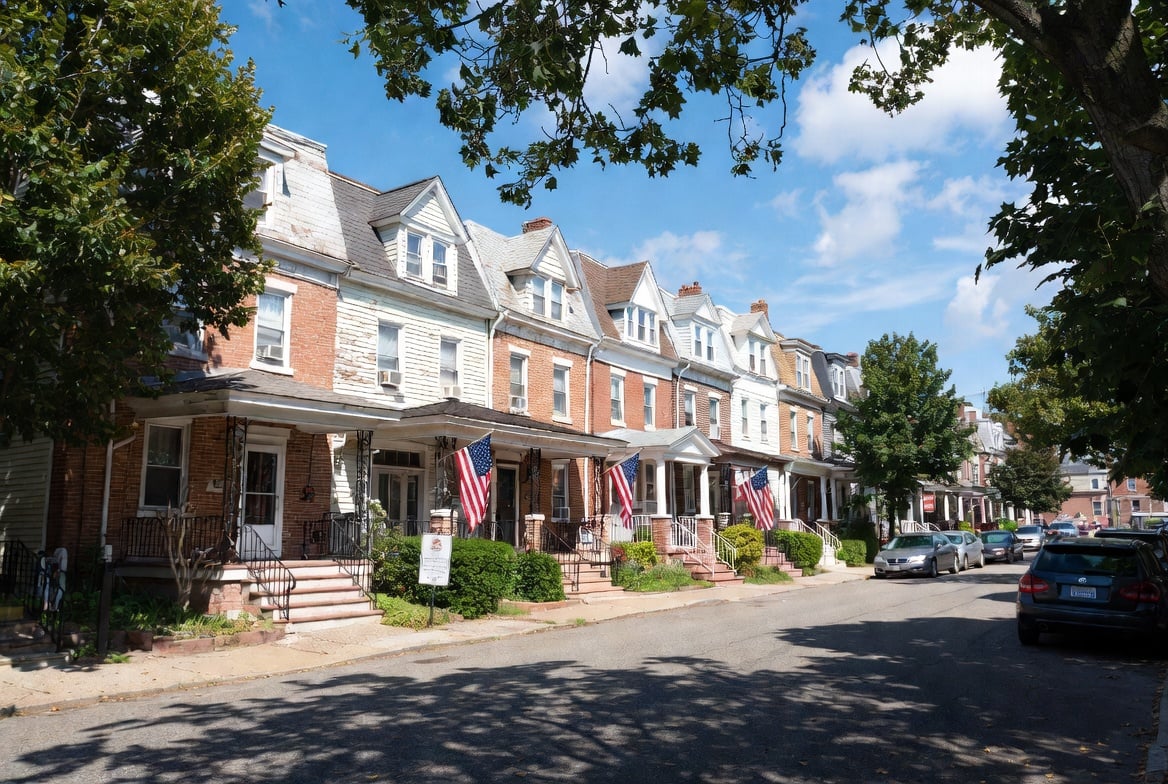
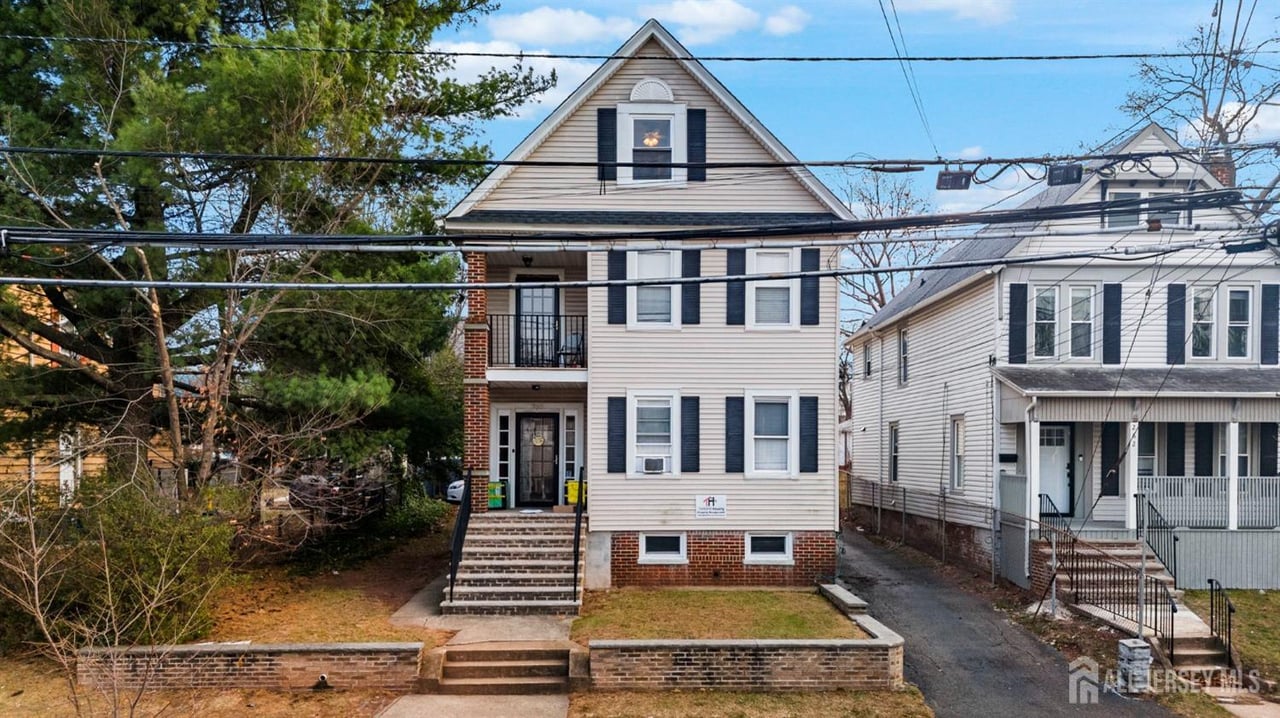
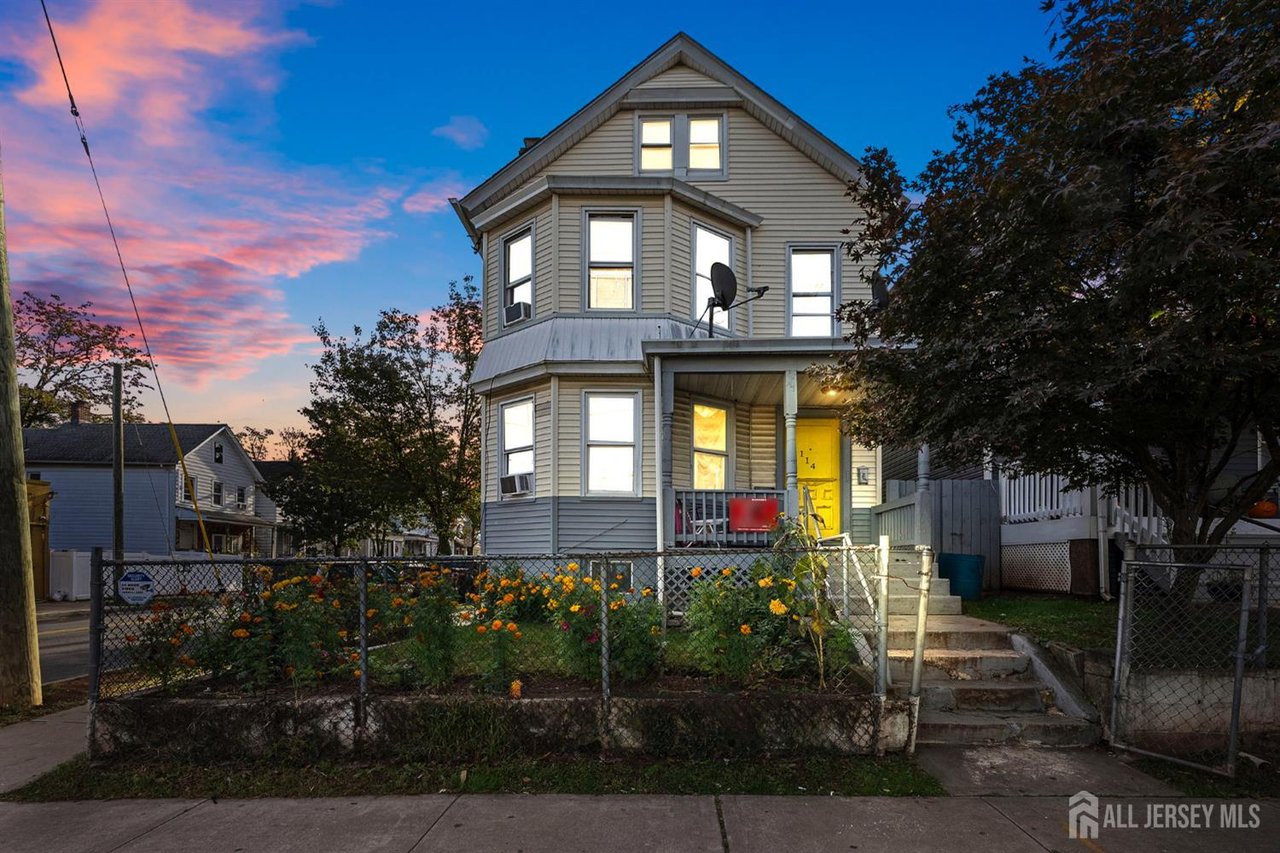
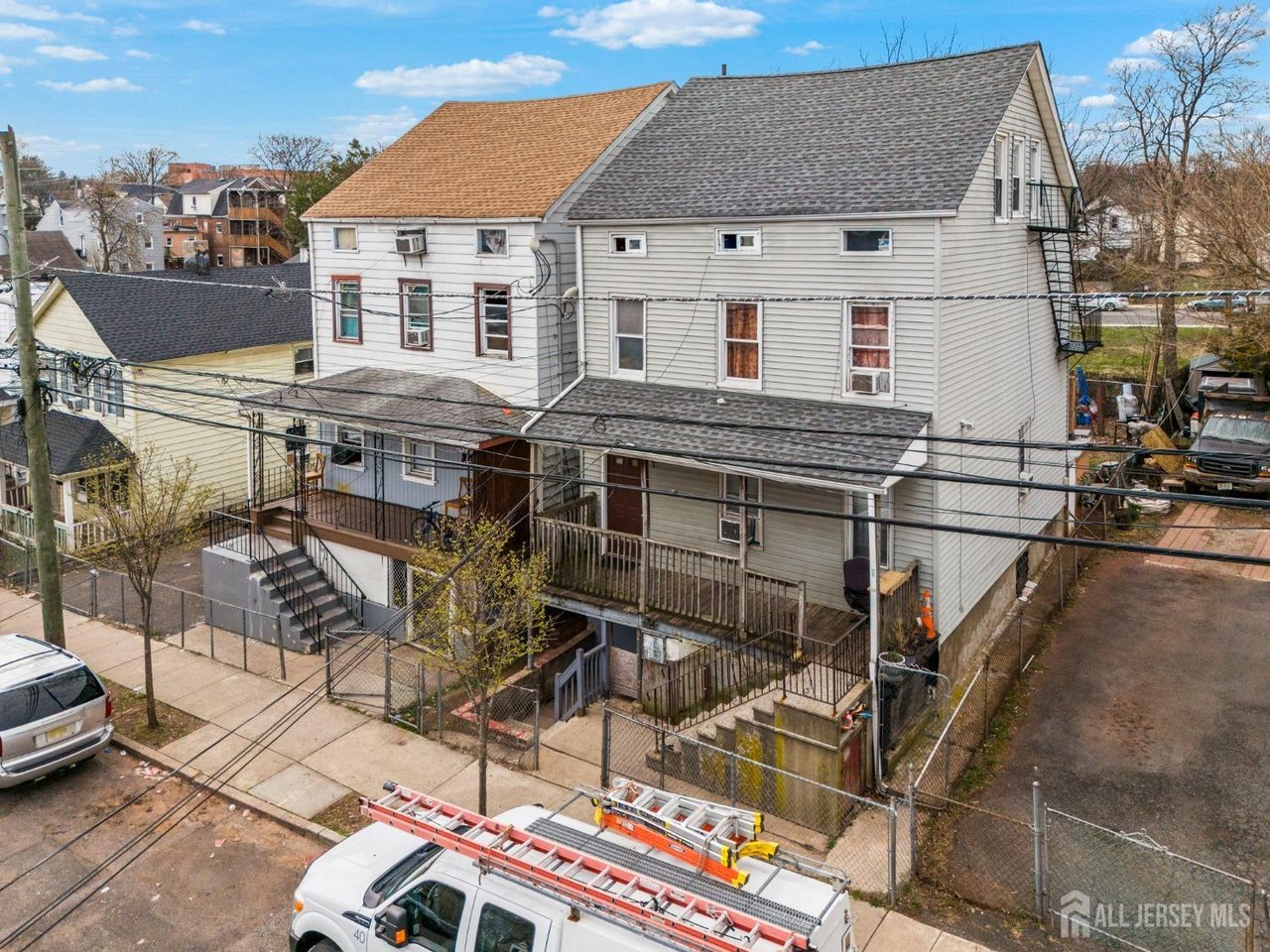
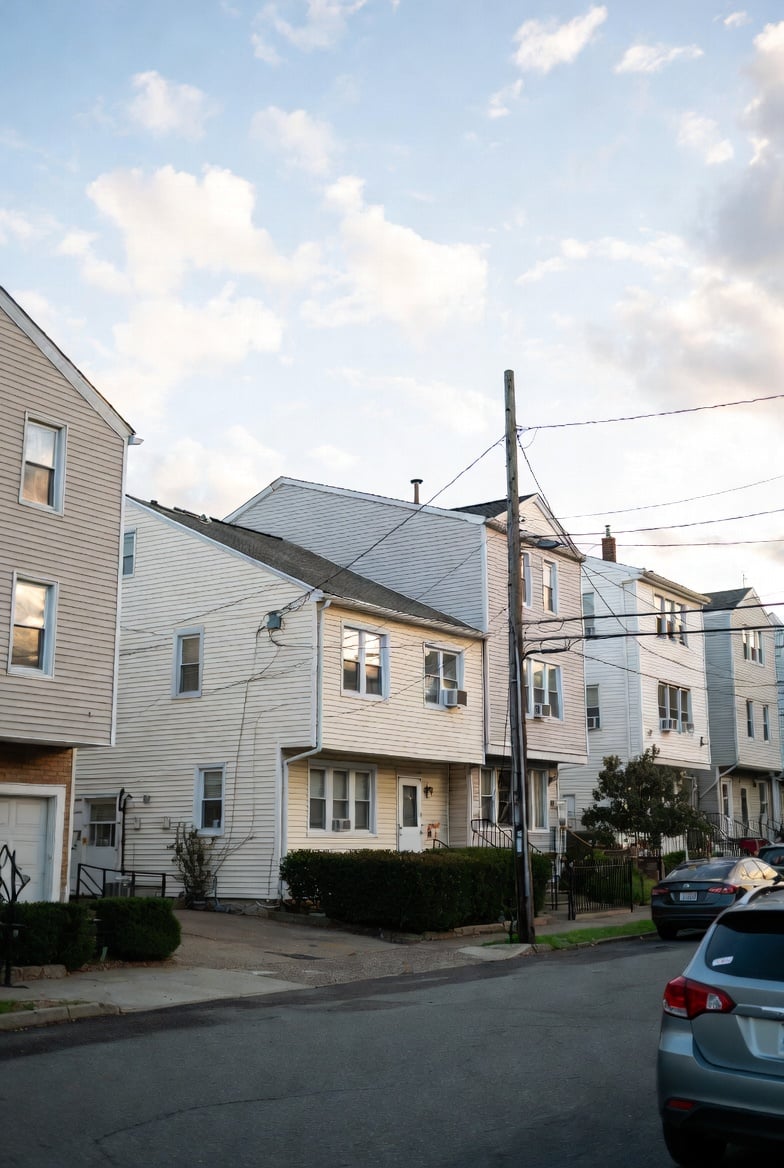
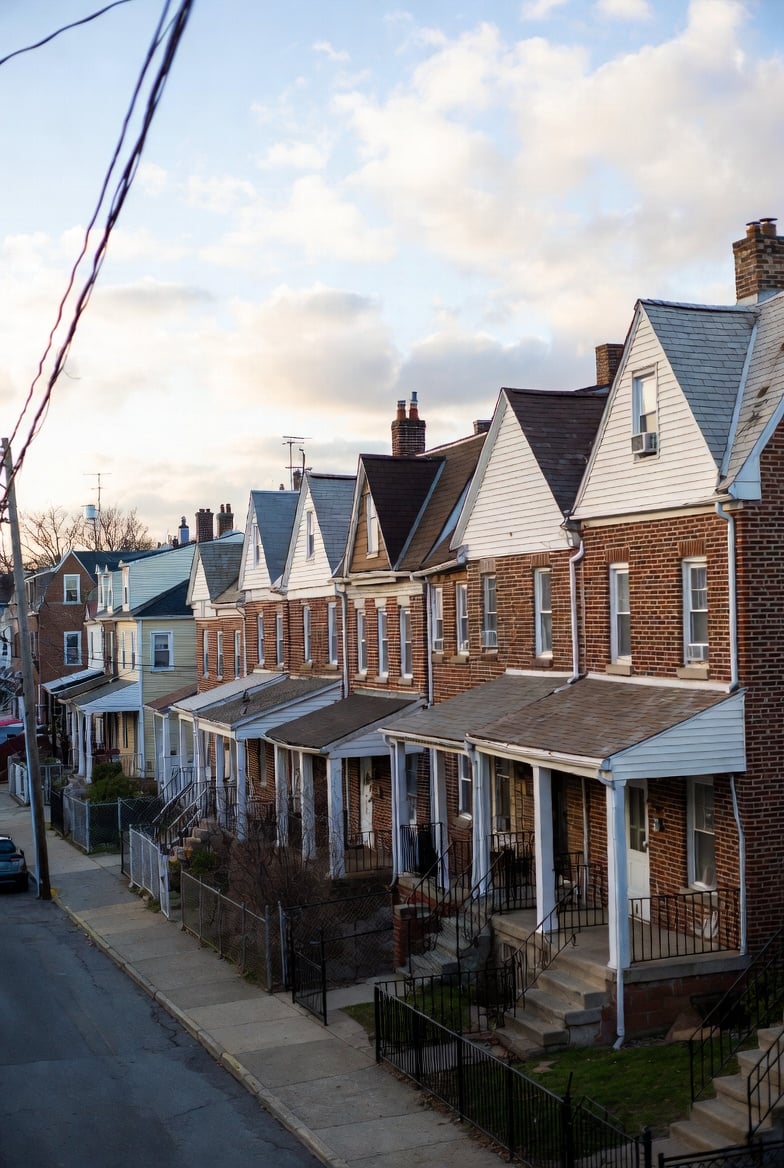
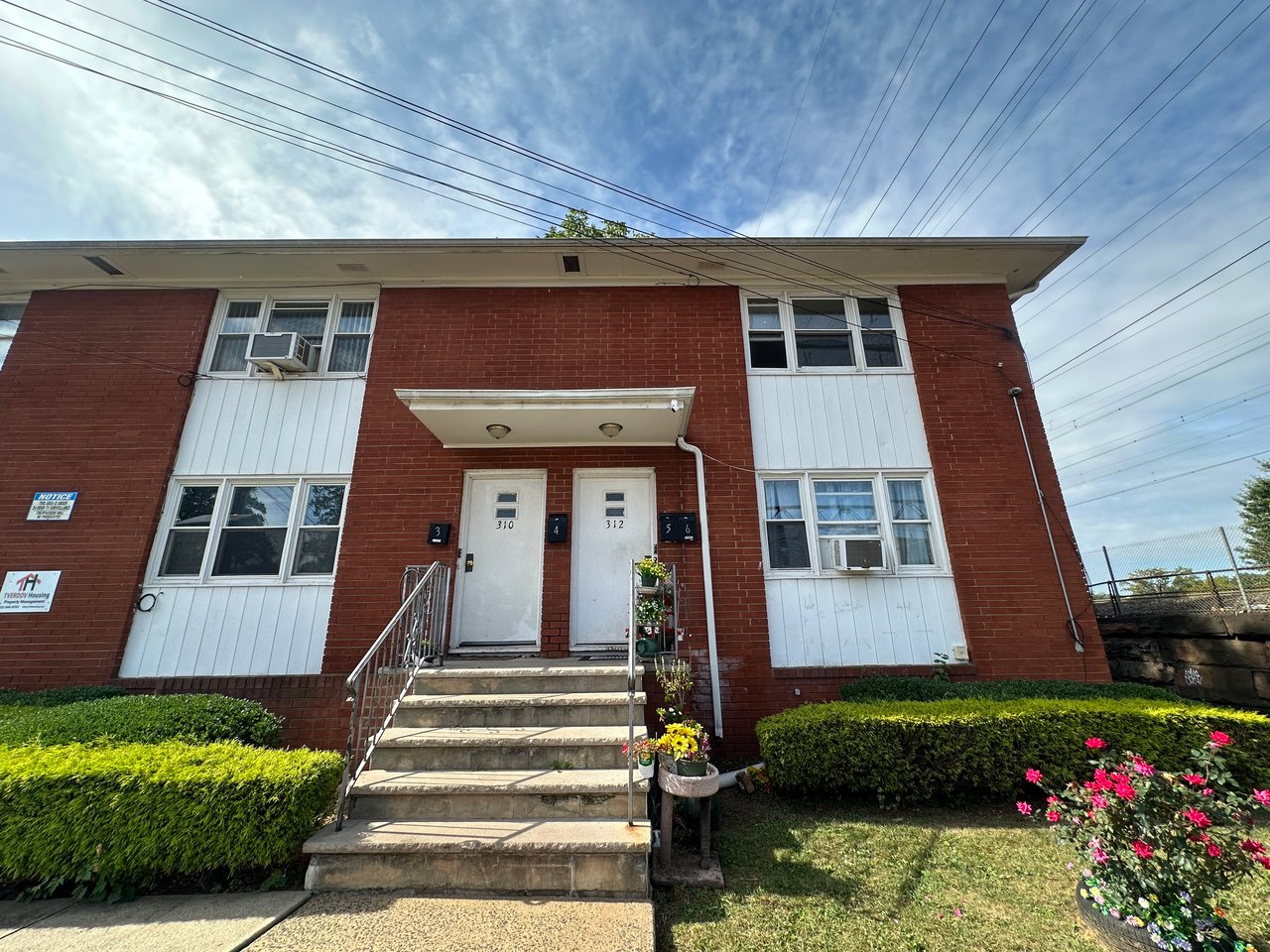
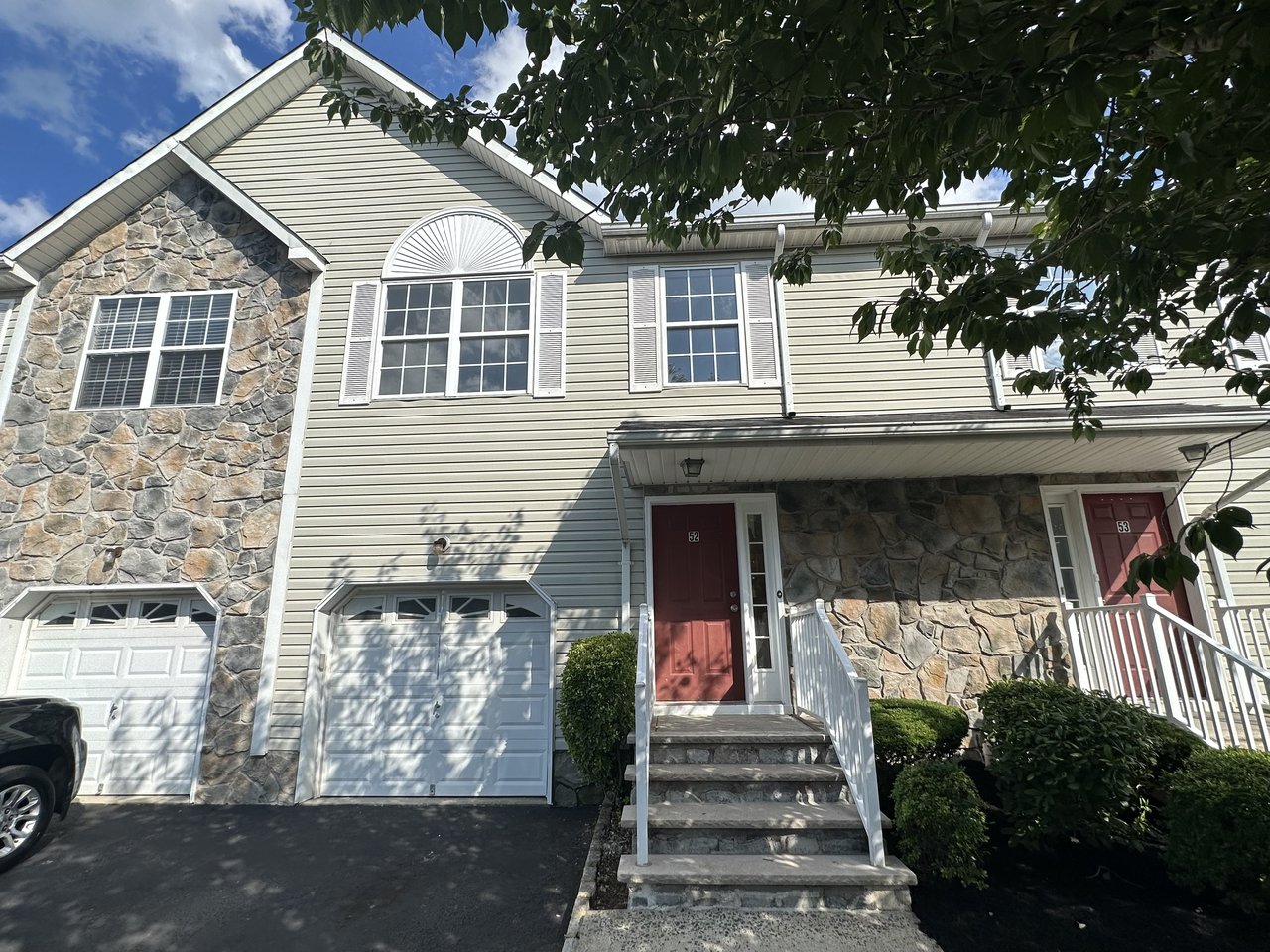
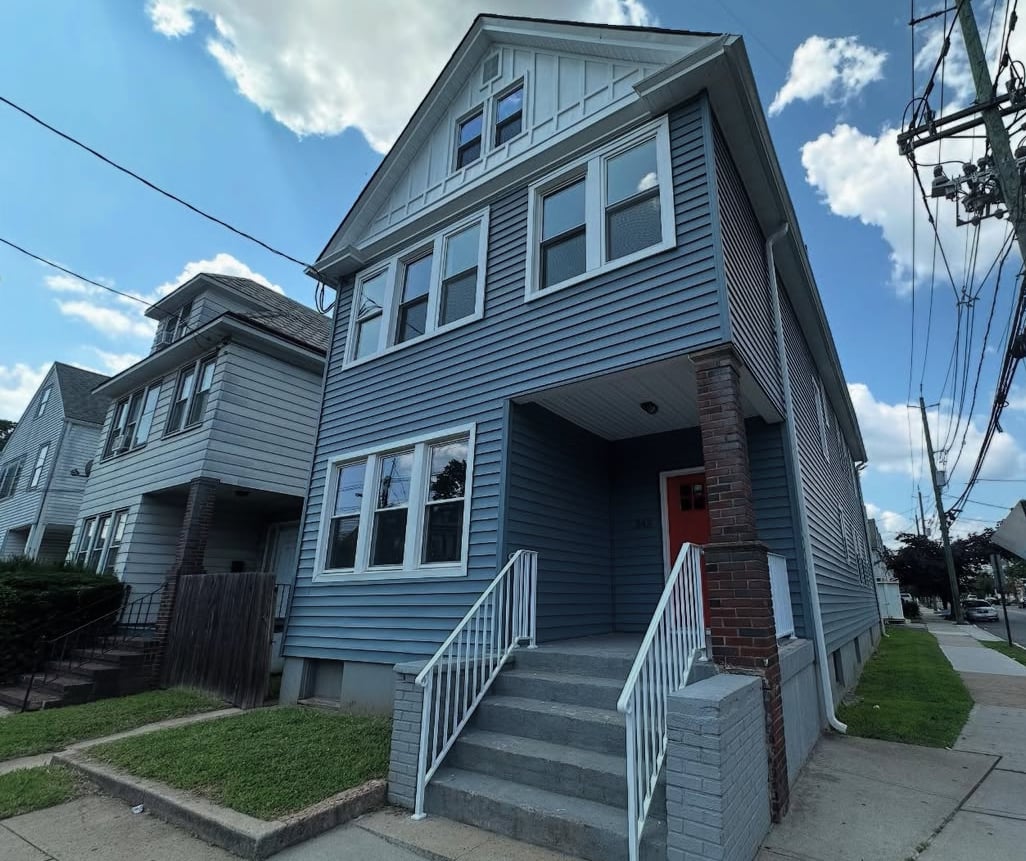
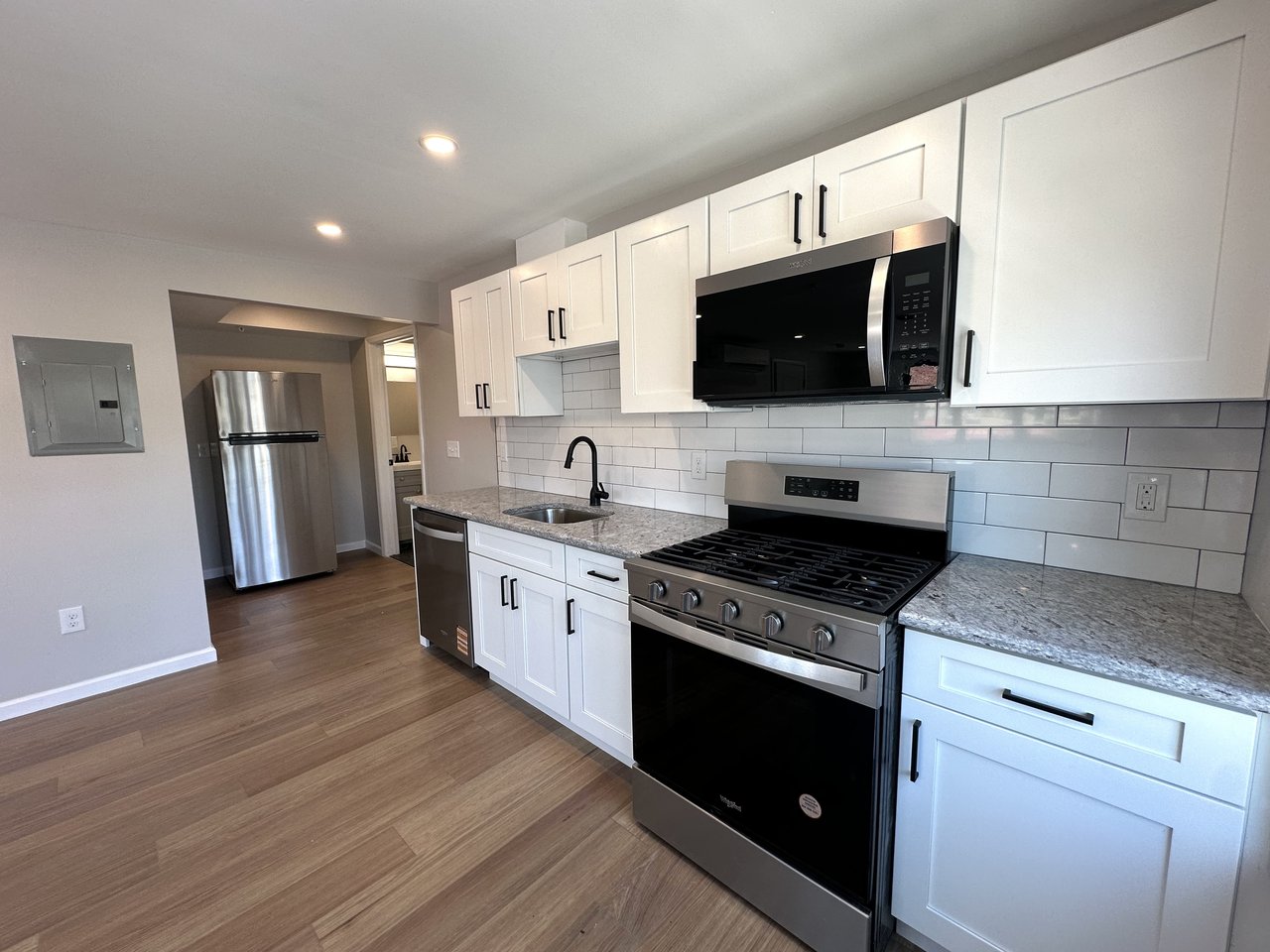
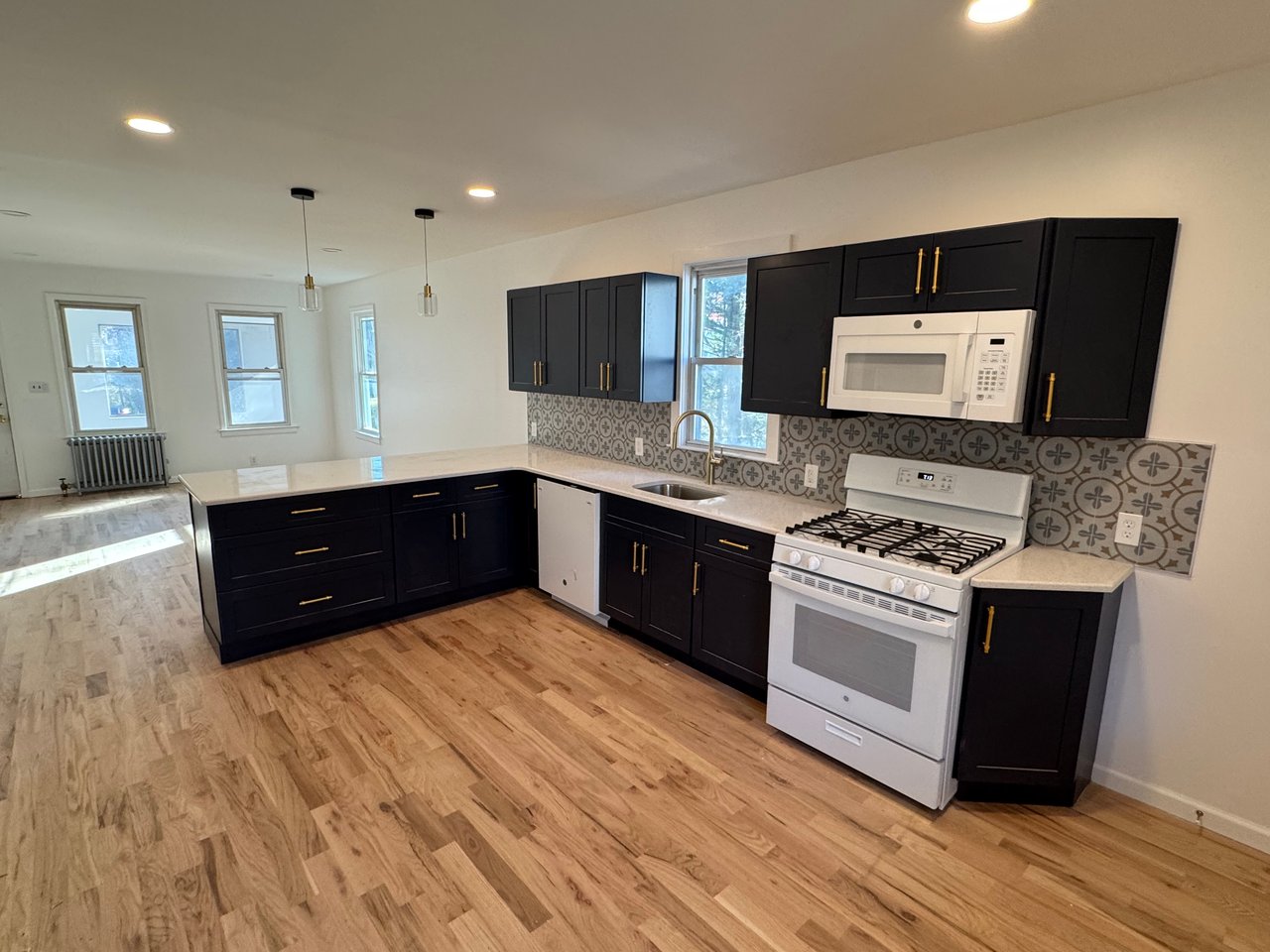
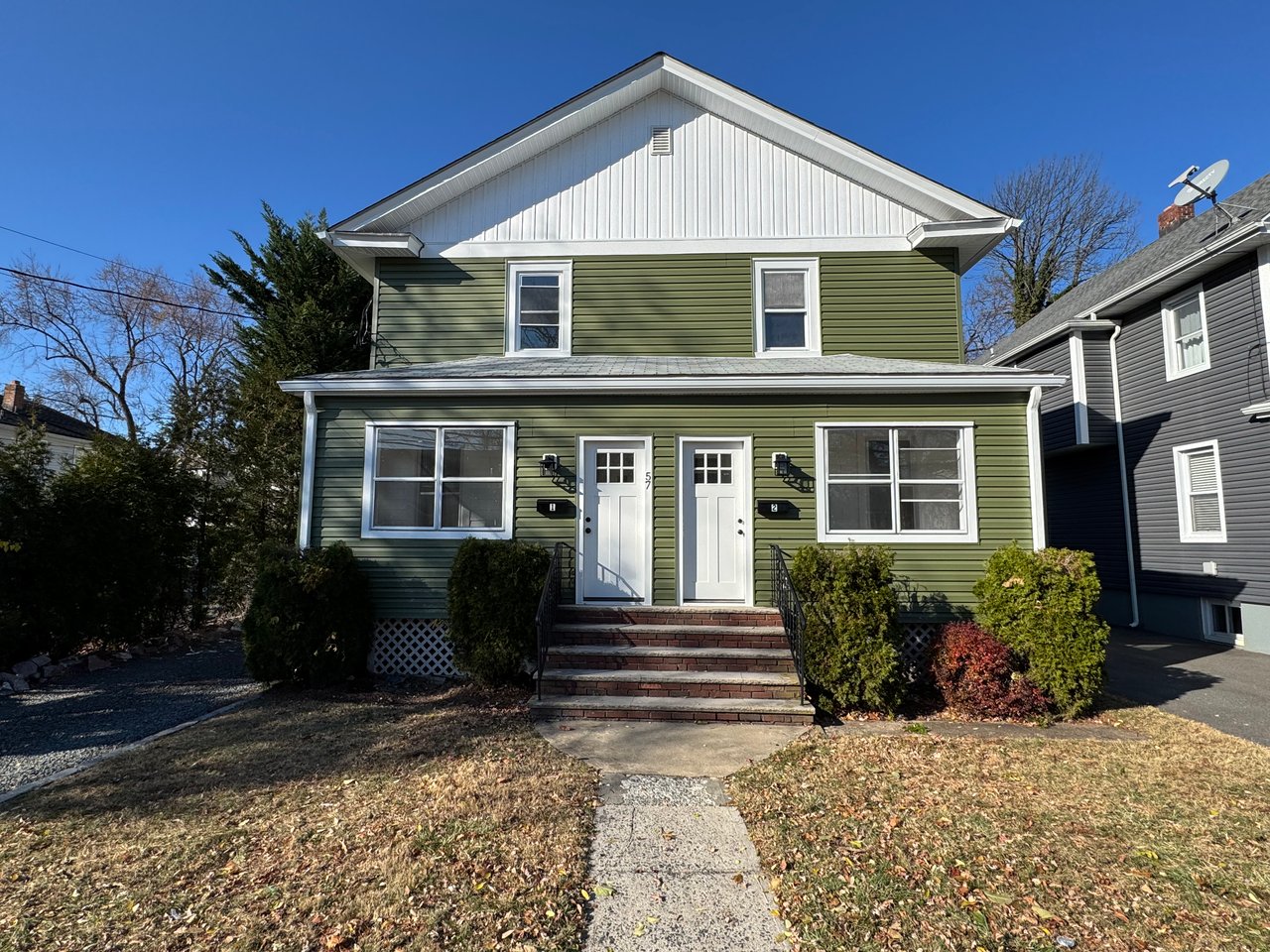
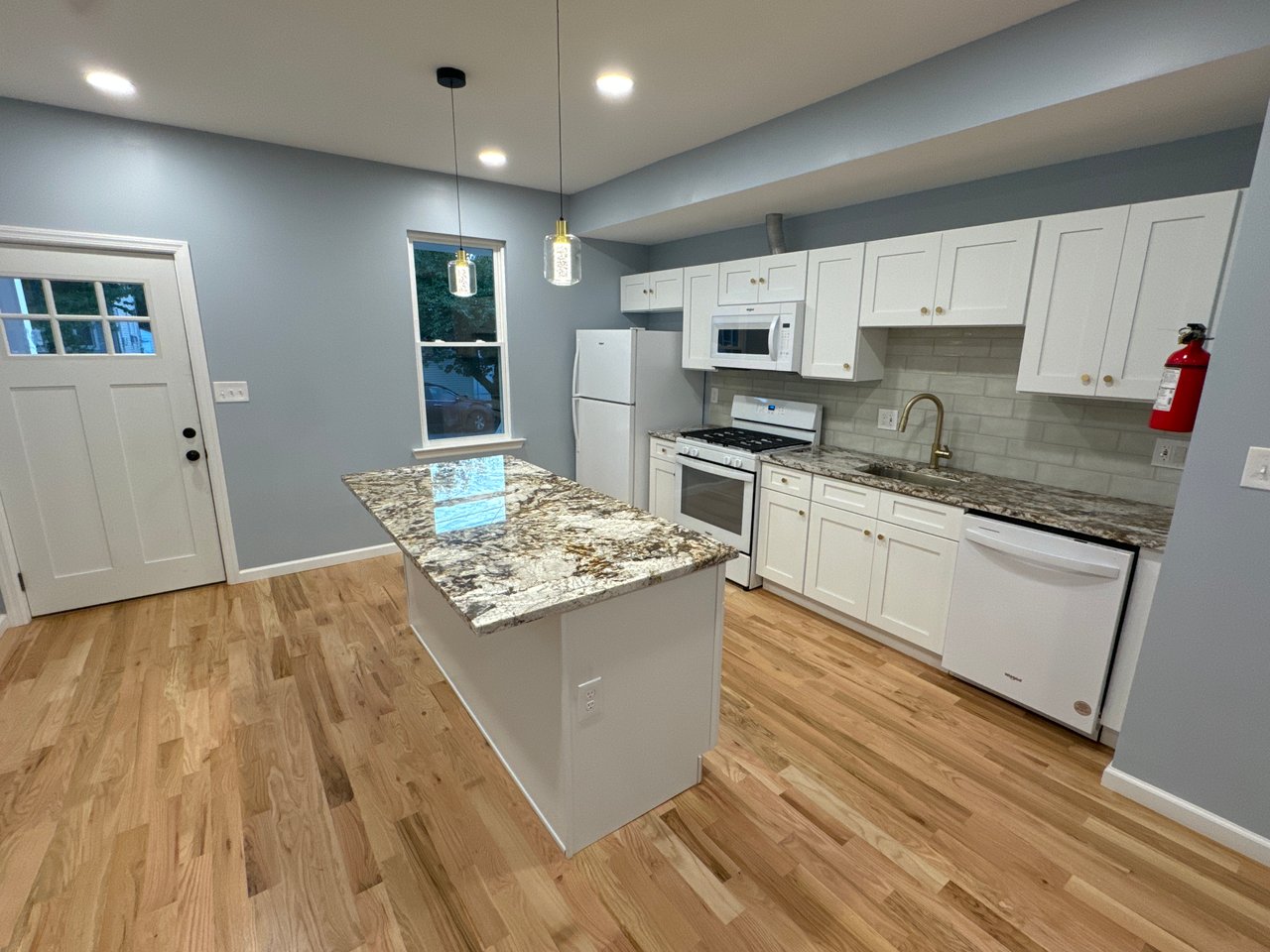
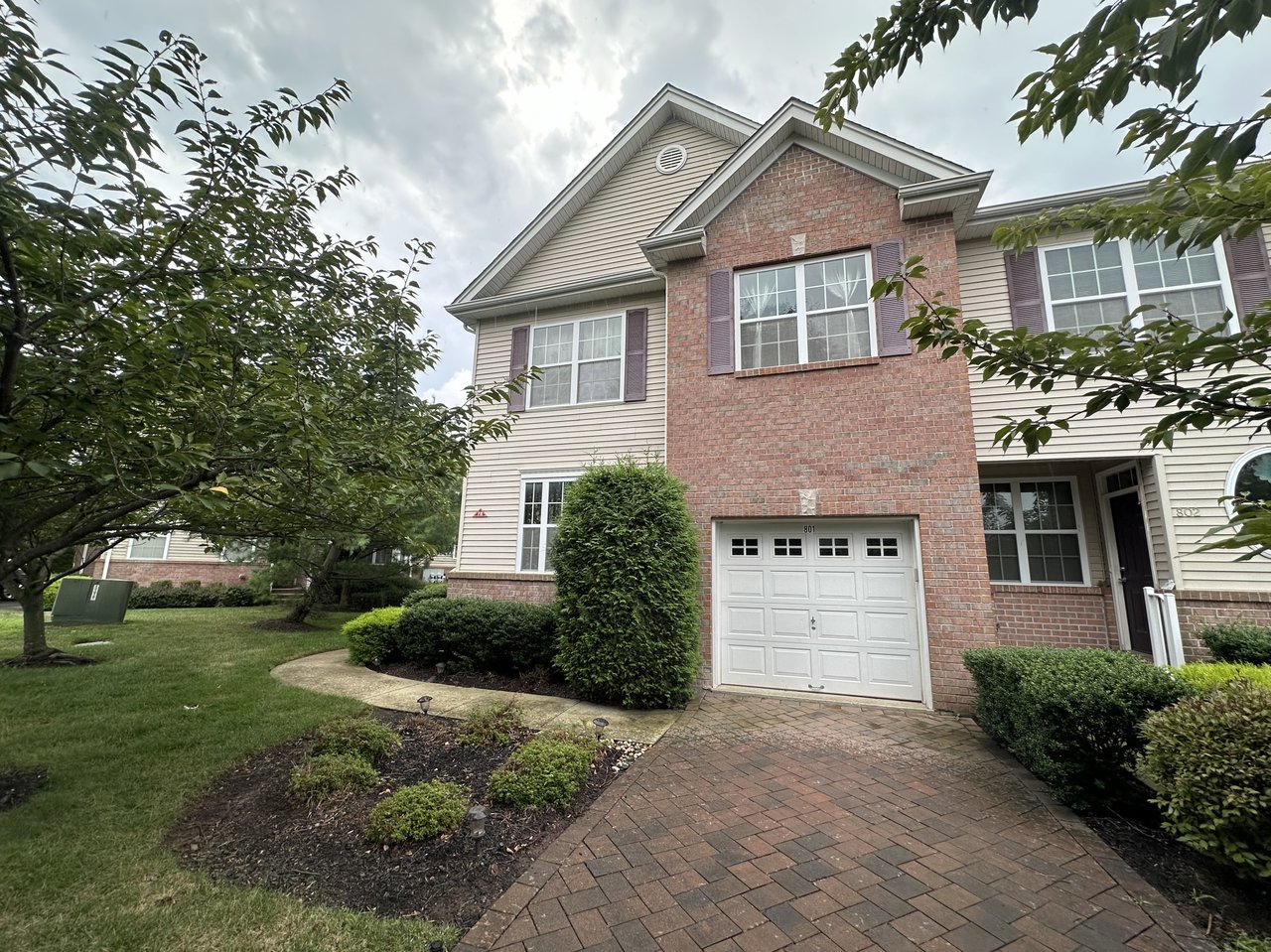
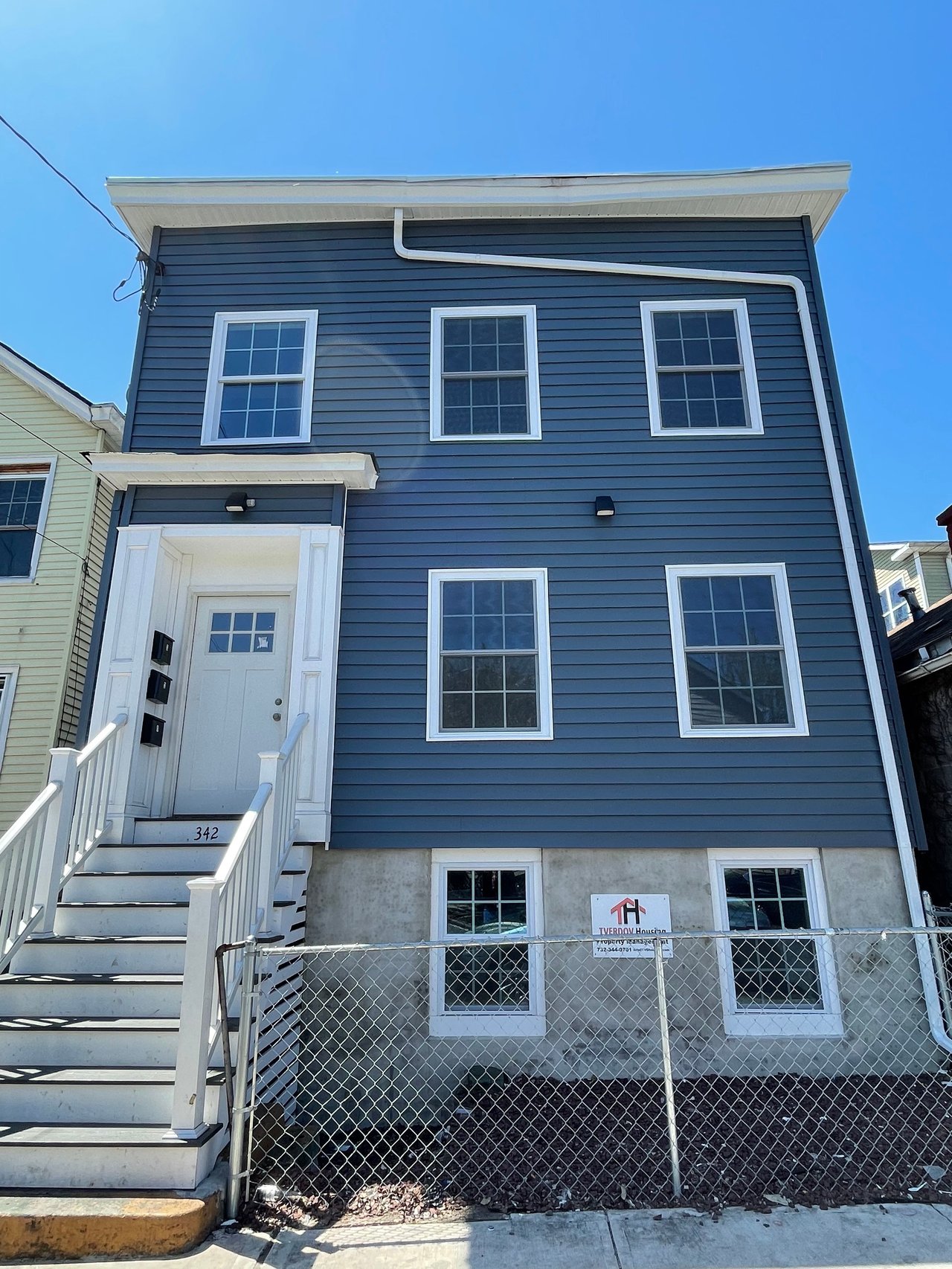
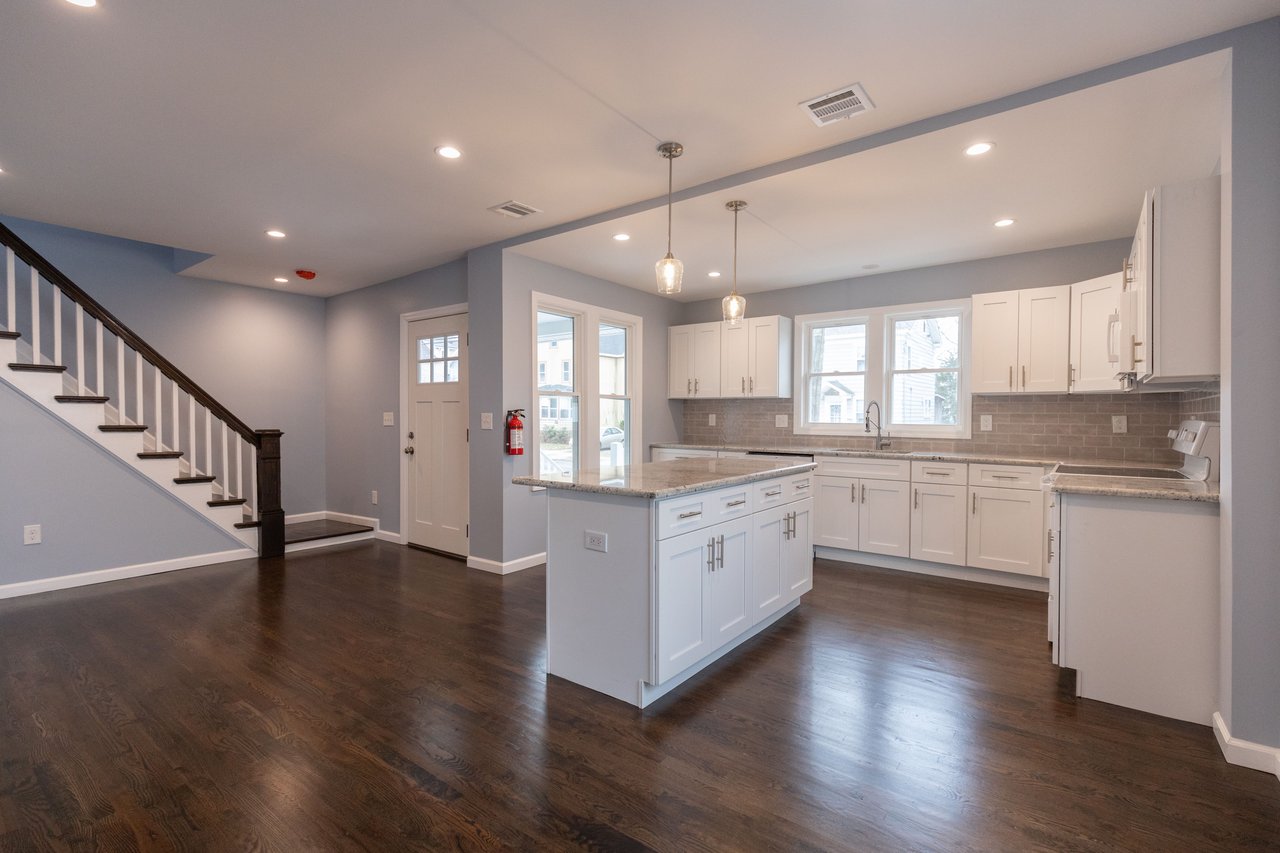
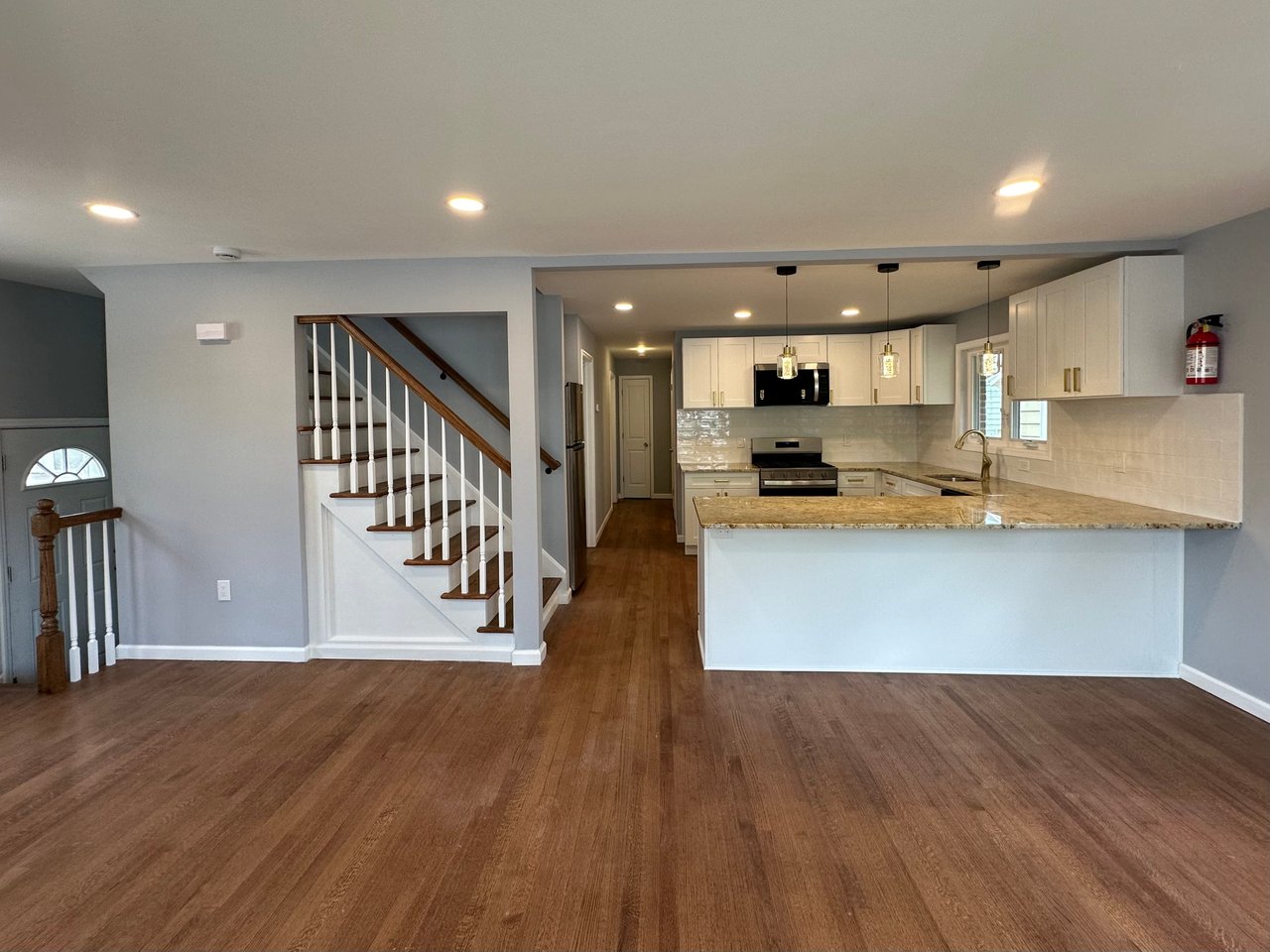
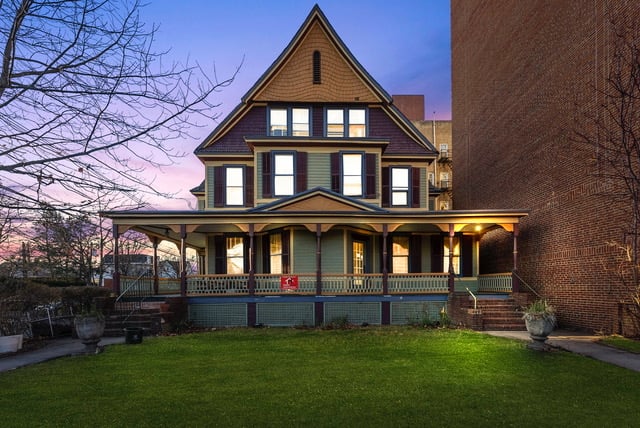
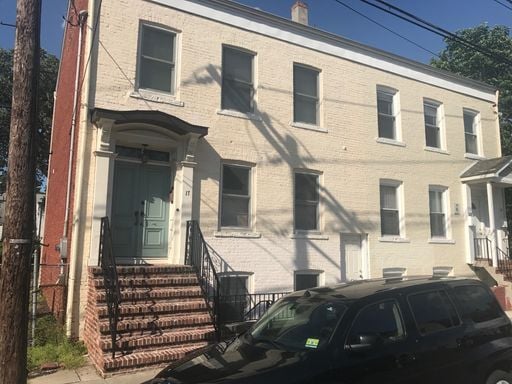
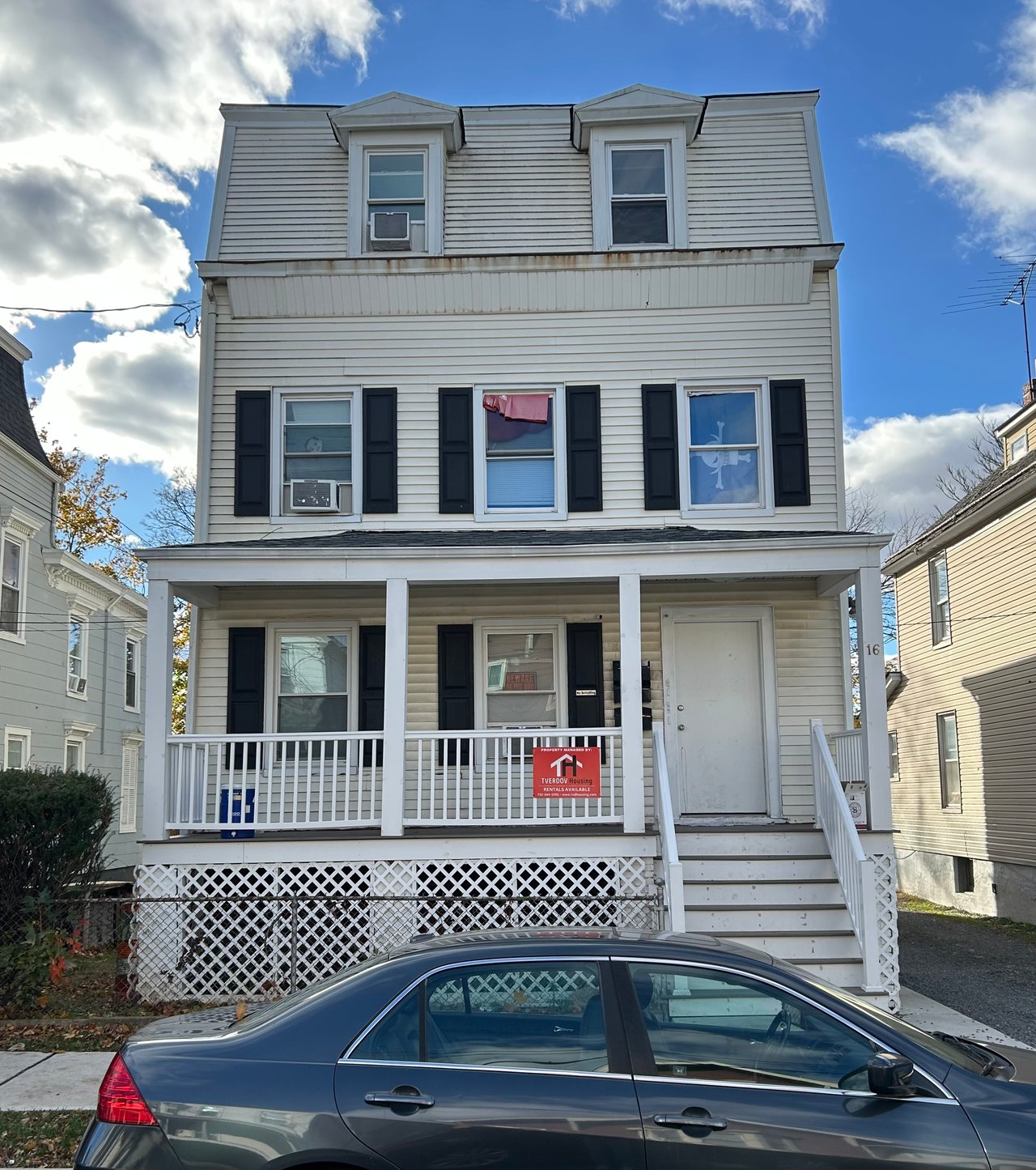
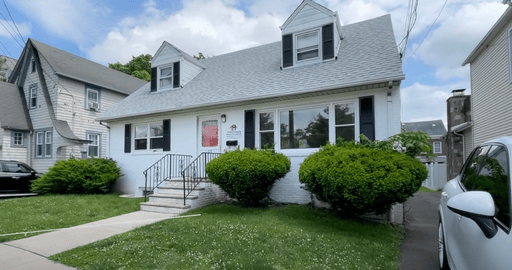
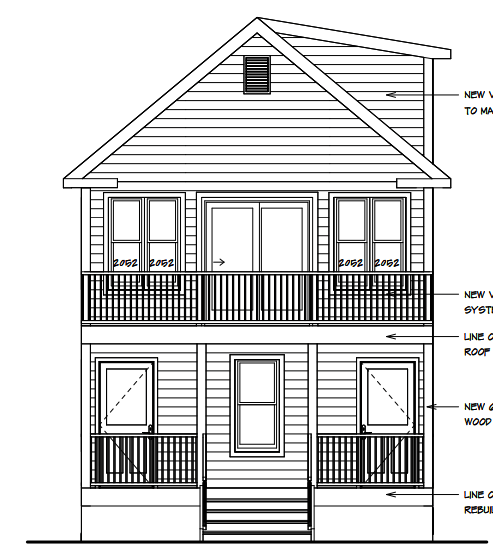
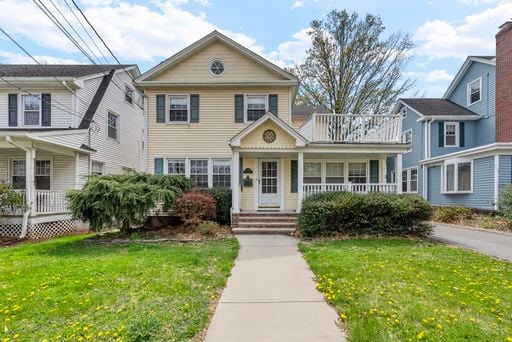
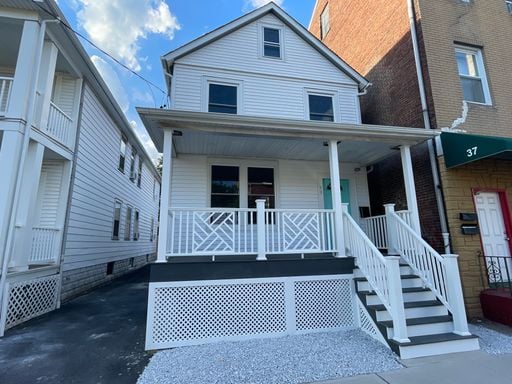
The practical housing stock near Rutgers is usually not one uniform product type. Rutgers’ off-campus housing marketplace supports searches for both one-bedroom rentals and roommate-friendly setups, which points to a mix of apartments, houses, and small multifamily options.
The local compliance framework reinforces that picture. Rutgers notes that New Brunswick distinguishes non-owner-occupied one- and two-family houses from buildings with three or more rental units. In real terms, that means many investment opportunities near campus are likely to fall into three buckets:
- Small houses used as rentals
- Small multifamily properties
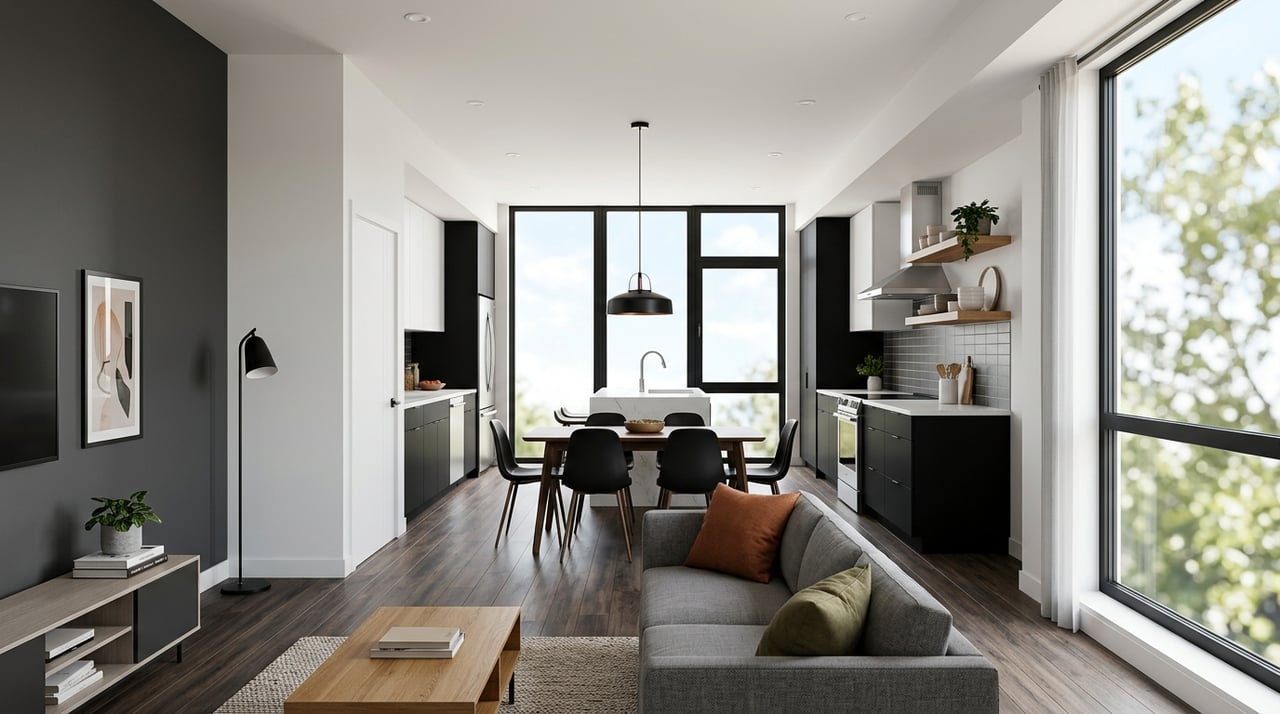
- Apartment-style units near university activity
For buy-and-hold investors, this matters because the property type often shapes everything else, including lease structure, maintenance volume, inspections, and tenant turnover patterns.
Leasing Follows the Academic Calendar
One of the biggest differences between rentals near Rutgers and a more typical long-term rental is the leasing rhythm. Rutgers’ 2025 to 2026 academic calendar shows the Fall semester beginning September 2, 2025, the Spring semester beginning January 20, 2026, regular classes ending May 11, 2026, and commencement on May 17, 2026.
That schedule creates a predictable operating cycle. Late summer and early fall often line up with move-ins, while late spring can bring lease resets and tenant turnover around the end of the academic year.
If you own in this part of New Brunswick, you should expect your calendar to revolve around those pressure points. Leasing, repairs, cleaning, and make-ready work often need to happen on a tighter timeline than they would in a slower suburban market.
Lease Administration Matters More Here
In a student-adjacent market, small lease details can create big headaches if they are not handled cleanly. Rutgers notes that yearly leases often become month-to-month if they are not re-signed, and landlords may require 30 or 60 days written notice to renew or vacate.
Rutgers also recommends that tenants verify the rental term, rent, security deposit language, late charges, and any subletting restrictions before signing. For you as an owner, that is a reminder that lease administration is not just a paperwork task. It is a core part of protecting occupancy, avoiding confusion, and keeping turnover under control.
Ownership Is Active, Not Passive
Owning near Rutgers can offer recurring demand, but it usually comes with a more hands-on operating profile. Rutgers states that rentals must meet city, state, and federal housing and health codes, with rules covering basics like heat, plumbing, roofing, pests, walls, windows, basements, and attics.
If you provide heat, the unit should stay at least 68 degrees Fahrenheit from October 1 to May 1 between 6 a.m. and 11 p.m., and at least 65 degrees from 11 p.m. to 6 a.m. In practice, that makes winter readiness and fast maintenance response important parts of ownership, not optional extras.
This is one reason investor performance in this market often comes down to systems. A property may lease well because of location, but holding that performance over time usually depends on how quickly issues are resolved and how well the property is kept up between tenants.
Registration and Inspection Requirements
New Brunswick-area rental ownership also comes with recurring compliance work. Rutgers states that landlords must file a registration statement with the city clerk for non-owner-occupied one- and two-family houses and for buildings with three or more rental units.
For buildings with more than three units, there is also a state-level layer. The New Jersey Department of Community Affairs says hotels and multiple-family buildings with three or more dwelling units are subject to Bureau of Housing Inspection registration, five-year cyclical inspections, and annual recertification of registration information.
That means ownership near Rutgers is not just about buying a building and collecting rent. You need a process for registration, inspections, and staying current on recurring administrative requirements.
Older Properties May Add Lead Compliance
If you are looking at older housing stock near campus, lead-based paint rules may also enter the picture. The New Jersey Department of Community Affairs requires lead-based paint inspections for single-family, two-family, and multiple rental dwellings unless they are exempt.
The state notes that dwellings built during or after 1978 are exempt. For older rentals, especially during tenant turnover, lead compliance can become another item on the ownership checklist.
Local Enforcement Is Real
Another practical point for owners is that tenants have a clear path for complaints or safety concerns. Rutgers directs tenants to the New Brunswick Housing Inspection Division if a unit is unlivable or dangerous.
That local enforcement presence matters because it reinforces a simple truth about this market: deferred maintenance tends to catch up with owners faster in dense, high-turnover rental environments. Strong upkeep, documentation, and responsiveness are part of risk management.
What Buy-and-Hold Investors Should Expect
For many investors, the appeal of owning near Rutgers is straightforward. You are buying into a market with recurring demand tied to a major university, a renter-heavy local population, and a steady need for off-campus housing.
The tradeoff is that this demand is paired with more operational intensity. You may deal with roommate dynamics, semester-driven turnover, tighter make-ready timelines, inspections, and more frequent maintenance oversight than you would in a standard suburban rental.
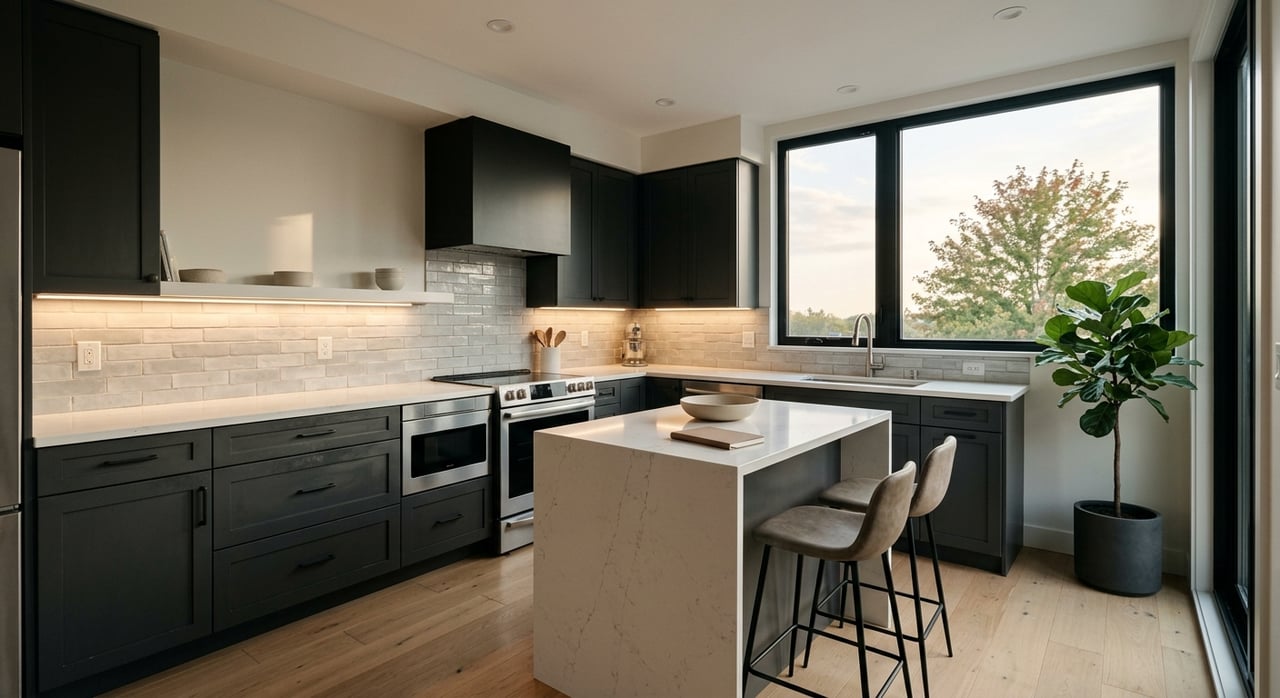
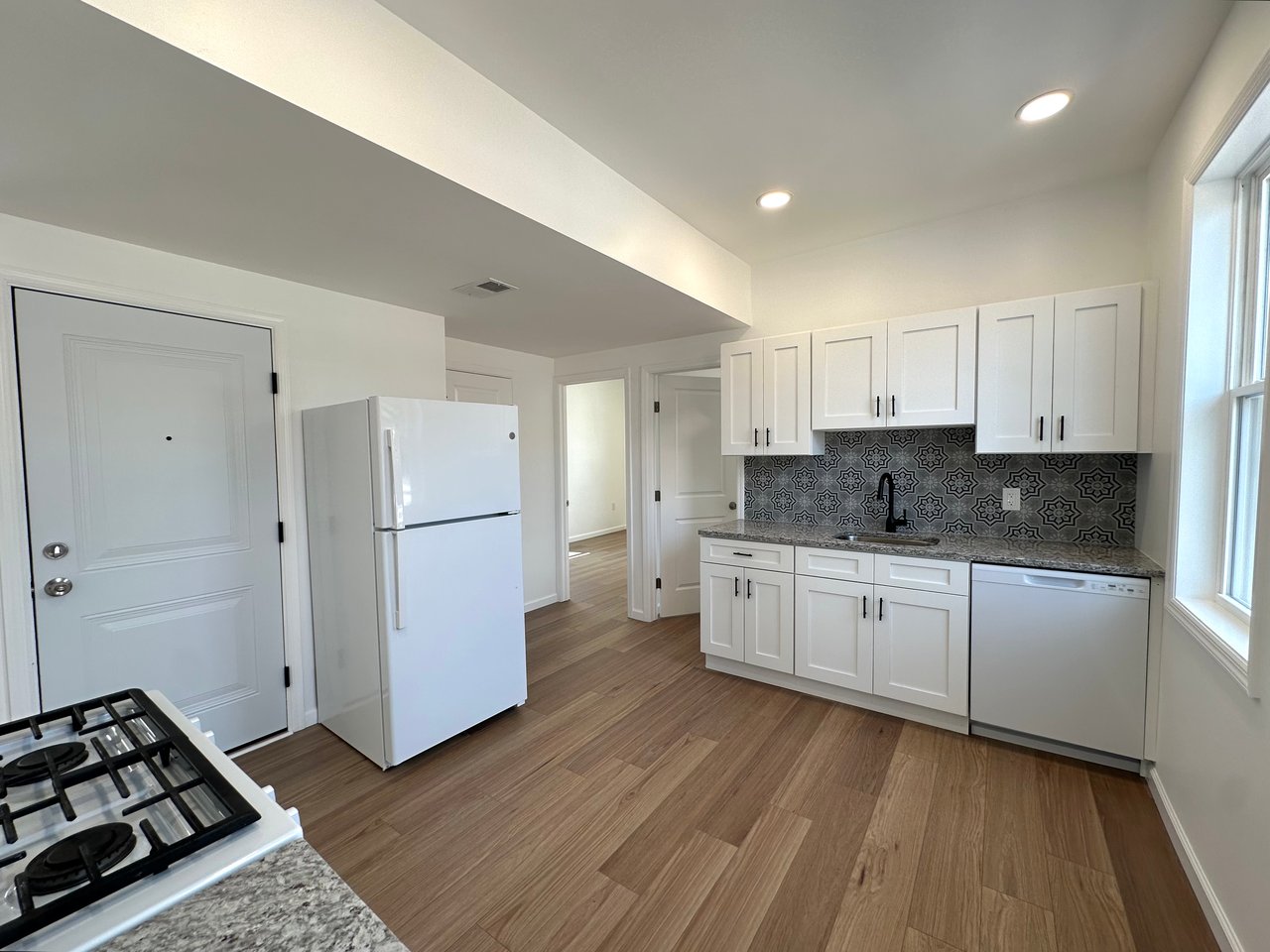
That is why simple, durable properties often make the most sense here. Layouts that are easy to lease, finishes that hold up between tenants, and systems that support fast turnover can matter just as much as location.
Why Operations Shape Returns
In this part of New Brunswick, your result as an owner is often shaped by execution more than theory. Demand may be there, but poor leasing controls, slow maintenance, or missed compliance steps can quickly drag down performance.
For out-of-market investors and first-time owners, this is often the real challenge. The key question is usually not whether renters exist. The key question is whether your acquisition, rehab, and management plan can keep up with the pace of the market.
That is where a locally grounded approach matters. When your team understands New Brunswick inventory, Rutgers-driven leasing cycles, and the day-to-day compliance realities of Central New Jersey rentals, ownership tends to feel more predictable.
If you are exploring student-adjacent or buy-and-hold rentals near Rutgers, working with a local operator can help you evaluate the right asset, plan the right improvements, and keep the property performing after closing. To learn more about turnkey acquisitions, value-add renovations, and full-service rental management in Central New Jersey, connect with Pete Tverdov.
FAQs
What is the rental market like near Rutgers in New Brunswick?
- It is a dense, renter-heavy market with strong university-related demand, frequent turnover, and a leasing cycle that often follows the academic calendar.
What types of rental properties are common near Rutgers in New Brunswick?
- Common options include small rental houses, small multifamily properties, and apartment-style units that can serve one-bedroom renters or roommate households.
What should owners expect from leasing near Rutgers in New Brunswick?
- You should expect late summer and early fall move-ins, late spring turnover, and a need for clear lease administration around renewals, notice periods, and subletting terms.
What compliance issues matter for Rutgers-area rentals in New Brunswick?
- Owners may need to manage city registration, state inspection requirements for certain multifamily buildings, habitability standards, and lead-based paint inspections for older non-exempt rentals.
Is owning rentals near Rutgers a passive investment?
- In most cases, no. The market can offer recurring demand, but it usually requires active management, fast maintenance response, and strong operational systems to perform well over time.