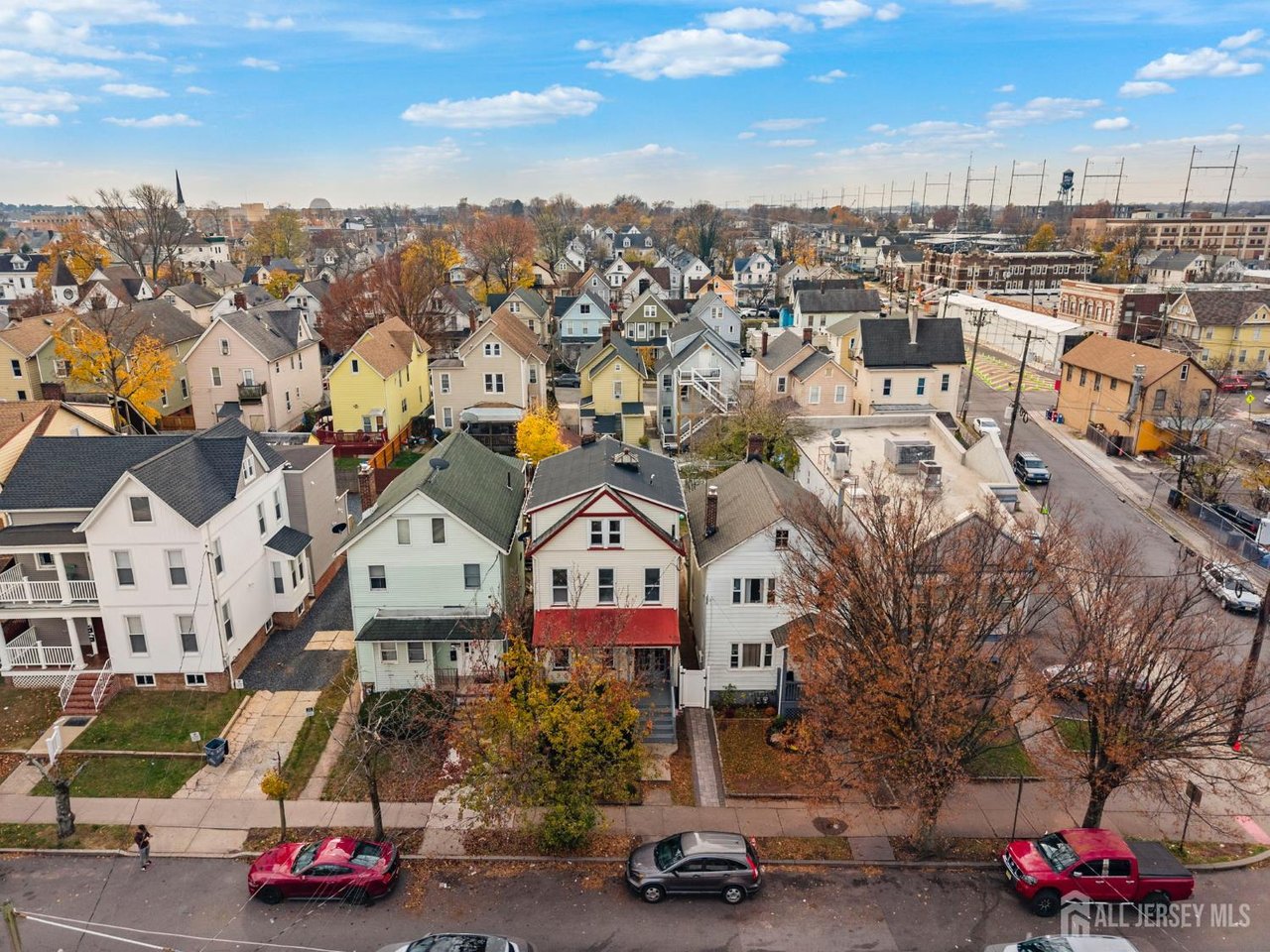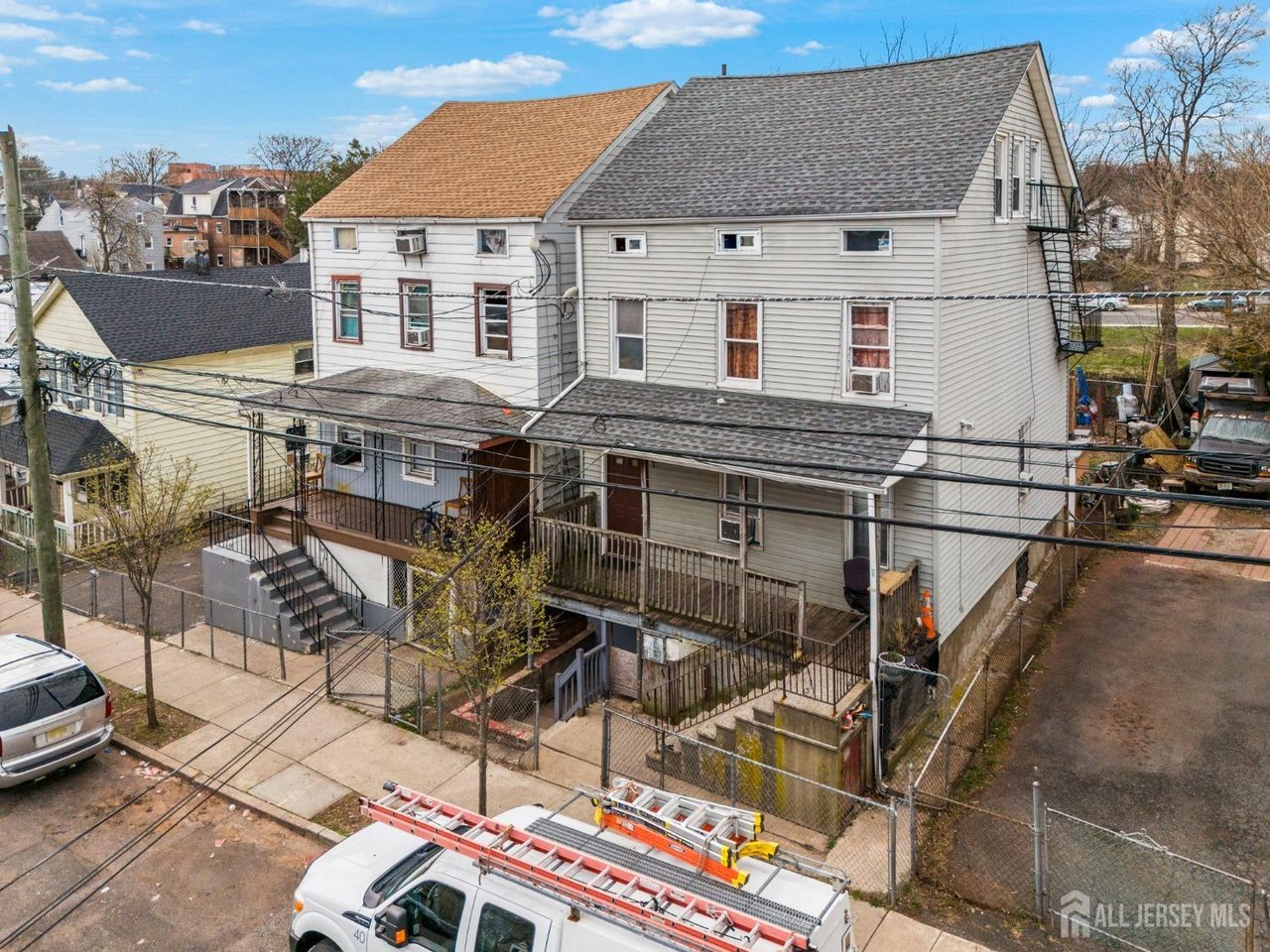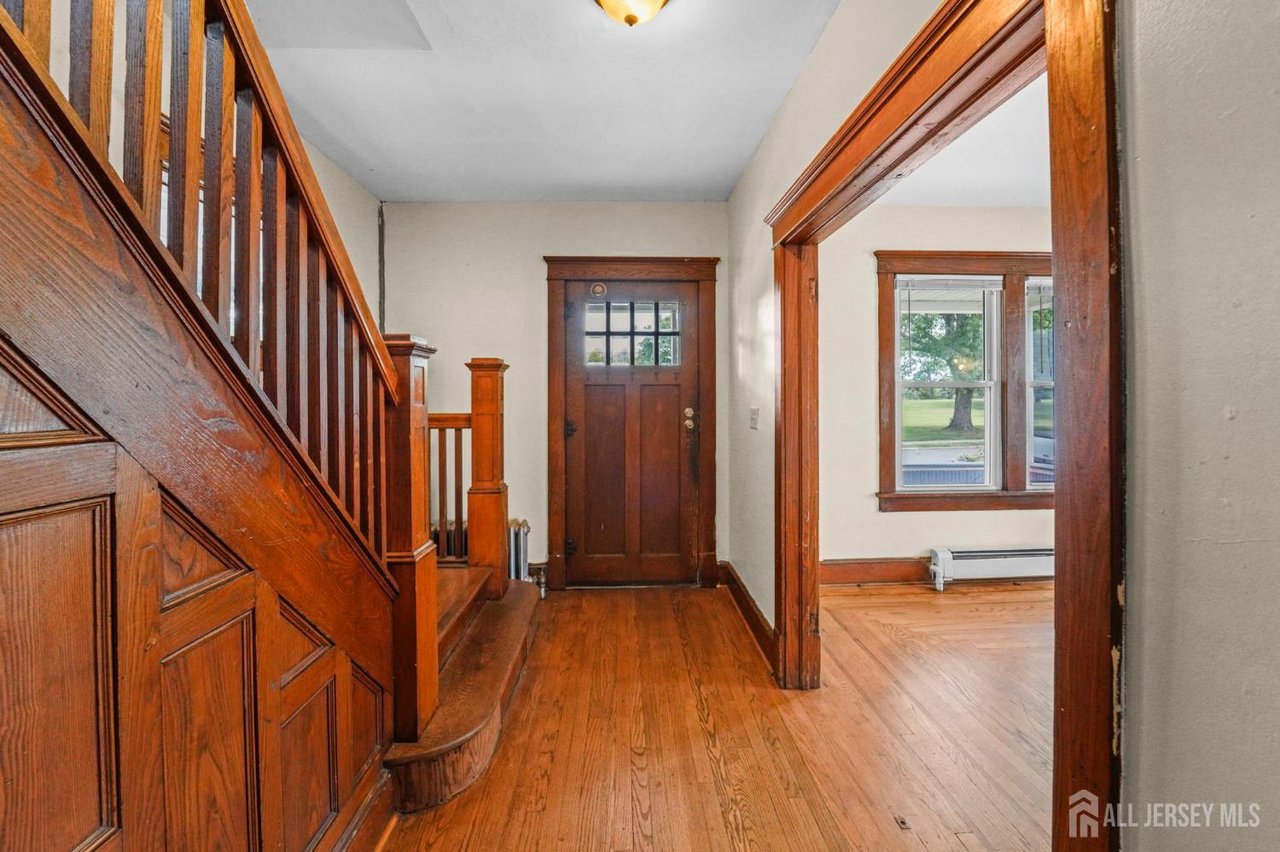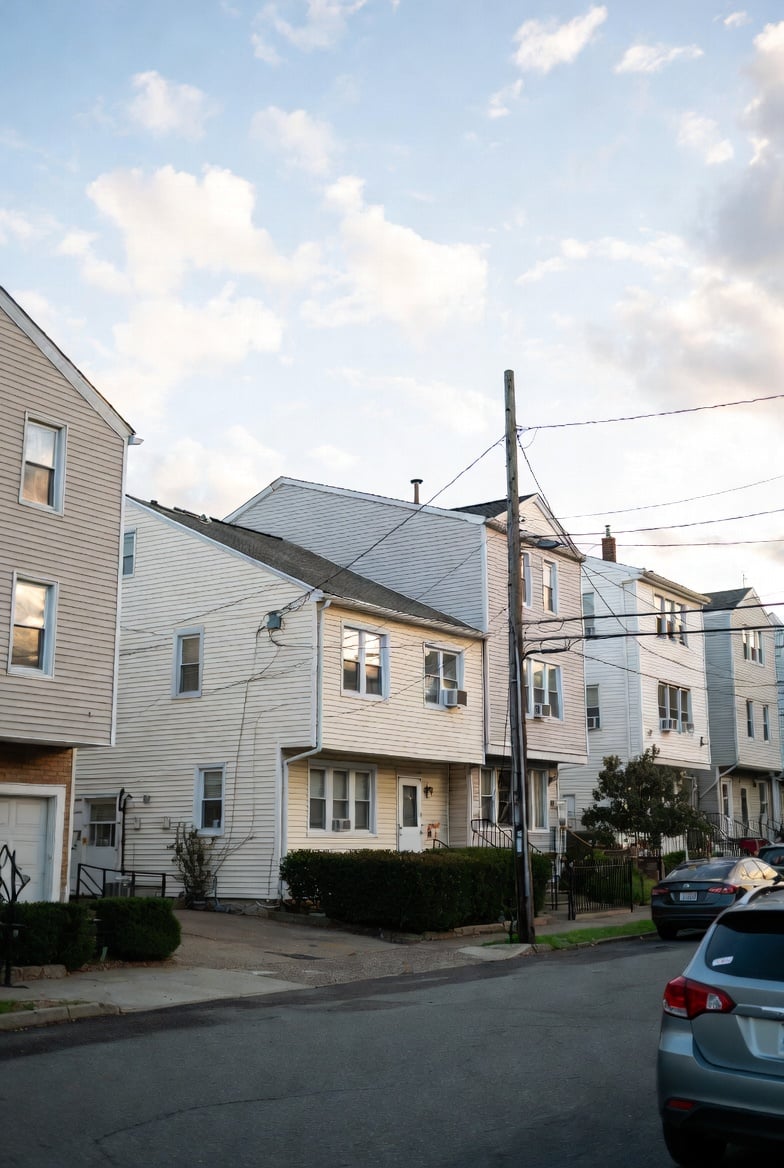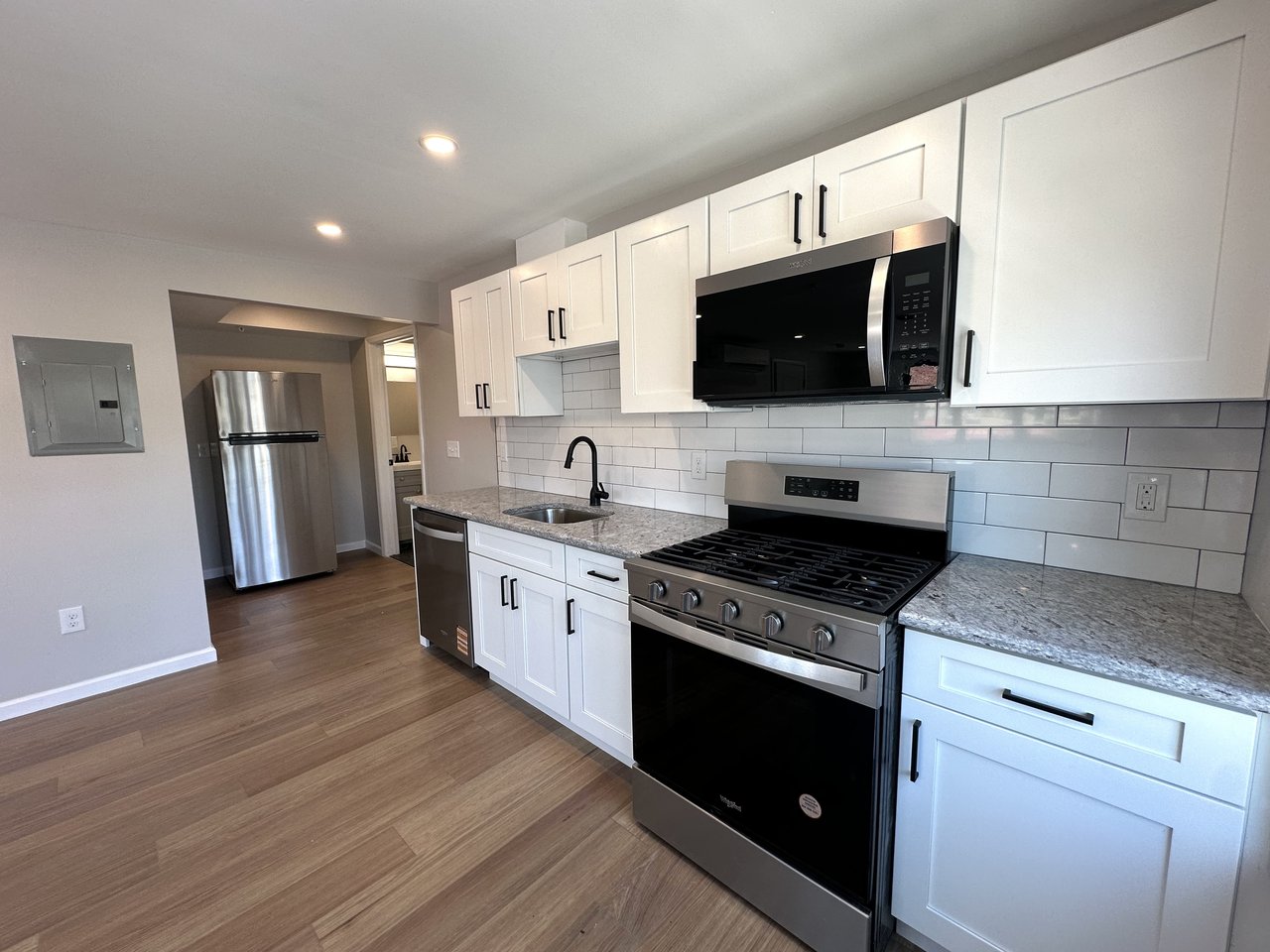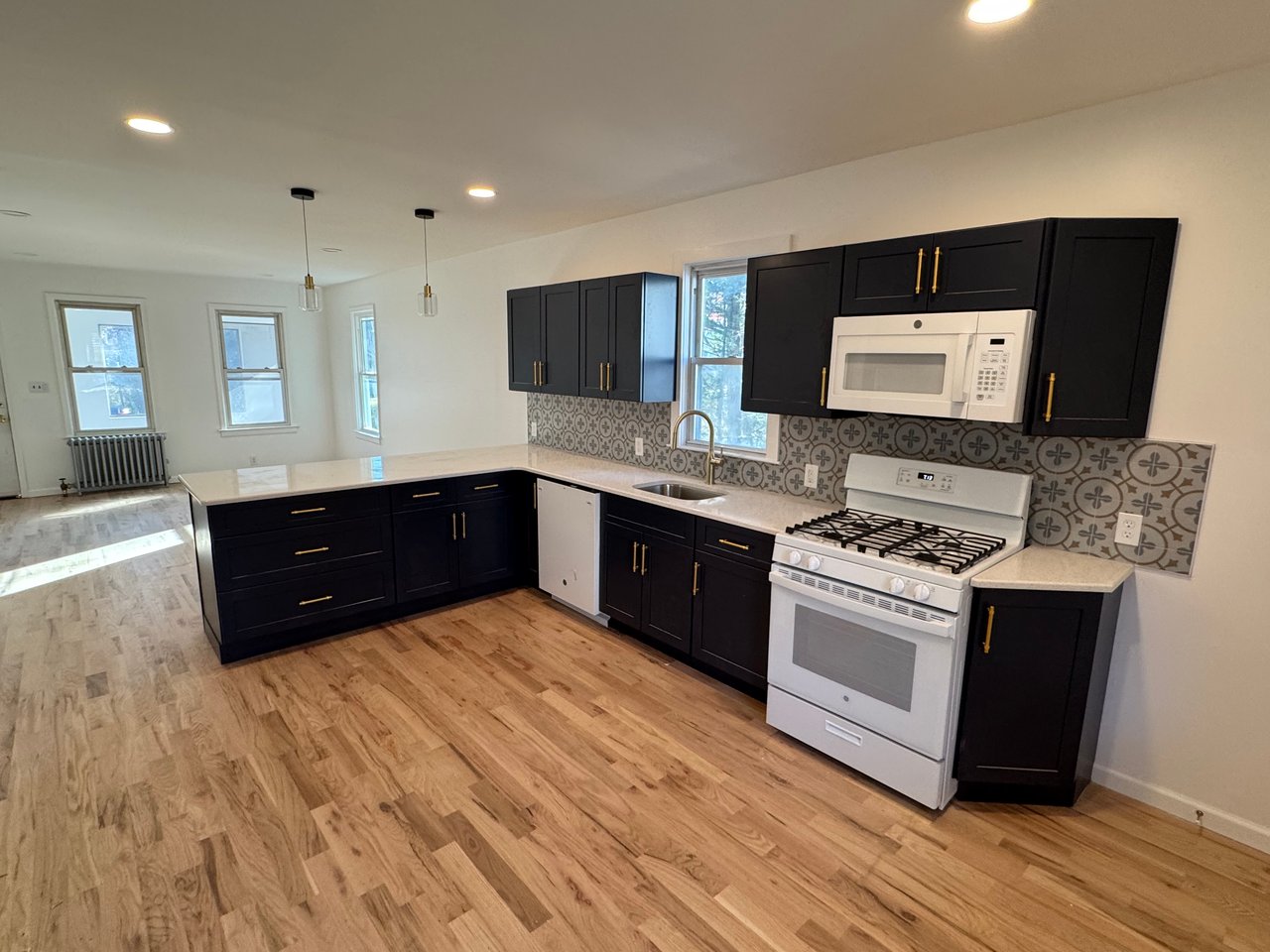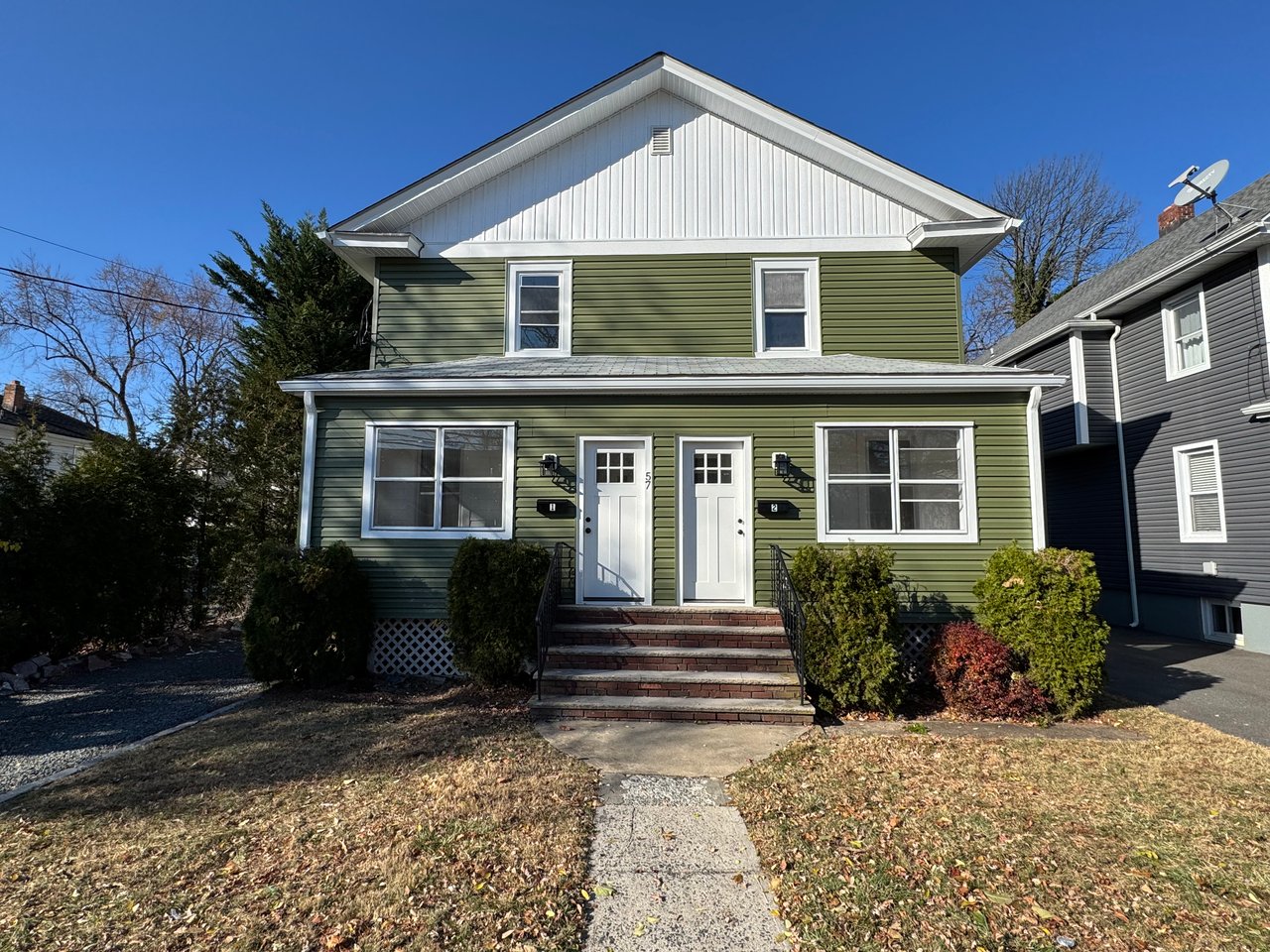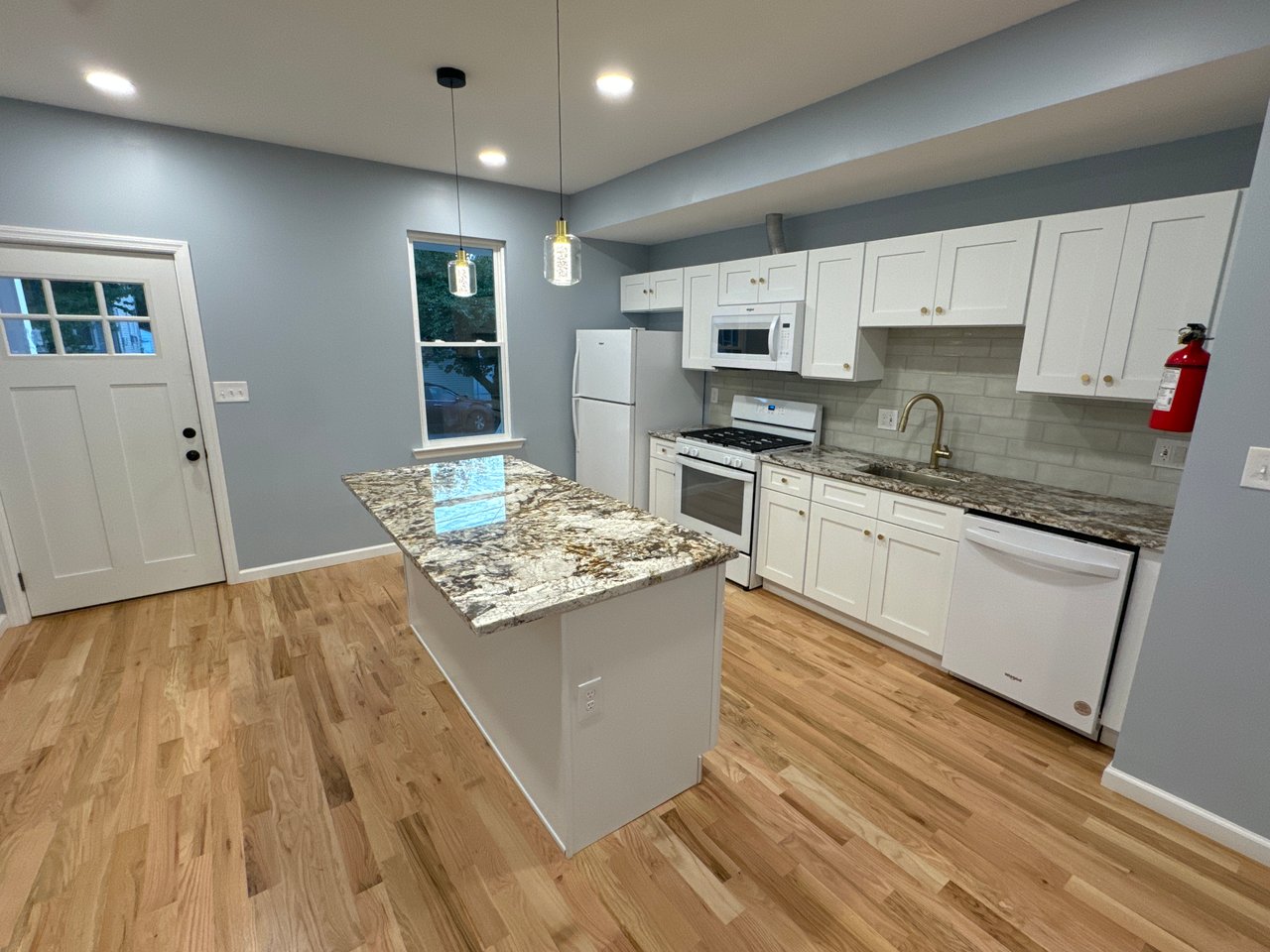
Trying to choose between a single-family rental and a small multifamily in New Brunswick? That decision can shape your cash flow, workload, and risk in very different ways. If you are buying in a market tied to Rutgers, local hospitals, and commuter demand, you need more than a rule of thumb. You need a practical way to compare income, operations, and compliance before you buy. Let’s dive in.
Why New Brunswick makes this decision different
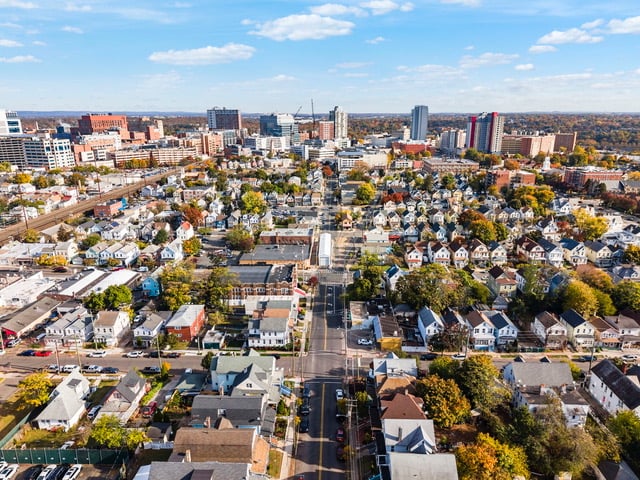
New Brunswick is not a generic rental market. Redfin reported a March 2026 median sale price of $560,000, median days on market of 63, and a 99.5% sale-to-list ratio, which points to a somewhat competitive market rather than a frenzied one. That matters because it gives you demand support, but it does not remove the need for careful underwriting.
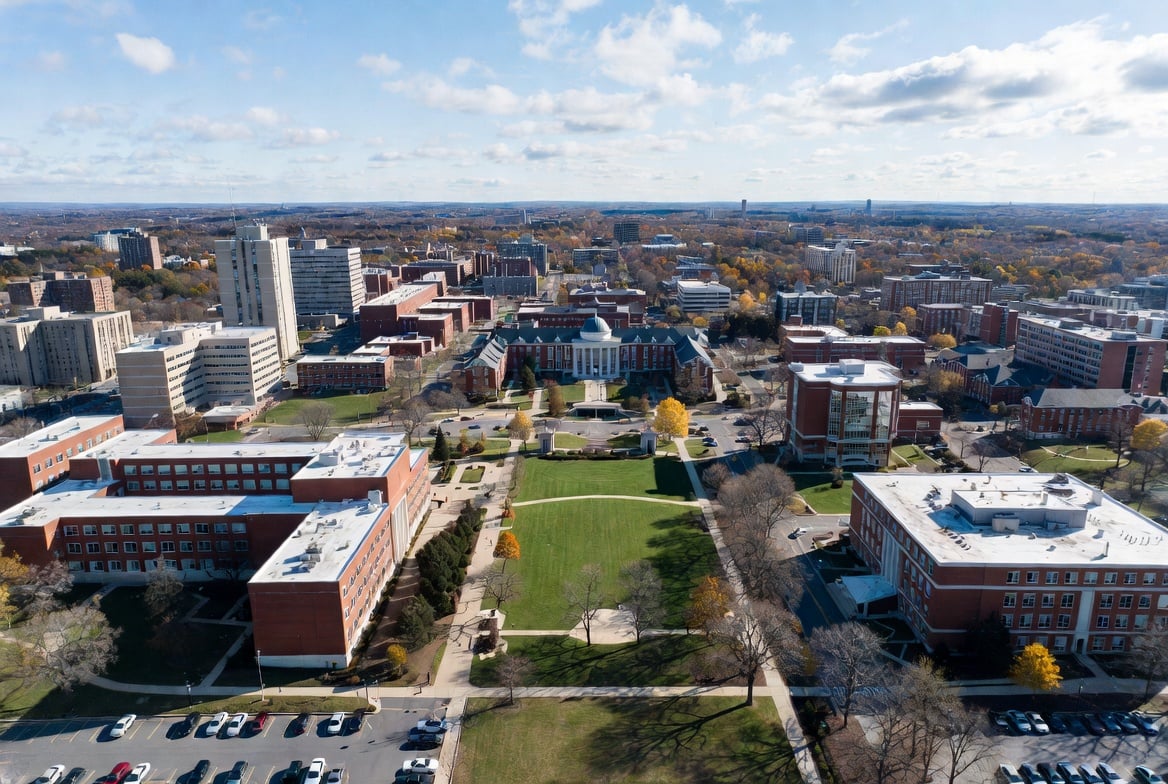
Demand is also shaped by scale. Rutgers–New Brunswick has 46,934 students, while the city population is 57,133, so the university is a major driver of rental demand. Zillow’s rental summary shows an average rent of $2,600 across all property types, with 93 rentals available and a wide range from $760 to $8,687.
For an investor, the takeaway is simple. New Brunswick can offer strong leasing demand, but property type still matters because income potential, turnover, and compliance can look very different from one asset to the next.
How single-family and small multifamily compare
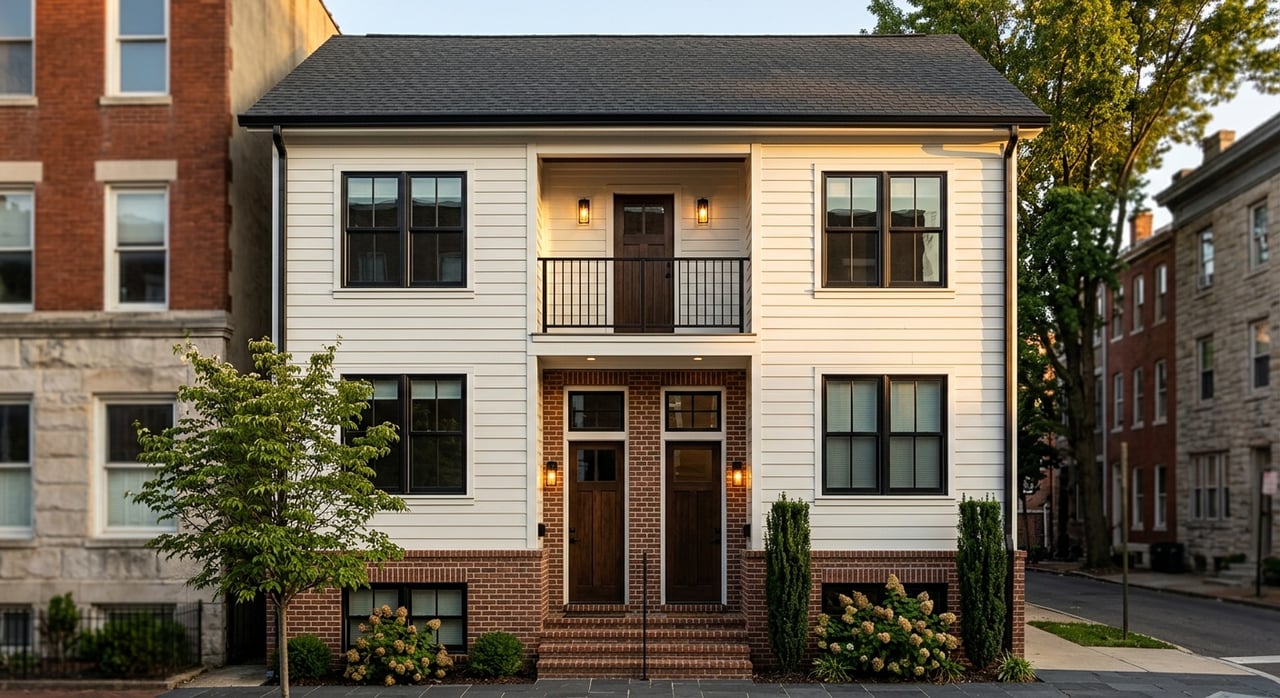
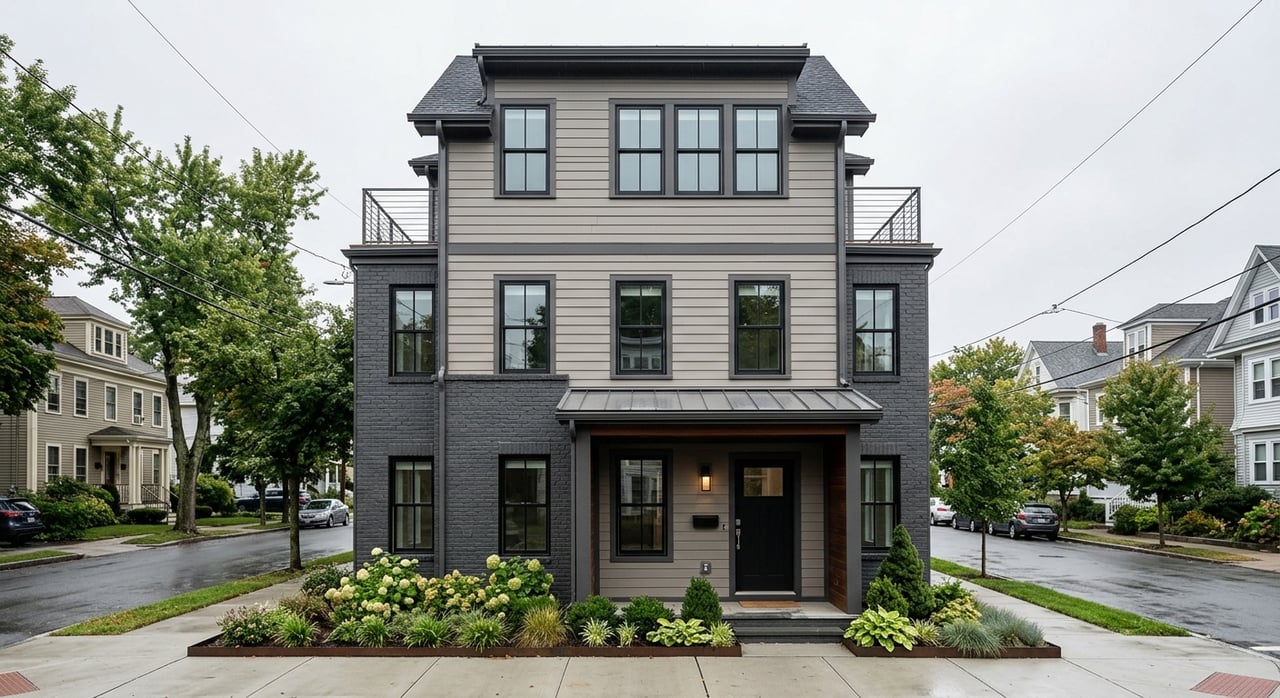
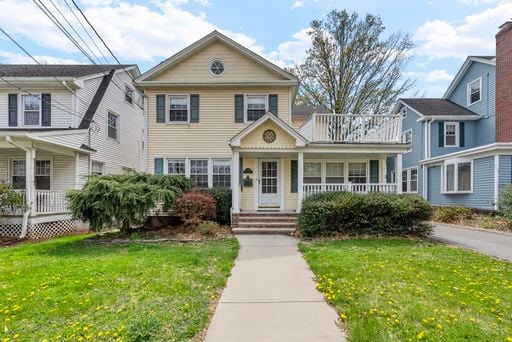
At a high level, single-family rentals usually offer a cleaner operating profile. Small multifamily properties often offer stronger gross income and better diversification across units. The right fit depends on whether you value simpler management or a more layered income stream.
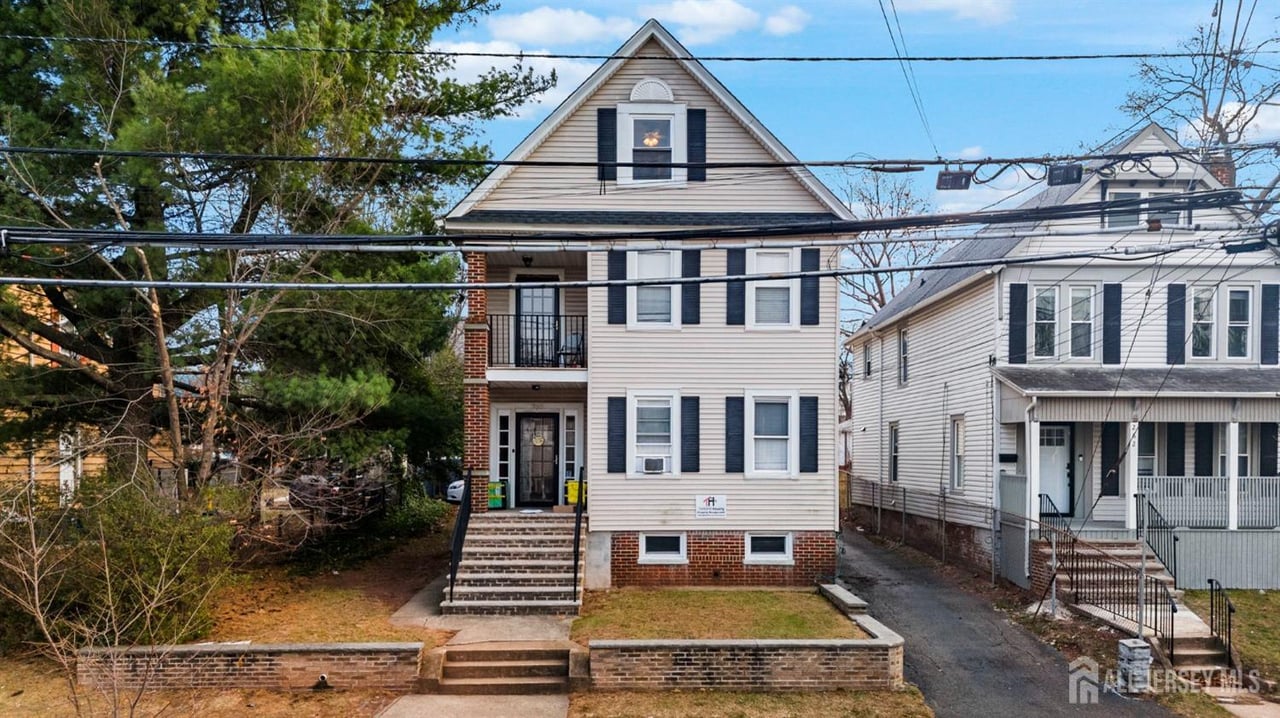
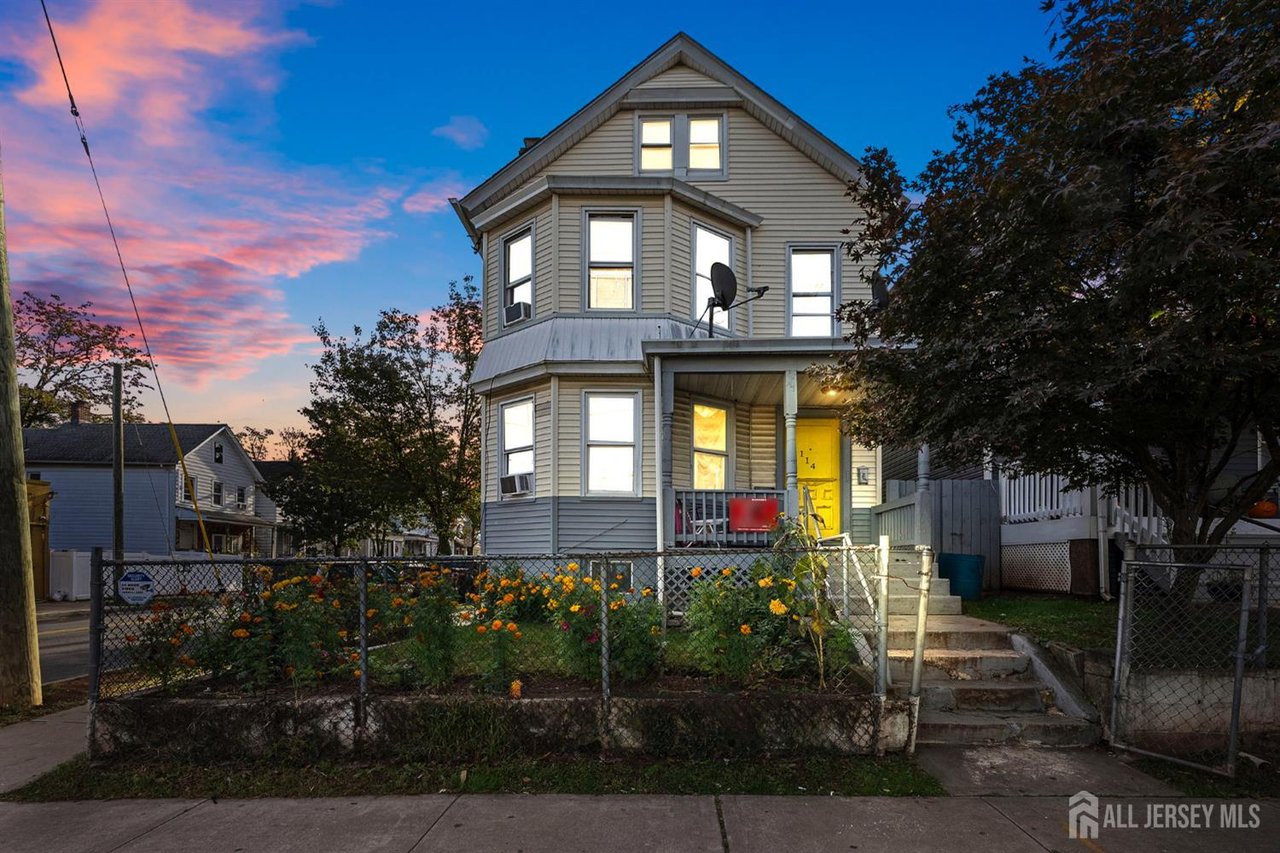
Public listing snapshots show both options are active in New Brunswick. Zillow showed 25 single-family homes for sale and 12 duplex or triplex homes, while Realtor.com showed 29 single-family listings and 20 multifamily listings. In other words, you are not choosing between rare product types. You are choosing between two very real paths in the same market.
Single-family strengths
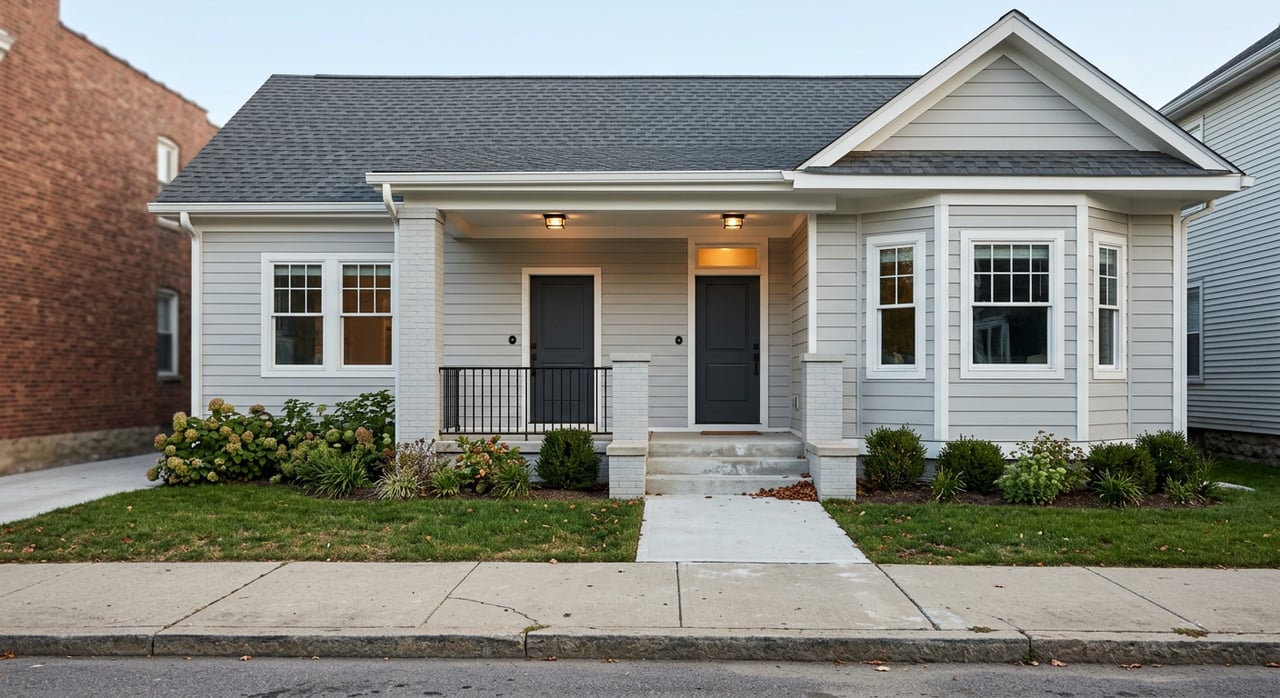
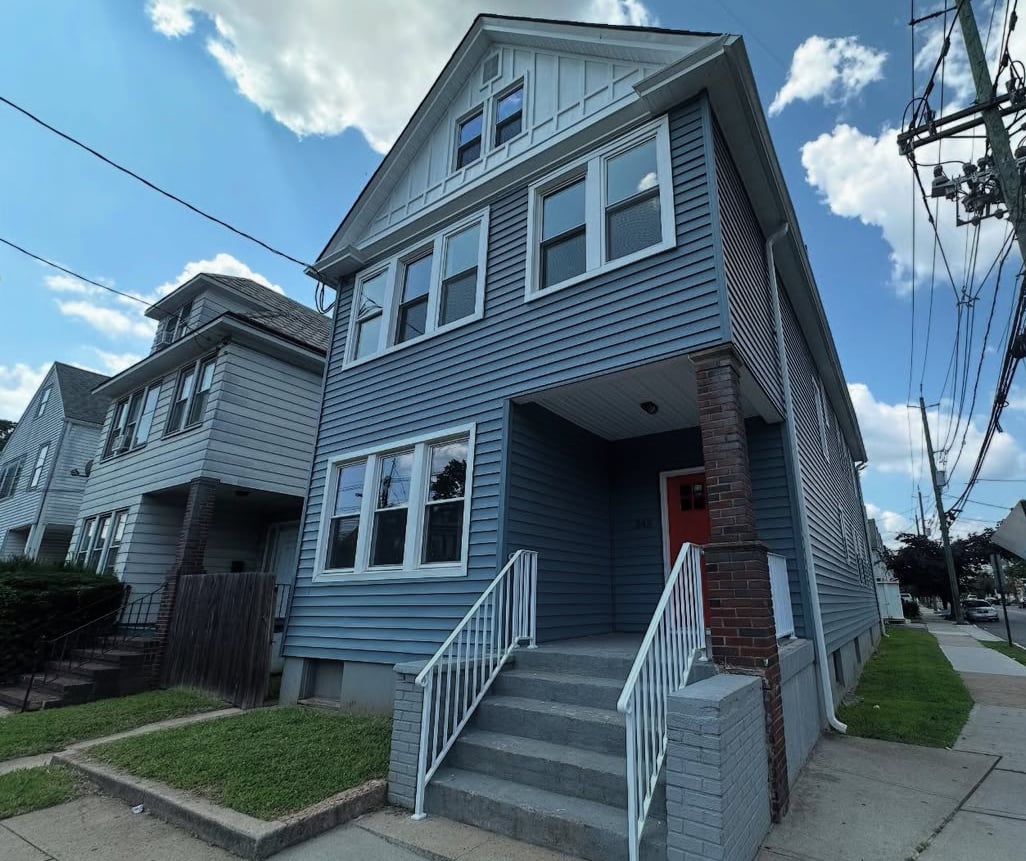
Single-family rentals can be easier to run day to day. You usually have one lease, one household, and fewer shared-area issues. That can reduce the number of moving parts compared with a two-family or triplex.
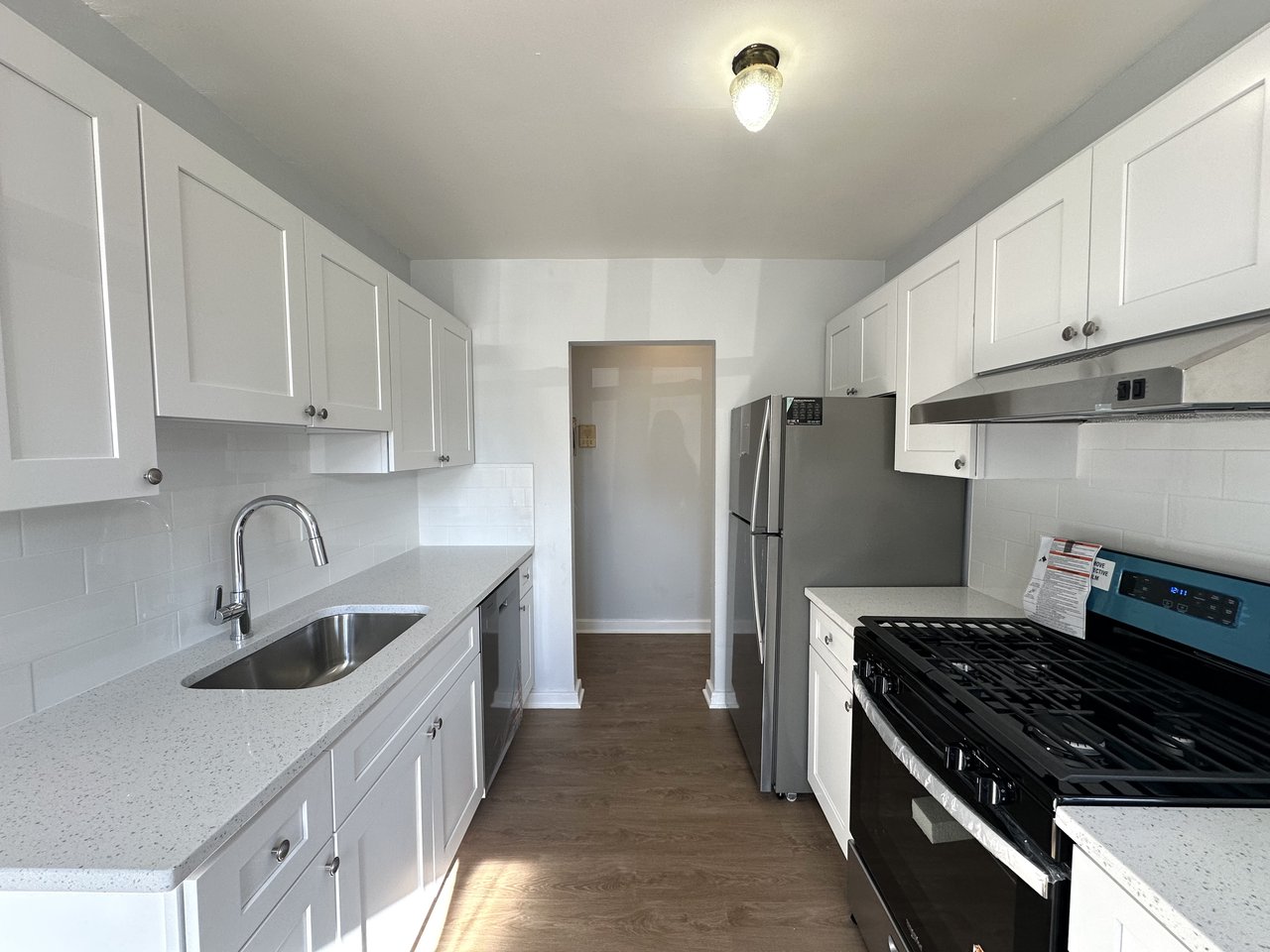
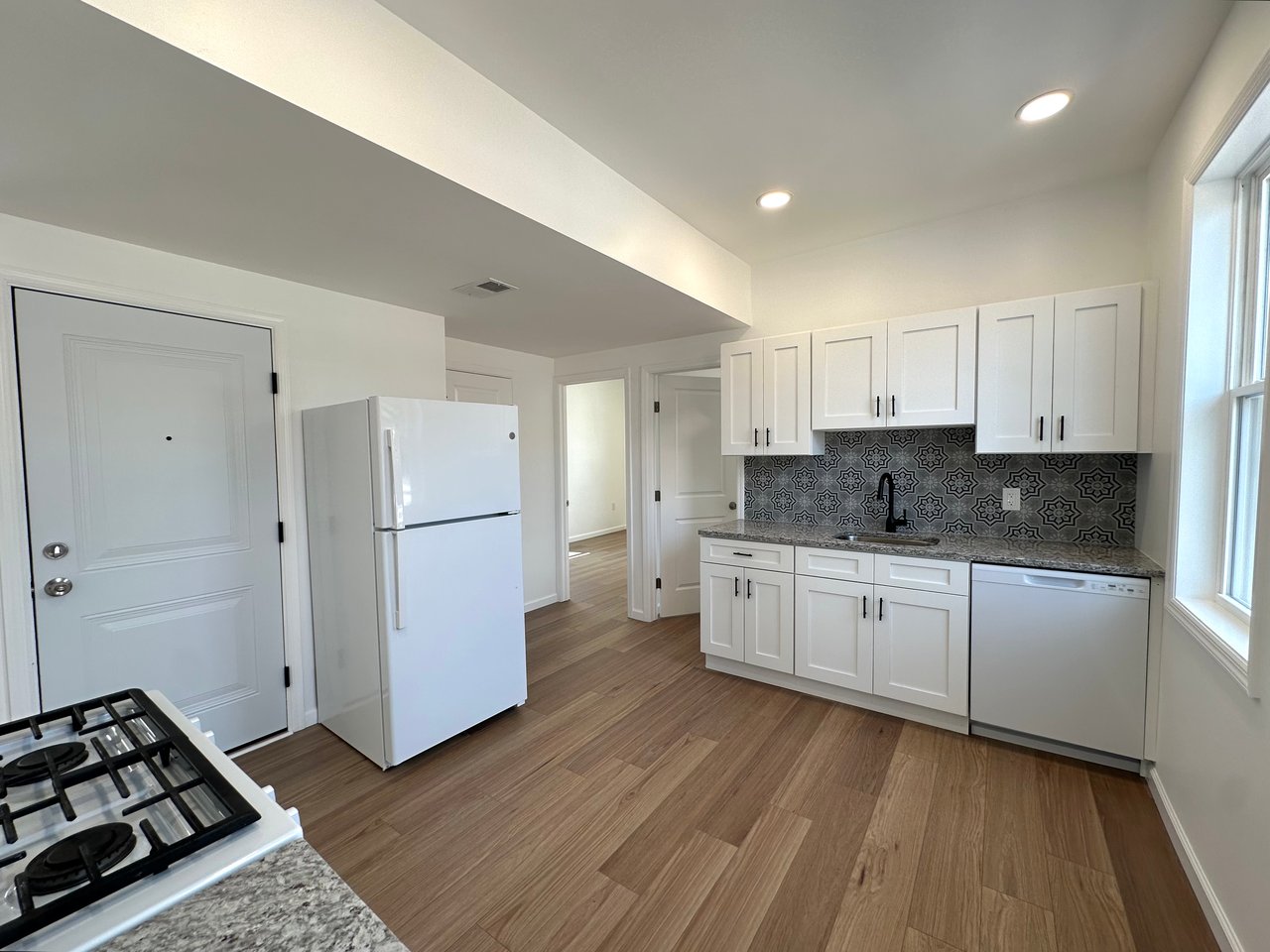
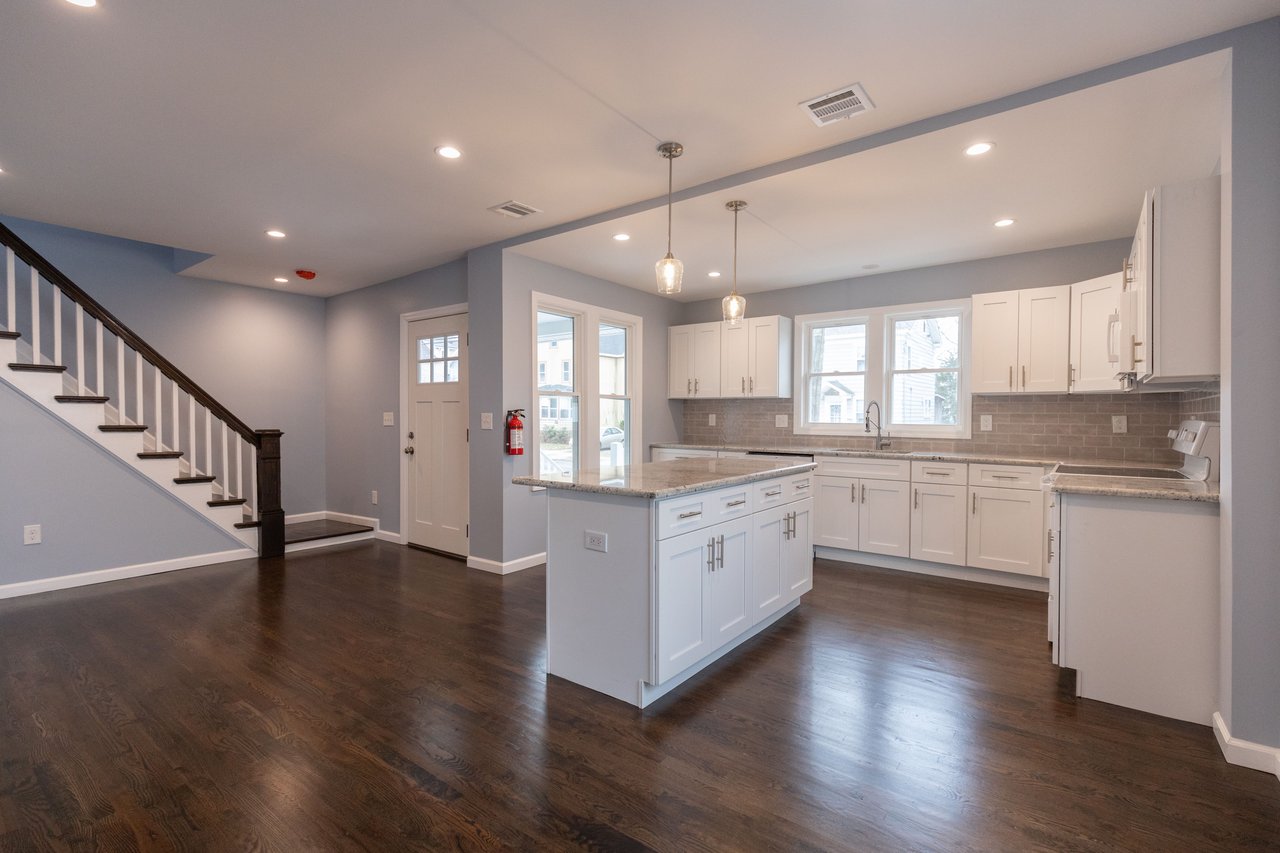
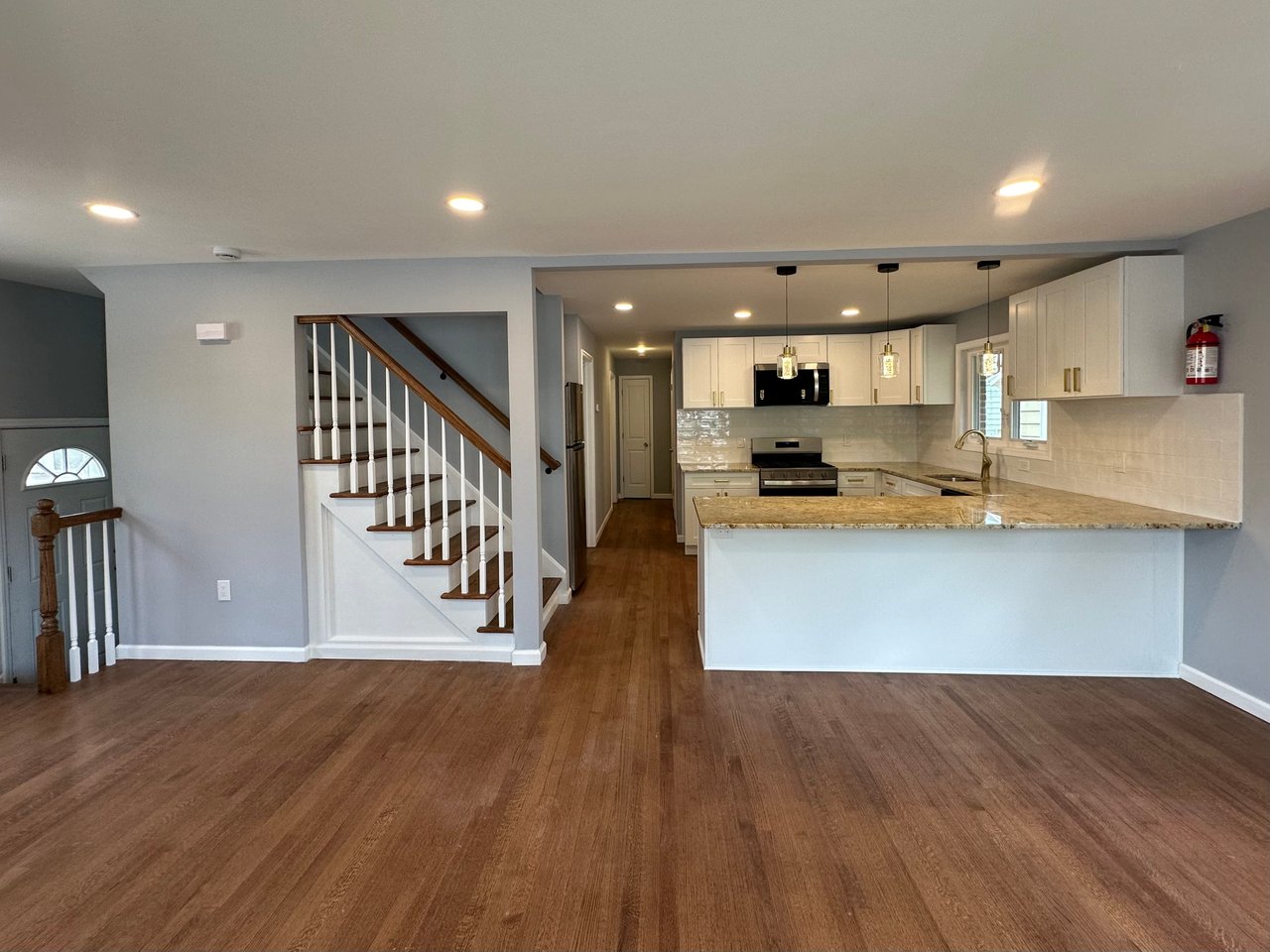
They can also be easier to evaluate from a physical standpoint. Even when the home is older, you are usually assessing one kitchen, one main living setup, and one tenant space rather than multiple units with separate turnover schedules. In a market with a lot of older housing stock, that simplicity matters.
Small multifamily strengths
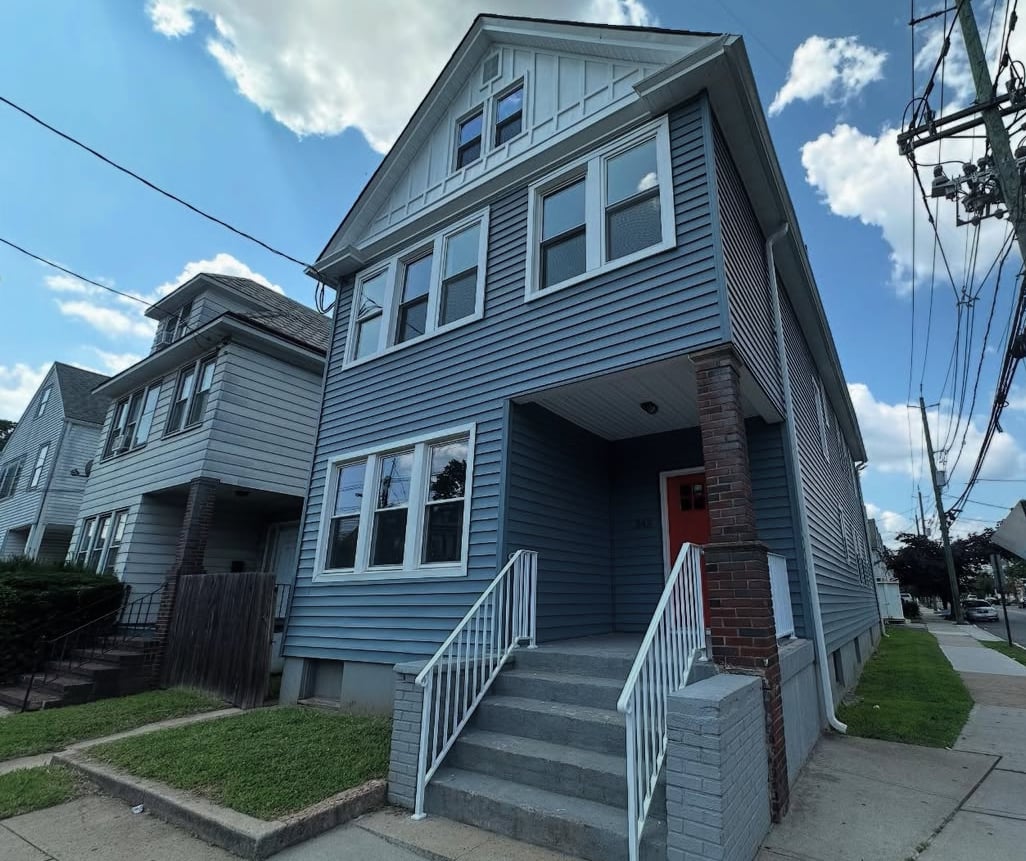
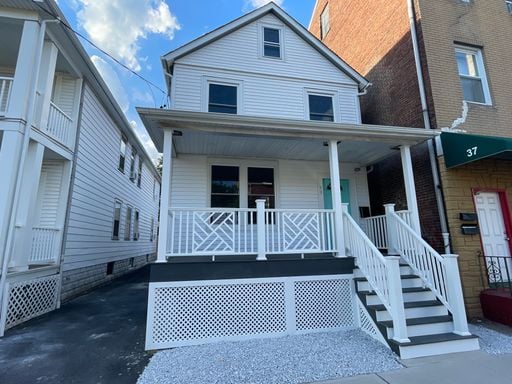
Small multifamily properties often win on income structure. If one unit turns over, the property may still produce rent from the other unit or units. That can soften vacancy risk compared with a single-family property that goes from fully occupied to fully vacant.
They can also offer stronger gross-income signals in New Brunswick. In the reviewed examples from the research, small multifamily often outperformed single-family on rough gross yield when stabilized. That does not make every duplex a better buy, but it does explain why many investors look closely at two-family and three-family properties here.
What the numbers suggest in New Brunswick
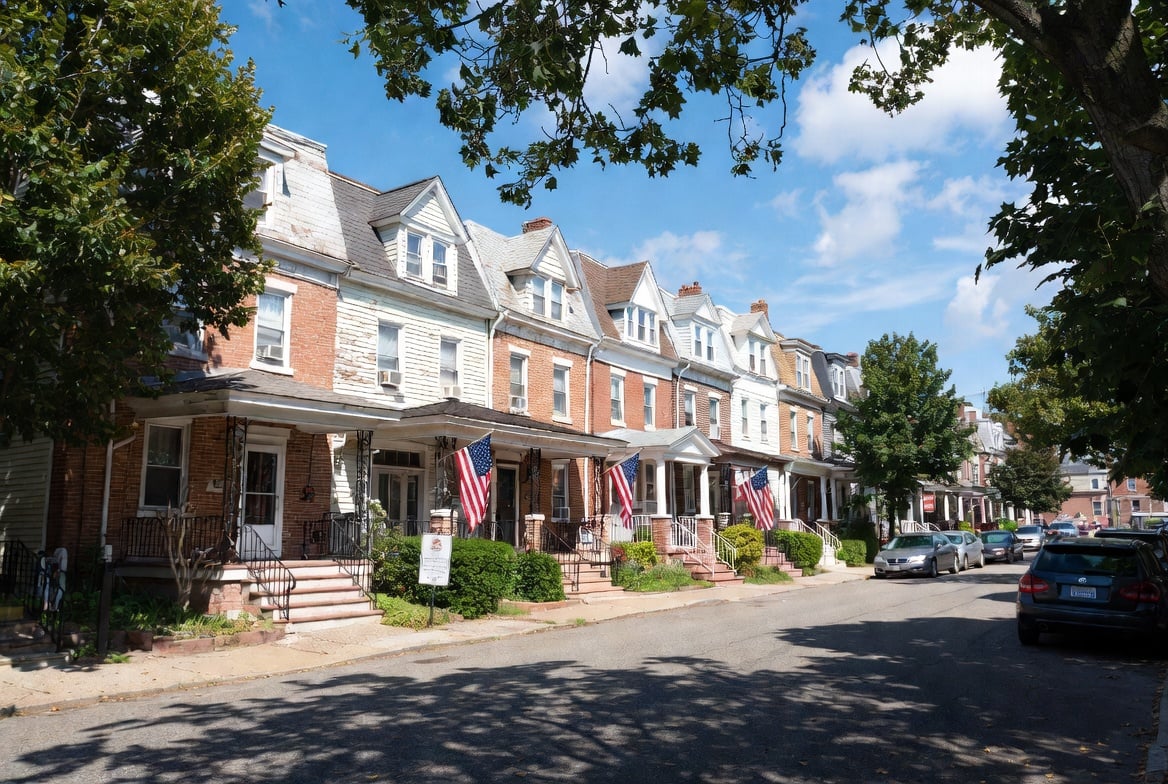
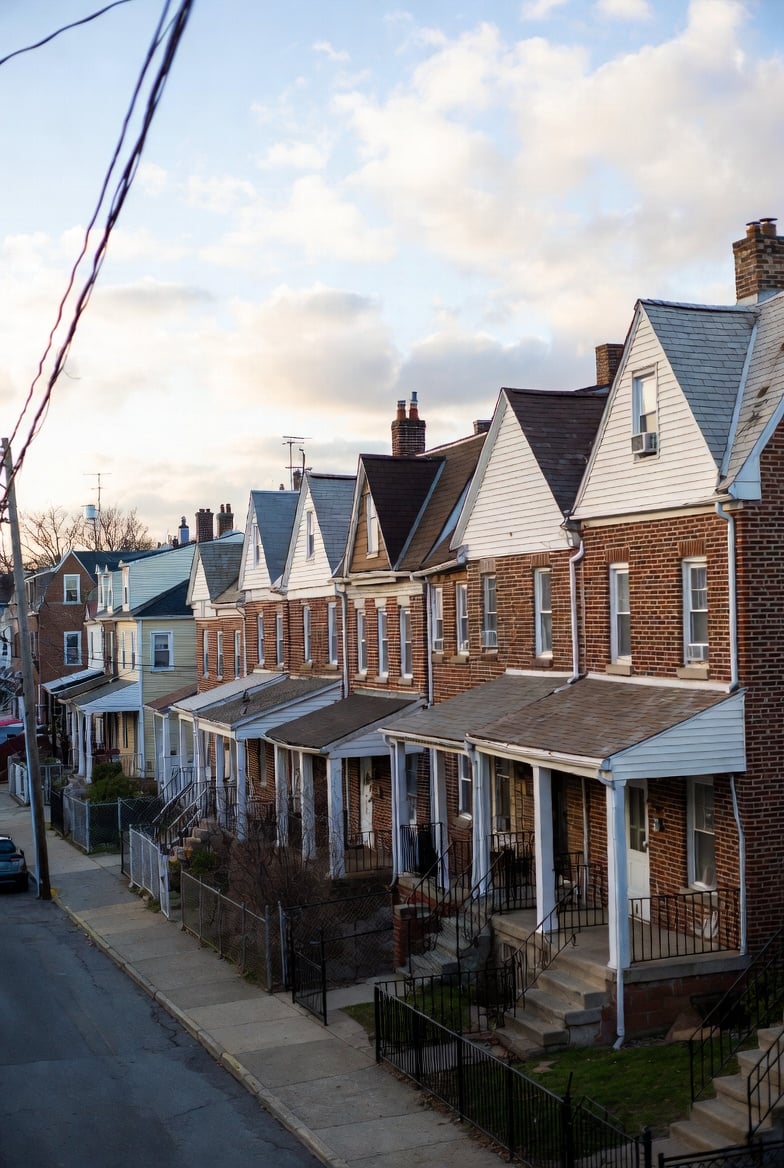
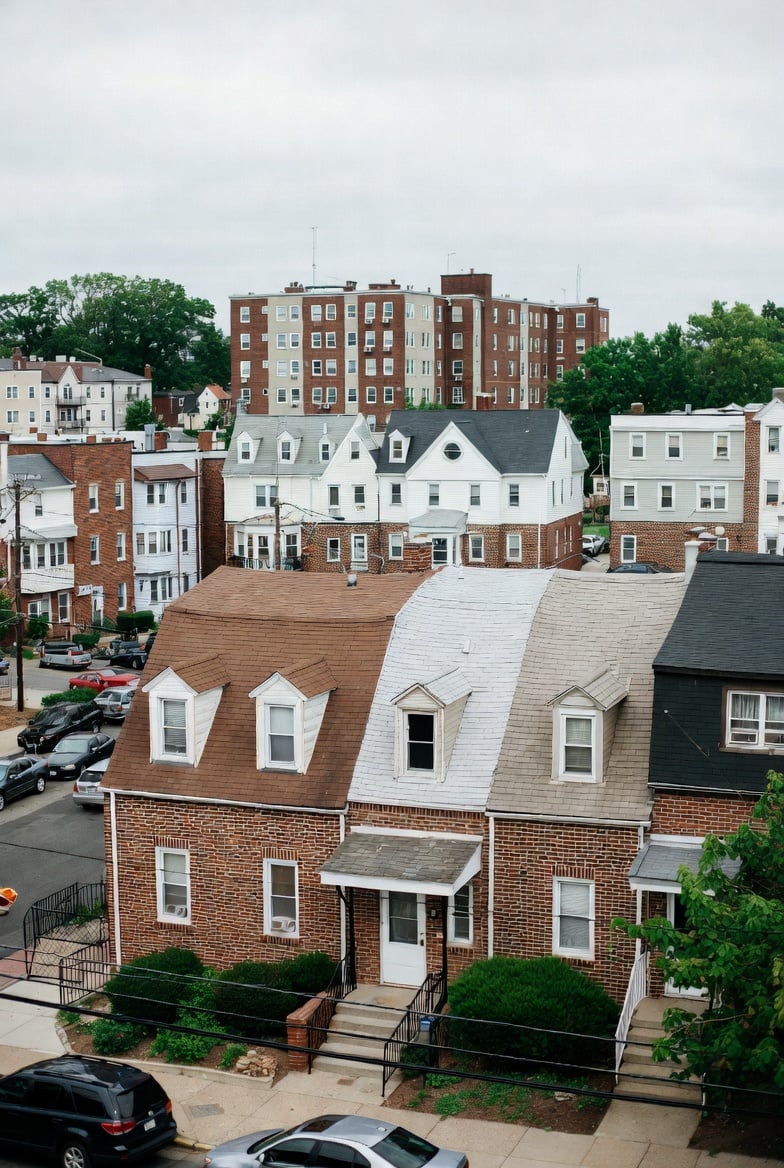
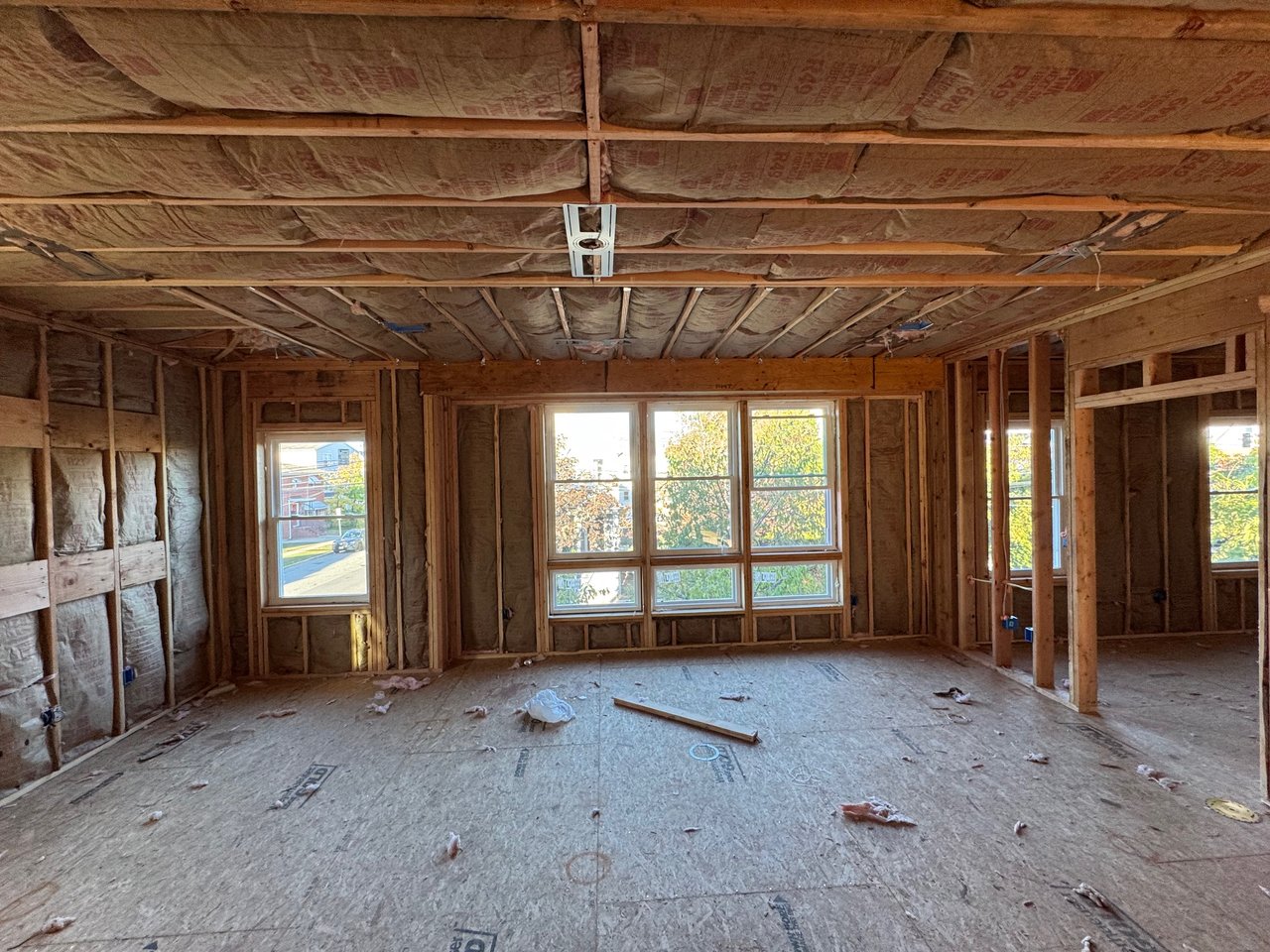
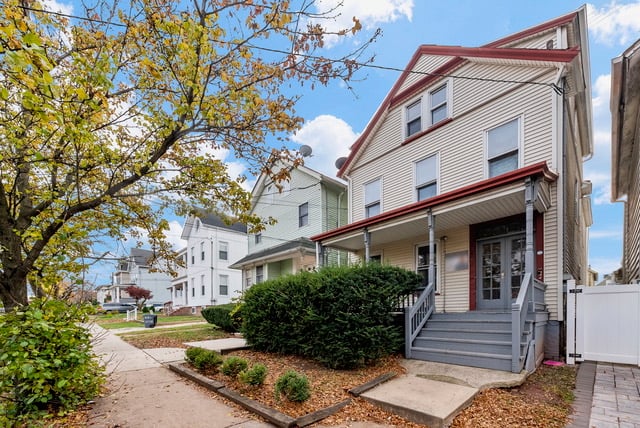
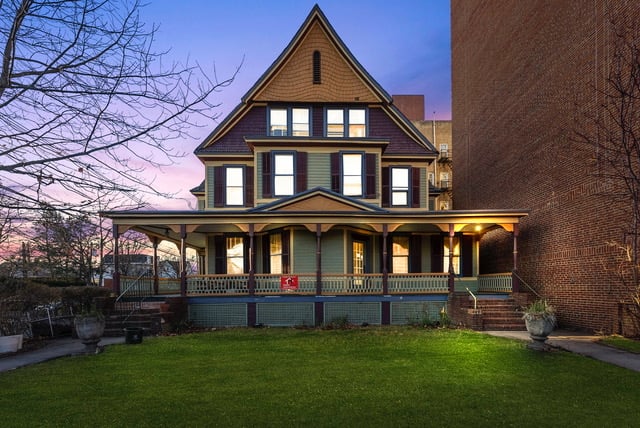
Pricing in New Brunswick spans a wide range by property type and condition. The reviewed single-family sample ran from about $295,000 to $639,999, while duplex and triplex samples ranged from $399,000 to $2.495 million. Most of the sampled housing stock was built between 1900 and 1952, which is important for rehab scope and compliance planning.
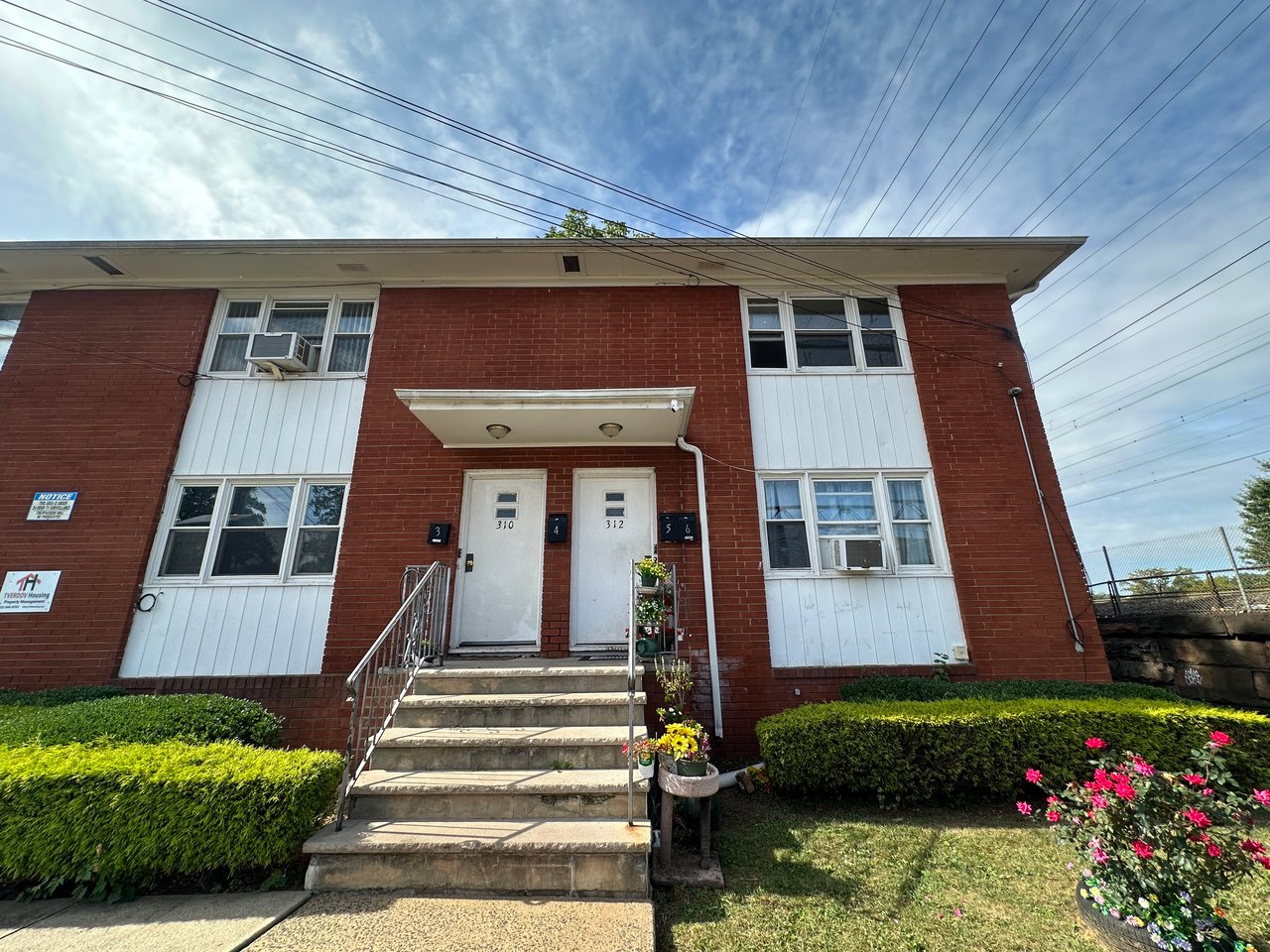
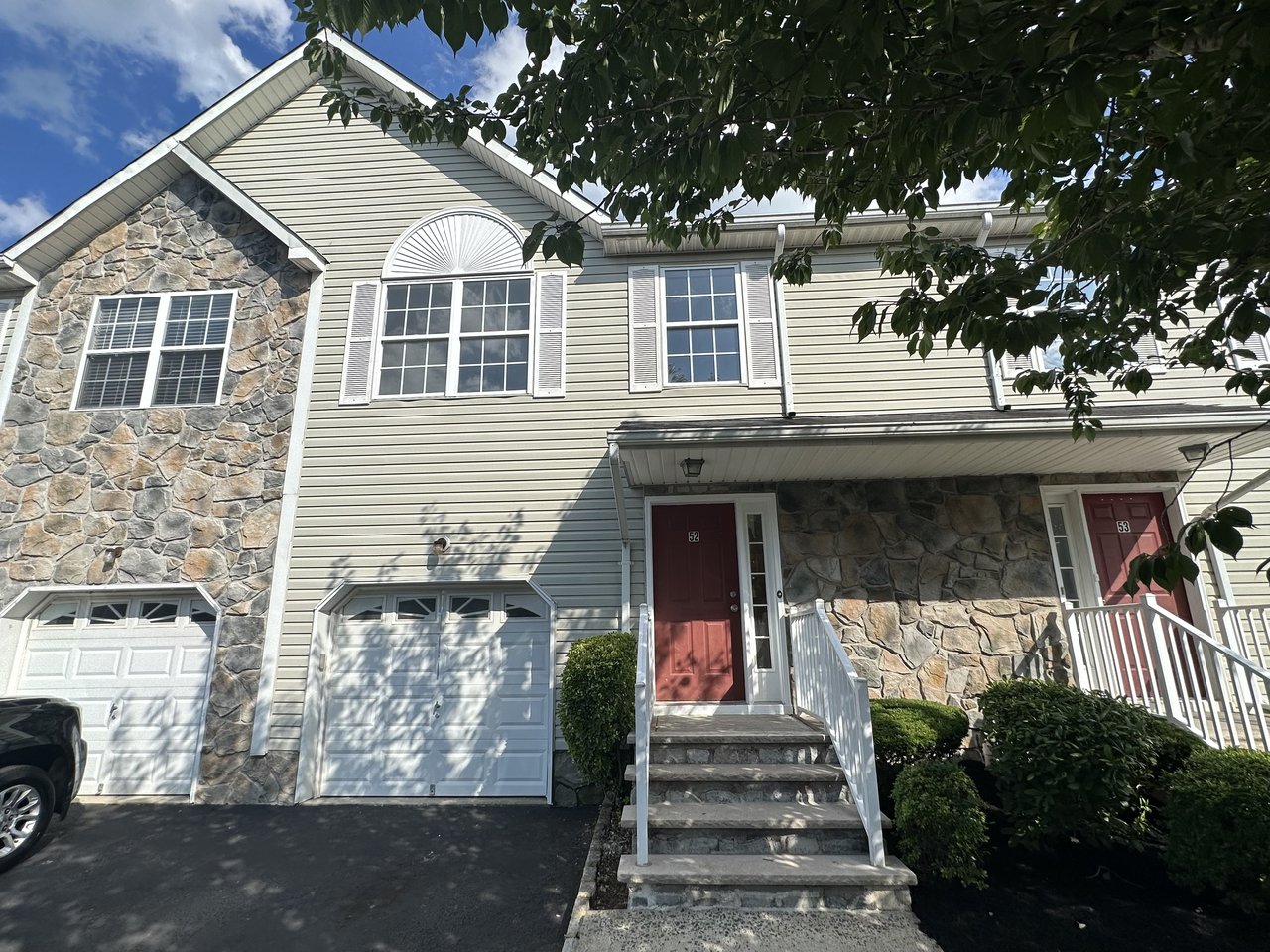
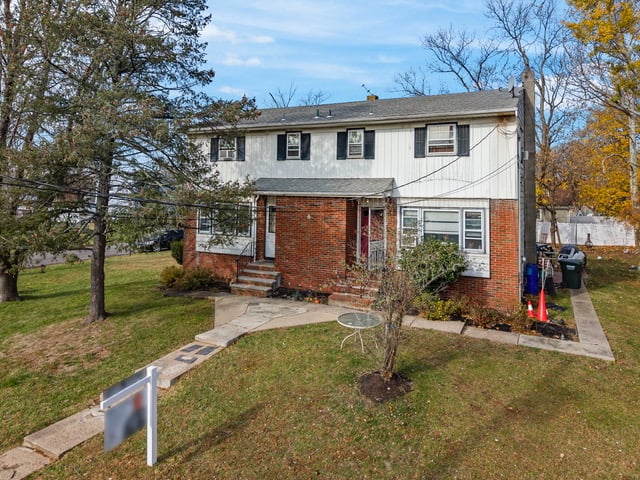
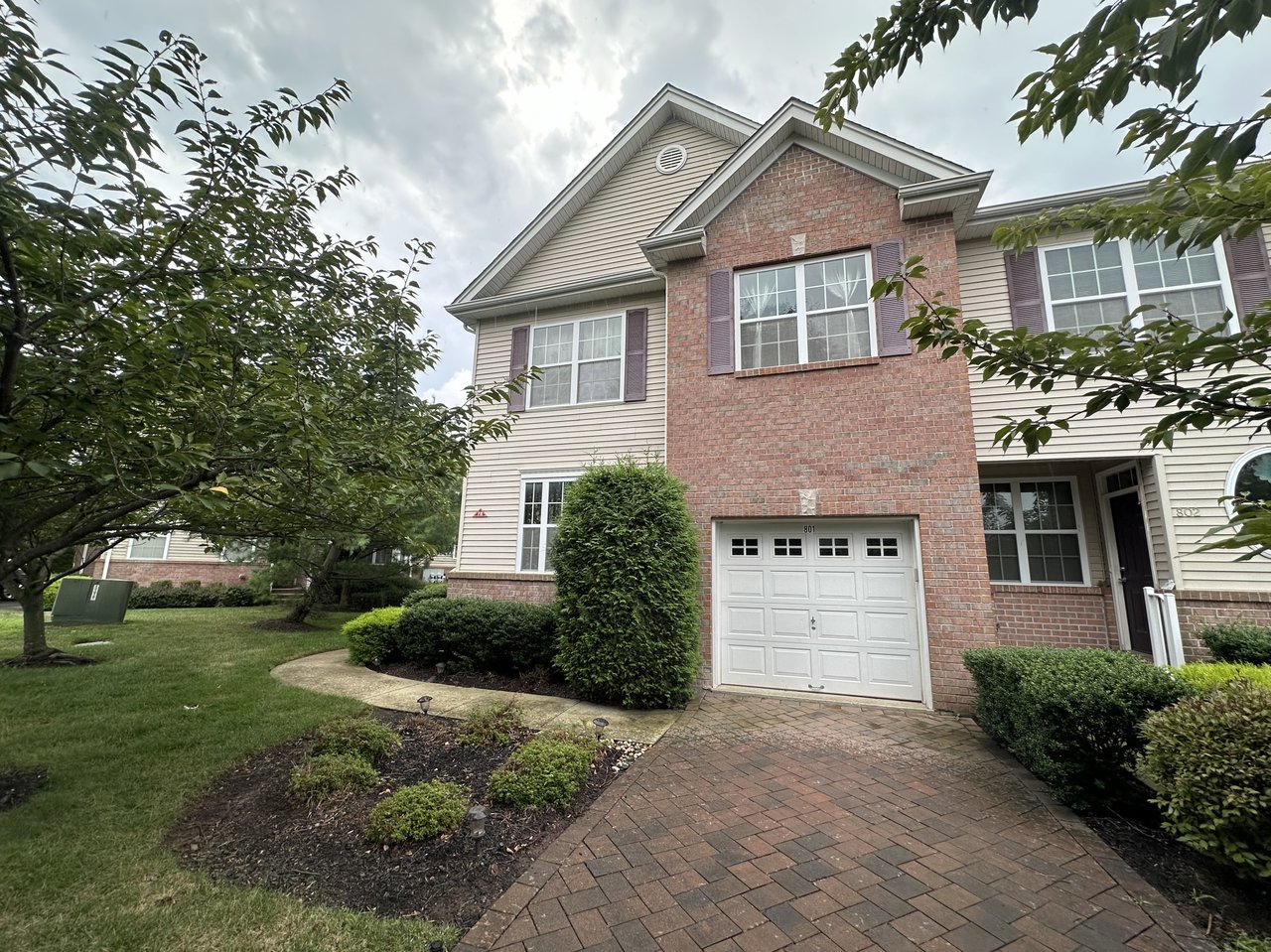
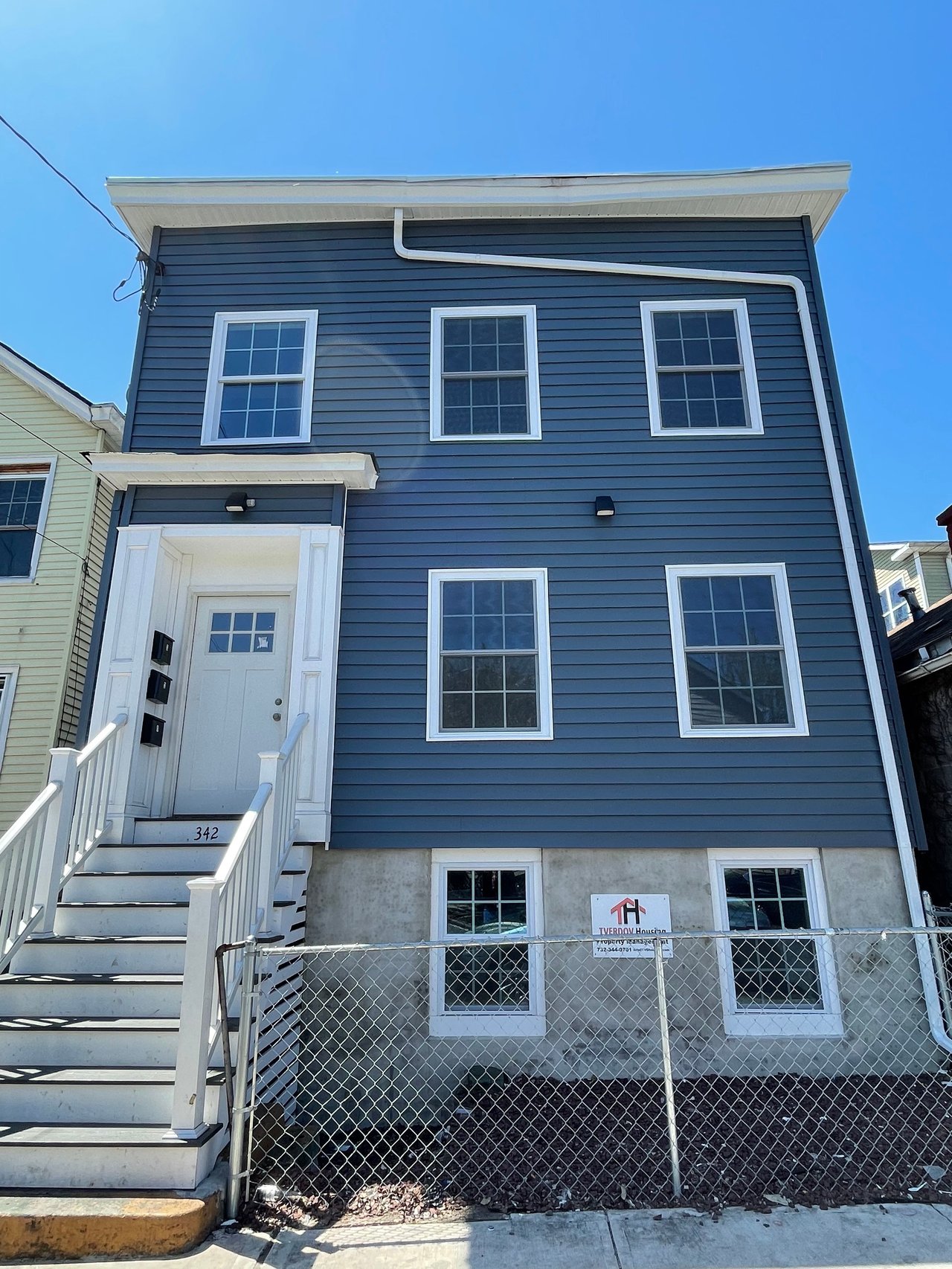
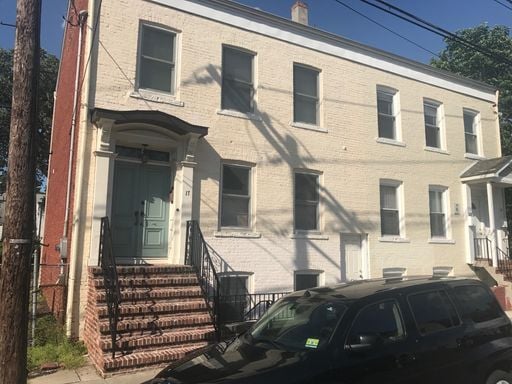
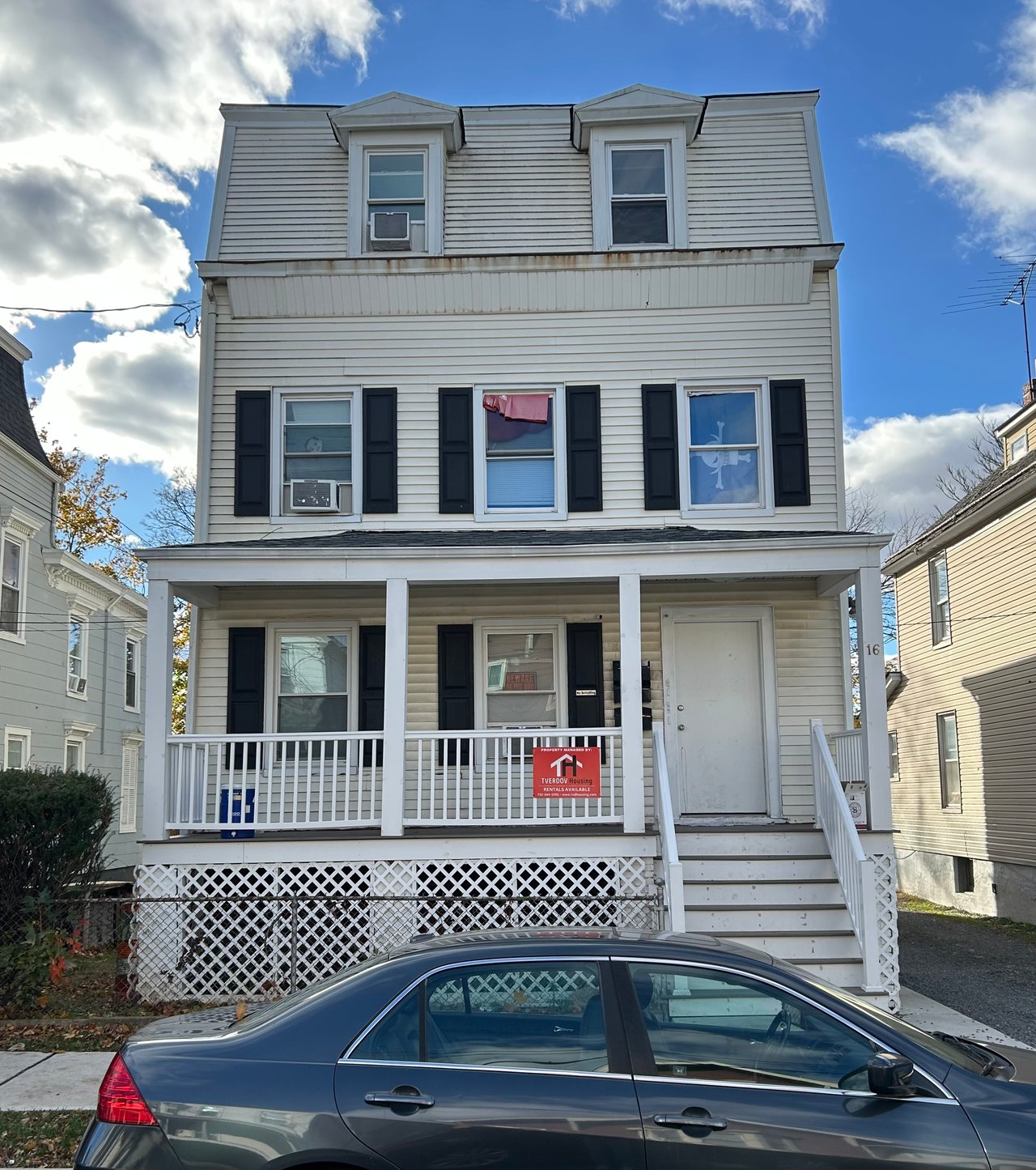
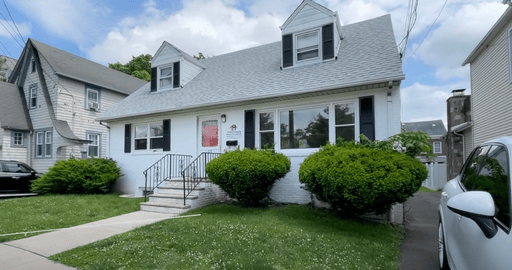
A representative single-family example is 69 Tunison Rd, listed at $549,000. Representative small multifamily examples include 78 Throop Ave at $437,000, 267 Handy St at $600,000, and 205 Townsend St with a $584,800 Zestimate. These are useful not because one comp tells the whole story, but because they show how varied pricing and rent setups can be in the same city.
Rent and gross-income signals
Zillow says houses in New Brunswick rent from $760 to $8,687, with an average rent of $2,500 for houses and $2,600 across all rentals. A current single-family rental comp at 69 Tunison carries a $3,555 Rent Zestimate. By comparison, multifamily rental examples include 28 Central Ave Floor 2 at $1,650 per month and 209 Seaman St Floor 2 at $2,350 per month.
Some of the most helpful comps are the properties that show both pricing and rent context. At 78 Throop, current unit rents were listed at $1,600 and $1,610. At 267 Handy, the listing referenced a $2,654 Rent Zestimate with month-to-month tenants.
Using asking prices and rent figures as a rough gross yield proxy, the reviewed examples came in around:
- 5.3% for 267 Handy
- 6.1% for 205 Townsend
- 7.8% for 69 Tunison
- 8.8% for 78 Throop
This is directional only, not a cap-rate calculation. Still, it shows an important pattern: small multifamily can outperform single-family on gross income when the building is stabilized.
Where small multifamily gets harder
Higher gross income does not automatically mean a better investment. In New Brunswick, small multifamily usually brings more operating complexity. That can affect your time, your maintenance cadence, and your compliance workload.
The city requires any dwelling rented or offered for rent, or any dwelling not used as the owner’s principal residence, to be registered annually on or before April 1. New rental units created after April 1 must be registered within 30 days of a temporary or permanent certificate of occupancy. The same code exempts owner-occupied single-family houses with at least a 50% owner-occupant interest, but investor-owned single-family rentals still fall within the rental-registration framework.
The city also states that every registered rental unit is inspected, with initial registration inspections scheduled within 30 days or before occupancy. For a small multifamily, that can mean more unit-level touchpoints than you would typically have with a single-family rental. The more doors you own, the more moving pieces you need to track.
Lead-based paint compliance matters more in older stock
New Jersey’s lead-based paint inspection law applies to certain pre-1978 single-family, two-family, and multiple rental dwellings unless an exemption applies. The New Jersey Department of Community Affairs says inspections occur at tenant turnover or every three years, whichever comes first. In two-family and multiple-dwelling rentals, tenant-accessible common areas are also included.
This is one reason older duplexes and triplexes need careful review before closing. If the property has separate utilities, updated systems, or a lead-free certificate, that may reduce friction. But in general, older small multifamily properties can create a heavier compliance and turnover burden than a cleaner single-family asset.
Turnover and leasing patterns near Rutgers
Rutgers has an outsized presence in New Brunswick. The university reports 46,934 students and maintains an Off-Campus Living service. Some local listings are also explicitly marketed to Rutgers students, which suggests that campus-proximate rentals can have more seasonal leasing patterns.
For you, that can cut both ways. Strong off-campus demand can support occupancy, but it may also mean faster turnover and more frequent unit prep in small multifamily properties near campus. A single-family rental may see a steadier occupancy pattern depending on the home, location, and renter profile.
When a single-family may be the better choice
A single-family rental may fit you better if your goal is operational simplicity. If you prefer fewer turnovers, fewer unit inspections, and a cleaner maintenance workflow, this property type can be easier to manage. That can be especially appealing if you are an out-of-market owner or you want a more predictable day-to-day experience.
Single-family may also make sense when the house is in better condition than the local duplex and triplex options you are comparing. In New Brunswick, where much of the stock is older, condition can outweigh property type. A cleaner building with fewer deferred items may produce better real-world results than a higher-grossing property that needs more capital and more oversight.
When a small multifamily may be the better choice
A small multifamily may be the stronger choice if you want more income diversification. Two or three units can create a buffer against vacancy and often produce better gross-income potential than a single-family home. In the reviewed New Brunswick examples, that pattern showed up clearly.
This path can also work well if you are comfortable with a more hands-on operating model or if you have local systems in place for leasing, repairs, inspections, and turnover. In that case, the added complexity may be worth it because the property gives you more ways to drive rent and stabilize performance.
The better question to ask before you buy
Instead of asking which label is better, ask which building is better. In New Brunswick, the smarter decision usually comes down to four factors:
- Condition: Older homes can change your rehab and compliance budget fast.
- Utility setup: Separate utilities can make operations easier in small multifamily.
- Tenant profile: Leasing patterns may differ based on the property’s use and location.
- Operational complexity: More units can mean more inspections, more turnover, and more management touchpoints.
That is why a data-first review matters more than a quick preference for one property type. A strong single-family can beat a poorly configured duplex. A well-run duplex can beat a single-family on income and resilience.
How to make the choice with more confidence
If you are comparing deals in New Brunswick, look at the property through both an investor lens and an operator lens. Start with price, rent potential, and rough yield. Then pressure-test the building condition, registration requirements, turnover risk, and whether the asset fits the amount of involvement you actually want.
That is where local execution matters. In a market like New Brunswick, the difference between a smooth asset and a frustrating one often comes down to the rehab scope, the leasing plan, and the management systems behind the property. If you want a rent-ready investment with less friction between purchase and cash flow, working with a team that can source, renovate, and operate locally can make the decision much clearer.
If you want help comparing single-family and small multifamily opportunities in New Brunswick, connect with Pete Tverdov to explore rent-ready options, value-add opportunities, and full-service local management.
FAQs
Is single-family or small multifamily better for cash flow in New Brunswick?
- Small multifamily often shows stronger gross-income potential in the reviewed New Brunswick examples, but actual performance depends on condition, rents, expenses, and turnover.
Does New Brunswick require rental registration for investment properties?
- Yes. The city requires rental registration for dwellings rented or offered for rent, and for dwellings that are not the owner’s principal residence, with annual registration generally due by April 1.
Are investor-owned single-family rentals exempt from New Brunswick rental rules?
- No. The owner-occupied single-family exemption applies to houses with at least a 50% owner-occupant interest, but investor-owned single-family rentals remain in the rental-registration framework.
Do older New Brunswick rentals need lead-based paint inspections?
- Certain pre-1978 single-family, two-family, and multiple rental dwellings in New Jersey are subject to lead-based paint inspection rules unless an exemption applies.
Does Rutgers affect rental demand in New Brunswick?
- Yes. Rutgers–New Brunswick has 46,934 students, which makes the university a major source of rental demand and can also contribute to seasonal leasing patterns in some properties.
What should you compare besides price when choosing a New Brunswick rental property?
- Focus on condition, utility separation, tenant profile, rent potential, and how much operational complexity you want to take on.