Looking at Elizabeth’s waterfront and wondering whether it supports steady rental demand? That is a smart question, especially if you want more than a map view and need to understand how people actually live in the area. When everyday convenience, transit access, and housing mix line up, rental demand often follows. Let’s dive in.
Elizabeth’s Waterfront in Context
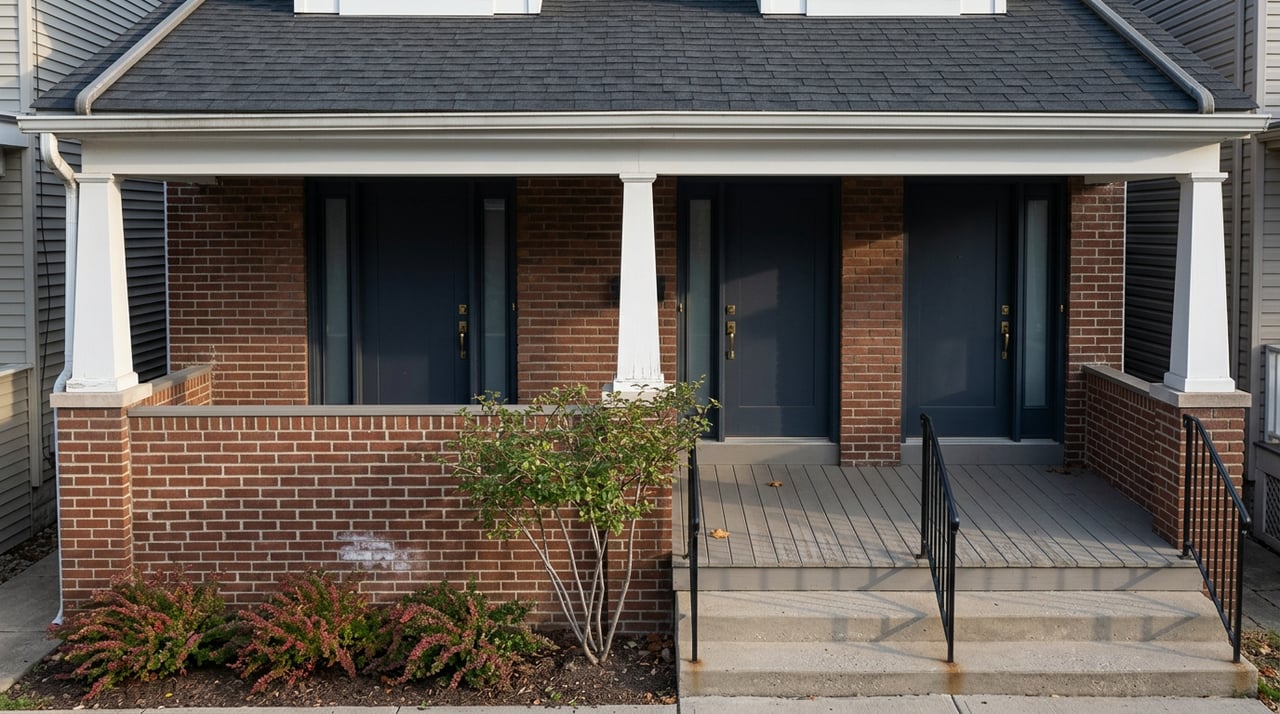
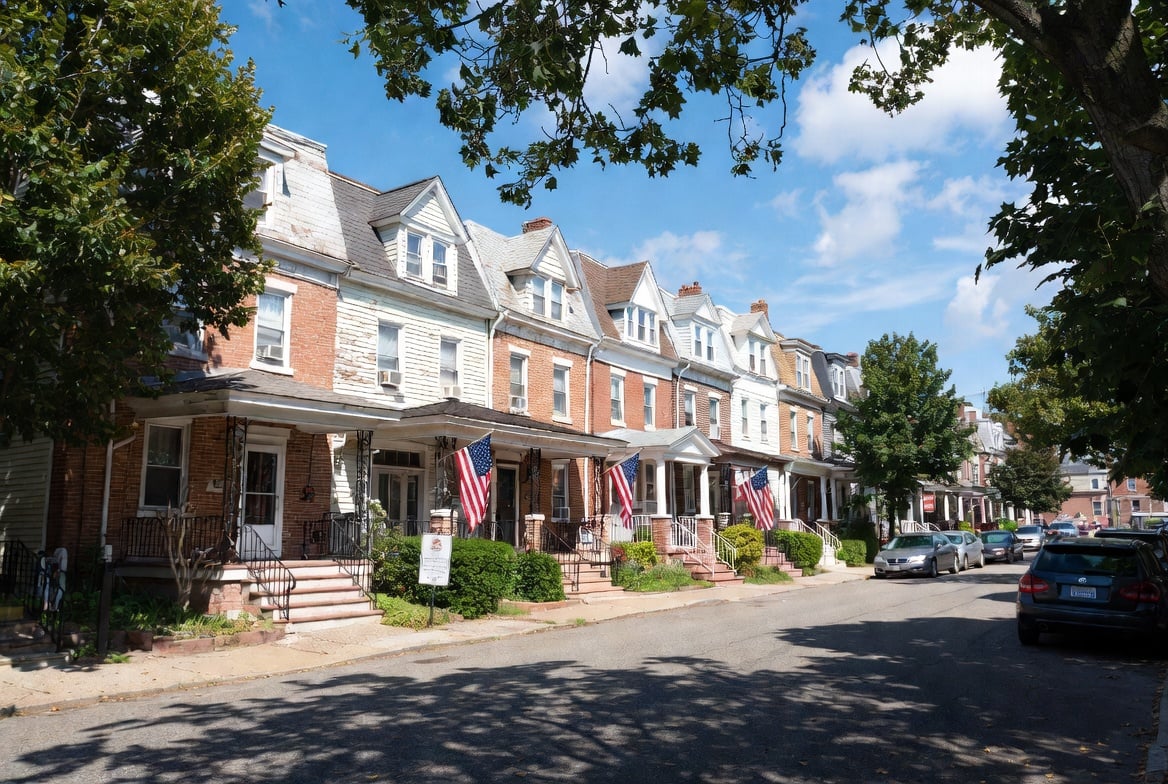
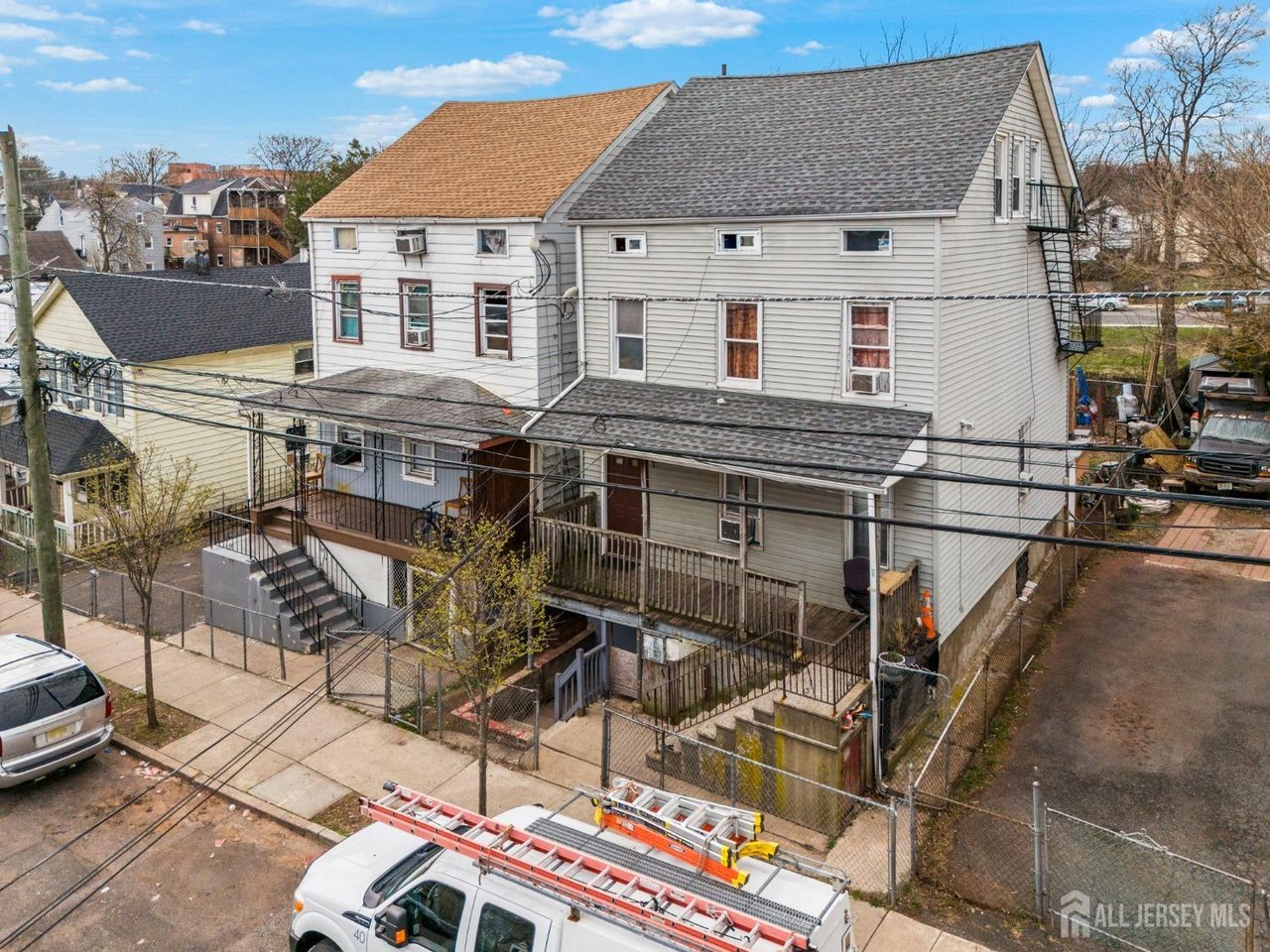
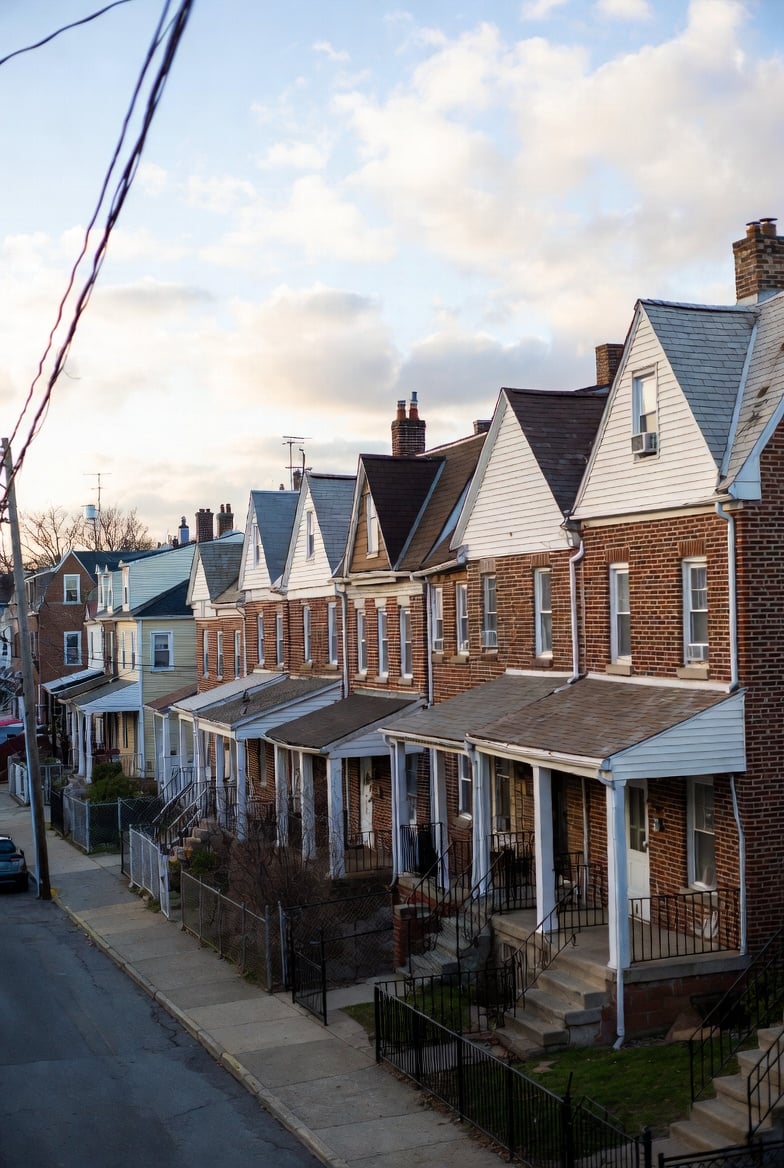
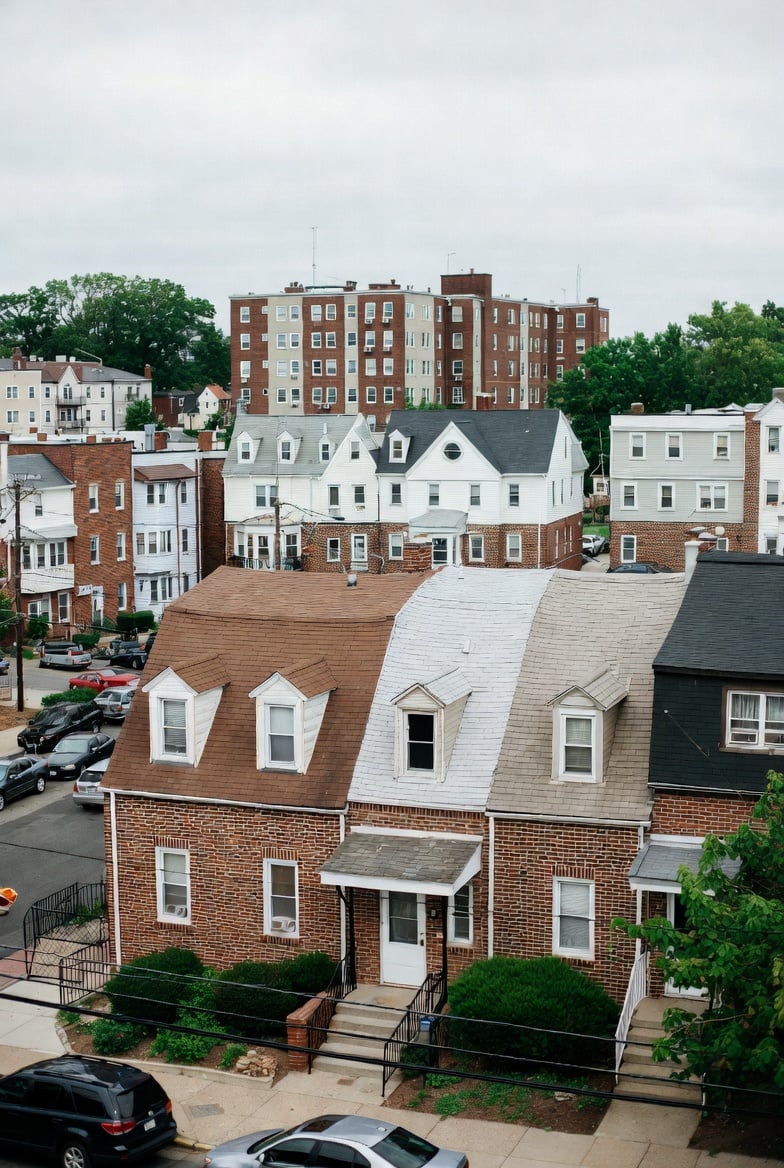
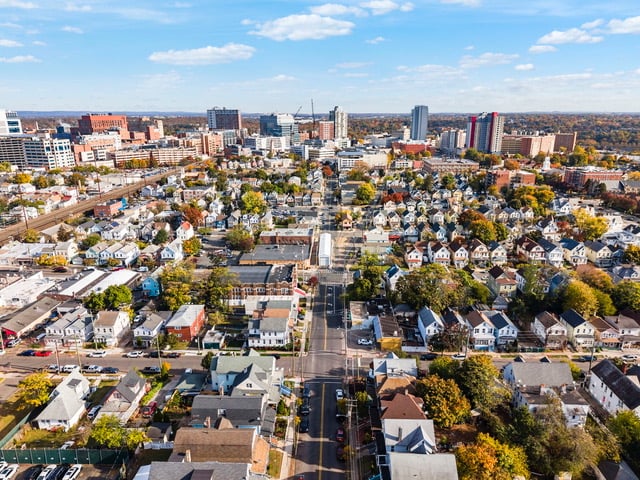
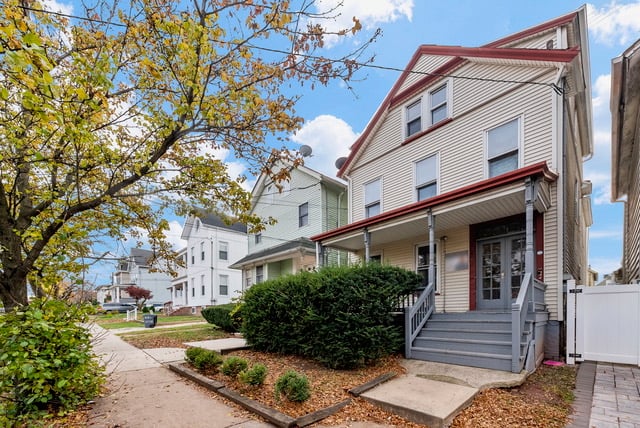
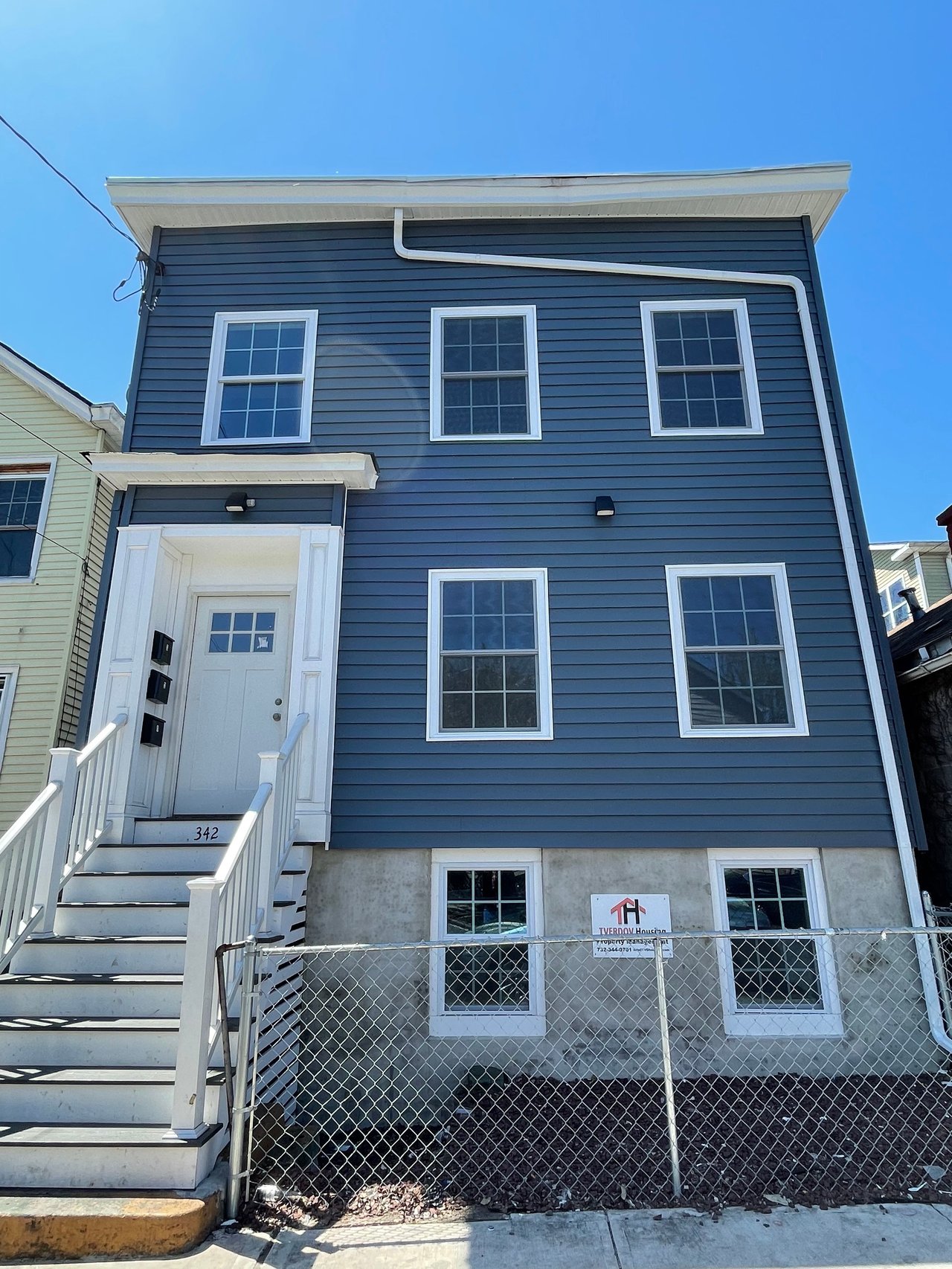
Elizabeth’s main waterfront target area is Elizabethport, which the city defines between the waterfront and the New Jersey Turnpike, with Trumbull Street and Elizabeth Avenue forming its north and south edges. The city also identifies Elizabethport as one of Elizabeth’s oldest neighborhoods, with historic infrastructure, 19th-century colonial-style homes, and newer development added since the 2000s.
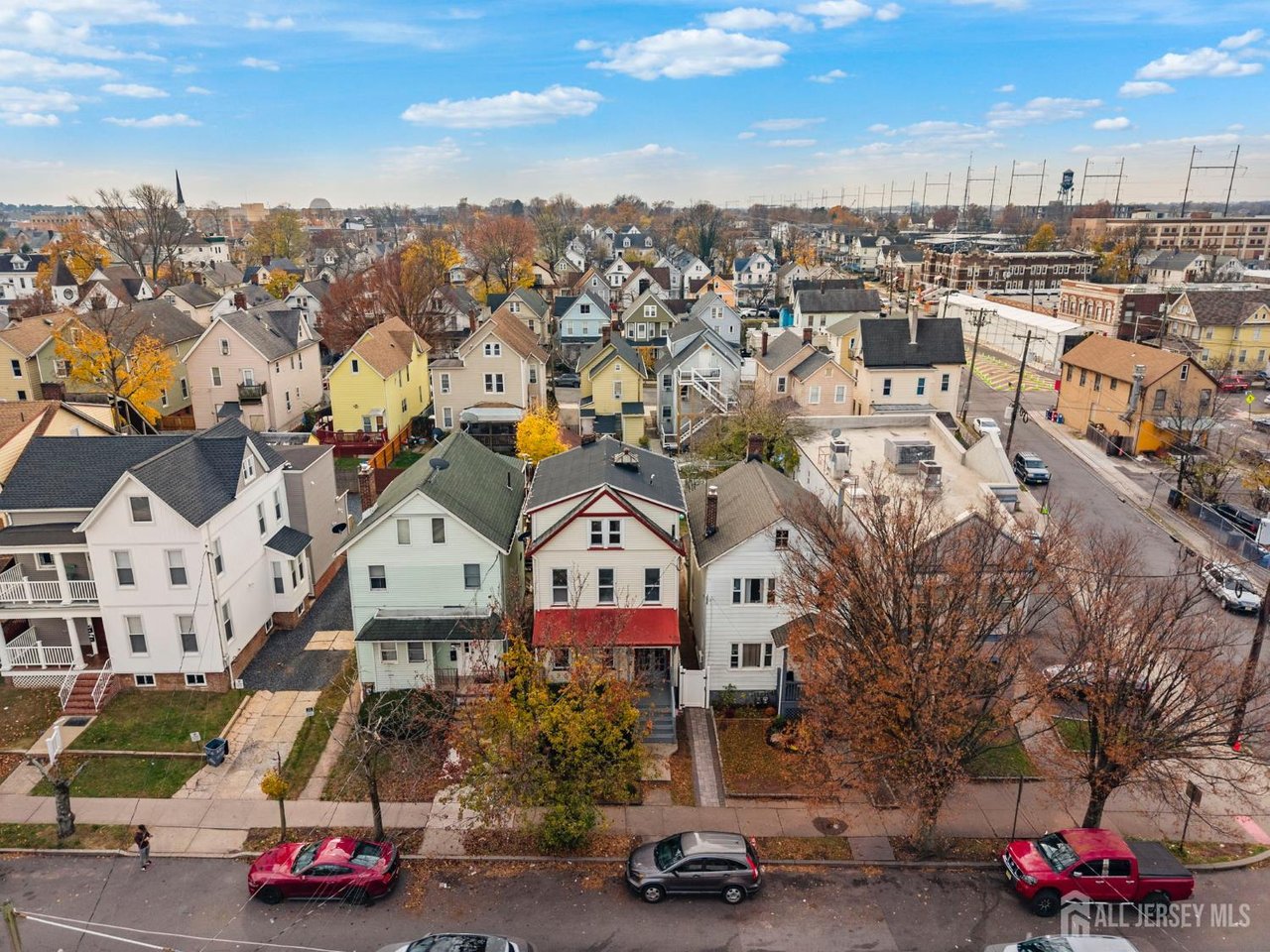
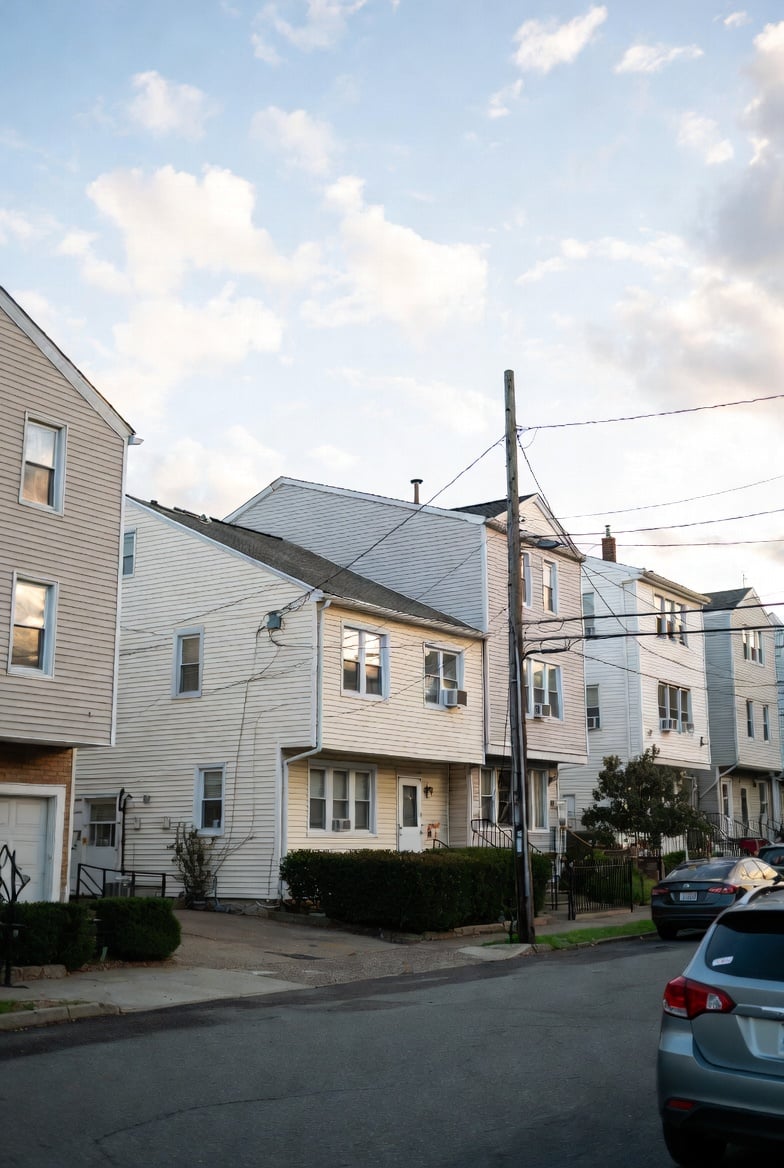
That mix matters if you are evaluating rental property. You are not looking at a single-style submarket. You are looking at an older urban neighborhood with a combination of legacy housing, newer projects, and proximity to industrial and commercial activity.
Elizabeth itself is a large, dense city. The Census Bureau estimates 141,675 residents in 2025, and the city reports density of 11,145.2 people per square mile. In practical terms, that density supports the kind of built environment where rentals, transit, and neighborhood services all play an important role.
Everyday Life Near the Waterfront
A waterfront area only goes so far if daily life feels inconvenient. In Elizabeth, the waterfront story is not just about shoreline proximity. It is also about access to parks, errands, and entertainment that people can actually use week to week.
The city reports about 46 parks citywide. For the waterfront area, Veterans Memorial Waterfront Park stands out because it offers fishing, parking, trails, a walking track, and direct frontage on the Arthur Kill.
That gives the area a real recreation component. Instead of a shoreline defined only by industrial uses, you have a waterfront setting that includes outdoor activity and open space, which can make nearby housing more appealing to renters.
Errands and Amenities Support Daily Convenience
Elizabethport’s planning materials also point to the nearby 13A commercial cluster. That area includes Jersey Gardens Mall, IKEA, restaurants, hotels, and a multiplex theater.
For renters, this kind of nearby retail and service mix can be a meaningful advantage. It means shopping, dining, and entertainment are available without depending only on downtown for basic errands or leisure time.
When you evaluate rental demand, this matters because convenience shapes tenant choices. Areas that combine housing with easy access to practical day-to-day destinations often stay on renters’ short lists.
Transit Access Helps Drive Rental Appeal
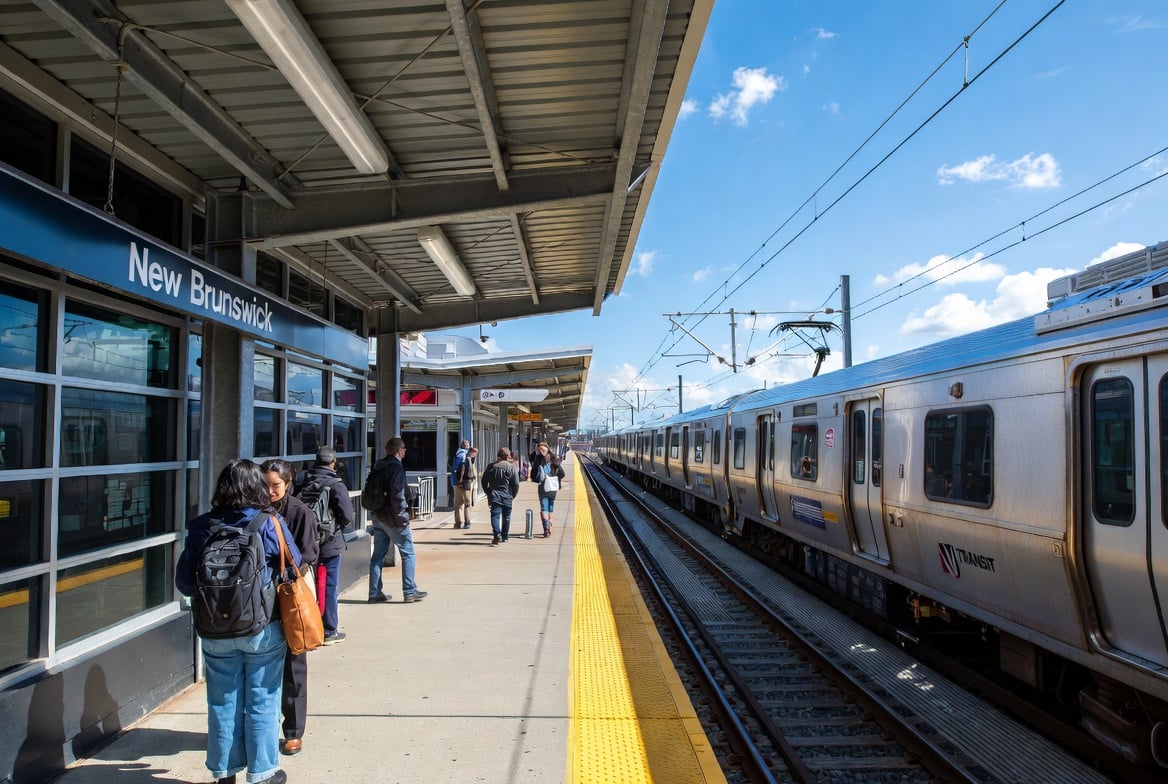
Transit is one of the strongest parts of Elizabeth’s rental story. The city says Elizabeth has two NJ Transit train stations and extensive bus service, which helps connect residents to the wider region.
Elizabeth Station serves the Northeast Corridor and North Jersey Coast Line and includes parking, bike racks, and ticket windows. North Elizabeth Station also serves both lines and offers parking and bike access.
This kind of connectivity supports a broad renter base. People who want rail access, regional mobility, and a shorter path to major job centers may see value in living in Elizabeth rather than in a more car-dependent area.
Citywide commute data reinforces that point. The Census reports a mean travel time to work of 26.7 minutes, which suggests many residents are balancing local housing choices with regional access.
Why Elizabeth Is a Rental-Heavy Market
If you are trying to understand demand around the waterfront, the broader citywide housing picture is important. Elizabeth is a predominantly renter-occupied city, with a reported owner-occupied housing unit rate of 25.6%.
That is a key signal for investors. It means rentals are not a side category in Elizabeth. They are a central part of the local housing market.
The Census also reports a median gross rent of $1,523 and 46,121 households citywide. In a dense, built-out city like Elizabeth, those figures help explain why rental performance and tenant demand are major parts of the local real estate conversation.
Housing Stock Mix Around Elizabethport
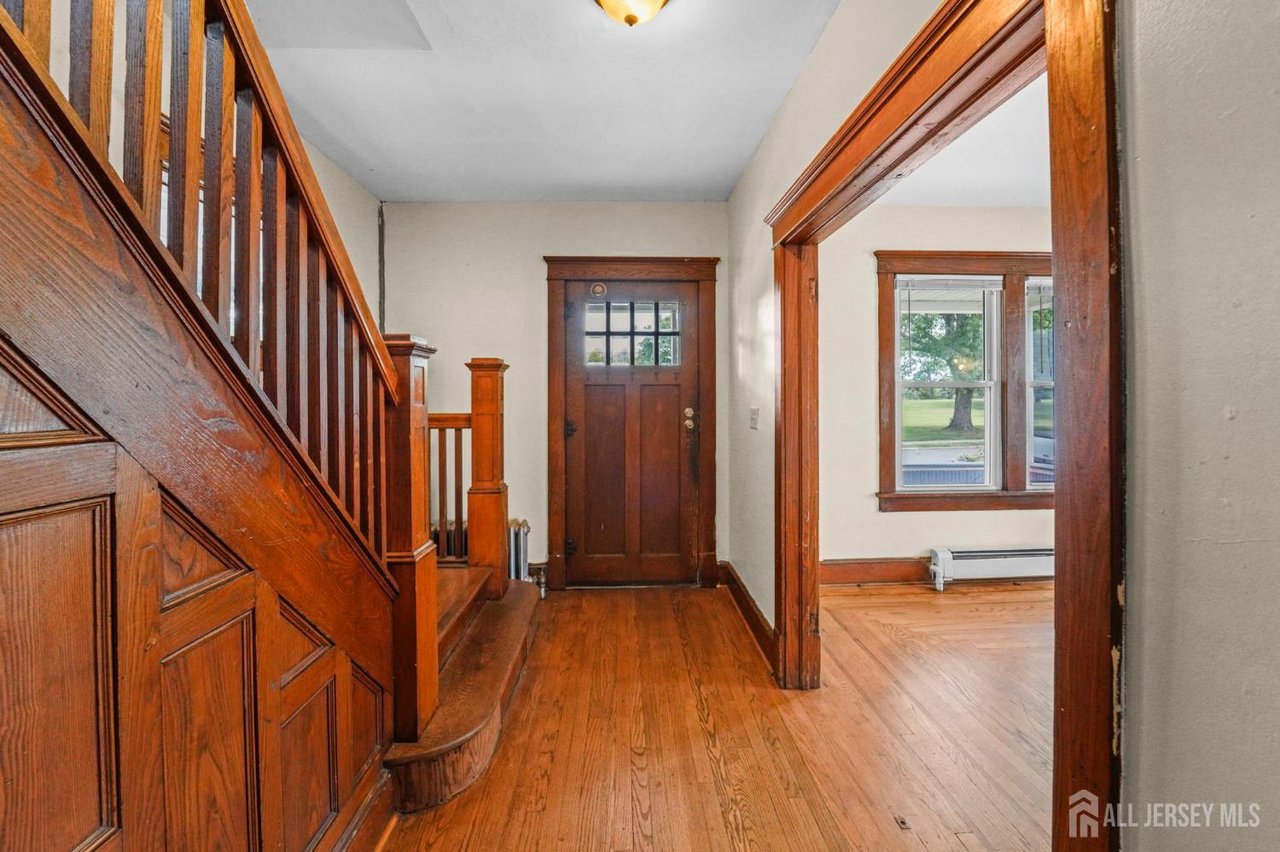
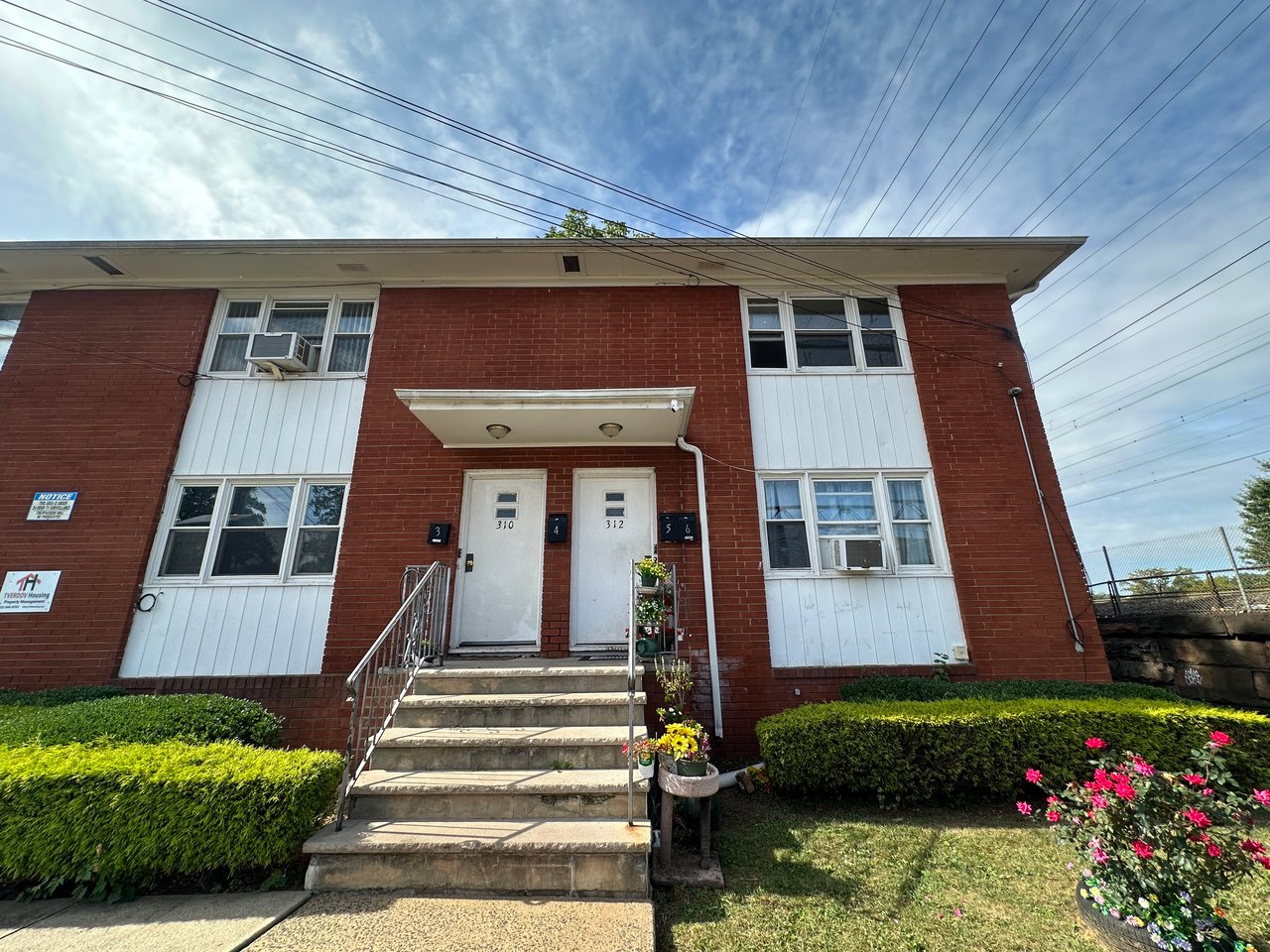
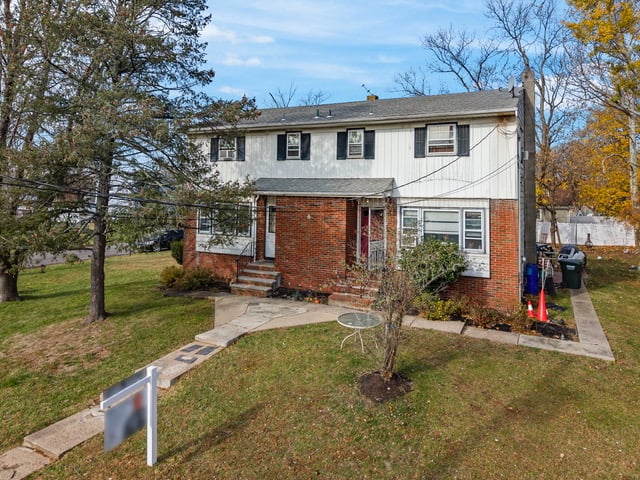
The city’s planning documents describe much of Elizabeth’s housing as older and in need of rehabilitation. They state that 84% of renter-occupied and owner-occupied housing was built before 1978, and they identify maintenance and code-compliance issues as ongoing concerns.
For investors, that creates a mixed picture. Older housing can offer value-add potential, but it also requires sharper underwriting, realistic renovation planning, and attention to ongoing upkeep.
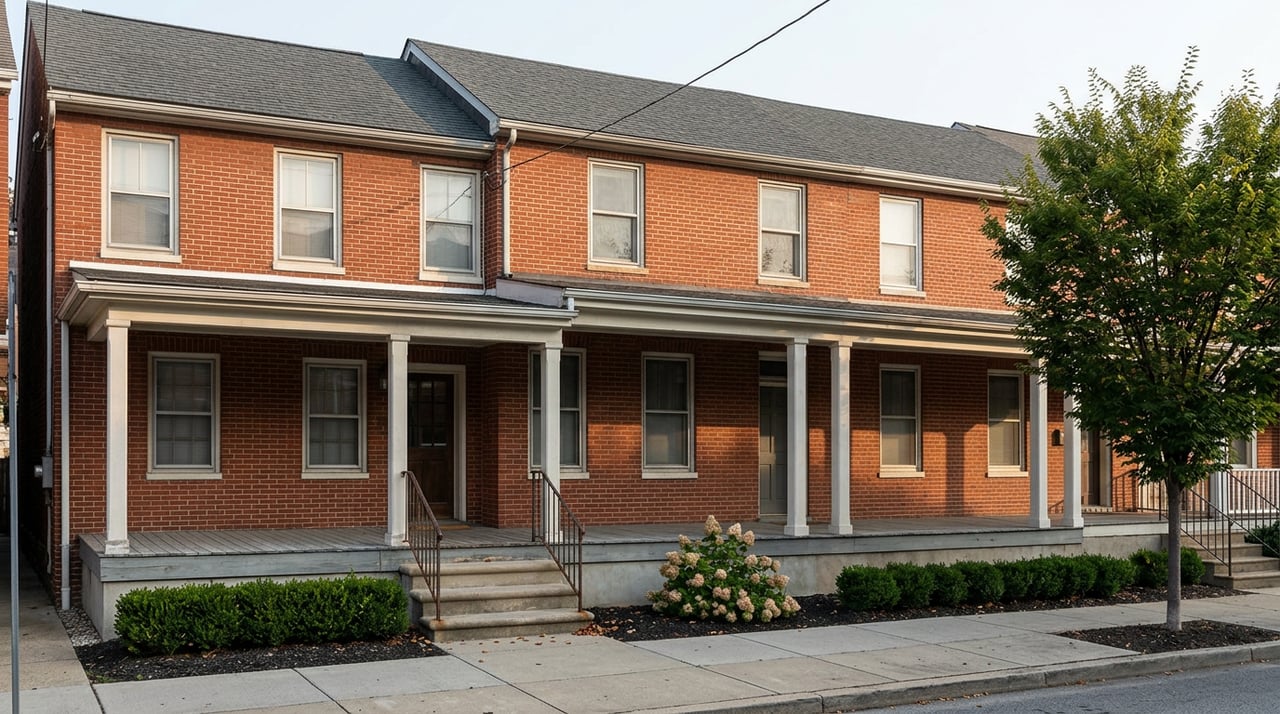
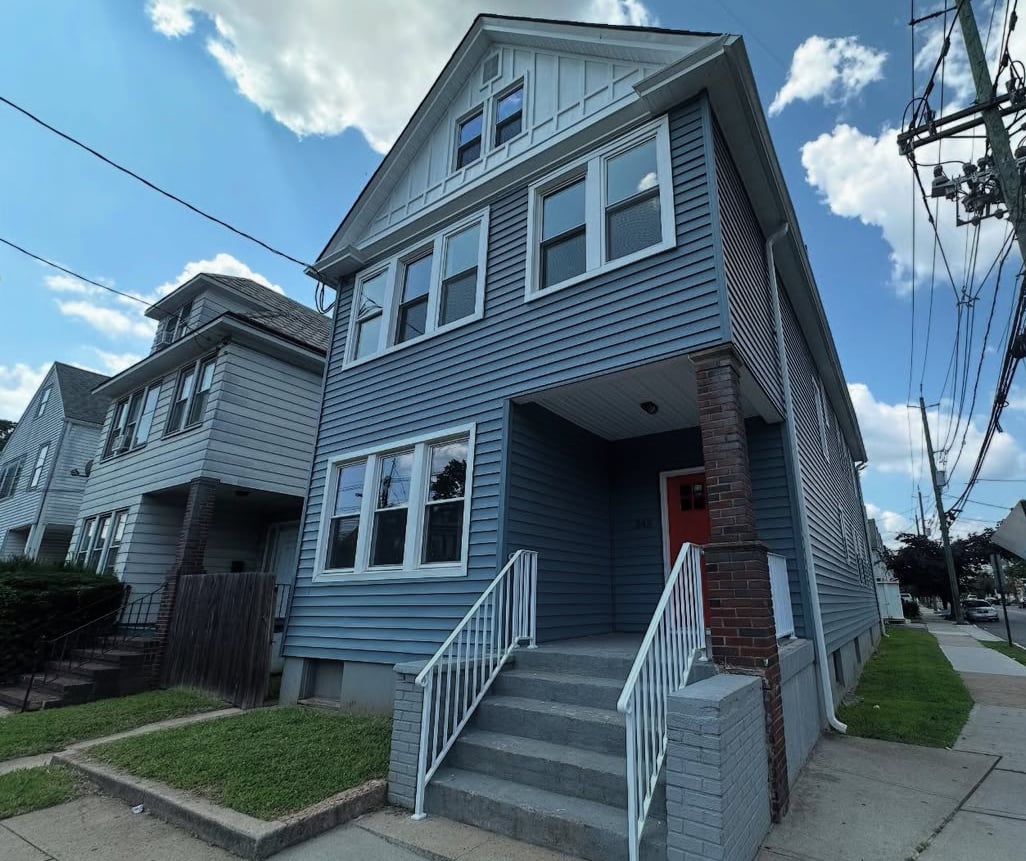
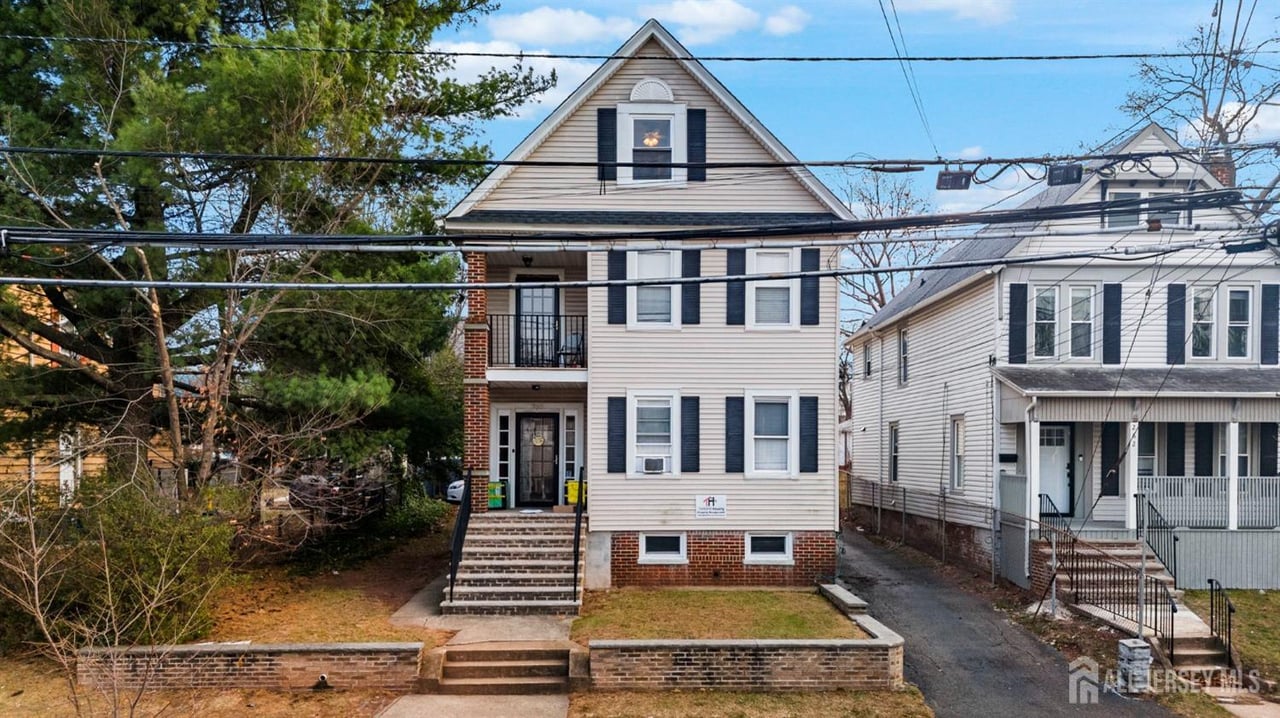
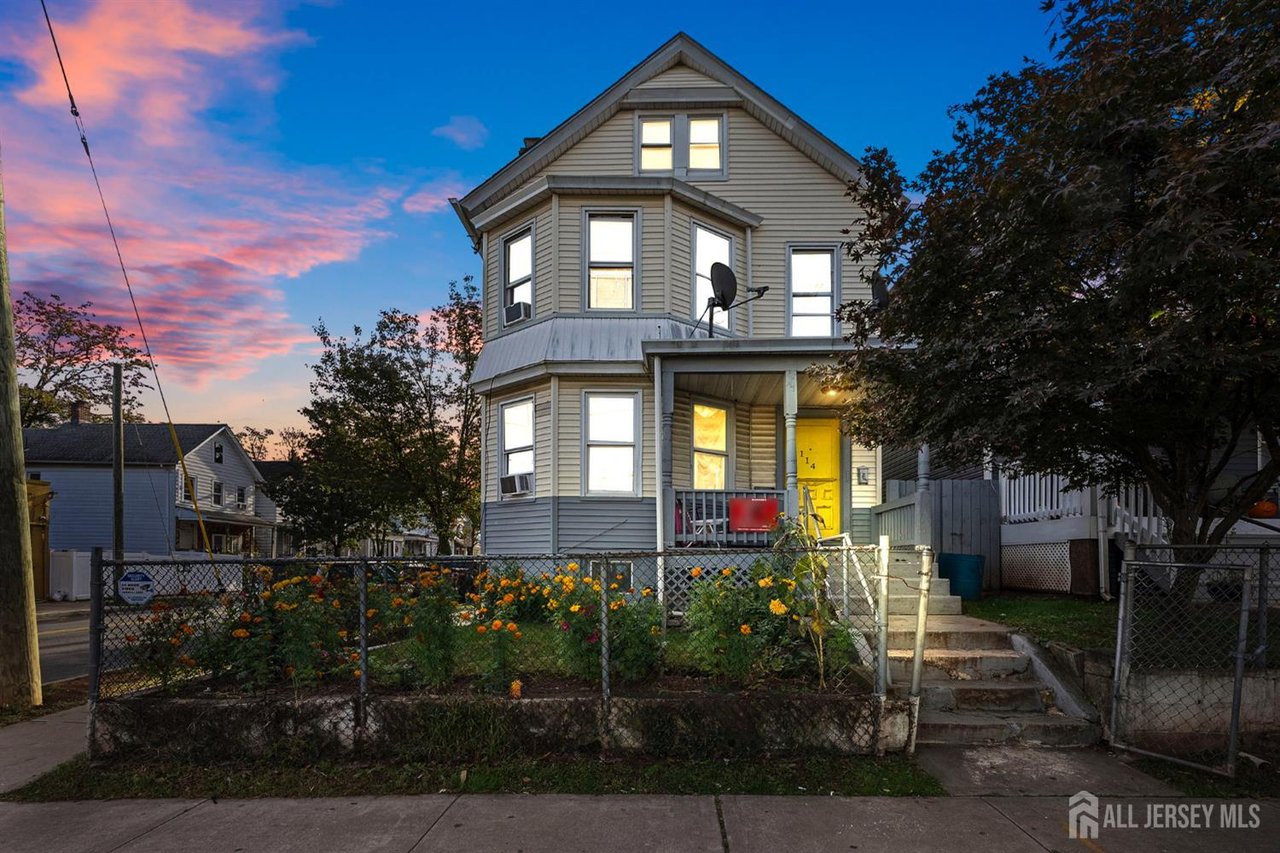
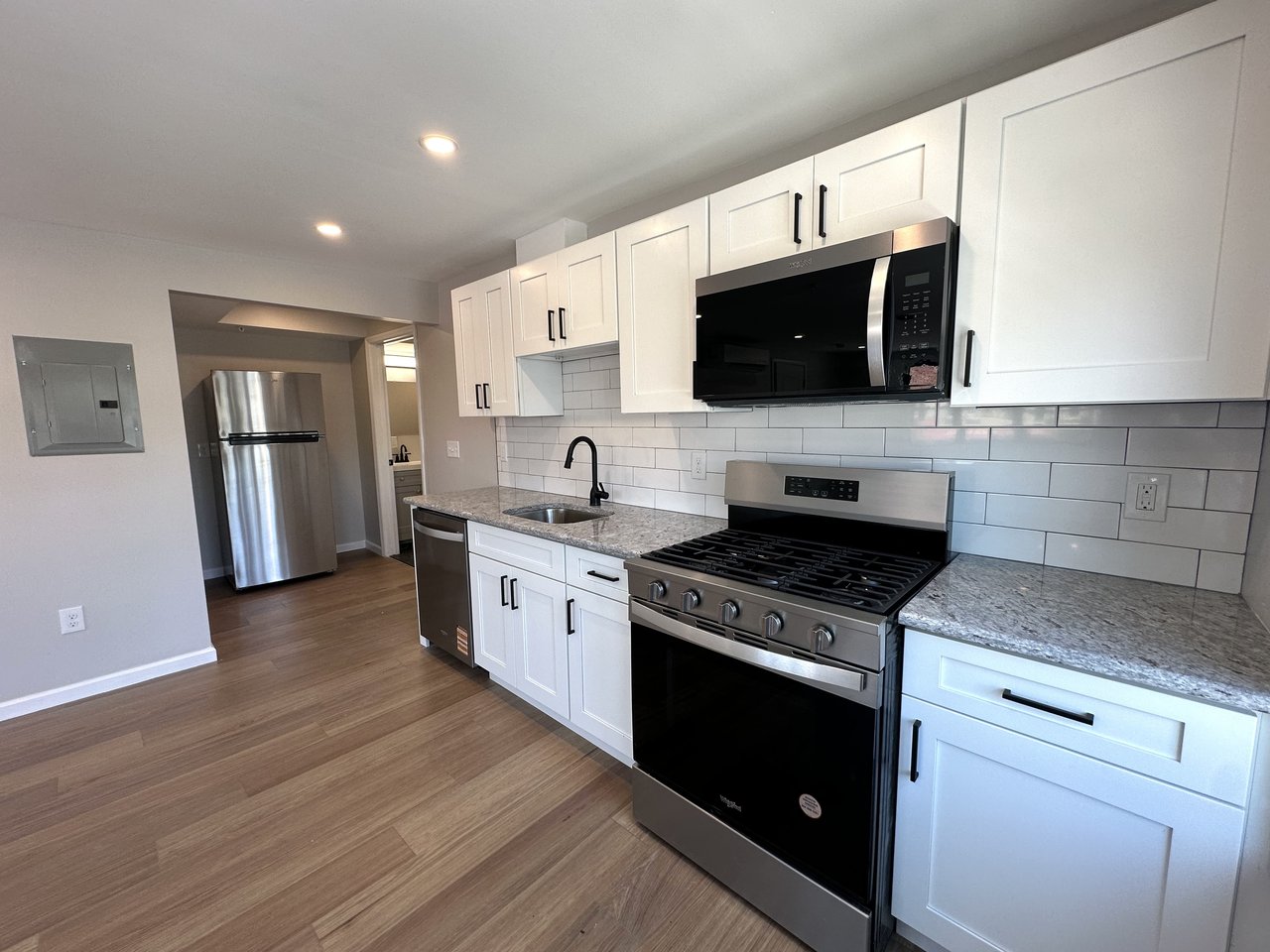
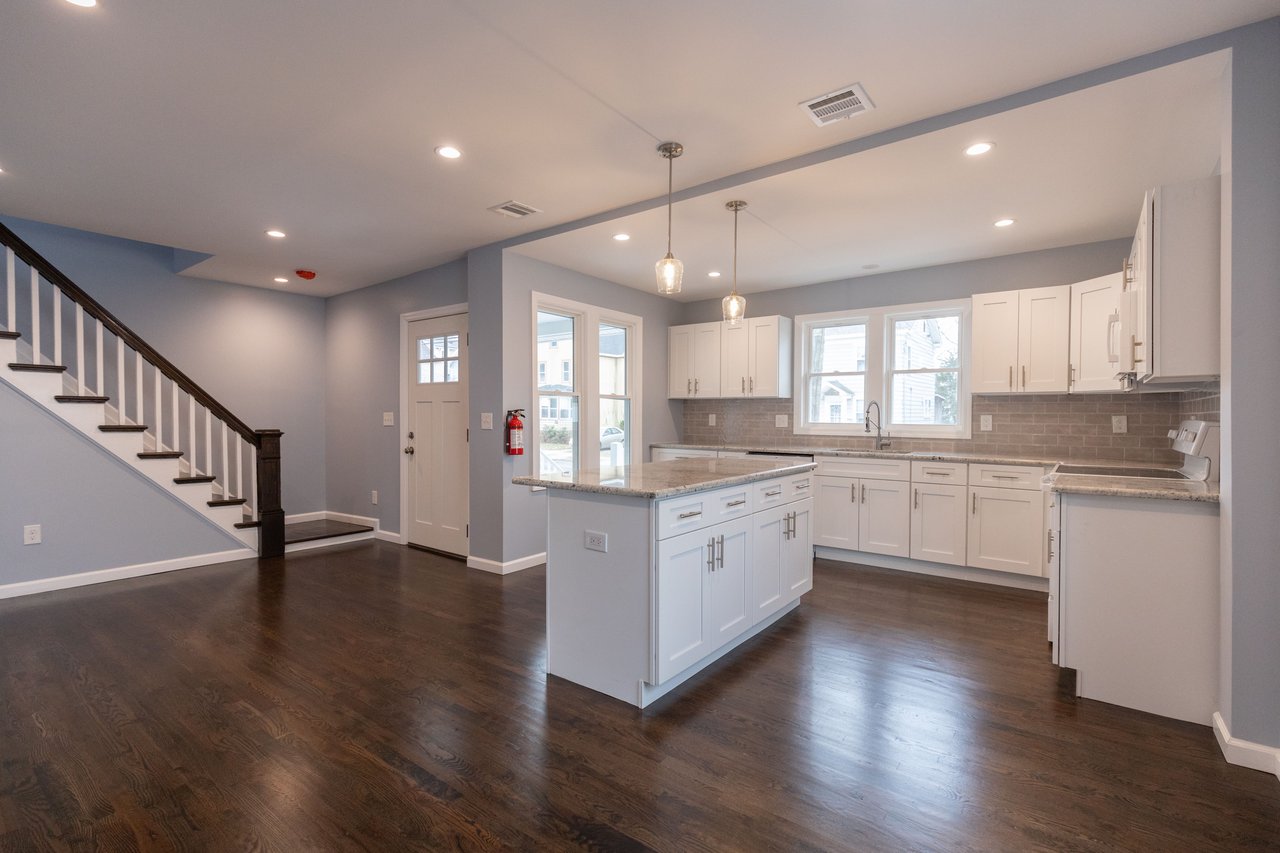
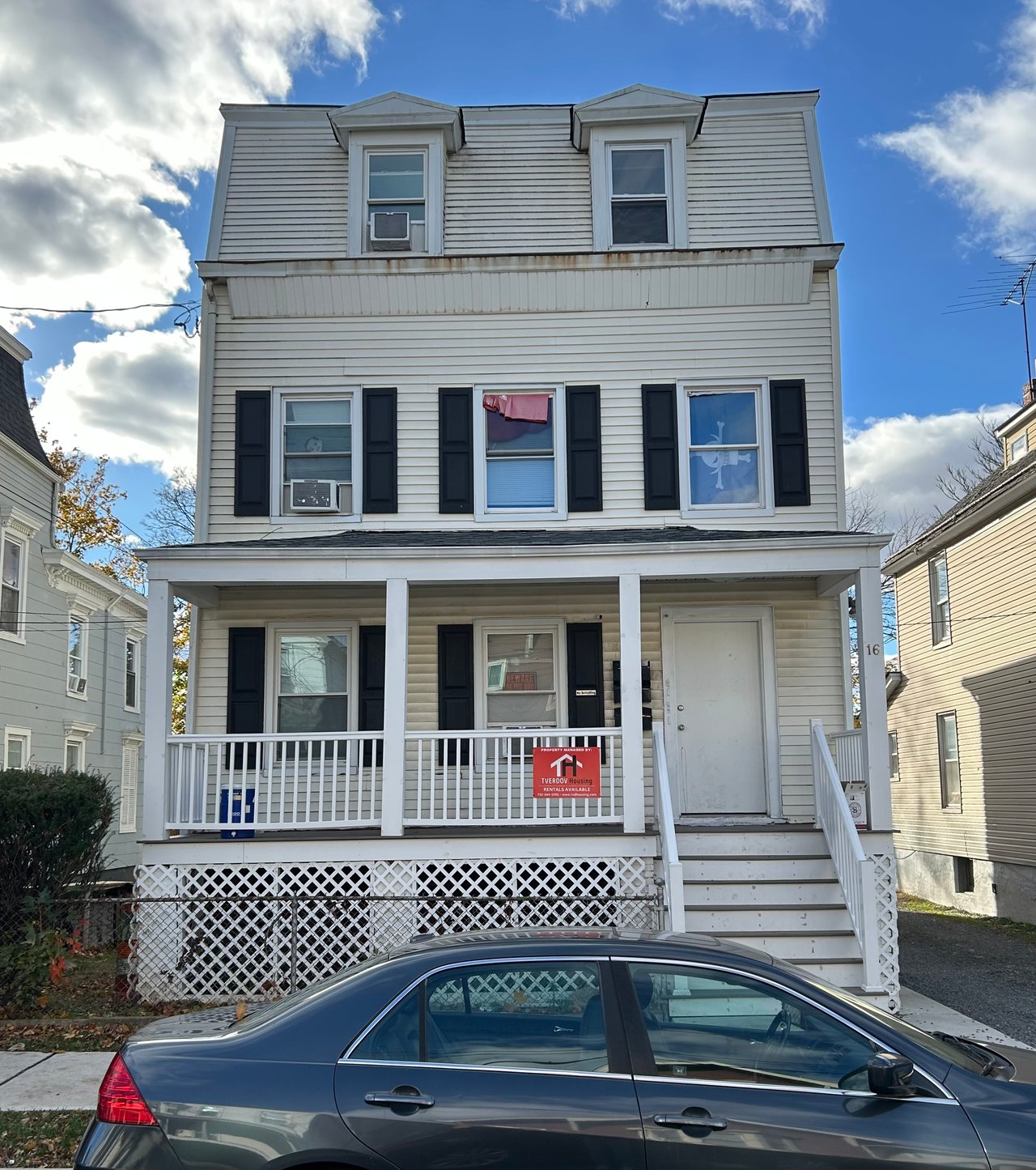
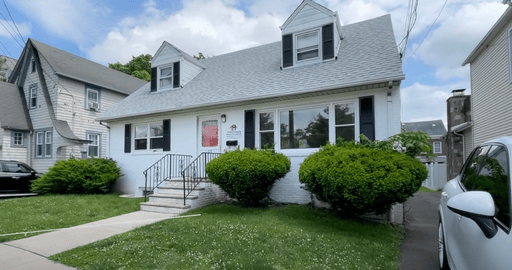
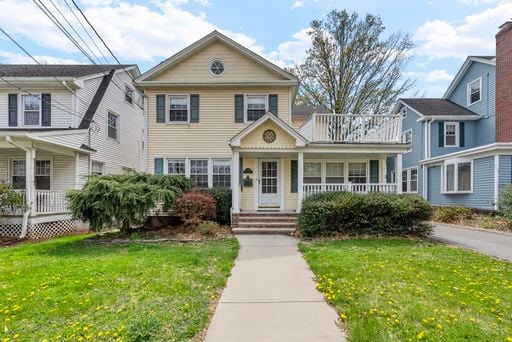
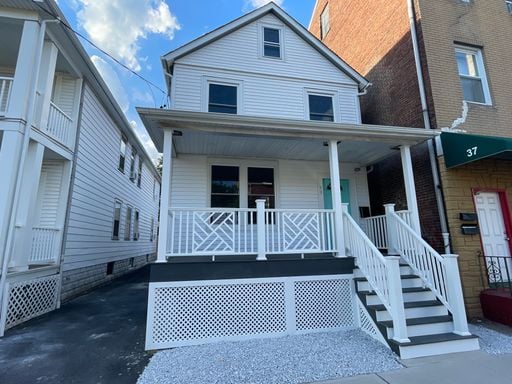
In Elizabethport specifically, the city describes a combination of historic housing and newer developments. That creates a more layered inventory profile, where renters may be choosing between older, lower-cost units and newer buildings with more amenities.
Smaller Units Match Local Rental Patterns
The city’s tenure-by-unit-size data helps explain what kind of rental demand is common in Elizabeth. Among renter households, 29% are in one-bedroom units and 34% are in two-bedroom units.
That matters because it points to a market where smaller, flexible unit types make up a large share of renter demand. By contrast, owner households are more concentrated in homes with three or more bedrooms.
For buy-and-hold investors, this supports a practical takeaway. In a city shaped by density, transit, and limited land, one-bedroom and two-bedroom units may align well with how many renters already live.
Rental Demand Remains Strong
Elizabeth’s own planning documents describe the housing market as strained. The city says availability does not fully meet local needs, vacant land is limited, rents have risen, and demand has increased, especially for smaller units and housing near transit corridors.
The city also states that rental housing remains in high demand. It notes that many residents spend more than 30% of income on rent and that affordability pressures are especially difficult for very low- and low-income households.
From an investment perspective, this points to durable demand, but it also calls for disciplined execution. In a market with limited supply and affordability pressure, the condition, pricing, and management of a property can make a major difference in long-term performance.
Current Listings Show Range in the Market
Public listing data shows that Elizabeth has a meaningful amount of active rental inventory. Apartments.com currently shows 166 Elizabeth rental results and reports 310 apartments with virtual tours available, along with an average rent of $1,578 per month.
That average sits close to the Census median gross rent figure, which helps support the broader pricing picture. It also suggests that the city’s rental market includes enough active inventory to show a range of product types rather than just one narrow segment.
Recent listings reflect that variety. Jersey Walk at 925 E Jersey St is listed at $2,000 for a studio, $2,150+ for a one-bedroom, and $2,600+ for a two-bedroom, while Portside II at 136 Pine St is listed at $1,017+ for a one-bedroom and $1,209+ for a two-bedroom.
Other listed properties show similar spread. The James at 79 W Jersey St lists at $1,875+ for a one-bedroom and $2,200+ for a two-bedroom, while Chilton Hall Apartments at 127 Chilton St lists at $1,652+ for a one-bedroom and $2,395 for a two-bedroom.
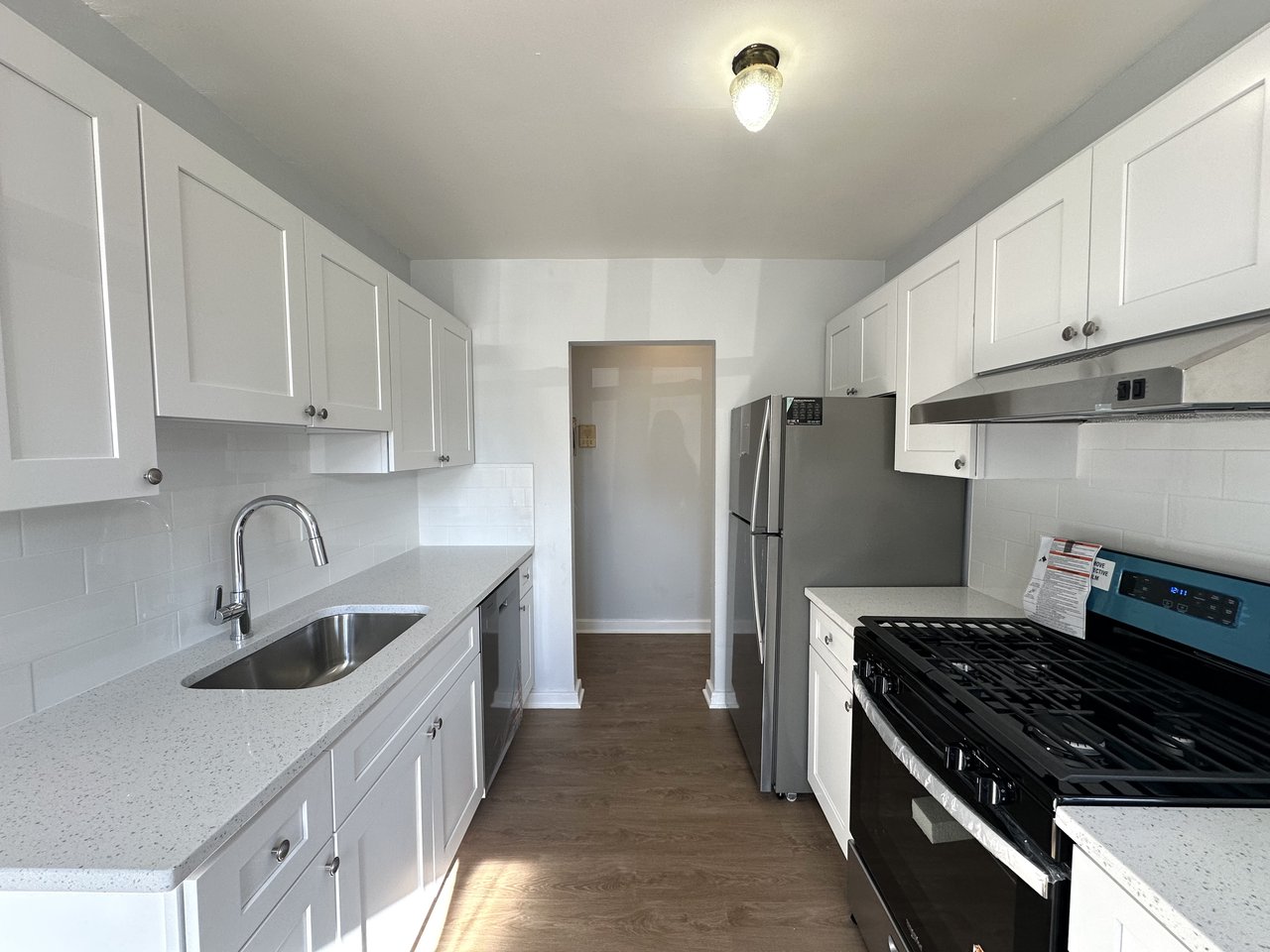
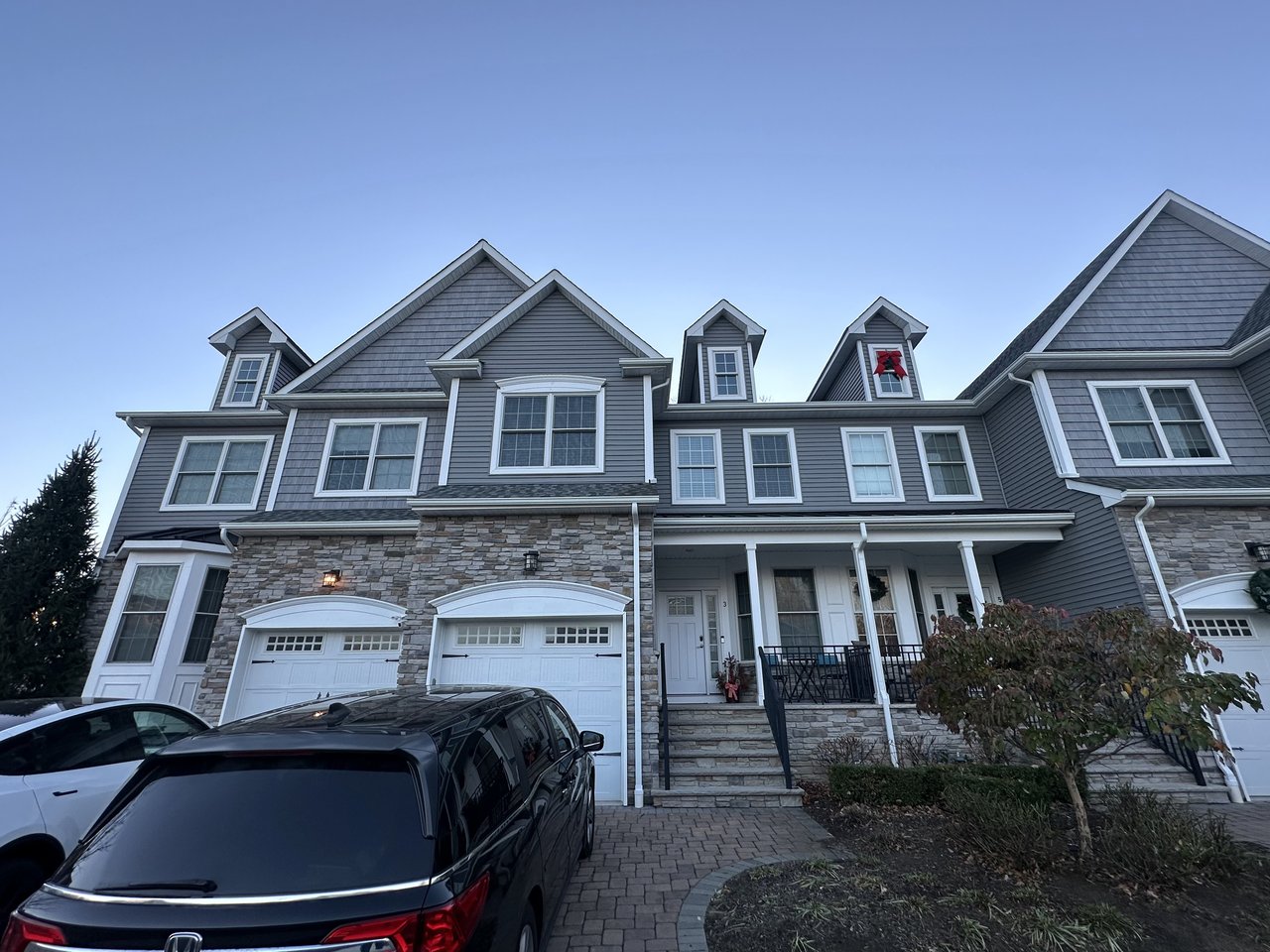
For investors, the takeaway is simple. The market includes both older, more affordable stock and newer, amenity-rich inventory, which means rental strategy needs to match the asset type.
Waterfront Reinvestment Adds to the Story
The city’s planning documents also point to ongoing reinvestment in the waterfront area. They cite a 60-unit affordable family and supportive housing project completed in 2021 and a port renovation expected to be completed in 2028.
That does not mean every part of the area will perform the same way. It does mean the waterfront remains part of the city’s active planning and development conversation.
For long-term investors, that can be relevant because neighborhood momentum often depends on both private housing activity and public-facing infrastructure improvements. In a dense city with limited land, those shifts can affect how renters view an area over time.
Flood Risk Should Stay in Your Analysis
Any honest look at Elizabeth’s waterfront must include flood risk. The city identifies flood risk as a barrier in Elizabethport because of its proximity to the waterfront.
That means location-level analysis matters. If you are comparing properties in or near the waterfront area, you should treat flood exposure as a core underwriting issue, not a side note.
A rental market can have strong demand and still require careful risk management. In this case, everyday convenience and transit access support renter appeal, while waterfront exposure adds an extra layer of due diligence.
What Investors Can Take Away
Elizabeth’s waterfront area works best when you view it as a practical rental market, not just a visual waterfront story. The local case for demand is built on a few clear fundamentals: a renter-heavy city, strong transit access, useful nearby retail and entertainment, and a housing mix that includes both older stock and newer development.
At the same time, this is not a friction-free market. Older housing conditions, limited land, affordability pressure, and flood risk all mean that property selection and execution matter.
If you are assessing Elizabethport or nearby waterfront-adjacent rentals, focus on the basics that shape performance over time:
- Unit mix, especially one-bedroom and two-bedroom demand
- Access to rail, bus service, and regional commuting routes
- Property condition and likely rehabilitation needs
- Positioning against older versus newer competing inventory
- Flood-related risk in the immediate location
In a market like Elizabeth, the winning approach is usually not guessing. It is buying with a clear plan, improving with discipline, and managing with consistency.
If you want help evaluating rent-ready opportunities and building a more predictable buy-and-hold strategy in Central New Jersey, connect with Pete Tverdov.
FAQs
What is Elizabeth’s main waterfront neighborhood for rental analysis?
- Elizabeth’s primary waterfront target area is Elizabethport, which the city defines between the waterfront and the New Jersey Turnpike, with Trumbull Street and Elizabeth Avenue as boundary streets.
Why does transit matter for rental demand in Elizabeth, NJ?
- Transit matters because Elizabeth has two NJ Transit train stations, rail service on the Northeast Corridor and North Jersey Coast Line, and extensive bus service, all of which support regional access for renters.
What does the housing mix in Elizabeth suggest for investors?
- The city’s data suggests a rental market with strong demand for smaller units, especially one-bedroom and two-bedroom homes, alongside a housing stock that is often older and may require rehabilitation.
Are there lifestyle amenities near Elizabeth’s waterfront?
- Yes. The waterfront area has access to Veterans Memorial Waterfront Park, and nearby residents are also close to the 13A retail and service cluster that includes shopping, dining, hotels, and a movie theater.
What risk should investors watch near Elizabethport’s waterfront?
- Flood risk should be part of your analysis because the city identifies waterfront proximity in Elizabethport as a barrier and a planning concern.
What do current Elizabeth rental listings show about the market?
- Current listings show a range of inventory, from older and more affordable units to newer buildings with amenities, which points to a market serving different renter budgets and preferences.