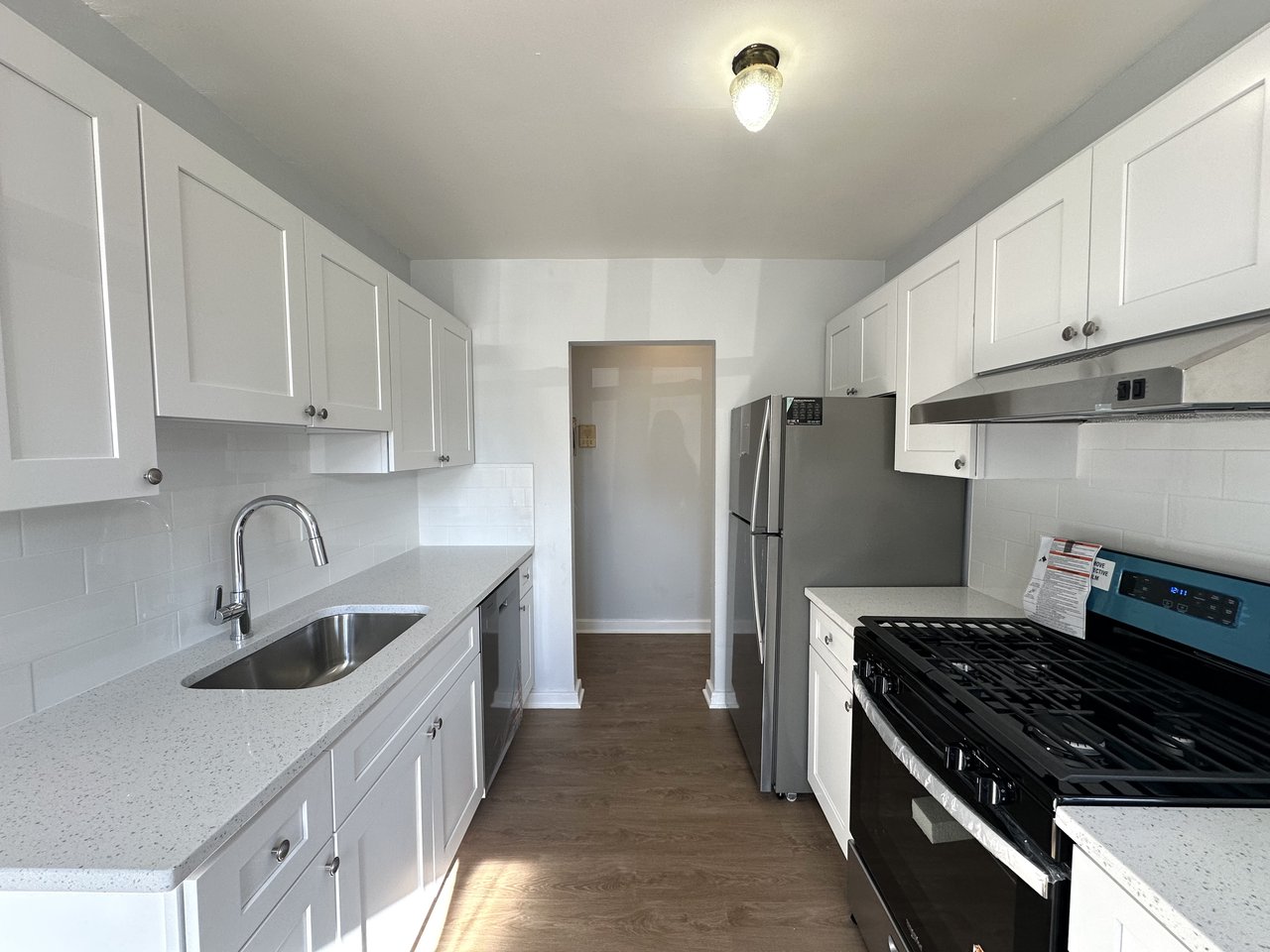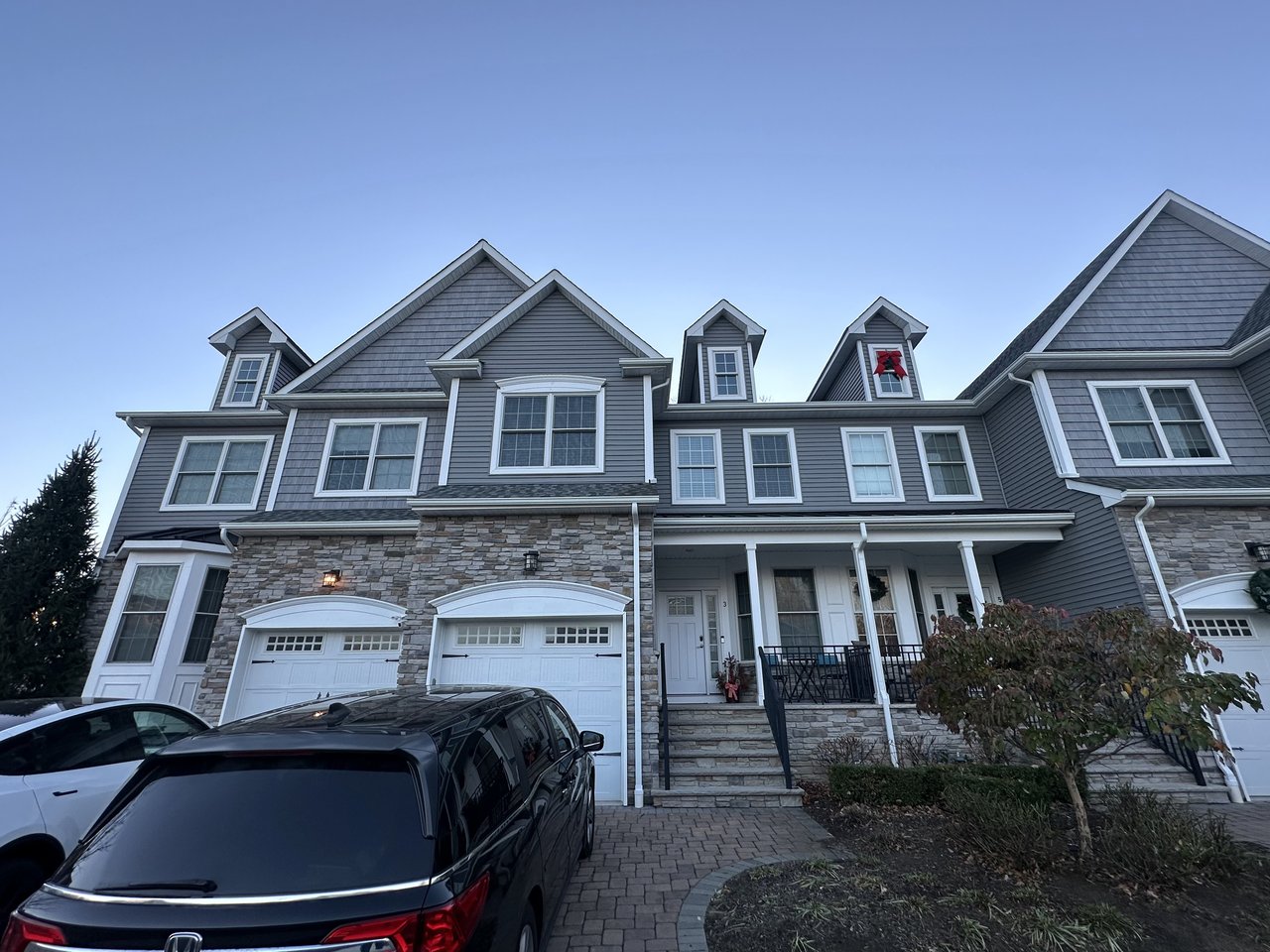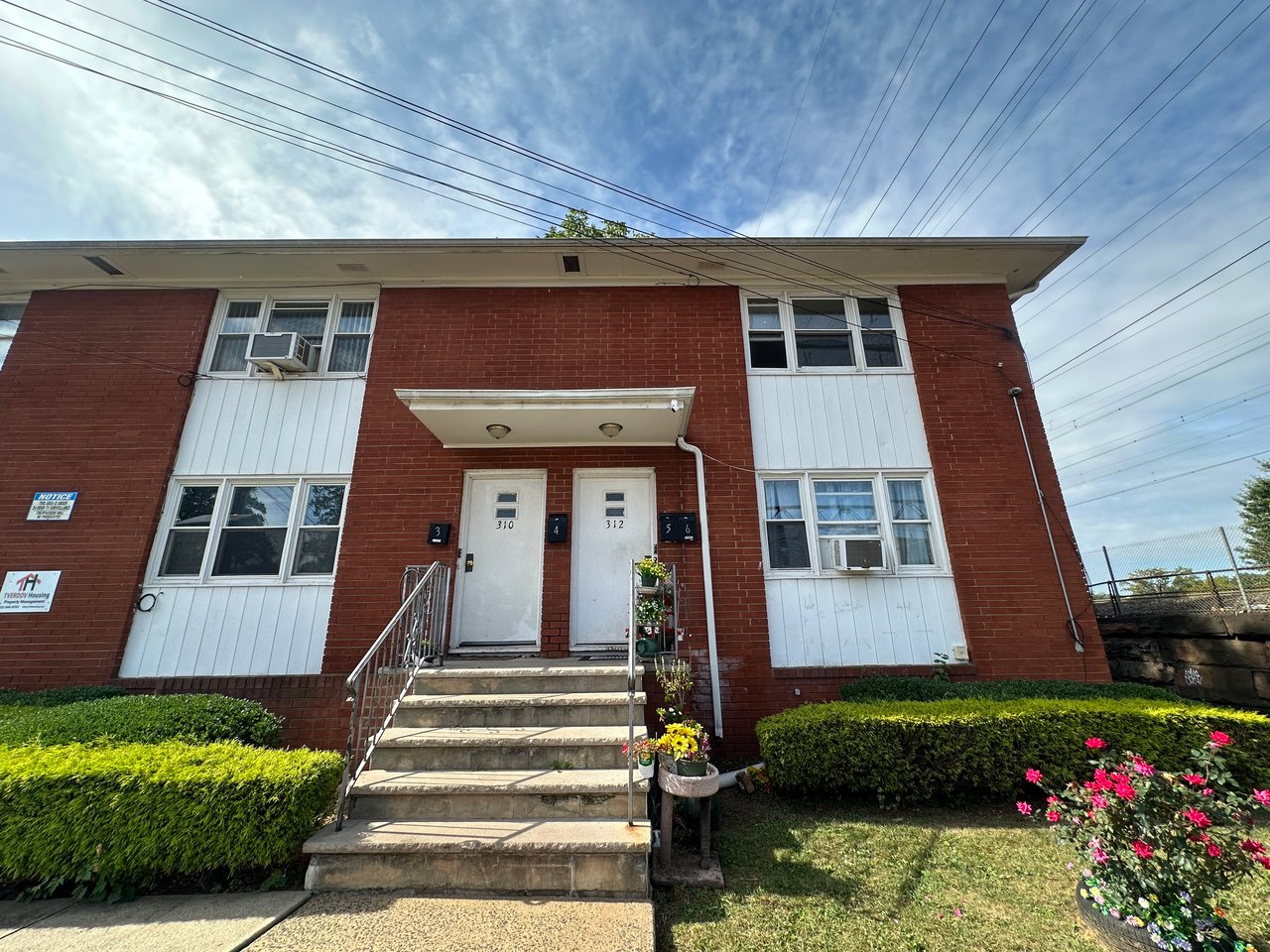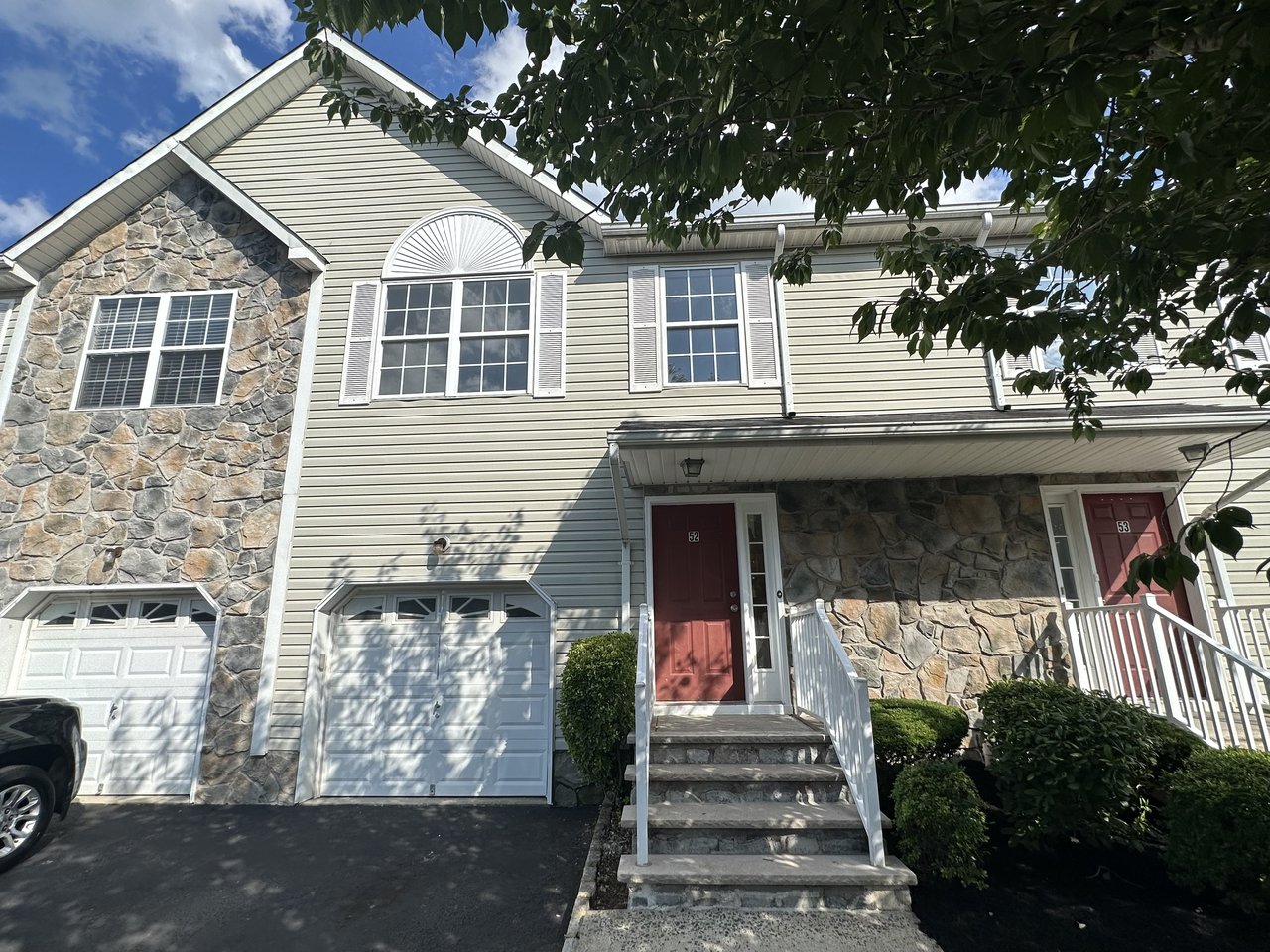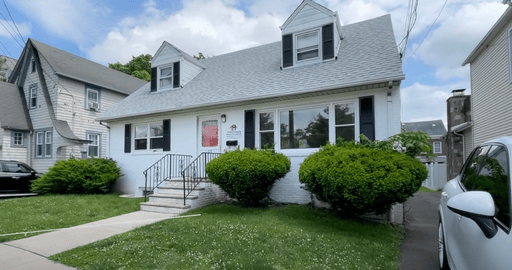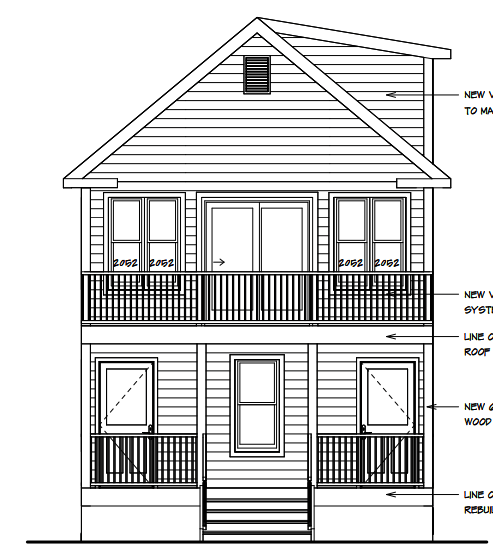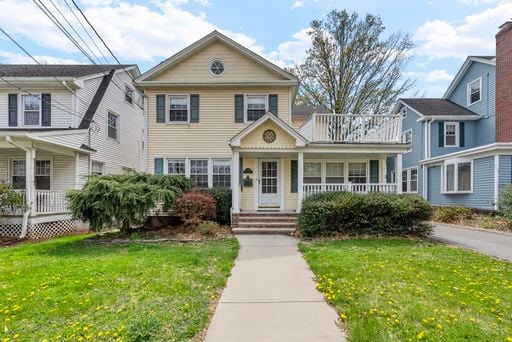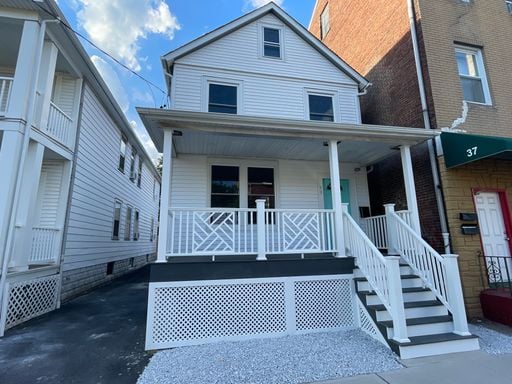
If you want rental income from New Brunswick without being pulled into daily landlord tasks, you need more than a good property. You need a local system that keeps the asset occupied, compliant, and running smoothly. In a city with heavy renter demand, recurring inspections, and rent-control procedures, hands-off ownership works best when operations are delegated well. Let’s dive in.
What Hands-Off Ownership Really Means
Hands-off ownership does not mean zero responsibility. In practice, it means you keep control of the big decisions while a local management team handles the daily work that keeps the property performing.
That distinction matters in New Brunswick. Rutgers guidance makes clear that landlords remain responsible for safe and decent conditions, code compliance, privacy and entry rules, and helping maintain peace in the building. A manager can handle execution, but ownership still carries legal and strategic responsibility.
Why New Brunswick Favors Local Management
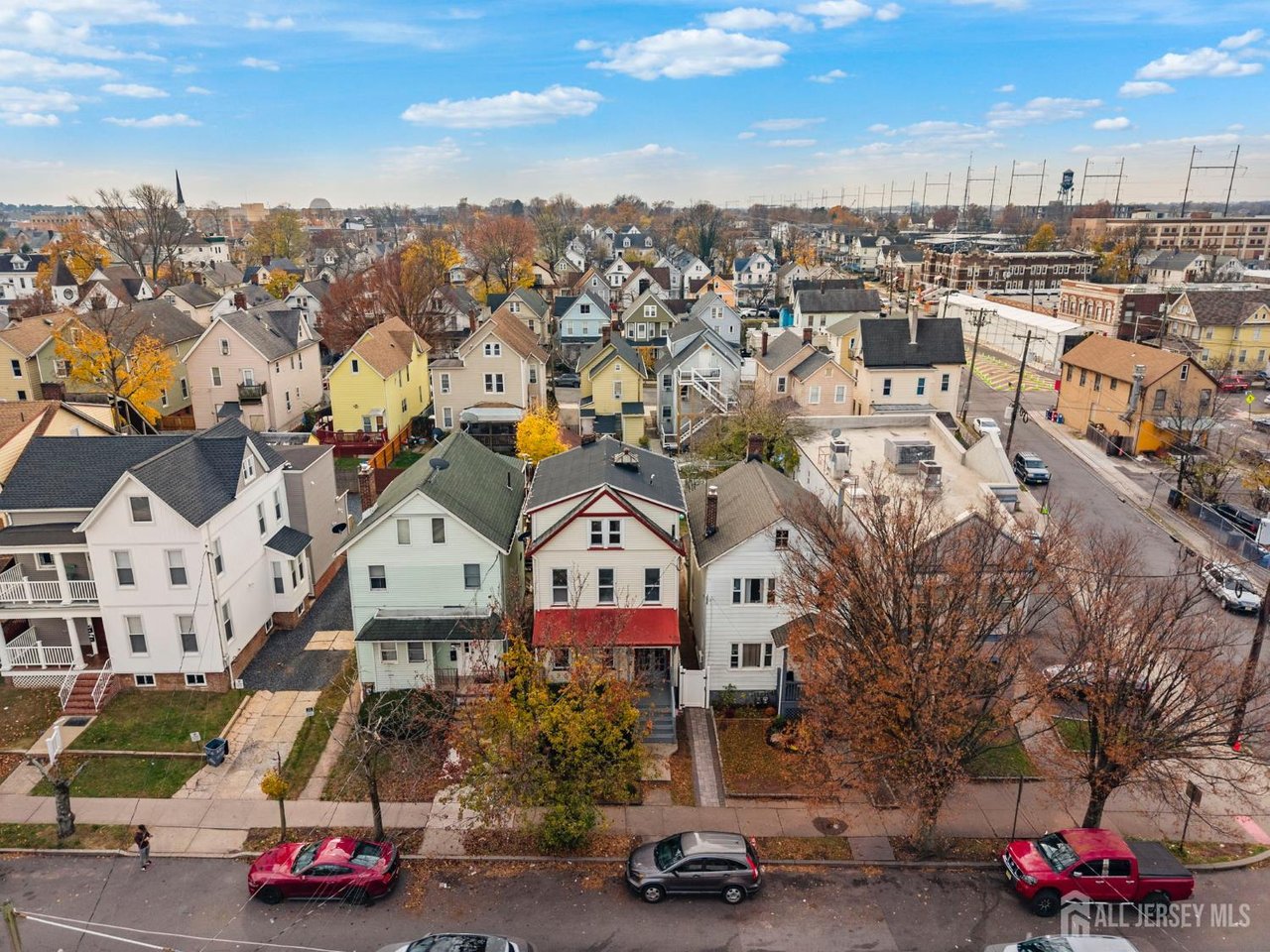
New Brunswick is a rental-heavy market. Census estimates show 16,854 housing units, with only 21.4% owner-occupied, and a median gross rent of $1,790. That means the city is shaped by renter demand, leasing cycles, and turnover in a way many owner-heavy suburbs are not.
Rutgers University adds another important layer. Rutgers New Brunswick enrolls 46,934 students, and the city’s inspection ordinance states that rental housing makes up nearly 70% of occupied housing. Together, those facts point to a market where off-campus demand and turnover are a regular part of operations.
For an investor, that creates opportunity and complexity at the same time. Strong demand can support occupancy, but only if your property is ready, documented, and managed with local timing in mind.
What a Local Manager Handles Day to Day
In a true hands-off setup, the local manager is not just answering calls. They are handling the operating tasks that keep your unit rentable and your income more predictable.
That usually includes:
- Leasing activity
- Tenant communication
- Maintenance coordination
- Inspection scheduling
- Emergency contact response
- Rent collection follow-up
- Compliance paperwork
In New Brunswick, compliance paperwork is not a small detail. The city’s registration process can include occupancy information, current rent, effective date, utility responsibility, and a floor plan attached to the registration form. Missing or delaying paperwork can affect operations in real ways.
What You Still Control as the Owner
A good management setup should reduce your workload, not remove your decision-making power. You still set the investment strategy and approve the moves that affect long-term returns.
Those owner decisions often include:
- When to buy or refinance
- How much reserve capital to hold
- What rehab scope makes sense
- Whether to pursue vacancy-decontrol filing when eligible
- What screening policy to use, consistent with New Jersey fair housing rules
This is where hands-off ownership becomes more accurate than passive ownership. You are not absent. You are focused on higher-value decisions while local experts run the moving parts.
New Brunswick Rules That Raise the Stakes
New Brunswick is not just active. It is process-heavy. That is one of the biggest reasons local management matters here.
The city’s 2025 rent-control summary required annual registration by April 1, with a $50 per unit fee and a $30 late fee per unit after April 30. It also set the 2025 maximum allowable base rent increase at 3.4% and required 30 days’ written notice before a rent increase.
The same city summary says the rent-control ordinance affects rent increases, mandatory fees, and surcharges. It also requires receipts for cash or money-order rent payments and caps monthly late fees at 10% of the legal monthly rent. Those are not rules you want to track casually from out of market.
When your property is locally managed, these deadlines and notice requirements are far easier to monitor. That can help you avoid delays, missed filings, and preventable revenue friction.
Inspections Can Affect Occupancy Timing
Inspections are another area where local follow-through matters. Under the city’s periodic-inspection chapter, every registered rental unit is inspected.
For a vacant unit, the first inspection is scheduled after registration and before occupancy. The resulting inspection certificate is valid for three years. If a certificate is revoked for dangerous conditions or over-occupancy, new occupancy is barred until the certificate is reissued.
That makes inspections more than a box to check. They can directly affect move-in timing and vacancy length. A local management team that schedules early, prepares the unit, and follows up on reinspection can help protect occupancy.
Vacancy Decontrol Requires Local Process Knowledge
If your investment plan includes value-add improvements, local process knowledge becomes even more important. New Brunswick allows vacancy decontrol in certain situations, but the requirements are specific.
According to the city’s 2025 summary, a landlord may raise rent above the annual cap only after a qualifying vacancy and an approved vacancy-decontrol application within 30 days of the new lease. For market vacancy decontrol, the rules include improvements equal to at least 20% of annual rent and no less than $3,000, completed within two years, with no market decontrol in the previous five years.
This is where a local owner-operator model can add real value. If acquisition, rehab, and management are coordinated from the start, it is easier to line up capital improvements, leasing timing, and filing deadlines around the same business plan.
Security Deposits Need Tight Administration
Security deposits are another operational area where small mistakes can become bigger problems. New Jersey courts state that a landlord can charge no more than 1.5 months’ rent as a security deposit.
The deposit must be placed in an interest-bearing account, and the tenant must receive written notice of the deposit details within 30 days. After move-out, the landlord must return the deposit or provide an itemized written notice within 30 days.
For a local management team, this is routine administration. For a remote owner juggling multiple properties or a full-time career, it is one more deadline that has to be handled correctly and on time.
Registration Rules Add Ongoing Admin Work
State registration rules add another layer to ownership. Under New Jersey’s Landlord Identity Law, the registration certificate must include the owner’s name and address, plus an emergency contact who can make emergency decisions and has access to a current tenant list.
If anything changes, amended certificates are due within 20 days. Tenants must receive a copy of the certificate at the start of tenancy and a copy of any amended certificate within seven days. These are exactly the kinds of details that local management helps systematize.
How Local Management Reduces Vacancy Risk
In New Brunswick, vacancy is not just about marketing the unit. It is often about coordination.
A unit may need registration, inspection scheduling, maintenance completion, rent-ready turnover work, notice compliance, and lease timing to line up correctly before occupancy can begin. If one piece slips, the vacancy can stretch longer than expected.
That is why local management often has the biggest effect on performance during transitions. Fast turnover, clear communication, and on-the-ground oversight can help you move from move-out to move-in with fewer surprises.
Why Integrated Operations Matter for Investors
If you are an out-of-market owner or a busy investor, the biggest challenge is often not finding a property. It is building a reliable system after closing.
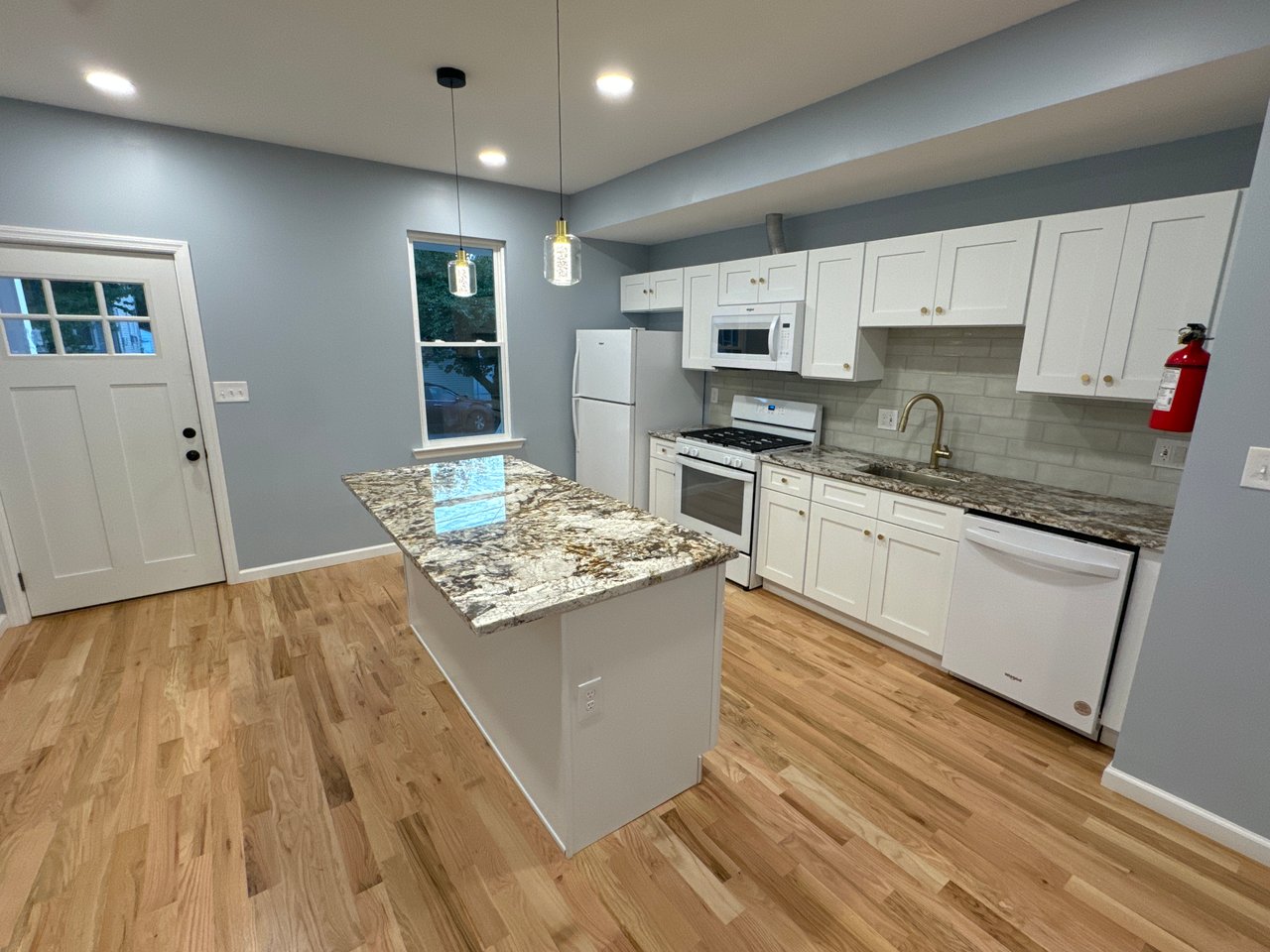
That is why integrated operations can be so valuable in New Brunswick. When acquisition, renovation, and long-term management are aligned, you reduce handoff problems between different vendors and shorten the path from purchase to stabilized cash flow.
That approach fits this market well. In a city with a renter-heavy housing mix, recurring inspections, annual rent-control filings, and frequent turnover, reliable execution often matters as much as the original buy price.
What to Look for in a New Brunswick Manager
If your goal is truly hands-off ownership, local management should be measured by operating discipline, not just by whether someone can collect rent.
Look for a team that can:
- Manage leasing and turnover timing locally
- Track city registration and inspection requirements
- Coordinate maintenance and emergency response
- Administer tenant documentation consistently
- Support rent-ready renovations and capital improvements
- Provide clear owner reporting and communication
The best setup gives you visibility without forcing you into daily problem-solving. That is what makes ownership feel hands-off while still protecting the asset.
If you want to own in New Brunswick without managing every deadline, repair call, and compliance step yourself, the right local partner can make a major difference. A disciplined operating team helps keep your property legally rentable, inspection-ready, and positioned for more predictable cash flow. When you want one partner to help source, renovate, and manage rental property in Central New Jersey, connect with Pete Tverdov.
FAQs
What does hands-off rental ownership mean in New Brunswick?
- Hands-off ownership in New Brunswick means you keep strategic control over the investment while a local manager handles leasing, maintenance coordination, tenant communication, inspections, and compliance tasks.
Why is local property management important for New Brunswick rentals?
- Local property management matters in New Brunswick because the city has recurring rental registration, inspection requirements, and rent-control procedures that can affect occupancy timing, rent increases, and daily operations.
How often are rental units inspected in New Brunswick?
- Under the city’s periodic-inspection rules, every registered rental unit is inspected, and the inspection certificate is valid for three years.
What is the 2025 rent increase cap for New Brunswick rent-controlled units?
- The city’s 2025 rent-control summary set the maximum allowable base rent increase at 3.4%, with 30 days’ written notice required before a rent increase.
What are New Jersey security deposit rules for rental owners?
- New Jersey rules state that a residential security deposit can be no more than 1.5 months’ rent, must be held in an interest-bearing account, and must be returned or accounted for in writing within 30 days after move-out.
What should an out-of-market owner look for in a New Brunswick management partner?
- An out-of-market owner should look for a New Brunswick management partner with local leasing and turnover experience, strong compliance systems, maintenance coordination, clear reporting, and the ability to support rent-ready renovations and ongoing operations.