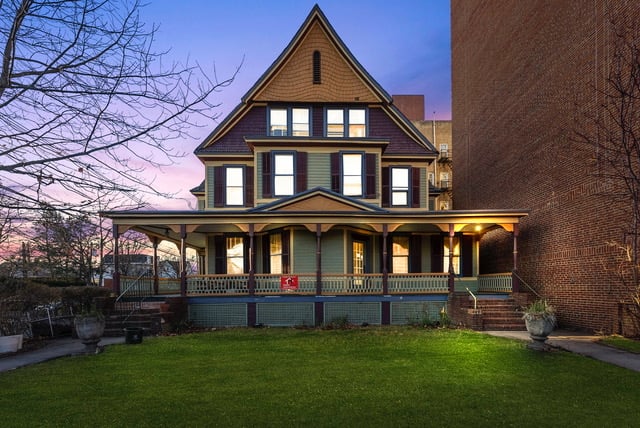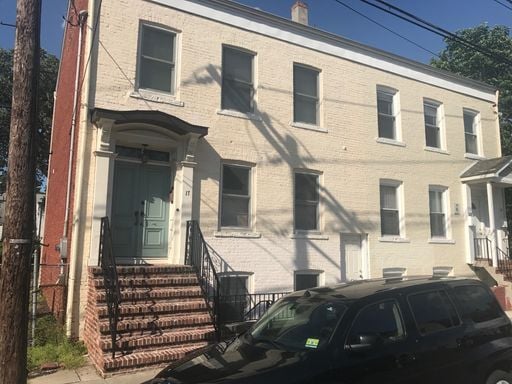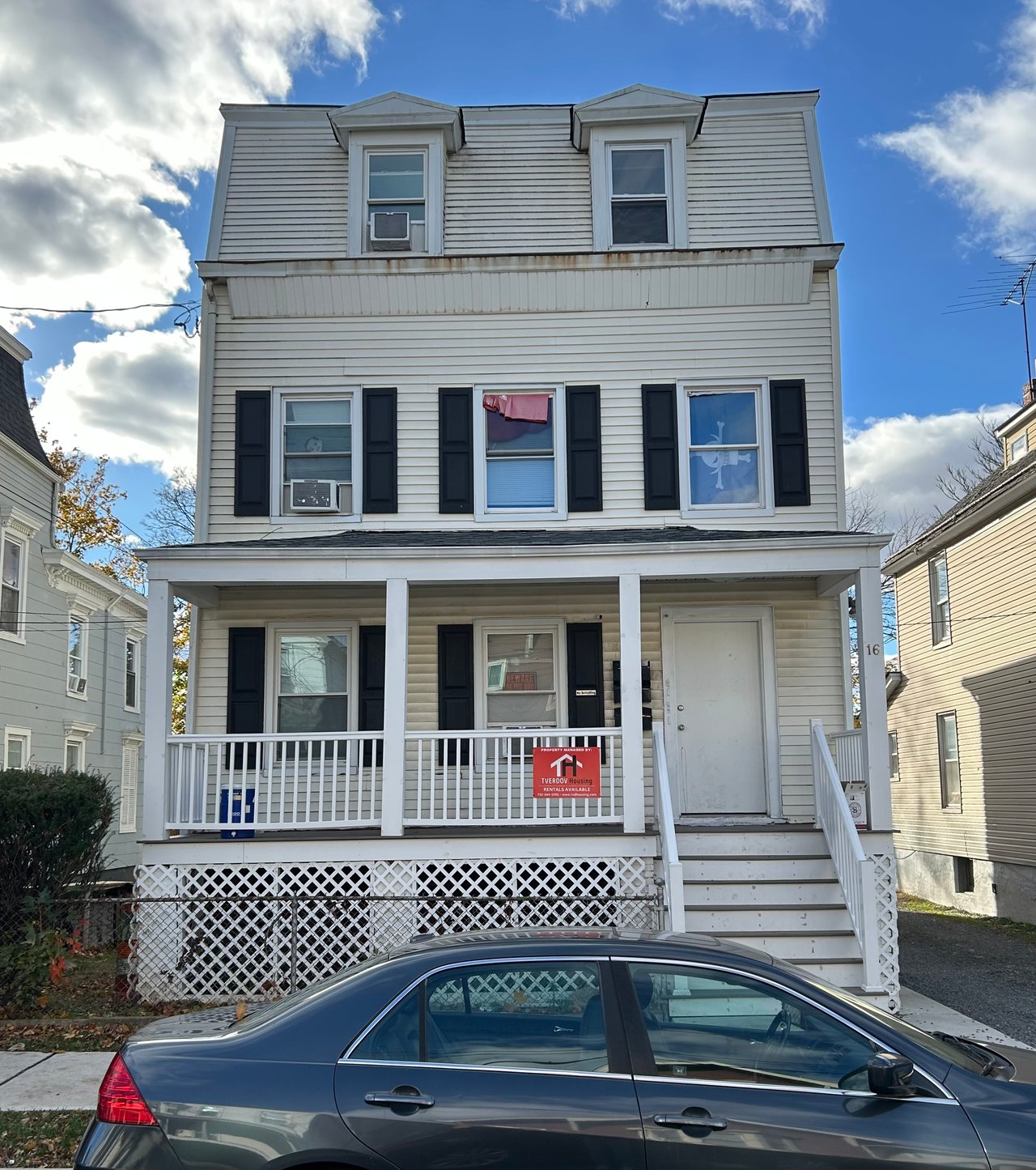
If you are buying a turnkey rental in New Brunswick, the biggest mistake is thinking cash flow starts at closing. In this market, income usually starts only after the property is properly registered, inspected where required, documented, and leased under local and state rules. If you want a clearer picture of what happens between signing papers and collecting rent, this guide walks you through the steps. Let’s dive in.
Why New Brunswick Timelines Are Different
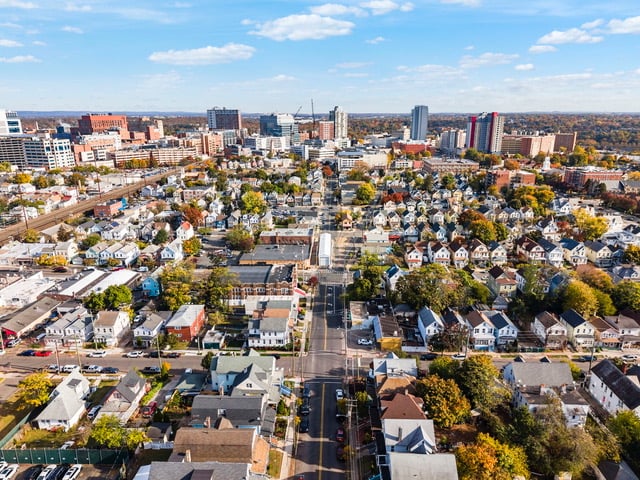
New Brunswick is a compact, renter-heavy market, and that shapes how quickly a rental can stabilize. The U.S. Census Bureau reports a 21.4% owner-occupied housing rate and a median gross rent of $1,814, which points to a market where rentals play a major role.
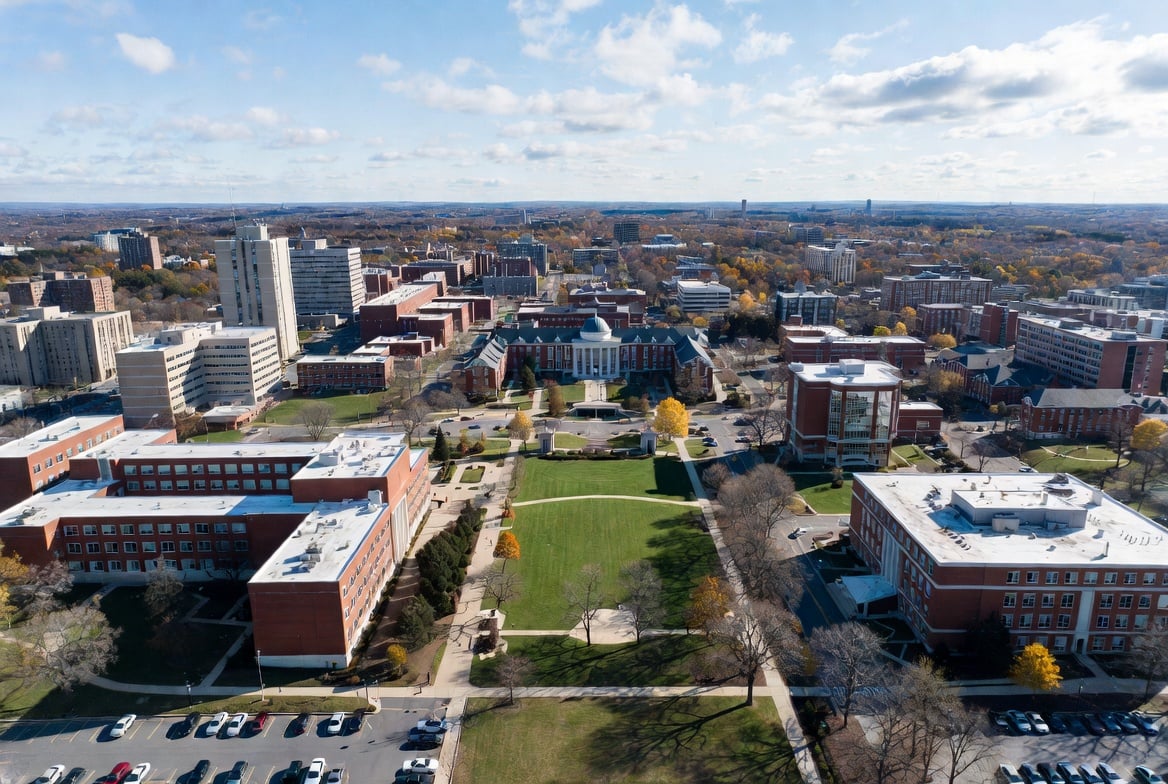
Demand is also influenced by Rutgers–New Brunswick, which reports 46,934 students on its flagship campus in central New Jersey. For investors, that can support lease-up demand, especially for off-campus housing, but it also means you need to pay close attention to occupancy and compliance before you market a unit.
In other words, New Brunswick can offer strong rental demand, but it is not a simple close-and-collect environment. A property has to be legally rentable before cash flow becomes predictable.
What “Cash Flow” Really Starts After
For a turnkey investor, cash flow usually starts after four things are in place:
- Ownership and operational records are transferred correctly
- Required city and state rental compliance items are handled
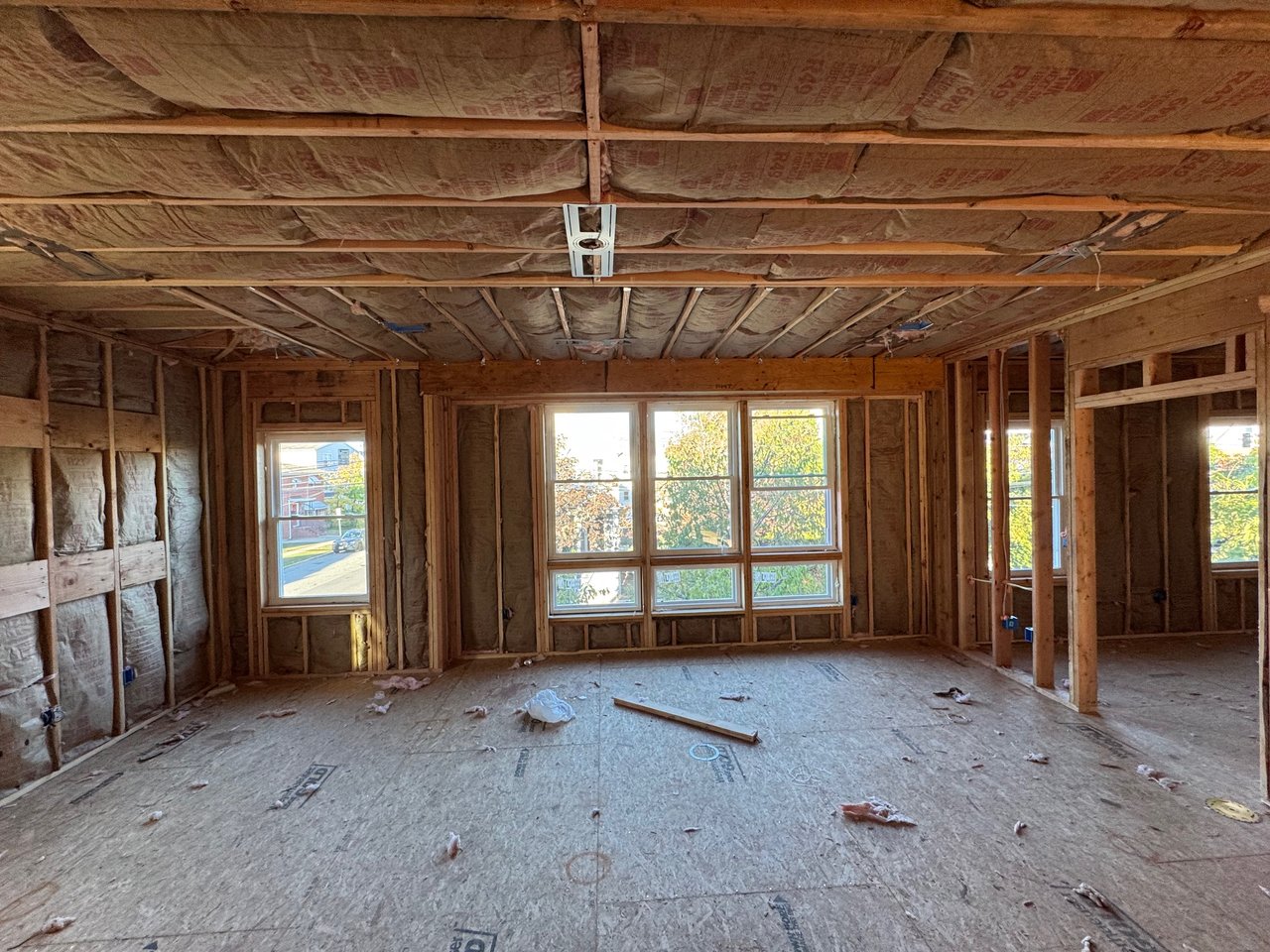
- Any needed repair or rehab work is complete
- A tenant is placed and the first full rent cycle is collected
That timeline can move quickly on a light-turn property. It can stretch out if permits, inspections, or occupancy issues come into play.
What To Handle Right After Closing
The first week after closing is usually about control and documentation. You want utilities, keys, insurance, and operating records lined up right away so nothing delays the next step.
Just as important, the seller’s tenant paperwork and security deposit records need to transfer cleanly to the new owner. Under New Jersey’s Truth in Renting guidance, the new owner becomes responsible for the security deposit and related notice requirements after a sale.
Key Records To Confirm At Closing
Make sure your file includes:
- Existing leases, if the property is occupied
- Security deposit transfer documentation
- Certificate of registration records
- Smoke and carbon monoxide compliance records, if applicable
- Lead-safe records, if applicable
- Flood Risk Notice requirements, if applicable
- Any current rent-control registration status
If you are an out-of-county owner, New Brunswick’s rental registration process also requires a Middlesex County contact person. That makes local management or a local representative especially important from day one.
New Brunswick Rental Registration Comes Early
In New Brunswick, rental registration is not a back-burner task. The city has an active rent-control system and annual filing cycle, and owners with two or more rental units must register online.
The city has also stated that failure to register can result in summonses. That means registration should be part of your post-closing checklist, not something you wait to address after leasing.
Rent Increases Follow Local Rules
If your plan depends on raising rent right after acquisition, pause there. New Brunswick’s published materials say base-rent increases can happen only once every 12 months, and written notice with the calculation must be given at least 30 days before the increase takes effect.
There is also a vacancy-decontrol process, but that rent reset is not automatic. The city says the application must be filed within 30 days of the new lease date, and the same unit cannot receive that adjustment more than once every 24 months.
State Notices Still Matter
City compliance is only part of the picture. New Jersey also requires landlords to file a certificate of registration and provide each tenant a copy at the start of a new tenancy.
The state also requires landlords to distribute the Truth in Renting guide. Since March 20, 2024, landlords must also provide a Flood Risk Notice to prospective renters when the property is in a FEMA Special Flood Hazard Area or Moderate Flood Hazard Area, or when the landlord has actual knowledge of flooding.
These items may feel administrative, but they directly affect how smoothly a unit moves from closing to occupancy. Missing paperwork can slow down leasing and create avoidable risk.
Inspections Can Shape Your Lease-Up Speed
One of the biggest differences between a property that stabilizes fast and one that lags is inspection readiness. In New Brunswick, the city’s 3-year inspection system is a key part of the rental process.
The city’s inspection application says there is no fee for the inspection. Its pre-inspection checklist also says that required repairs must be completed within 60 days of the initial inspection, or the applicant may need to reapply for a new inspection.
Smoke, Lead, and Permit Triggers
New Jersey requires a certificate of smoke alarm compliance before a one- or two-family dwelling is sold, leased, or changes occupancy. That certificate is valid for six months.
If the property was built before 1978, the state’s lead-paint law may require inspection every three years or upon tenant turnover unless there is a valid lead-safe certificate. Lead-safe certificates are valid for two years.
If your rehab goes beyond ordinary maintenance, timing can change again. New Jersey’s construction process may involve permit applications, inspections, and a final certificate of occupancy before the building is ready for occupancy.
Student Rentals Need Extra Occupancy Review
In New Brunswick, student-oriented rentals can lease quickly, but they can also create one of the biggest compliance risks. Rutgers’ off-campus housing guidance warns landlords and tenants to verify zoning, legal bedroom counts, attic and basement status, and overcrowding before occupancy.
That matters because a space that looks rentable may not meet occupancy rules as used in practice. If your investment strategy includes off-campus housing, legal occupancy should be confirmed before marketing starts.
What To Verify Before Listing
For student-heavy rentals, confirm:
- Legal bedroom count
- Whether attic or basement space can be used for occupancy
- Occupancy limits
- Zoning alignment for the property’s use
- Habitability and room compliance issues
This is one area where local, street-level knowledge matters. Fast lease-up is helpful only if the lease-up is compliant.
A Realistic Timeline From Closing To Cash Flow
The exact timeline depends on the condition of the asset, whether it is occupied, and whether permit work is needed. Still, most investors benefit from planning around steps rather than assuming income starts immediately.
Here is a practical model based on the New Brunswick and New Jersey requirements in the research.
Week 0 To 1: Transfer Control
This stage usually includes:
- Closing and key handoff
- Utility setup
- Insurance and title-related transitions
- Transfer of tenant files and security deposit records
- Initial review of compliance documents
If the property is already occupied, document review becomes even more important. You need to know exactly what obligations are already in place.
Week 1 To 2: Audit Compliance
This is the point where you confirm:
- Rental registration status
- Rent-control filing needs
- Certificate of registration records
- Truth in Renting distribution needs
- Flood notice requirements, if applicable
- Smoke and carbon monoxide compliance
- Lead-safe status, if applicable
- Middlesex County contact information for out-of-county owners
This step is not glamorous, but it is where predictable operations begin. A complete compliance audit helps prevent delays later.
Week 2 To 6+: Finish Repairs And Inspections
For a light-turn property, this stage may be short. For a value-add deal with permit-driven work, this stage can take much longer.
If the city inspection identifies required repairs, those repairs need to be completed within the city’s timeline. If permits are involved, final approvals may determine when the unit is actually ready for occupancy.
Week 4 To 8+: Market And Lease
Once the property is ready, marketing and tenant placement begin. In New Jersey, tenant screening and advertising still need to comply with fair housing rules, including protection for source of lawful income and source of lawful rent payment.
That means your leasing process should focus on lawful, consistent screening standards. Good operations protect both occupancy and compliance.
First Distribution: Usually After First Full Collection
In practical terms, first owner distributions usually follow the first full rent-collection cycle after occupancy, not the closing date. That is why even a strong turnkey setup often has a short gap between acquisition and true cash flow.
For a light-turn property, that may mean roughly one to two rent cycles. For a property with permit work or deeper rehab, the path is usually longer.
Why Integrated Operations Matter Here
In a market like New Brunswick, the gap between closing and cash flow is mostly about execution. The more handoffs you create between acquisition, rehab, compliance, leasing, and management, the more chances you have for delays.
That is why many investors prefer a single partner model. When sourcing, renovation, and property management work together, it is easier to keep timelines tight, track documents, and move a unit toward stable occupancy with fewer surprises.
For out-of-market owners especially, that local coordination can make a real difference. New Brunswick is not just about buying the right asset. It is also about operating it correctly from day one.
The Bottom Line On New Brunswick Turnkey Rentals
The best way to think about a turnkey rental in New Brunswick is simple: closing is the handoff, not the finish line. Your path to income runs through registration, inspection readiness, legal occupancy, proper notices, and a compliant lease-up process.
When those pieces are handled well, cash flow becomes much more predictable. That is the real value of a turnkey approach in a market like New Brunswick, where speed matters, but clean execution matters more.
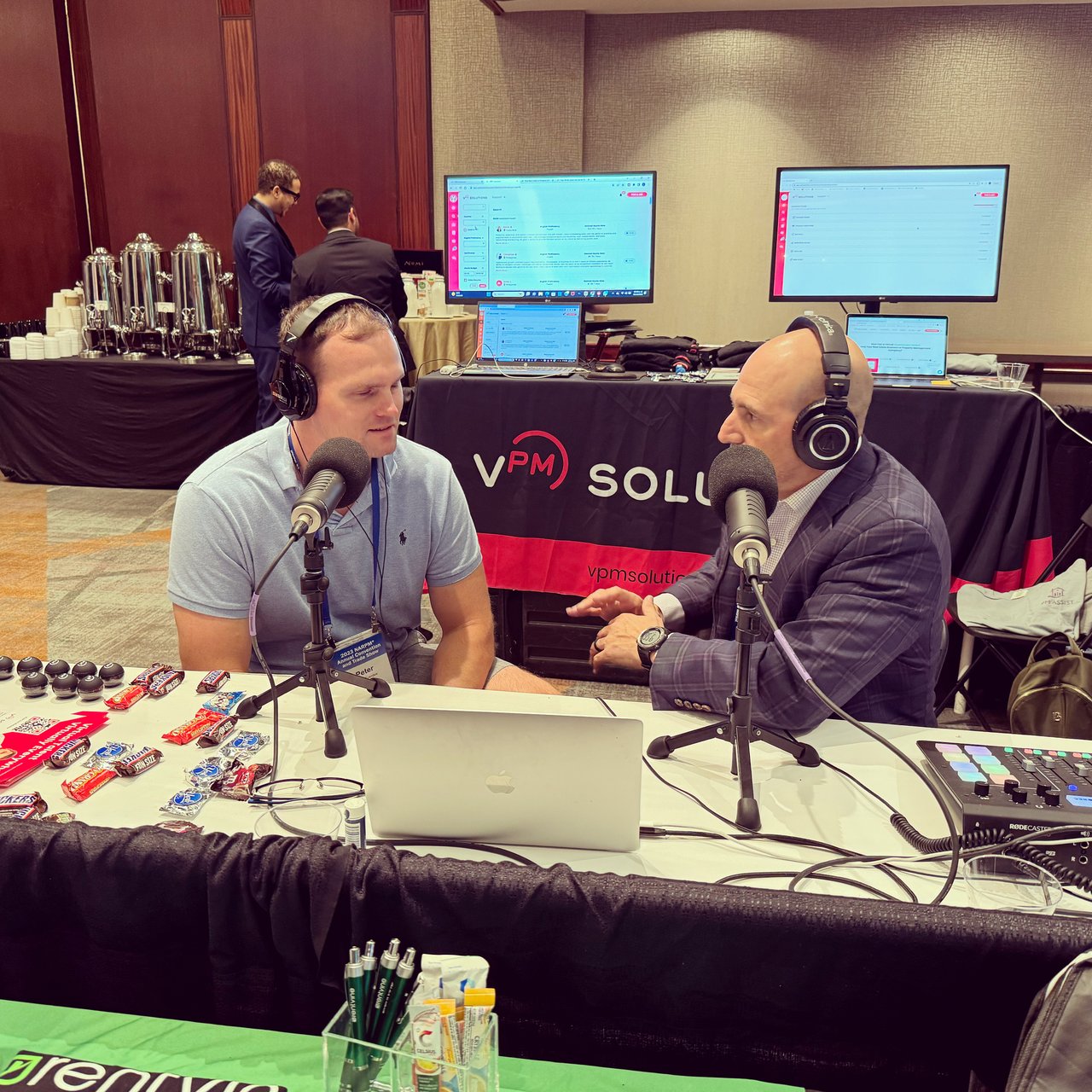
If you want a clearer plan for buying, renovating, and operating rentals in New Brunswick, connect with Pete Tverdov to learn how a locally integrated turnkey approach can help you move from closing to cash flow with more confidence.
FAQs
How soon can a New Brunswick rental start generating income after closing?
- In many cases, income starts only after the property is properly registered, any required inspections or repairs are completed, and the unit is leased through at least one full rent-collection cycle.
Can you raise rent right after buying a rental property in New Brunswick?
- Not automatically. New Brunswick’s rent-control materials say base-rent increases can happen only once every 12 months, with written notice and calculation provided at least 30 days before the increase takes effect.
What documents should you collect when buying a turnkey rental in New Brunswick?
- You should confirm lease records, security deposit transfer documentation, certificate-of-registration records, Truth in Renting requirements, flood notice requirements if applicable, and smoke or lead compliance records if applicable.
What is the biggest compliance risk for New Brunswick student rentals?
- One of the biggest risks is illegal occupancy, including issues tied to zoning, legal bedroom counts, attic or basement use, and overcrowding.
Do out-of-county owners need a local contact for New Brunswick rentals?
- Yes. New Brunswick’s rental registration form asks for a Middlesex County contact person for out-of-county owners.
Can a renovated New Brunswick rental skip rent-control rules while work is being done?
- Not necessarily. The city’s 2025 rent-control summary notes that units under renovation that do not require a certificate of occupancy when completed remain within the annual registration and rent-control system.