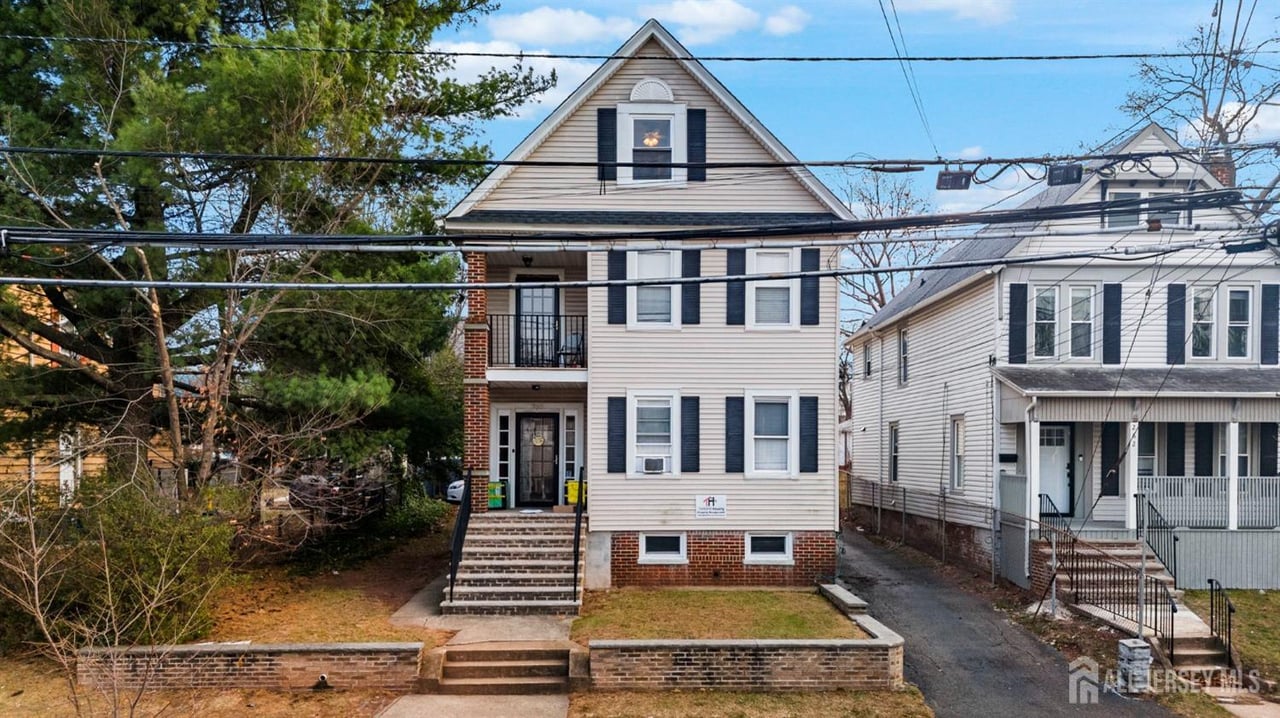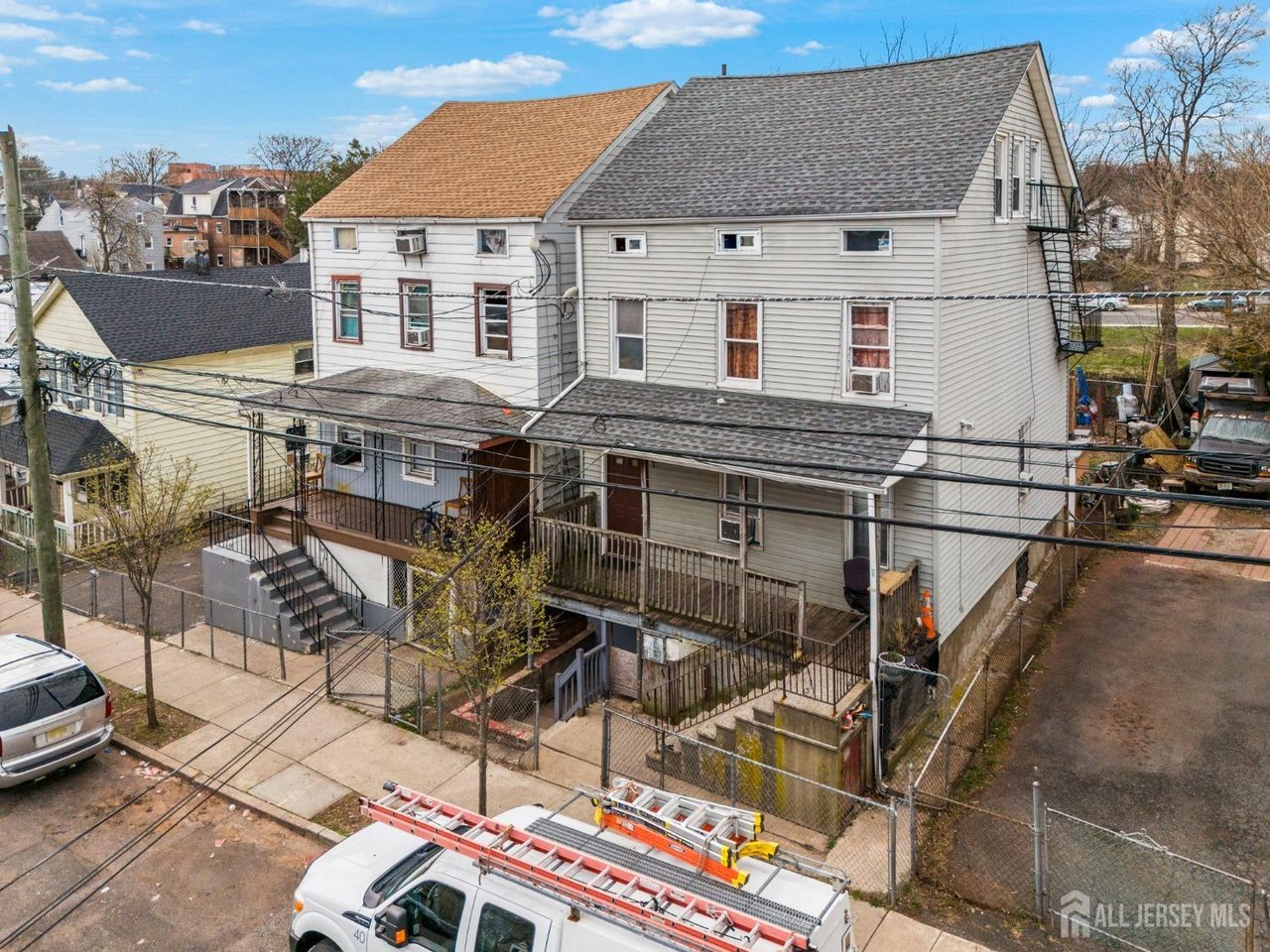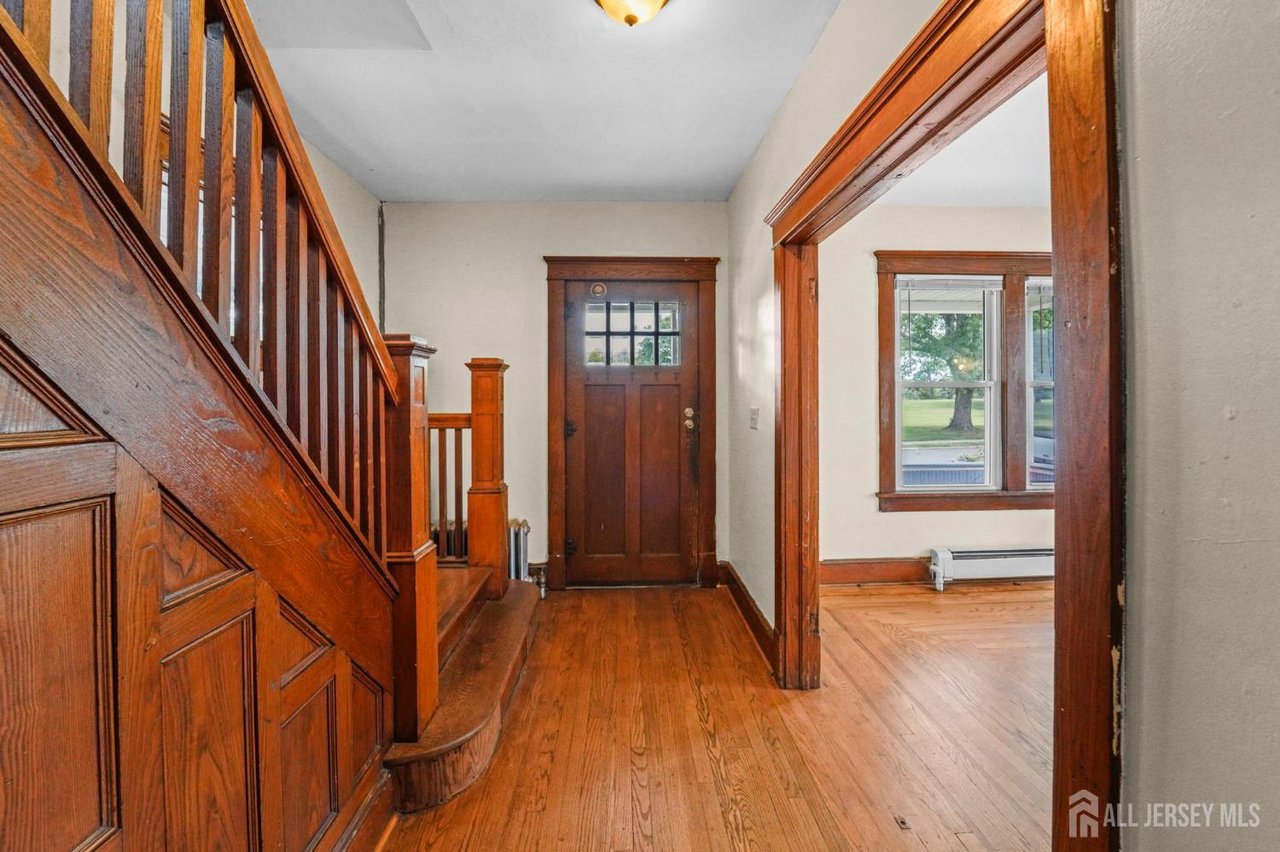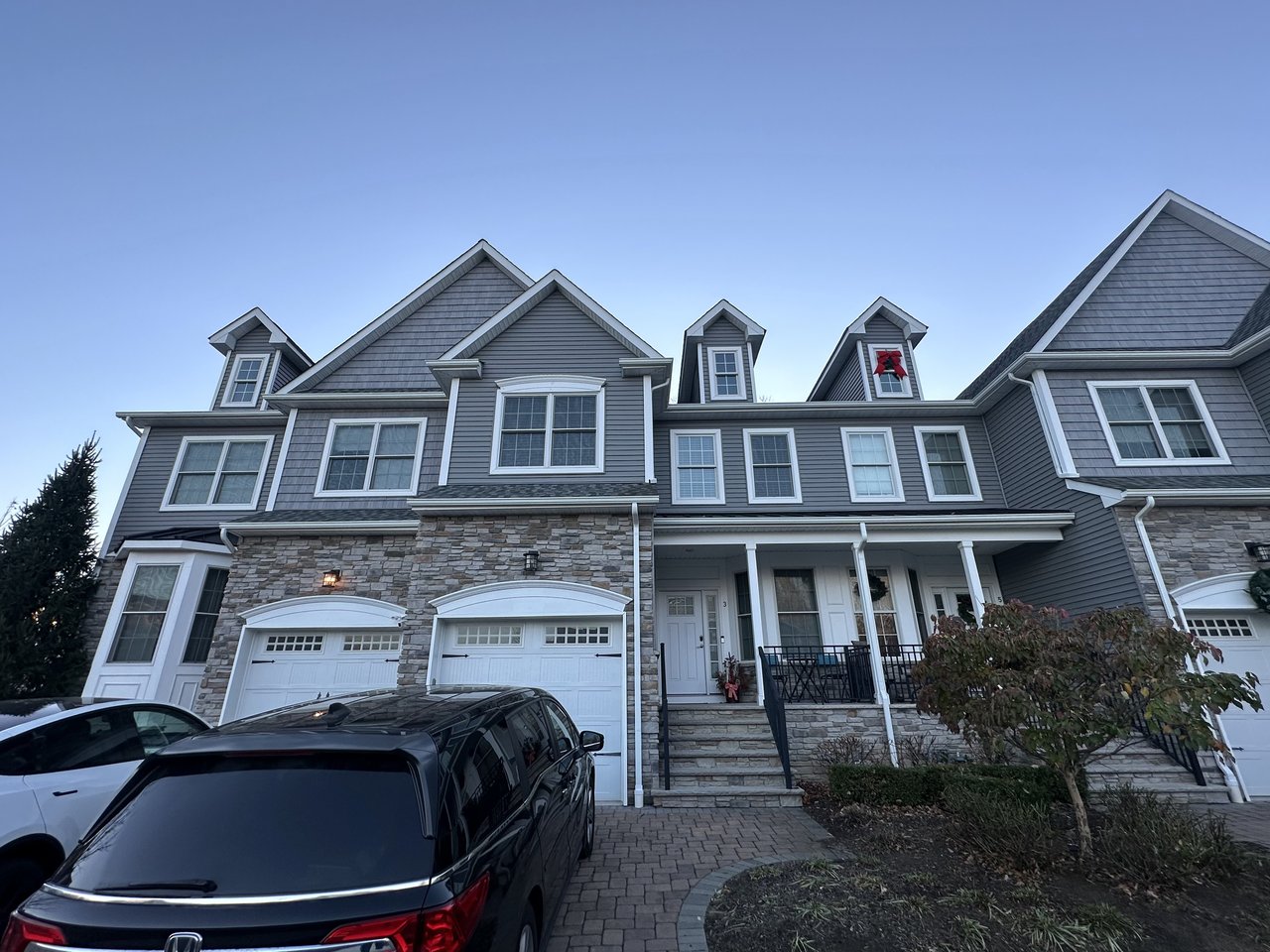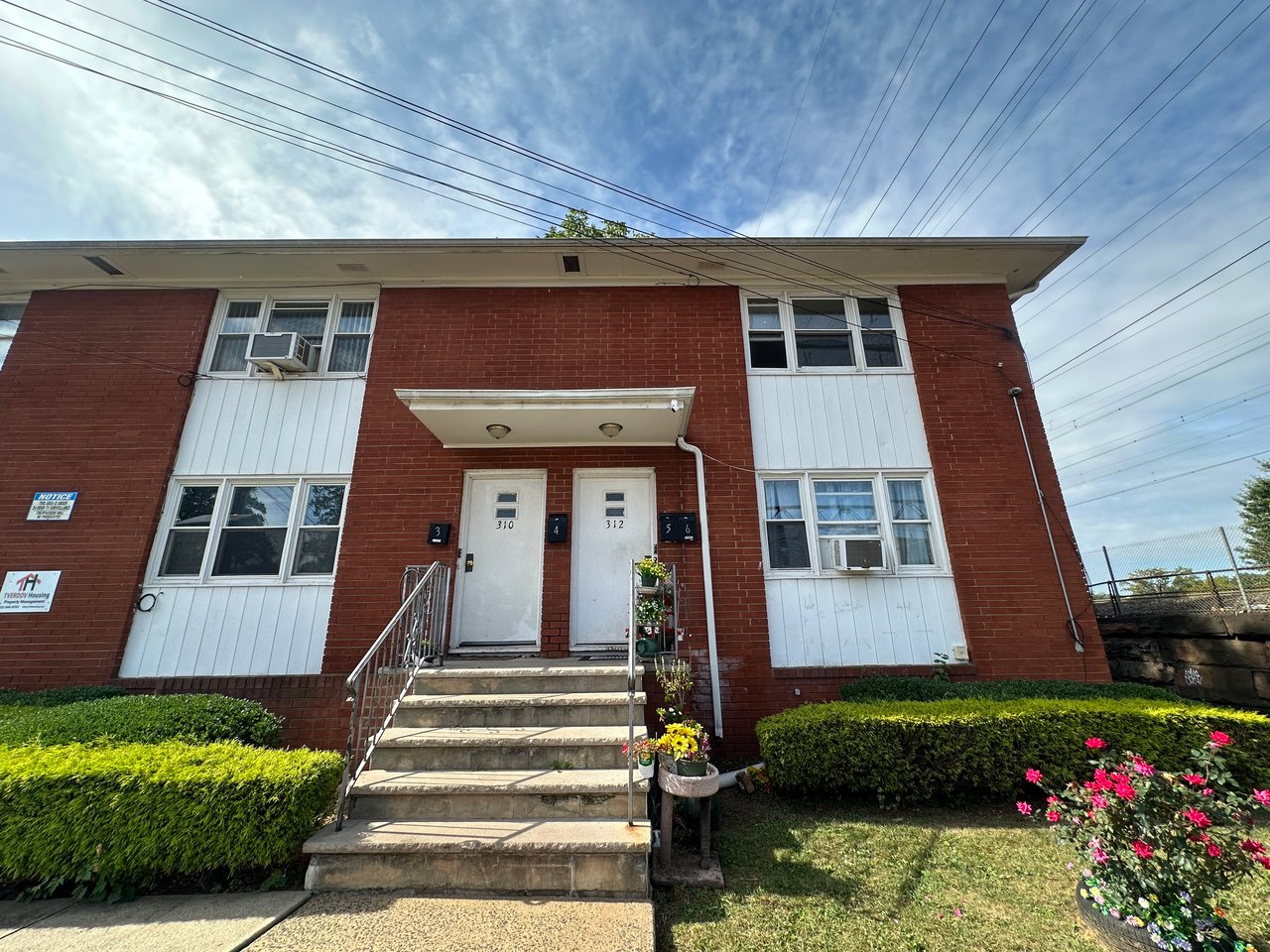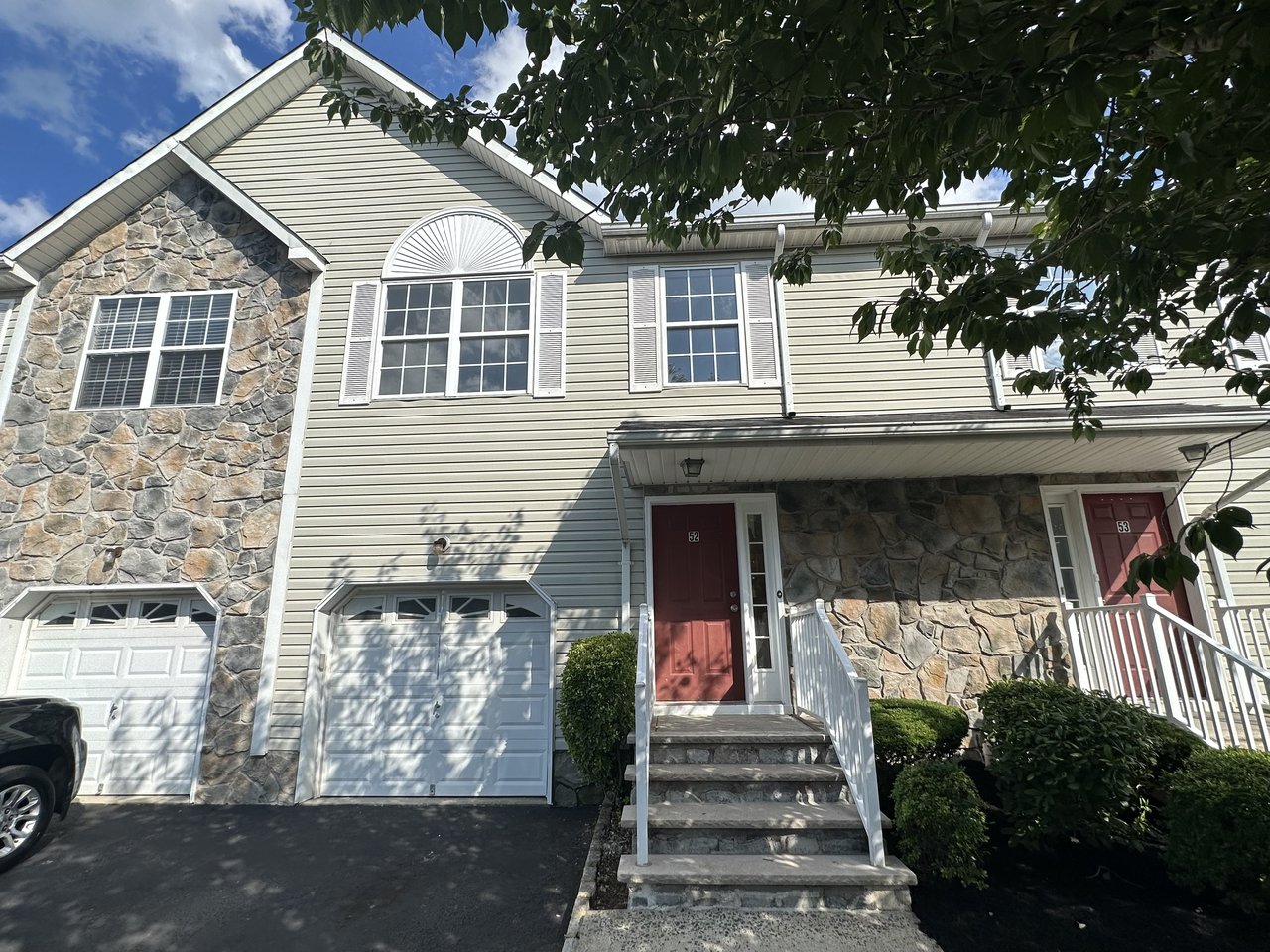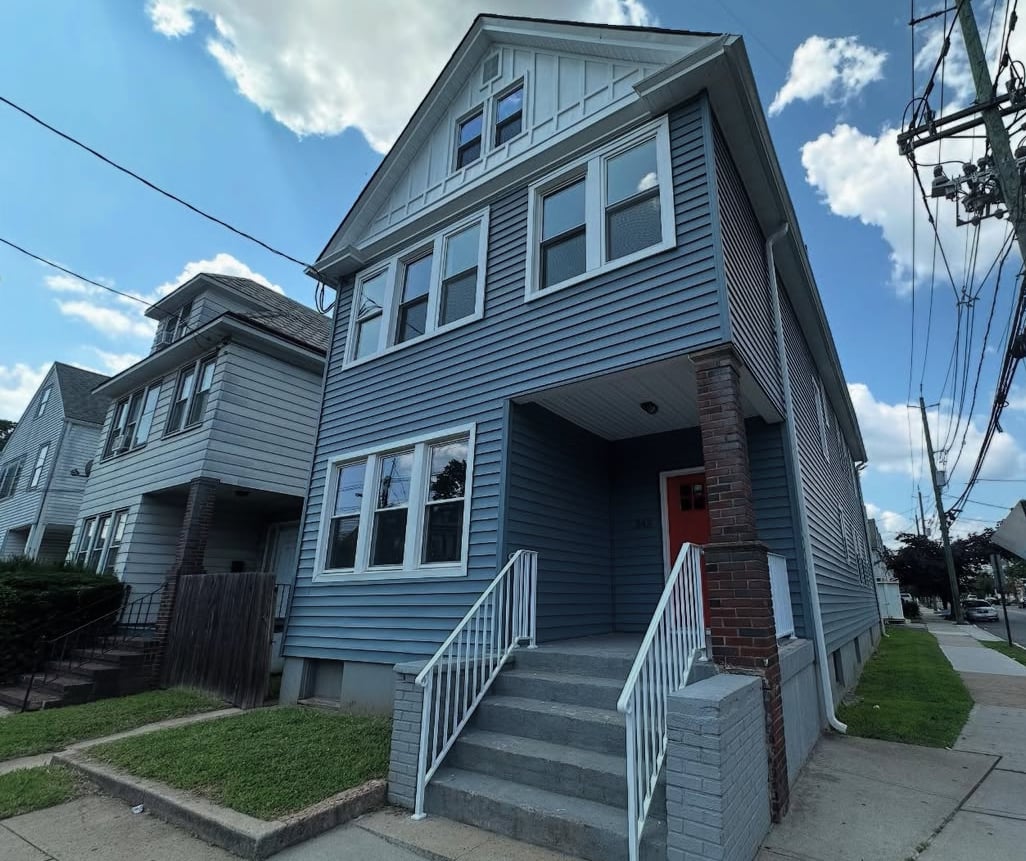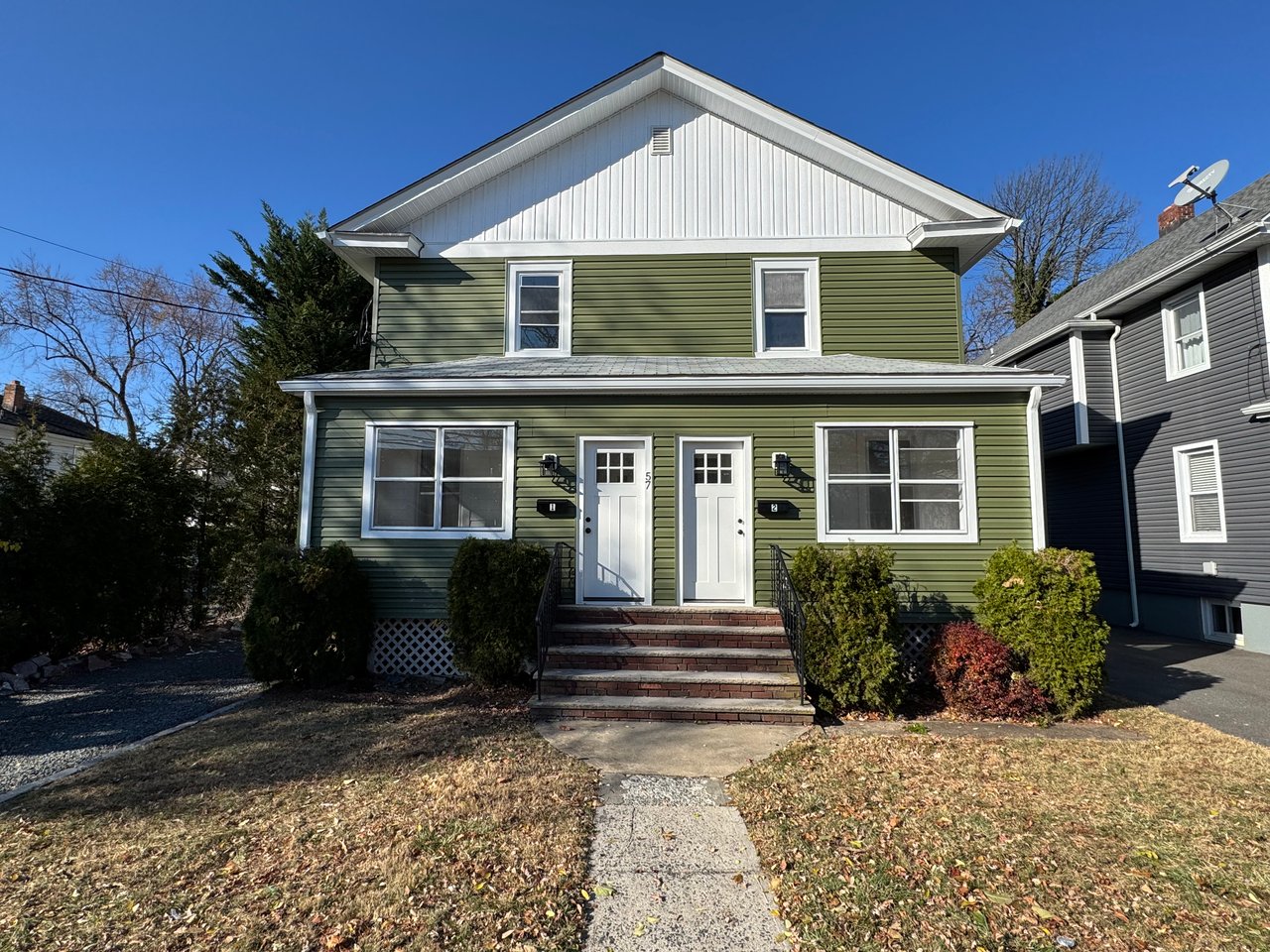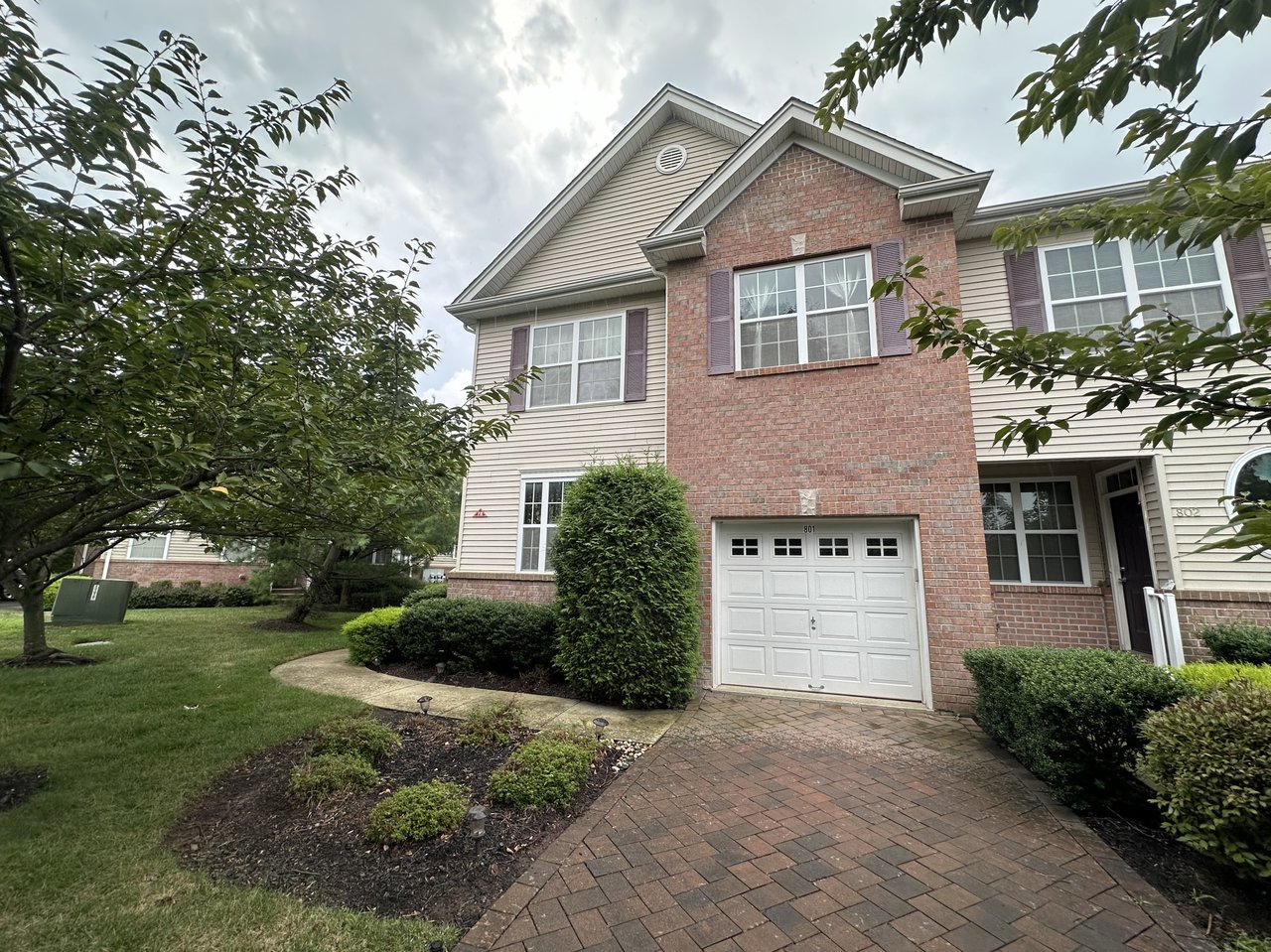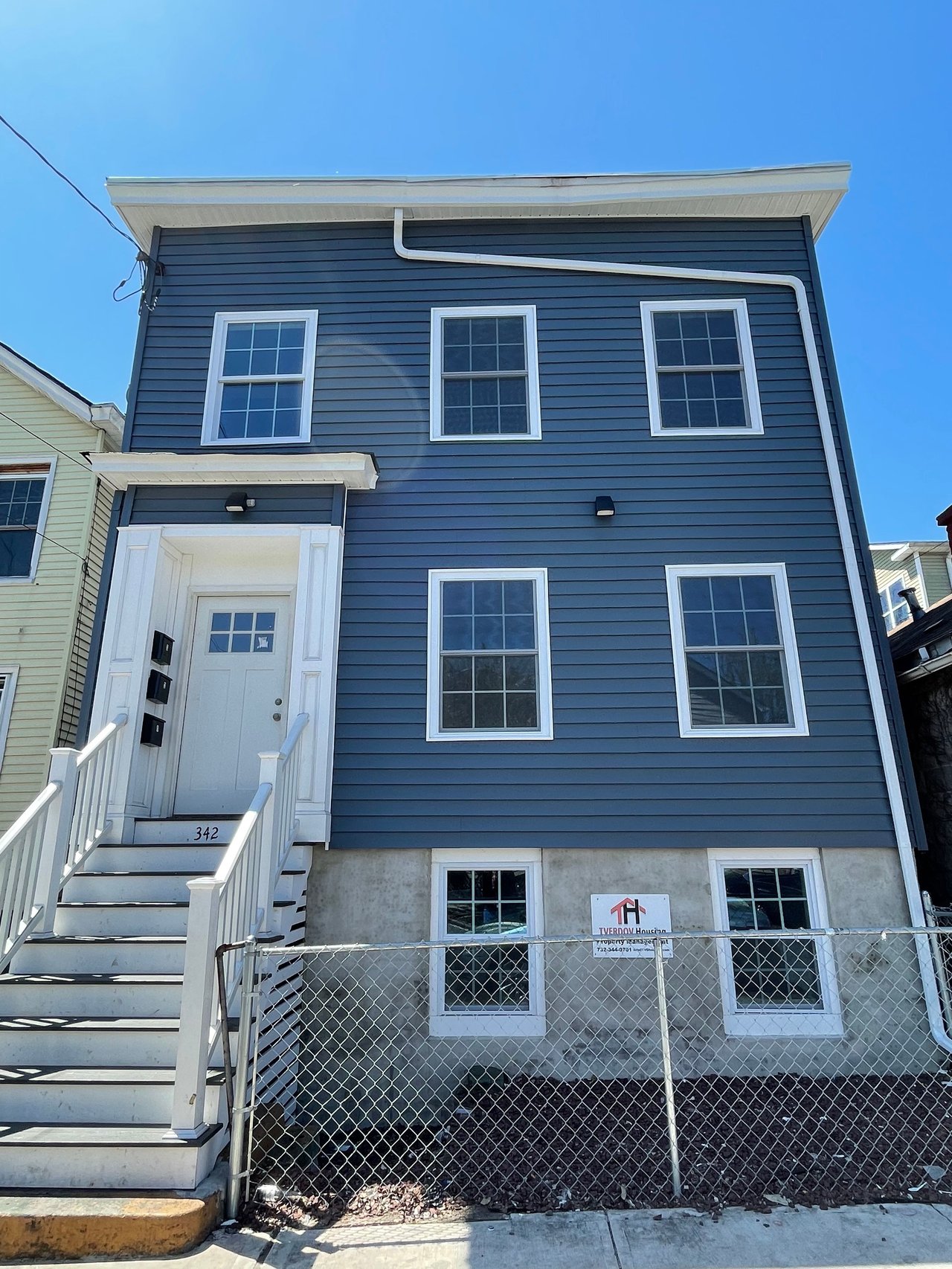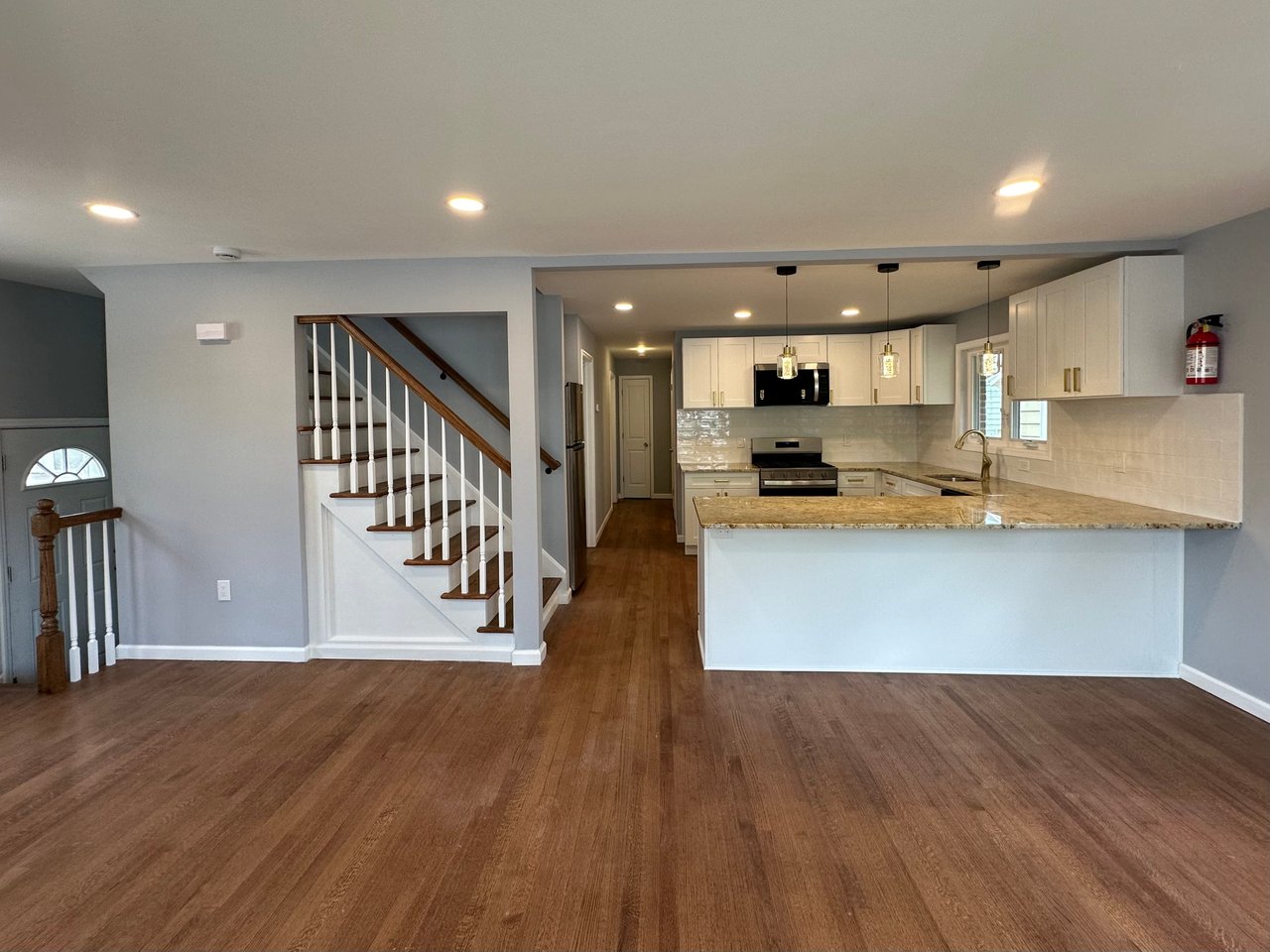
If you are underwriting a small multifamily rental in Elizabeth, a quick back-of-the-napkin estimate is usually not enough. Between local rent-control rules, a wide spread in asking prices, and New Jersey property taxes that can reshape your NOI, the margin for error gets small fast. The good news is that a disciplined model can help you spot weak deals early and move forward with more confidence on the right ones. Let’s dive in.
Start With Rent Control Status
In Elizabeth, your first underwriting question is not “What are market rents?” It is whether the property is covered by the city’s rent-control rules or exempt.
That matters because Elizabeth’s Chapter 5.70 rules can limit how much rent you can raise on certain older small multifamily properties. The code exempts housing with two units or less, along with owner-occupied buildings with three or four units.
The city’s January 2026 registration notice says non-owner-occupied properties built before 1996 with three or more residential units must be registered annually. The registration form also says the allowable base rent increase cannot exceed 3% and can only be applied once every 12 months.
There is also a 20% vacancy increase cap. If you assume you can reset every unit to full market rent right after closing, your model can become too optimistic very quickly.
Why This Changes Your Rent Assumptions
In many markets, investors begin with broad rent-growth projections. In Elizabeth, that can be a mistake if the building falls under local rent-control rules.
Instead, your rent-growth assumptions should start with three things:
- Whether the property is exempt or covered
- Whether the building is properly registered if registration applies
- Whether your upside depends on turnover, renovation, or both
Elizabeth’s rent-control office also handles capital-improvement, substantial-rehab, and hardship applications. That means the path to higher rents may depend on facts specific to the property, not on a generic market-growth number.
Use Current Elizabeth Listings as a Reality Check
Once you understand the legal framework, the next step is to screen the purchase price against the current market. Public multifamily listings in Elizabeth currently span a broad range, with examples around $375,000, $519,000, $600,000, $674,999, $769,000, $795,000, $899,900, and $1.2 million.
That spread tells you two things. First, small multifamily in Elizabeth is not a one-price market. Second, your underwriting needs to match the actual asset, unit mix, and condition rather than a generic price-per-door shortcut.
If a deal is priced near the upper end of the range, your numbers need to show a realistic path to stable income. If they do not, the price may be doing more of the storytelling than the property itself.
Build Rents From Observed Asking Data
After price, move to rent comps. Current public rent data for Elizabeth show an average rent of $1,586 per month, an average 2-bedroom rent of $2,021, and 3-bedroom rents of $2,062 or more.
Other public data points also help frame the range. Realtor.com shows a citywide median rental price of $2,399, while its 2-bedroom listings show asking rents roughly from $1,700 to $2,350. Zillow 2-bedroom asking rents run about $1,980 to $2,600+.
The key is to underwrite inside the observed range, not at the very top of it unless you have a clear reason. A renovated unit, stronger layout, or better condition may justify a higher assumption, but your model should be able to explain that choice.
Keep Rent Growth Conservative
Elizabeth average rent has risen only 1.2% over the past year. That does not support an aggressive, across-the-board rent-growth forecast.
If your underwriting depends on fast rent growth, you should have a very specific story behind it. That story might be turnover, a value-add renovation, or a legally supportable increase after improvements, but it should be tied to the property and the local rules.
For most small multifamily deals, conservative assumptions will give you a better read on true risk. That is especially important if you are buying an older building or one that needs repositioning.
Underwrite Income the Conservative Way
A practical underwriting sequence in Elizabeth starts with gross potential rent, then backs into a more realistic income number. That means estimating the full annual rent roll first and then applying vacancy and credit loss before you get excited about NOI.
A useful benchmark is a 5% vacancy, concessions, and bad debt assumption. Fannie Mae’s guidance says that combined line should equal the greater of the trailing 3-month collections gap or 5% of gross potential rent.
For investors, the big lesson is simple: underwrite to collected income, not just scheduled income. In other words, focus on what the property is likely to produce in real operations.
Add Every Major Expense Line
Once you have effective gross income, layer in the operating costs that often get underestimated. At a minimum, your model should include:
- Management
- Property taxes
- Insurance
- Utilities, if owner-paid
- Repairs and maintenance
- Replacement reserves
- Any recurring capital items
A common benchmark for management is 3% of effective gross income. Replacement reserves should also be treated as a real cost, with a minimum reference point of $200 per unit per year.
Insurance should not be a guessed number. It should come from a real quote whenever possible, because escrows and insurance can materially affect the monthly carry.
Watch Property Taxes Closely
In Elizabeth, property taxes can change the shape of the deal more than many first-time investors expect. New Jersey property tax is ad valorem, and the state’s 2025 general tax-rate table lists Elizabeth City at an effective rate of 2.113%.
That means rough screening numbers look like this:
- $375,000 purchase: about $7,924 per year
- $600,000 purchase: about $12,678 per year
- $1.2 million purchase: about $25,356 per year
Those are screening numbers, not final tax bills. Still, they are strong reminders that carrying the seller’s old tax number forward without checking reassessment risk can distort your underwriting.
A Quick 3-Unit Example
Here is a simple way to see how quickly the math tightens. Suppose a 3-unit property has two 2-bedroom units at $2,200 each and one 1-bedroom unit at $1,650.
That creates $72,600 in annual gross potential rent. If you apply a 5% vacancy and credit-loss assumption, effective gross income drops to $68,970.
From there, a 3% management fee is about $2,069. Replacement reserves at $200 per unit are $600 per year.
If the purchase price is $625,000, taxes at 2.113% screen to about $13,206 annually. Before insurance, repairs, utilities, and other operating costs, you are left with about $53,095 of partial NOI.
That is the lesson. Even on a decent rent roll, taxes and normal operating expenses can eat into the spread quickly.
Stress-Test Before You Make an Offer
A deal that works only under perfect conditions is usually too fragile. In Elizabeth, stress-testing is one of the best ways to avoid overpaying.
For example, if vacancy rises from 5% to 8% on that same $72,600 rent roll, vacancy and credit loss increase from $3,630 to $5,808. That is an extra $2,178 gone each year before you even touch repairs or turnover costs.
This matters even more on older properties, buildings with deferred maintenance, or deals that rely on quick post-renovation leasing. If a small change in vacancy, taxes, or repairs breaks the model, the price may need to change.
Financing Benchmarks to Screen the Deal
Financing can also keep you grounded during underwriting. Freddie Mac’s PMMS reported a 6.49% average for a 30-year fixed mortgage on June 25, 2026.
Fannie Mae’s multifamily overview points to common underwriting reference points like 80% loan-to-value, 1.25 debt service coverage ratio, and a 20% equity contribution. Even if your final loan structure differs, those benchmarks are useful for screening.
They also reinforce an important principle: use actual income, not optimistic projections. If the current numbers do not support the debt comfortably, the deal may not be as strong as it looks in a broker summary.
Common Elizabeth Underwriting Mistakes
A few mistakes show up again and again when investors model small multifamily in Elizabeth. Most of them come from assuming the market will behave more simply than it actually does.
Here are the biggest ones to avoid:
- Assuming rents can rise freely on every deal
- Ignoring whether the property is exempt from rent control or covered by it
- Using top-of-range asking rents without support from condition or layout
- Carrying forward the seller’s tax bill without checking reassessment risk
- Treating reserves and maintenance as optional instead of necessary
- Forgetting that insurance should be based on a real quote, not a placeholder
A good model is not built to prove the deal works. It is built to test whether the deal still works after you strip out hopeful assumptions.
A Practical Elizabeth Underwriting Checklist
If you want a clean, offer-ready process, use this sequence:
- Confirm whether the property is covered by Elizabeth rent control or exempt.
- Verify registration status if the rules require annual registration.
- Build the rent roll from current public asking rents for the same bedroom mix.
- Choose conservative rent assumptions within the observed market range.
- Underwrite gross potential rent.
- Apply at least 5% for vacancy and credit loss.
- Add management, taxes, insurance, utilities, repairs, reserves, and capital items.
- Stress-test the model for higher vacancy and repair risk.
- Compare the NOI and debt coverage against realistic financing terms.
That process will not make every deal pencil. But it can help you avoid expensive mistakes and focus your attention on assets with a more durable path to cash flow.
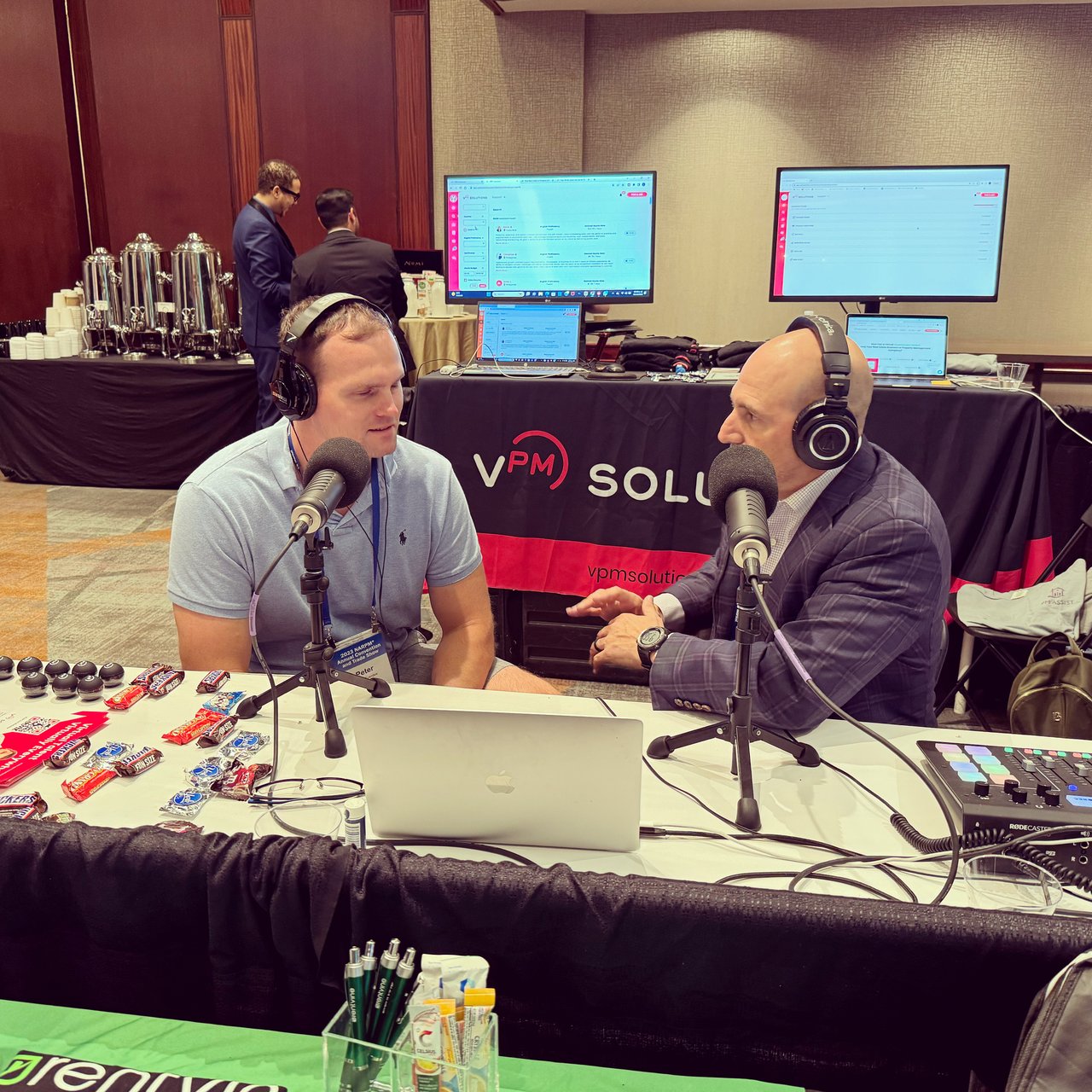
Elizabeth can offer opportunity for small multifamily investors, but it rewards careful underwriting more than loose assumptions. If you want a local, data-driven partner to help you evaluate, renovate, and operate rent-ready rental property in Central New Jersey, connect with Pete Tverdov.
FAQs
How do you start underwriting a small multifamily rental in Elizabeth?
- Start by confirming whether the property is subject to Elizabeth rent control or exempt, then verify registration status before making any rent-growth assumptions.
What rent increase limits matter for Elizabeth multifamily underwriting?
- For properties covered by the city’s rules, the January 2026 registration form says the allowable base rent increase cannot exceed 3% once every 12 months, and vacancy increases are capped at 20%.
What rent numbers should you use for an Elizabeth rental analysis?
- Build your model from current public asking rents for similar unit types in Elizabeth and choose a conservative number within the observed range rather than underwriting at the highest ask.
What vacancy rate should you use when underwriting Elizabeth multifamily?
- A practical conservative benchmark is 5% for vacancy, concessions, and bad debt, unless actual recent collections support a higher figure.
How should you estimate property taxes on an Elizabeth multifamily purchase?
- Use Elizabeth City’s 2025 effective tax rate of 2.113% as a screening tool, then confirm the likely future tax bill rather than relying only on the seller’s current taxes.
Why is stress-testing important for an Elizabeth rental property deal?
- Stress-testing shows whether the property still works if vacancy rises, repairs cost more, or rents do not reset as quickly as planned, which is especially important on older or value-add buildings.