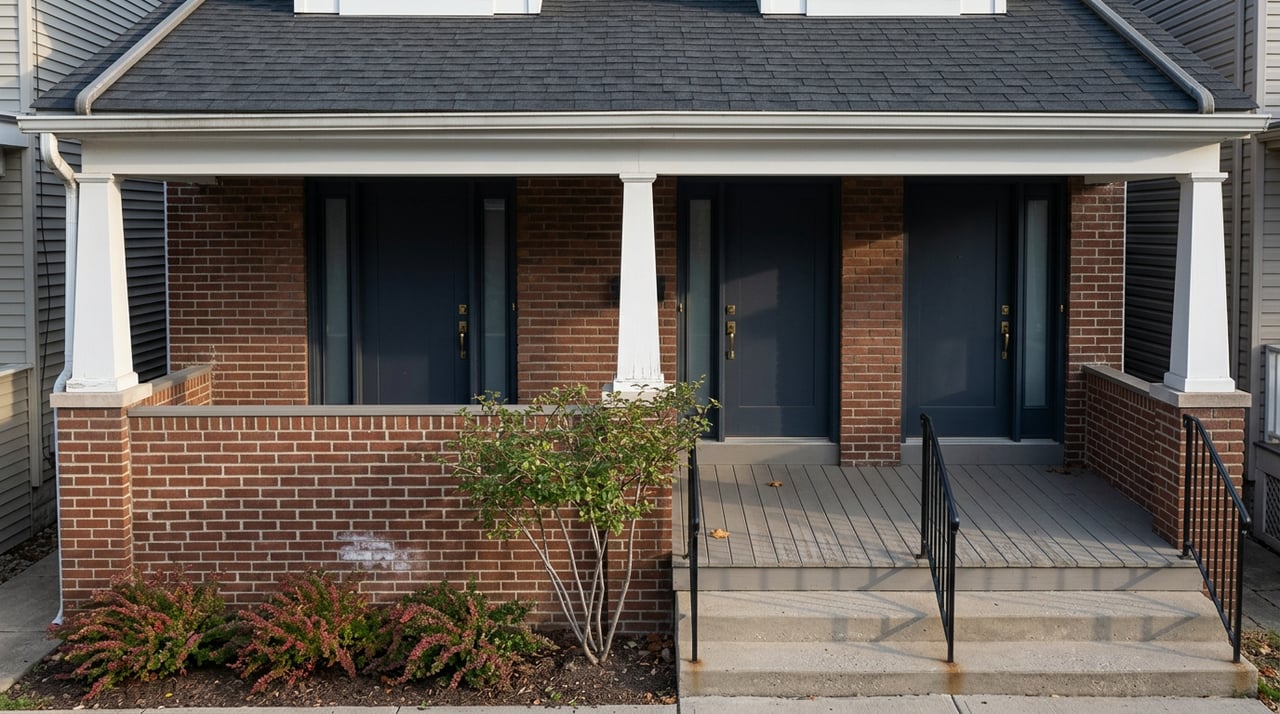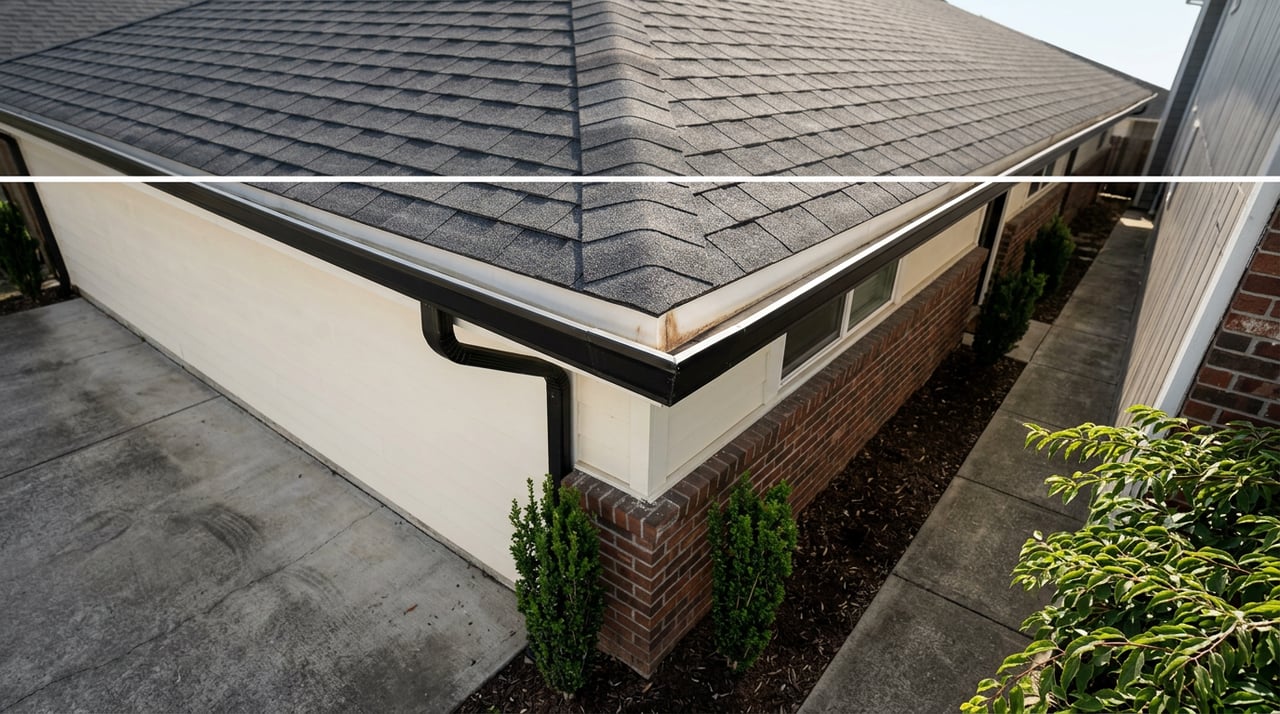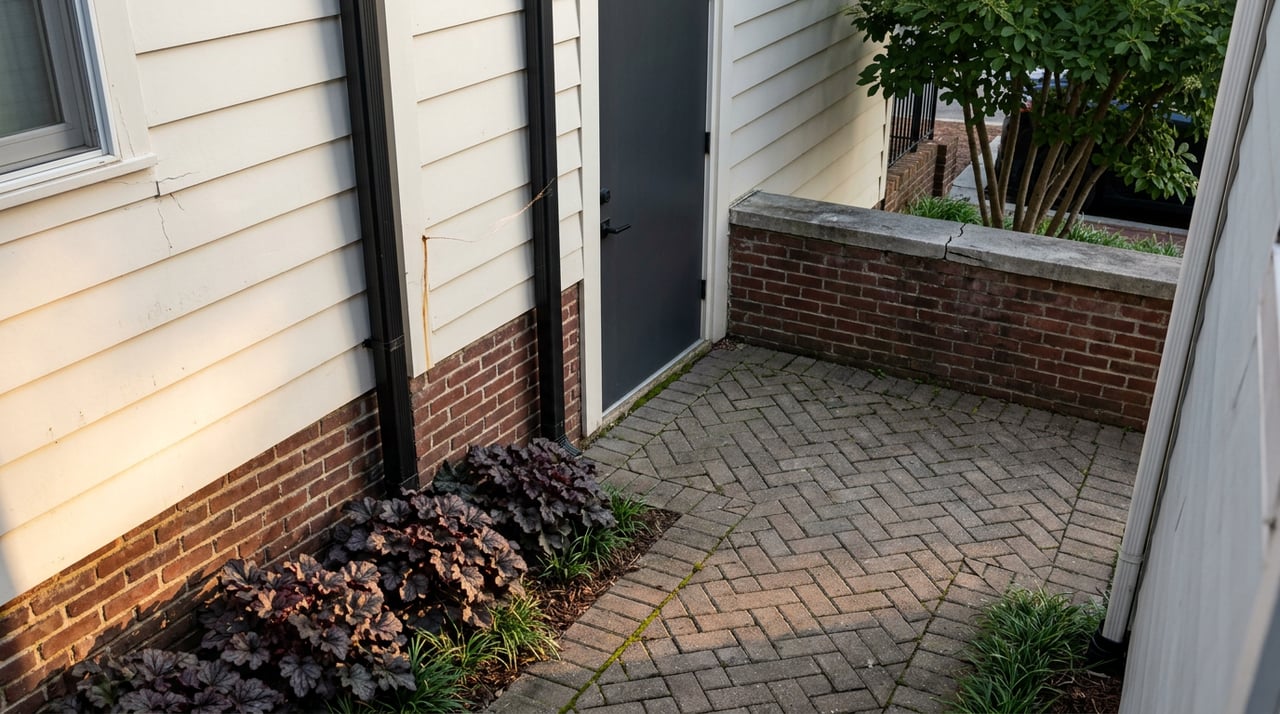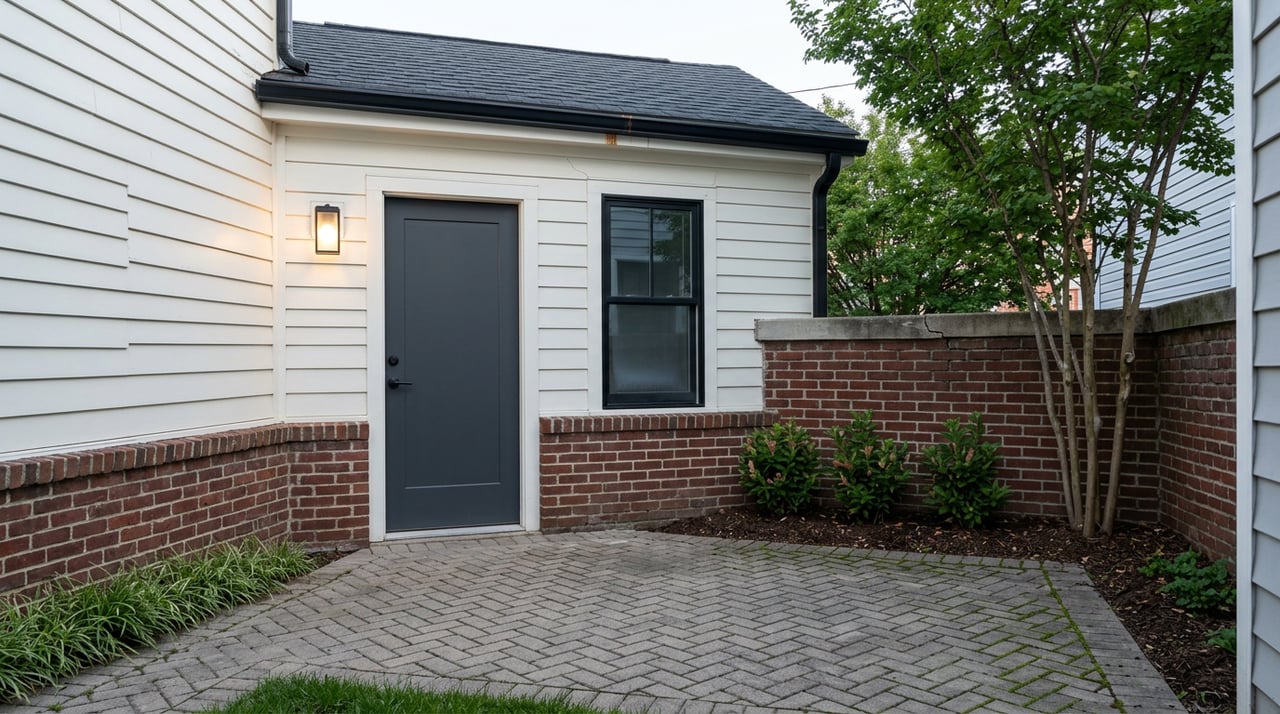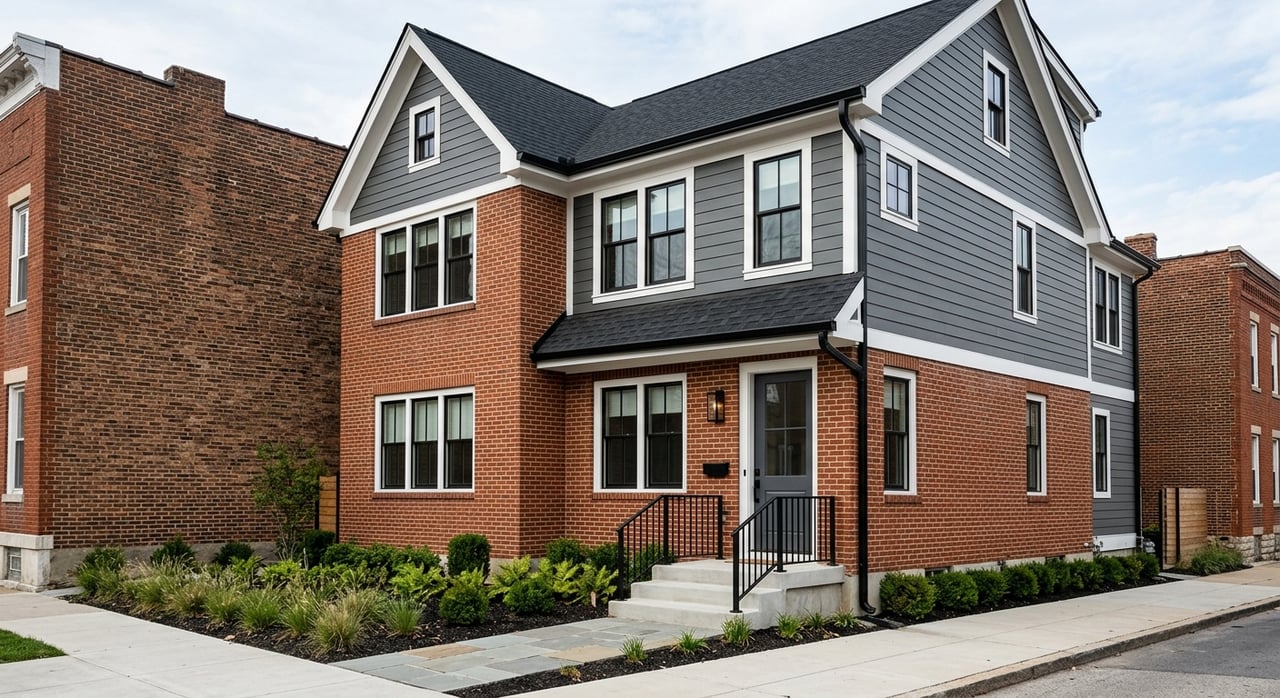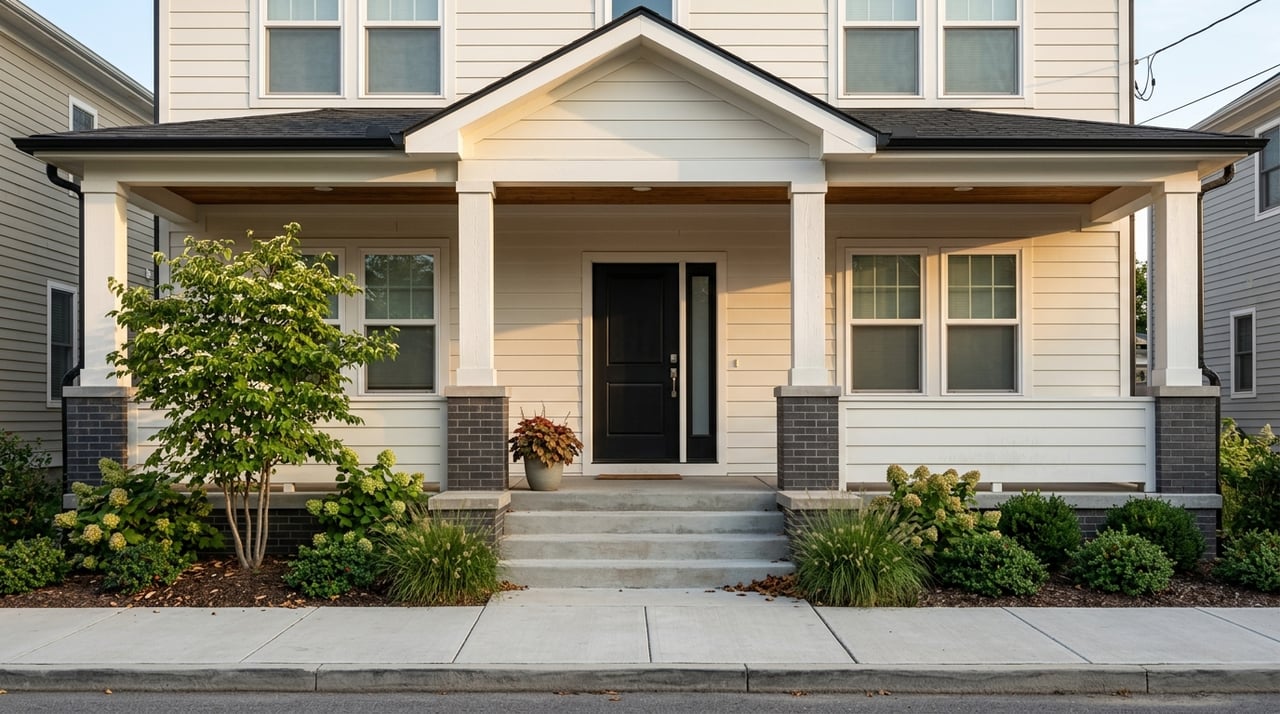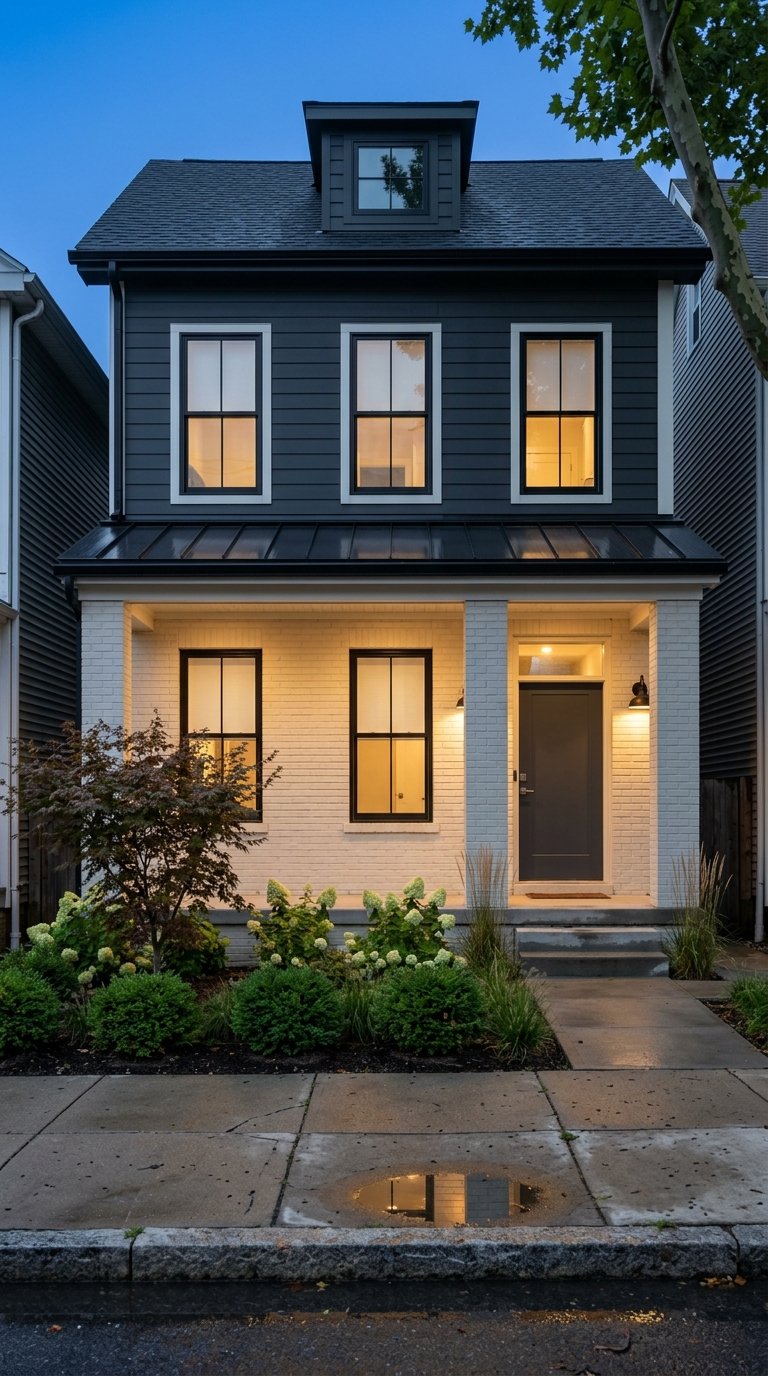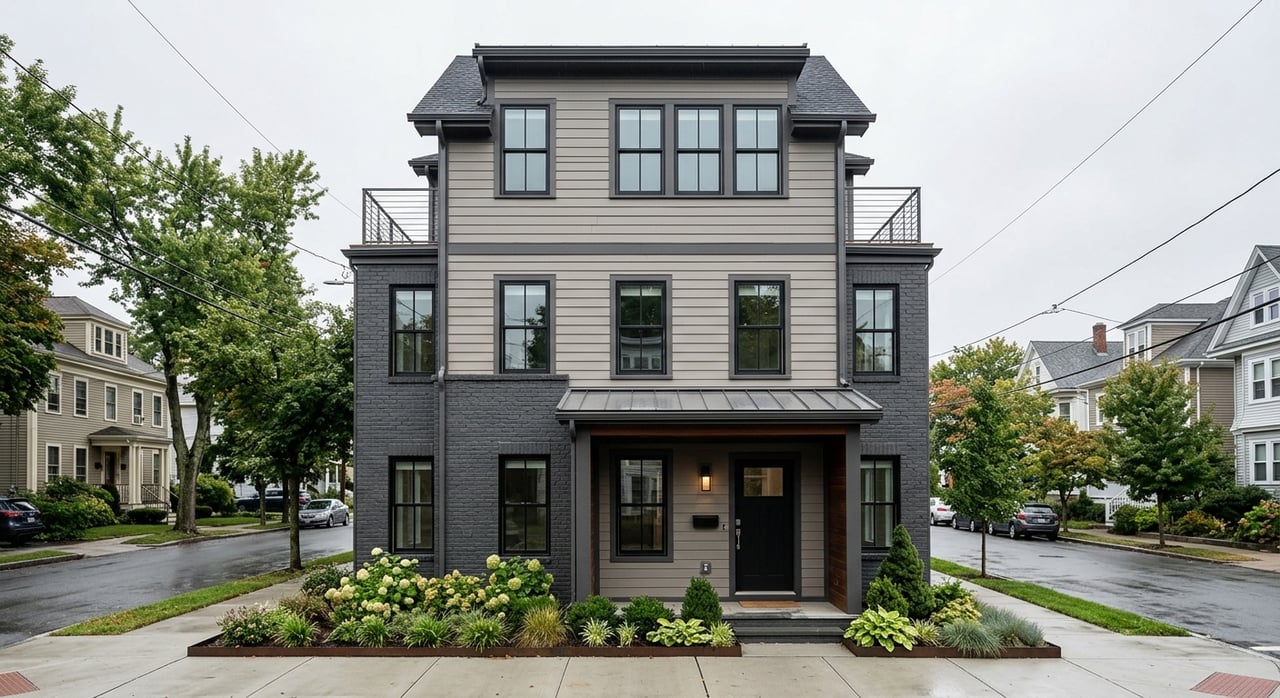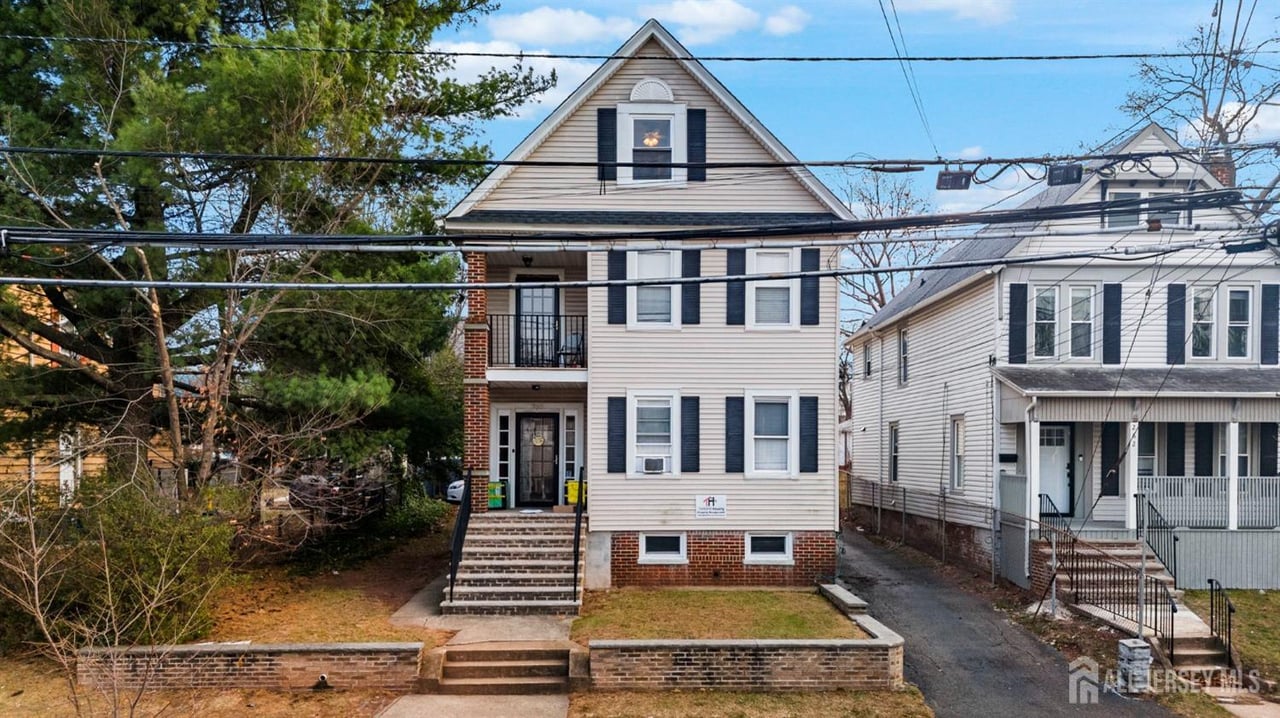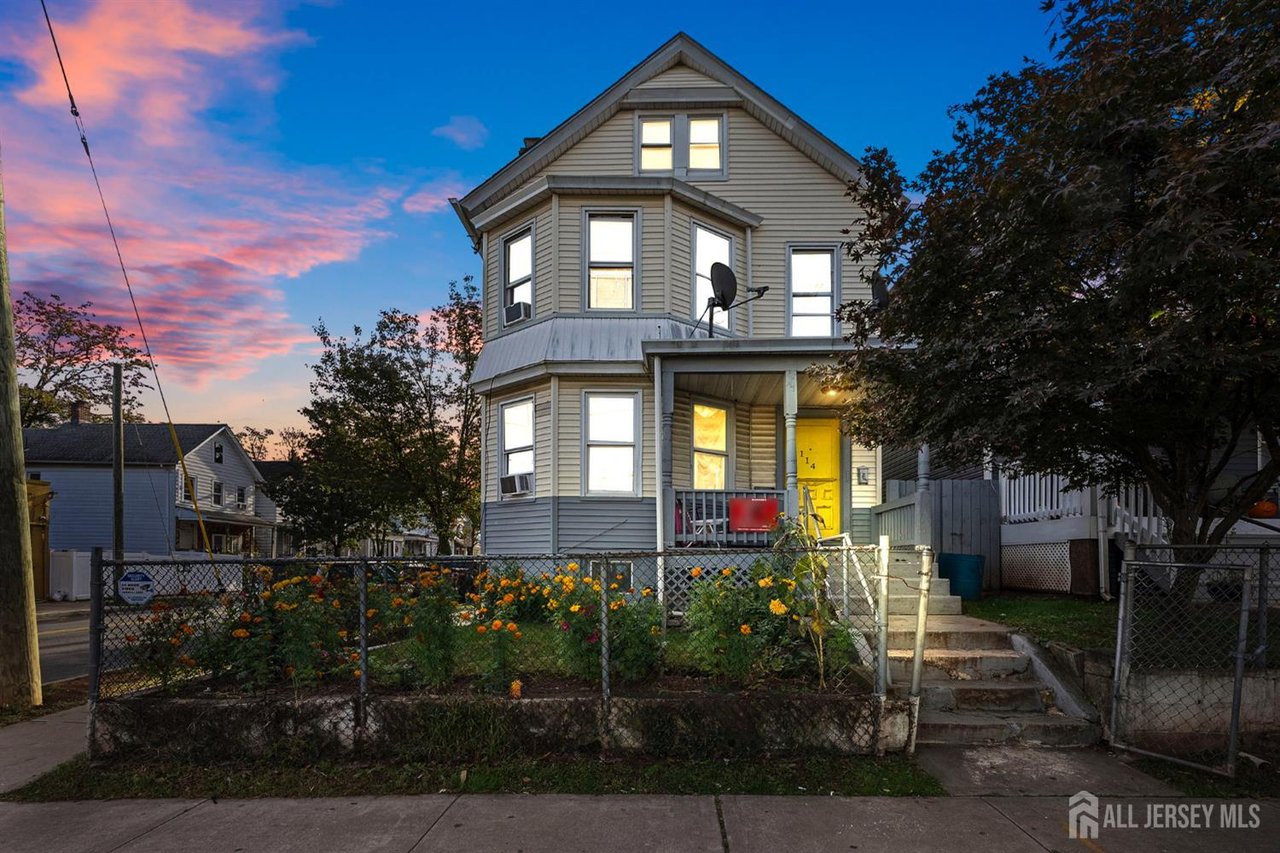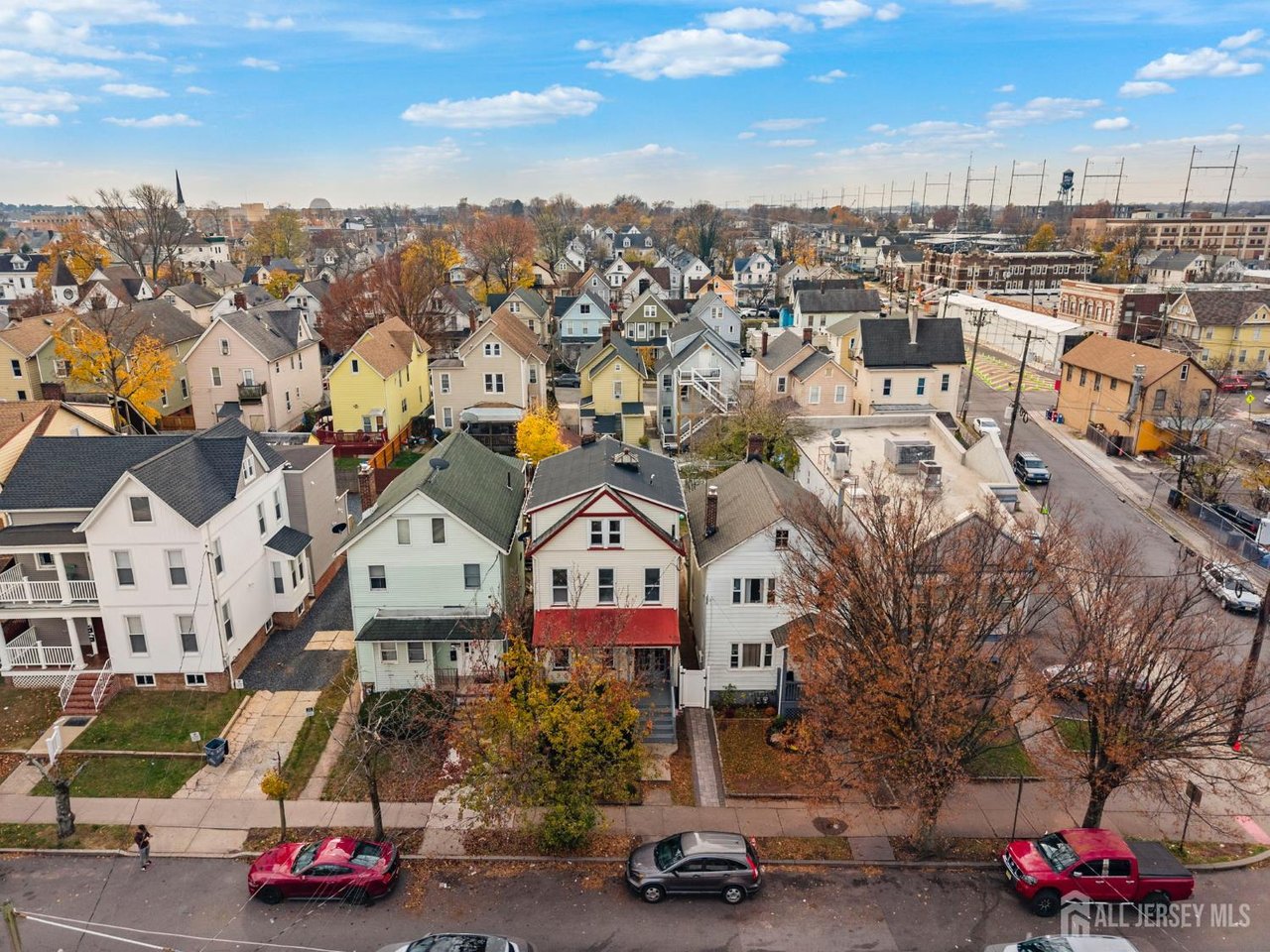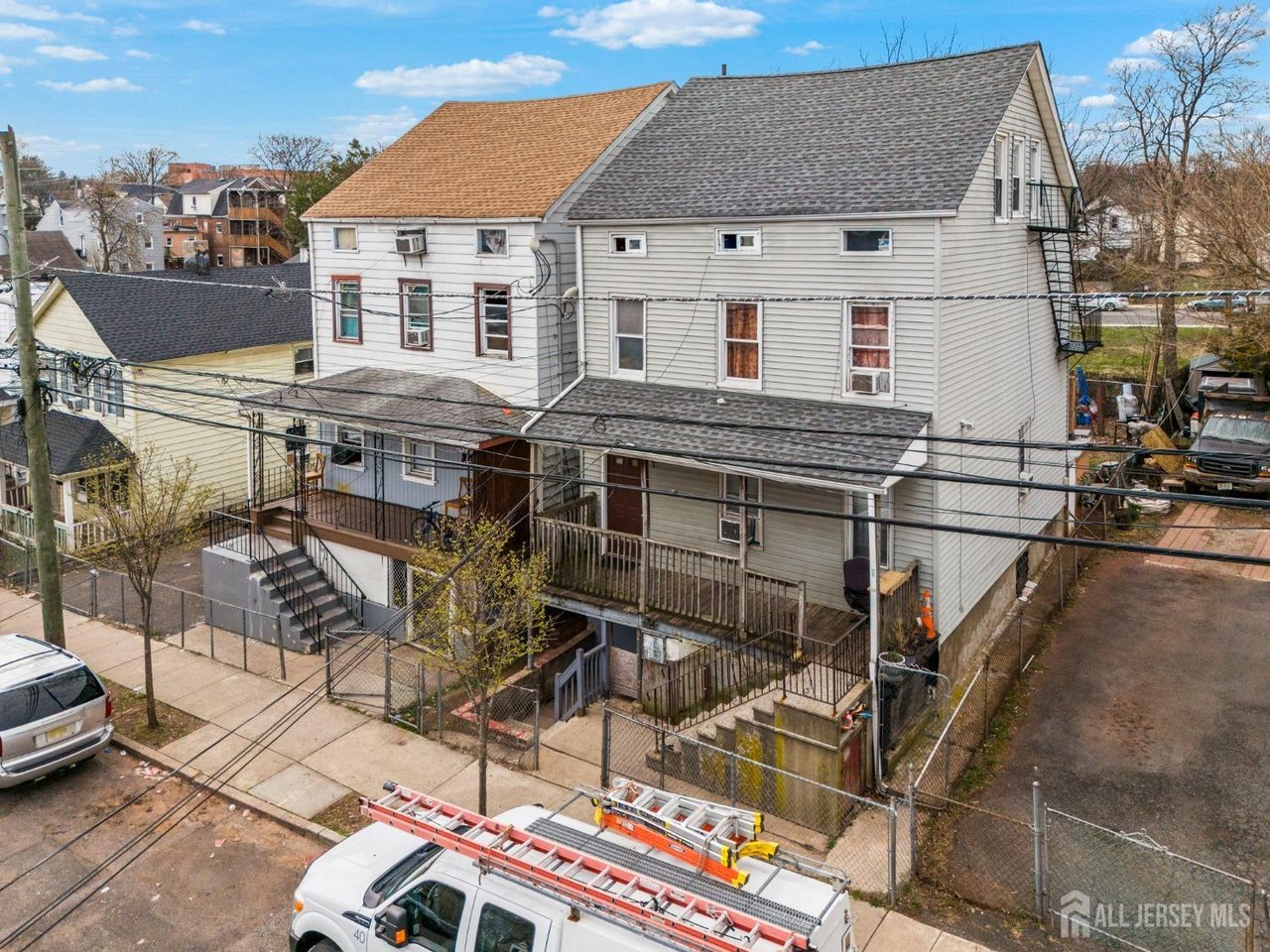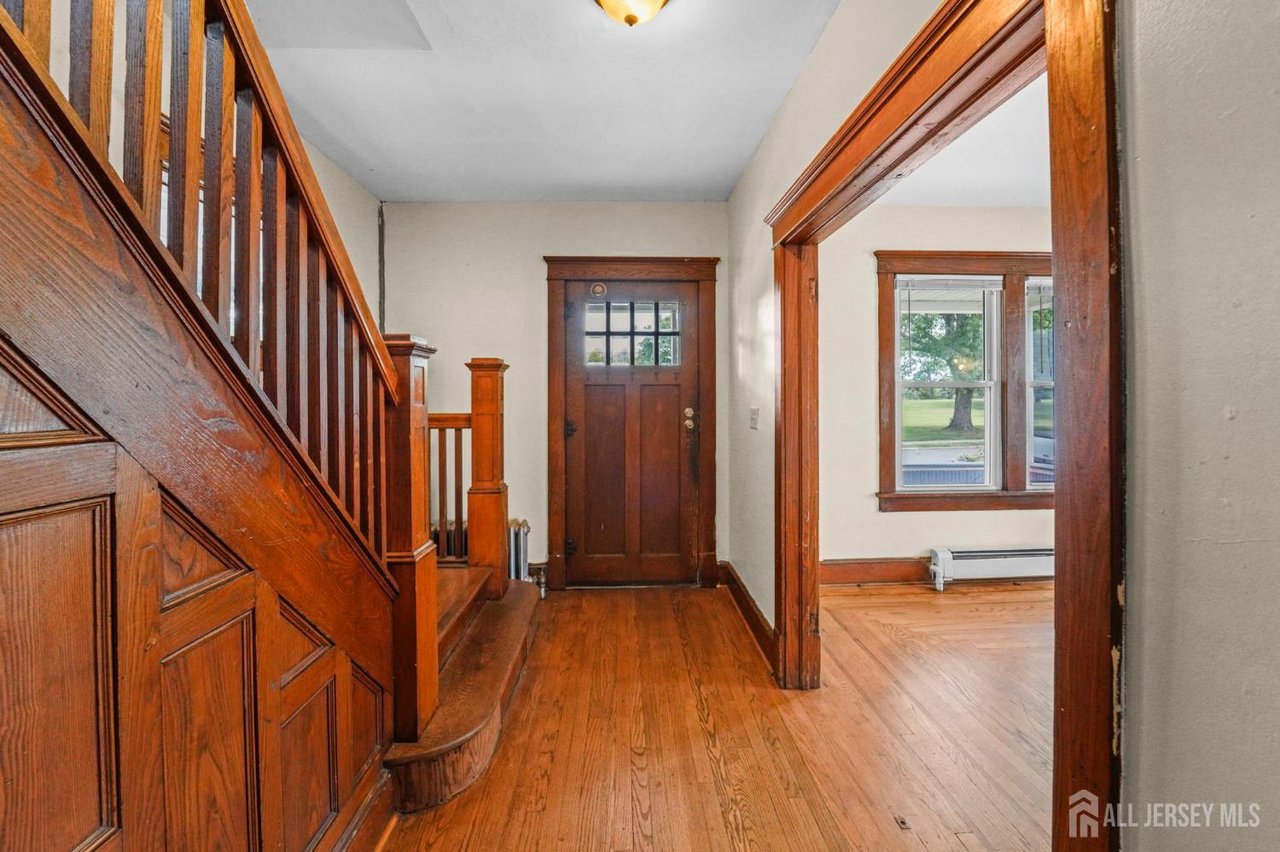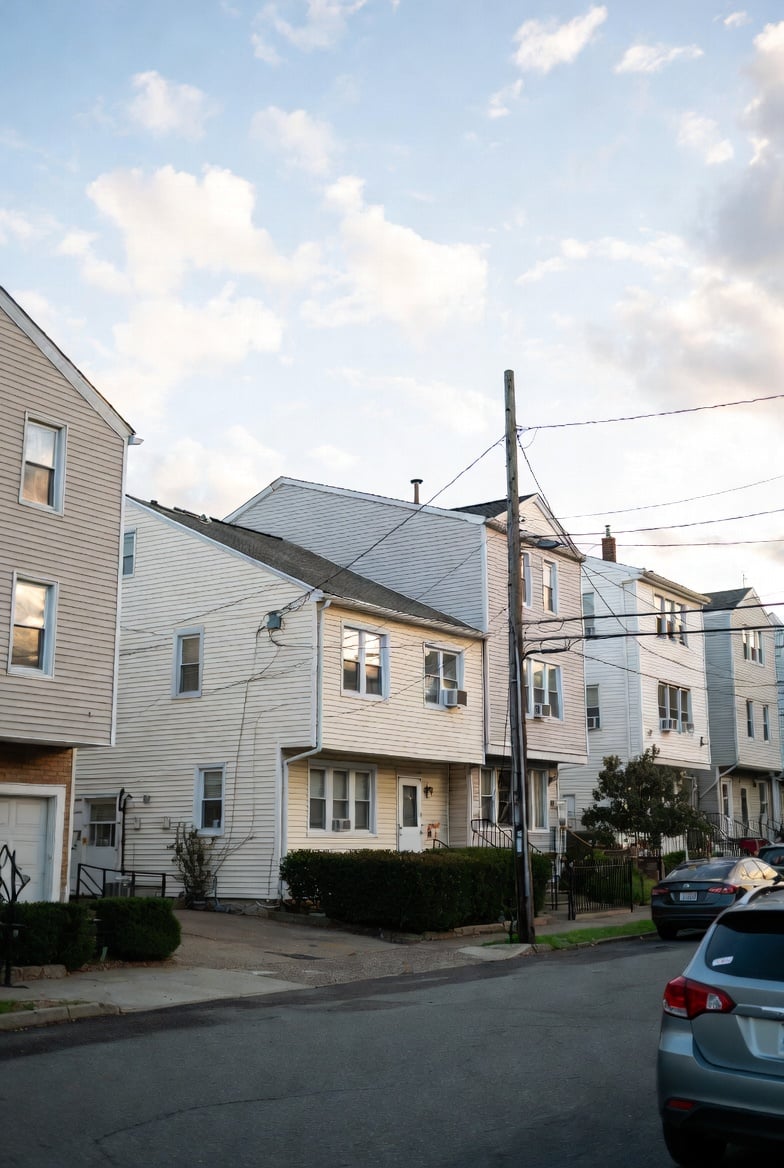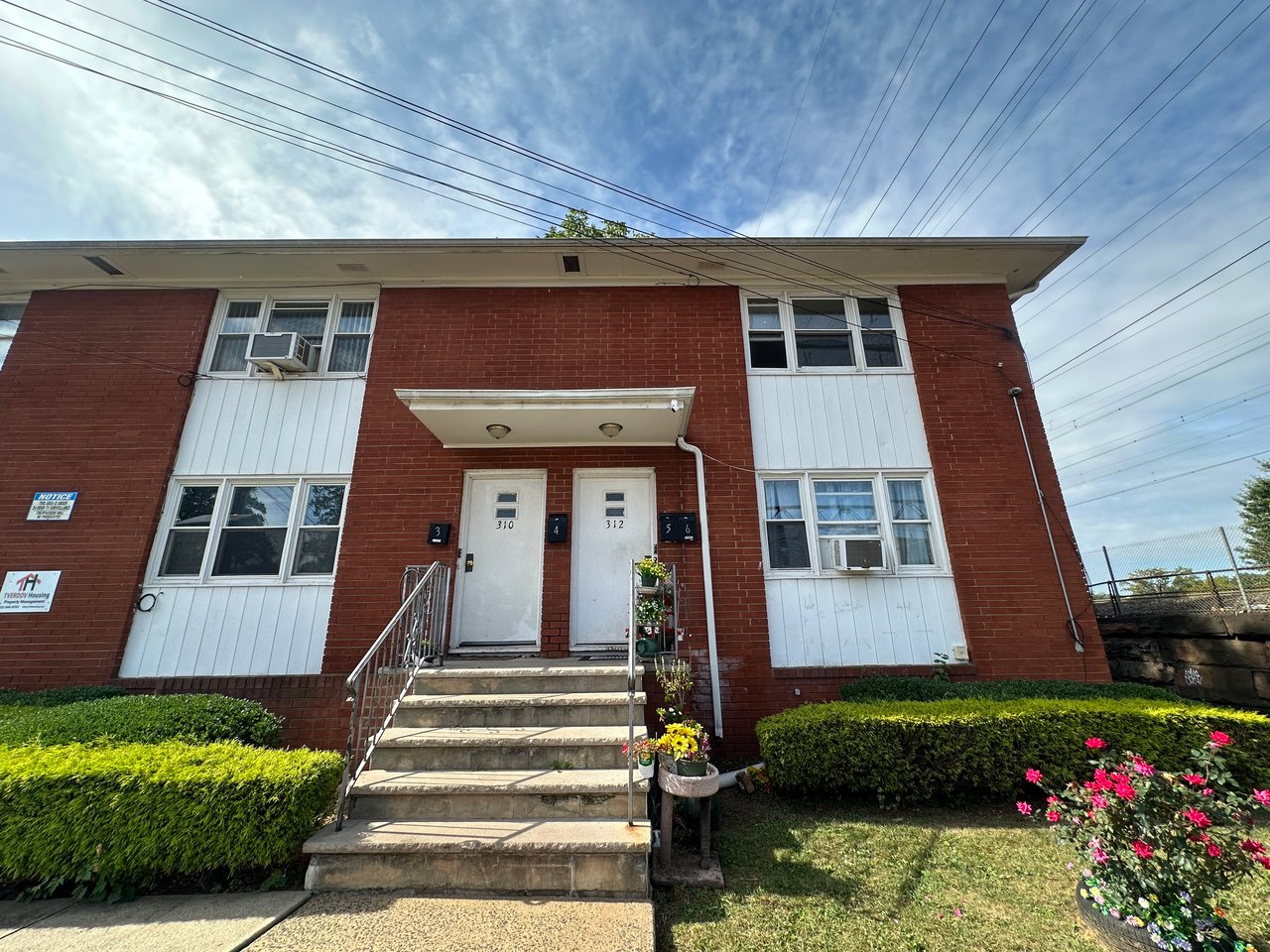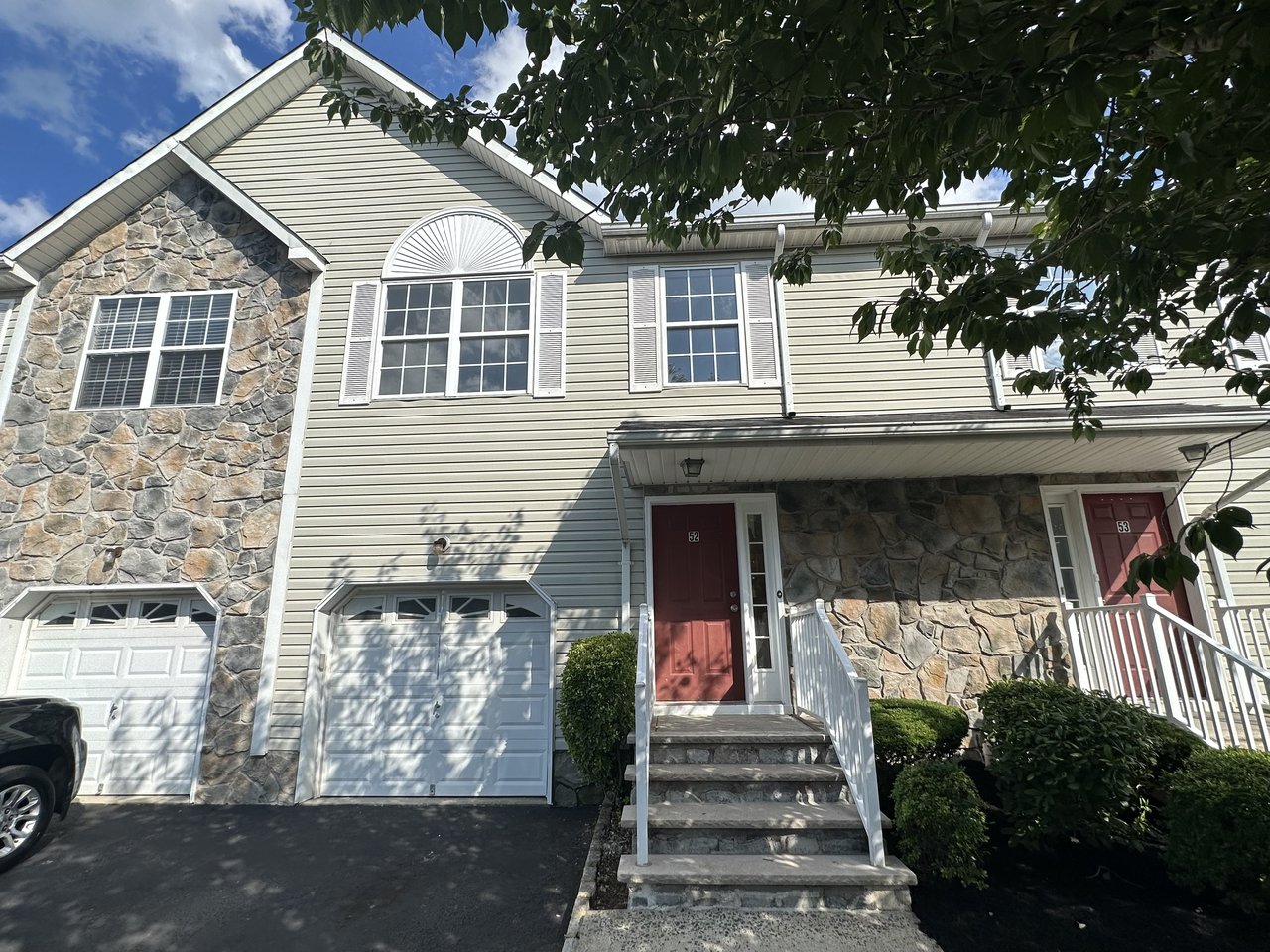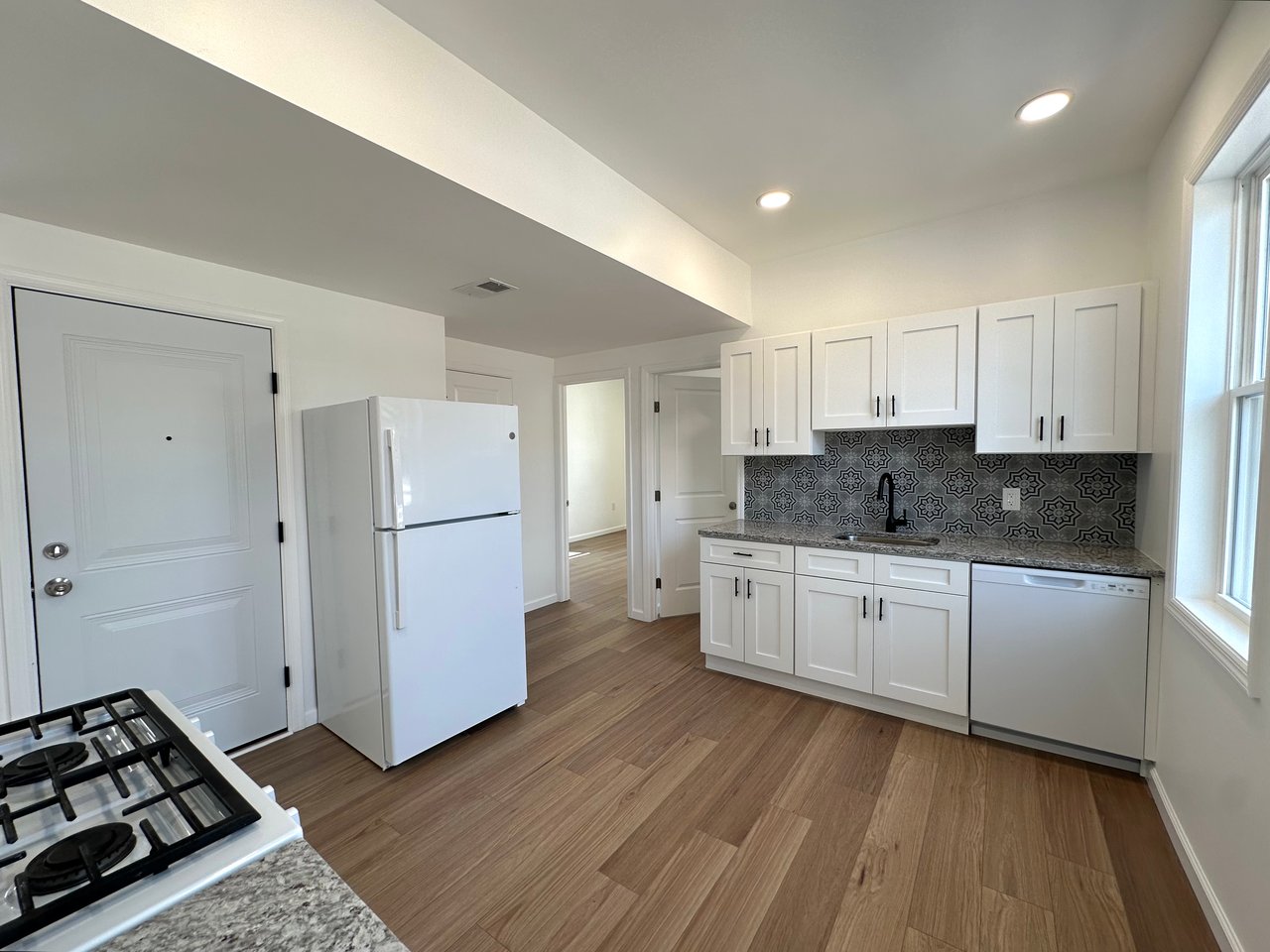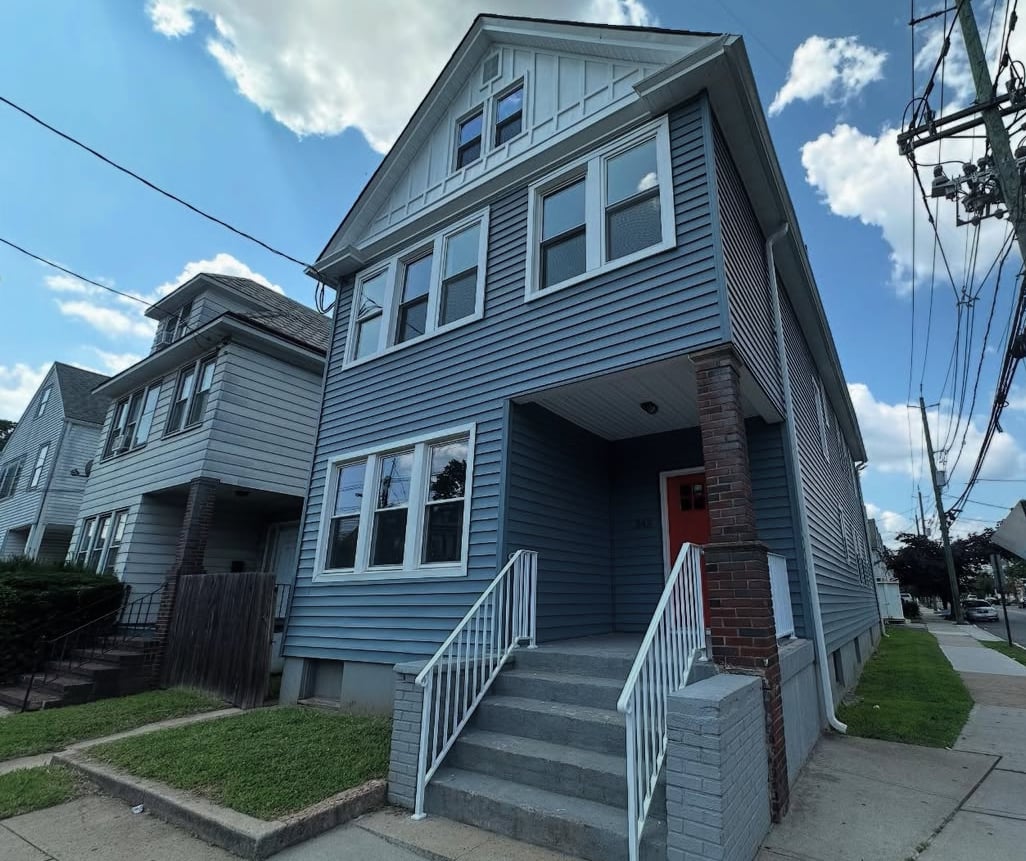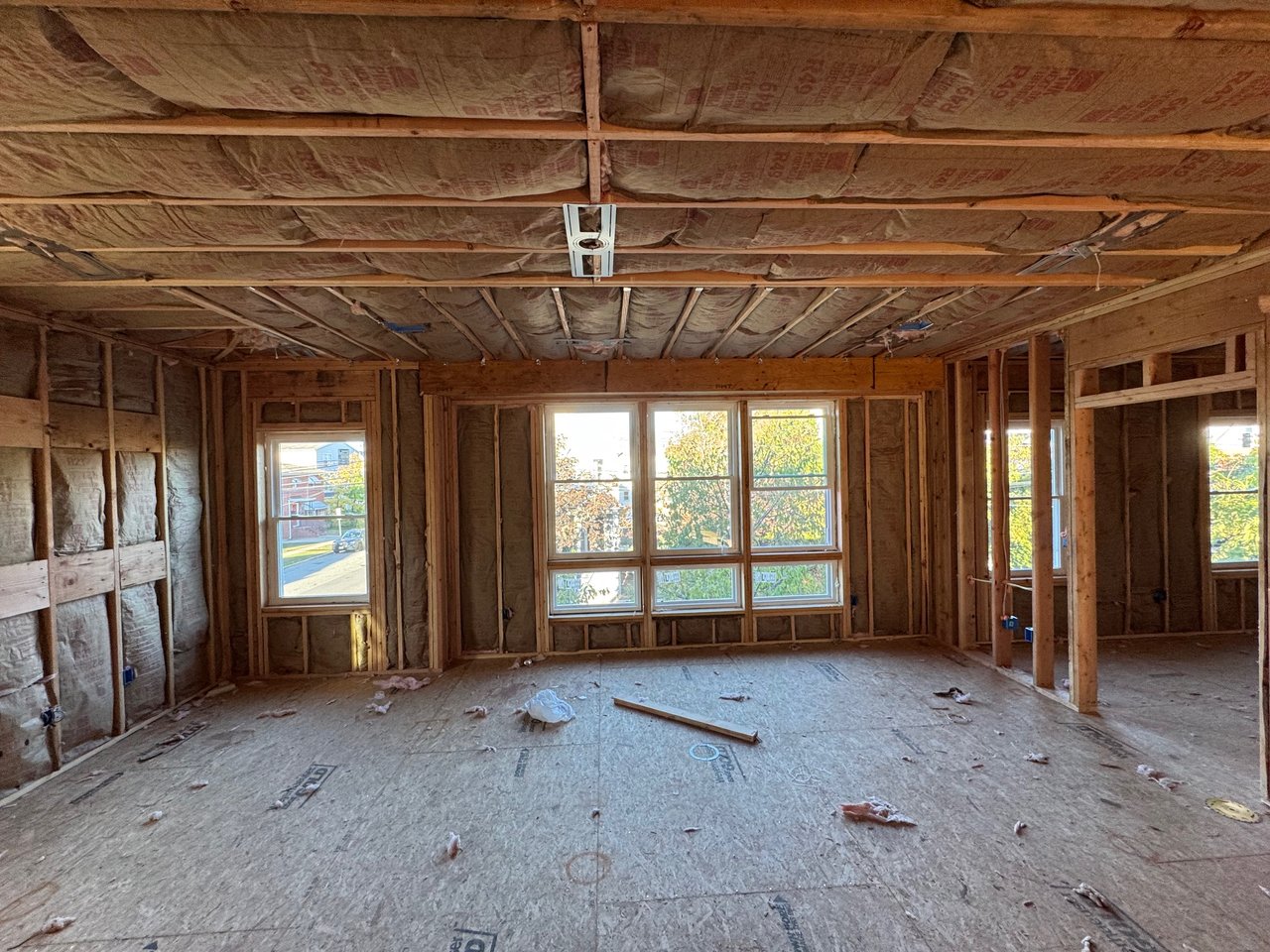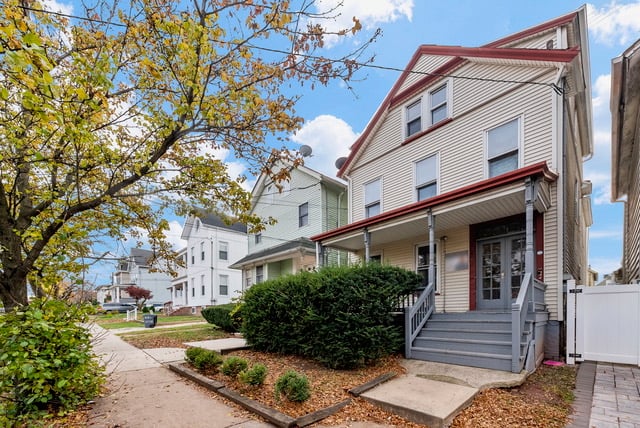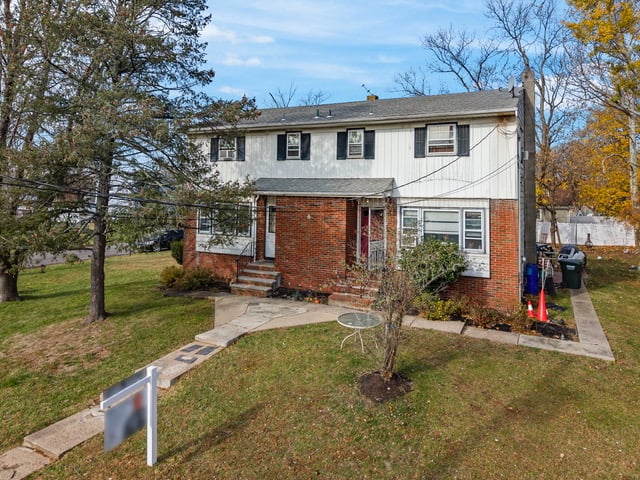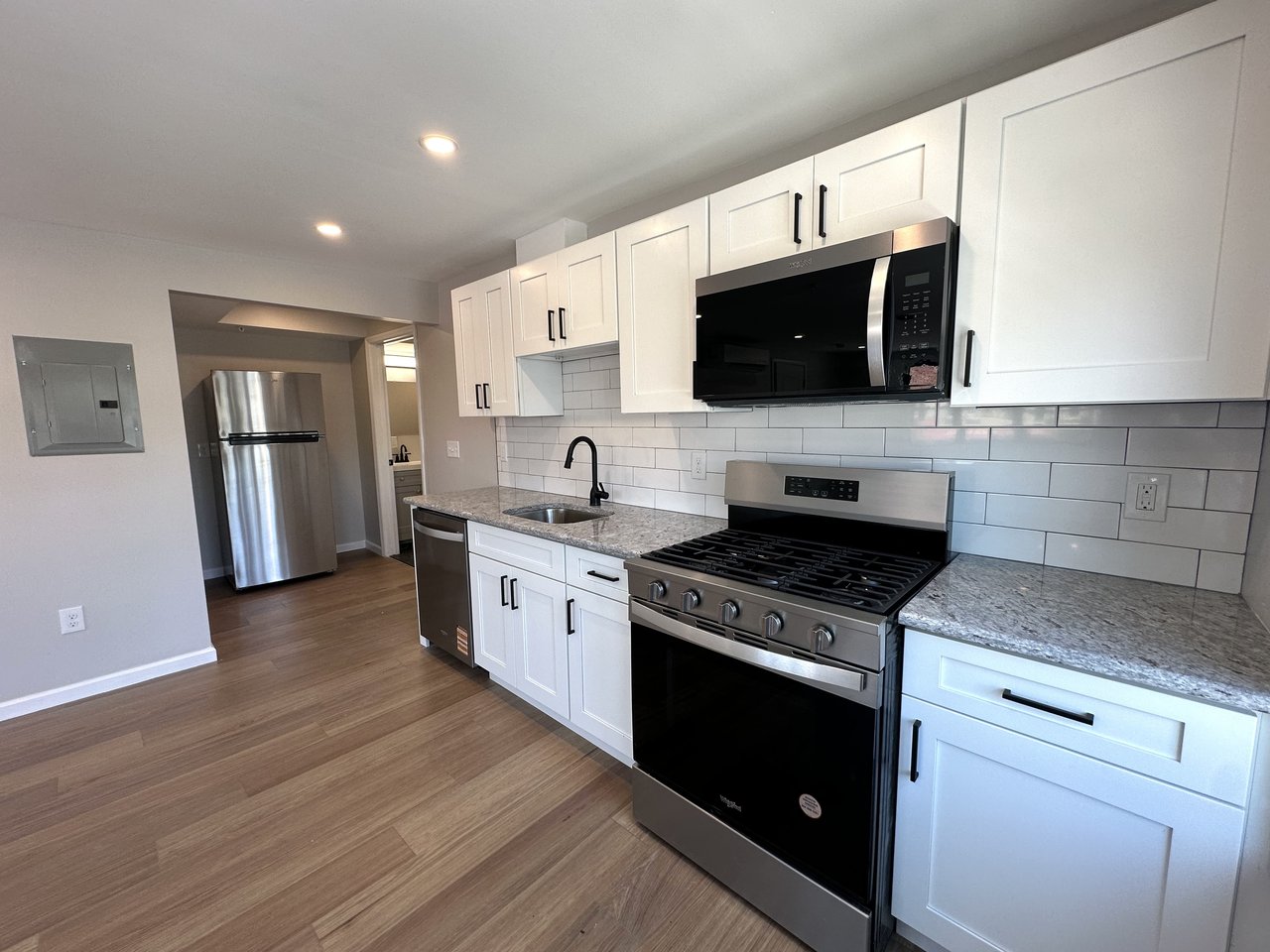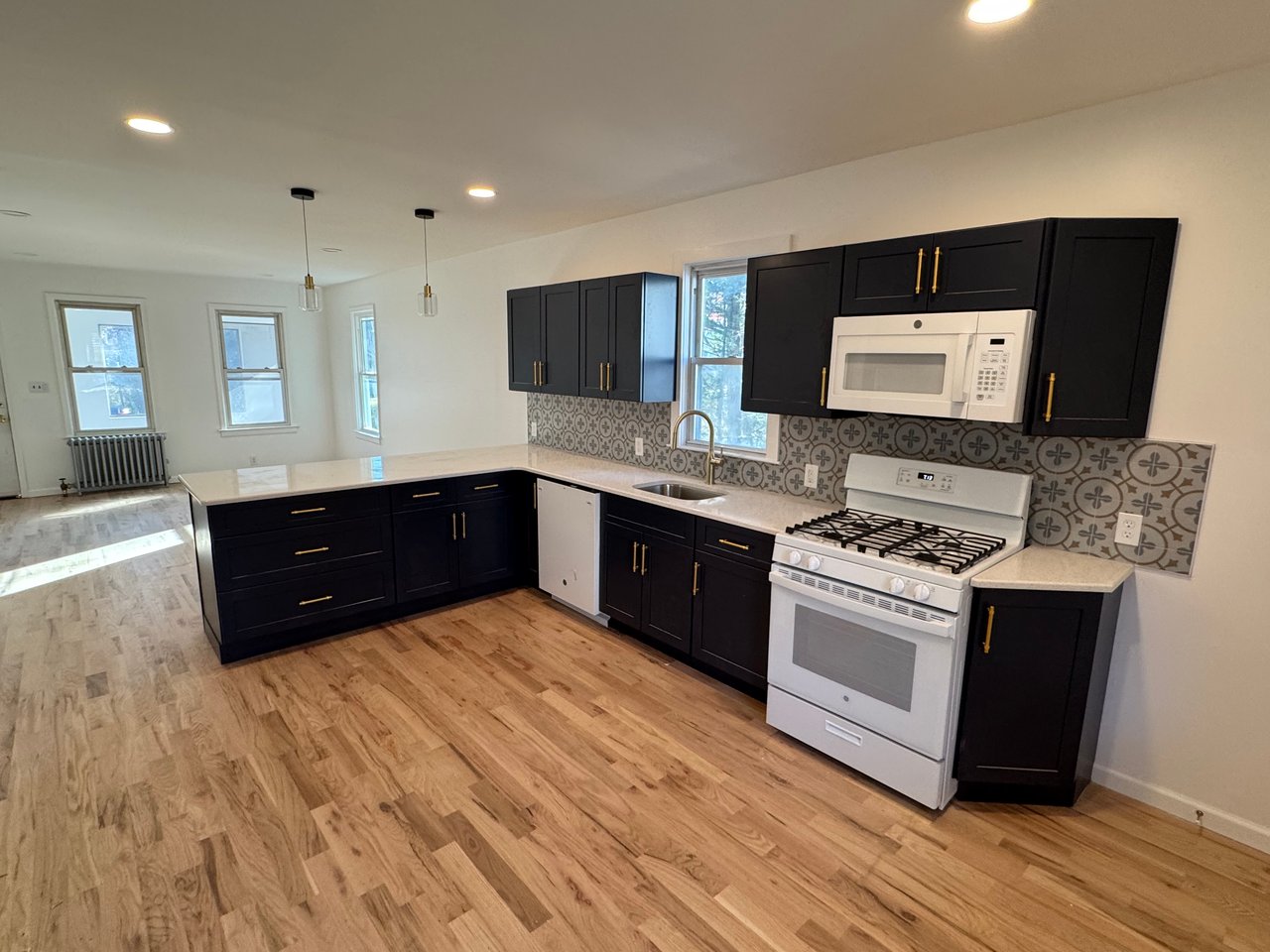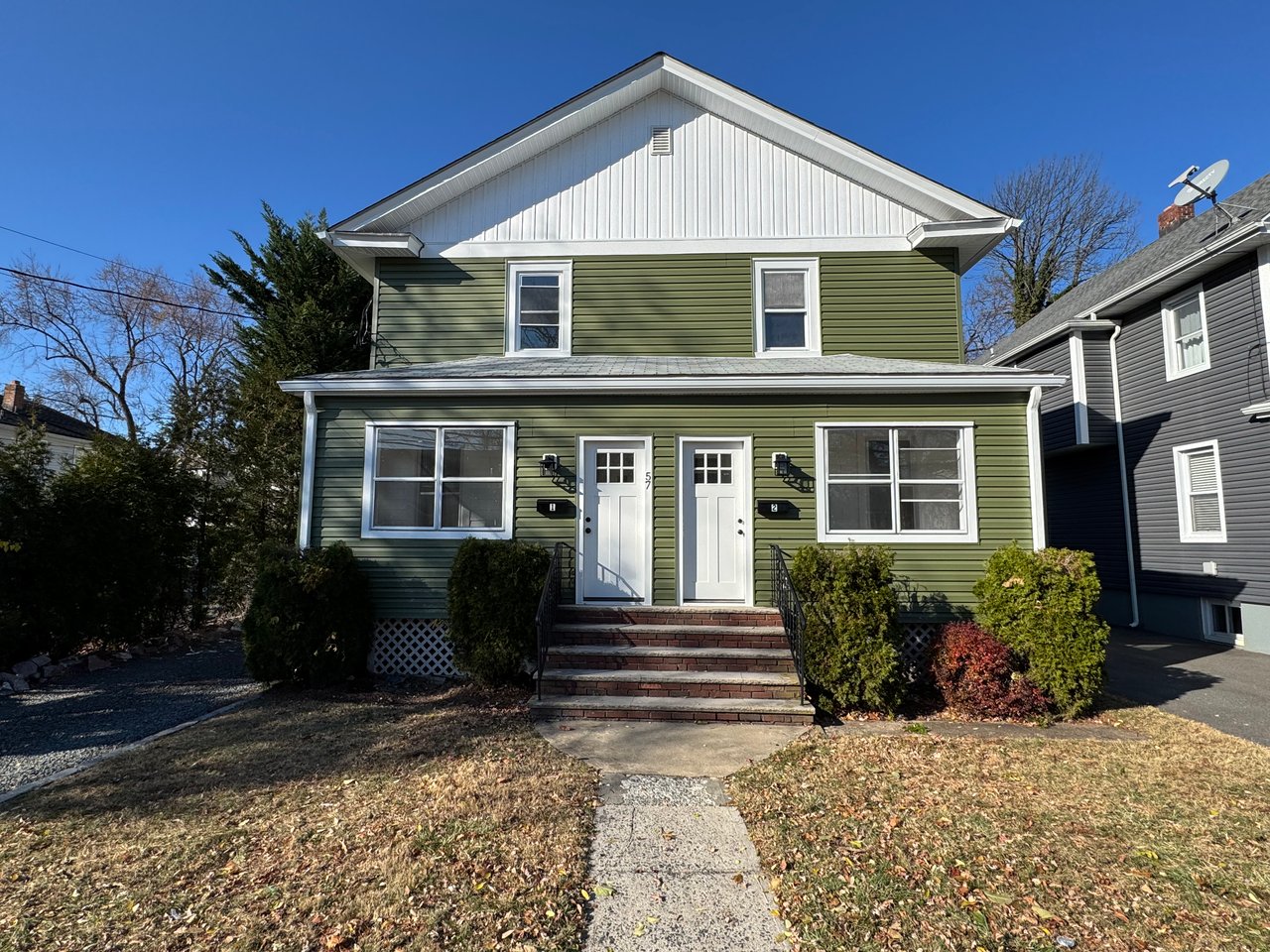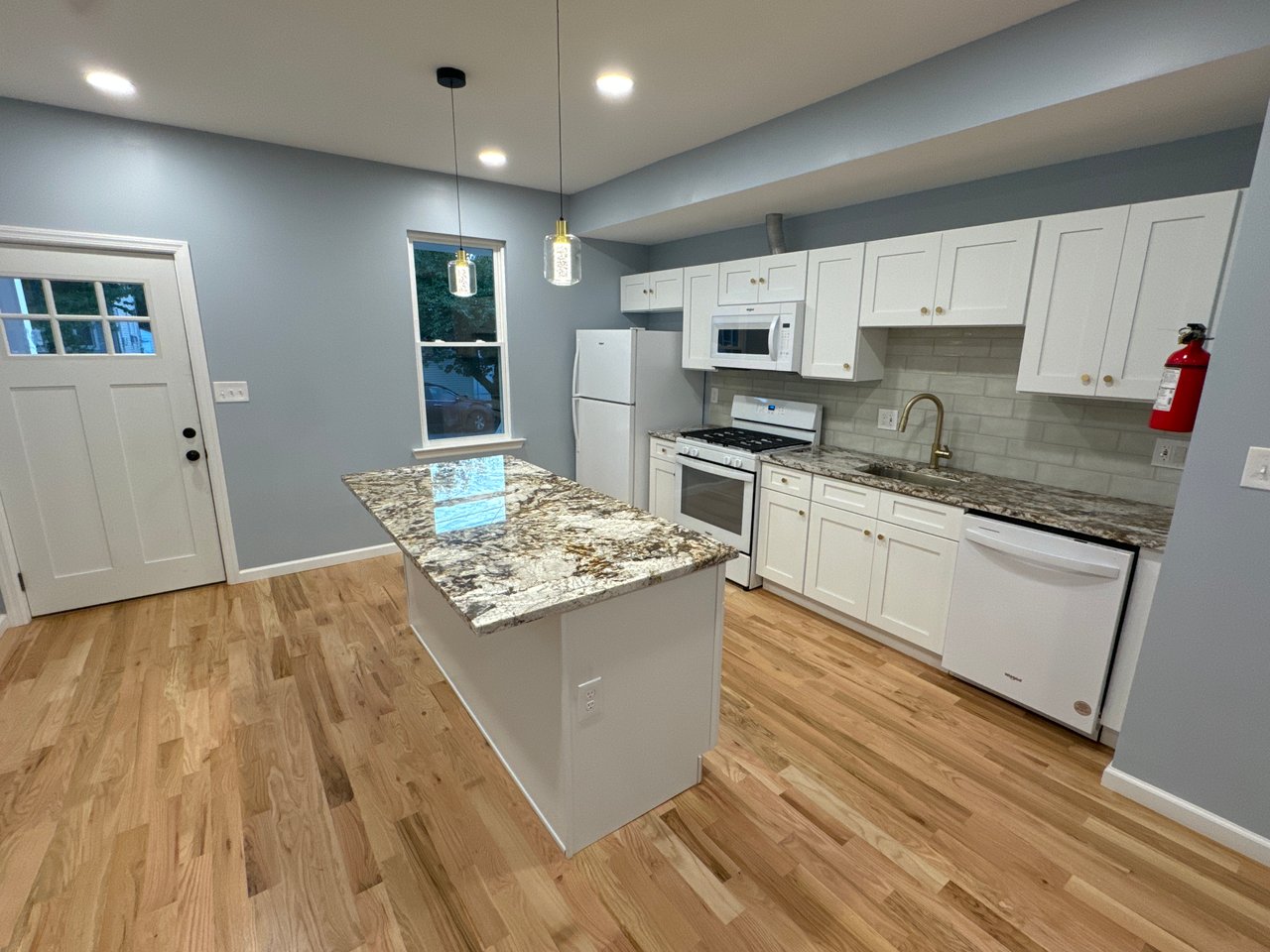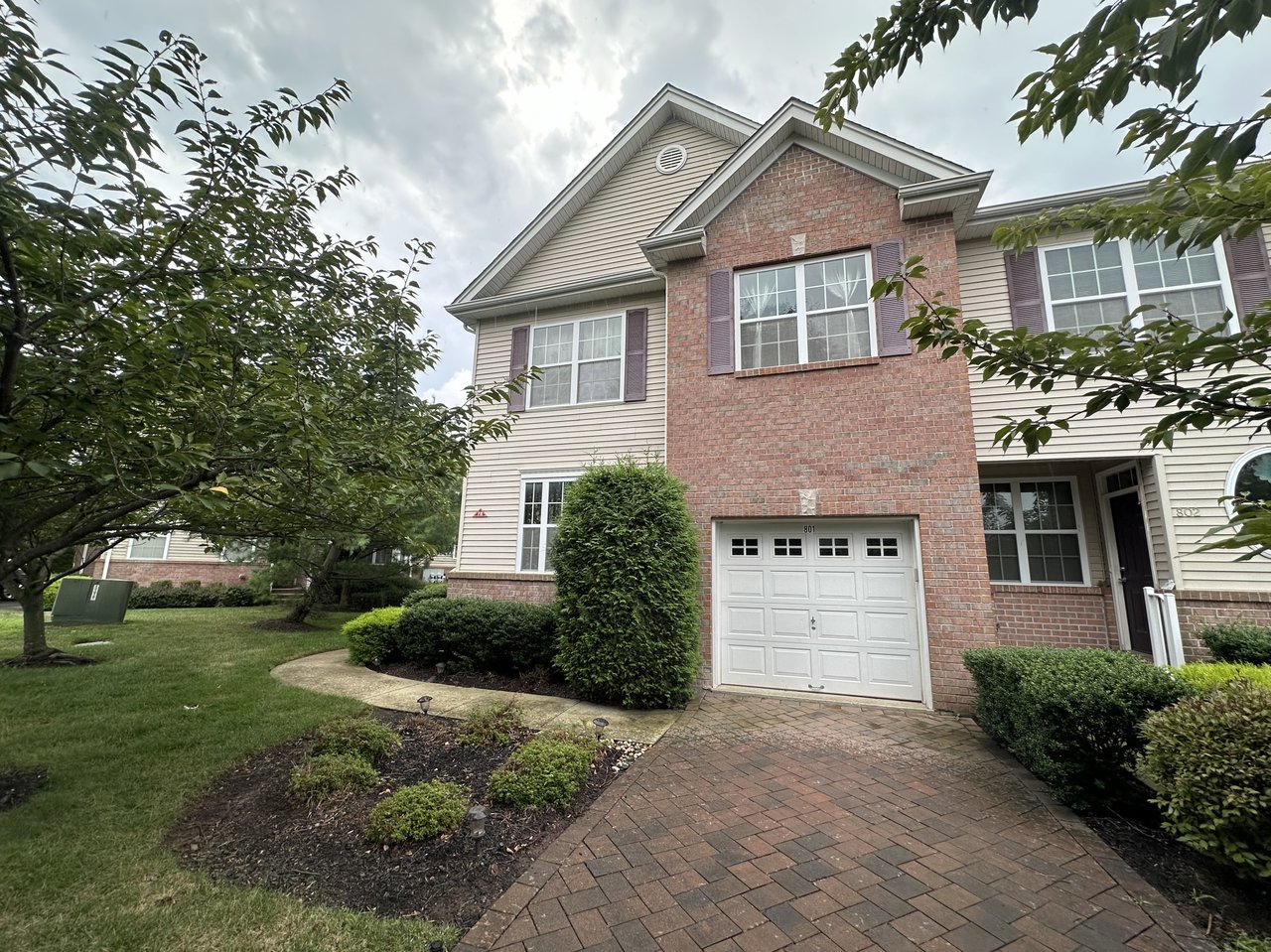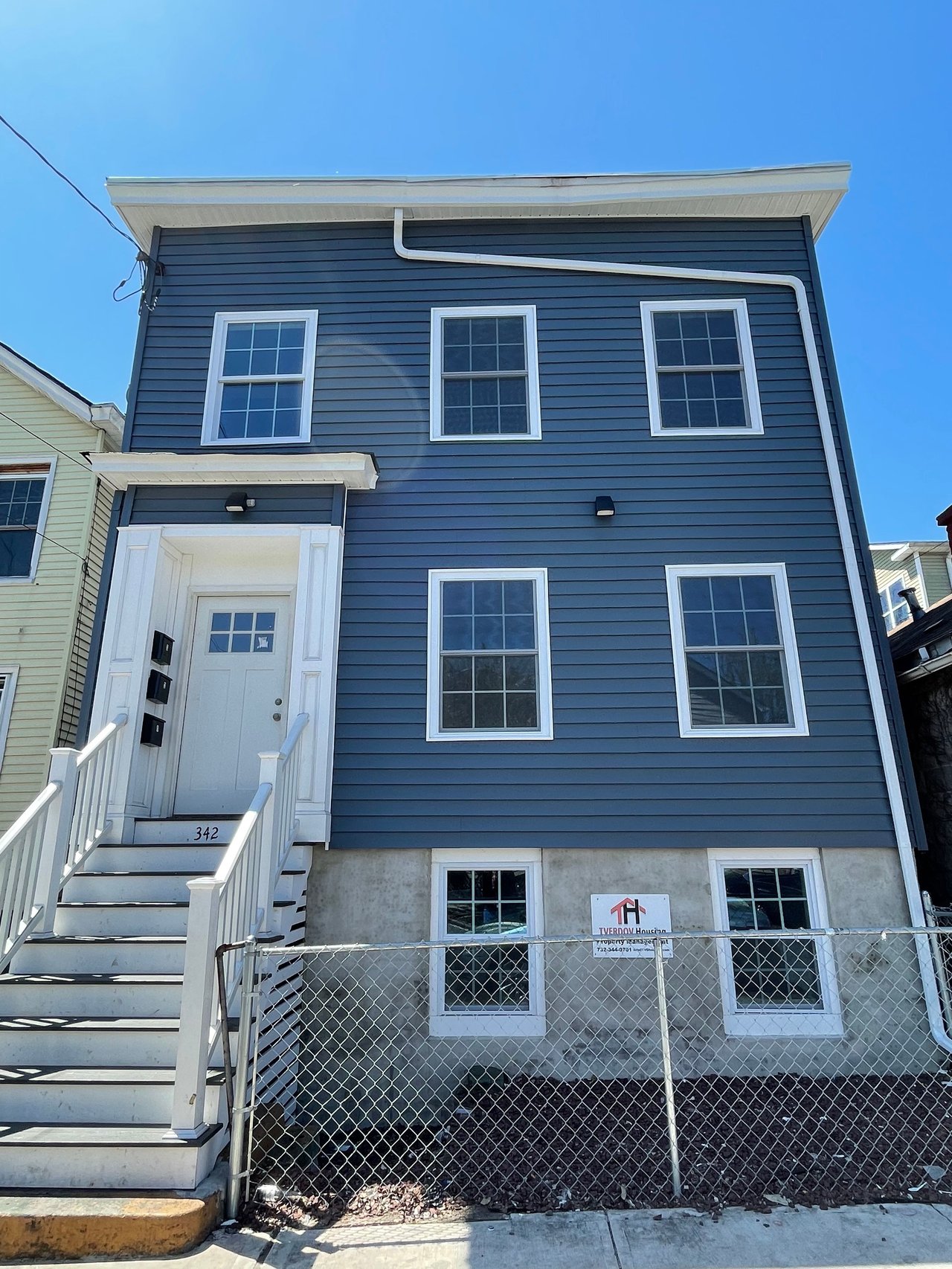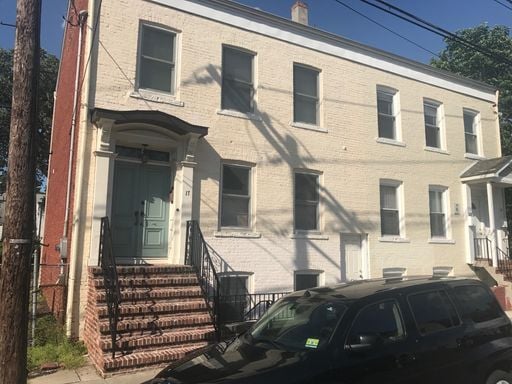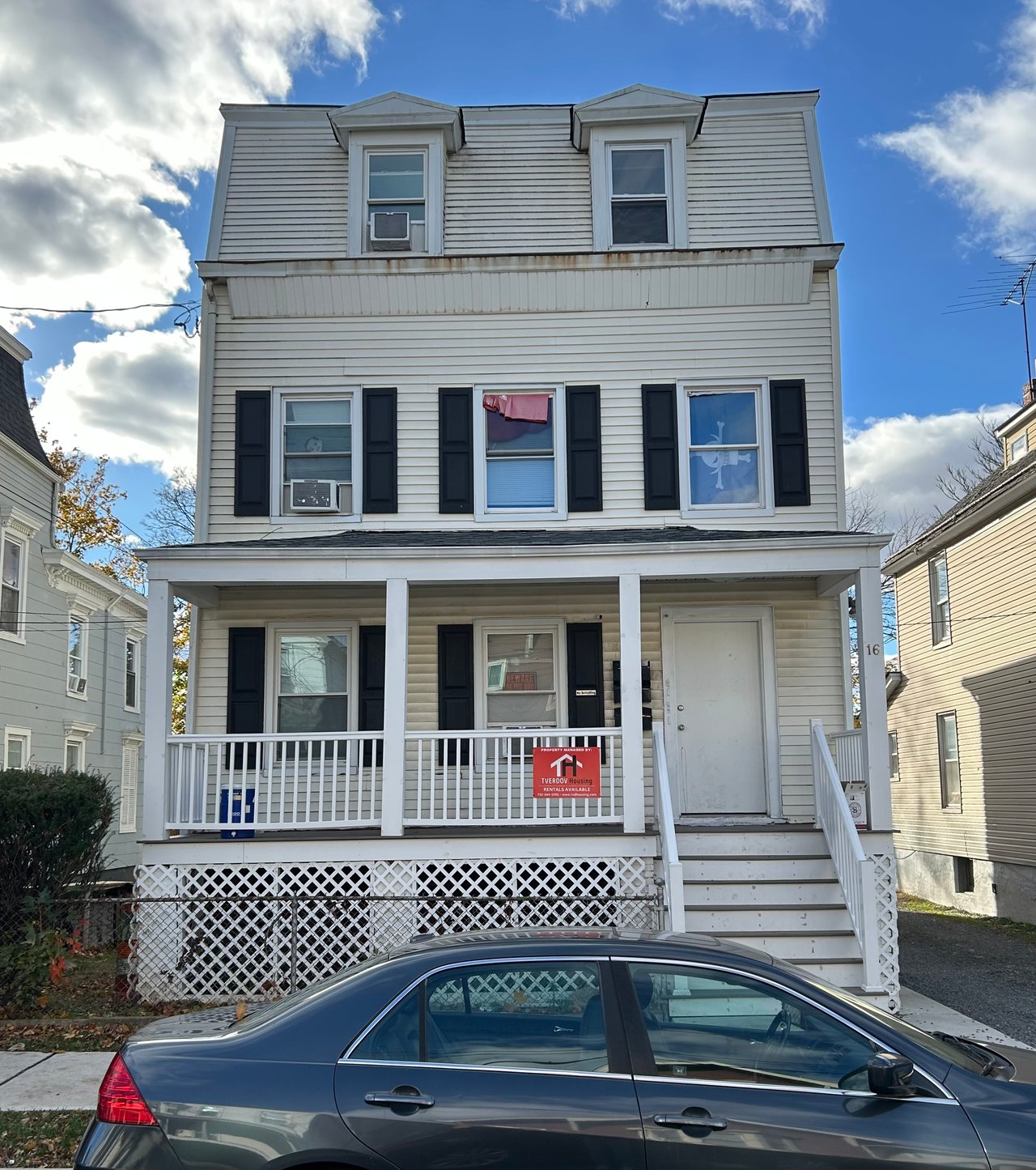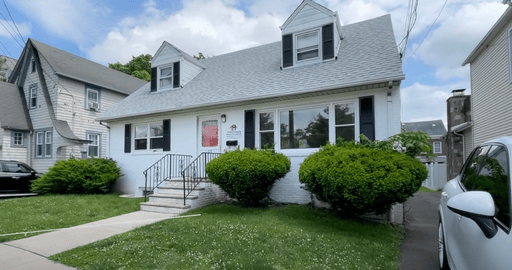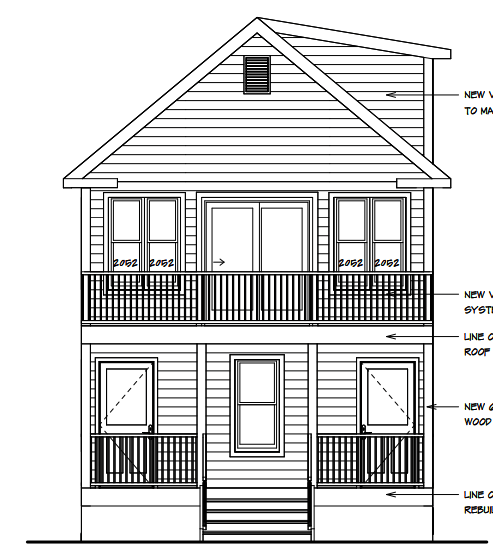
Investors underwriting a Perth Amboy two- or three-family usually price the deal off the median rent and the roof. Both matter. Neither is the reason a closing slips six weeks and year-one NOI comes in short.
The reason is the municipal inspection stack that sits between contract and cash flow. Perth Amboy runs three overlapping regimes on the same building at the same time, and the city's own paperwork tells you exactly how it plays out.
The Stack Nobody Underwrites
Three separate certificates attach to a small multifamily sale in Perth Amboy. They are not interchangeable, and satisfying one does not satisfy the others.
The first is the Certificate of Code Compliance under Chapter 181, required at sale or lease. The Director of Code Enforcement can issue a conditional CCC valid for 45 days to bring the property into compliance, and a second 45-day conditional certificate may be issued upon request. A clean file moves faster: if no violation exists, a permanent Certificate of Code Compliance can be issued within seven to ten days.
The second is the rental registration and Certificate of Habitability under Chapter 337. Upon filing a completed registration form and successful completion of the necessary inspections, the owner is entitled to the issuance of a certificate of habitability, and the initial certificate of habitability is valid for one year from the date of issue. Since November 1, 2018 all properties that are two-family or more must be registered, and any one-family that will be purchased as a rental property must also be registered by the buyer. That last clause is the one out-of-market buyers miss. Registration follows the transaction, not the tenant.
The third is New Jersey's lead-safe certification. The law imposes an obligation on municipalities to perform or hire a certified lead evaluation contractor to perform inspections of certain single-family, two-family, and multiple rental dwellings for lead-based paint hazards every three years or upon tenant turnover where there is no valid lead-safe certification. Perth Amboy's housing stock is old enough that this is a live obligation on nearly every acquisition. Per Point2Homes' market data, roughly 28% of Perth Amboy's rental units were built in 1939 or earlier, and another 12% between 1940 and 1949.
What Actually Fails The Inspection
The CCC packet published by the city reads like an intake sheet from a rehab. The items that trip up buyers are not structural. They are the sort of thing a seller lived with for twenty years and never thought about.
From the city's checklist:
- Units must be free of infestation and must be clean throughout and ready for occupancy.
- All kitchen and bath cabinets must be secured to walls and have a means to open and close.
- Fireplaces and wood-burning stoves must be certified as to their condition by a certified chimney sweep.
- All open permits must have a completed, passed inspection on file.
- No keyed locks or deadbolts are permitted on interior doors, and a $25 re-inspection fee applies.
- The furnace must be in safe working condition.
The open-permits line is the most expensive one. A permit the seller pulled in 2011 for a water heater swap and never closed out will hold up the CCC until a contractor gets the final inspection signed off. That is not a same-week fix.
Then there is the affidavit that has no analog in most other Middlesex County towns:
A notarized letter must be provided by the buyer stating that attic, basement, garage if applicable will not be used as sleeping rooms or as a rental unit.
Read that carefully. If your acquisition thesis relied on a finished-basement bedroom counting toward the rent roll, or a rear "in-law" unit above the garage carrying a third stream of income, Perth Amboy is asking you to sign that away in writing at the closing table. Underwrite the legal unit count, not the marketing count.
The 45-Day Conditional CCC Is Your Real Closing Timeline
Here is where the mechanics start to matter for cash flow.
If the inspection turns up items the seller will not cure, the buyer can request a conditional CCC. That 45-day window, extendable once, is the real gap between title transfer and revenue. During that period the unit is held to the standards required by the chapter, and re-inspection fees compound each time an inspector comes back to check a punch item.
For an investor closing on a fully vacant two-family at the current Perth Amboy market, this is not abstract. RentCafe's March 2026 update pegged the average apartment rent in Perth Amboy at $2,362, essentially flat year-over-year at a 0.27% decrease from $2,369. On a two-family carrying $2,362 per side, ninety days of conditional-CCC drag with one unit down is roughly $7,000 in lost gross rent before you add re-inspection fees, contractor mobilization, and utility carry on a vacant unit. Against a purchase in the mid-$400s, that is a real hit to first-year yield that nobody puts in the pro forma because the median rent number is the only line the underwriting spreadsheet asks for.
The Chapter 181 fee schedule reinforces the point. The fees required by the chapter are reduced to 15% of the fees set forth where a certificate of habitability has been issued for a structure in its entirety pursuant to the Registration and Annual Inspection Ordinances within six months prior to application under the chapter. Buildings already inside the registration system transact more cheaply. Buildings coming in cold pay the full stack.
Lead-Safe Certification Is The Second Clock
The state's lead program adds a parallel timeline the CCC does not touch. After the initial inspection, all units must be inspected for lead-based paint hazards every three years, or upon tenant turnover, whichever is earlier, unless the landlord already has a valid lead-safe certificate, and lead-safe certificates are valid for two years. The penalty for skipping the inspection is not nominal. Per Jersey City's Housing Preservation summary of the same statute, failure to comply can result in a fine of up to $1,000 per week until the inspection has been conducted or until remediation efforts have initiated.
For a Perth Amboy investor, three facts converge. The housing stock is heavily pre-1978. Per RentCafe's Perth Amboy profile, 12,671 or 67% of the households in Perth Amboy are renter-occupied while 6,348 or 33% are owner-occupied, meaning the pool of units triggering the lead-safe cycle is the majority of the housing base. And any turnover you drive to reset rent to market resets the lead-safe clock at the same time. That is a cost of the rent bump, not a separate line item.
Pricing The Friction Into The Offer
The point of walking through the stack is not to argue Perth Amboy is a hard market. It is to argue the offer price and the timeline should reflect what the paperwork actually requires.
- Ask the listing agent for the seller's most recent Certificate of Habitability and any open permits before you go hard on deposit. A property with a valid recent habitability certificate qualifies for the 15% CCC fee under Chapter 181 and signals a clean permit file.
- Underwrite two rent-vacancies, not one, on any building where a lead-safe certificate is not already in hand. The inspection is timed to turnover, so the unit you plan to renovate first is the unit that triggers the certificate.
- Get the notarized attic and basement letter drafted before closing, not at the table. If your rent roll assumed a basement unit, walk back to the seller with a revised price before you sign anything you cannot use.
- Budget for chimney sweep certification, cabinet reattachment, and interior-door hardware swaps as line items on the punch list. These are cheap fixes that only become expensive when they push the CCC past 45 days and force a second conditional.
None of this is a reason to skip Perth Amboy. It is a reason to price it correctly. The buyers who lose money here are not the ones who paid too much per door. They are the ones who assumed the closing date on the contract was the closing date on the rent roll.
FAQ
Can I close on a Perth Amboy sale without a permanent CCC in hand? Yes. After inspection, a temporary nonrenewable certificate of code compliance may be issued for a period not in excess of six months from the date of transfer, conveyance, sale or lease, and a 45-day conditional CCC is separately available while punch items are cured.
Does the CCC apply to a straight rental turnover, or only to a sale? Chapter 181 attaches at sale or lease. Turnover between tenants also triggers the lead-safe inspection under state law separately from the municipal CCC.
If I do not live in New Jersey, who is on the registration? Chapter 337 requires the record owner to designate a local point of contact. If the address of any record owner is not located in the City of Perth Amboy, the name and address of a person who resides in the City of Perth Amboy and who is authorized to accept notices from a tenant and to issue acknowledgment of receipt and to accept service of process on behalf of the record owner must be provided on the registration form. Out-of-market ownership works. It just requires a local agent on paper.
If you are underwriting a Perth Amboy two- or three-family and want the CCC punch list priced into the offer before you sign, Turnkey Tverdov sources, renovates, and manages small multifamily in Middlesex County under one roof. Join the Turnkey Waitlist and we will send the deal when the paperwork is already clean.