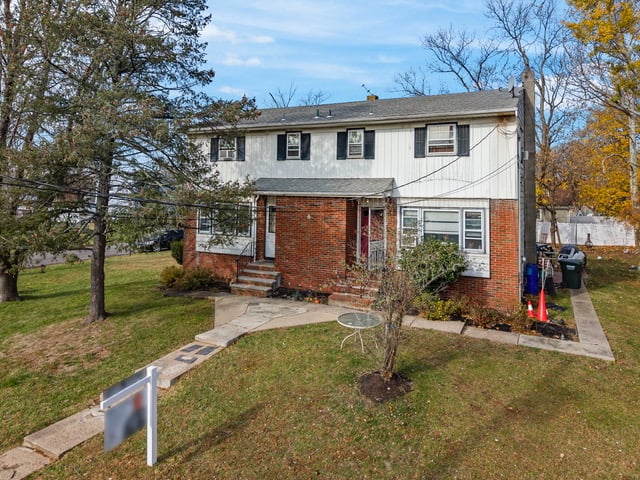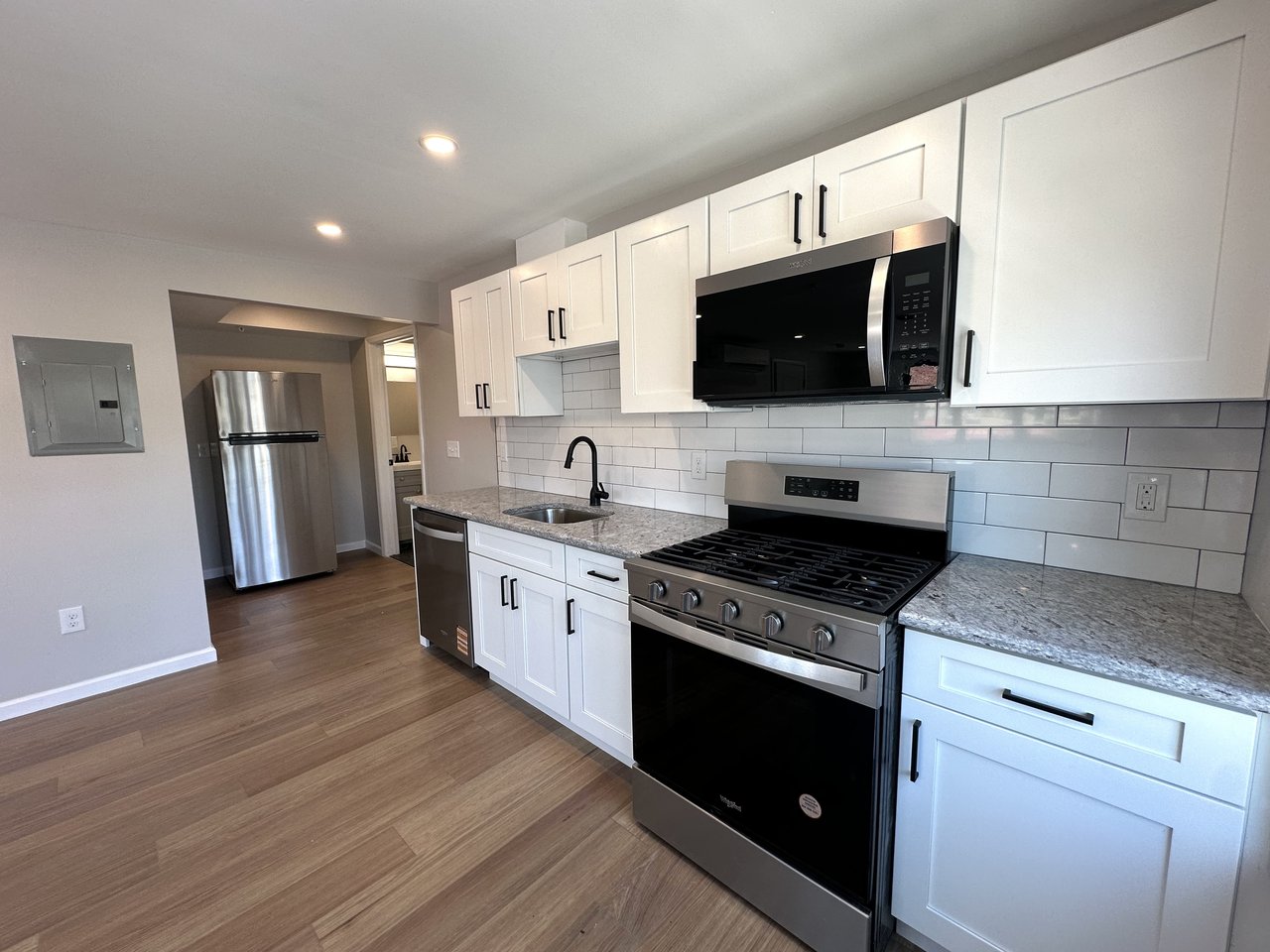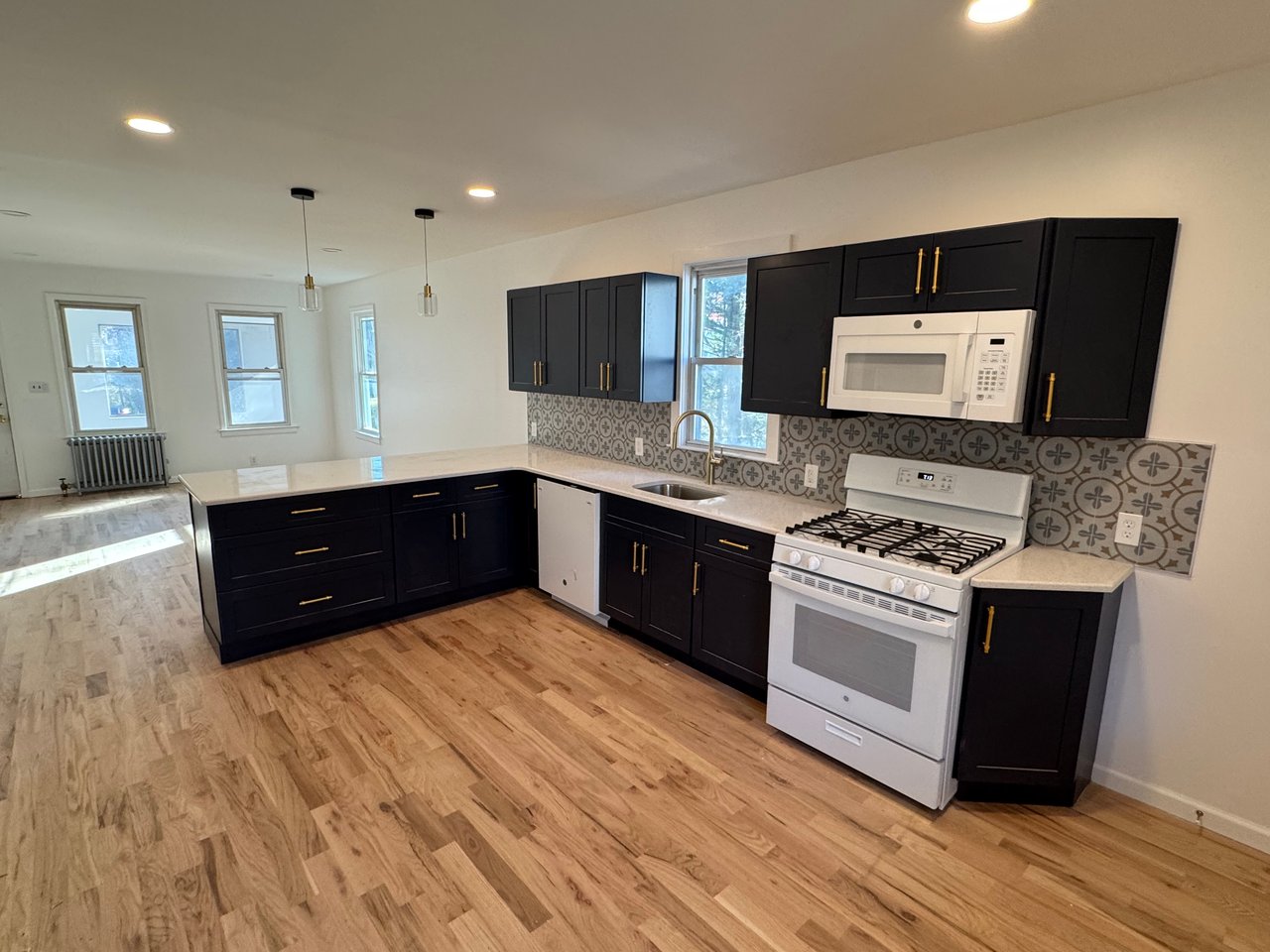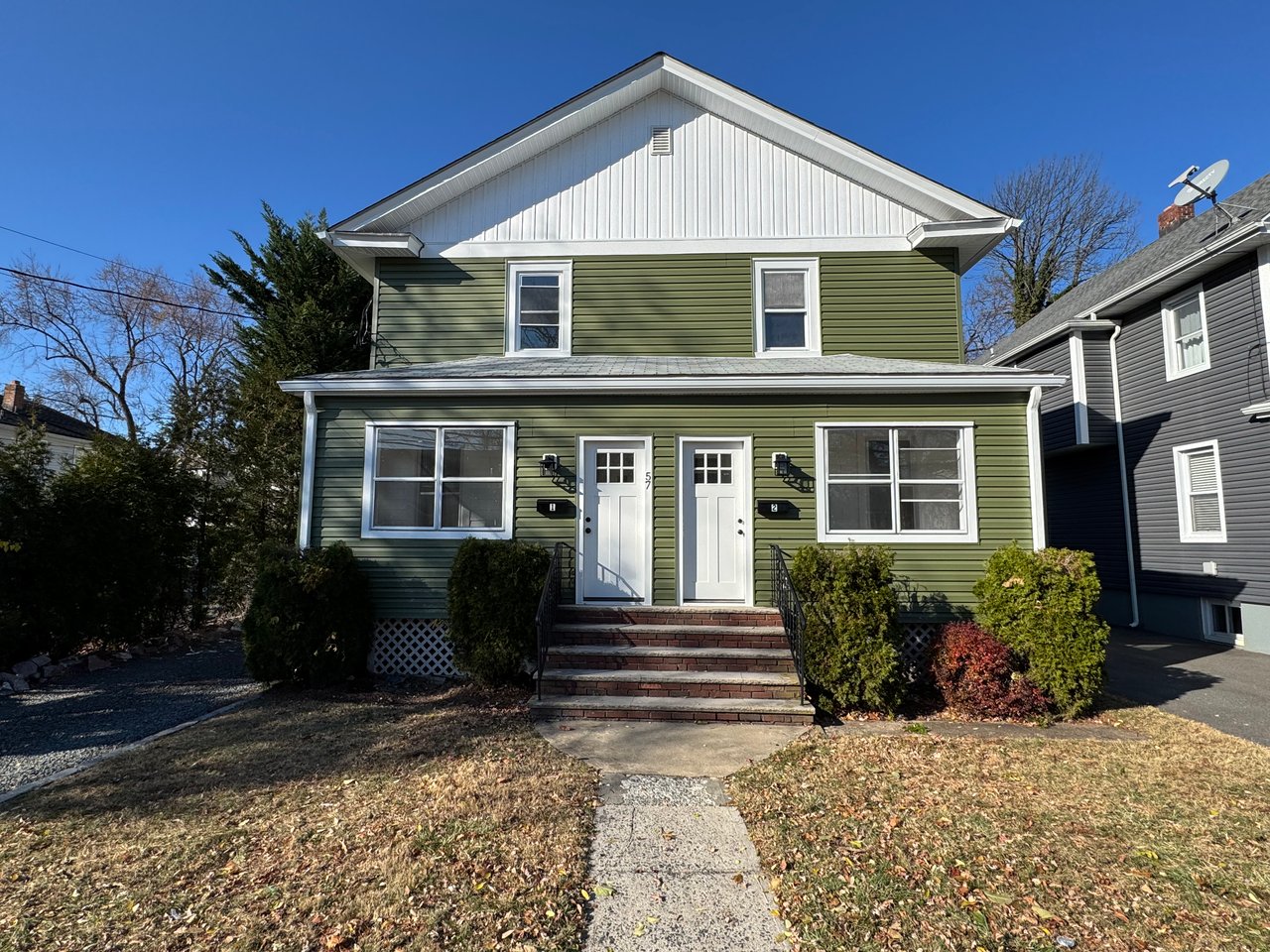
If you are comparing rental markets in Union County, it is easy to assume Elizabeth should lead on yield because it has a large renter base. The numbers tell a more measured story. When you compare Elizabeth with nearby towns using implied gross yield, Elizabeth actually screens below several local peers, and that matters if you are trying to buy for predictable cash flow. Let’s dive in.
What This Yield Comparison Measures
For this article, the simplest apples-to-apples screen is implied gross yield, which is annual rent divided by sale price. It is useful when you want a fast market comparison across towns.
It is also important to know what this metric does not show. Implied gross yield does not subtract vacancy, property taxes, insurance, repairs, management, reserves, or debt service, so it is not the same as cap rate or cash-on-cash return.
That distinction matters even more in New Jersey. The state’s effective property tax rate on owner-occupied housing is 1.88%, which means a gross-yield screen can make returns look stronger on paper than they feel in actual operations.
Elizabeth vs Nearby Union County Towns
Based on median sale prices and average apartment rents, Union County’s benchmark implied gross yield is about 4.42%. Elizabeth comes in below that mark.
Here is how Elizabeth compares with nearby Union County towns on this screen.
| Town | Median Sale Price | Average Rent | Implied Gross Yield | Renter-Occupied Households |
|---|---|---|---|---|
| Elizabeth | $640,000 | $1,855 | 3.48% | 74% |
| Rahway | $579,900 | $2,452 | 5.07% | 48% |
| Union | $619,000 | $2,620 | 5.08% | 28% |
| Linden | $522,500 | $2,137 | 4.91% | 41% |
| Roselle | $564,708 | $2,190 | 4.65% | 45% |
| Roselle Park | $641,500 | $2,050 | 3.83% | 41% |
On this comparison, Union and Rahway are the highest-yield screens at roughly 5.1%. Linden and Roselle also land above the county benchmark, while Elizabeth and Roselle Park screen lower.
Why Elizabeth Screens Lower
The biggest reason is the spread between rent and price. Elizabeth’s average rent is about 21.5% below the Union County average, while its median sale price is only about 0.4% below the county median.
In plain terms, you are not getting enough rent discount support relative to acquisition pricing. That pushes the gross-yield number down compared with nearby towns where rents are stronger relative to sale prices.
This is a useful reminder for investors who screen markets quickly. A city can have a large renter population and still produce a lower yield profile if pricing stays elevated compared with local rent levels.
A Large Renter Base Does Not Guarantee Higher Yield
Elizabeth has the highest renter-occupied share in this group at 74%. That is well above Rahway at 48%, Roselle at 45%, Linden and Roselle Park at 41%, and Union at 28%.
That sounds promising at first glance, but renter concentration alone does not determine return. Yield depends on the relationship between what you pay for an asset and what the asset can earn, not just how many households rent in the market.
For investors, that is an important takeaway. Demand indicators help, but they are only one piece of the underwriting picture.
What This Means for Investors in Elizabeth
At a market level, Elizabeth looks more like a stable renter-base market with relatively expensive acquisition pricing than a high-yield outlier. If your main goal is to maximize gross yield on a first-pass screen, nearby towns like Union, Rahway, Linden, and Roselle may look stronger.
That does not mean Elizabeth deals cannot work. It means you should expect to be more selective and more disciplined in underwriting.
A market-level screen is only the starting point. Once you identify a real opportunity, the focus should shift to property-specific income, expenses, renovation scope, and operating plan.
Gross Yield Is Only the First Filter
A lower gross-yield screen does not automatically rule out a deal. Some properties outperform their city averages because of stronger unit mix, better expense control, or a value-add plan that supports higher rents after improvements.
That is where deeper analysis matters. Cap rate depends on stabilized net operating income, while cash-on-cash return depends on financing and the amount of equity you put into the deal.
In other words, you should use gross yield to narrow the map, then move quickly into deal-level math. That is the difference between browsing markets and underwriting investments.
Why New Jersey Expenses Matter So Much
New Jersey’s tax burden is one of the biggest reasons investors need to be careful with headline yield numbers. High property taxes can compress returns quickly, even when a gross-yield screen looks decent.
This is especially important when two towns appear close on pricing but differ in rent support. A small spread in gross yield can become more meaningful after taxes and other operating costs are layered in.
For that reason, buying in Union County is rarely just about chasing the highest top-line rent. It is about finding the best combination of price, rent, renovation potential, and manageable operating expenses.
How to Use This Data the Right Way
These numbers are best used as a directional market comparison, not as final underwriting for a specific asset. The rent and sale figures come from different data snapshots and different underlying sources, so they should not be treated as same-property comps.
A practical way to use this comparison is to sort towns into three buckets:
- Higher-screening yield markets: Union, Rahway
- Middle-screening yield markets: Linden, Roselle
- Lower-screening yield markets: Elizabeth, Roselle Park
From there, you can decide where to spend more time sourcing deals. If you are focused on cash flow, Elizabeth may require tighter buy criteria or a clearer value-add angle than some nearby alternatives.
A Smarter Way to Compare Union County Rentals
If you are evaluating Elizabeth against nearby towns, the local data points to a simple conclusion. Elizabeth is not screening as a yield leader in Union County right now.
Instead, it appears to be a market where investor success depends less on broad city averages and more on buying the right asset at the right basis, then operating it with discipline. For investors who value predictable performance, that makes careful sourcing, rehab planning, and management execution even more important.
If you want help evaluating Central New Jersey rental opportunities with a more operational, property-level lens, Pete Tverdov can help you source, renovate, and manage rent-ready assets with a data-driven approach.
FAQs
How does Elizabeth compare to other Union County towns for rental yield?
- Elizabeth screens at an implied gross yield of 3.48%, which is below Union County’s roughly 4.42% benchmark and below Union, Rahway, Linden, and Roselle in this comparison.
What does implied gross yield mean for Elizabeth rentals?
- Implied gross yield means annual rent divided by sale price. For Elizabeth, it is a quick screening metric, but it does not include taxes, insurance, repairs, management, reserves, vacancy, or financing.
Why is Elizabeth’s rental yield lower than some nearby towns?
- Elizabeth’s average rent is about 21.5% below the Union County average, while its median sale price is only about 0.4% below the county median, which weakens the rent-to-price relationship.
Does Elizabeth’s large renter population make it a better investment market?
- Not necessarily. Elizabeth has the highest renter-occupied share in this group at 74%, but a large renter base does not automatically produce the highest yield.
Which nearby Union County towns screen higher than Elizabeth on yield?
- In this comparison, Union and Rahway screen highest at about 5.1%, followed by Linden at 4.91% and Roselle at 4.65%.
Should you use gross yield alone to evaluate a Union County rental property?
- No. Gross yield is a useful first-pass screen, but a real investment decision should also look at net operating income, operating expenses, property taxes, financing, and renovation potential.