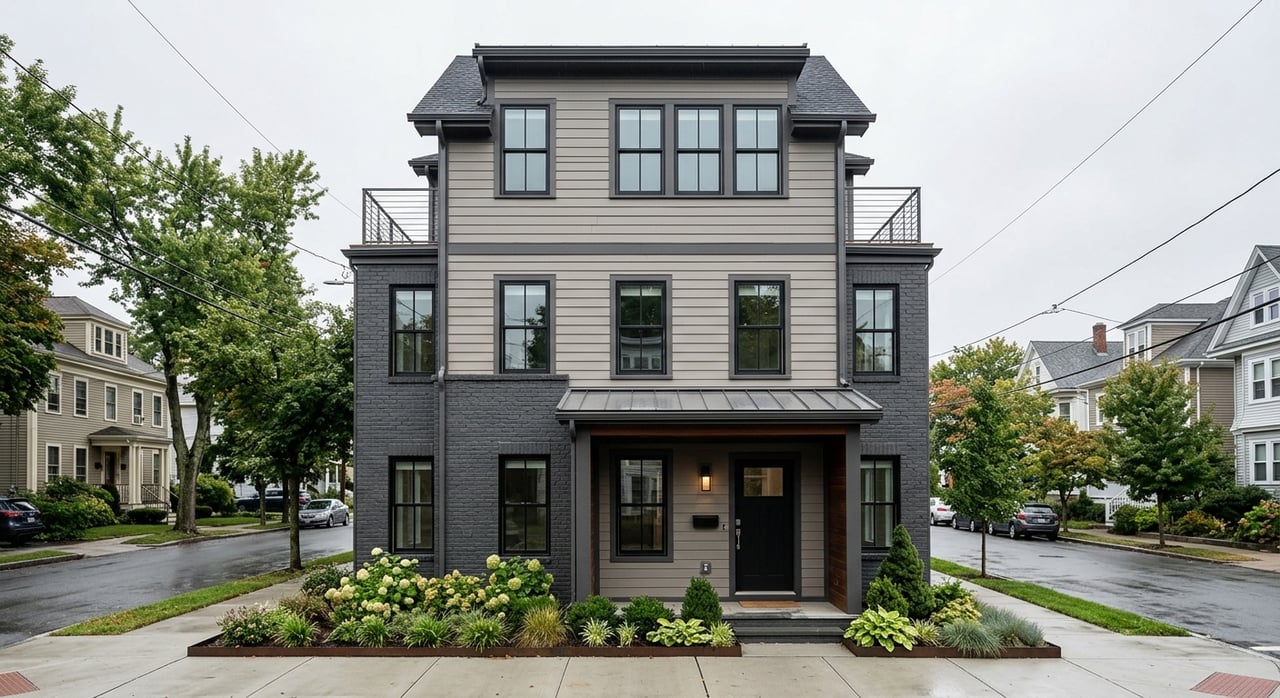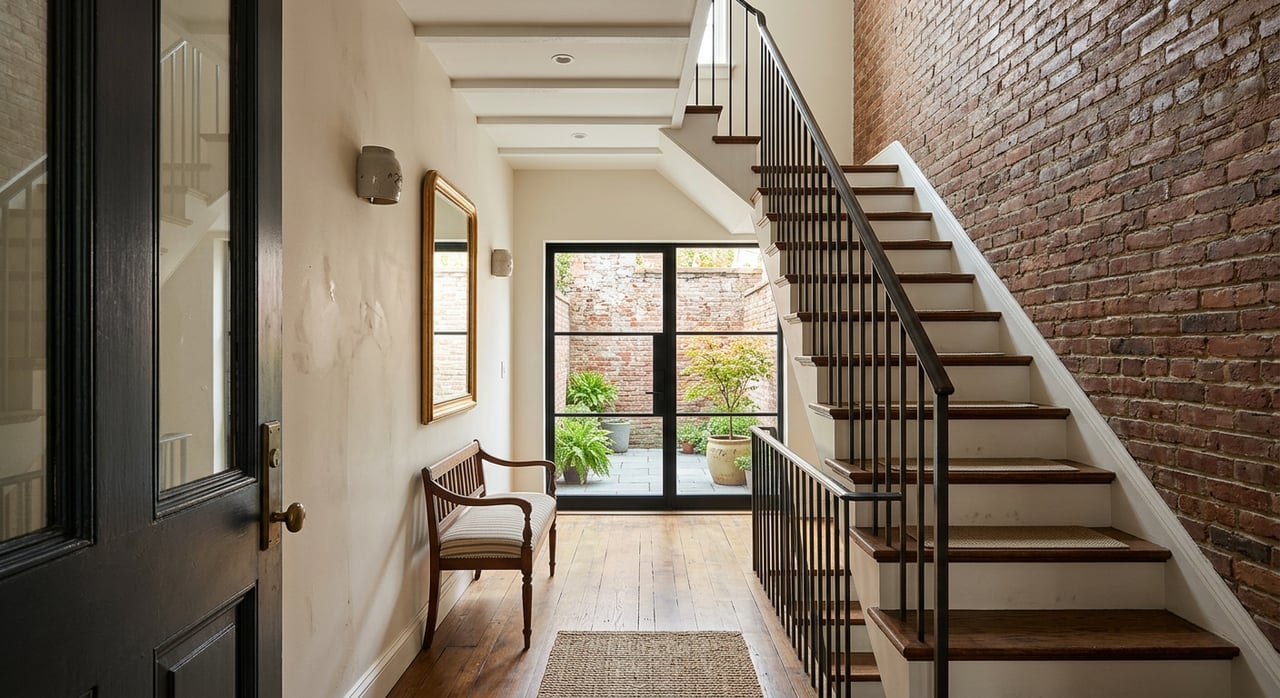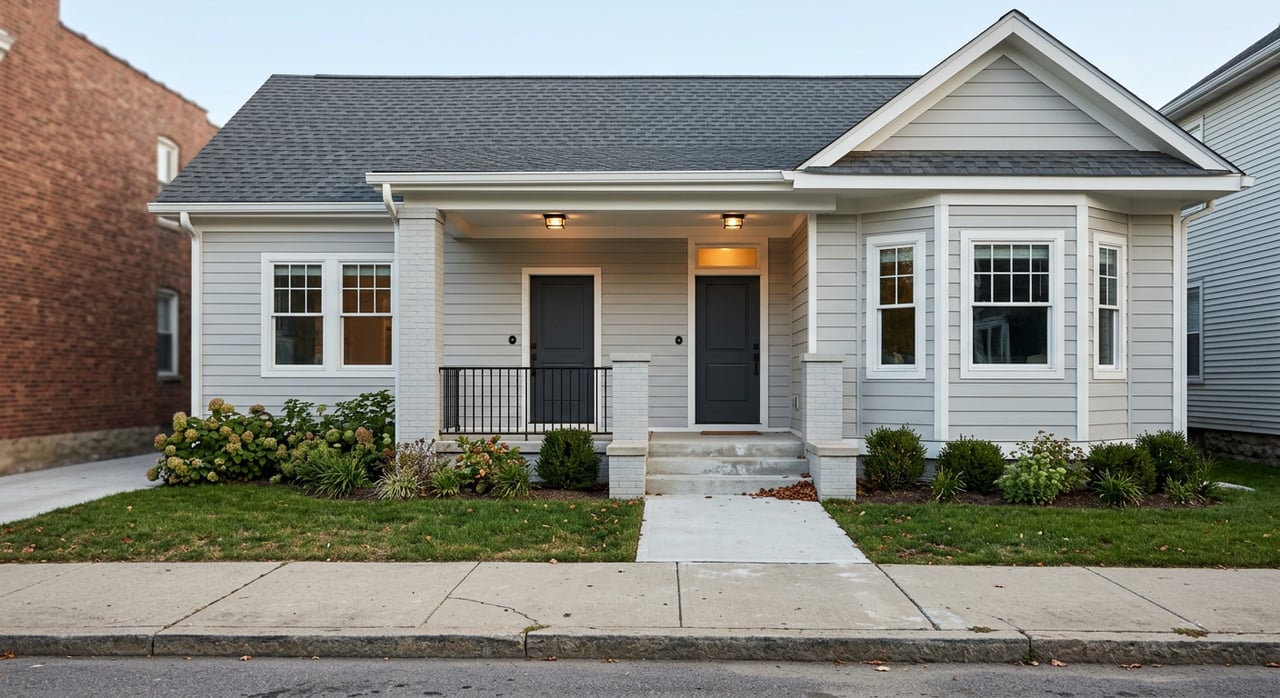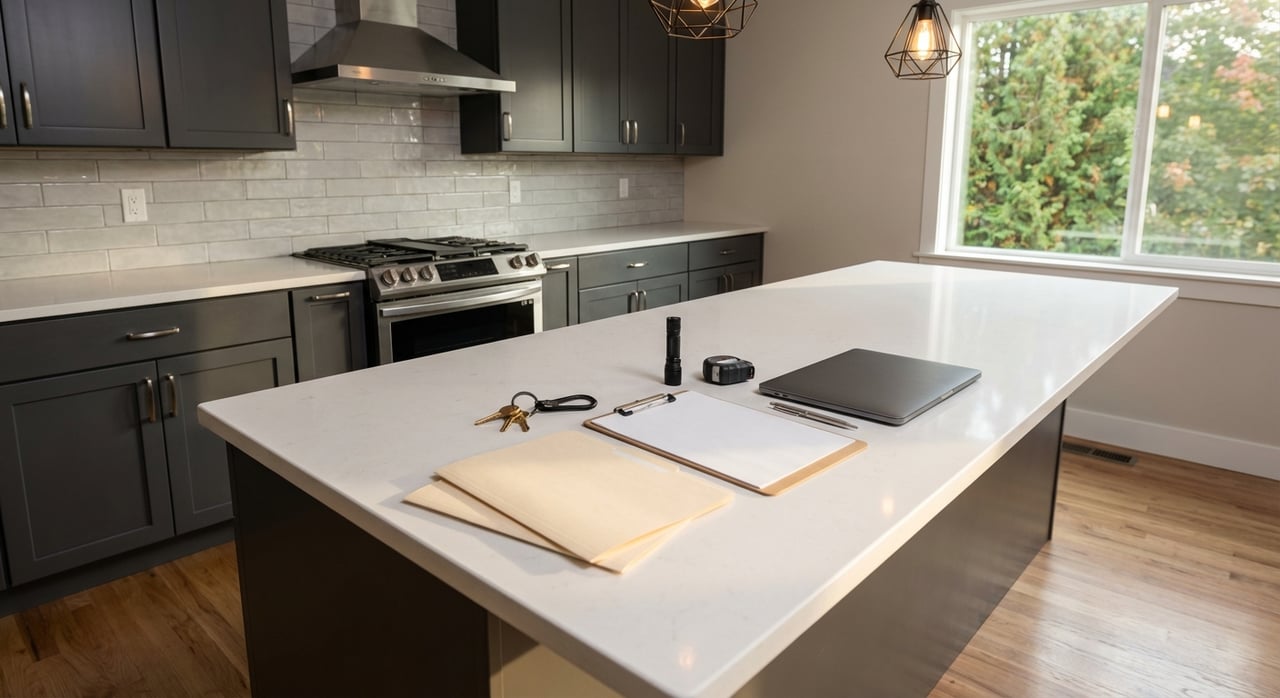
Older rental properties in Elizabeth can look like obvious value-add plays, but not every renovation actually improves cash flow. In a city with older housing, tight layouts, and a renter-heavy market, the best upgrades are usually the ones that solve real operating problems and make units easier to live in. If you are evaluating a two-family, small multifamily, or older walk-up, this guide will help you focus on renovations that match local demand, rent bands, and city rules. Let’s dive in.
Why Elizabeth Rewards Practical Renovations
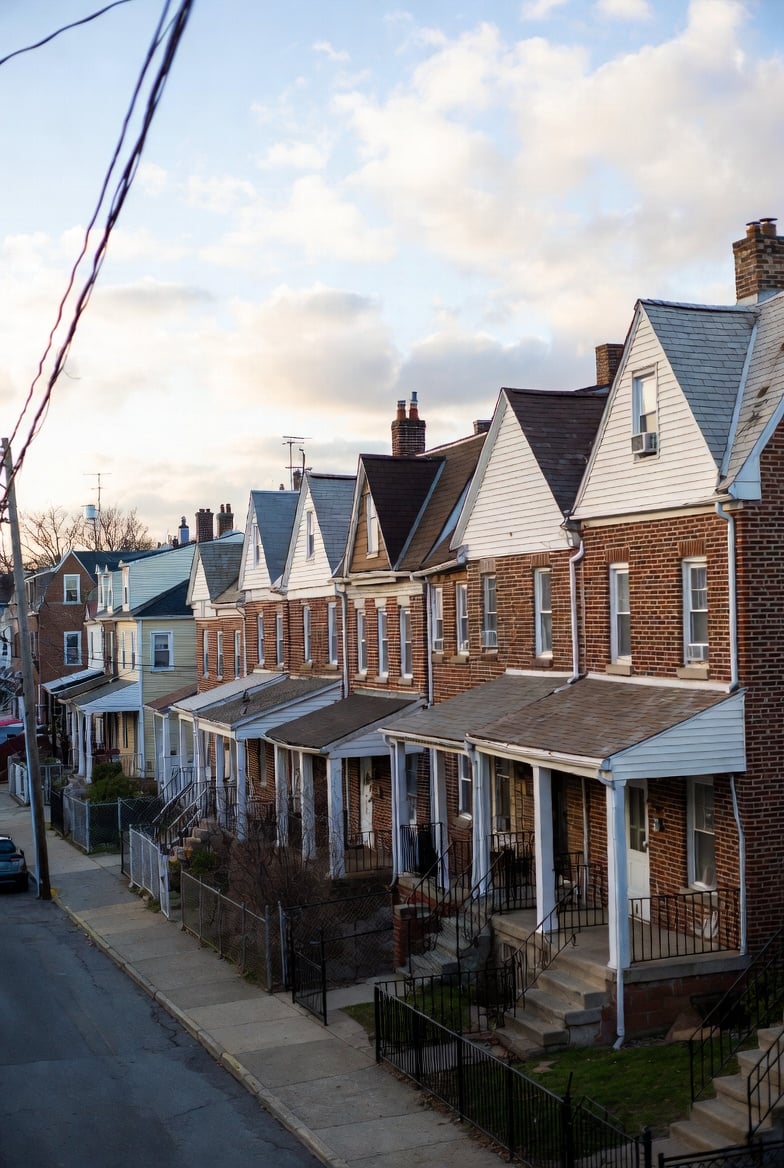
Elizabeth is a built-out market with older housing stock and limited room for new construction. The city’s 2025-2029 housing plan notes that many units were built before 1970, and older properties often need rehabilitation, maintenance, and code-compliance work.
That matters because the local opportunity is usually not about creating a luxury product from scratch. It is about improving what already exists in a way that supports rentability, durability, and smoother operations over time.
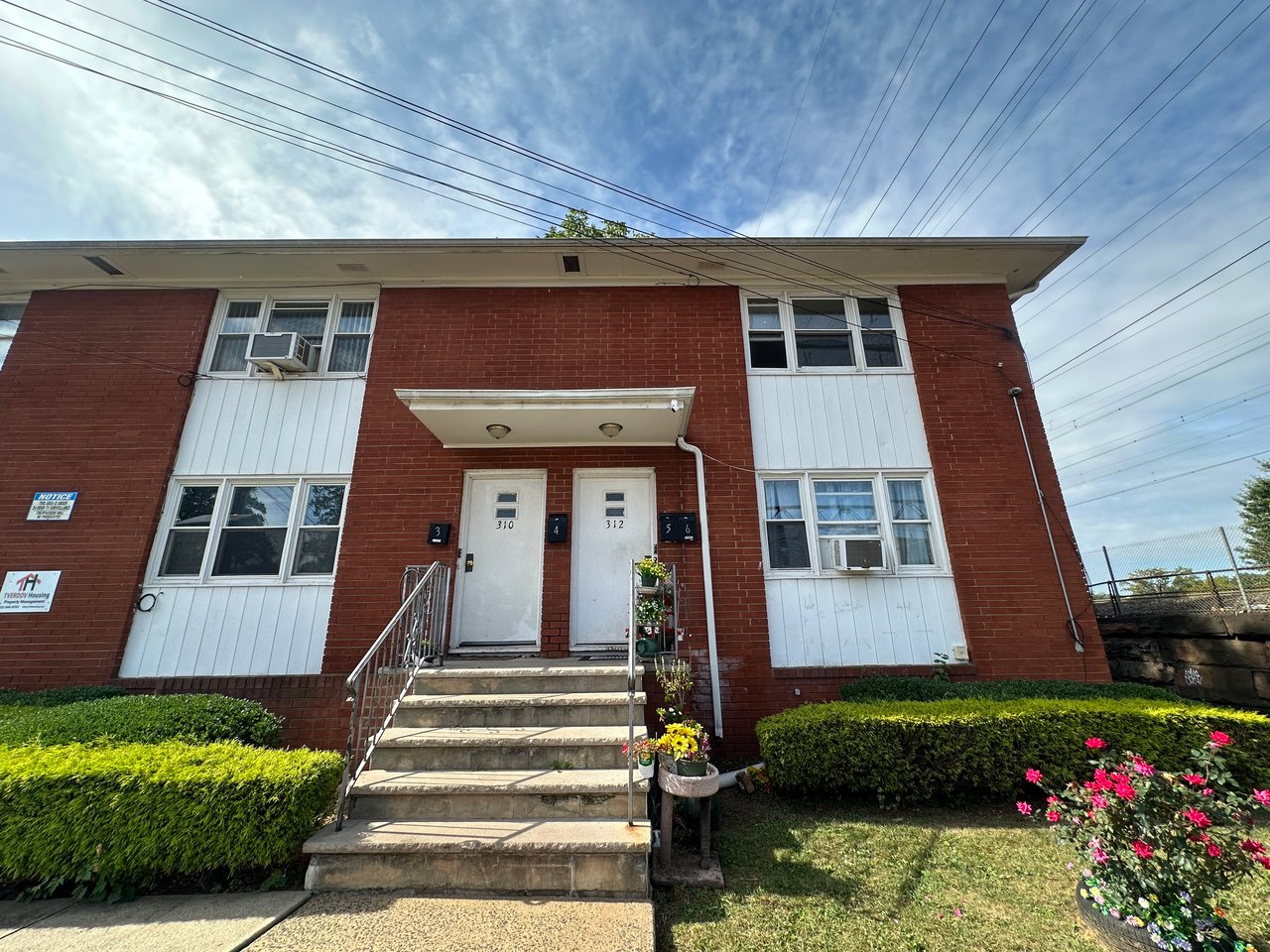
The city’s housing data also shows how important small multifamily properties are in this market. Two-to-four-unit properties make up a major share of the housing stock, and renter demand is concentrated around practical unit types, especially two-bedroom and three-bedroom layouts.
Focus on Layout Before Finishes
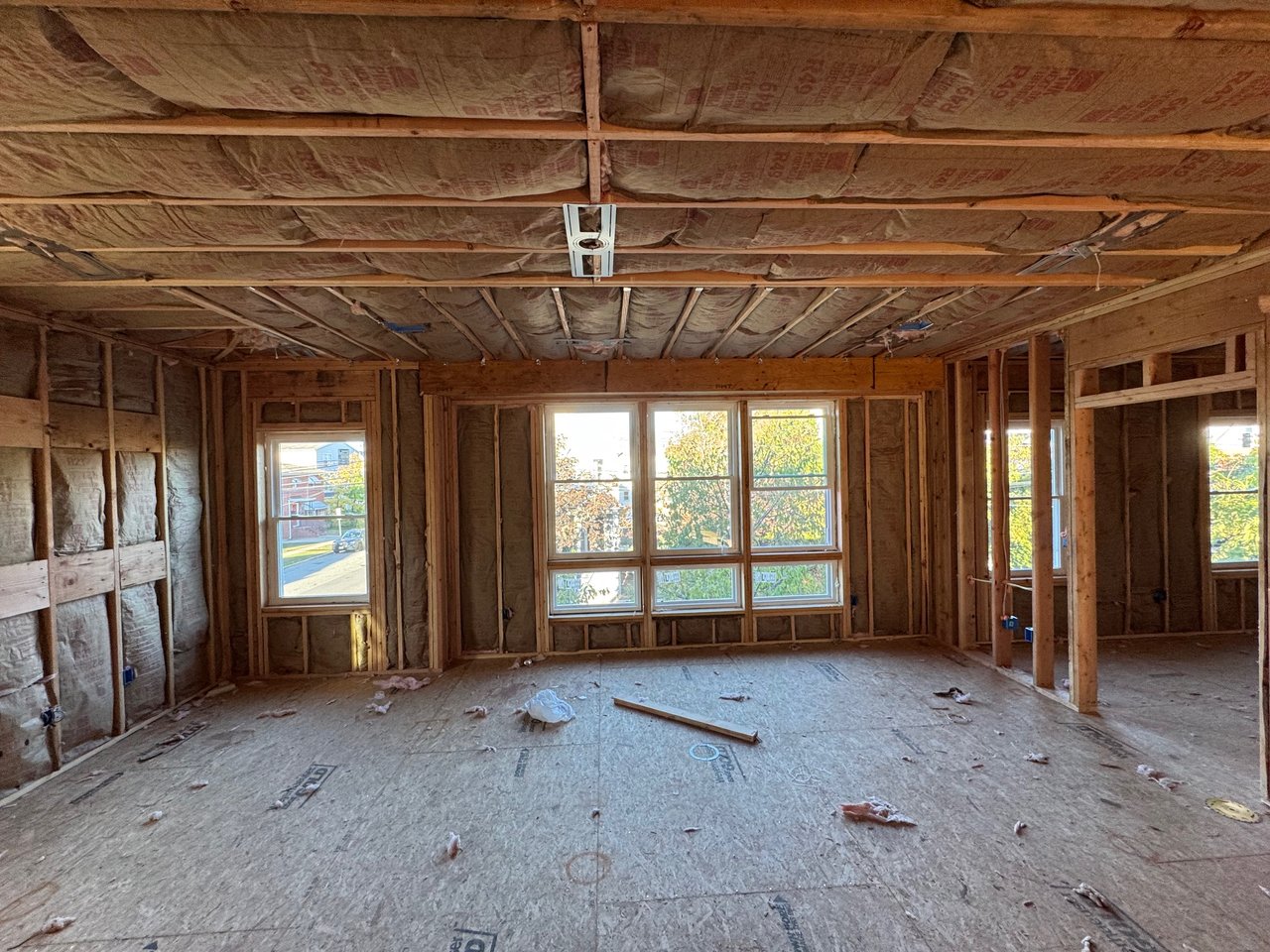
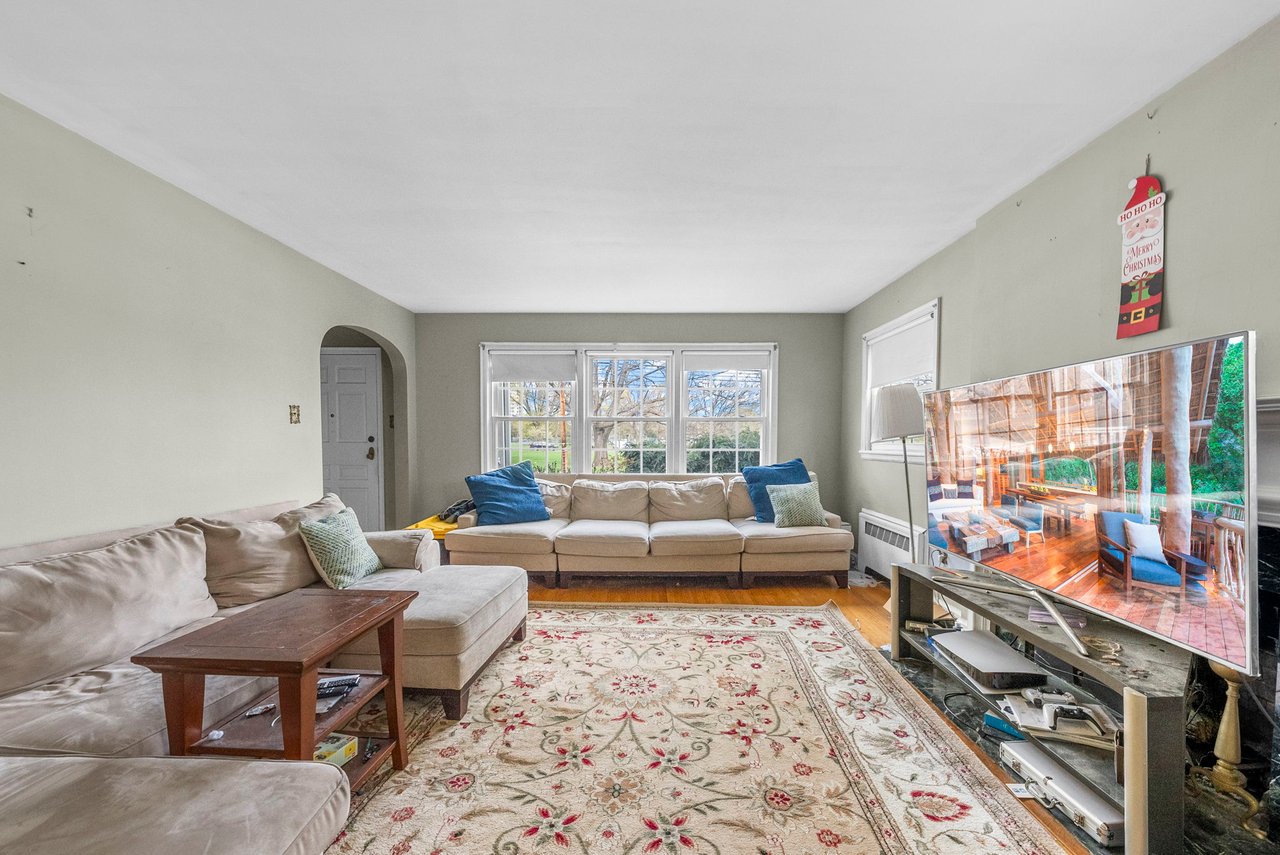
In many older Elizabeth rentals, the floor plan is where the biggest upside lives. Small changes to circulation, storage, or room usability can make a unit feel much more functional without adding a large amount of square footage.
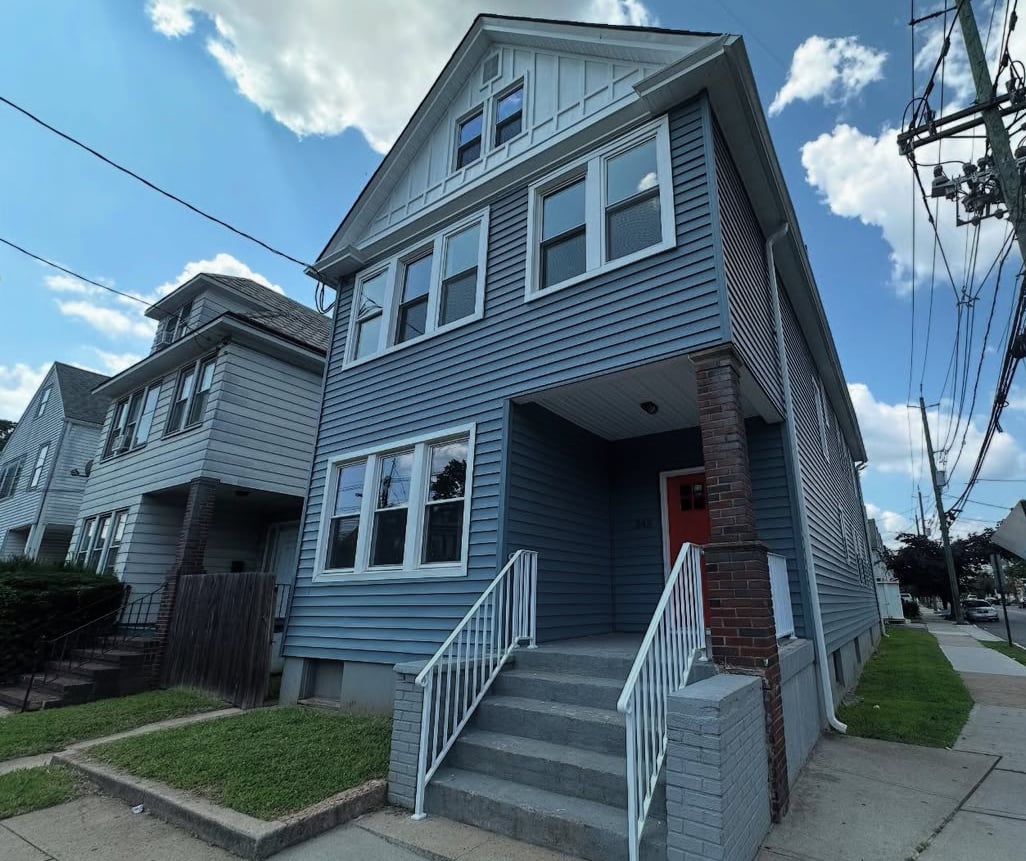
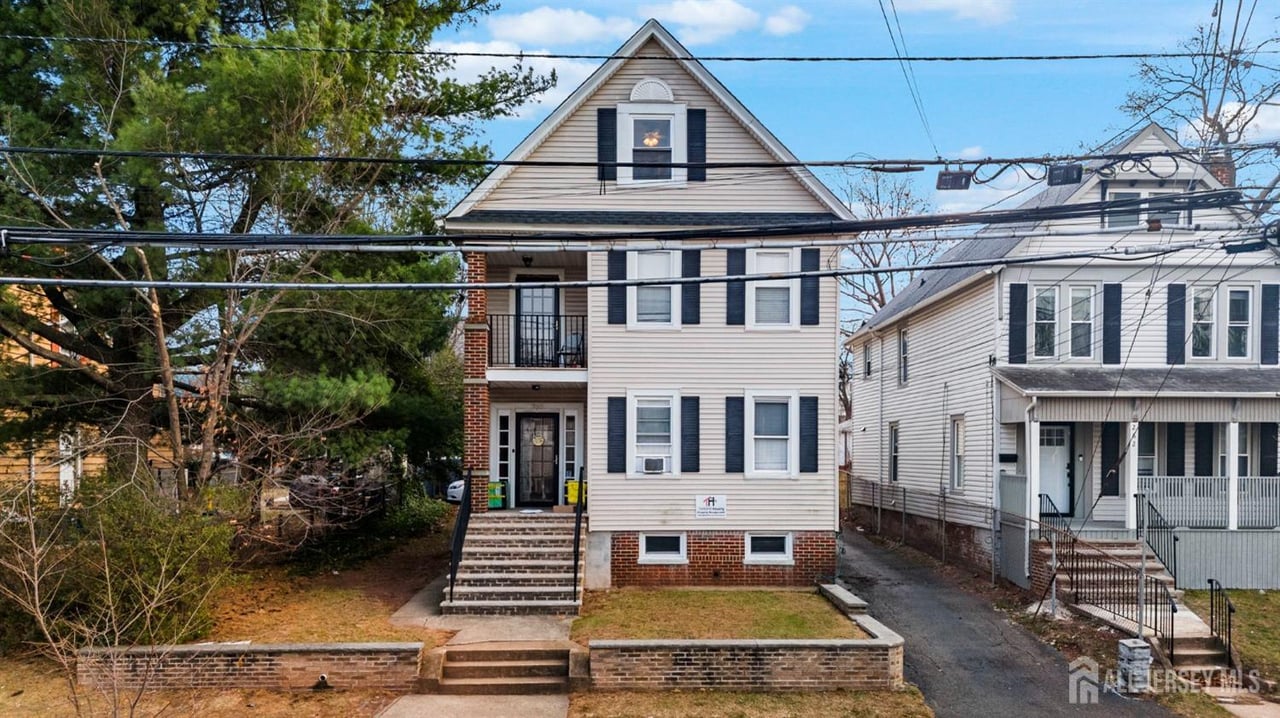
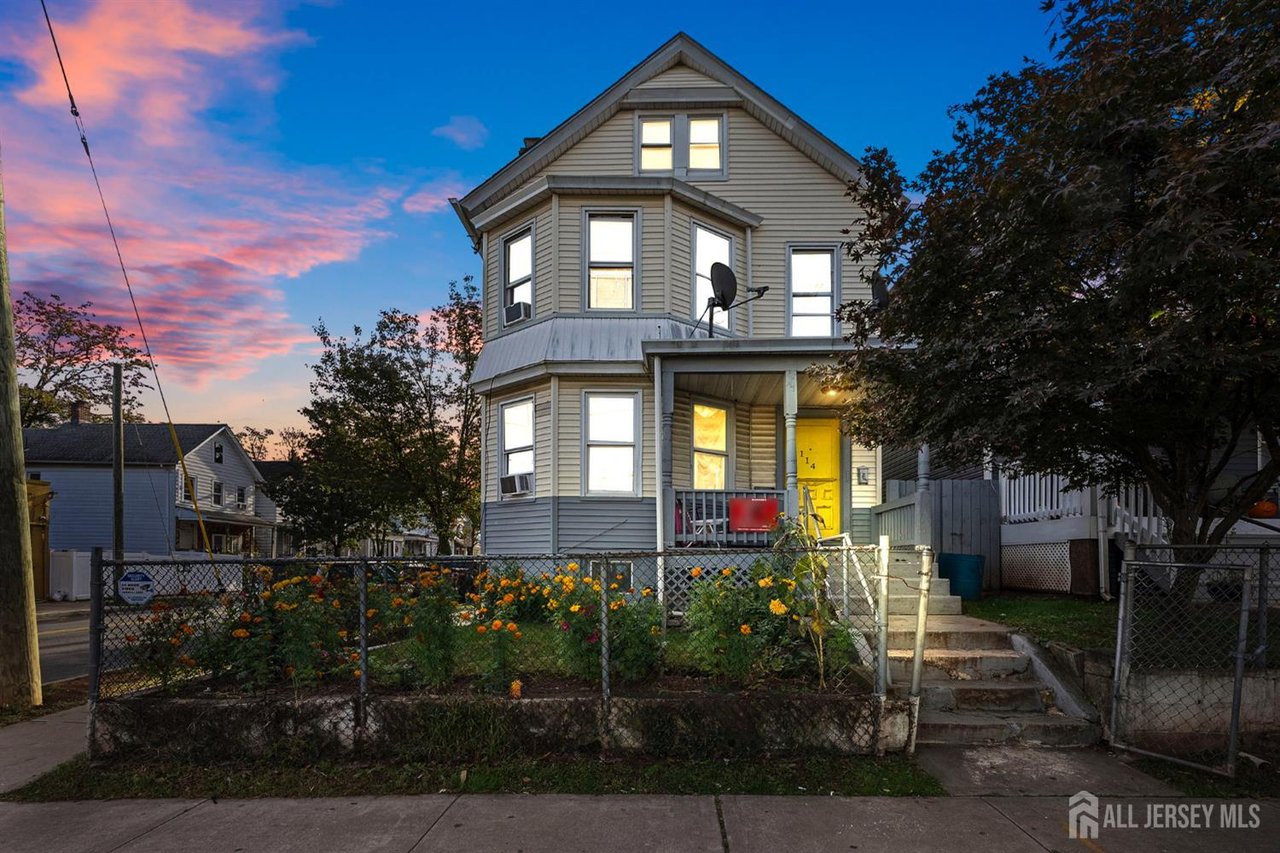
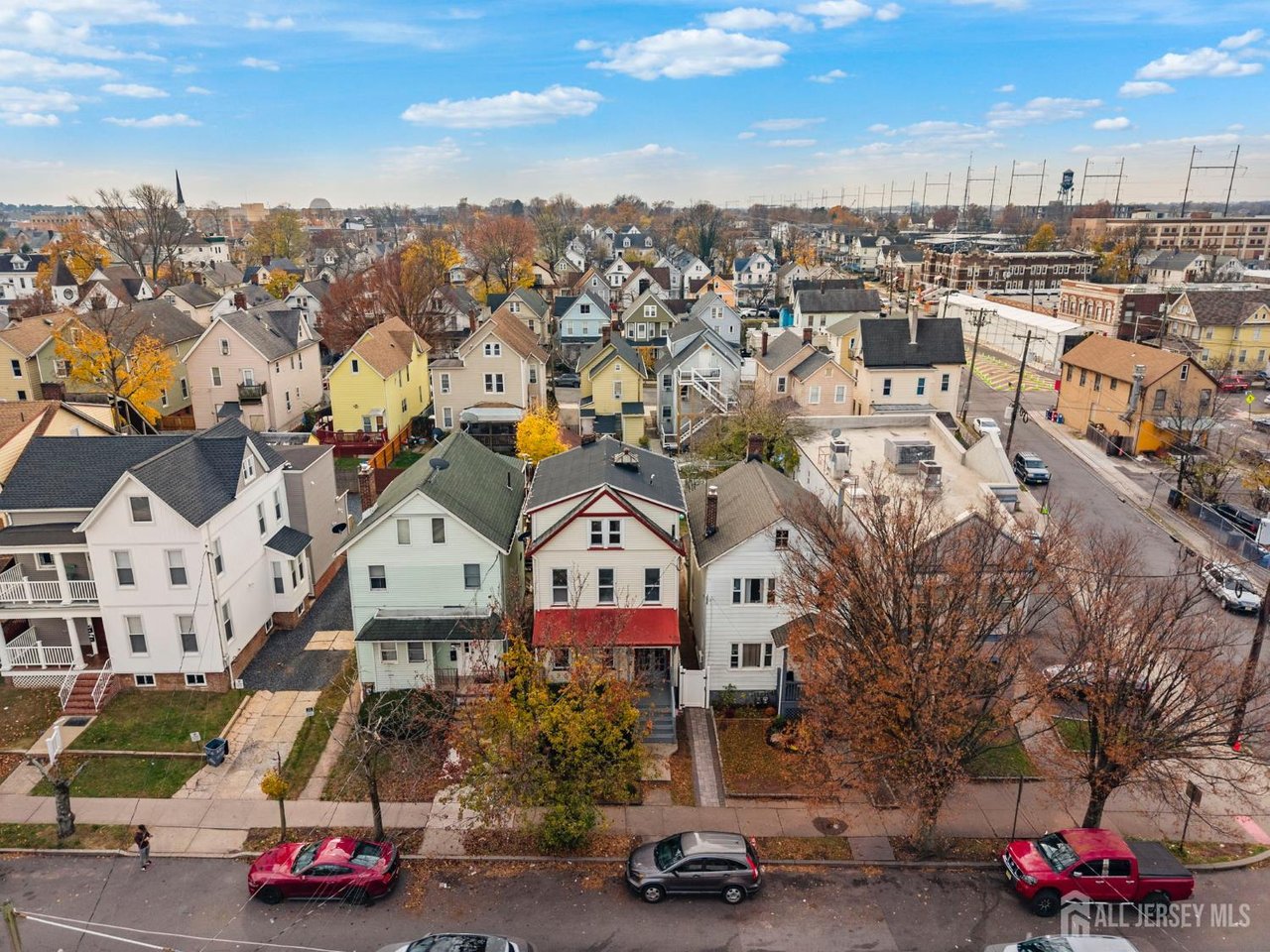
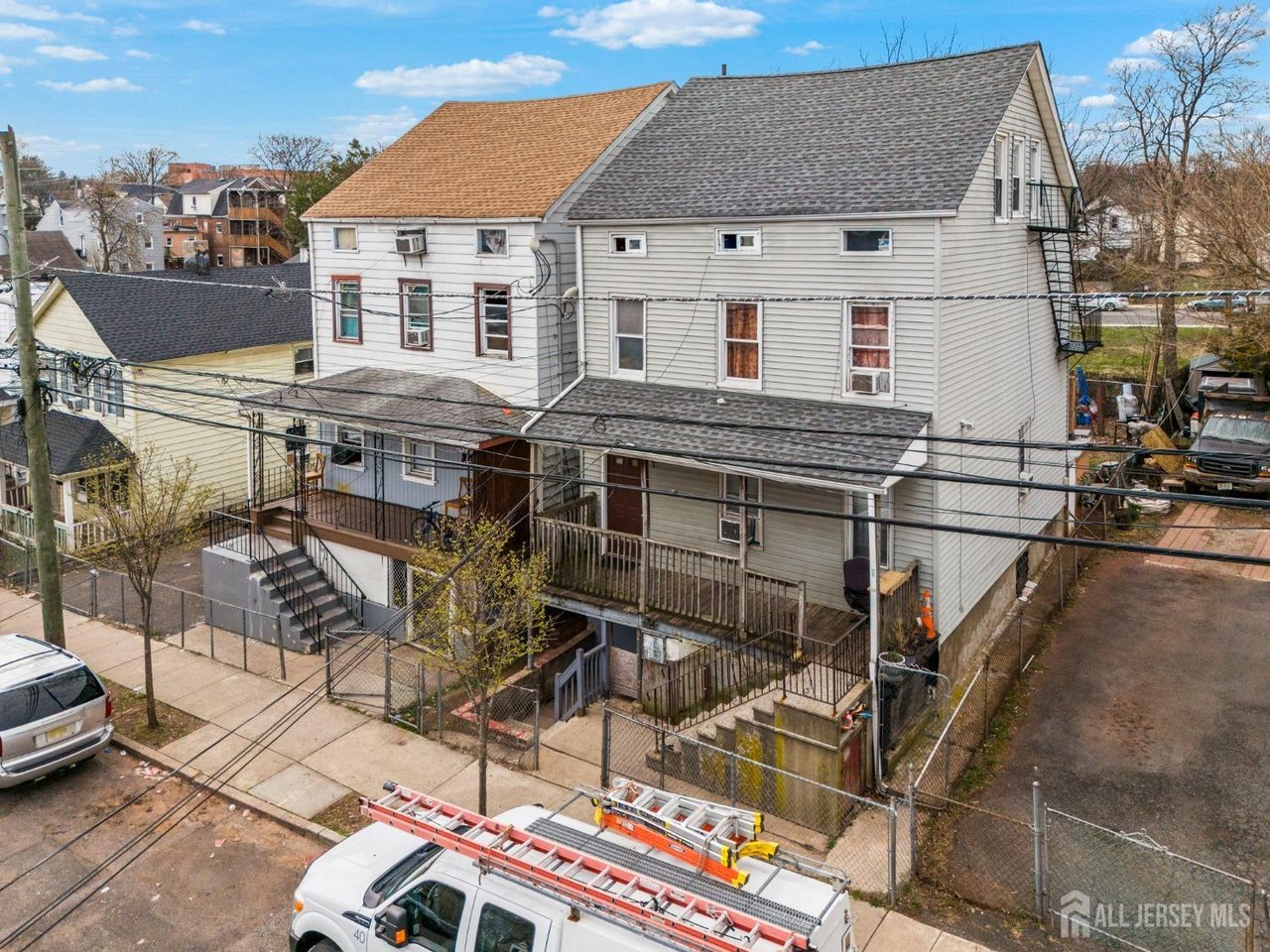
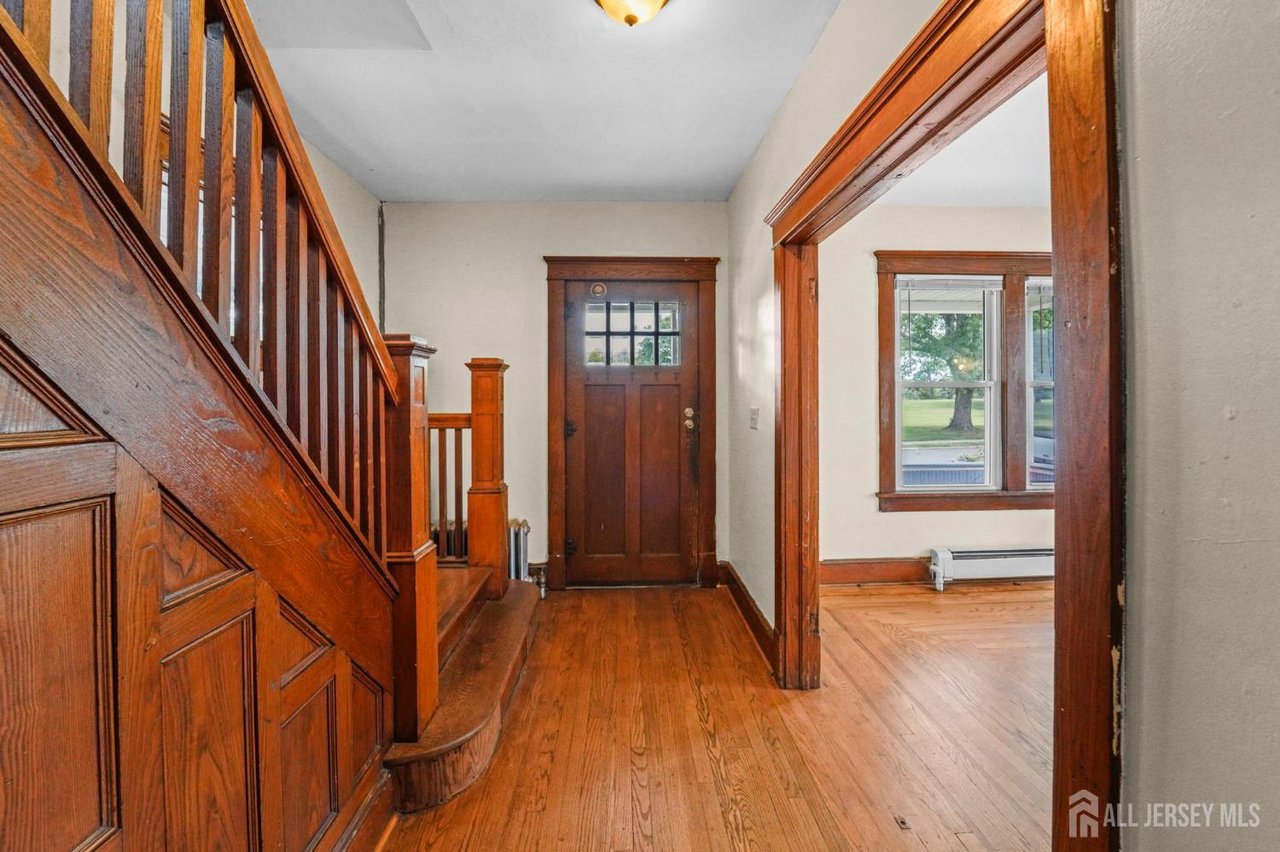
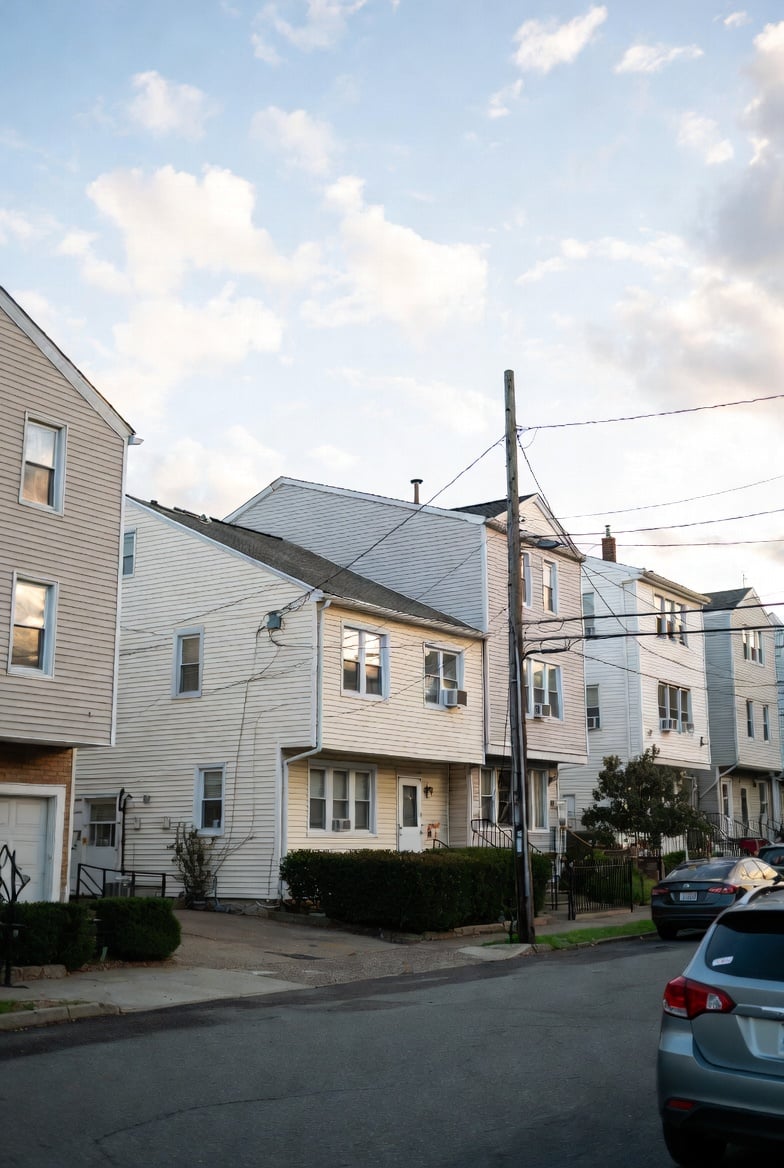
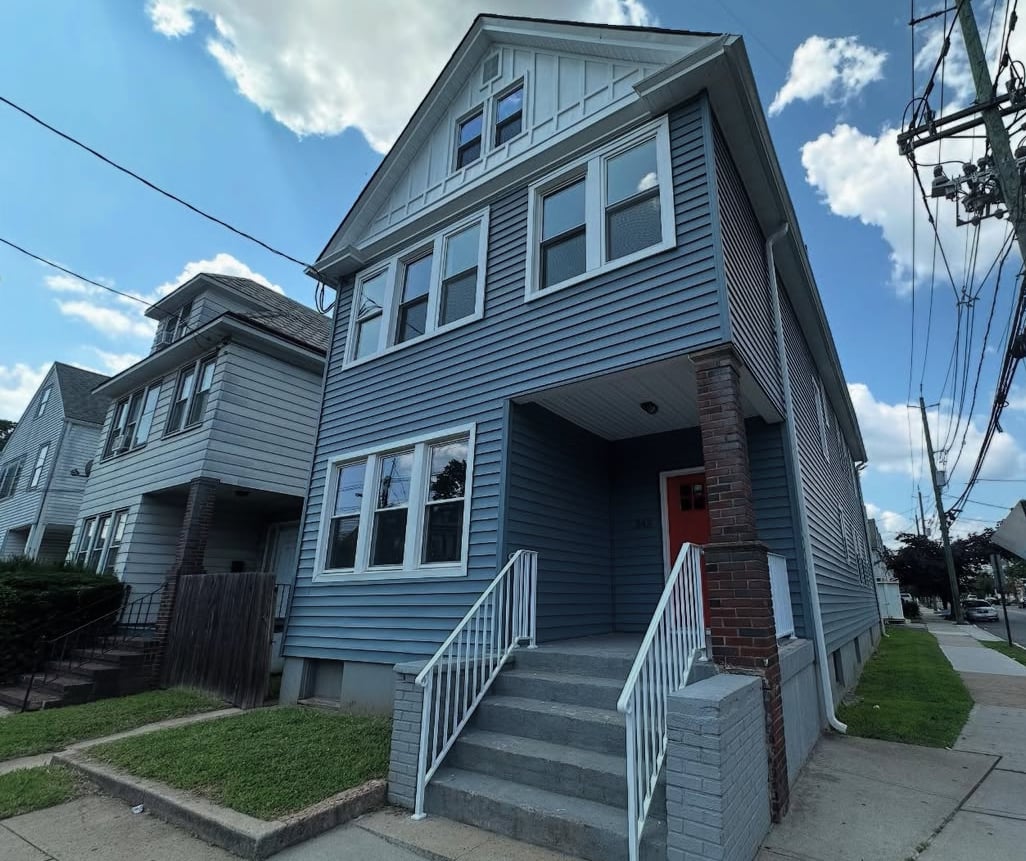
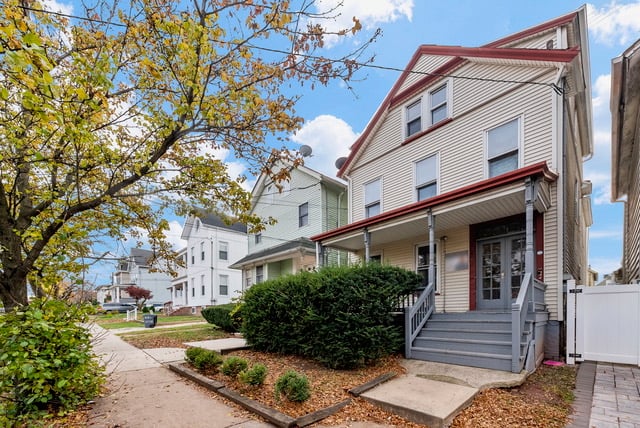
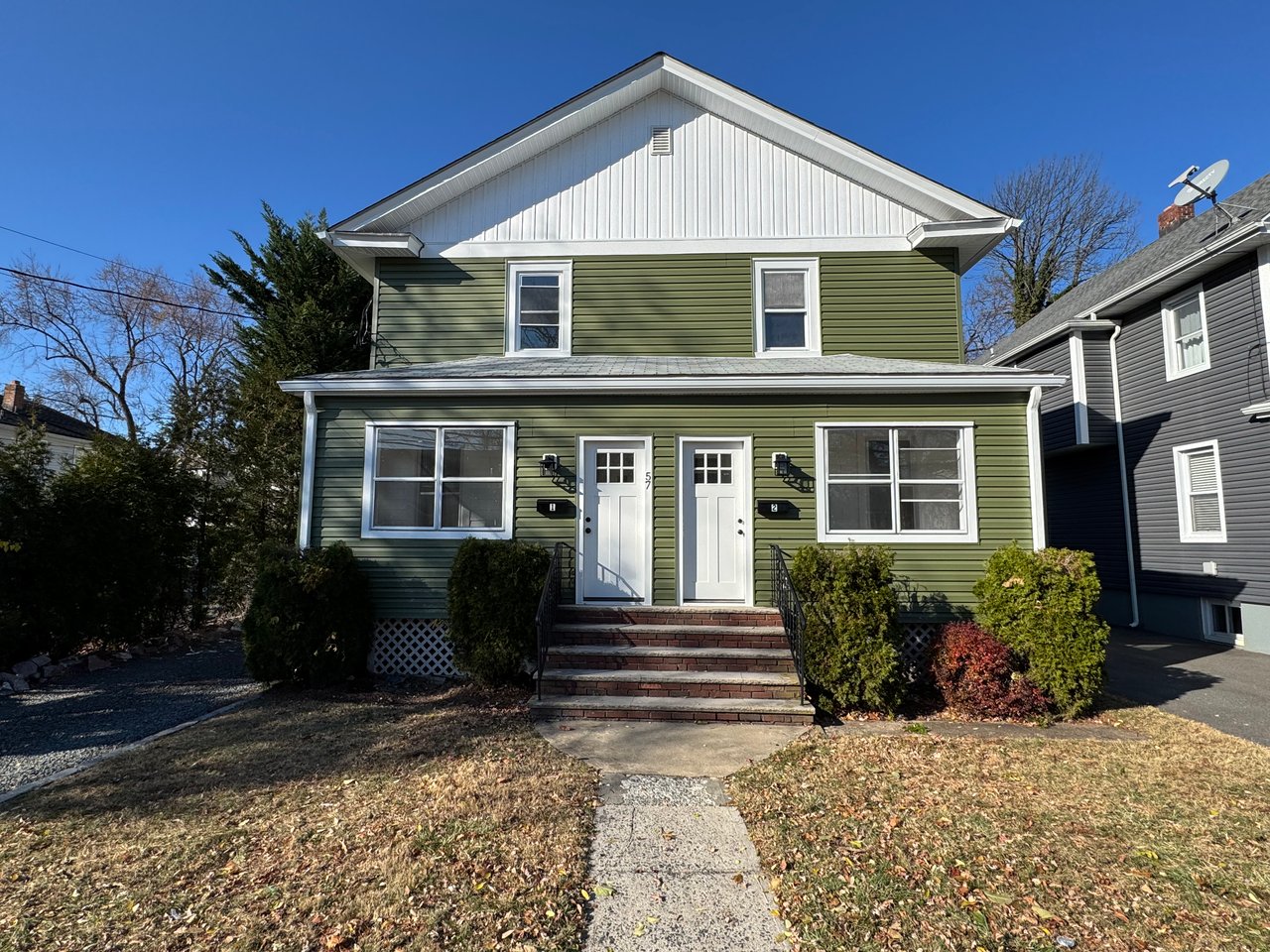
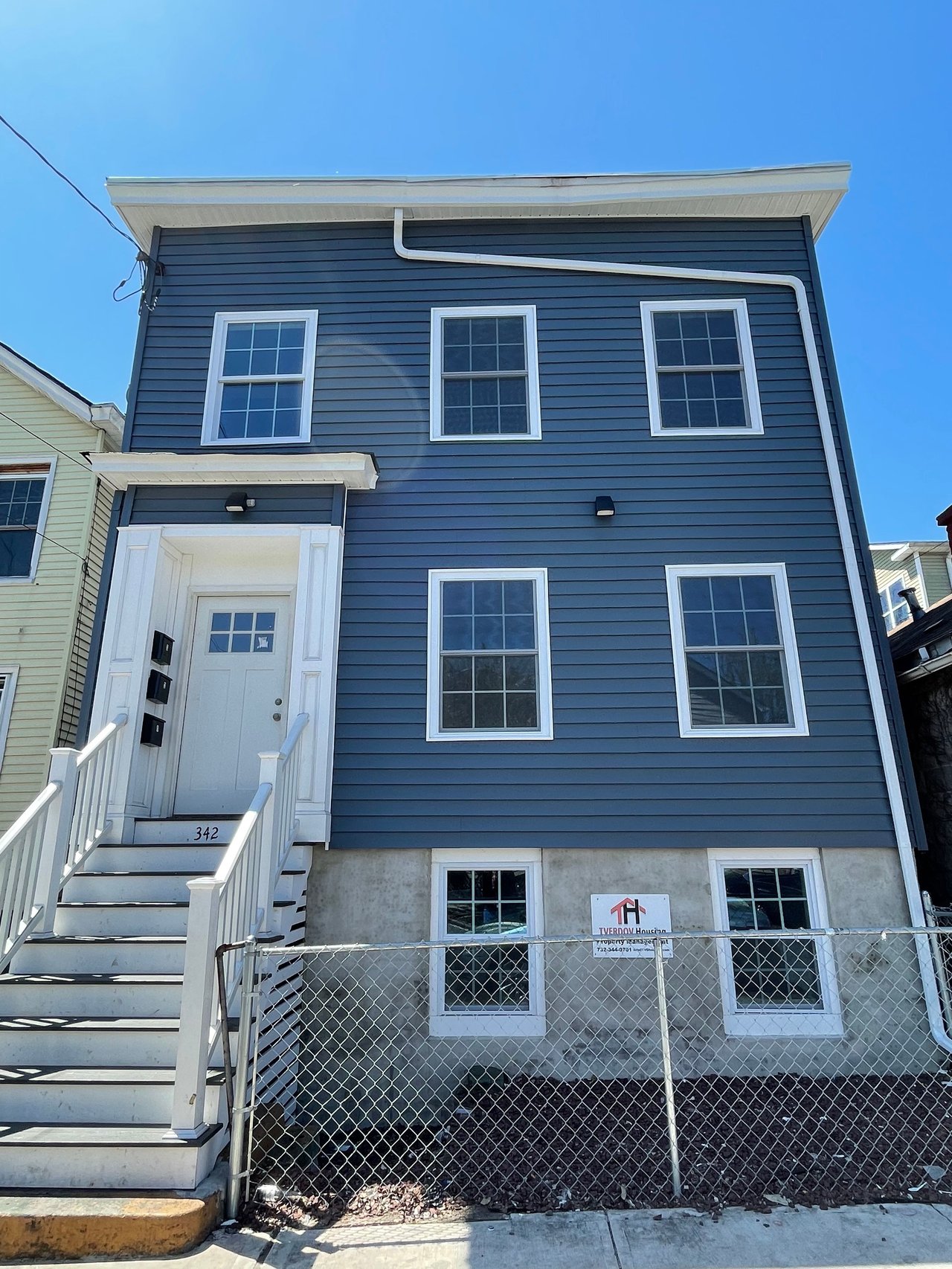
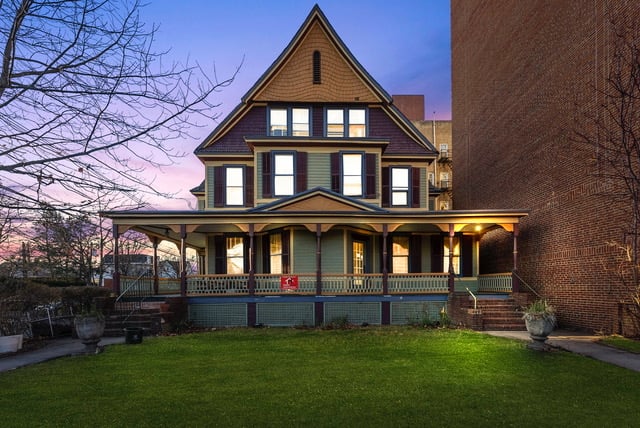
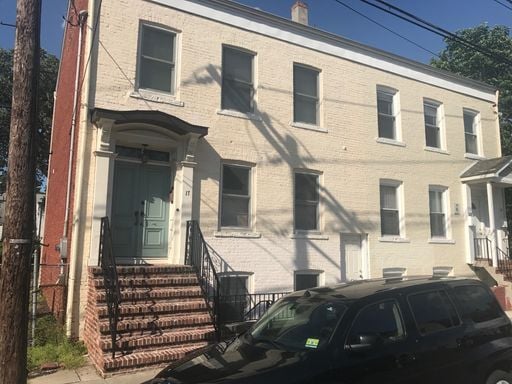
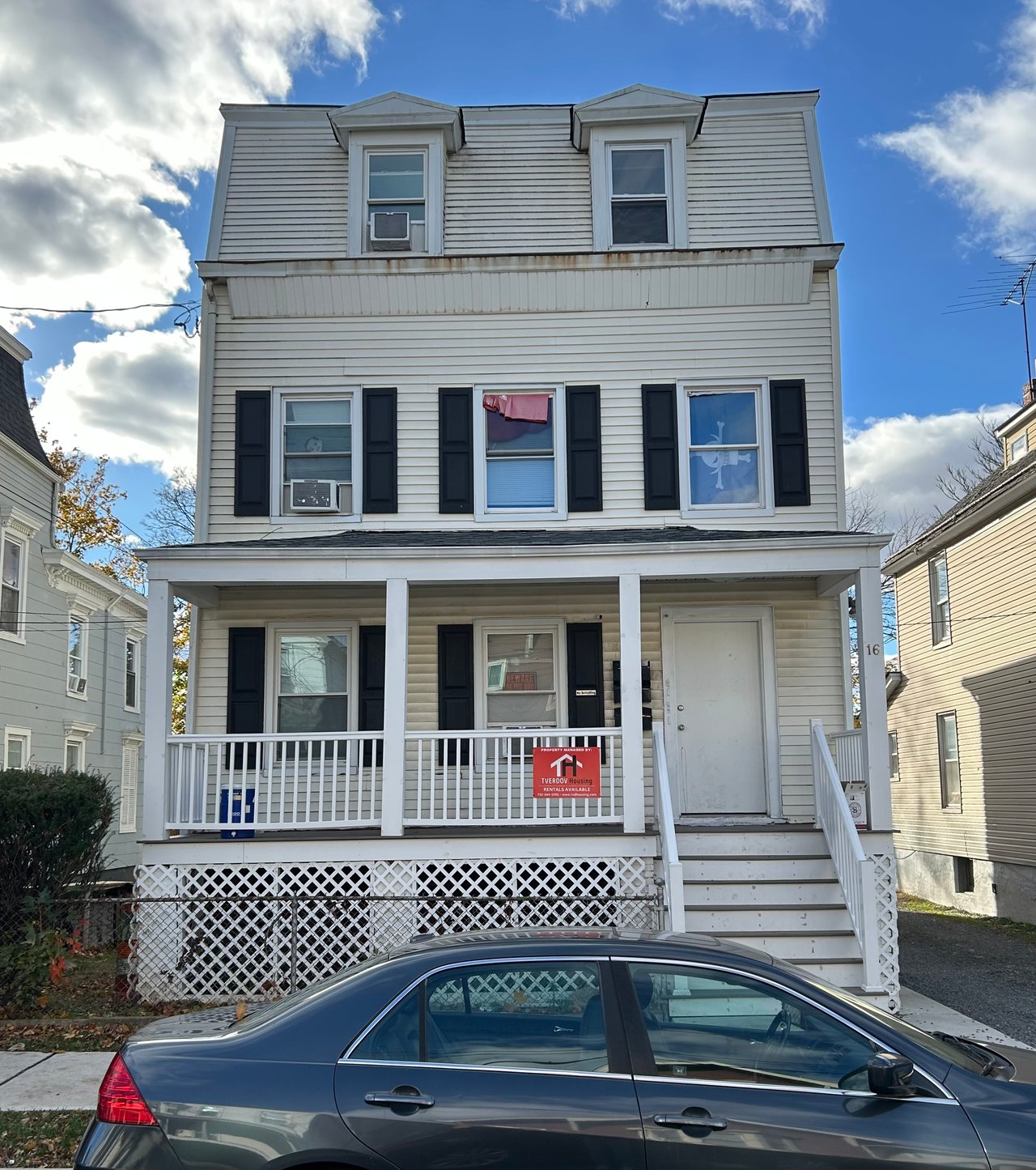
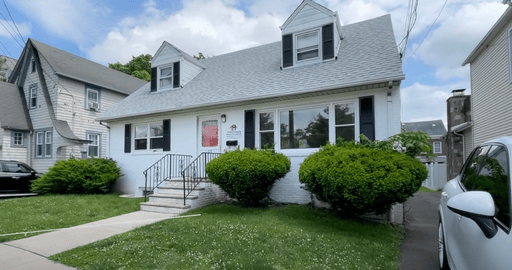
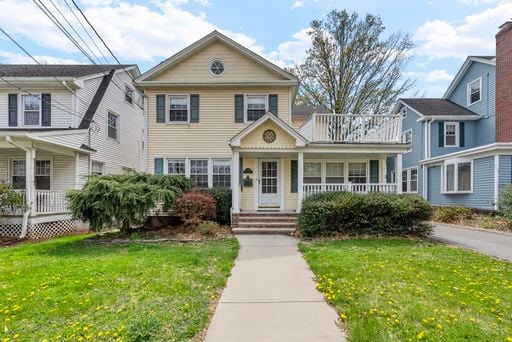
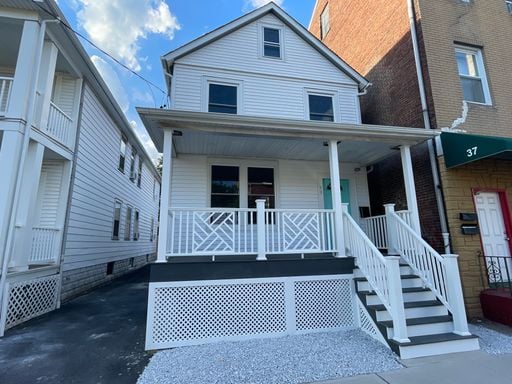
Public listings in Elizabeth often show older two-family homes from the early 1900s with compact layouts, mixed bedroom counts, and bonus spaces like attics. In these buildings, wasted hall space, awkward room flow, or underused upper levels can hold back rent potential more than dated paint colors or counters.
Layout ideas worth considering
- Rework oversized living areas into a more usable bedroom layout where code and permits allow
- Improve closet space and storage in units with limited built-ins
- Reconfigure awkward bathrooms to improve daily function
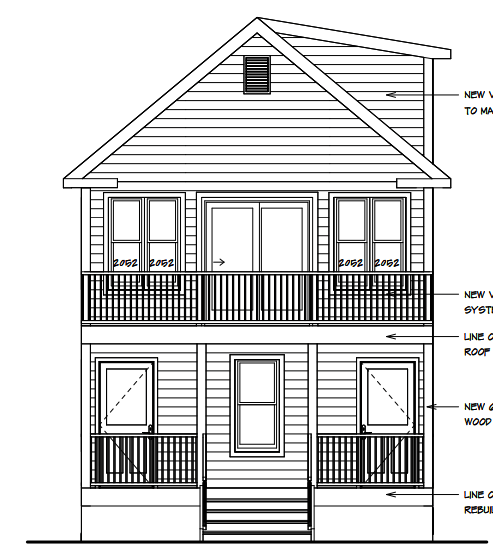
- Evaluate attic or upper-level space for more practical use where legally permitted
- Reduce dead hallway space that does not add tenant value
Because Elizabeth renter demand leans heavily toward two-bedroom and three-bedroom units, usability matters. A clearer layout can improve leasing appeal more than high-end cosmetic upgrades that do not change how the space lives.
Upgrade Kitchens and Baths for Durability
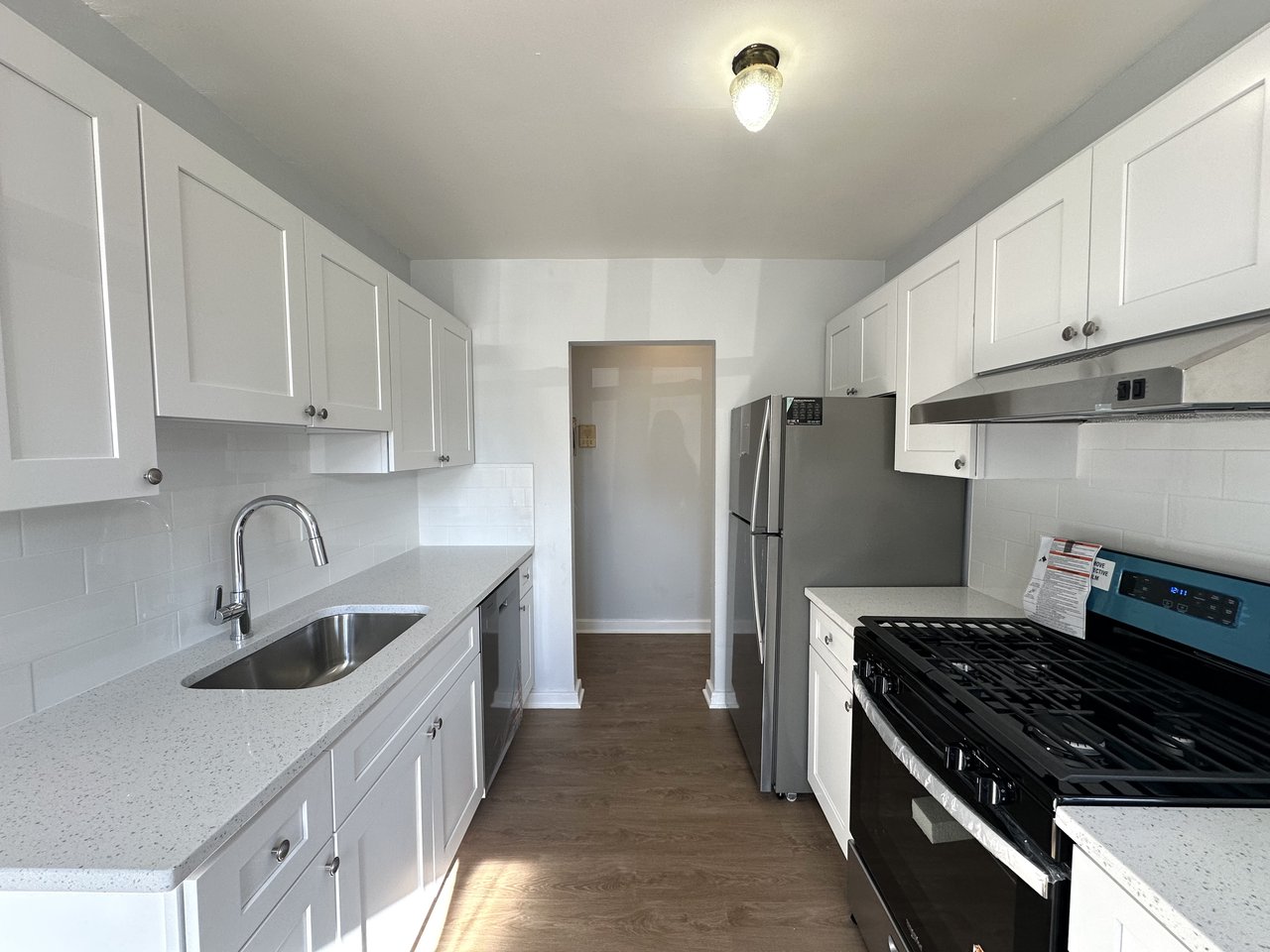
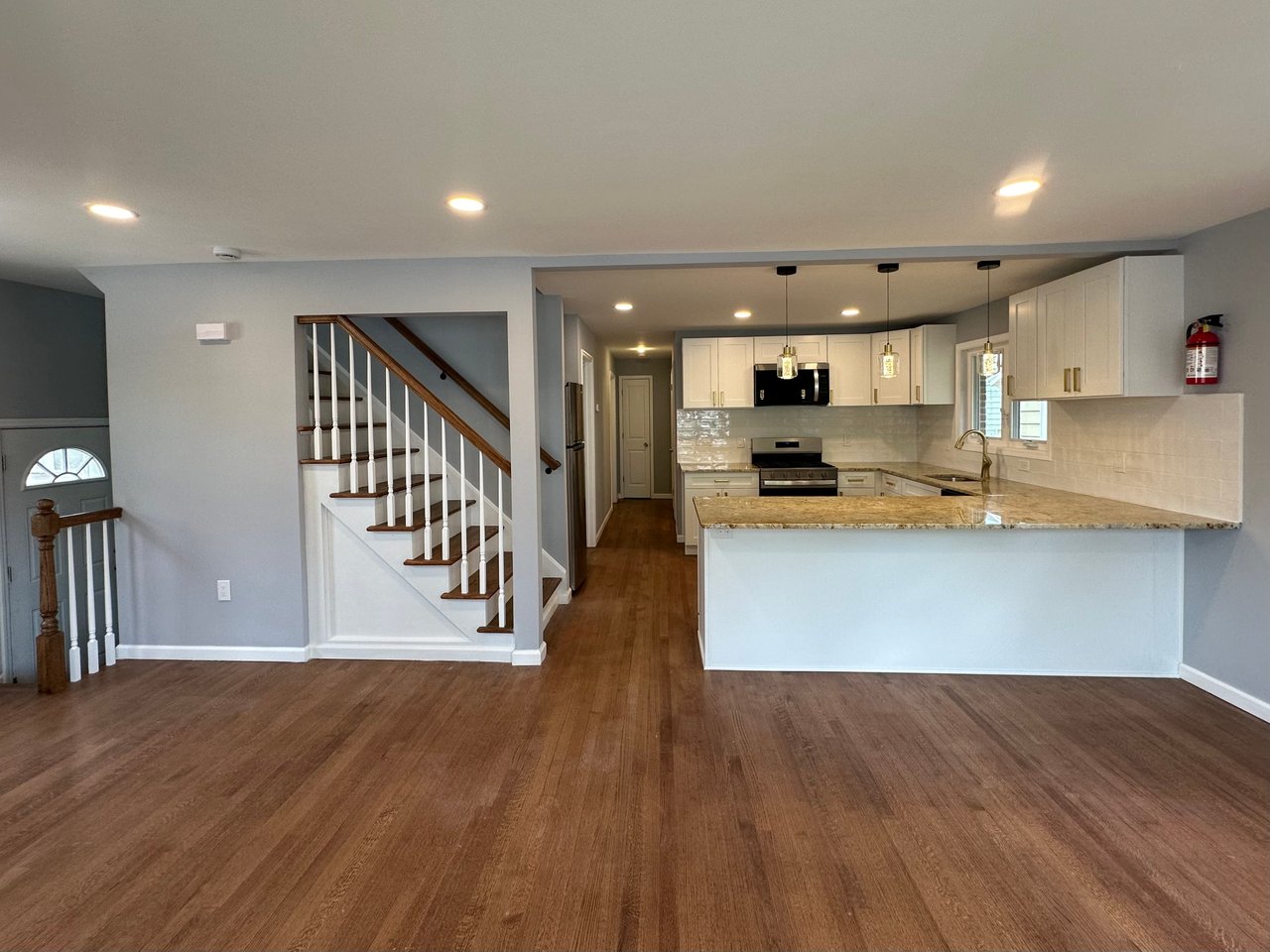
Kitchen and bath improvements can still support higher rents, but the finish level needs to match the local market. Current public listings and city rent benchmarks suggest there is room for solid, functional upgrades, but there is also a ceiling.
Elizabeth’s 2025 housing plan lists Fair Market Rent at $1,768 for one-bedroom units, $2,140 for two-bedroom units, $2,695 for three-bedroom units, and $3,065 for four-bedroom units. Public rental listings show asking rents that generally align with those practical bands rather than true luxury pricing.
That is why mid-market durability usually beats over-improvement.
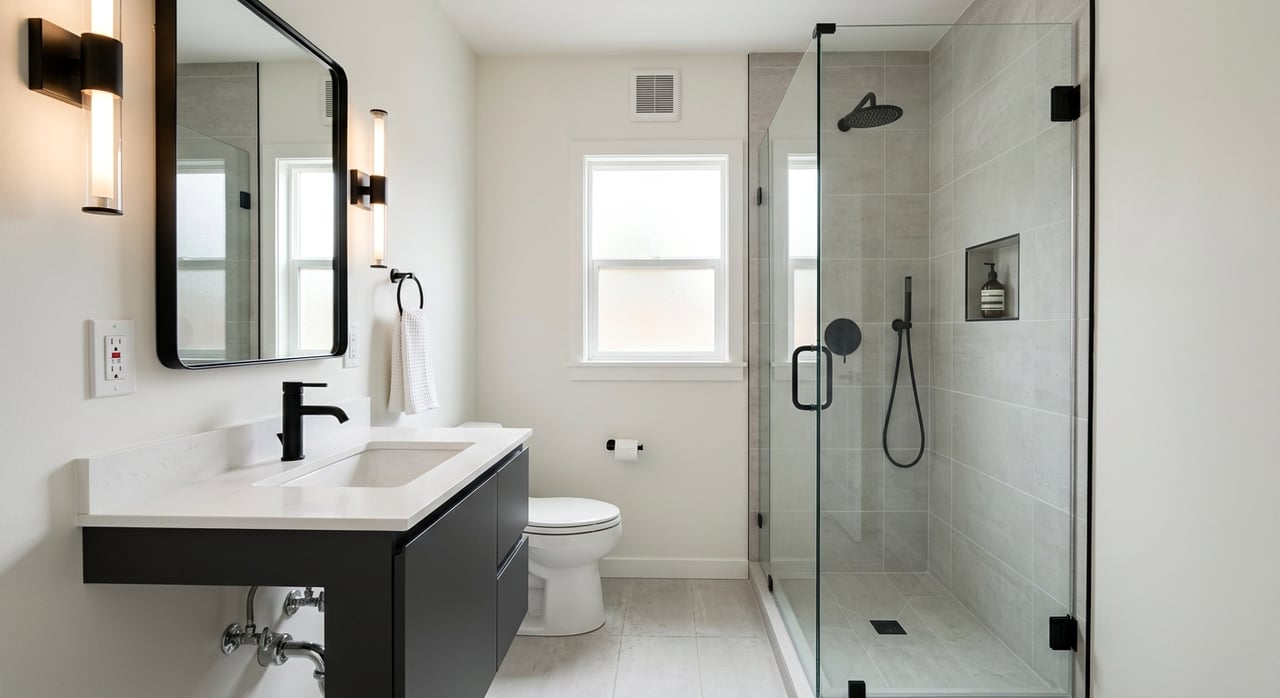
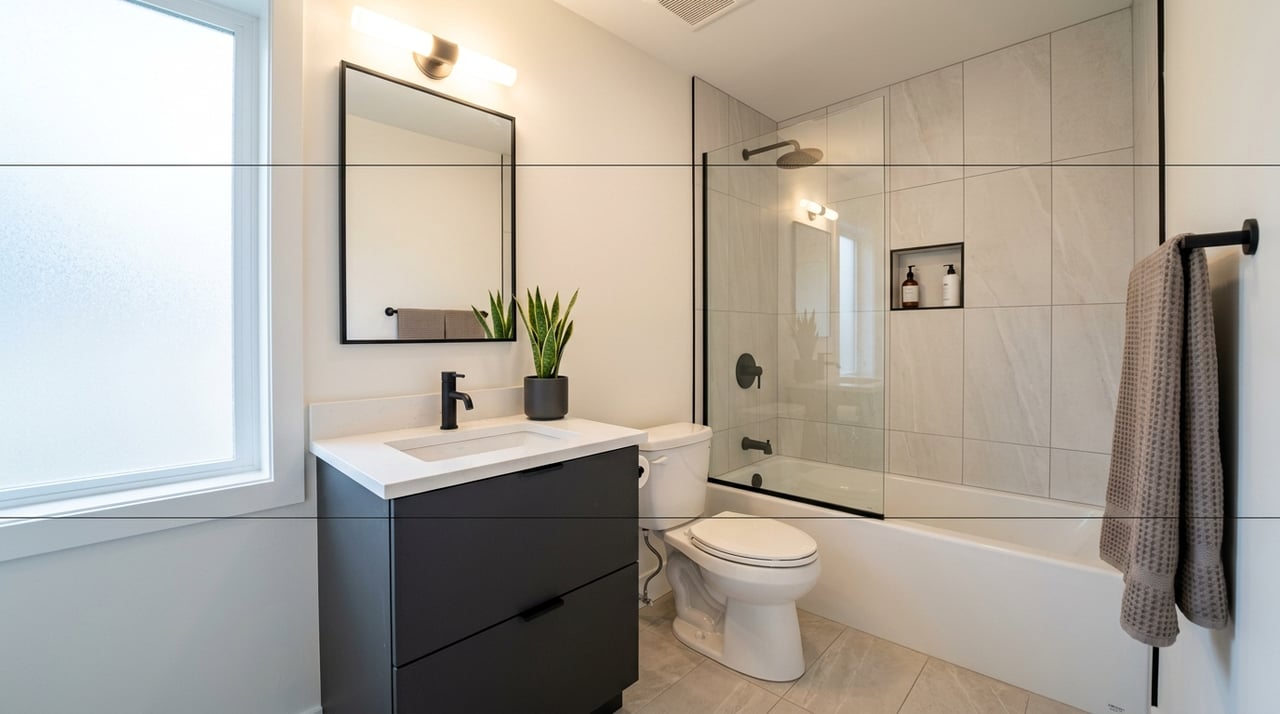
Best kitchen and bath upgrades
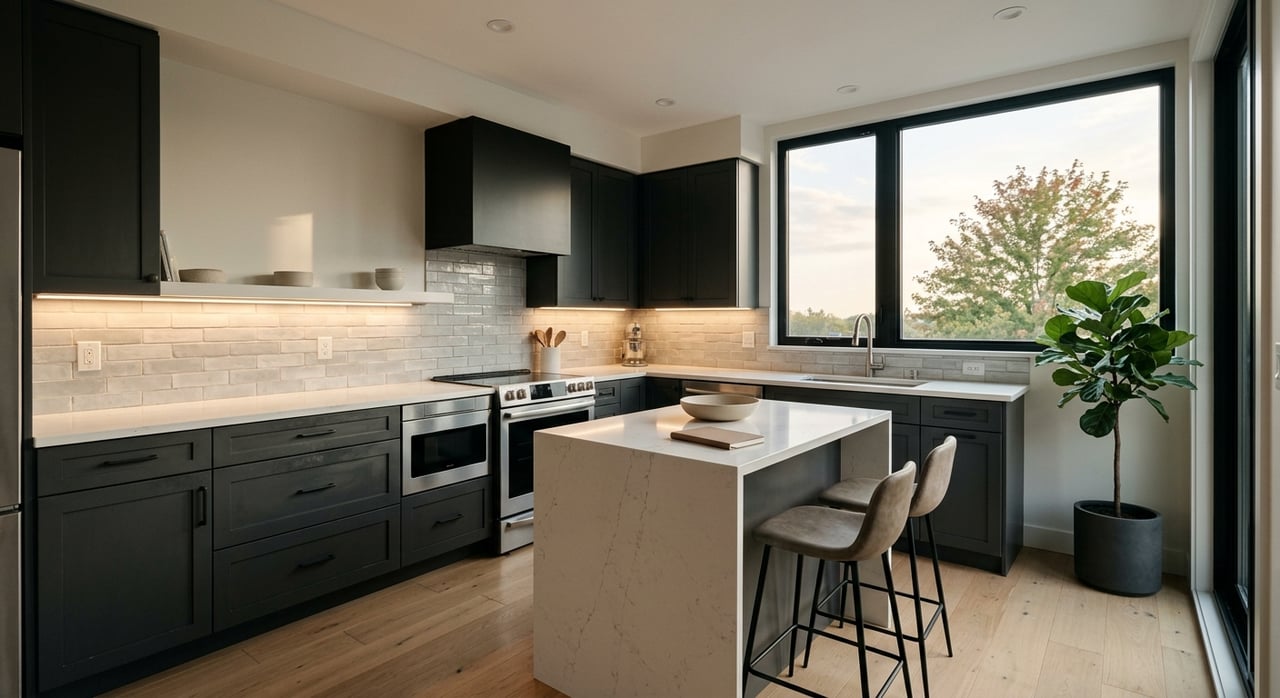
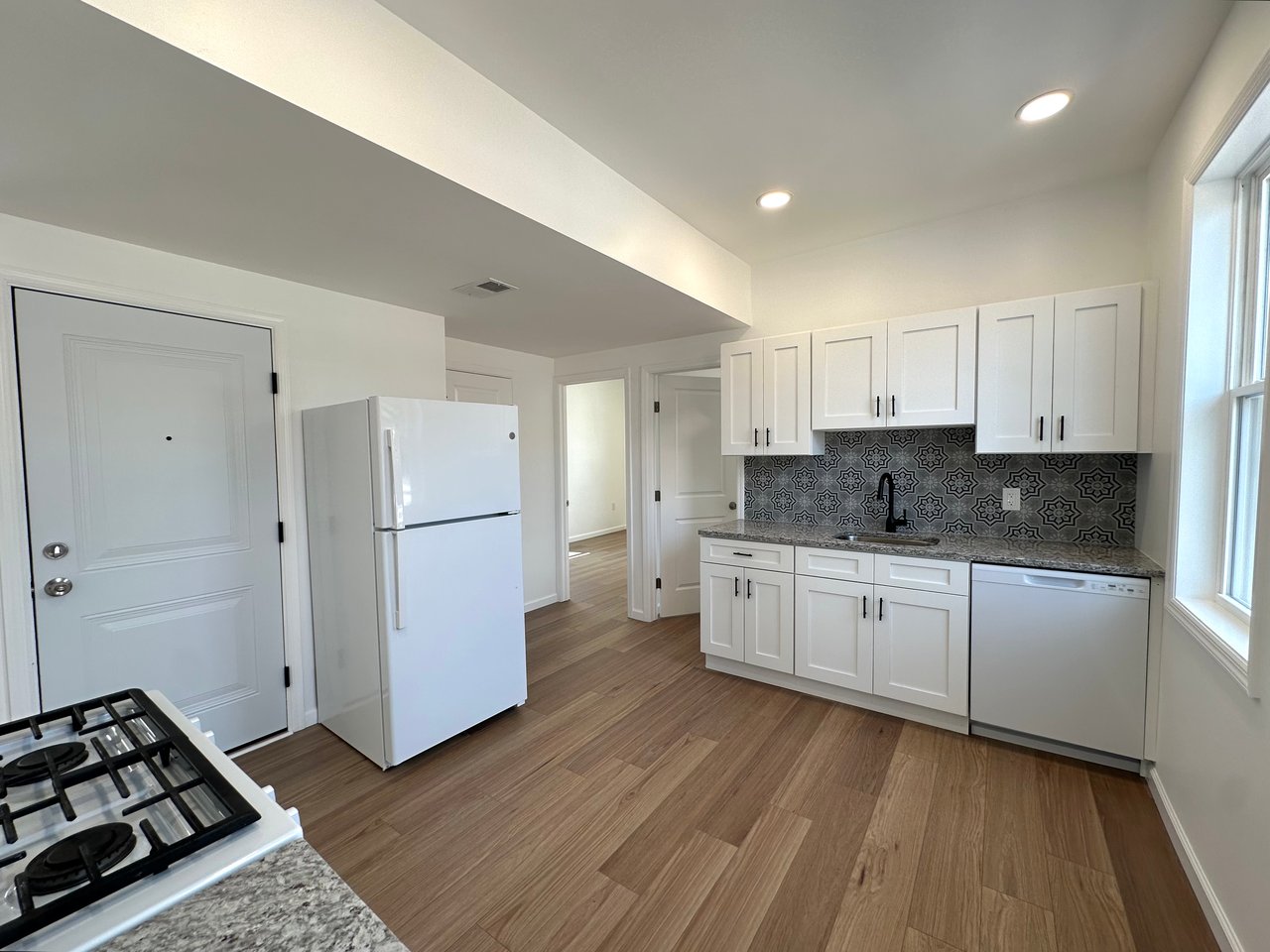
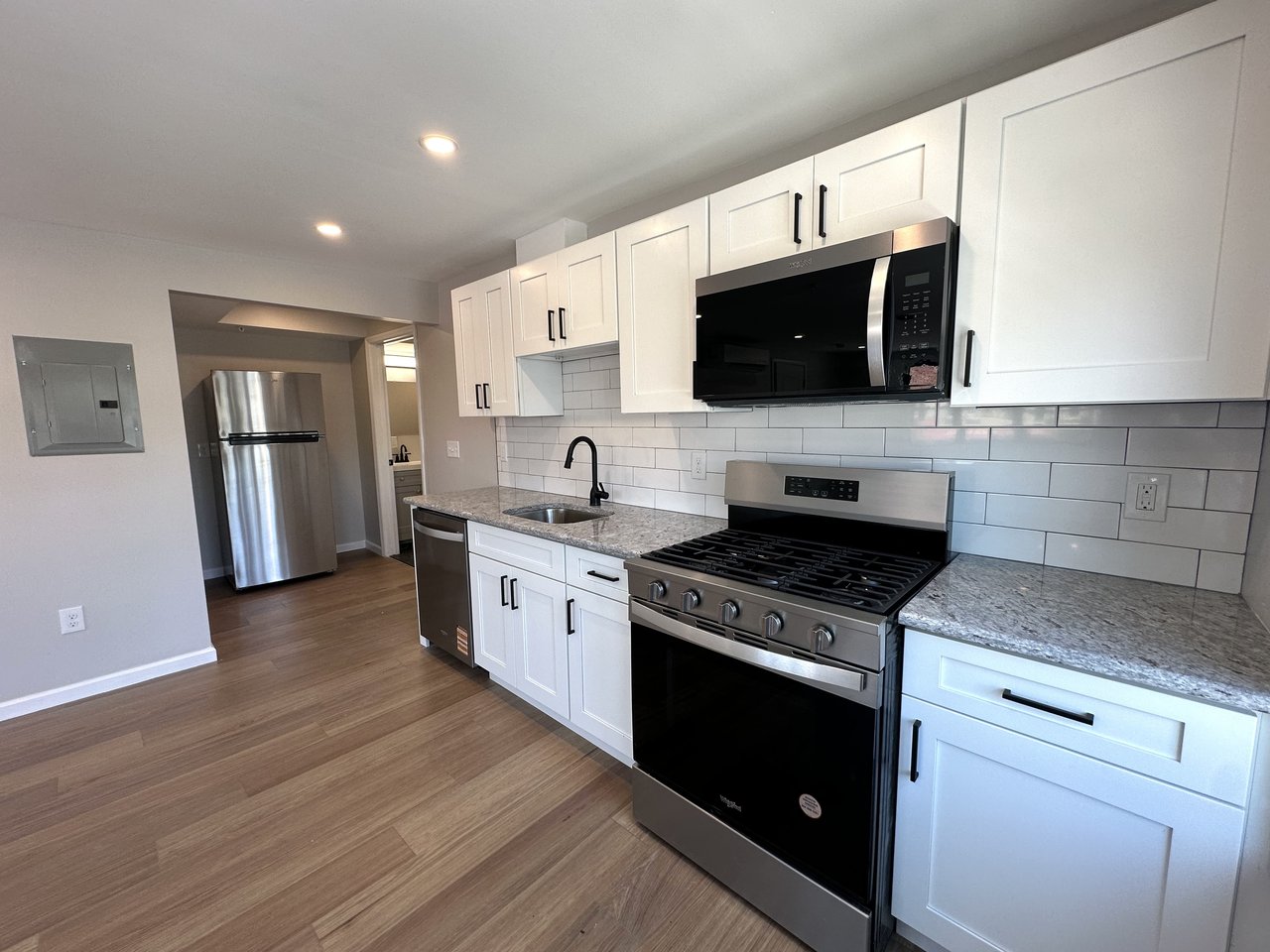
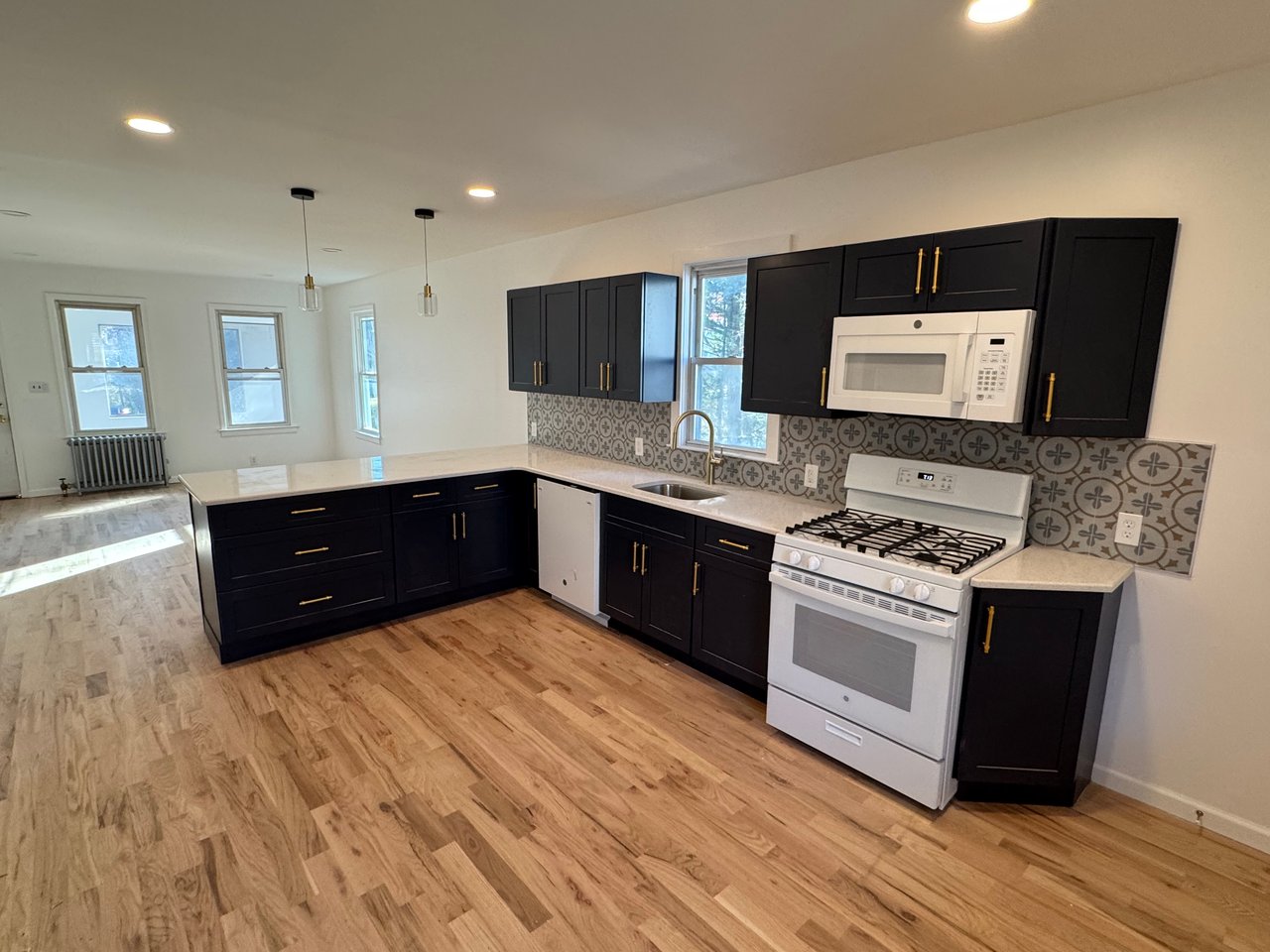
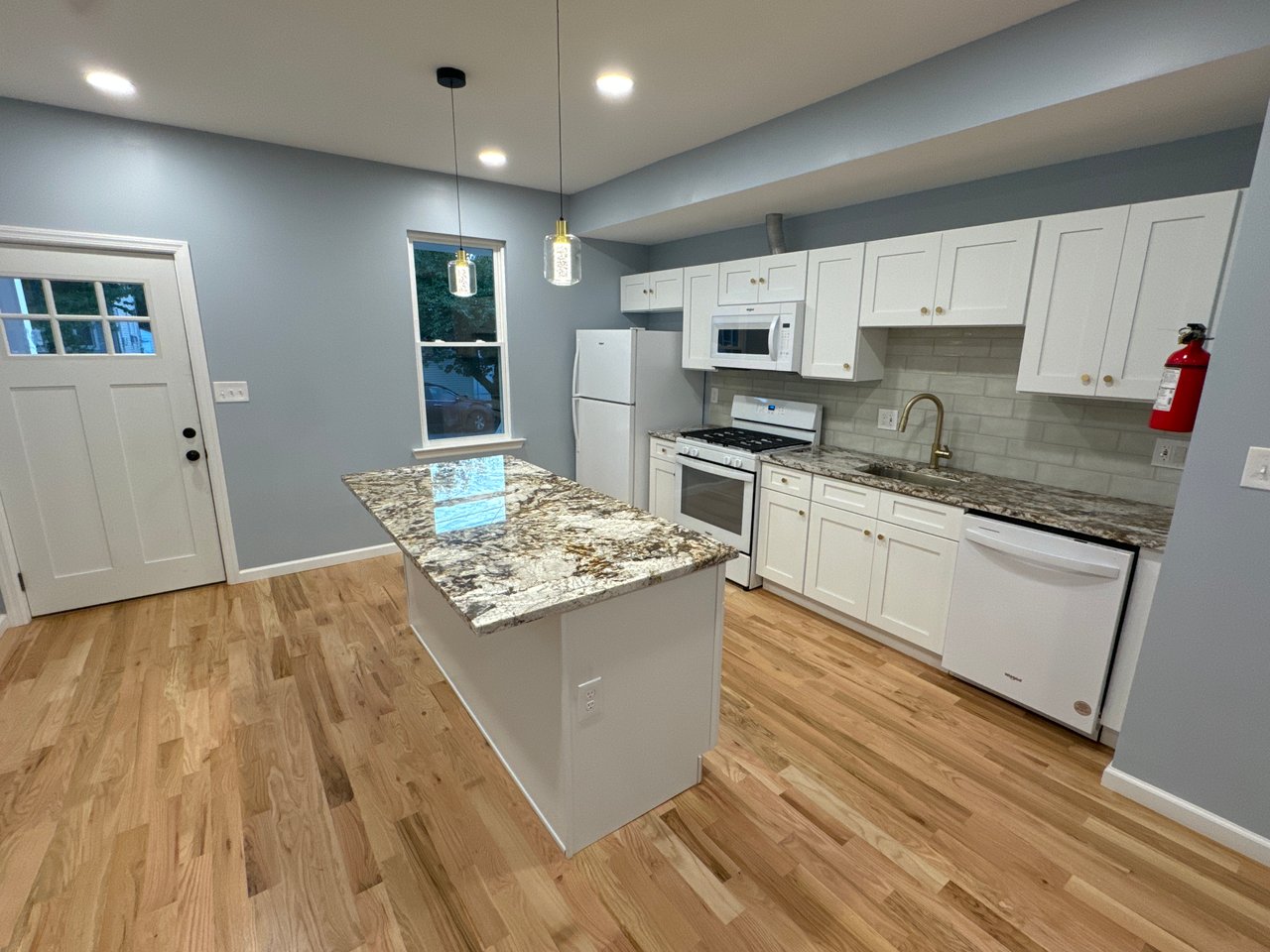
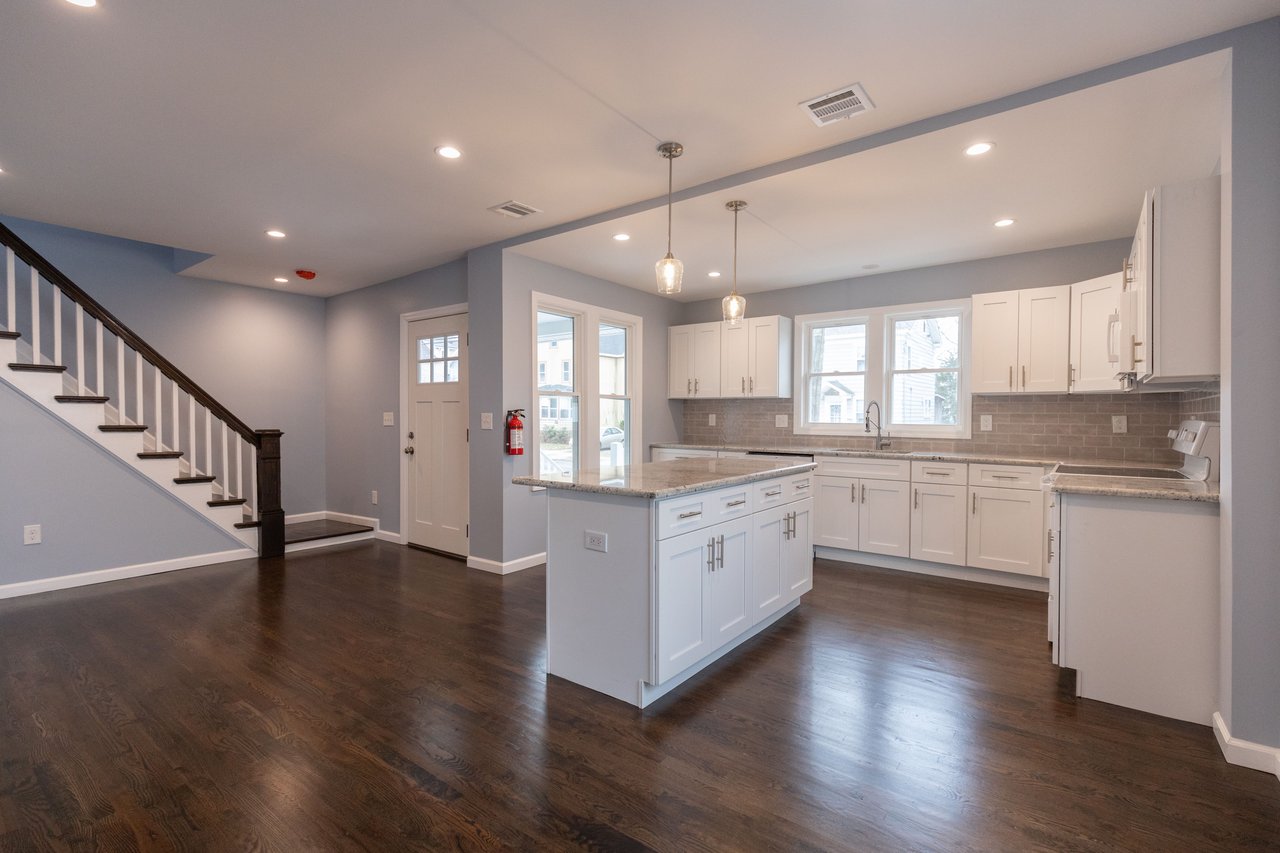
- Durable counters that are easy to maintain
- Modern cabinets with simple, clean lines
- Easy-clean tile and moisture-resistant materials
- Strong ventilation in baths and kitchens
- LED lighting for lower maintenance and better brightness
- Reliable appliances that fit the unit class
These upgrades can improve tenant experience and reduce turnover wear without pushing renovation costs beyond what local rents can reasonably support.
Add Laundry for Leasing Power
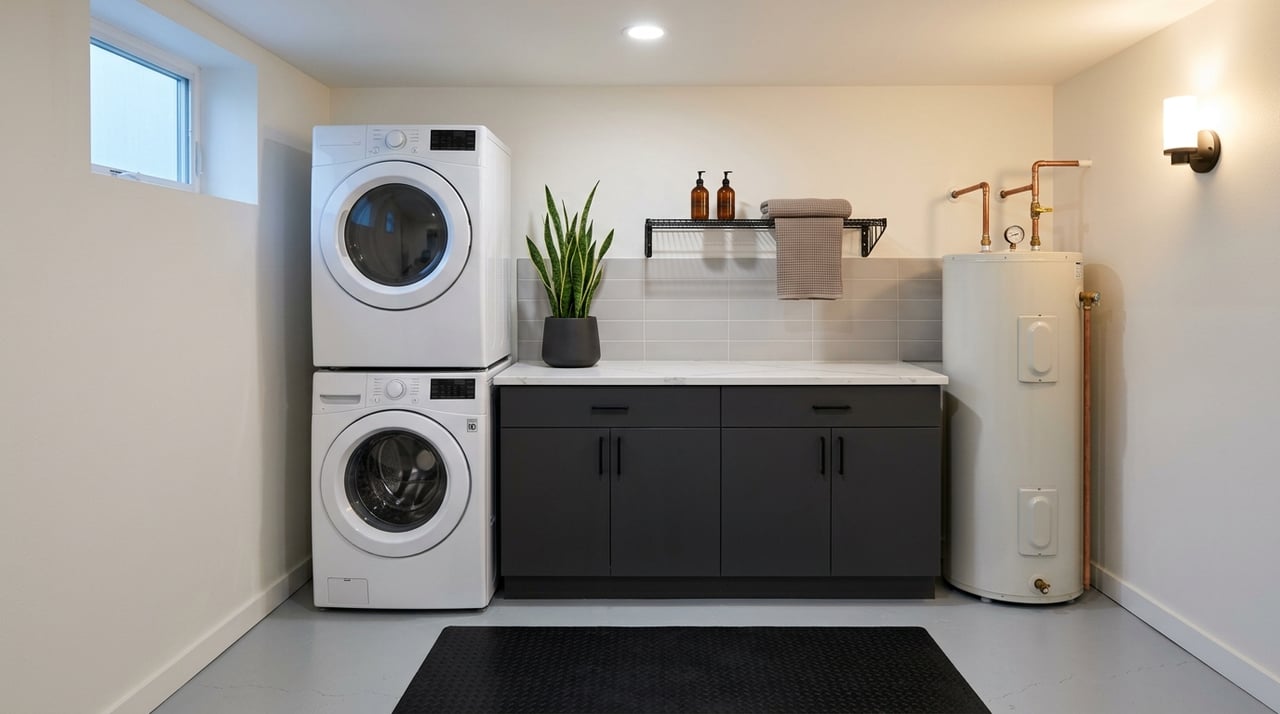
In-unit laundry or laundry hookups can be a meaningful amenity in older Elizabeth rentals. Current listings show laundry access as a recognizable feature in the local market, especially in smaller multifamily buildings and older flats.
For many tenants, laundry is not a luxury. It is a convenience that affects day-to-day quality of life and can help your unit compete better against similar nearby options.
There is an important underwriting detail, though. Elizabeth’s rent-control code states that the addition or improvement of laundry rooms is not treated as a capital improvement for surcharge purposes. In simple terms, laundry may still help you lease faster or retain tenants longer, but you should not assume it automatically creates a rent-control pass-through.
Solve Moisture and Basement Problems Early
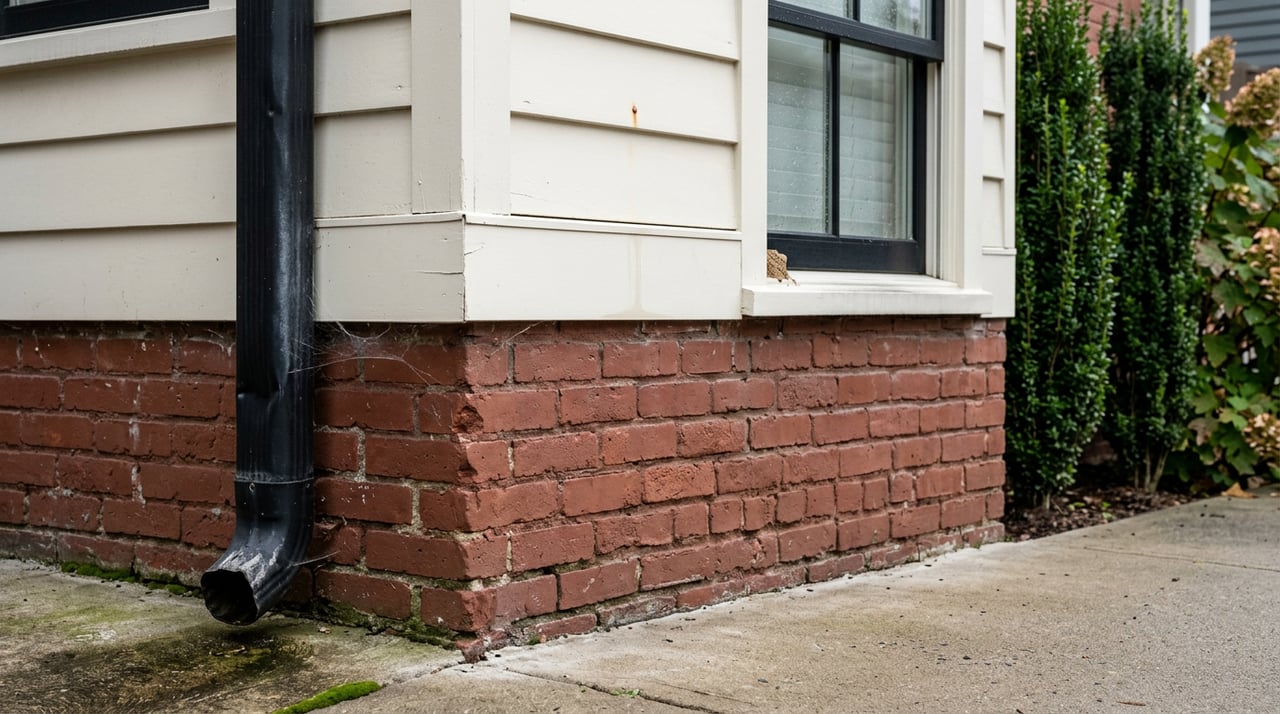
One of the most important value-add themes in Elizabeth has little to do with countertops or flooring. The city’s housing plan specifically flags basement flooding, mold growth, drainage problems, and outdated electrical systems as recurring issues in older housing.
If you skip those items and spend mostly on finishes, you may create a unit that looks better in photos but still performs poorly in real life. Moisture issues can drive tenant complaints, maintenance calls, and long-term damage.
High-priority systems work
- Sump and drainage improvements where needed
- Dehumidification in moisture-prone basements
- Moisture-resistant materials in vulnerable areas
- Electrical updates in older properties
- Better ventilation to reduce humidity buildup
For long-term holds, this category often protects NOI more than a purely cosmetic renovation. Tenants feel comfort, dryness, and reliability immediately, even if those improvements are less visible during a showing.
Budget for Safety and Code Compliance
In older Elizabeth properties, safety and code items should be part of the renovation plan from day one. They are not optional extras.
The city’s older housing profile means many investors will be working on pre-1978 buildings. New Jersey requires certain pre-1978 rental dwellings to be inspected for lead hazards every three years or upon turnover, and renovation firms working in pre-1978 homes must use certified lead-safe work practices.
Compliance items to plan for
- Lead-safe planning for older rental properties
- Smoke and carbon monoxide compliance
- Secure entry hardware
- Durable common-area lighting
- Code-compliant work tied to the scope of renovation
These items may not be the most exciting part of a rehab budget, but they are essential to executing responsibly and protecting the asset.
Know How Rent Control Affects the Plan
If you are underwriting an Elizabeth project, rent control can change the math. The city’s ordinance applies to existing properties with four or more units, while two-unit buildings and certain owner-occupied three- and four-unit properties are exempt.
That means your renovation strategy may differ depending on the building type. A four-plus-unit property requires a closer look at how improvements affect operations, documentation, and any potential board review.
Just as important, Elizabeth’s code makes clear that normal repairs and painting are not rehabilitation. It also says replacing windows of similar quality is not a capital improvement. So even if those items help occupancy or reduce maintenance, they do not automatically create a rent adjustment opportunity.
Understand Substantial Rehabilitation Rules
For deeper repositioning projects, Elizabeth’s definition of substantial rehabilitation matters. According to the city code, the work must exceed 40% of the assessed value or value of the unit or building, comply with state and local codes, and be completed with proper local approval and permits where required.
The code also states that a vacant building or dwelling that is substantially rehabilitated can become decontrolled for one year after completion if the board approves the process. That makes documentation and scope control critical.
What that means for investors
- Track the renovation budget carefully against assessed value
- Document the full scope of work before construction starts
- Pull required permits for eligible work
- Keep records that support completion and code compliance
- Treat board review as part of the execution plan, not an afterthought
The city’s Rent Control office notes that the Fair Rental Housing Board hears capital improvement, substantial rehabilitation, and hardship applications at monthly meetings. This is a formal process, not something to handle casually after the work is done.
Treat Permits as Part of the Value-Add Strategy
In Elizabeth, permit discipline is part of good underwriting. The city routes building permits, bathroom remodels, and related work through its Construction department, and it also provides construction and zoning permit application pathways.
That matters for projects involving layout changes, new rough-ins, bath reconfigurations, or laundry additions. These are not just design choices. They can directly affect timeline, budget, and compliance.
A renovation that looks profitable on paper can lose momentum quickly if permit-sensitive work is treated like simple cosmetics. The more complex the repositioning, the more important it is to build approvals into your timeline from the start.
Match the Renovation to Elizabeth’s Rent Bands
The biggest mistake in older rental housing is often over-improving the asset. Elizabeth has solid rent support, but not every property can absorb high-end finishes or a luxury-level budget.
The stronger play is usually to match the renovation to what tenants in this market actually value: practical bedroom counts, better storage, cleaner kitchens and baths, laundry access, reliable systems, and a dry, comfortable building.
Here is a simple way to think about it:
| Renovation Type | Likely Local Value |
|---|---|
| Layout improvements | High |
| Laundry or hookups | Moderate to high leasing value |
| Mid-market kitchen and bath upgrades | High when durable |
| Basement moisture control | High operational value |
| Electrical and safety upgrades | Essential |
| Luxury finish packages | More limited upside |
In a market with many older two-families and small multifamily buildings, practical improvements usually outperform flashy ones.
Local Support May Also Be Available
Elizabeth’s Home Improvement Program states that the city administers grants for rehabilitating one-to-four family units and rental units. That may create added opportunity for some smaller long-term holds.
Still, local support does not replace careful underwriting. You still need to account for city approvals, rent-control limits where applicable, and lead-safe compliance when building the plan.
Bottom Line for Elizabeth Investors
If you are looking at older rental housing in Elizabeth, the best value-add strategy is usually straightforward. Improve the layout, add useful amenities, solve moisture and systems issues, and stay disciplined on permits and local rules.
That approach is more likely to support occupancy, reduce maintenance friction, and keep your renovation aligned with what the market can actually rent for. In a city where older housing dominates, the smartest projects are often the ones that make the building work better, not just look newer.
If you want a local partner who understands how to evaluate, renovate, and operate rental properties with a long-term hold mindset, Pete Tverdov can help you think through the numbers and the execution.
FAQs
What renovations add the most value to older Elizabeth rental properties?
- The most practical value-add renovations in Elizabeth are usually layout improvements, durable kitchen and bath updates, laundry access, moisture control, electrical upgrades, and other code-focused improvements that support daily livability and long-term operations.
Does Elizabeth rent control affect rental property renovations?
- Yes. Elizabeth’s rent-control ordinance applies to existing properties with four or more units, and some improvements may help leasing without automatically qualifying for a rent surcharge or capital improvement treatment.
Are laundry upgrades considered capital improvements in Elizabeth rentals?
- No. Elizabeth’s rent-control code says the addition or improvement of laundry rooms is not treated as a capital improvement for surcharge purposes.
Why is basement and moisture work important in Elizabeth older housing?
- Elizabeth’s housing plan identifies basement flooding, mold growth, and drainage issues as recurring problems in older properties, so moisture control can be just as important as visible interior finishes.
Do older Elizabeth rental properties need lead-safe renovation planning?
- Yes. In New Jersey, certain pre-1978 rental dwellings must be inspected for lead hazards every three years or upon turnover, and renovation work in pre-1978 homes must follow certified lead-safe practices.
When should you pull permits for an Elizabeth rental renovation?
- You should treat layout changes, bathroom reconfigurations, new rough-ins, laundry additions, and similar work as permit-sensitive and coordinate those approvals through the city’s construction and zoning processes as needed.