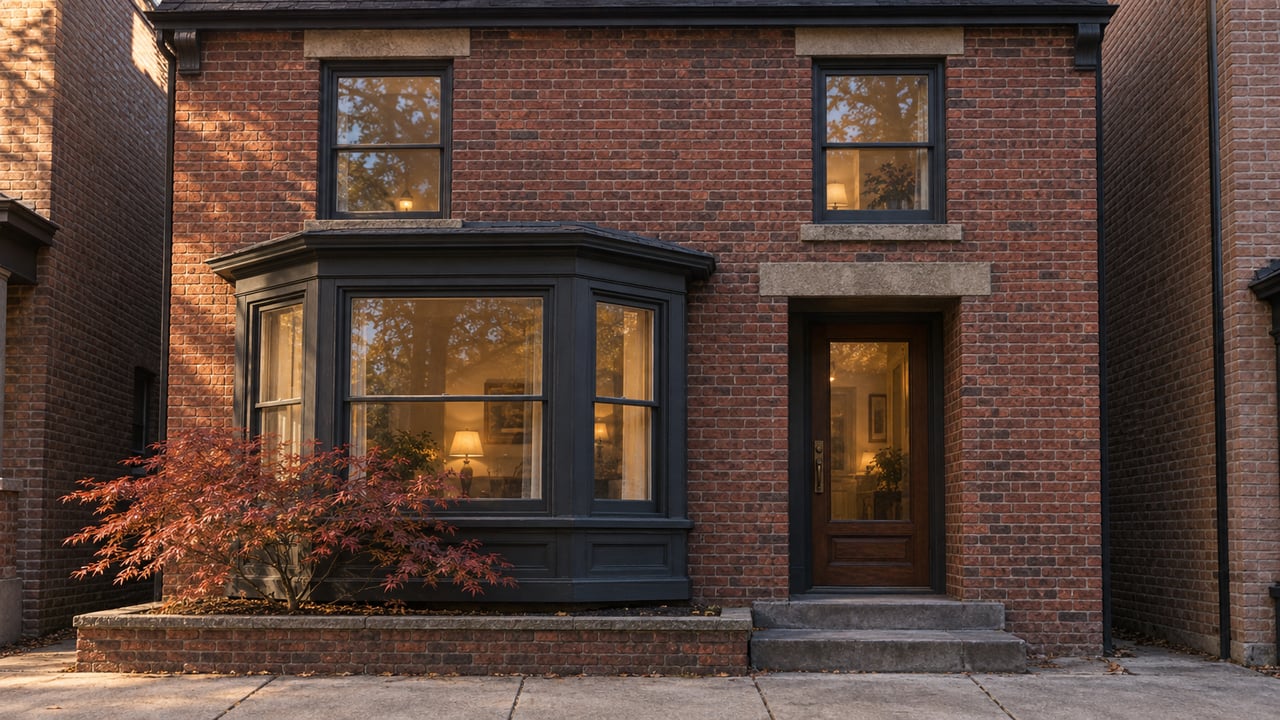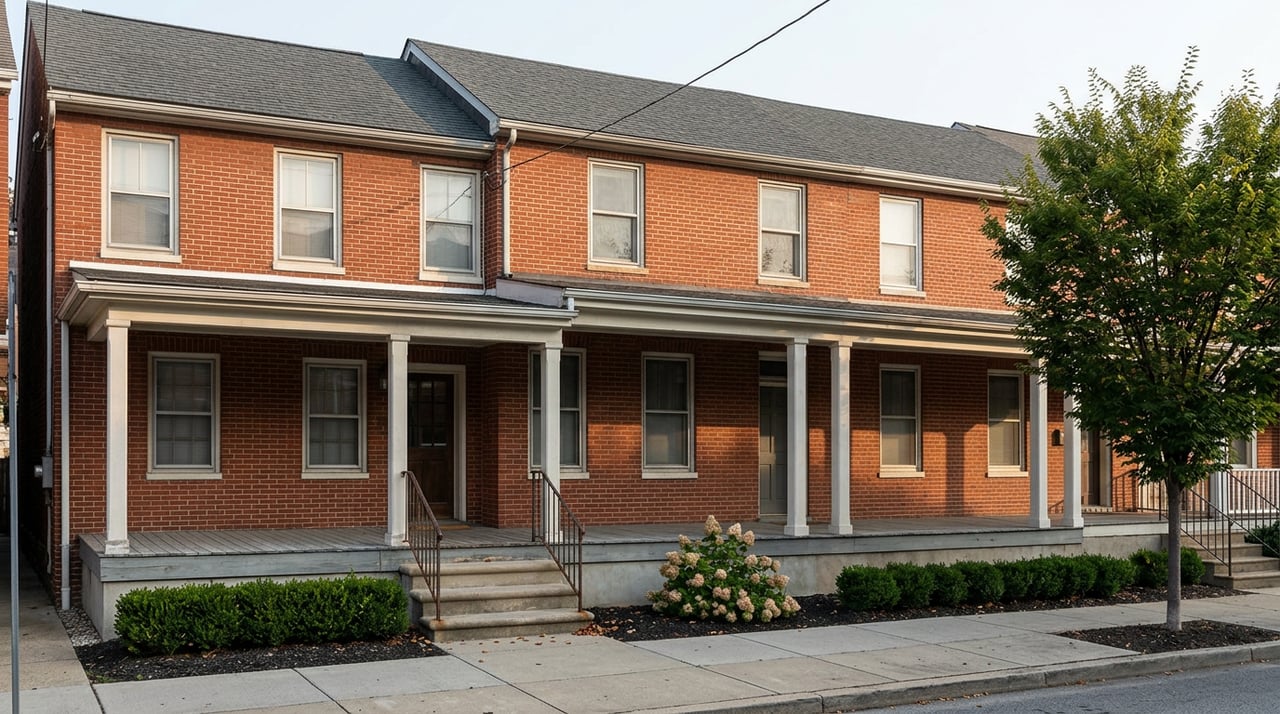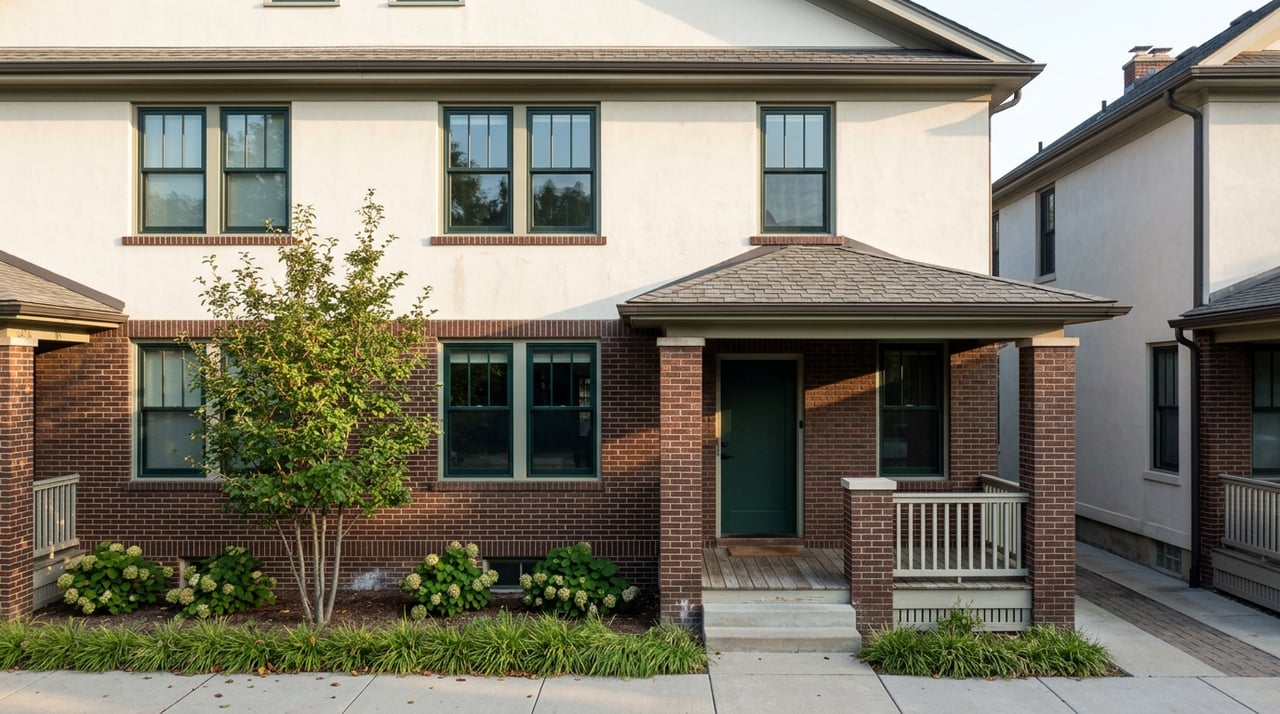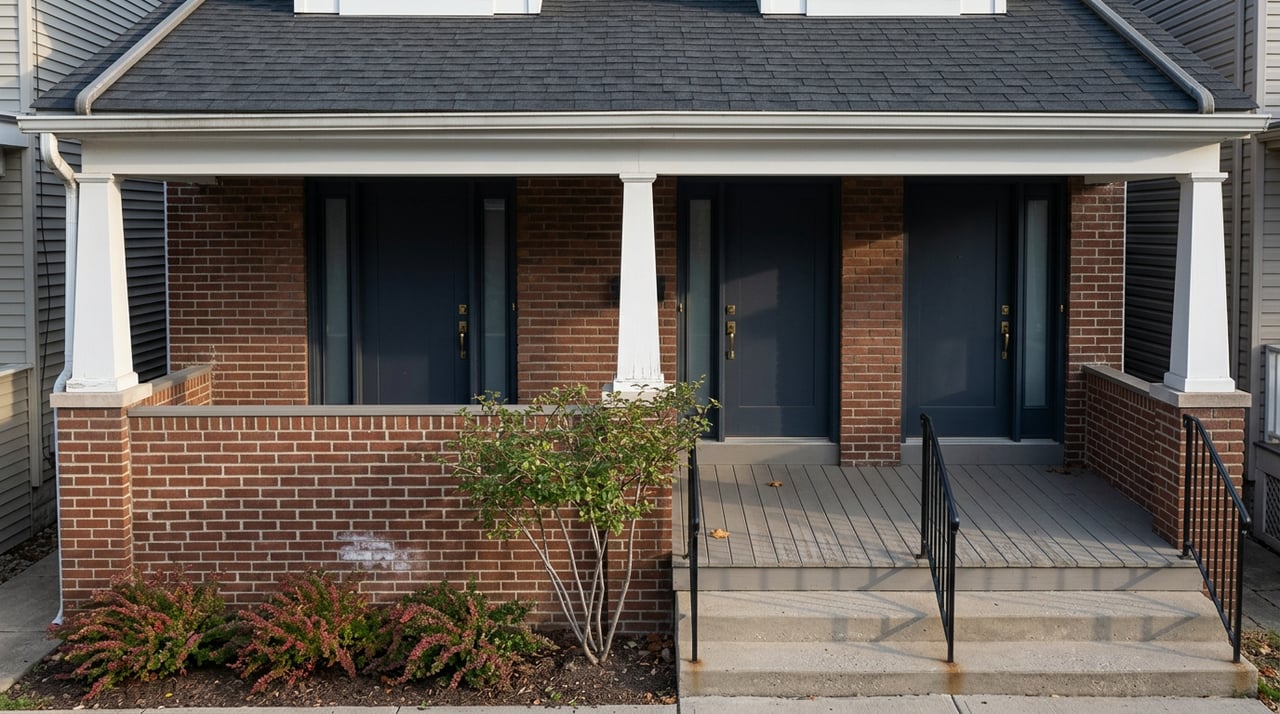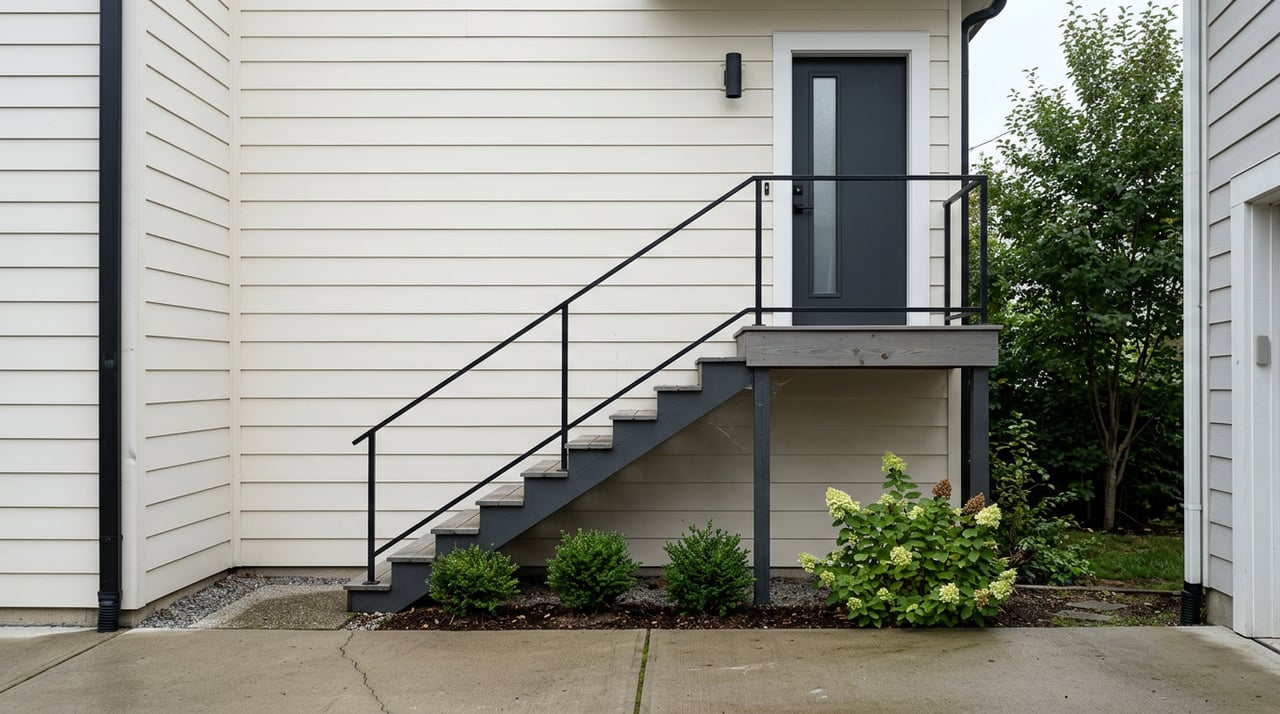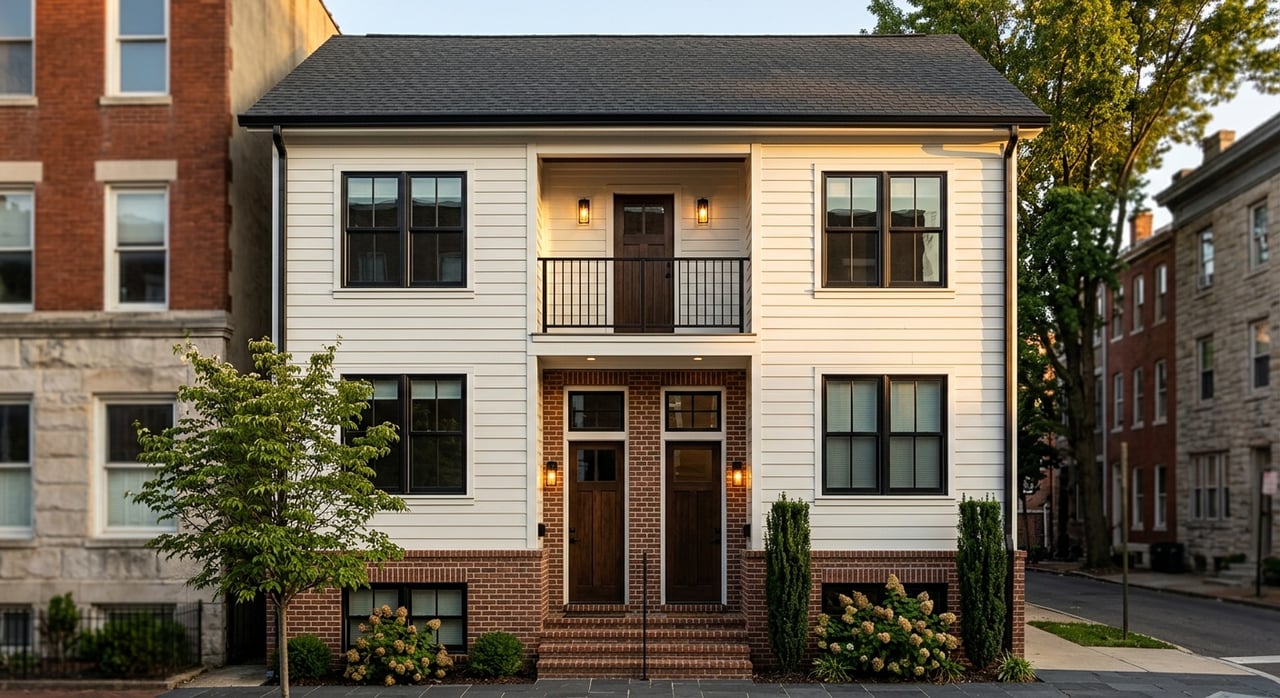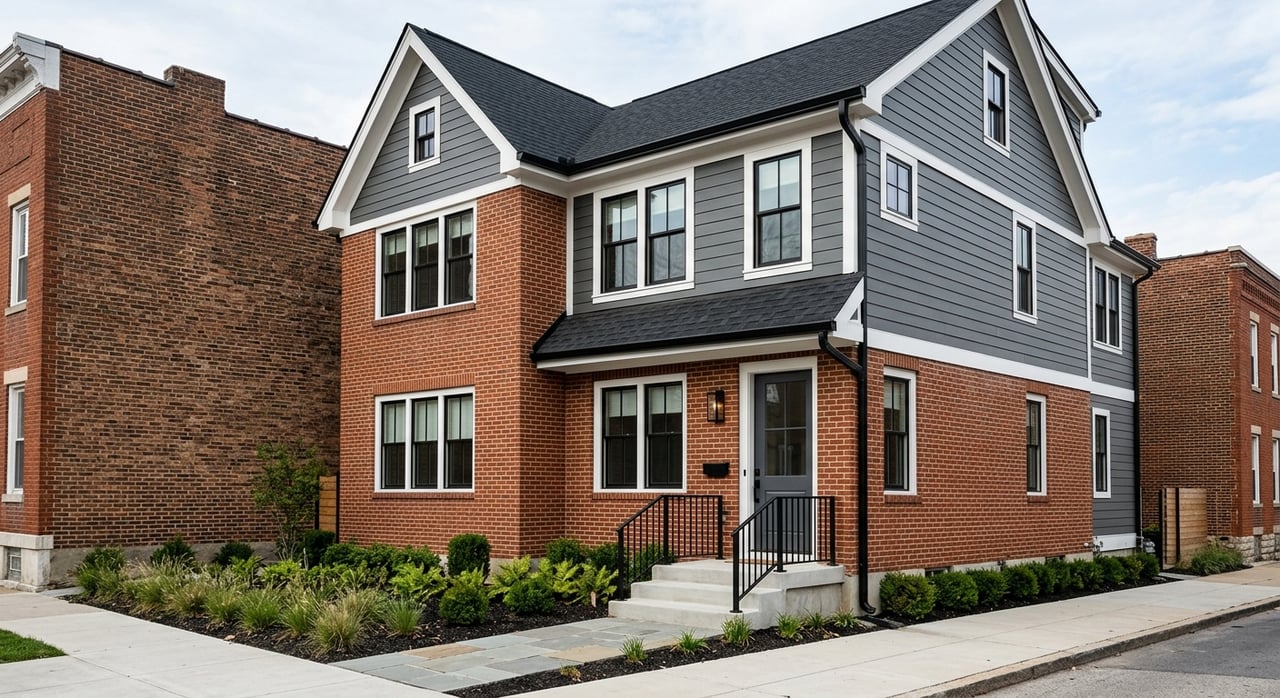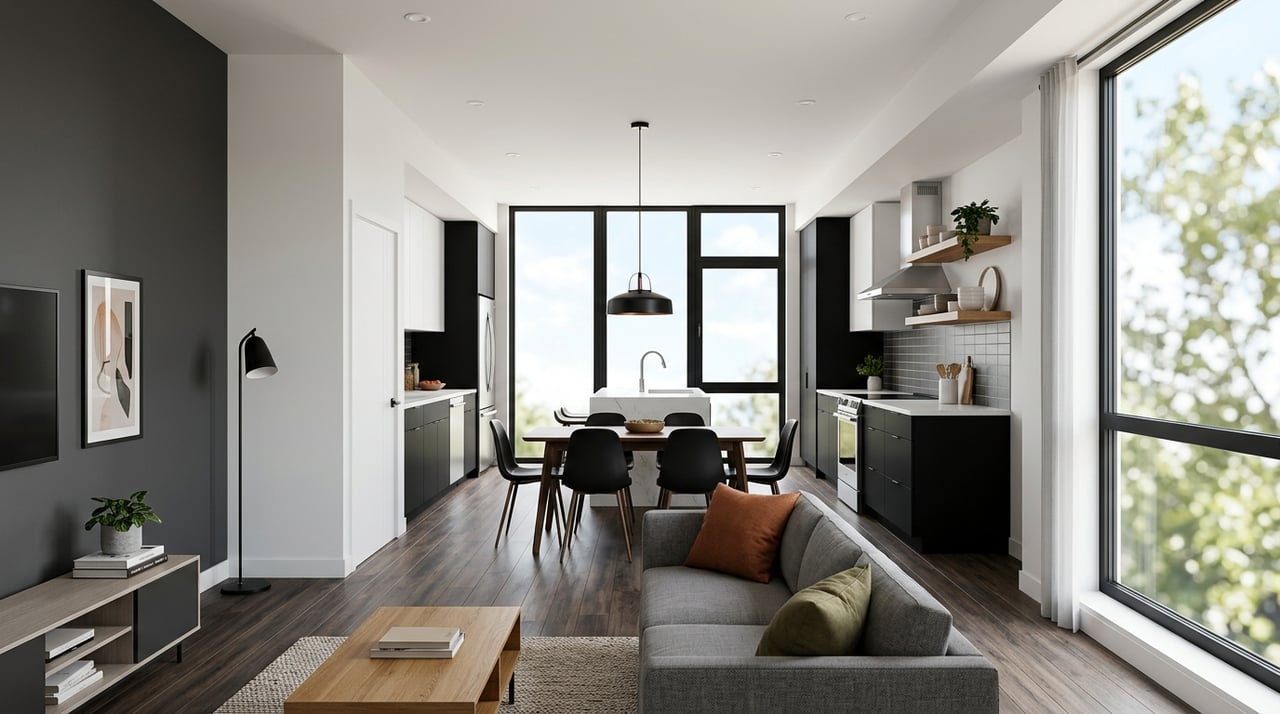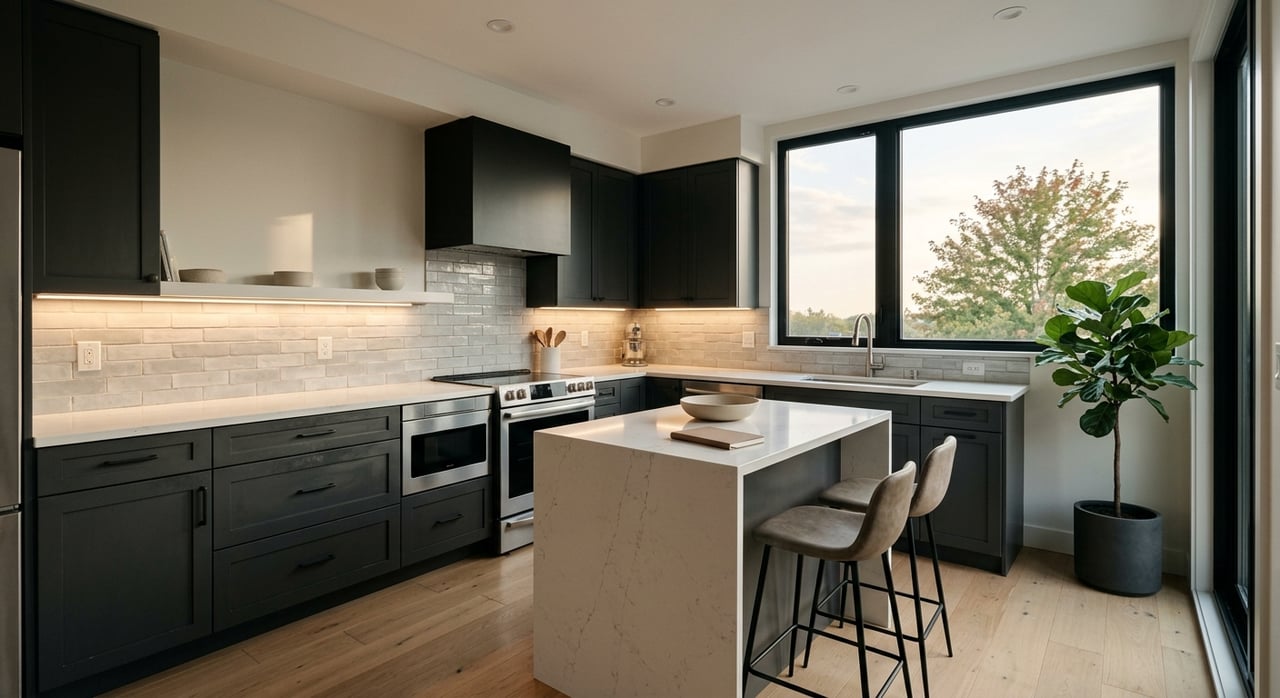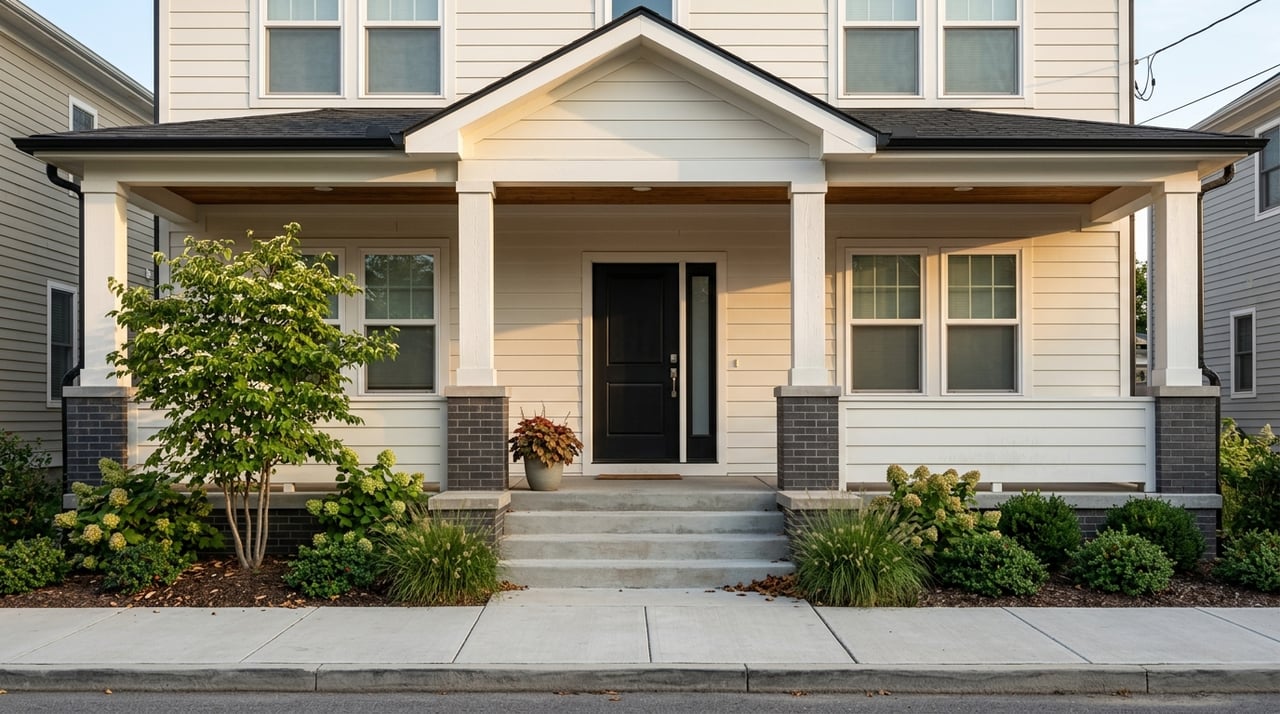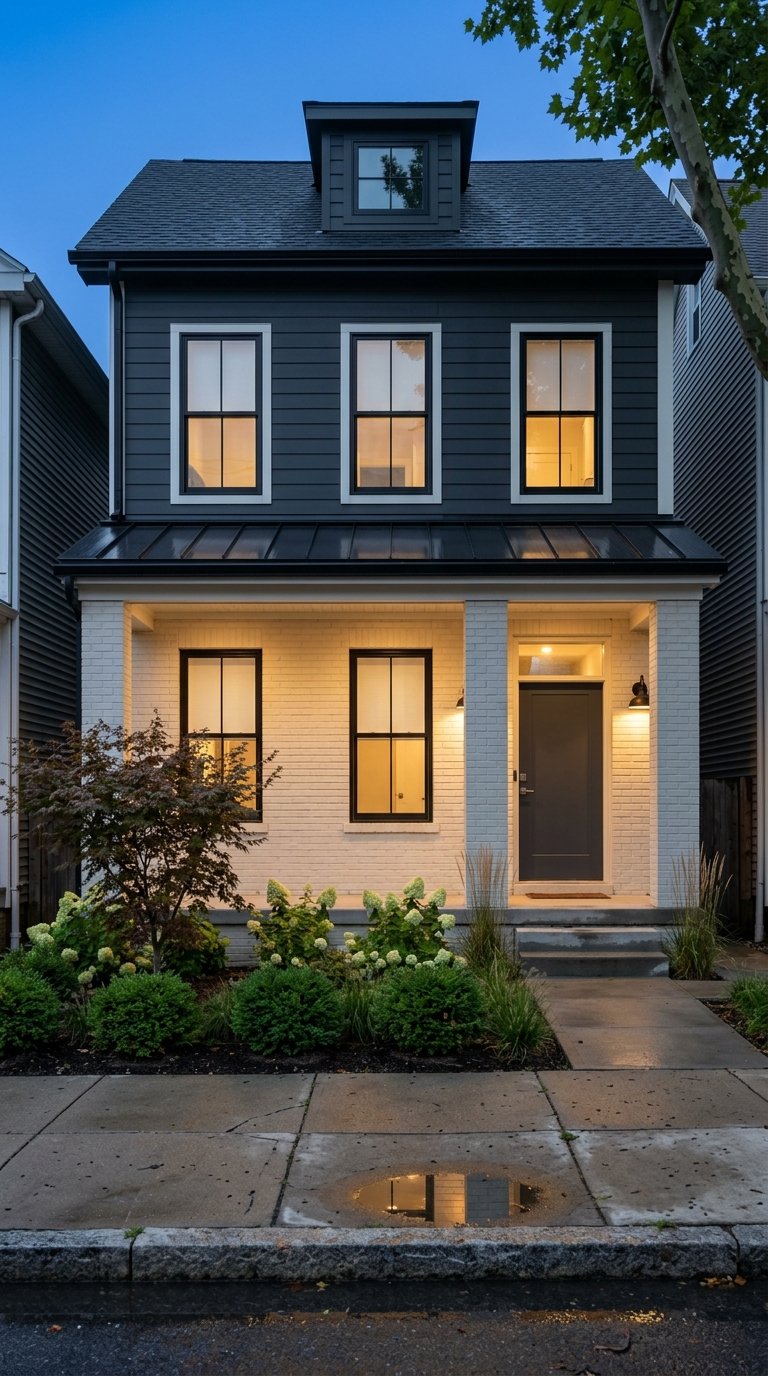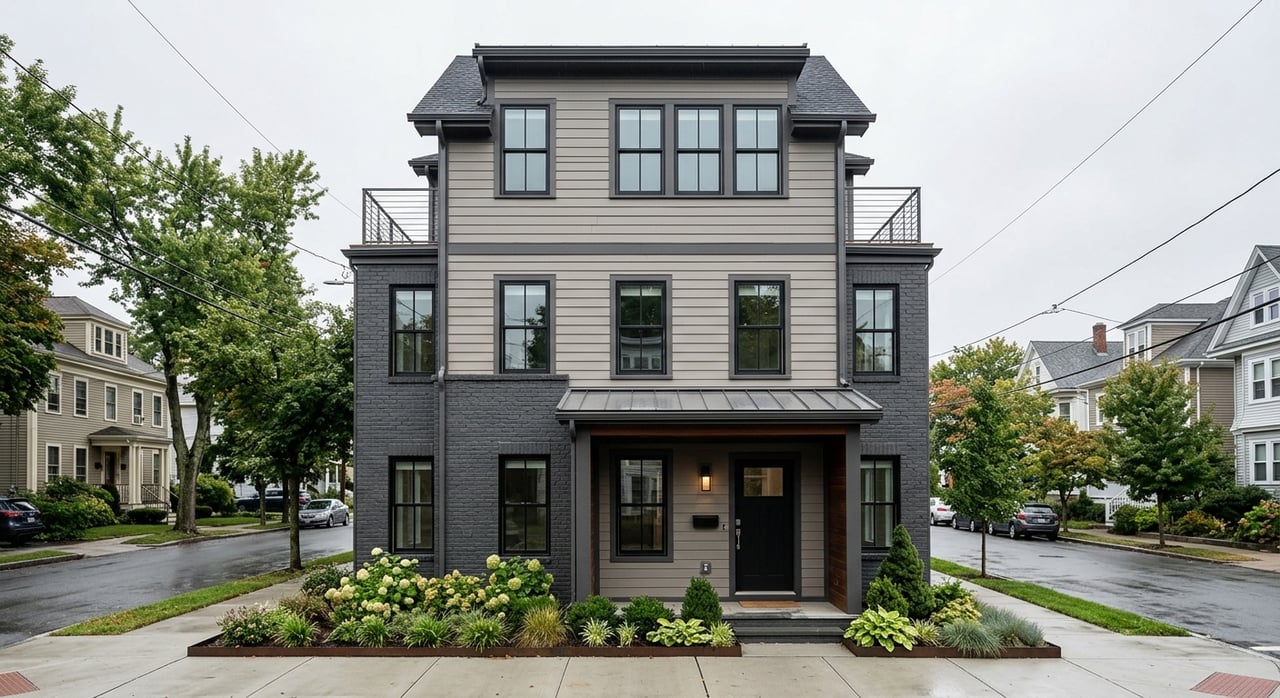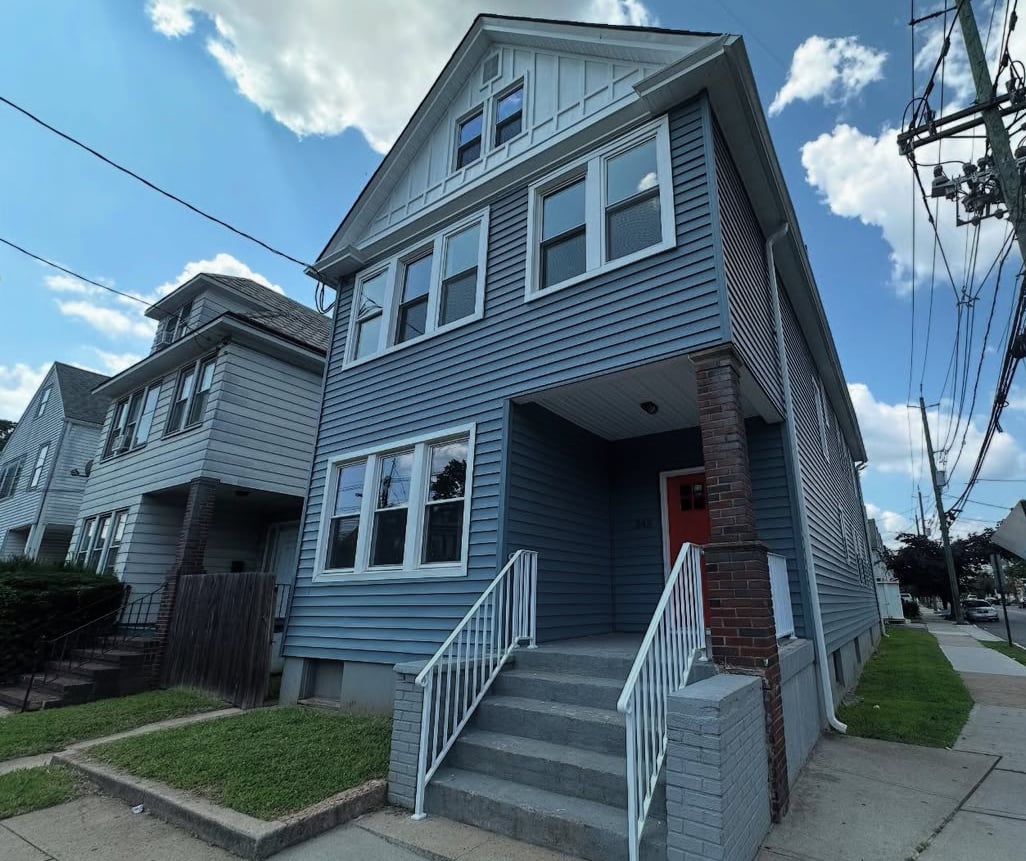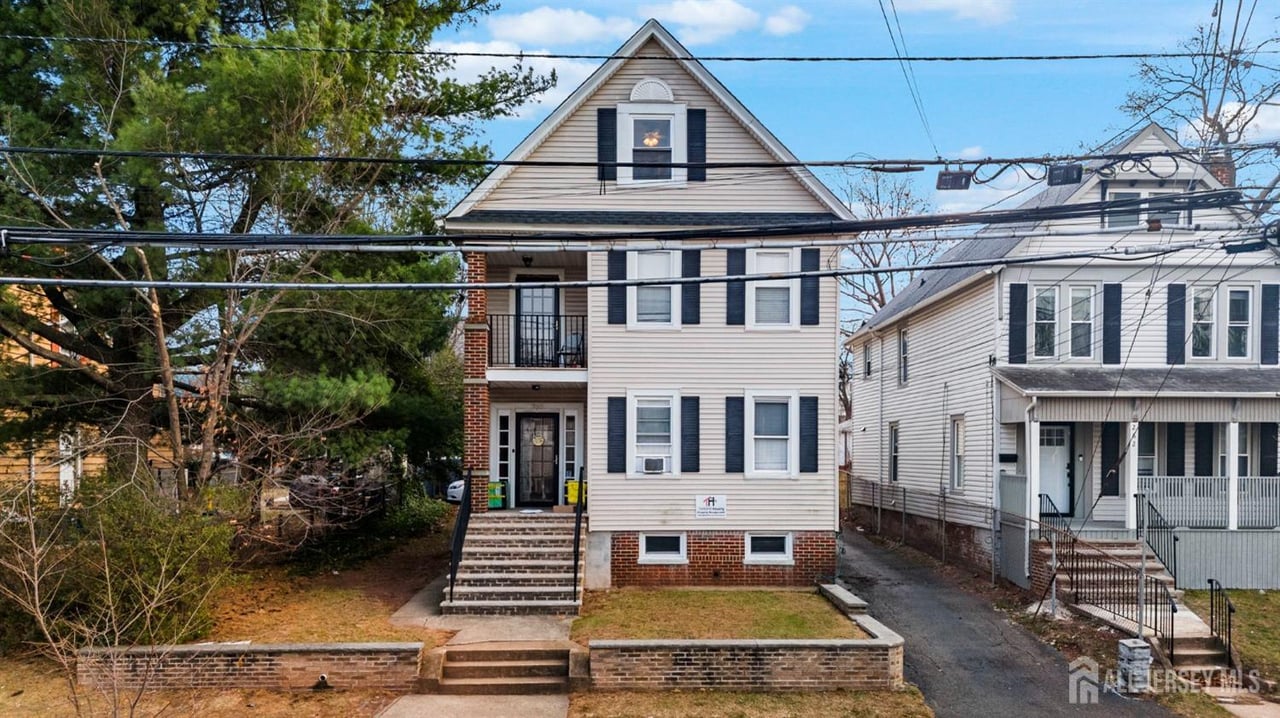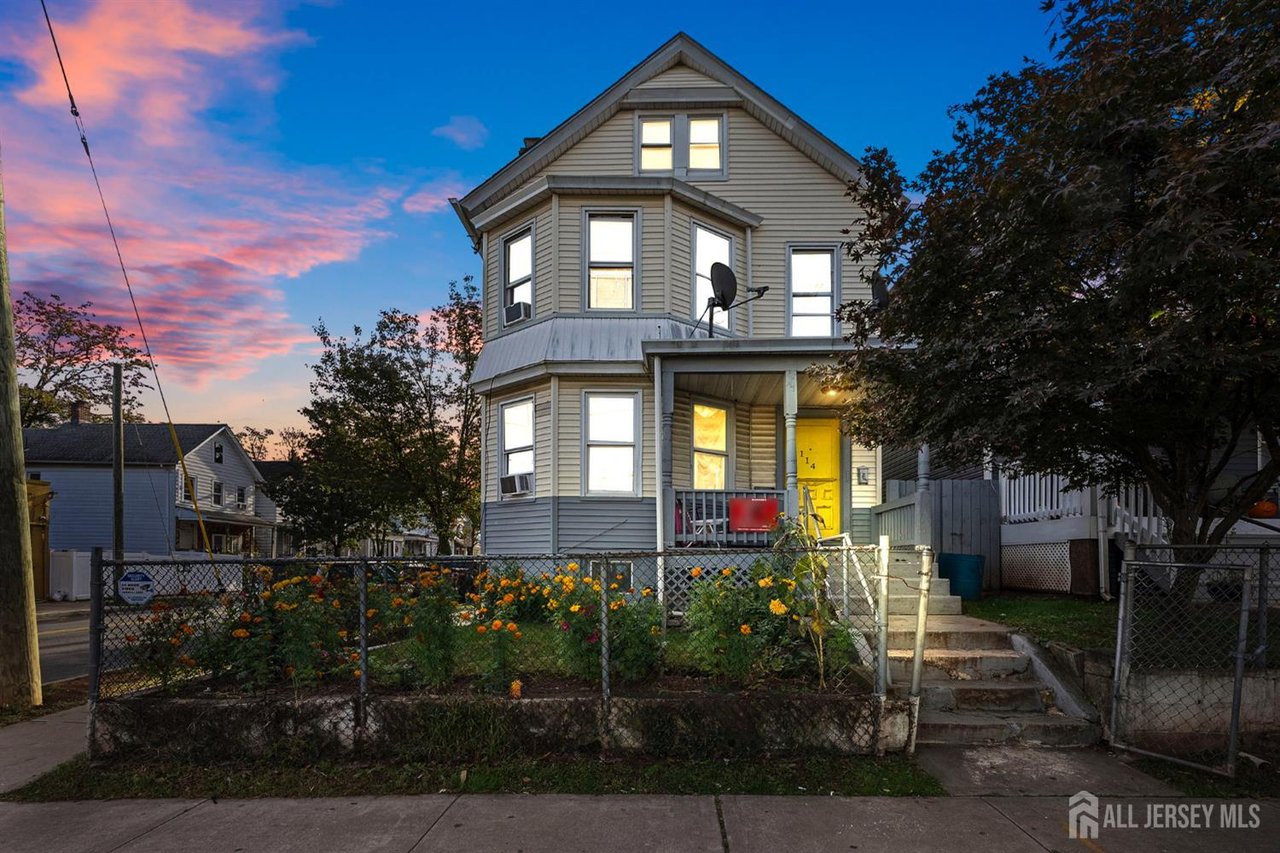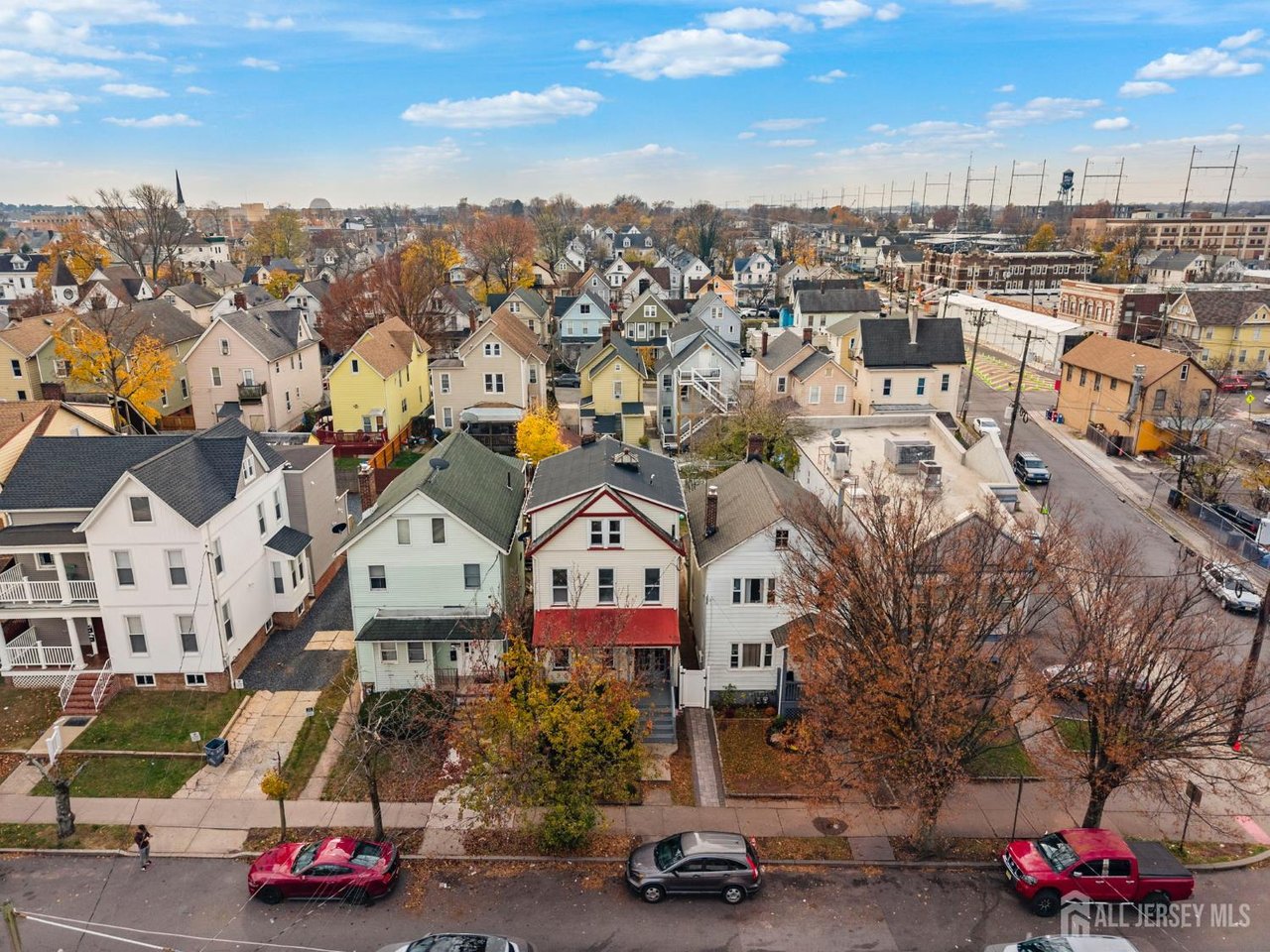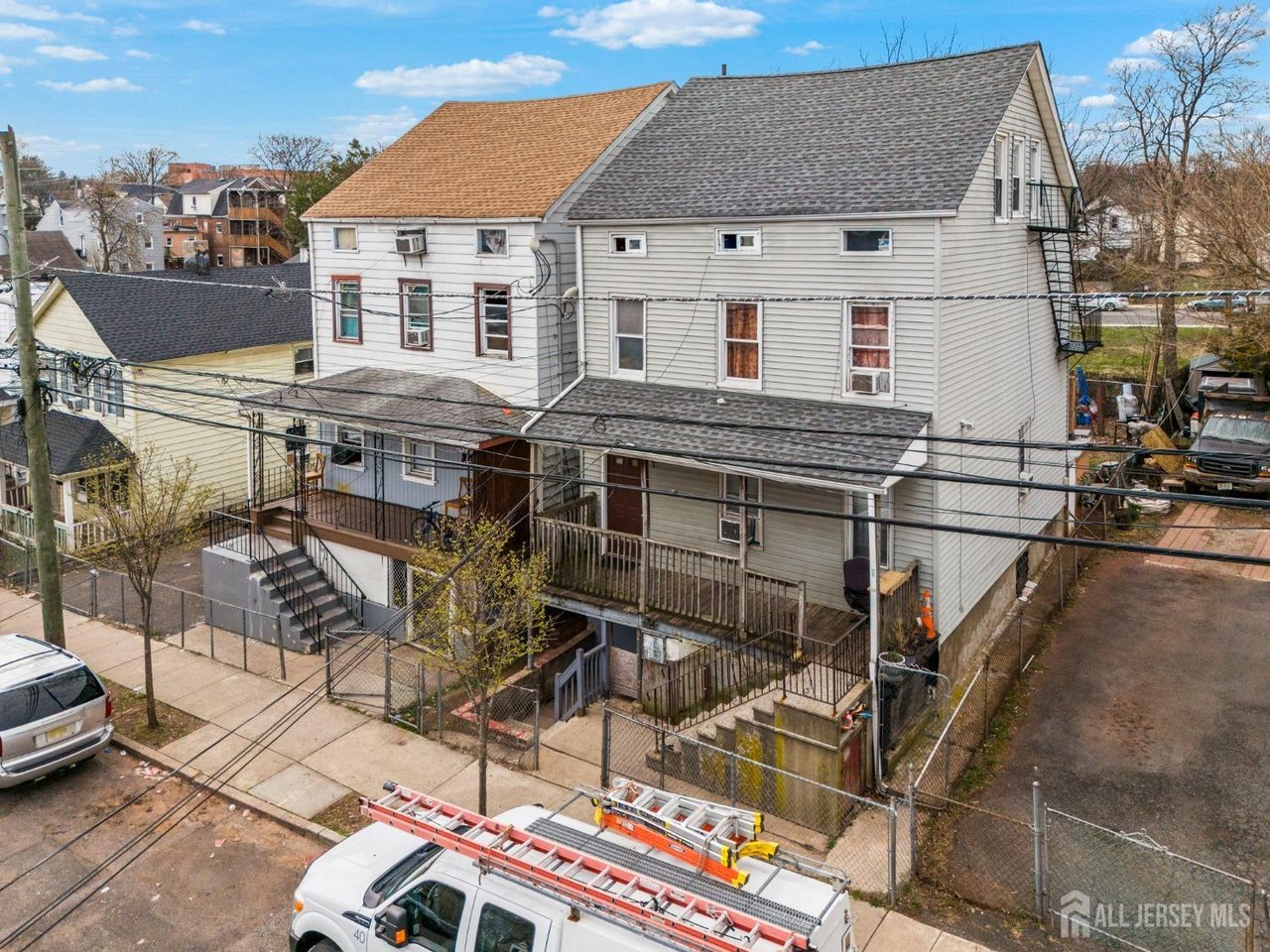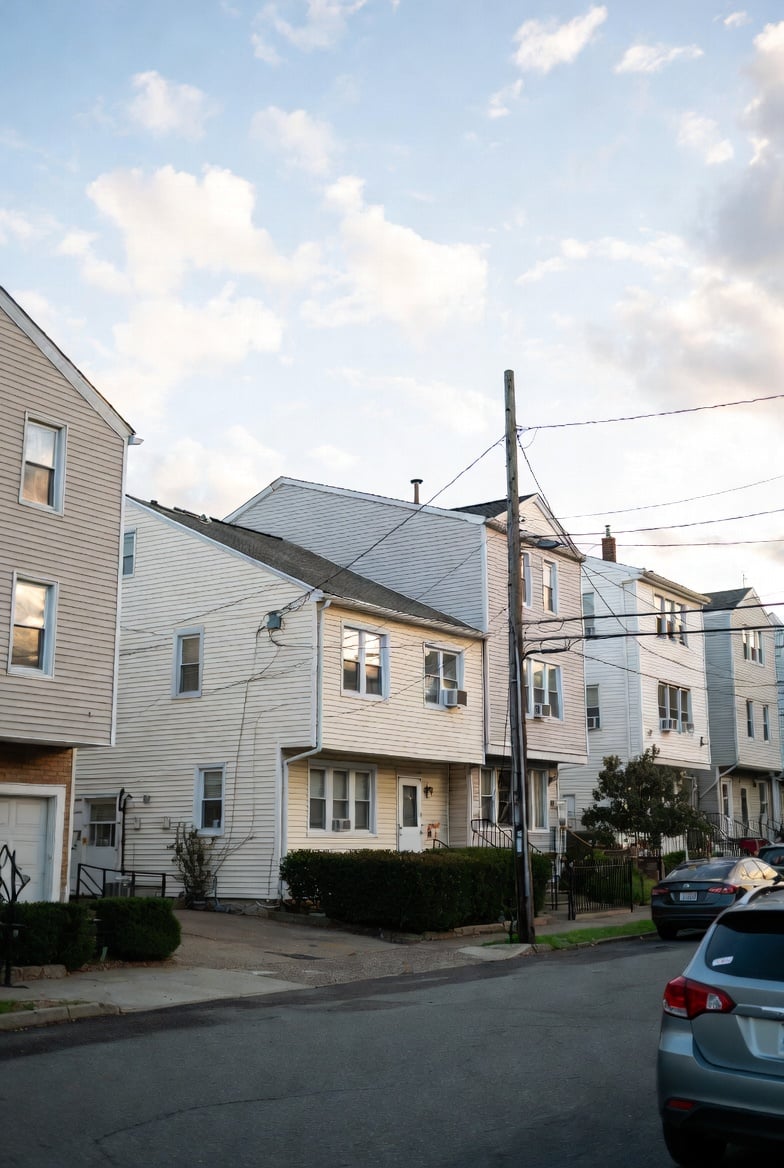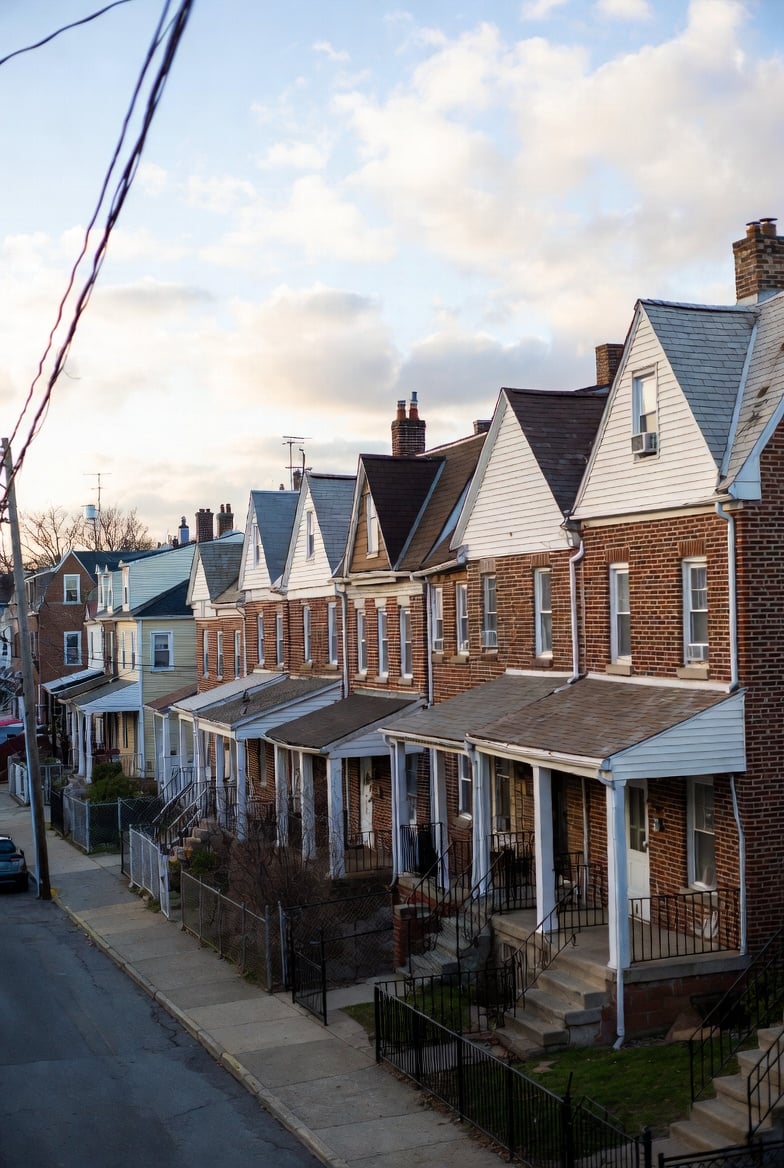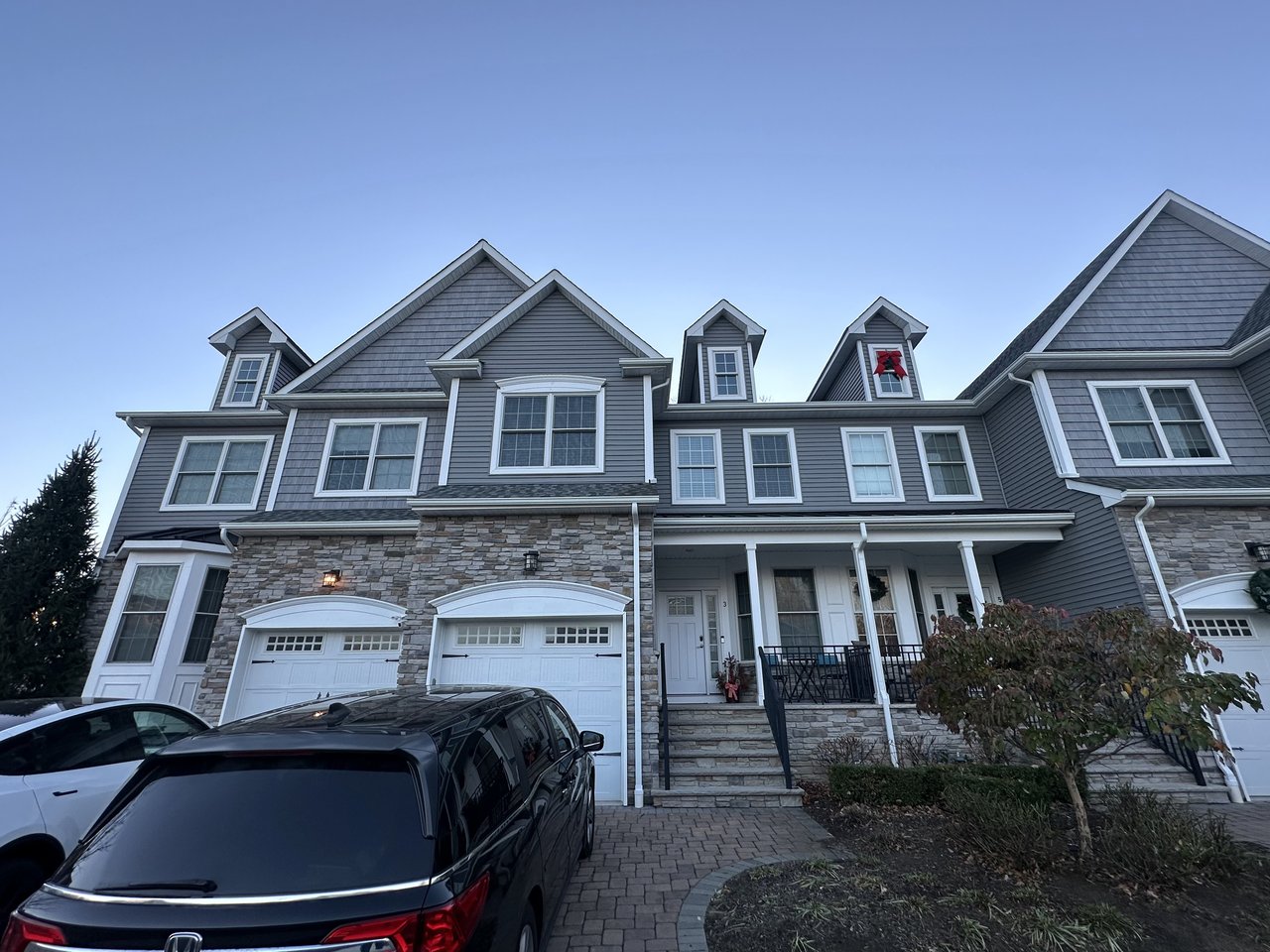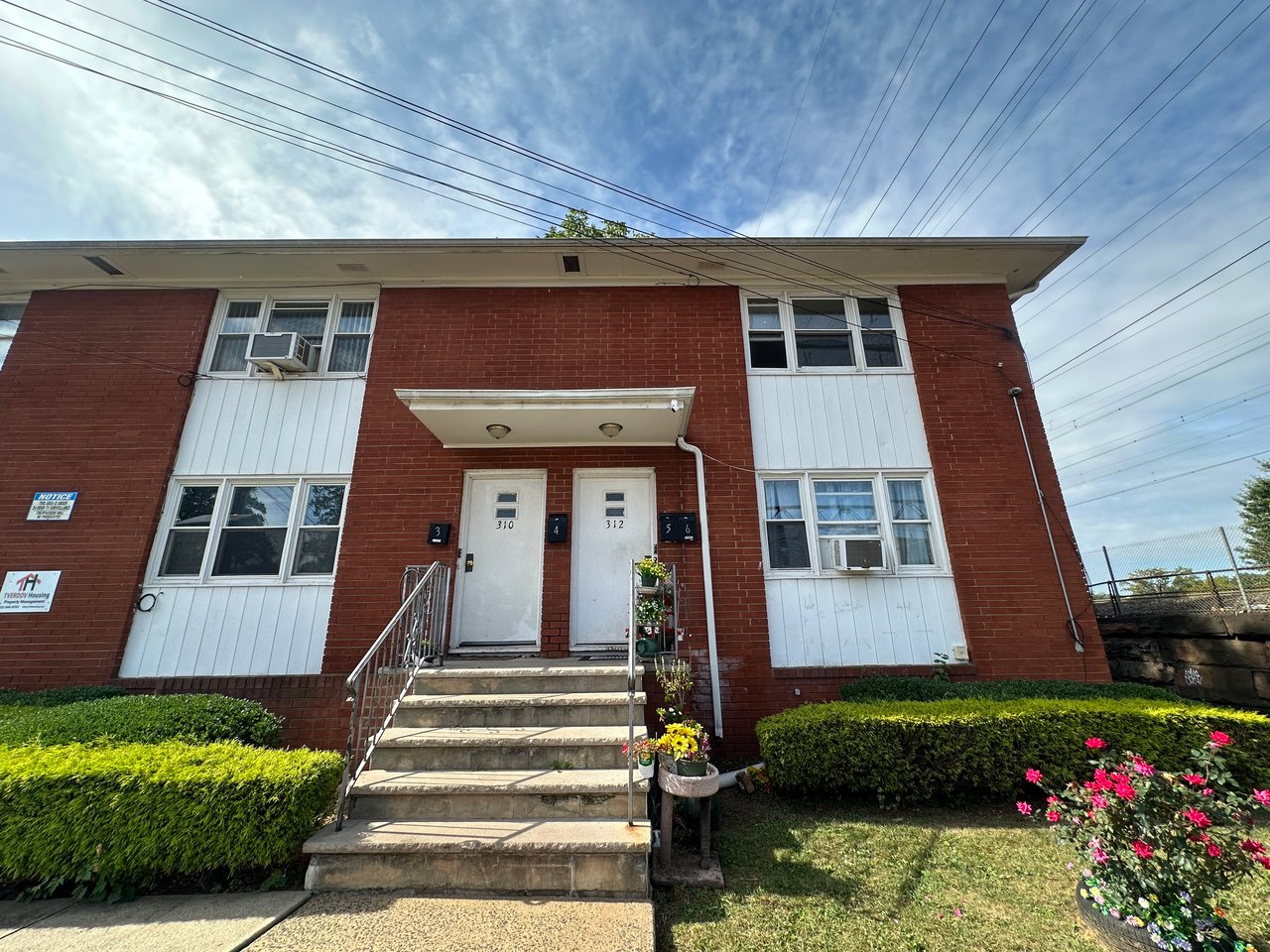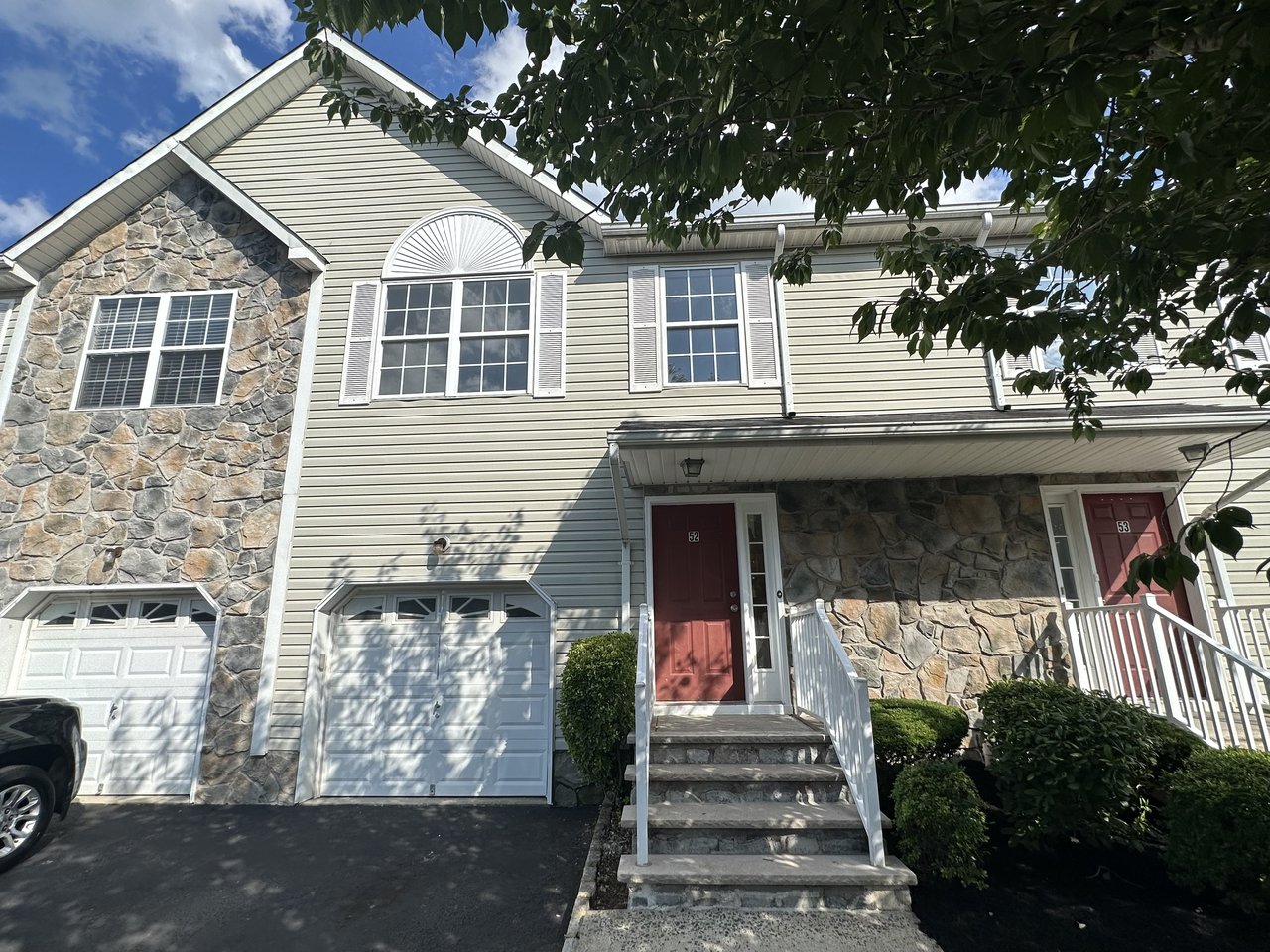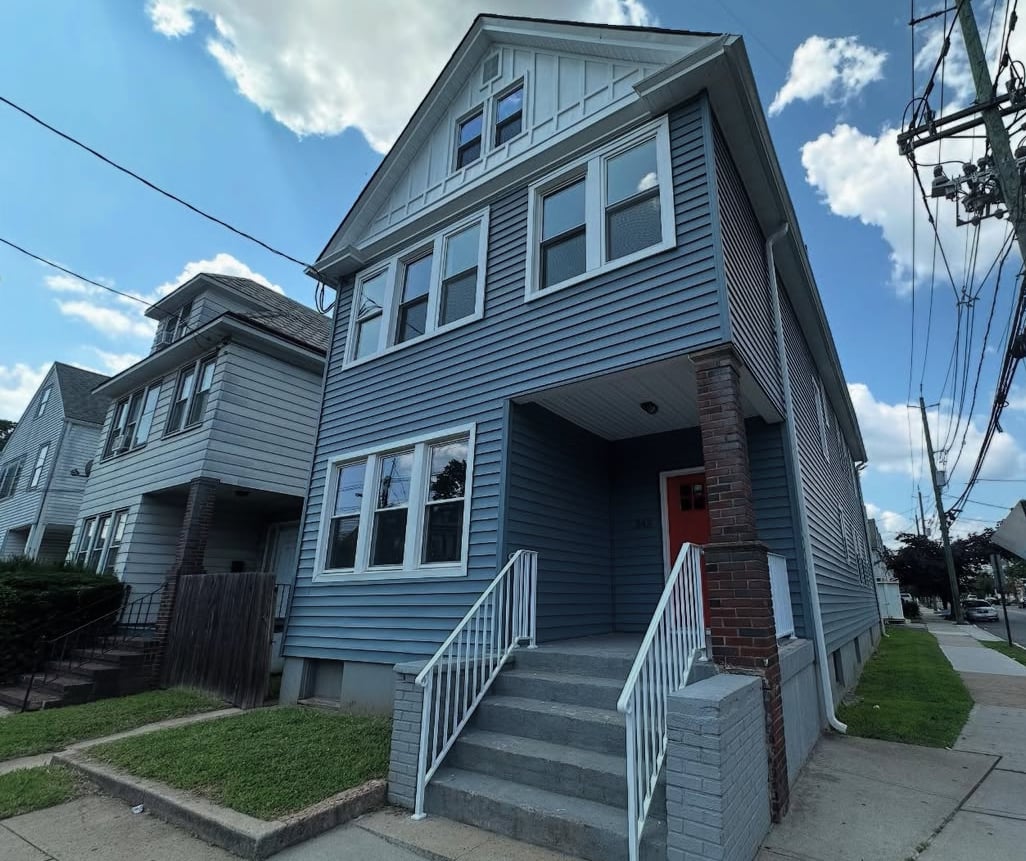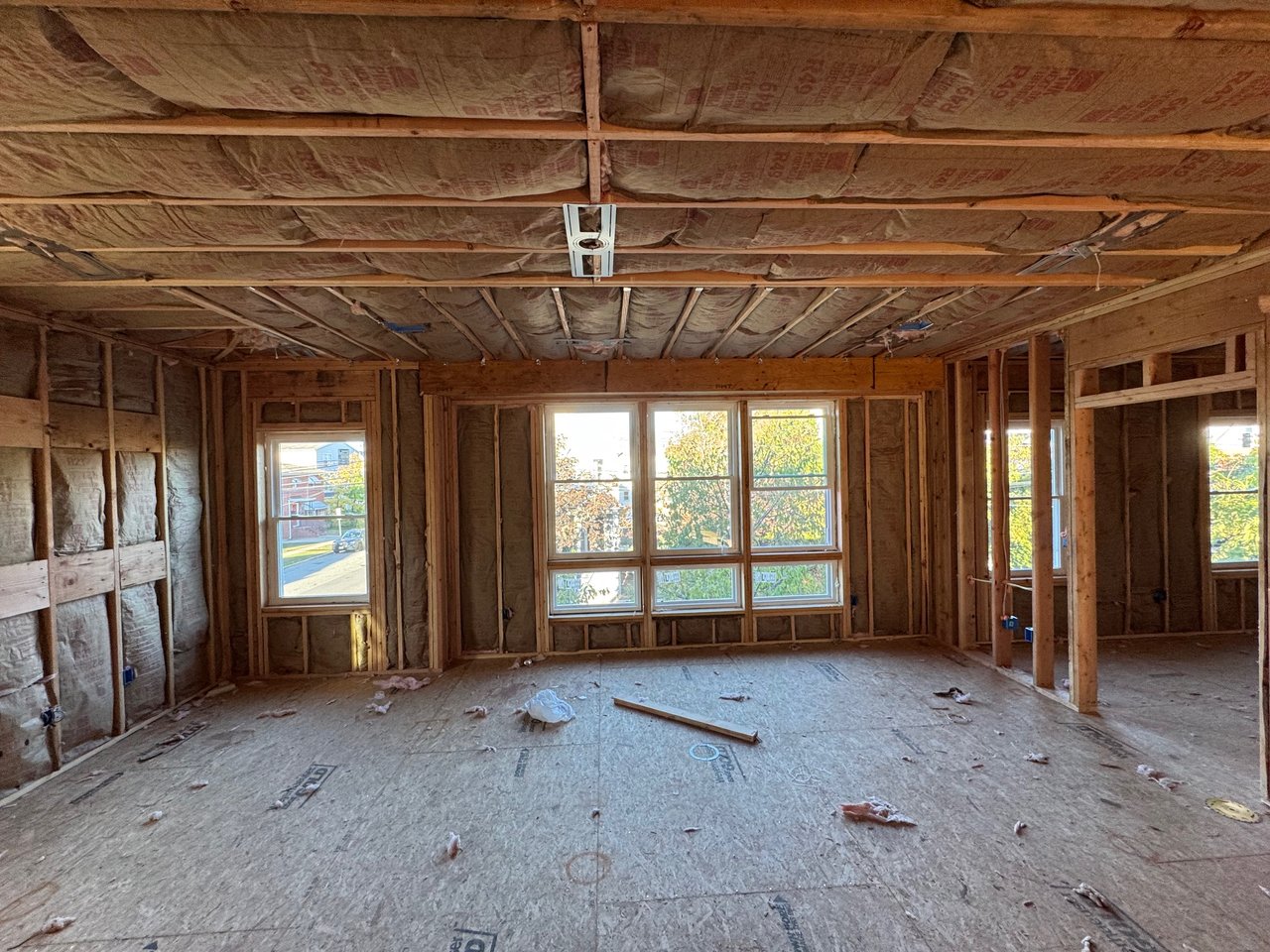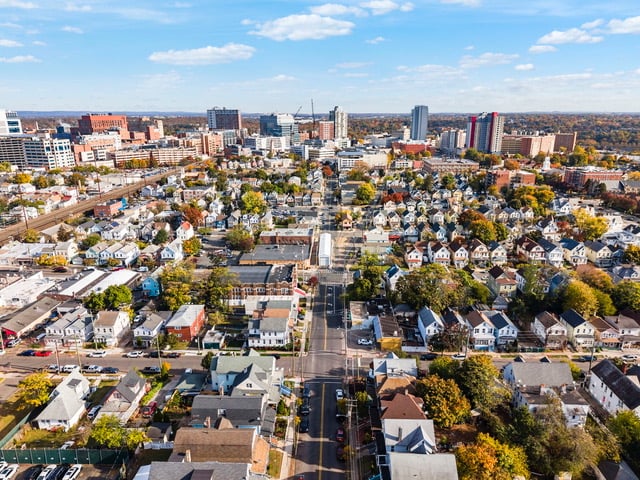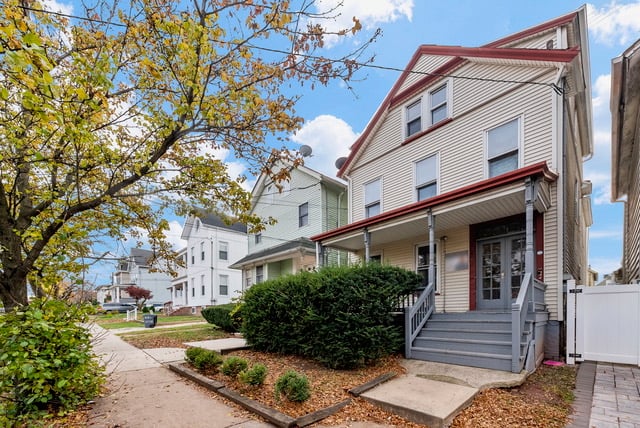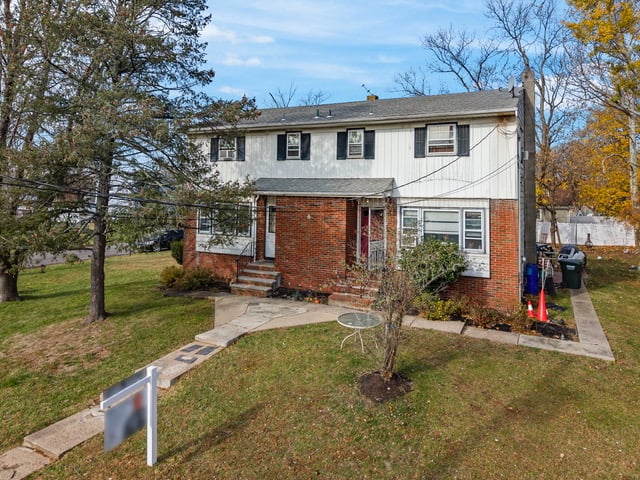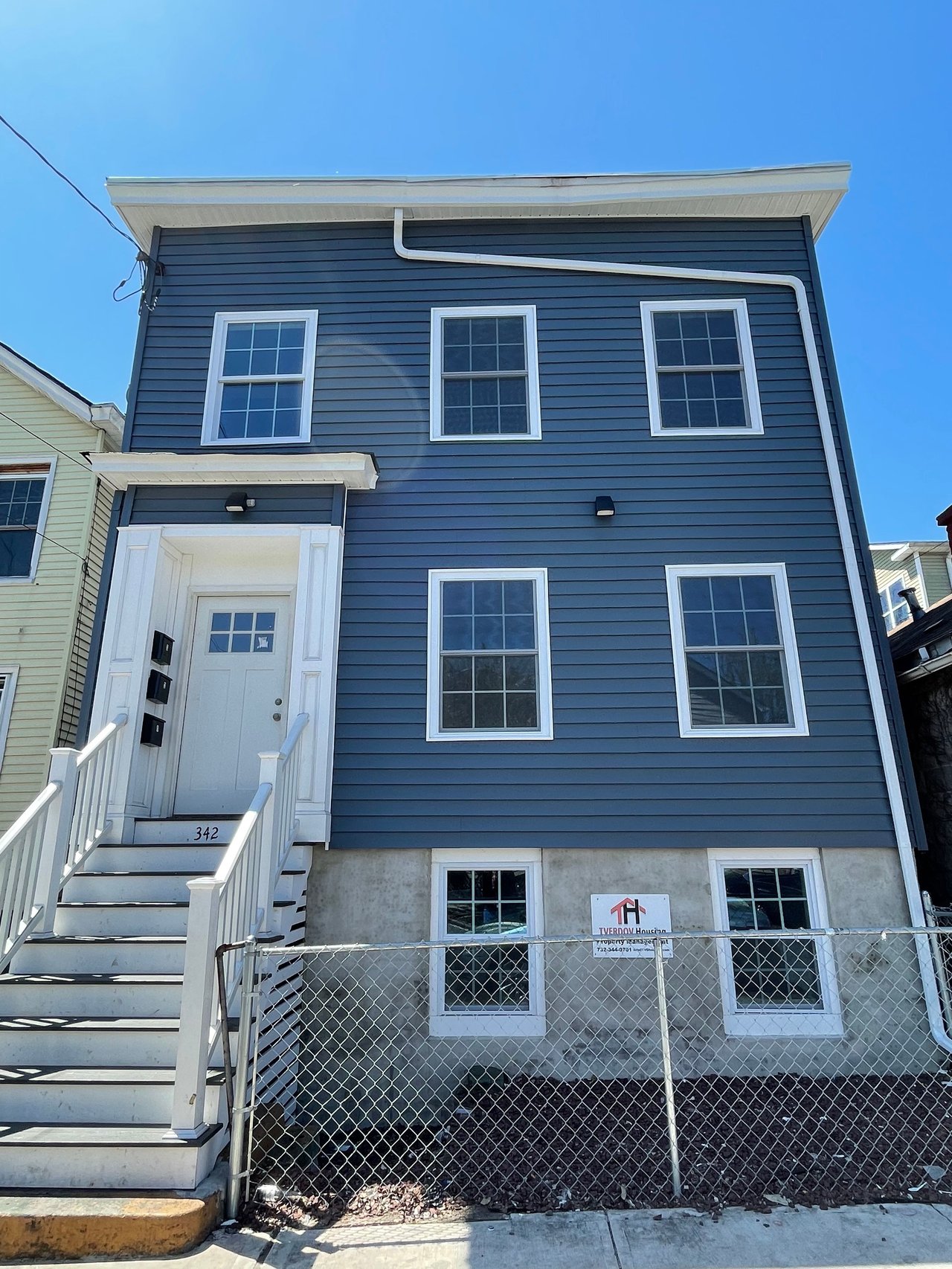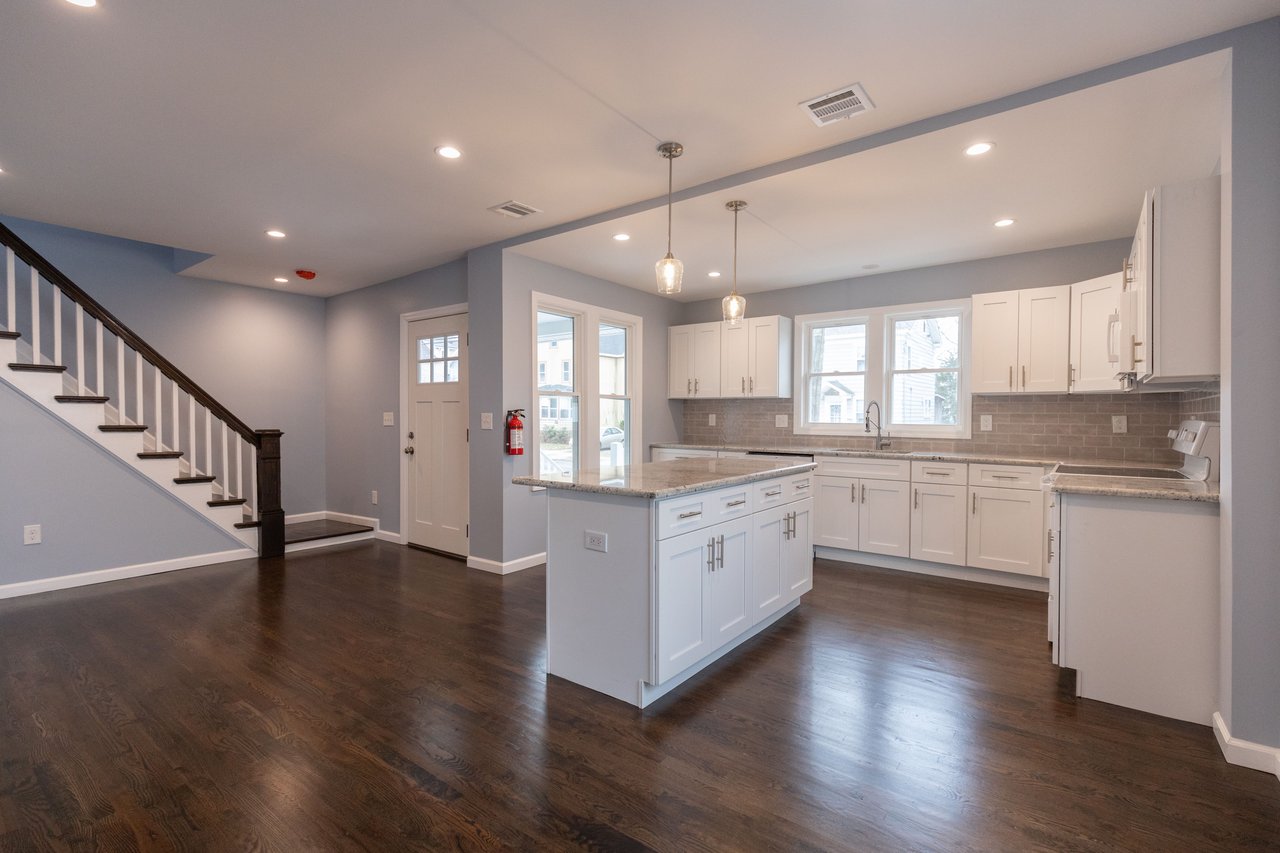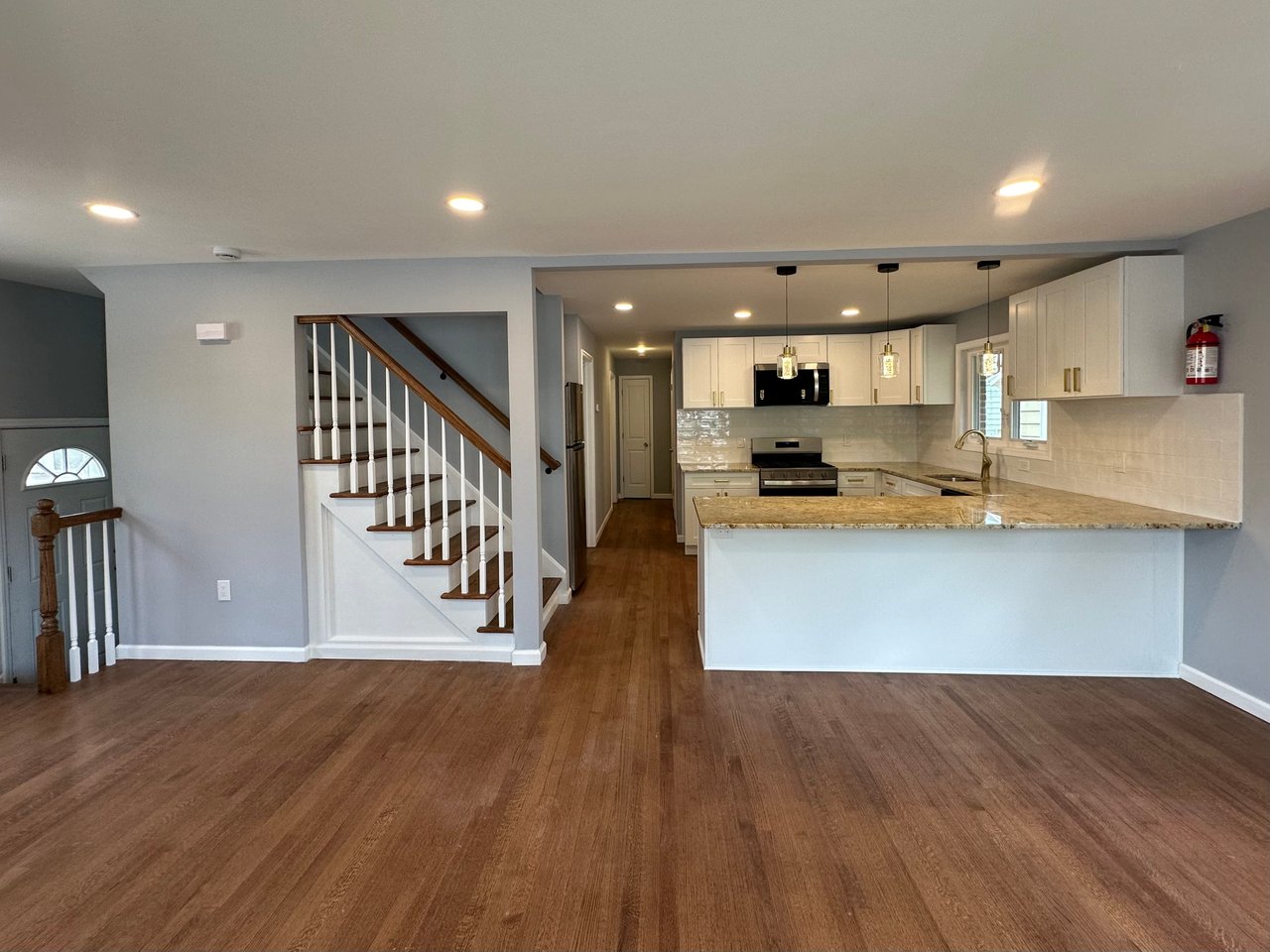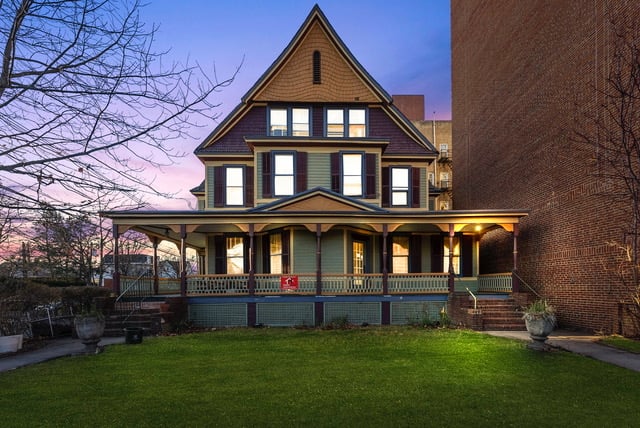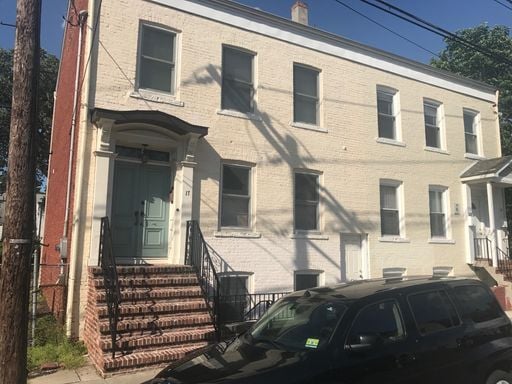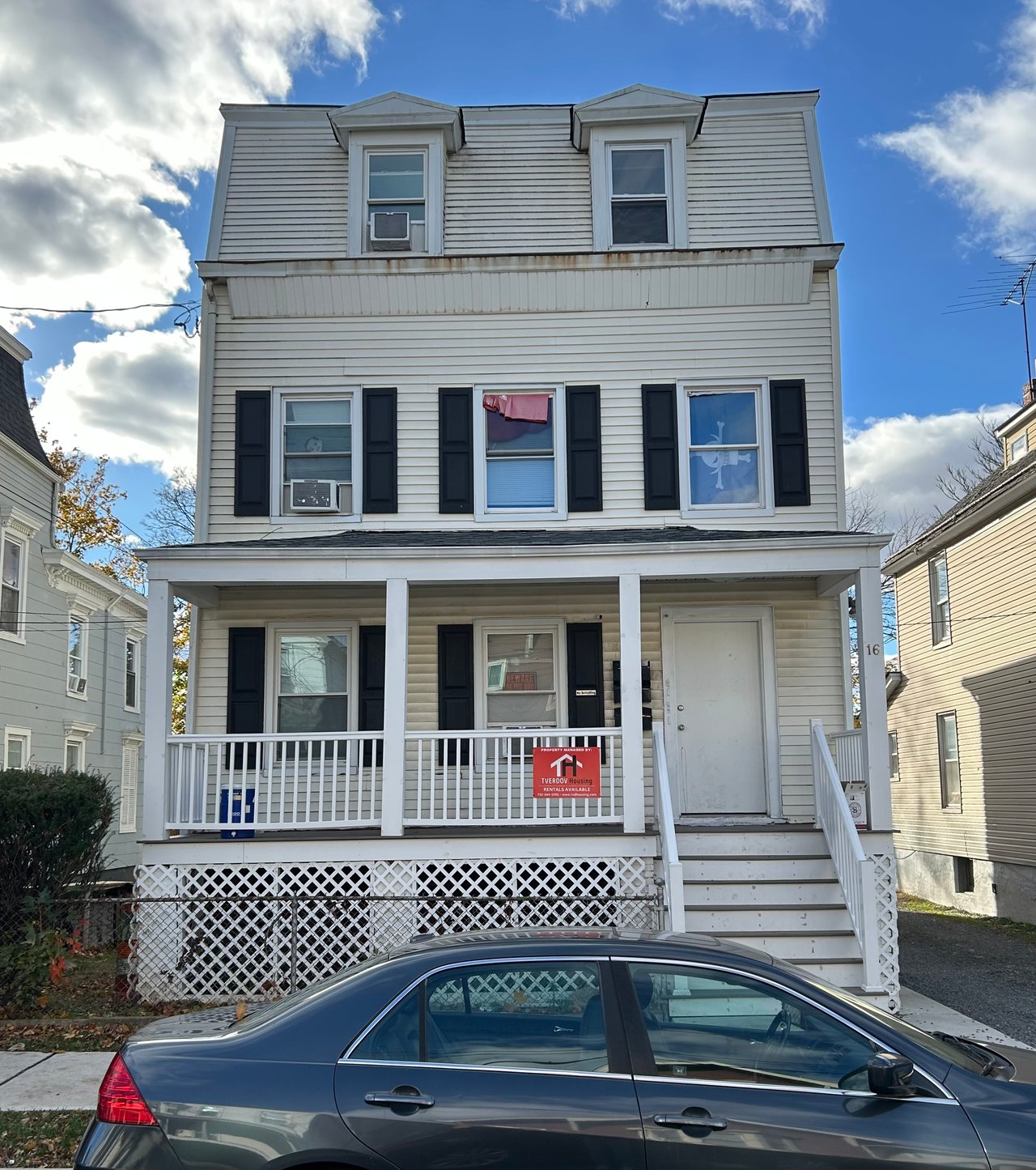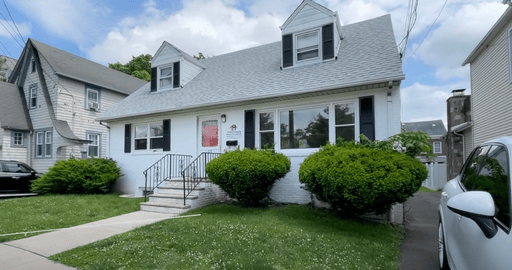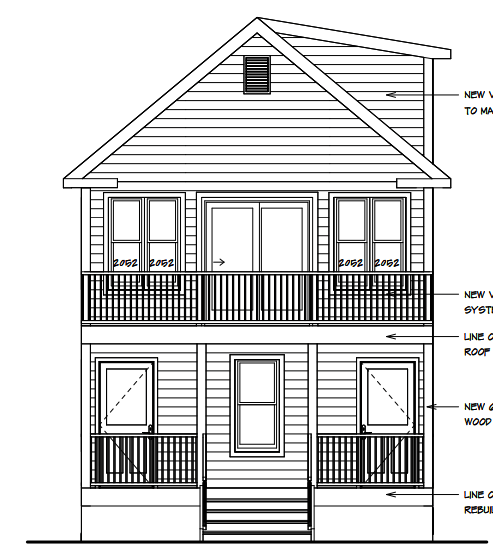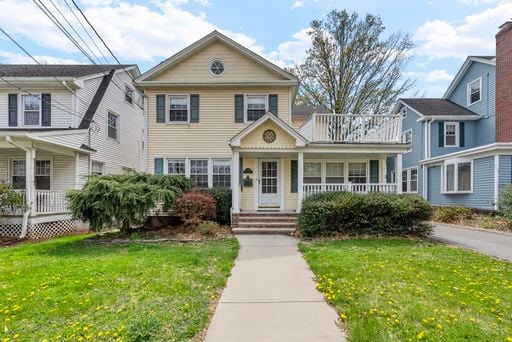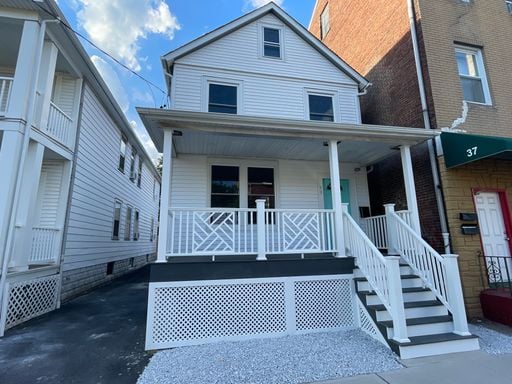
A 258-unit tower is going up at 250 Union Street with an $83.35 million capital stack behind it. Three blocks away, a 1920s six-family trades on a broker's back-of-envelope at a 7 cap. Both deals are underwriting the same city. Only one of them is underwriting the same ordinance.
Chapter 5.70 of the Elizabeth Municipal Code caps annual base rent increases at 3% on covered buildings, and the January 2026 registration notice from the city's Rent Control Office confirms that figure is still the current allowable increase. Most out-of-market spreadsheets we see model 4% to 5% organic rent growth on Elizabeth small multifamily. That gap is the thesis of this post: the ordinance is not a footnote, it is the single variable that separates the deals institutional capital is chasing from the deals it is walking past.
The Mechanism Most Spreadsheets Miss
The ordinance does not apply to every building in the city. It applies on a matrix of unit count, ownership structure, and age. The pieces that actually change an underwrite:
| Rule | What it says | Where it lives |
|---|---|---|
| Unit threshold | Applies to buildings with 3 or more units | Ch. 5.70 |
| Age trigger | Residential buildings become subject 30 years after they are built | Municipal + state law |
| Base rent cap | 3% over the prior 12 months, once per 12-month period | § 5.70.060 |
| Vacancy decontrol | Max 20% increase, good for 12 months after turnover | Vacancy Decontrol Notice |
| Permanent exemptions | Newly constructed units; owner-occupied 3–4 unit; buildings with 2 or fewer units | Ch. 5.70 |
| Sunset | Ordinance ceases to have force after December 31, 2026 unless extended | § 5.70.060 |
Read those rows together and a specific submarket emerges: any Elizabeth 3+ unit building that predates roughly 1996 is under a 3% ceiling, and almost the entire legacy small multifamily stock in the city fits that description. The city publishes the ordinance text and the annual registration notice directly, so verification takes about ninety seconds.
Why the New Product Prices Above the Old Product
ECCO is the second phase of the Vintage City redevelopment by LeCesse Development Corp. and MAS Development Group. It sits at 250 Union Street with a Walk Score of 95, directly across from the $75 million renovated Elizabeth Train Station and within walking distance of Trinitas Regional Medical Center, Kean University, Union County College, and the under-construction $125 million Union County Administrative Building that adds an estimated 700 jobs to the immediate area. JLL Capital Markets arranged $63.2 million in construction financing from Bank OZK and a $20.15 million mezzanine placement from PGIM, with delivery scheduled for 2027. Phase I, the 267-unit Vinty at 100 Union Street, leased up within a year of its 2022 completion.
There is a temptation to read the ECCO capital stack as a bet on transit, jobs, and the downtown revitalization story. That reading is incomplete. The ordinance permanently exempts newly constructed units. ECCO's rent roll will never be governed by the 3% cap that governs the six-family across the street. A luxury tower built in 2027 gets to mark to market every renewal in perpetuity. A 1955 walk-up does not. The premium institutional capital is paying for downtown Elizabeth is, at least in part, a premium to sit above a regulatory ceiling that the local stock sits below.
That is the piece of the story that changes what a small investor should be willing to pay for the legacy building.
Vacancy Decontrol Is the Lever, Not the Annual Increase
If the ceiling on existing tenants is 3%, the ordinance's vacancy decontrol provision, which permits up to a 20% increase for 12 months following a legitimate vacancy, is where the value actually lives. The math is not subtle. Five years of 3% renewals on a $1,800 unit gets the landlord to roughly $2,087. A single turnover with a permitted 20% reset gets there in one lease cycle.
Two operational consequences follow directly:
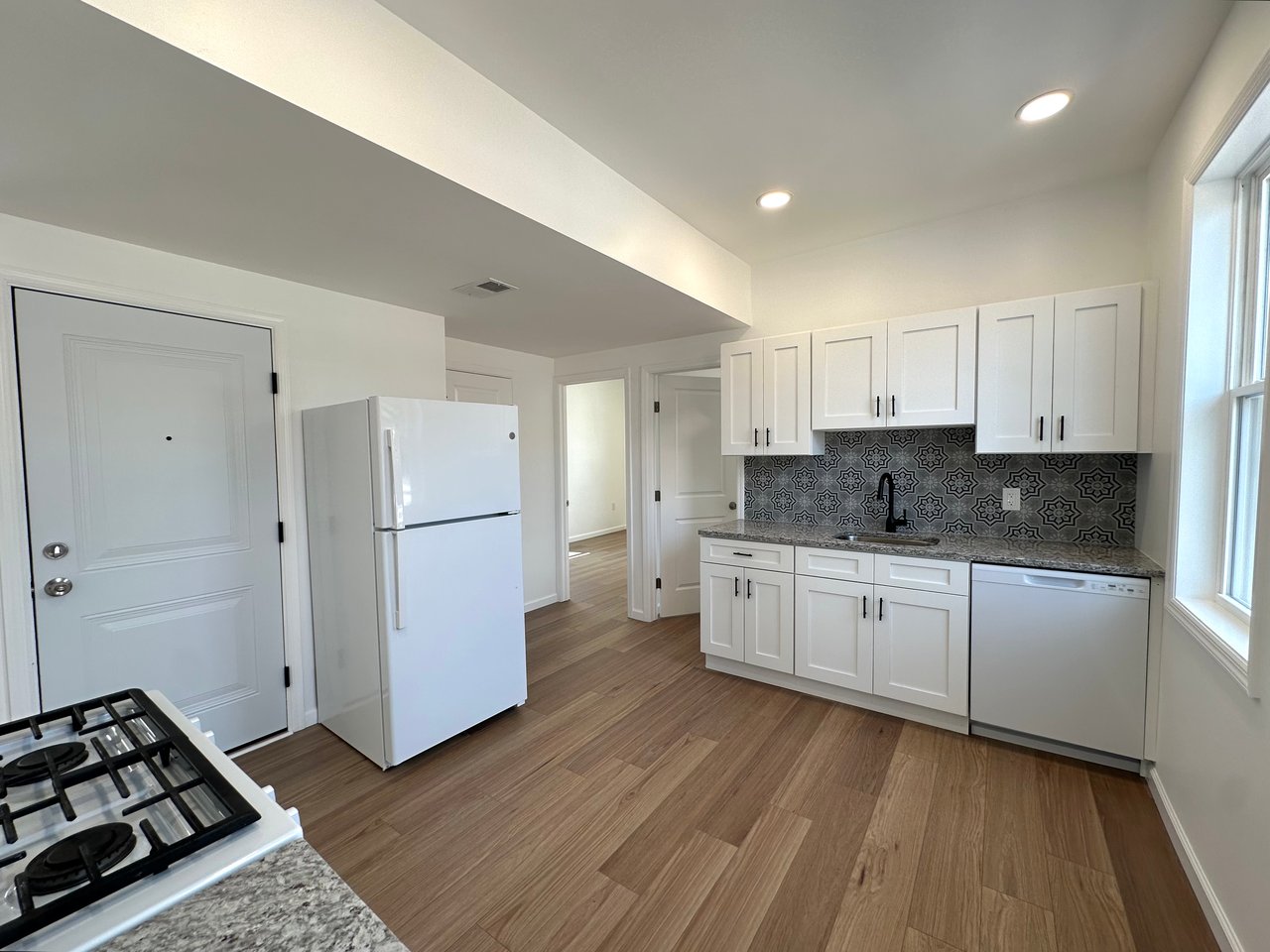
Turnover is not a cost center in this submarket. It is a repricing event. Underwriting Elizabeth small multifamily on a 5% vacancy assumption and $500 per turn is the wrong shape. The right shape treats each turn as a step-function rent event, then models the marketing, unit refresh, and downtime that unlocks it.
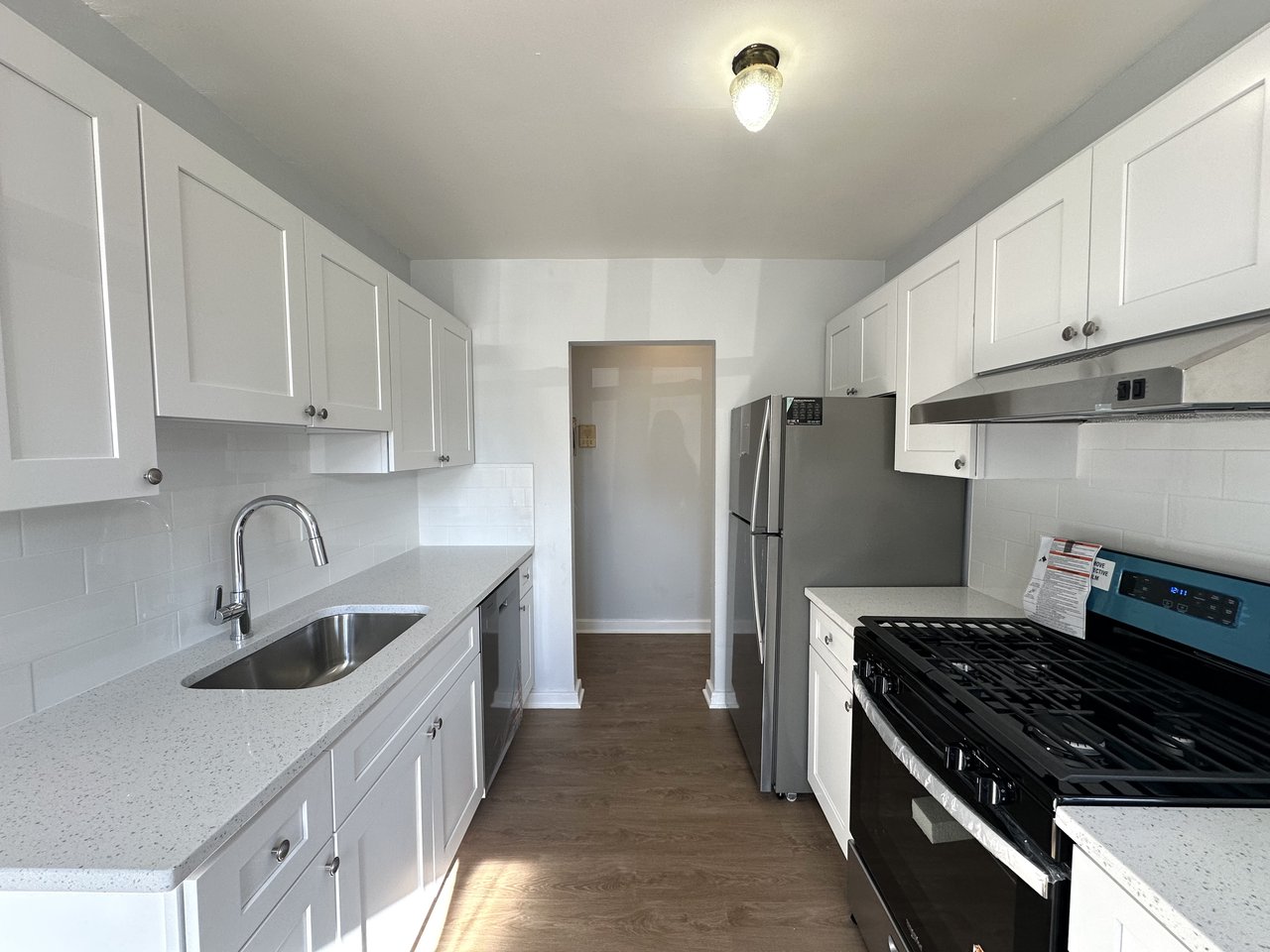
Value-add capital improvements only pay if they justify a hardship or capital improvement application to the Rent Control Board, or if they land at turnover. Mid-tenancy renovations that do not run through the Board recover their cost through the same 3% you were going to get anyway.
This is why vertically integrated operators outperform passive owners in rent-controlled submarkets. The construction, leasing, and management functions have to be on the same clock as the vacancy event, not sequenced across three vendors and a two-month lag.
The Two Dates That Reprice Every Offer Written This Year
The current ordinance sunsets on December 31, 2026 unless the governing body affirmatively extends it before that date. The chapter has been extended on a two-year cycle repeatedly, most recently by Ord. No. 6072 in December 2024, so the base case is extension. But there is a second, less predictable event stacked on the same calendar.
In late July 2026, a Superior Court judge rejected a lawsuit from a group of 13 landlords seeking to keep a rent-control ballot question off the November 2026 ballot. As reported in the Jersey Vindicator on July 29, 2026, the question voters will see reads:
Shall the City of Elizabeth amend its Chapter 5.70.60 Municipal Code on Increases in Base Rent to add a $20 annual rent cap so that no landlord shall request or receive any increase in base rent in excess of three percent or twenty dollars, whichever is less, over the base rent received for the twelve (12) months prior?
Read that as an underwriter. On a $1,500 base rent, a 3% increase is $45. A $20 cap replaces it with a hard nominal number that shrinks the annual lever by more than half and functionally decouples permitted increases from inflation. On a $2,200 base rent the compression is worse. If the measure passes, vacancy decontrol becomes not just the primary lever but effectively the only lever on any building where the 3% and $20 diverge, which is nearly all of them.
A coalition of 17 organizations, including the ACLU of New Jersey, Fair Share Housing Center, the Housing and Community Development Network of New Jersey, and the New Jersey Tenants Organization, filed a friend-of-the-court brief supporting the measure. Nearly 800 residents signed the petition to place it on the ballot. This is not a fringe filing.
What Changes in the Offer
For any Elizabeth 3+ unit building older than 30 years, an offer written between now and the November election should carry three adjustments most out-of-market underwriters do not build in:
Cap organic rent growth at 3% in the base case and at the CPI-linked $20-or-3% figure in the downside case. If you cannot underwrite the deal at the downside case, you are pricing regulatory tail risk to zero.
Move rent growth expectation out of annual increases and into a modeled turnover cadence. For a stabilized 6-unit building, a realistic assumption is one to two turns per year, each capable of a permitted step reset. That is where the year-2 through year-5 NOI actually comes from.
Underwrite renovation capital against the vacancy event, not the calendar. Scope, permits, and unit-turn work should be sequenced to the lease expiration, because that is the only window where the ordinance permits the full reset the capital was supposed to unlock.
The Yardi Matrix figure of roughly 25,200 Northern New Jersey units under construction as of February 2026 is a useful check on this framing. Most of that pipeline is new, market-rate product built by sponsors who understood, in advance, which side of the ordinance's exemption line they wanted to sit on. Small multifamily buyers do not have that option on legacy stock. They can only price it correctly.
FAQ
Does rent control apply to a two-family in Elizabeth? No. Buildings with 2 or fewer units are outside the ordinance, and owner-occupied 3-and-4-unit buildings are also excluded. Two-families and duplexes are the cleanest small-scale entry point into the Elizabeth market for that reason.
If the ordinance sunsets December 31, 2026, does that free up my rent roll? Only if the governing body does not extend it, and history suggests they will. Councils have extended the chapter on a two-year cadence going back at least to 2000. Underwriting on the assumption that the sunset holds is aggressive.
How does the Rent Control Board treat capital improvement applications? Capital improvement is defined in the ordinance as an added benefit that substantially changes the housing accommodations, and specifically excludes repair or replacement of existing facilities and anything required by law. Cosmetic refreshes at turnover are not capital improvements. Full system replacements or unit reconfigurations, filed on the Board's prescribed forms, can be.
If you are trying to underwrite an Elizabeth 3+ unit building against the current ordinance, the November ballot, and a realistic turnover cadence, Turnkey Tverdov can walk the numbers with you before the offer goes out. Join the Turnkey Waitlist to get on our next Central New Jersey deal review.