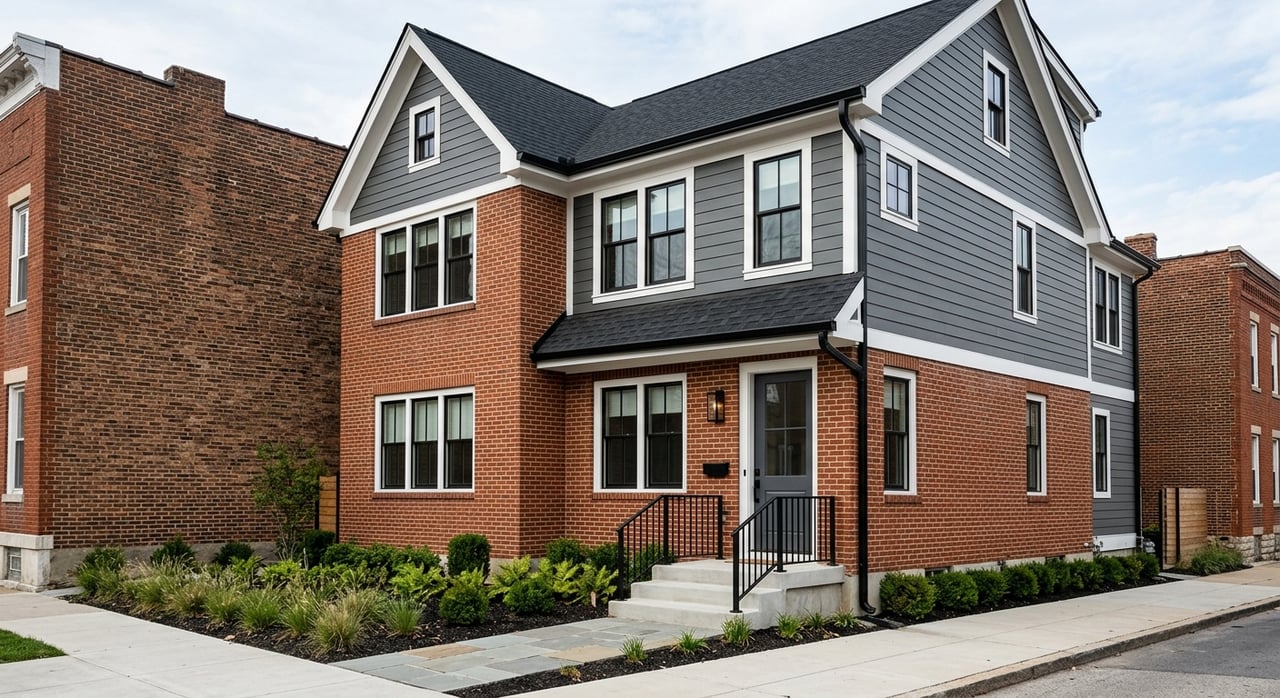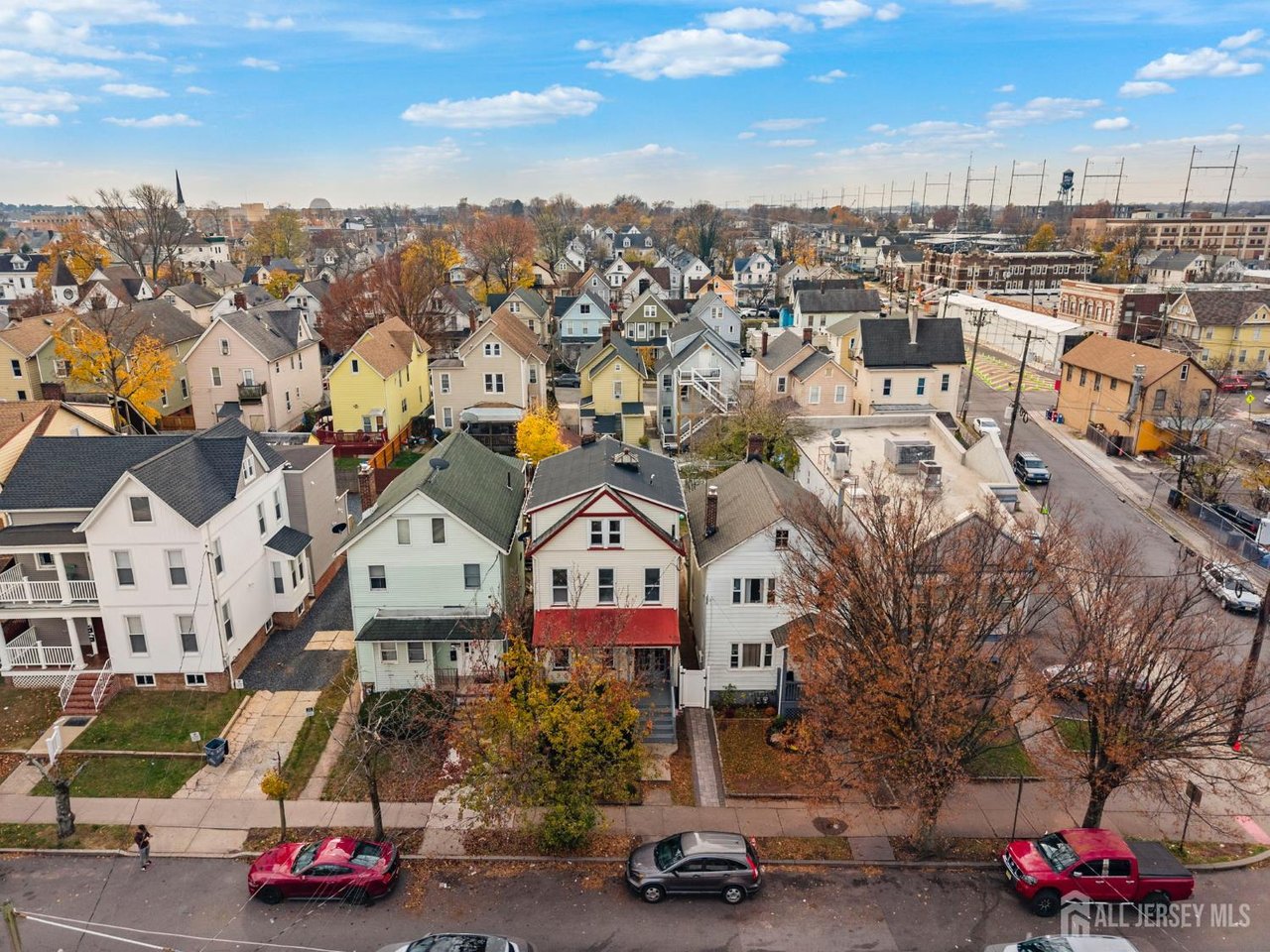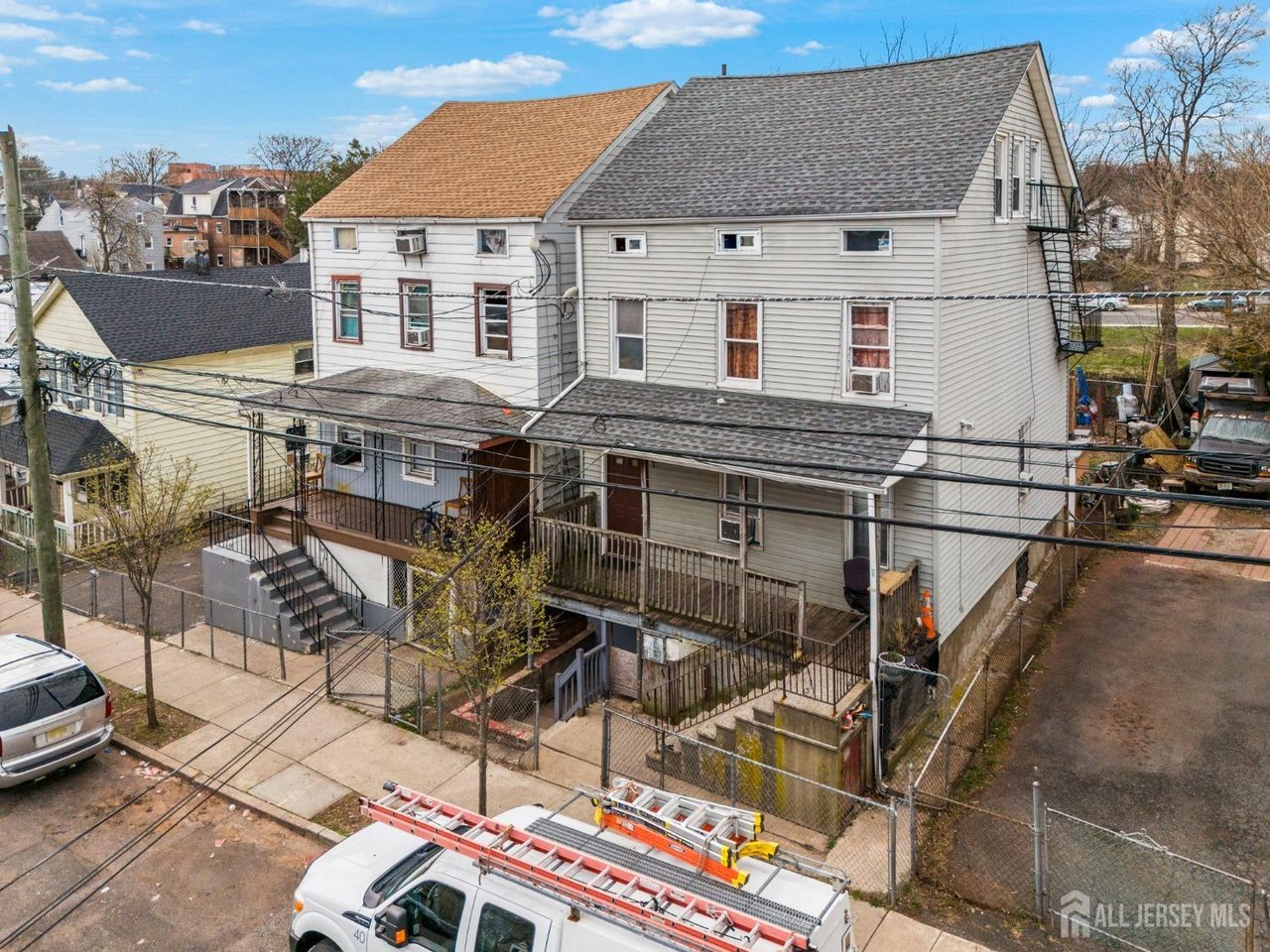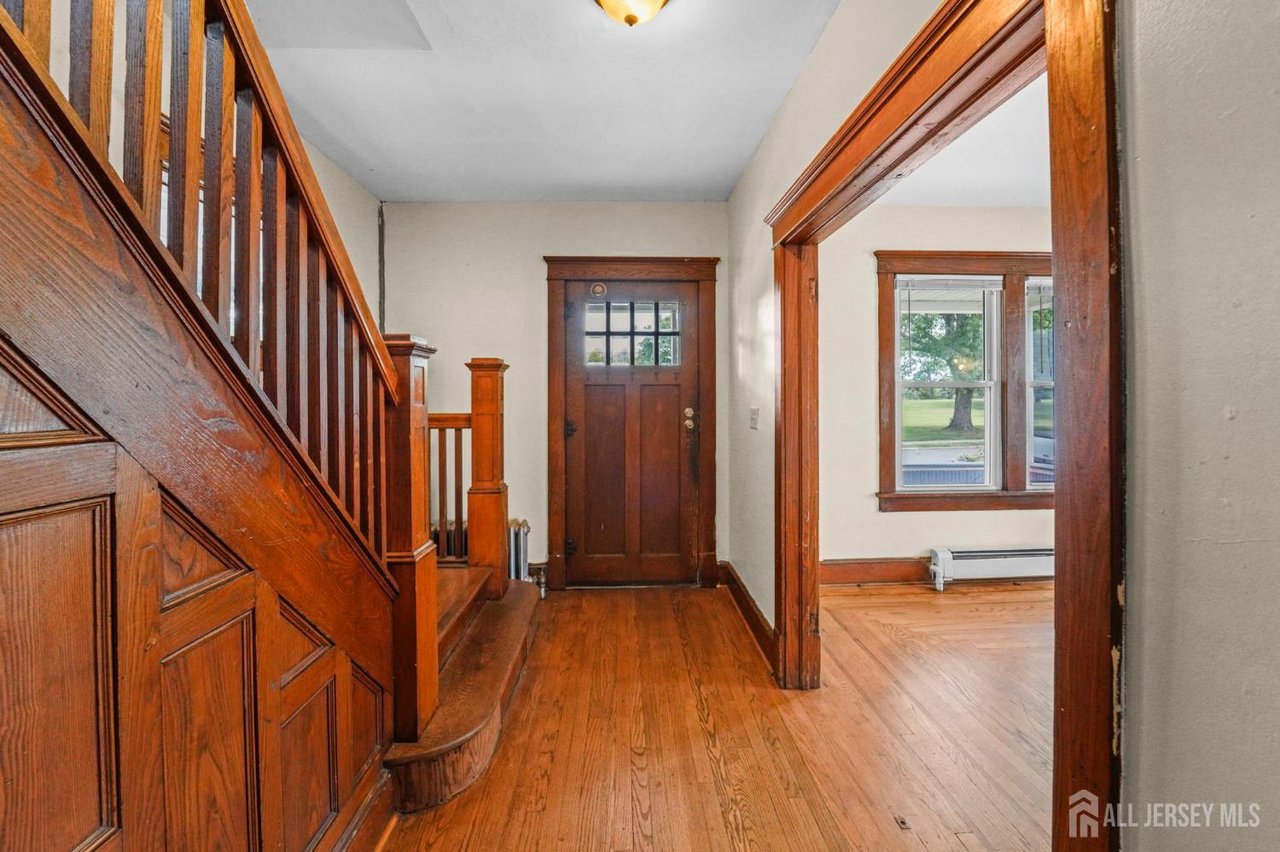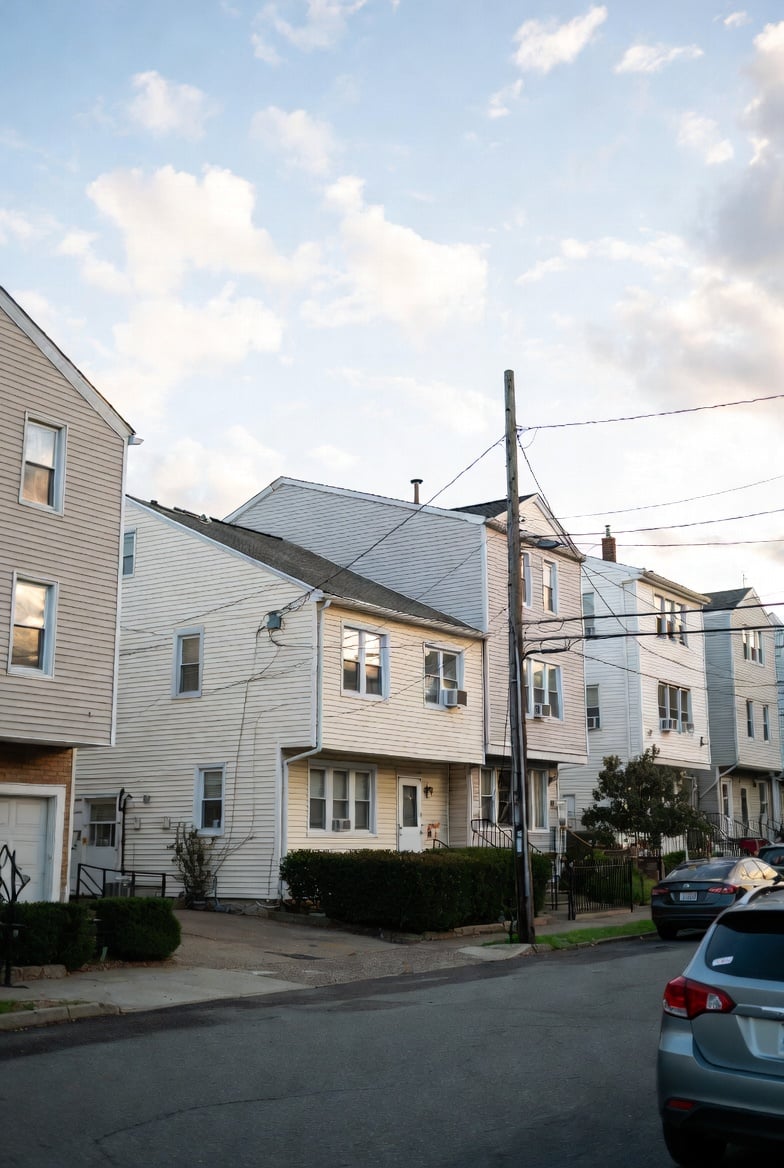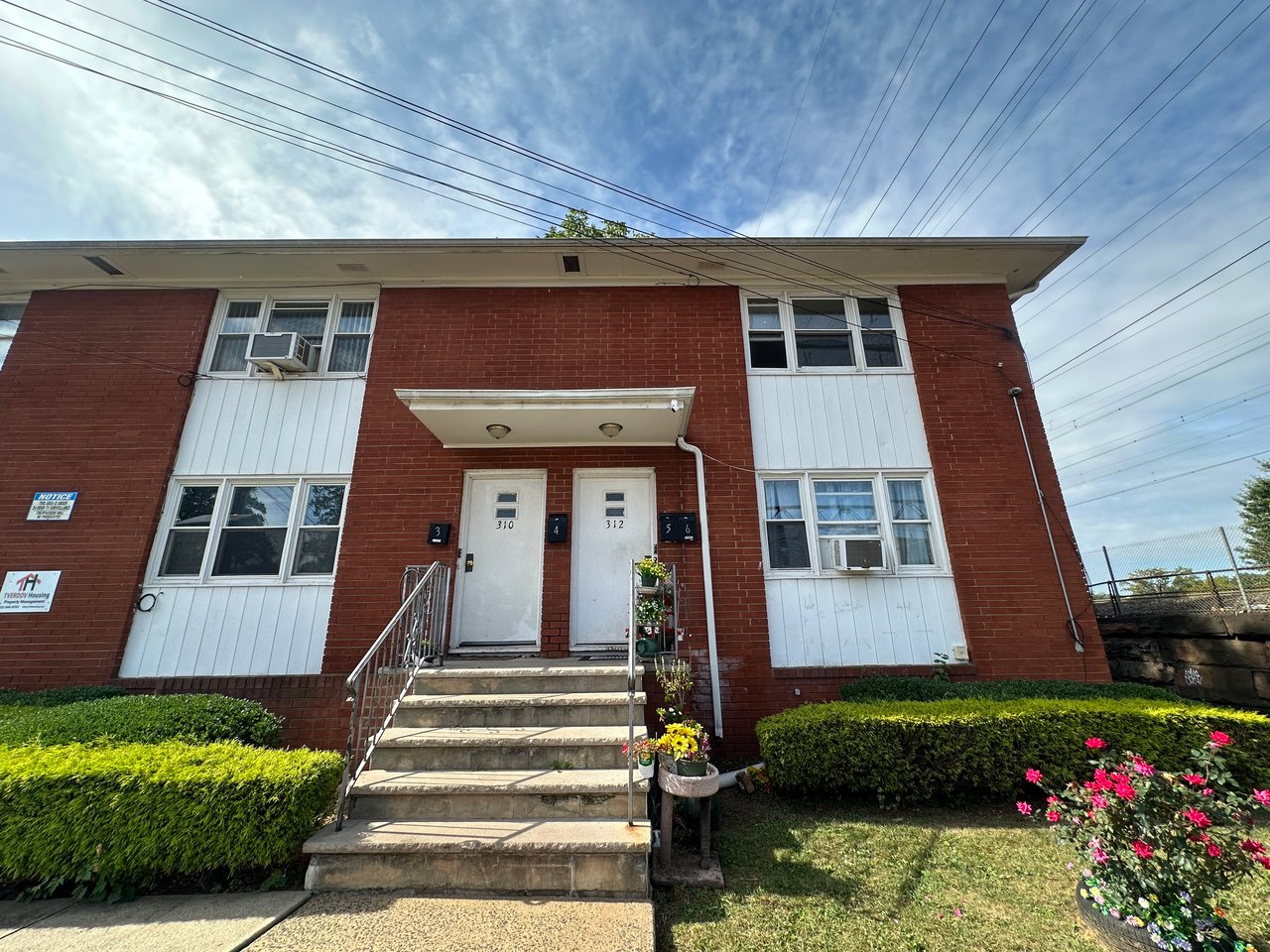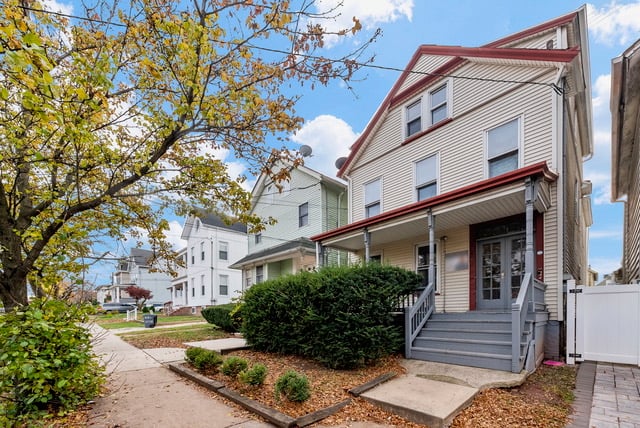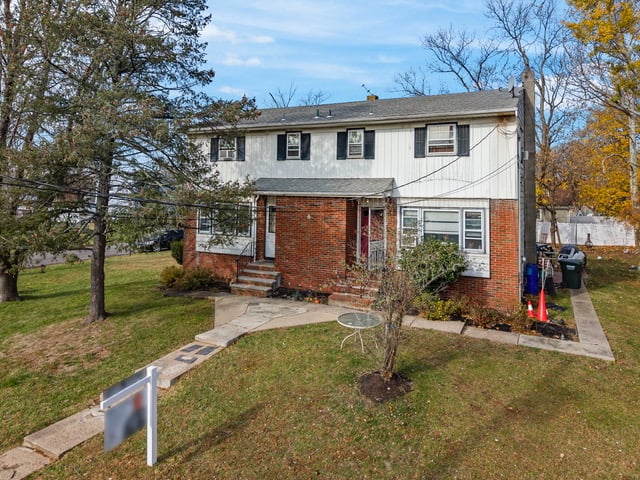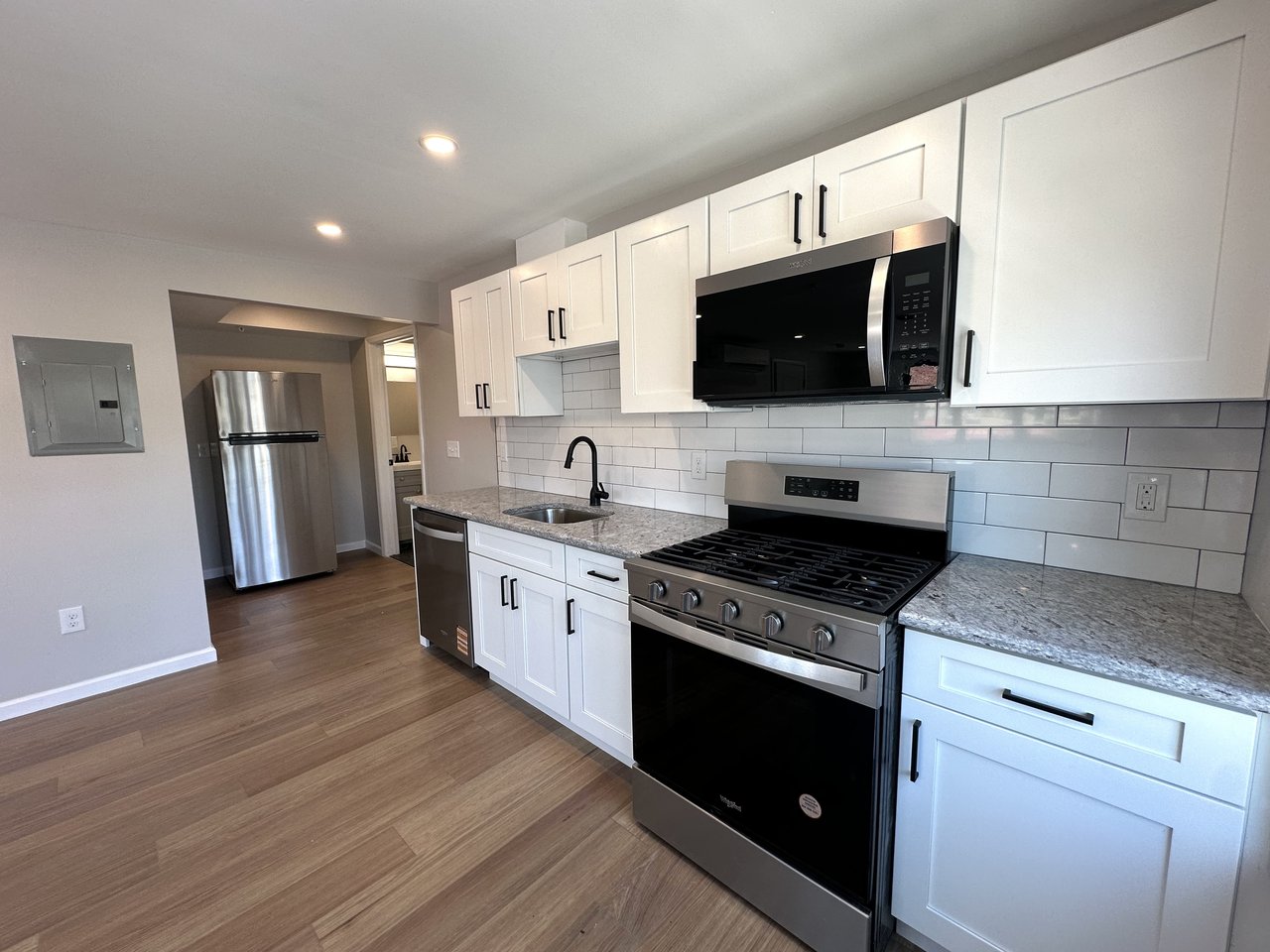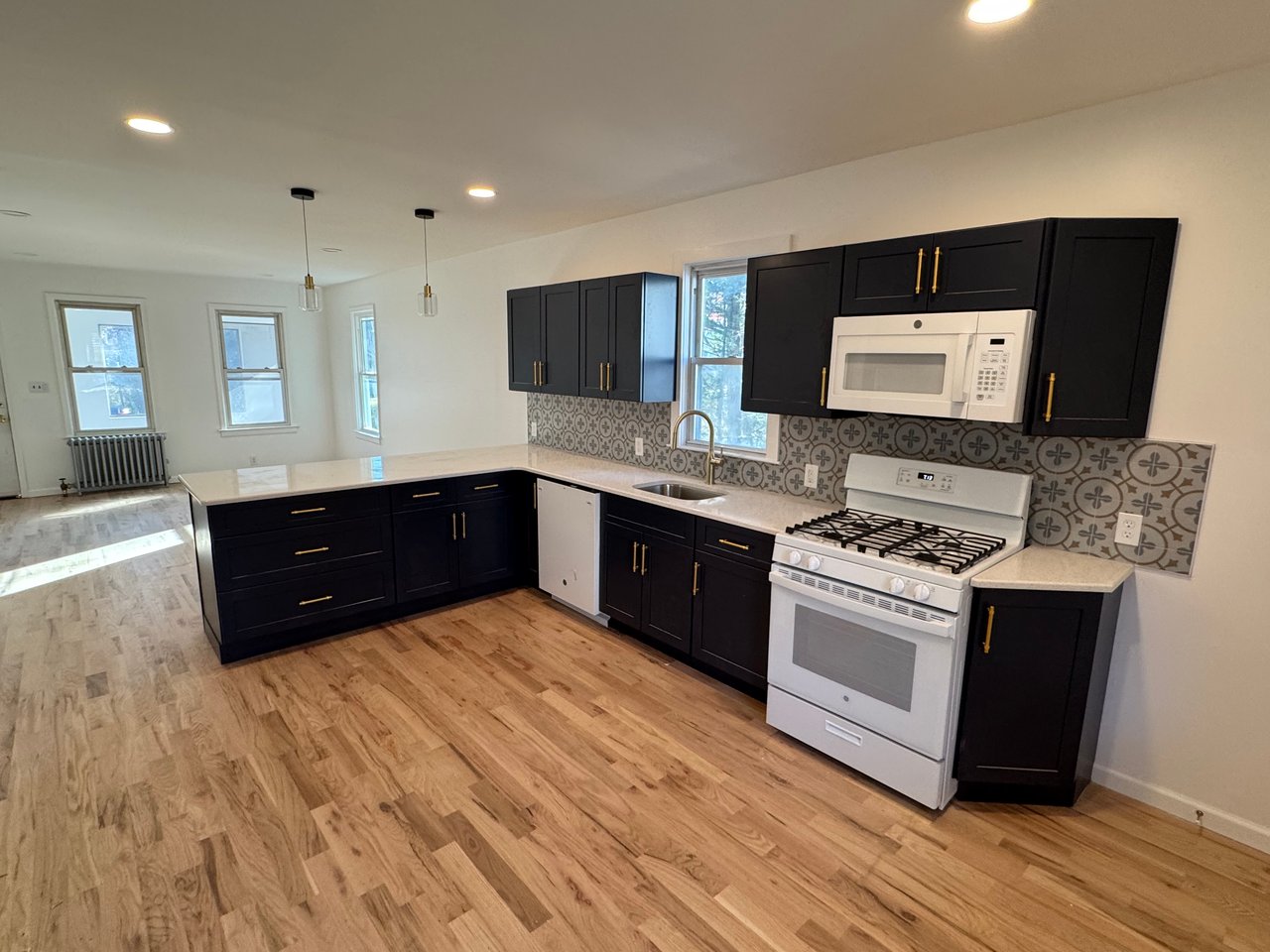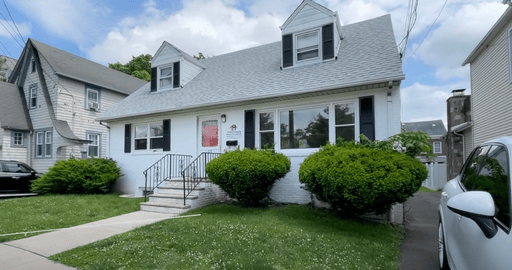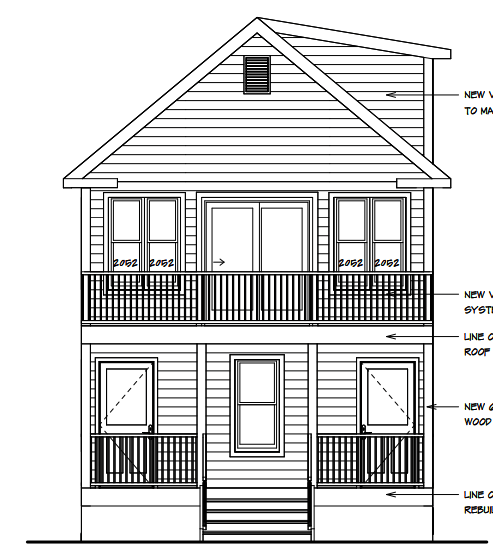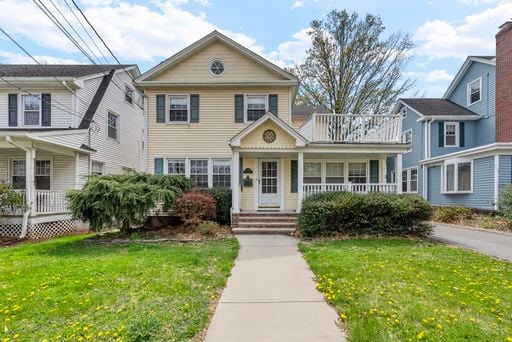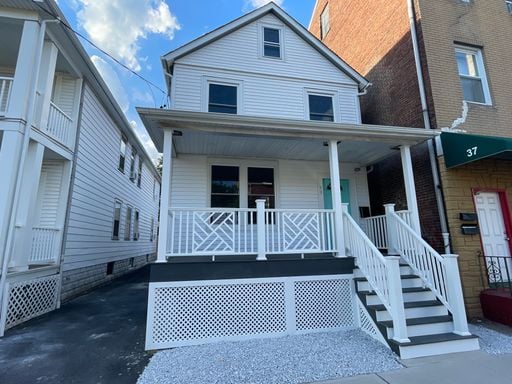
Run the numbers on a four-unit rental near College Avenue and most investors put lead inspection in the same column as termite reports and title search: a closing-day cost, paid once, then forgotten. That assumption is wrong in New Brunswick, and it's wrong in a way that changes the math on any student-adjacent property in the city.
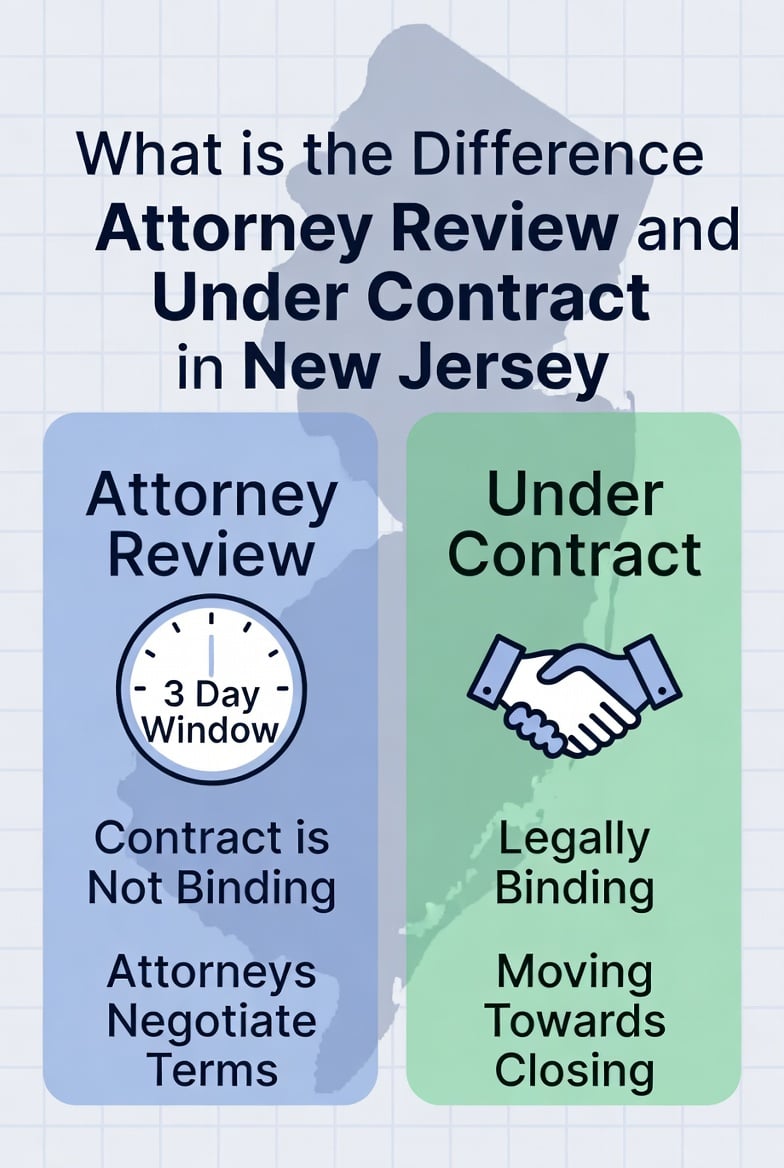
New Brunswick's lead-based paint ordinance does not treat the inspection as a one-time event tied to a sale. It ties the requirement to tenant turnover itself. Under the city's rules, an initial inspection for lead-based paint hazards was required before July 22, 2024, or at tenant turnover, whichever came first. After that, the ordinance is explicit: every covered unit gets inspected again at tenant turnover, and again after that, for as long as the property is rented. There is no clause that lets a landlord inspect once and move on. The obligation resets every time a lease ends and a new one begins.
For a single-family rental with a tenant who stays five years, that is a minor detail. For a property built around the Rutgers off-campus market, where turnover is not scattered but synchronized, it is a structural cost that most pro formas never model correctly.
The Ordinance Treats Turnover as the Trigger, Not the Calendar
The mechanics matter here because they are unusually specific. New Brunswick's rule applies to single-family, two-family, and multiple rental dwellings in the city, and it requires the owner or landlord to have the property inspected through visual assessment and dust wipe sampling. Owners can use the city's inspector or hire a private lead inspector directly. If a hazard is found, the owner has 30 days to begin remediation before penalties start, and those penalties are not trivial: up to $1,000 per week until the required inspection is conducted or remediation begins.
On the fee side, the city charges a filing fee of $100 to record a lead-safe or lead-free certification, on top of a $20 fee that goes to the state's Lead Hazard Control Assistance Fund. The dust wipe sampling itself is priced separately, based on whatever the city's contractor charges at the time, or whatever a private inspector quotes if the owner goes that route.
None of that is unusual for New Jersey. Lead-safe certification requirements exist statewide for pre-1978 rentals, and a valid certification typically holds for up to two years before it needs to be refreshed. What's unusual is that New Brunswick's ordinance layers a change-of-tenancy trigger on top of that baseline. The certification's shelf life doesn't matter if the tenant leaves before it expires. The clock resets at turnover regardless.
Why the Rutgers Lease Calendar Makes This a Recurring Event, Not a Random One
Here is the part that turns a compliance footnote into an underwriting variable: New Brunswick's rental market doesn't have random turnover. It has a calendar.
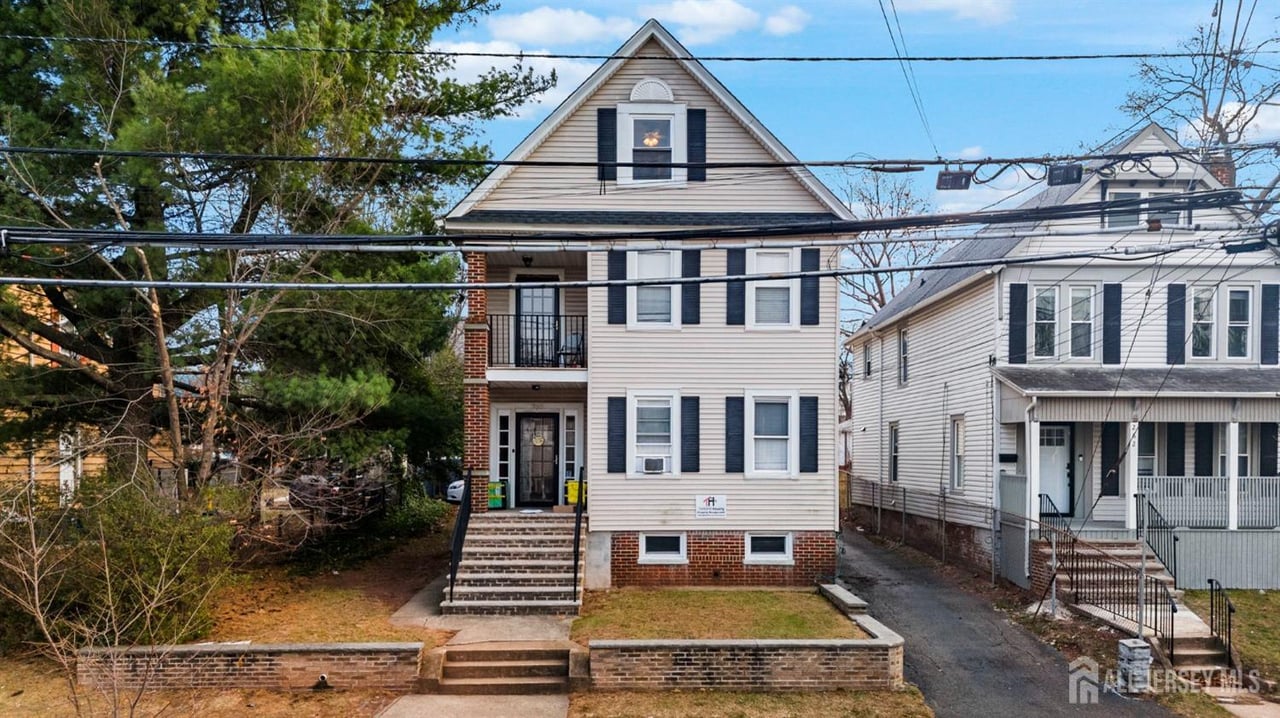
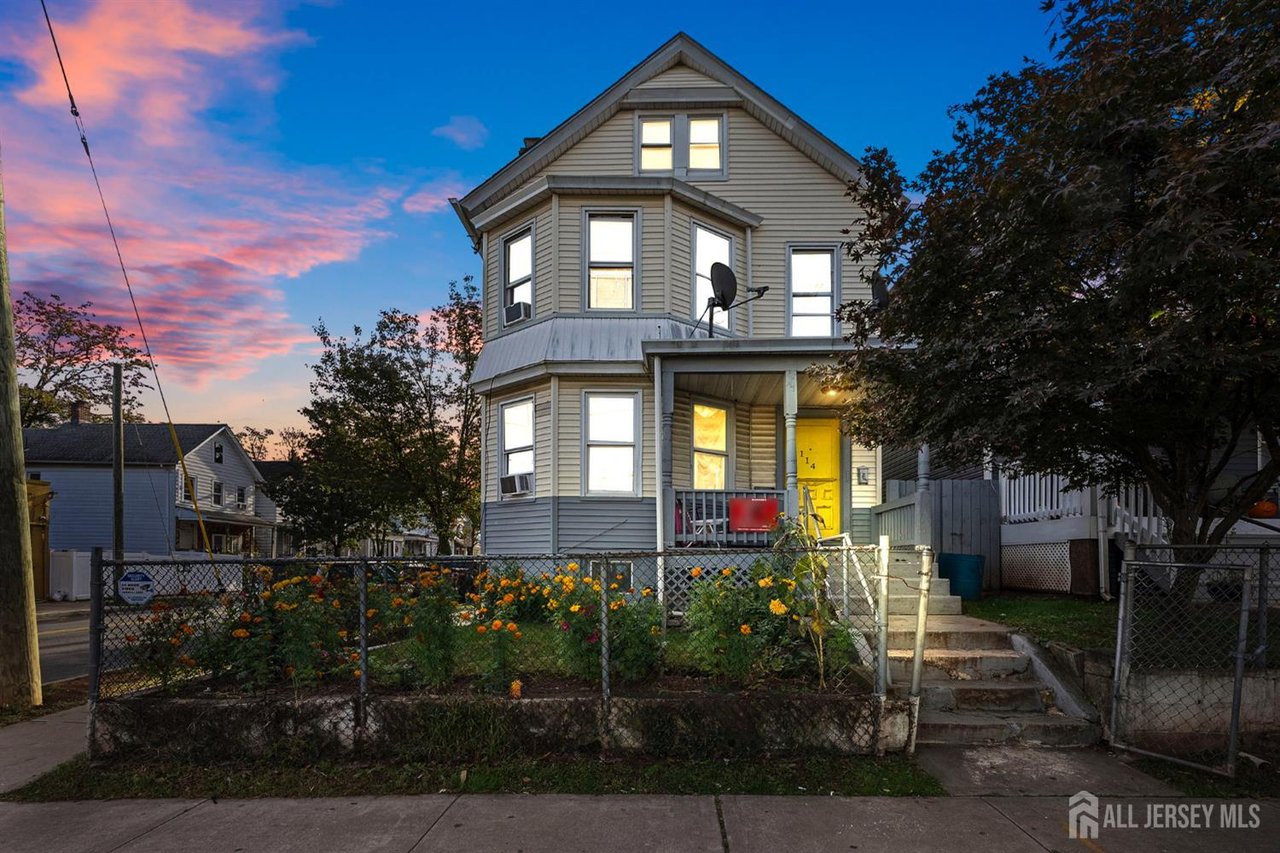
Rutgers' own housing office confirms that most off-campus leases run for 12 months and commonly begin in May or June or in August or September. Landlords serving the student market build entire leasing cycles around those windows, often marketing units for the following year months in advance. A four-unit building near the College Avenue campus with four student leases doesn't turn over on four random dates throughout the year. It turns over in a single week, usually in late spring, when every lease in the building ends within days of the others.
That's the mechanism most out-of-market buyers miss. A lead inspection that fires at turnover isn't a rare event for a synchronized student building. It's an annual event, clustered into the same narrow window every single year, for every unit in the building at once.
Compare that to a mixed-tenancy property, say a duplex with one long-term professional tenant and one unit that turns over on a normal 12-month cycle unrelated to the academic calendar. That building sees turnover-triggered inspections spread across the year, one at a time, scheduled on the owner's terms rather than compressed into a single high-demand week when every lead inspector in Middlesex County is booked by other landlords doing the same thing.
| Building type | Turnover pattern | Inspection events per year | Scheduling risk |
|---|---|---|---|
| Synchronized student building (all leases start May/June) | All units turn within days of each other | Multiple inspections compressed into one week | High: inspectors booked, penalty clock still runs if missed |
| Staggered-lease building (mixed tenancy, non-academic cycle) | Turnover spread across calendar | Inspections spaced through the year | Low: owner controls timing |
The compressed pattern doesn't just create a scheduling headache. It creates real exposure. If an inspector can't get to a unit in the window between one tenant moving out and the next moving in, and that gap is already tight because everyone's lease starts the same week, the ordinance's per-week penalty clock doesn't pause for scheduling conflicts. It starts running the moment the deadline passes.
What This Changes About Underwriting a New Brunswick Student Rental
Most acquisition models for small multifamily treat lead compliance as a fixed line item, something like a flat annual maintenance reserve. That works fine in a market where turnover is unpredictable. It doesn't work in New Brunswick if the property's tenant base is Rutgers-aligned, because the cost isn't flat. It's concentrated.
A few things follow from that:
- Buildings with synchronized student leases should carry a higher compliance reserve in the underwriting, not because the per-inspection cost is different, but because the risk of a scheduling miss (and the resulting per-week penalty) is structurally higher when every unit needs the same inspector in the same week.
- Buyers should ask sellers for the property's inspection history, specifically whether past turnovers actually triggered the required reinspection or whether the seller was relying on an older lead-safe certification that technically expired at the last tenant change. A certification that's still inside its multi-year window doesn't exempt the owner from the turnover trigger.
- Properties with staggered or non-academic lease terms, including buildings with a mix of graduate students, young professionals, or hospital and pharma employees on standard 12-month cycles not tied to the semester calendar, carry a real operational advantage that rarely shows up in a comp sheet. The rent might be identical. The compliance risk is not.
The ordinance itself doesn't distinguish between a landlord managing one door and one managing forty. But the practical burden scales very differently depending on whether those doors turn over on one calendar or many.
Where This Fits Into the Bigger Picture
New Brunswick has spent the past two years tightening its rental compliance framework generally, and the rent control ordinance itself was amended in November 2025 with changes that took effect January 1, 2026. The lead inspection rule sits alongside that broader tightening. Taken together, the pattern is consistent: New Brunswick is not loosening oversight on rental housing, it's adding more touchpoints tied to the moment a unit changes hands. For an investor building a portfolio here, that means the underwriting model needs a line item for turnover-triggered compliance events, not just a generic maintenance reserve.
FAQ
Does the inspection requirement apply to owner-occupied two-family properties? New Brunswick's broader rent control ordinance treats owner-occupied two-family properties differently for rent regulation purposes, requiring only annual registration for the property maintenance inspection program rather than full rent control coverage. The lead ordinance's language applies to single-family, two-family, and multiple rental dwellings generally, so owner-occupants should confirm their specific exemption status with the city's housing inspection division rather than assume the annual registration alone satisfies the turnover trigger.
What happens if a unit misses the inspection window between tenants? The ordinance gives an owner or landlord 30 days to cure a violation once notified. After that, the penalty is up to $1,000 per week until the inspection happens or remediation begins. For a building with several units turning over in the same week, a single missed inspection can compound quickly if the same scheduling bottleneck delays more than one unit.
Can a landlord use a private inspector instead of the city's? Yes. The ordinance allows the owner or landlord to hire a private lead inspector directly rather than waiting for the city's inspector, which is one of the more practical ways to avoid the scheduling crunch that comes with synchronized student turnover.
Buying into New Brunswick's rental market means underwriting more than rent and vacancy. It means underwriting the calendar. Peter Tverdov built Turnkey Tverdov around exactly this kind of operational detail, acquiring, rehabbing, and managing rental assets so investors don't have to track every local ordinance change themselves. If you're evaluating a New Brunswick acquisition and want a partner who already knows where the compliance costs actually hide, join the Turnkey Waitlist.