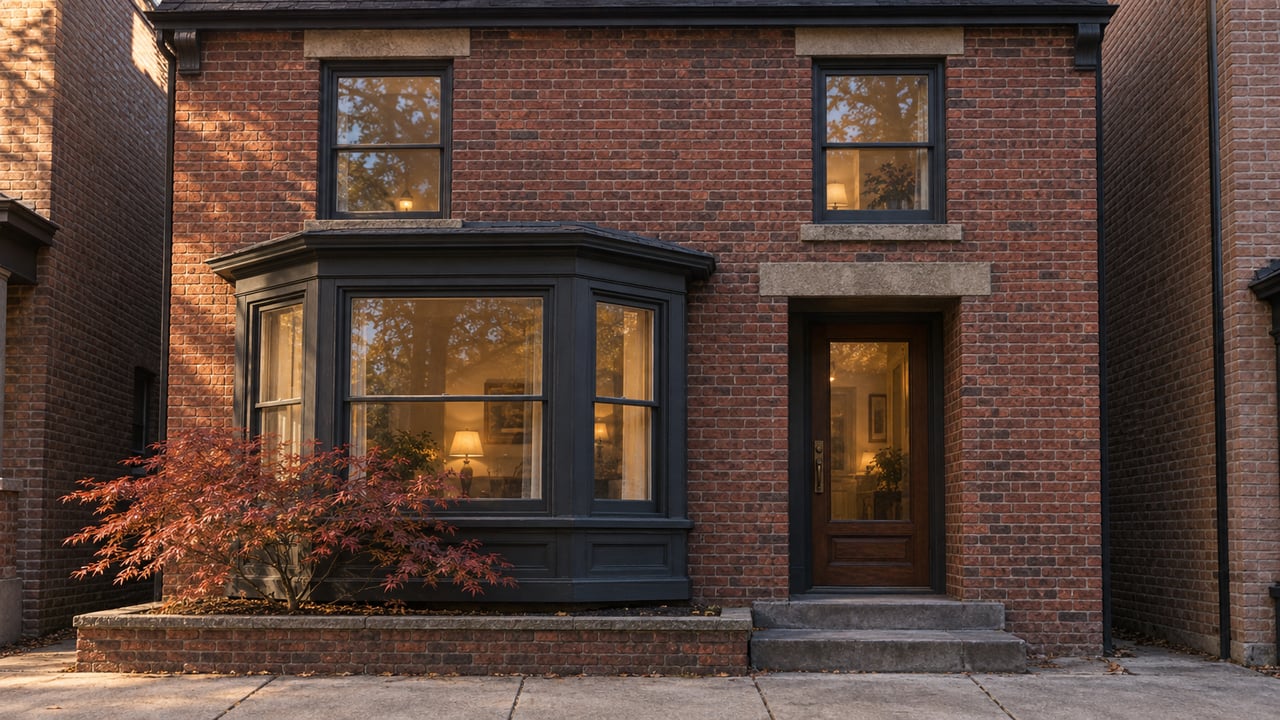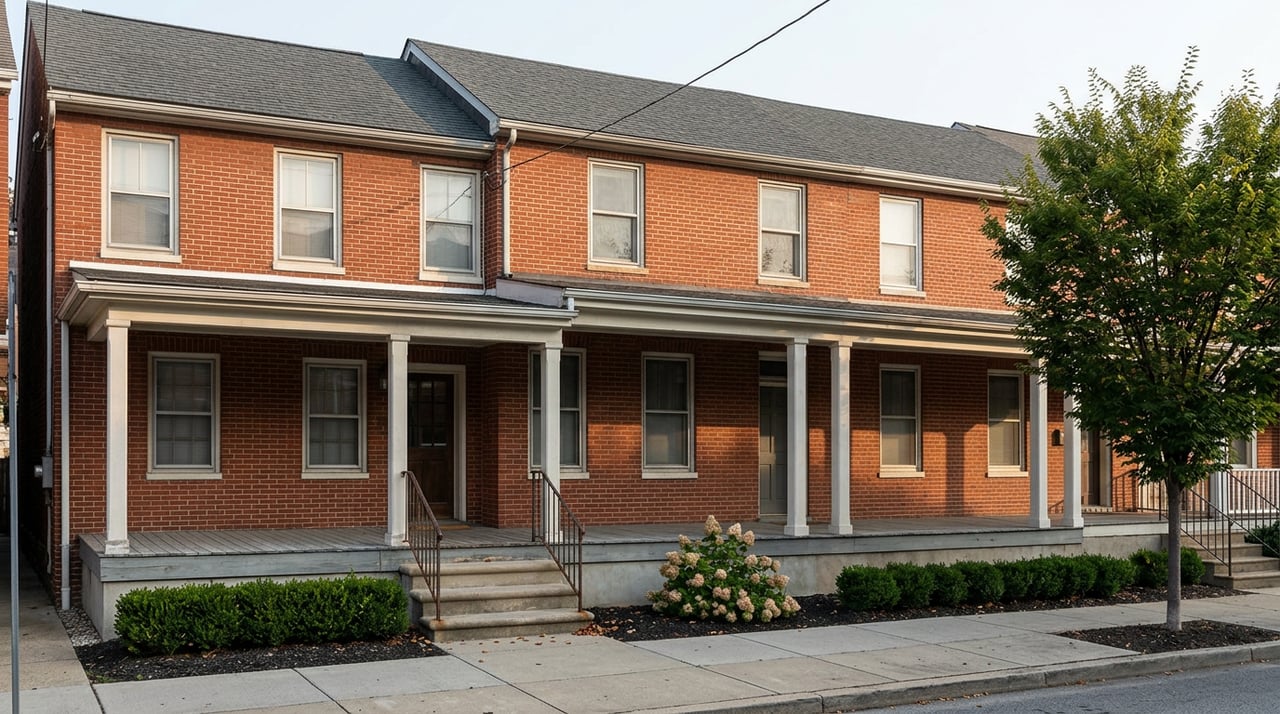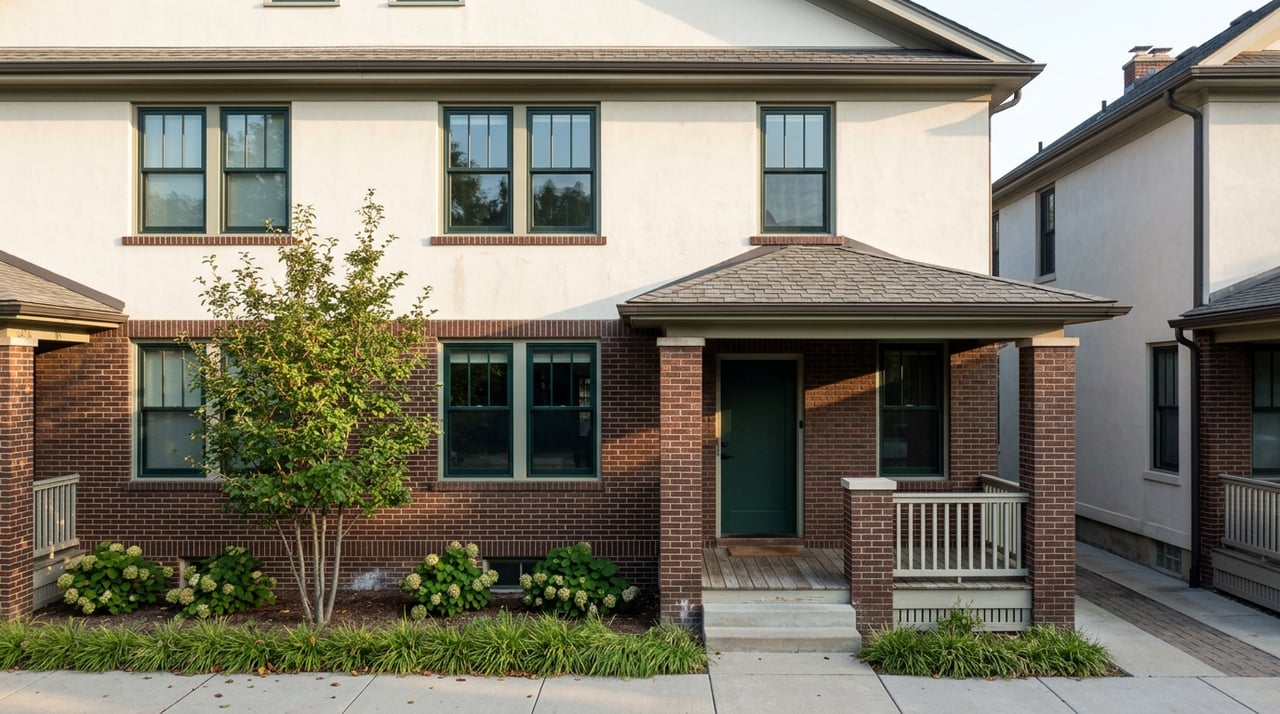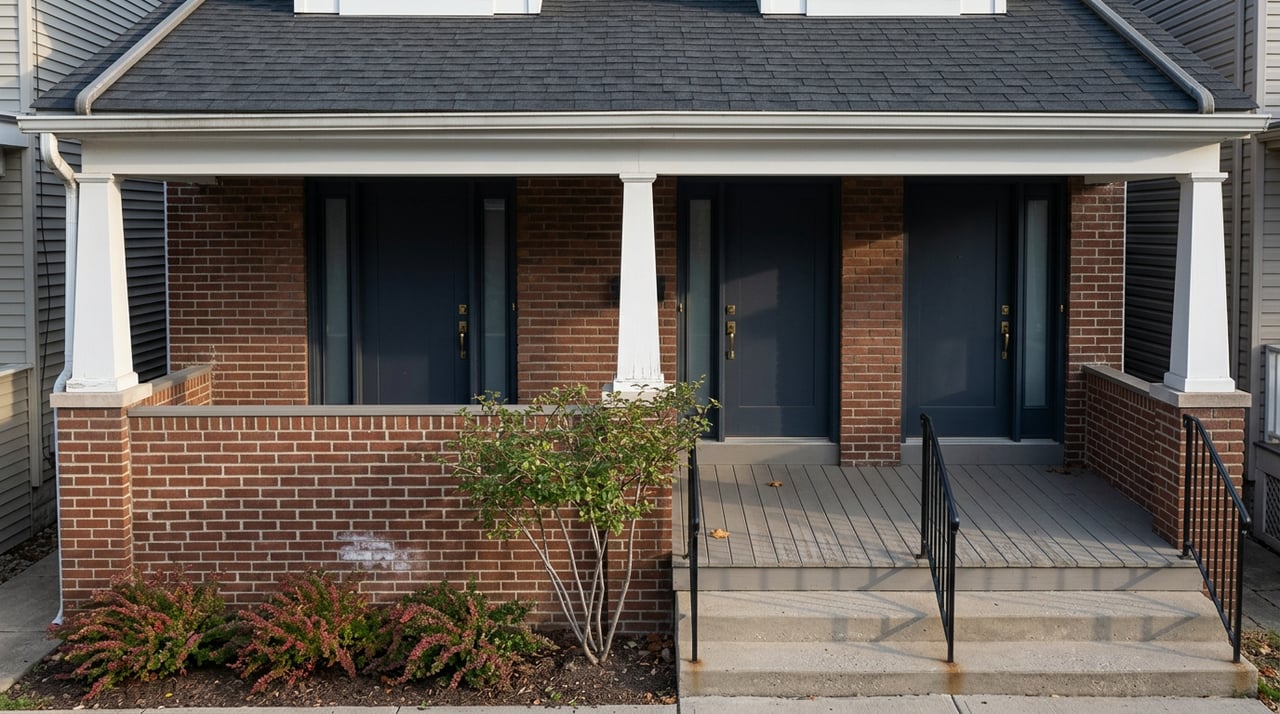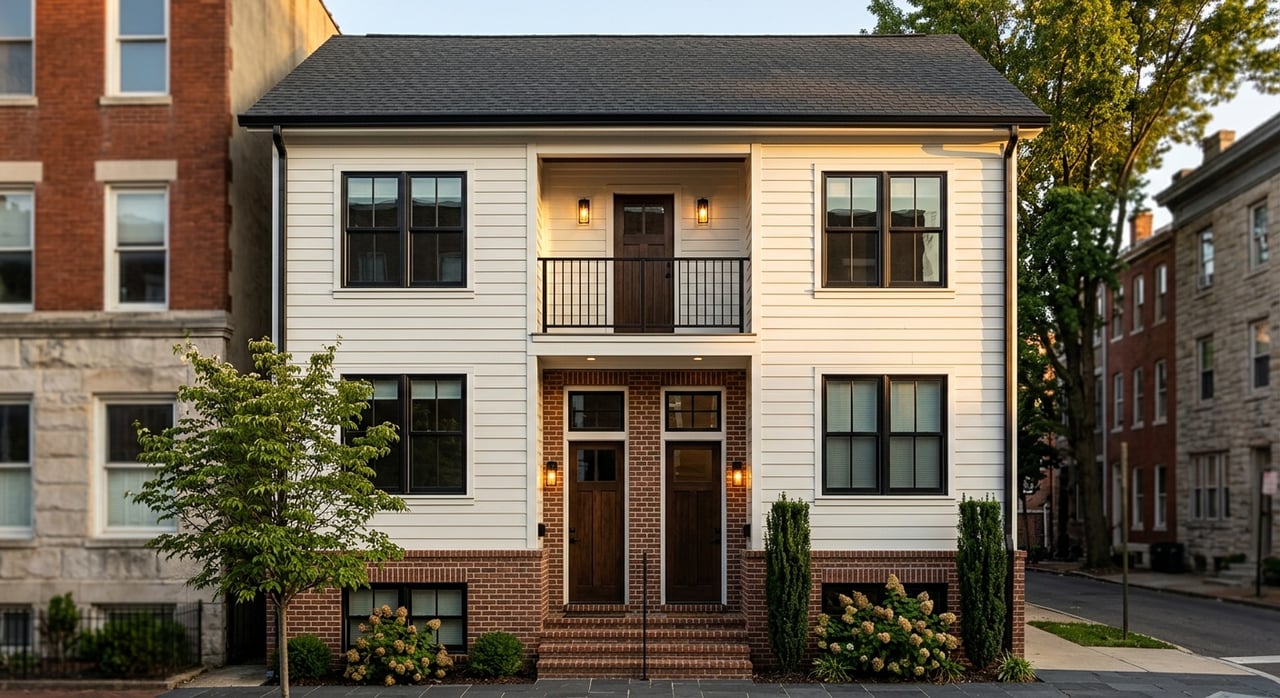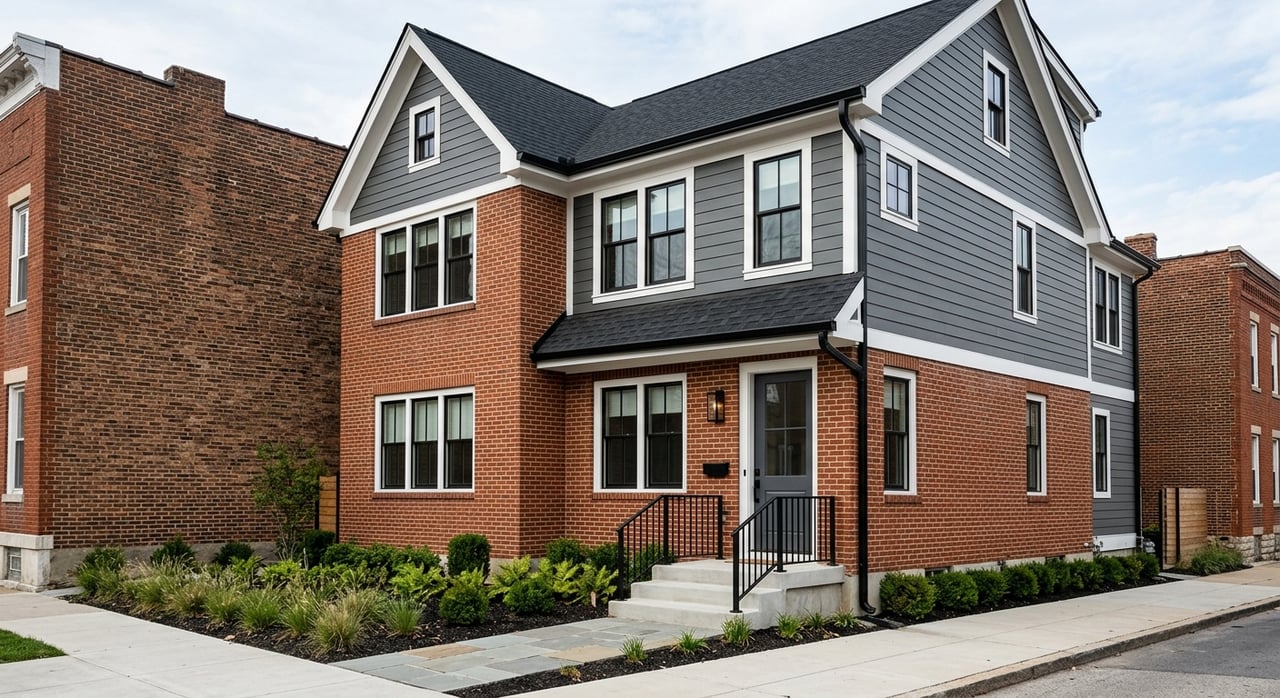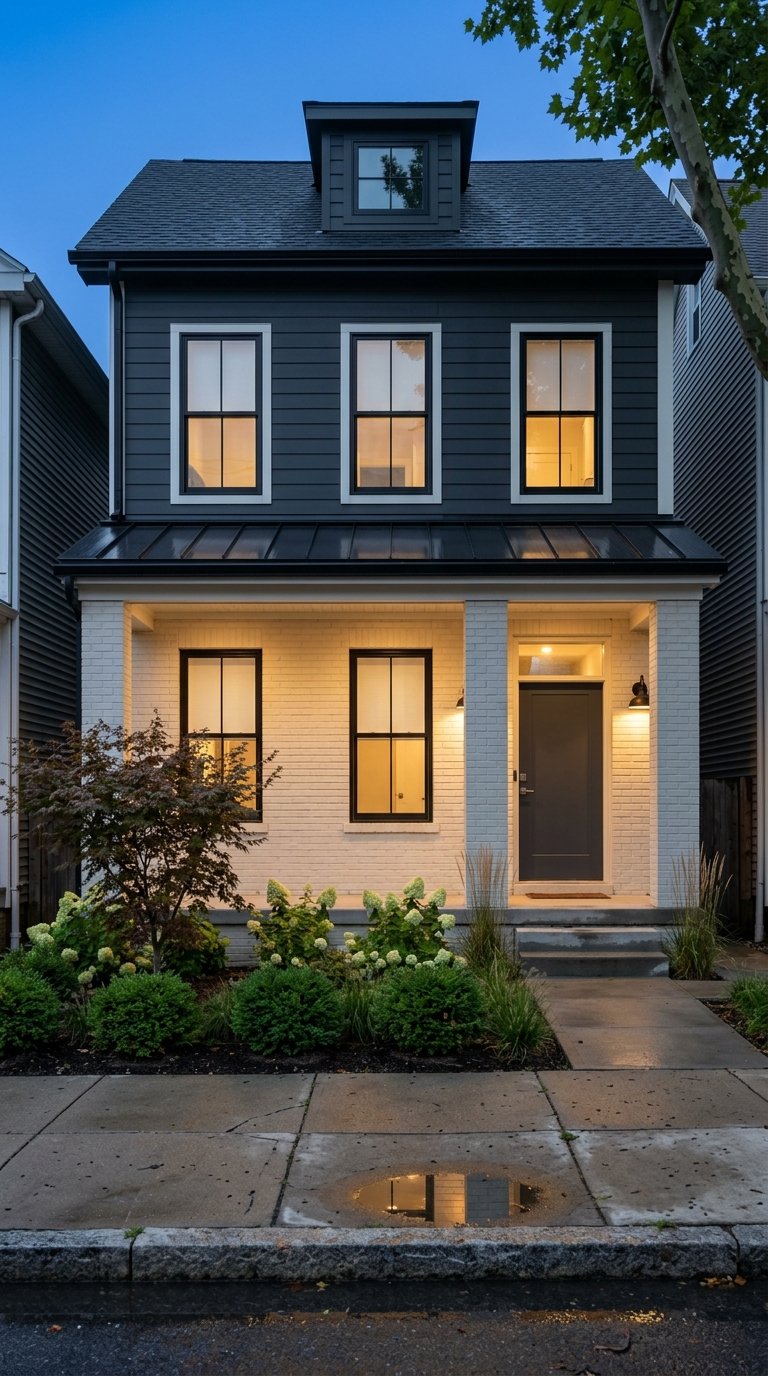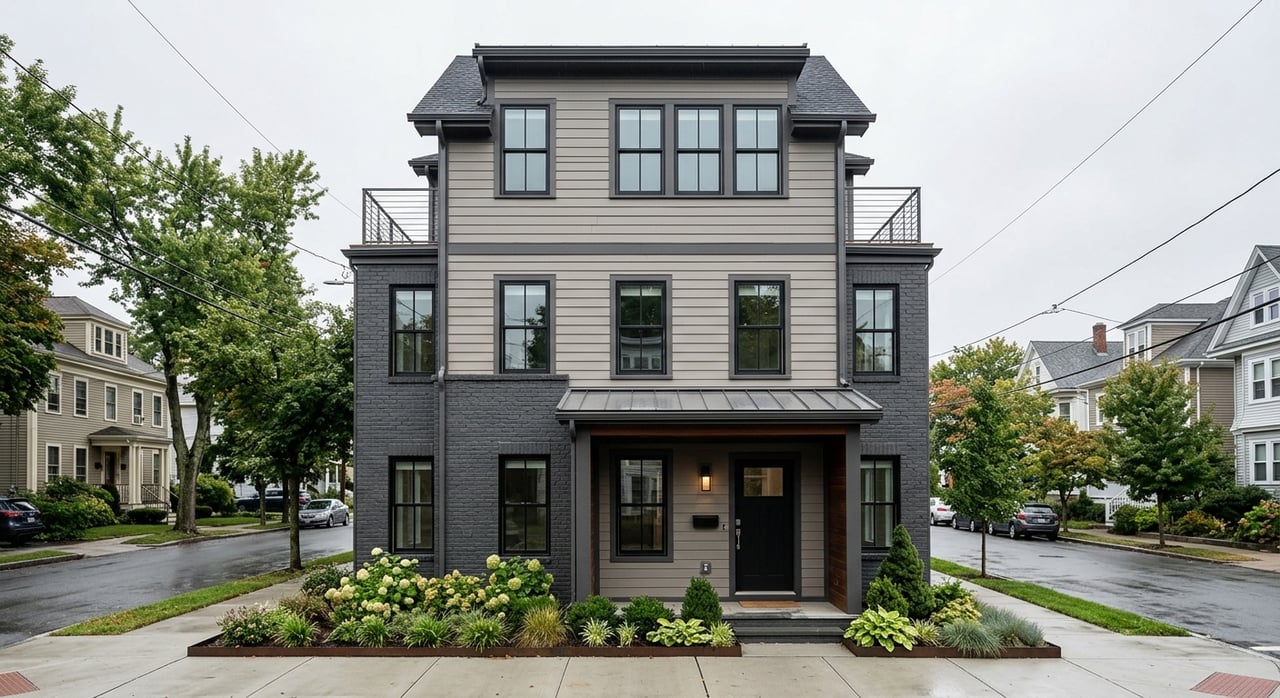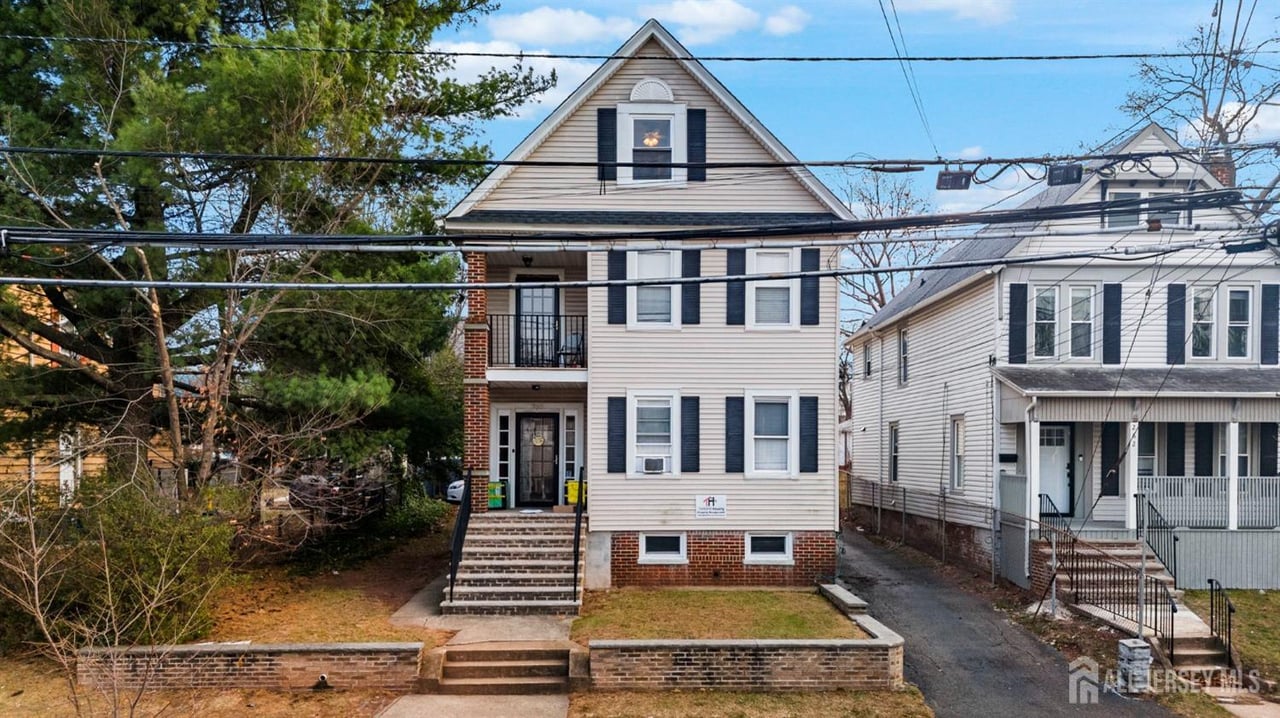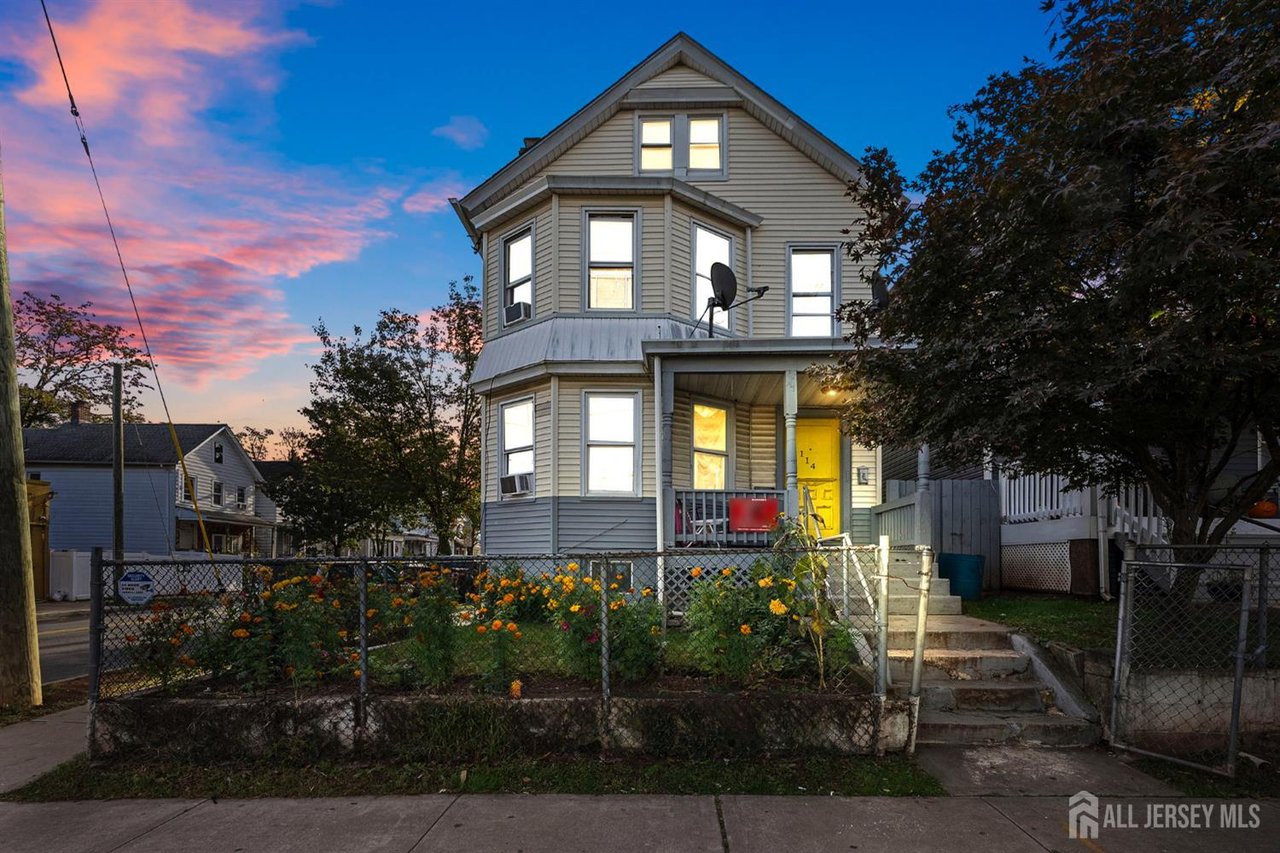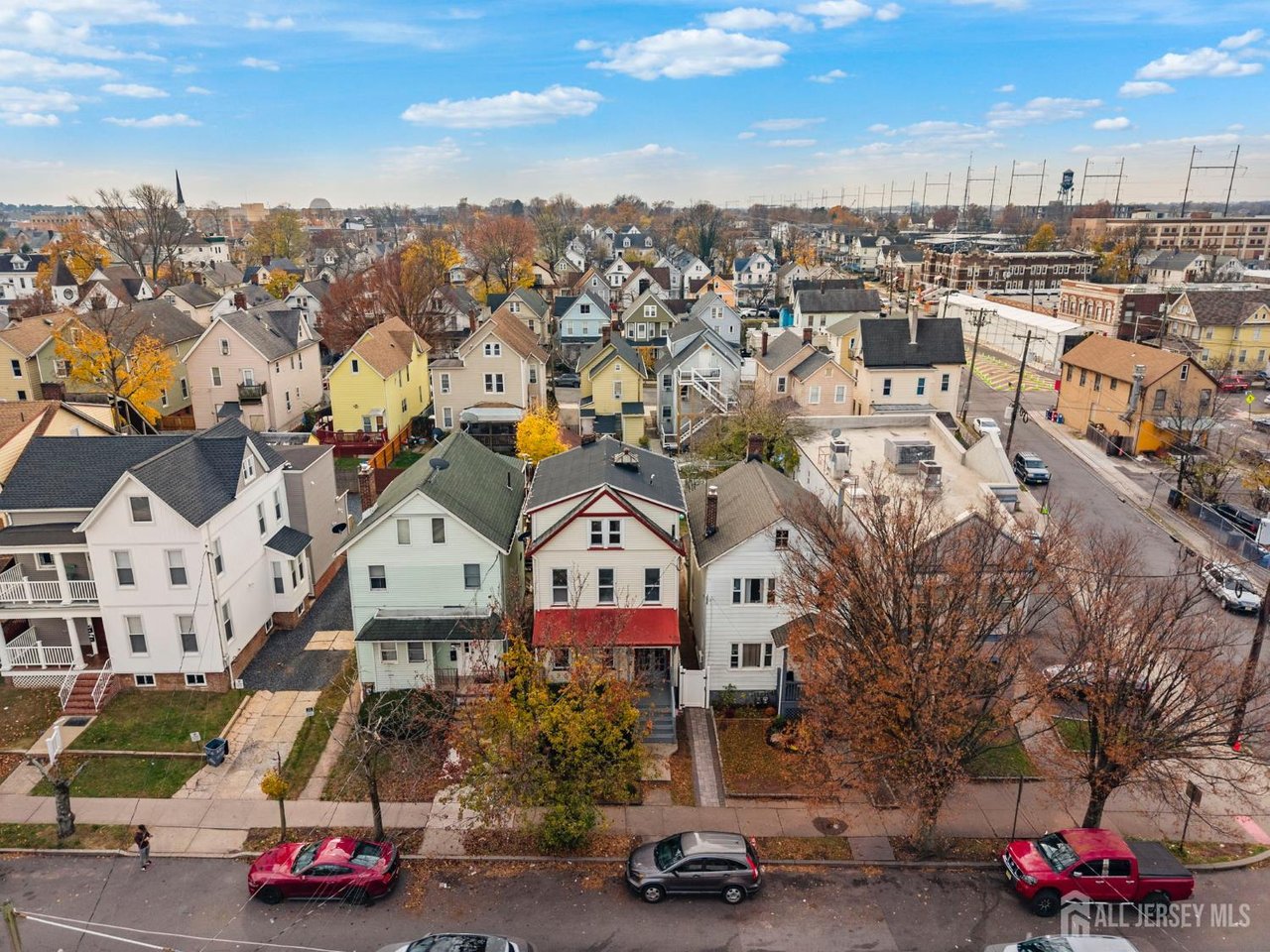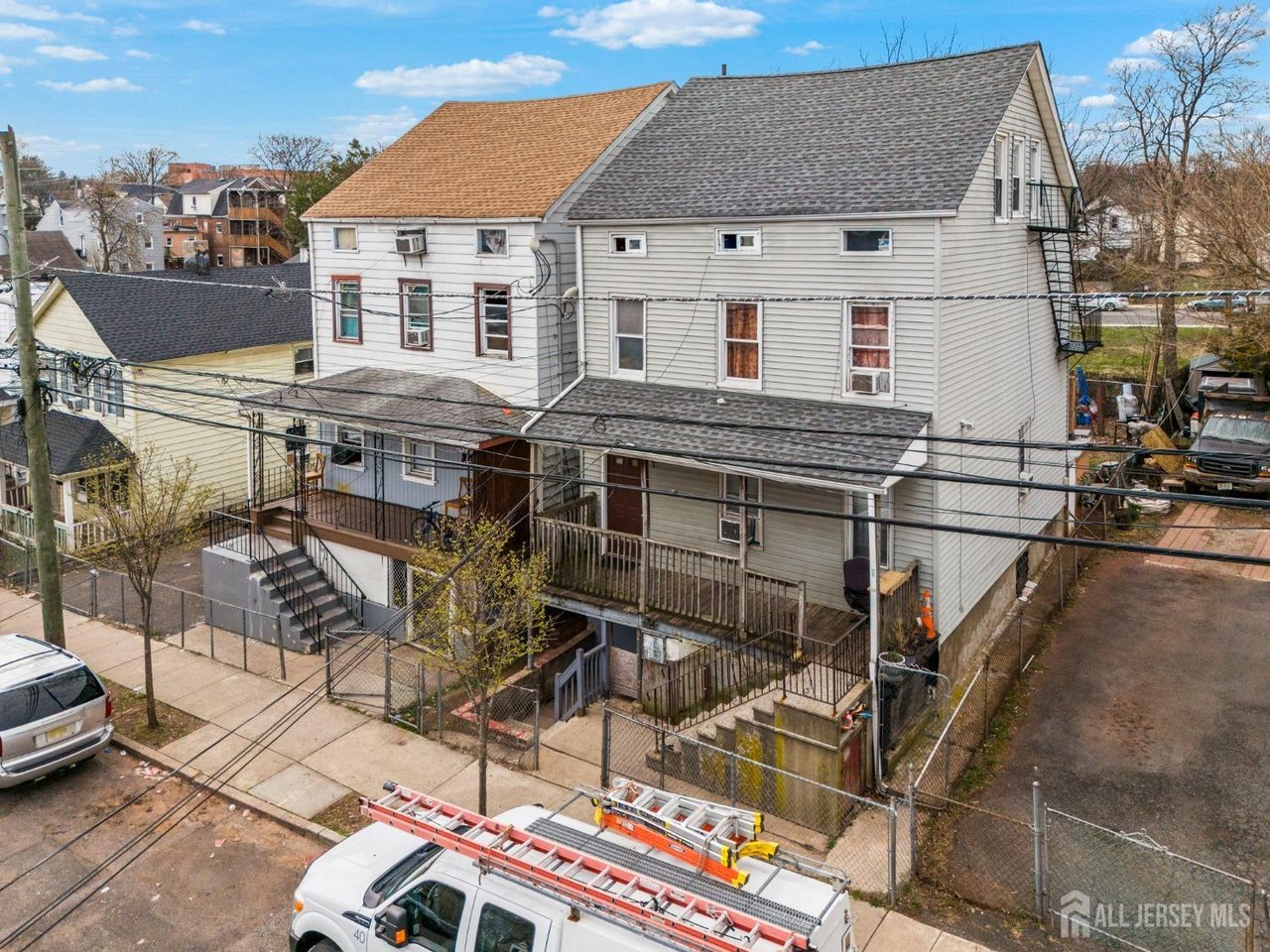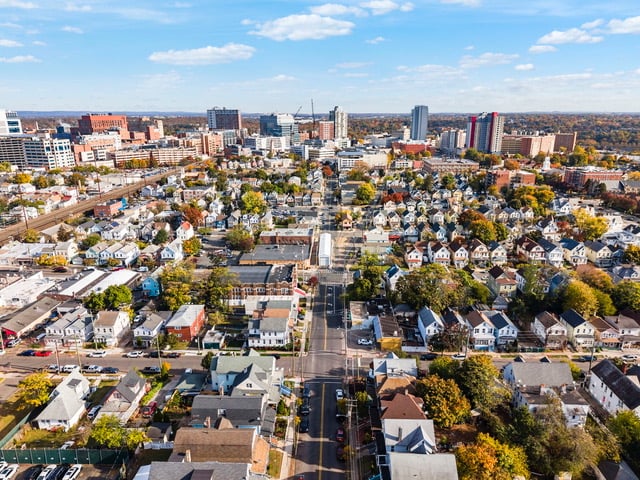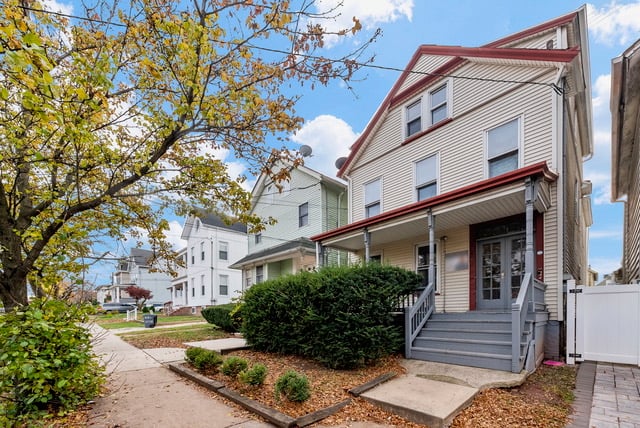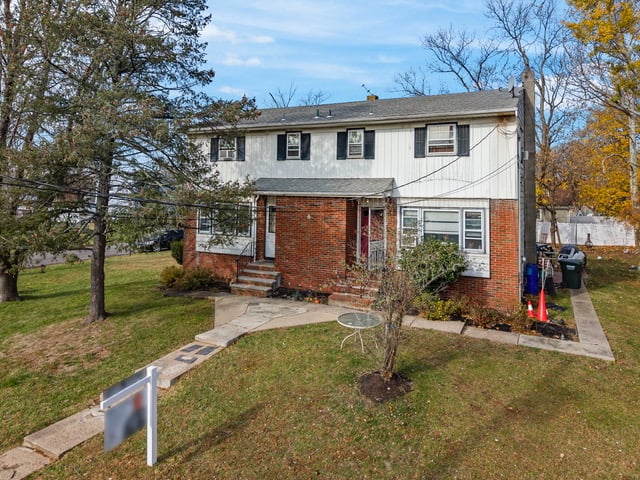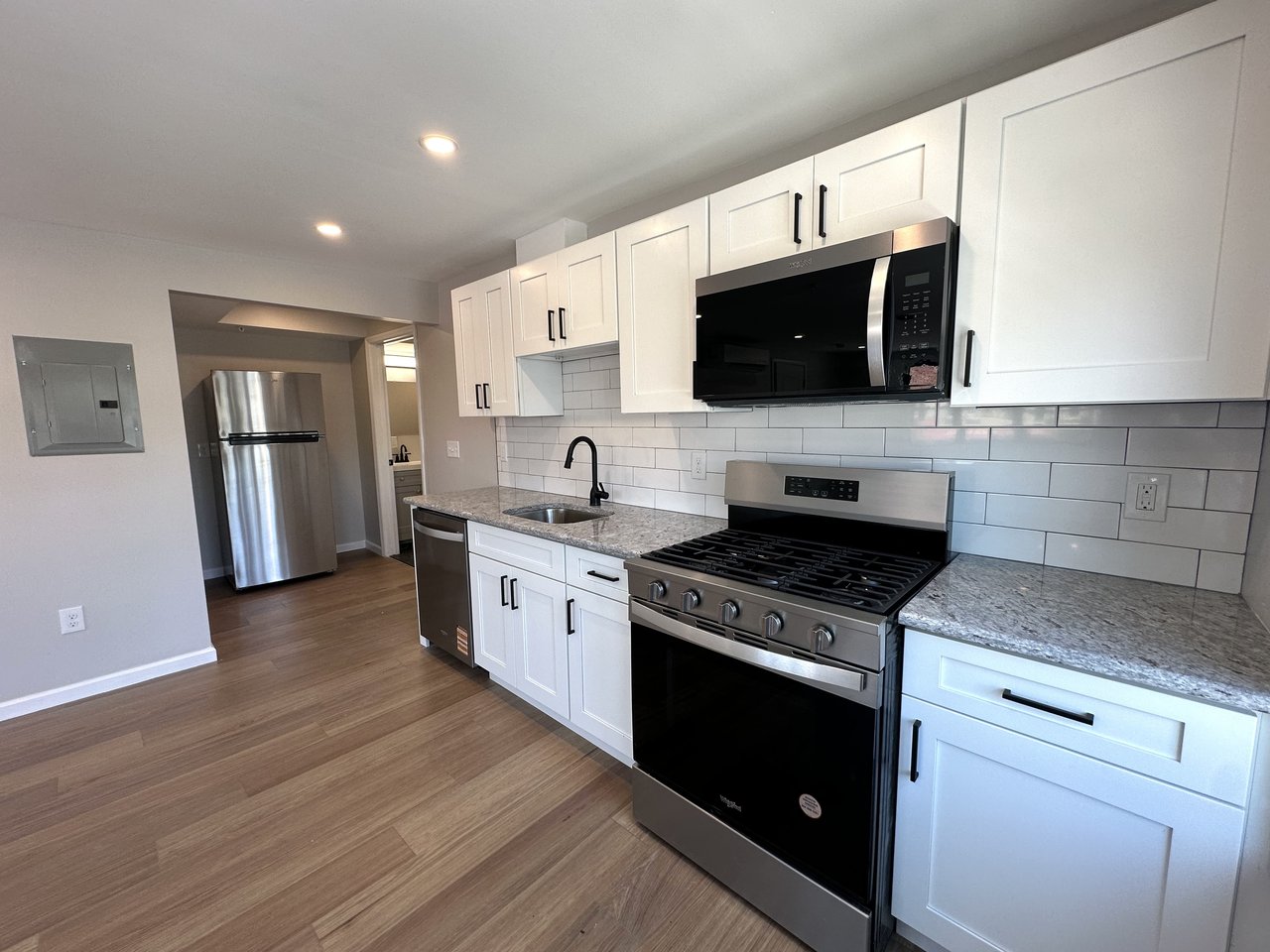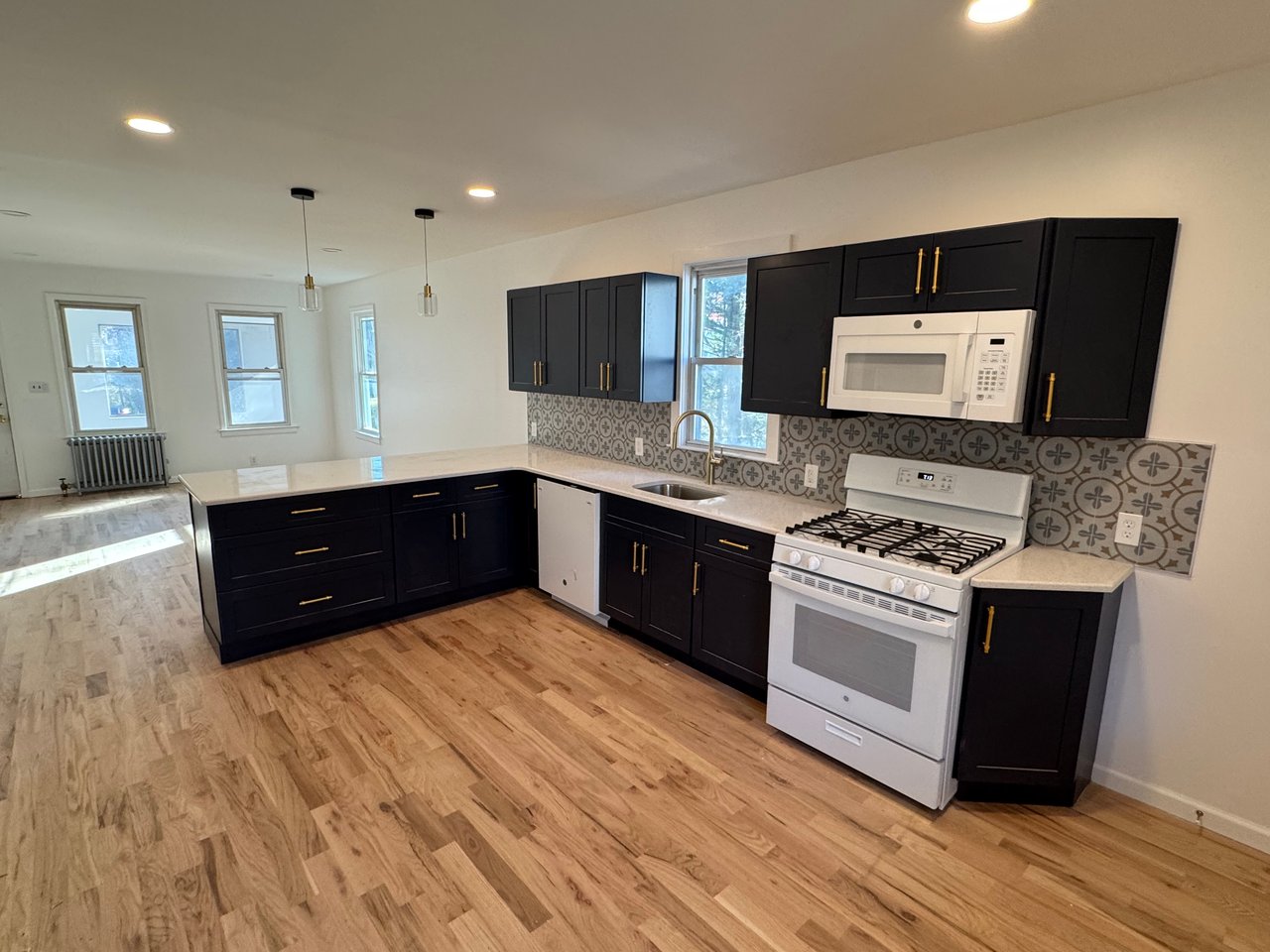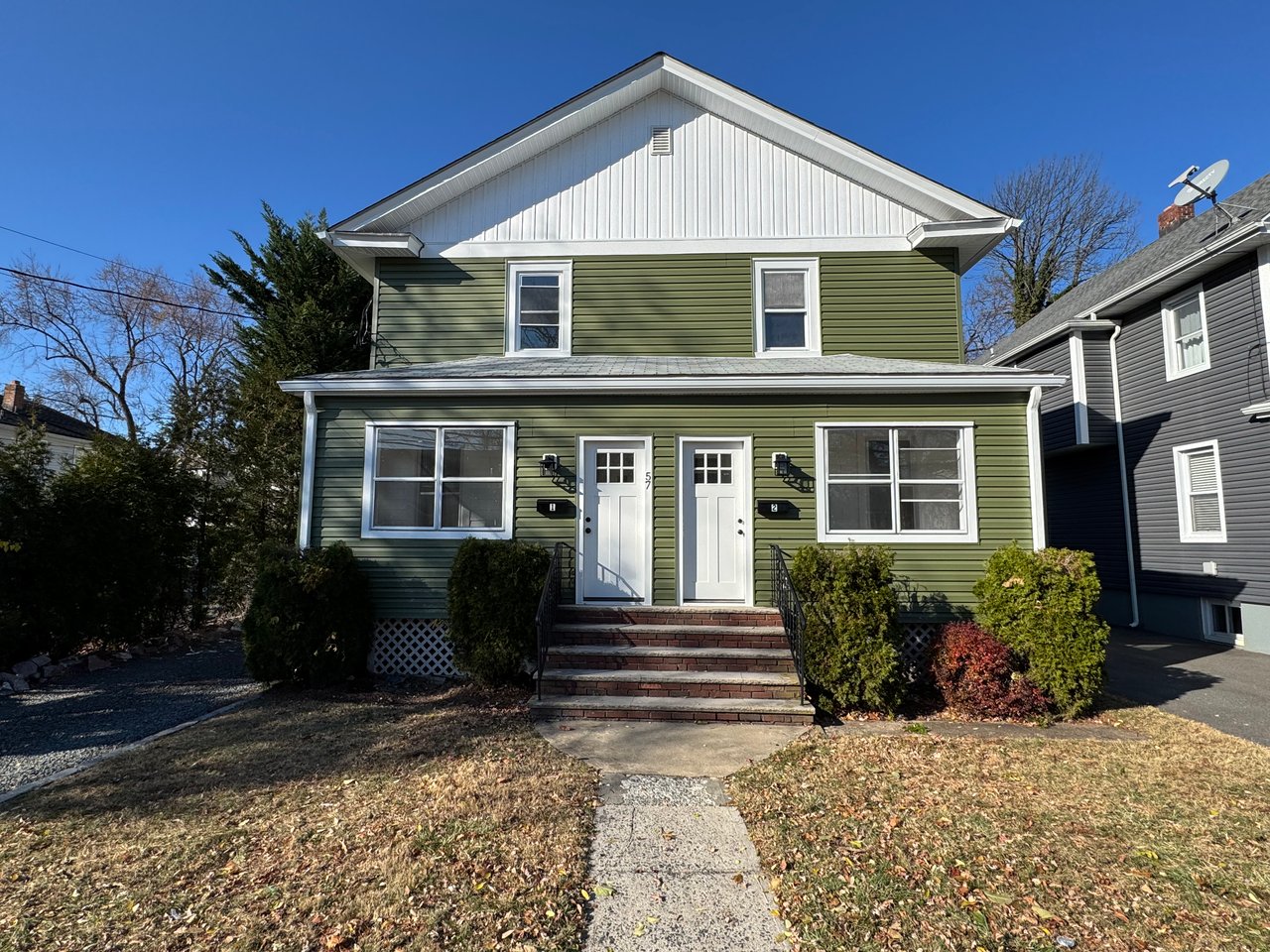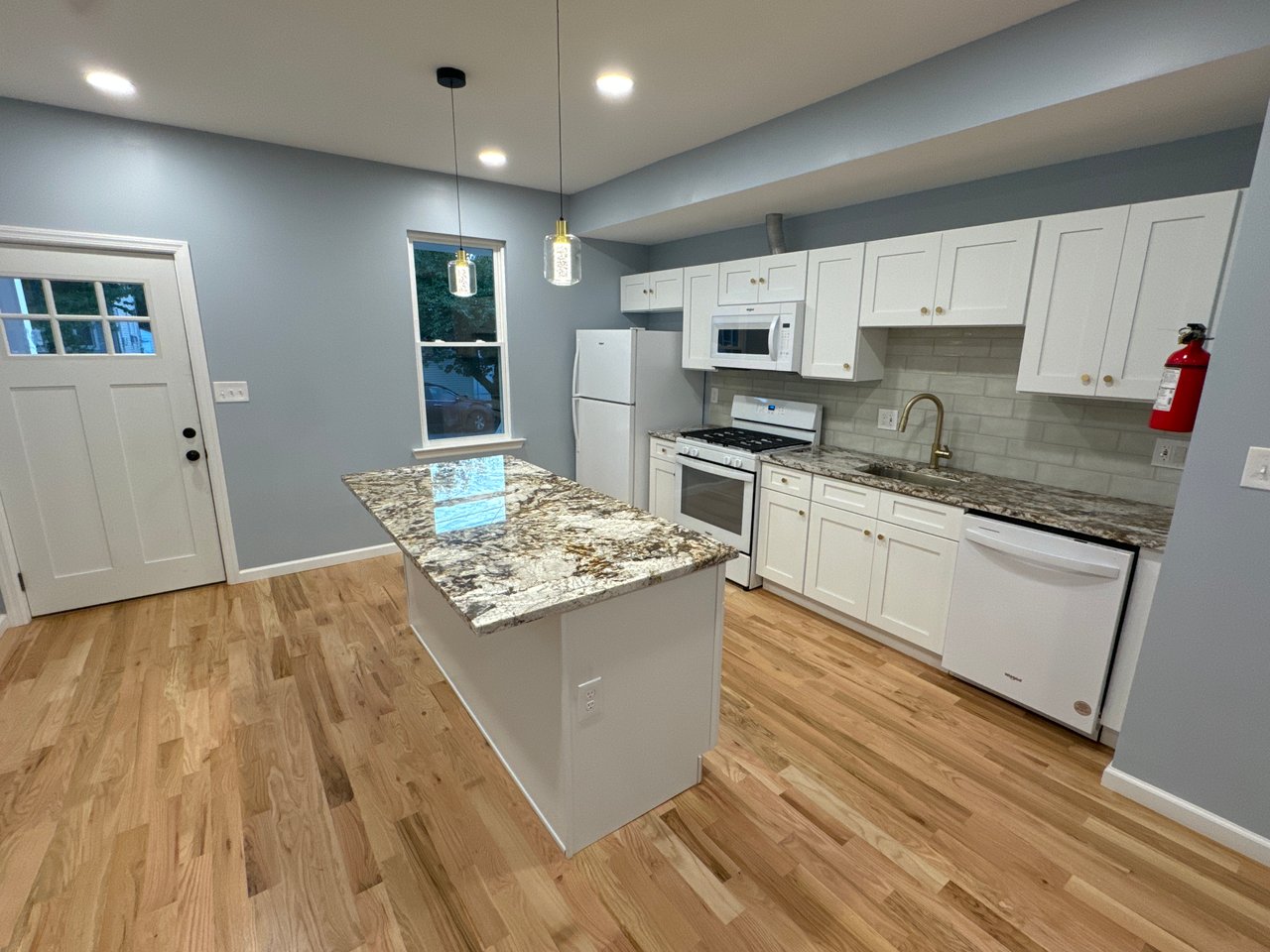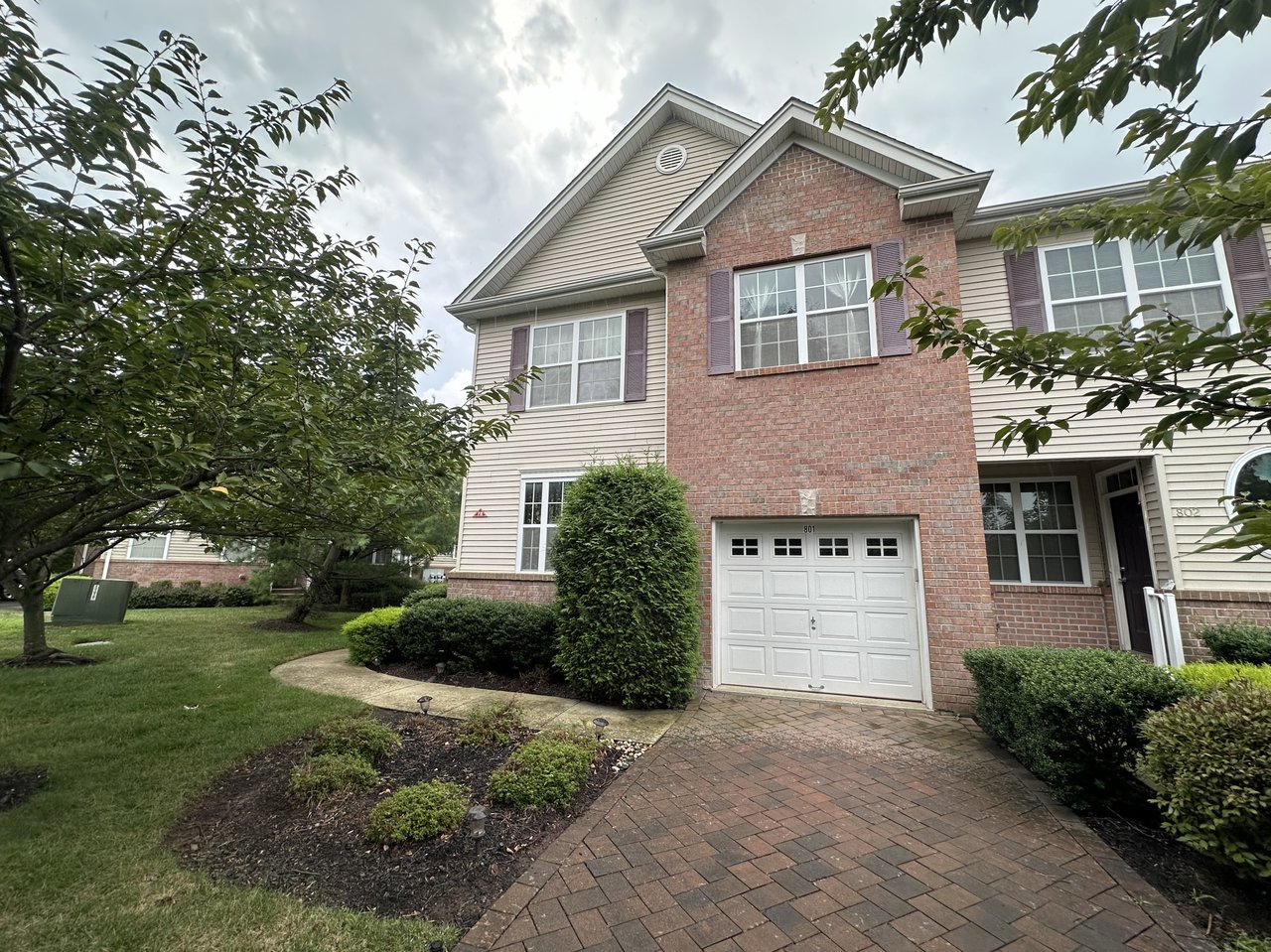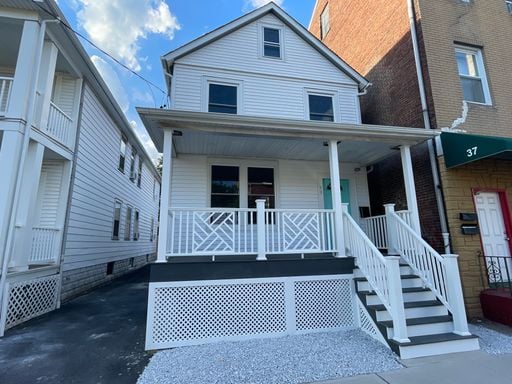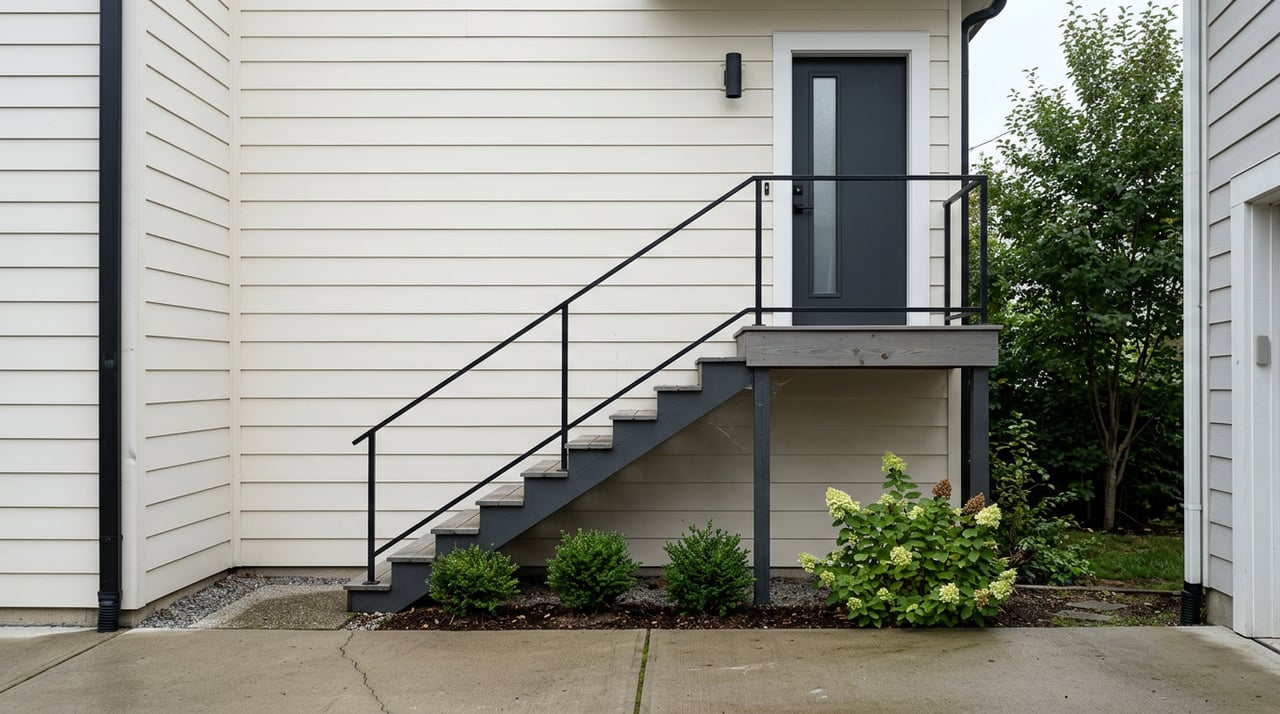
New Brunswick investors comparing 2-4 unit deals to Rahway, Plainfield, or Perth Amboy tend to underwrite the same way: pull median rents from a portal, apply a 3% annual growth assumption, and price the offer against T12 income. That approach mispricings New Brunswick specifically, because the city's supply and demand curves are about to move on a schedule no median comp will catch.
The obvious story is that HELIX brings jobs, so rents rise. The mechanism is more specific. New Brunswick caps in-place rent increases at 3.3% for 2026, which means the HELIX premium can only surface on unit turnover. And a 40-story residential tower delivering 265 units drops into the same demand pool in summer 2028, roughly 18 to 24 months after H-1 employment absorption begins. The window between those two dates is the underwriting problem worth solving.
The Three Dates That Reprice Every 2-4 Unit Near the Station
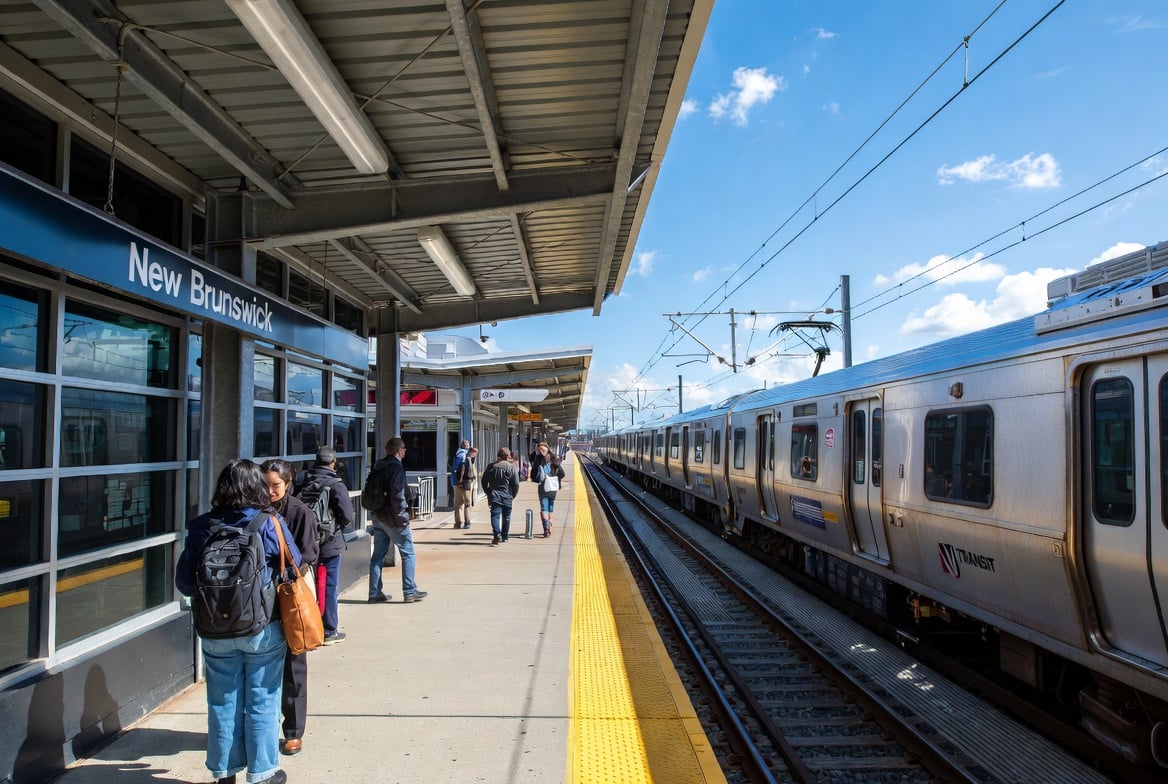
Three HELIX milestones matter for anyone holding or buying small multifamily within a mile of the New Brunswick train station:
- Fall 2026 — H-1 activation. The 574,000 sq ft, 13-story first tower fully opens with the Rutgers Robert Wood Johnson Medical School, a Rutgers translational research facility, and the New Jersey Innovation Hub. The Strand Market food hall and Clydz open earlier in the summer. Per the master developer's forecast, H-1 activation functionally triples the weekday population of the area north of the train station.
- Late 2027 to 2028 — H-2 delivery. Nokia Bell Labs occupies its new 370,000 sq ft R&D headquarters, chosen after Bell Labs evaluated more than 25 locations nationwide. SJP Properties broke ground September 4, 2025.
- Summer 2028 — H-3 delivery. A 40-story mixed-use tower adds 265 apartments to the same 4-block radius. Fifty-three units are affordable; 31 are reserved for Rutgers medical students. Construction began April 2026 per the City of New Brunswick's council approval.
The July 2026 launch of the New Jersey Innovation Hub, run by Portal Innovations with 16 founding member companies alongside RWJBarnabas Health, Hackensack Meridian Health, Middlesex County, Rutgers, the NJEDA, Johnson & Johnson, and BioNJ, means the demand-side ramp has already begun. H-1 tenants are moving in ahead of full opening.
Why the Asking-Rent Signal Is Misleading
New Brunswick's average apartment rent was $2,628 in February 2026, up 8.01% year over year per RentCafe. That number is real, but it is not the number that underwrites a 2-4 unit acquisition.
Two frictions distort it:
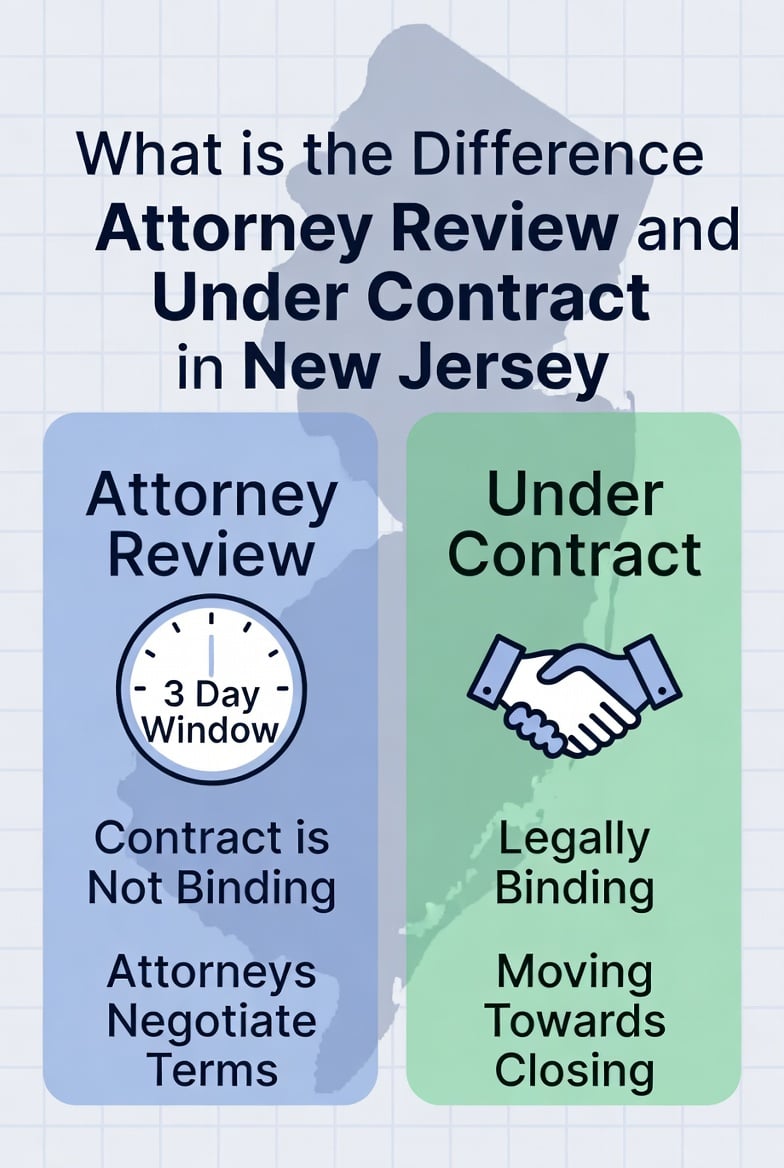
New Brunswick's rent control ordinance permits vacancy decontrol. The 3.3% cap governs in-place tenancies. On turnover, the unit resets to market. So the reported 8% market growth accrues to landlords only on the units that actually turn.
For a small multifamily with a long-tenured tenant base, that means the T12 rent roll is compounding at 3.3%, not 8%, until a lease ends. The offer priced against portal comps assumes a rent trajectory the ordinance does not permit until turnover occurs.
The second friction: 78% of New Brunswick households are renter-occupied per the most recent Census tenure data, one of the highest renter shares in the state. That composition means demand from incoming HELIX employees does not displace owner-occupants; it competes directly with existing renters. New arrivals bid for the same units that current tenants occupy, and current tenants are protected by the cap. The pricing pressure lands on turnover velocity, not asking rents.
The Turnover Model
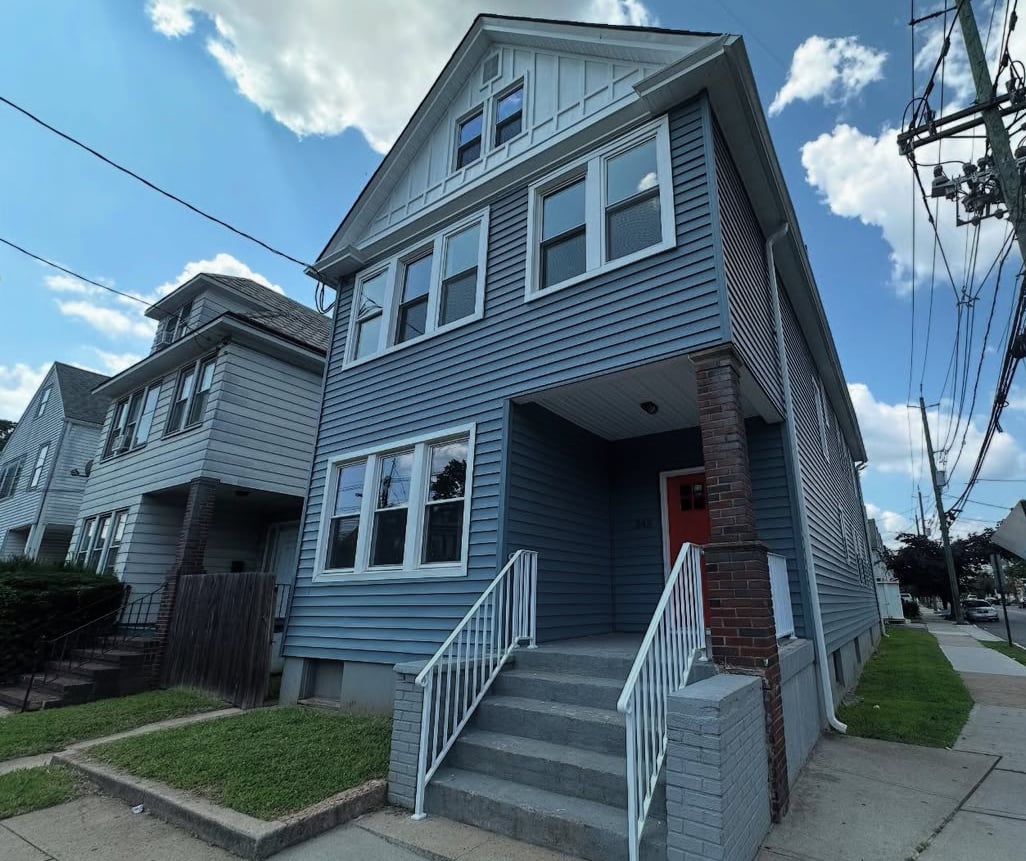
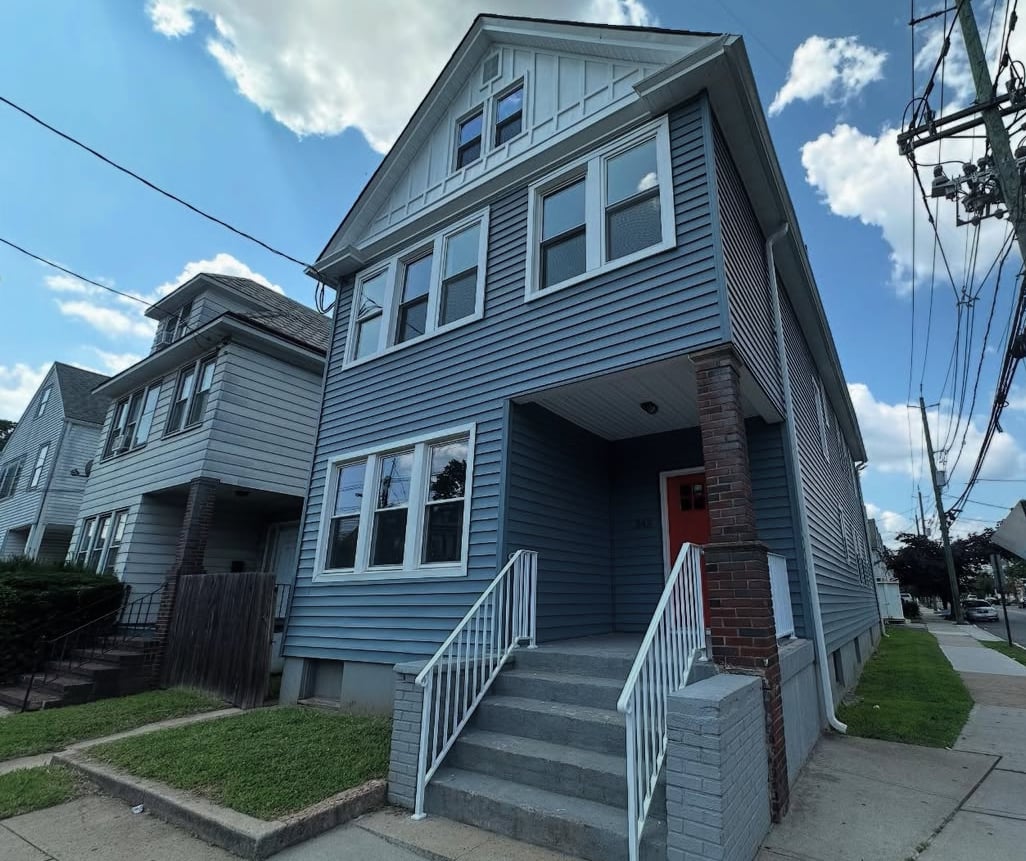
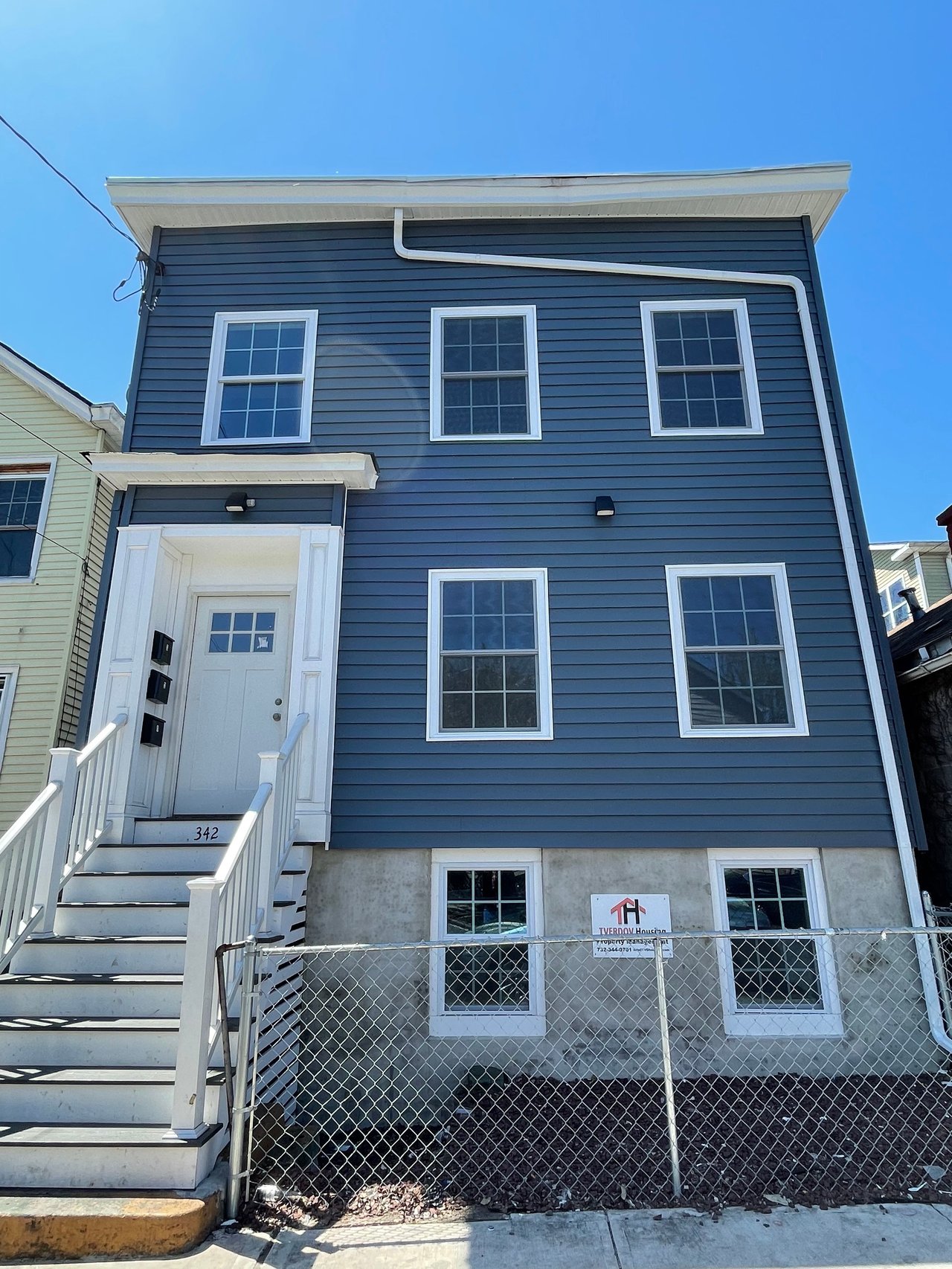
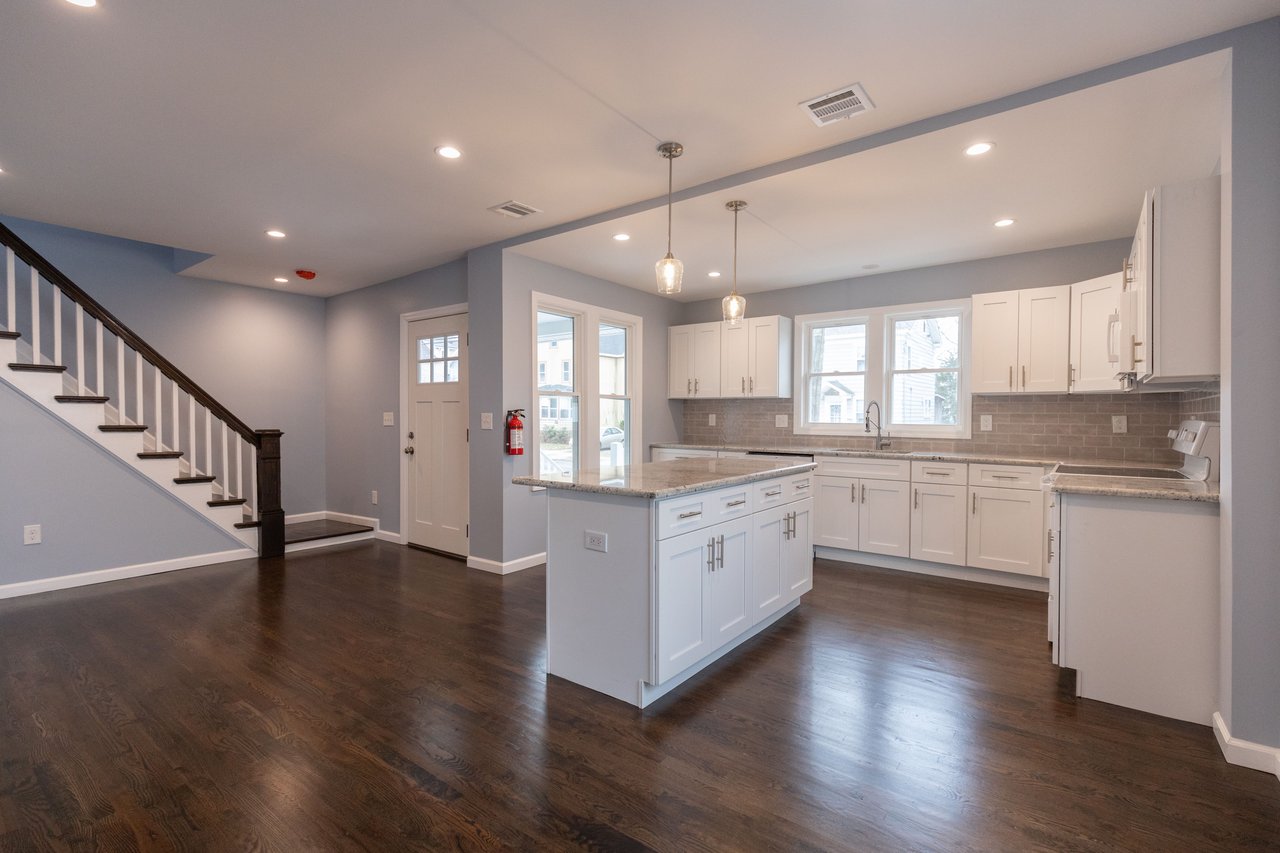
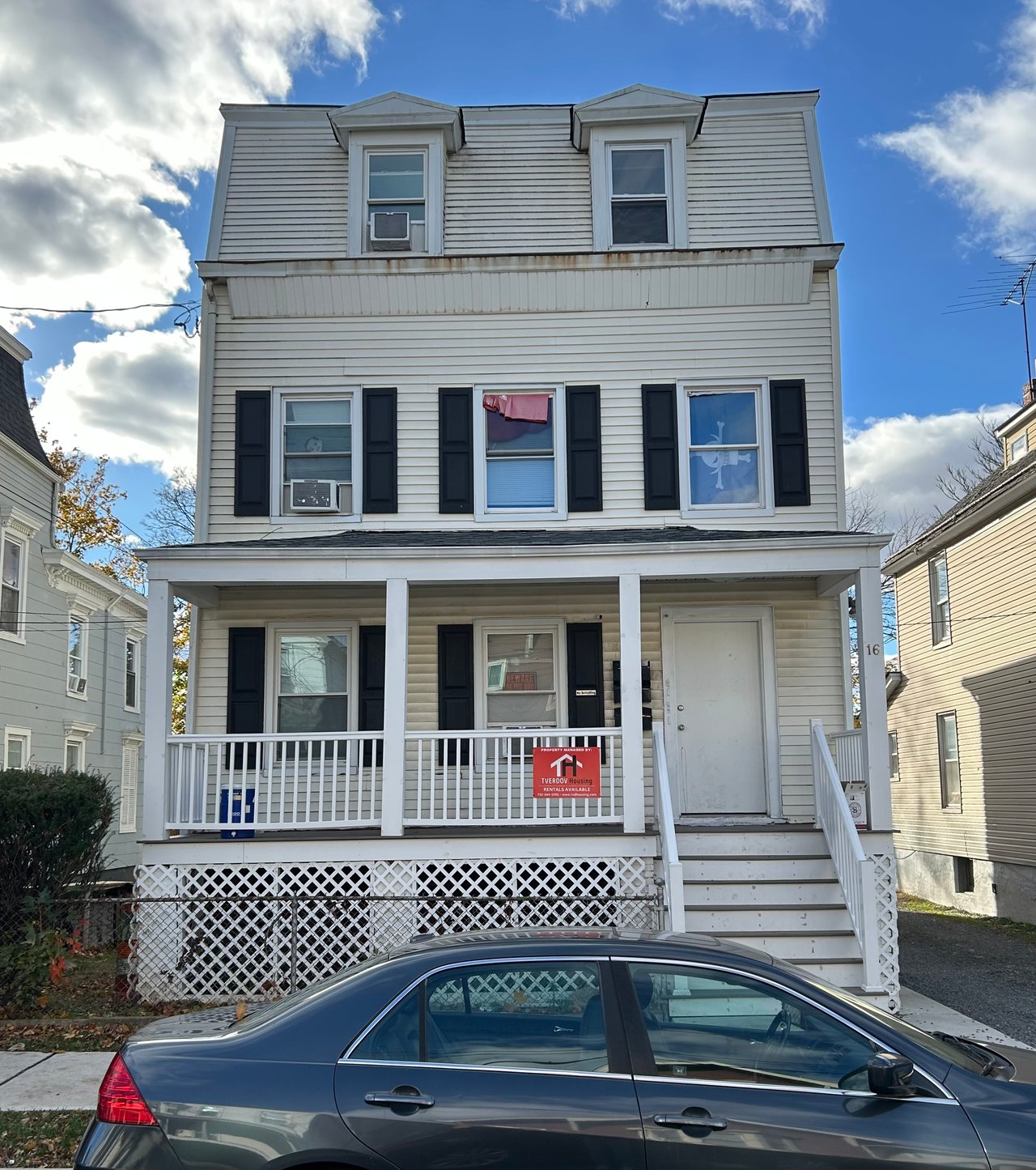
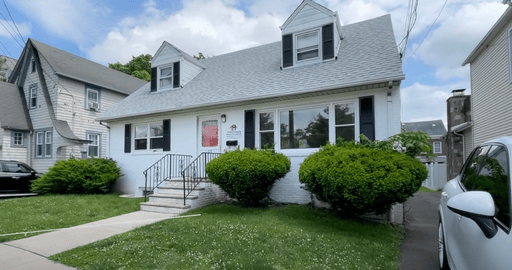
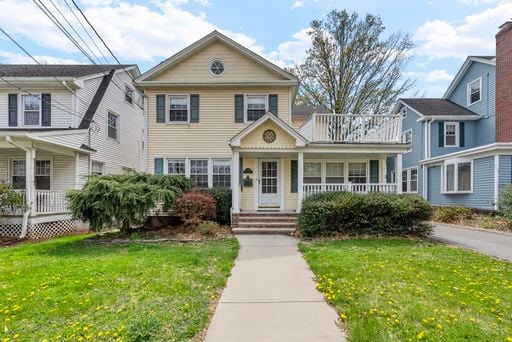
Take a working example inside the acquisition band suggested by regional market analysis: a 3-unit property near the College Avenue corridor at $475,000, currently generating $4,200 in monthly gross rent across three long-tenured units. Two ways to model the next 24 months:
| Scenario | Year 1 Gross Rent | Year 2 Gross Rent | Trigger |
|---|---|---|---|
| No turnover, in-place caps only | $52,063 | $53,781 | 3.3% cap applied both years |
| One unit turns at Month 6, resets +18% | $54,300 | $56,092 | Vacancy decontrol on one unit |
| Two units turn across 24 months | $55,410 | $60,180 | Two decontrol events |
The delta between the top and bottom rows is roughly $6,400 of annual gross rent by Year 2, on the same building. That is the number that determines whether the deal underwrites. It is not visible in a portal median and it is not visible in the T12. It is a function of tenant tenure, lease structure, and how the buyer positions the property against Fall 2026 demand.
The corollary matters equally: if the seller has already turned every unit in the past 18 months, the vacancy-decontrol upside is already priced into the rent roll. That building should trade at a lower cap rate than the identical building across the street with three original tenants.
The 2028 Reset
H-3's 265 units do not compete directly with an older 3-family on Somerset Street. They compete for the same incoming population. When 265 units land in Q3 2028, roughly 20 months after H-1 activation begins pushing HELIX employees into the rental market, the marginal renter has a new option at a new price point.
Two things happen to the small multifamily submarket at that point:
- The absorption pressure eases. The 4,000+ professionals, students, and residents projected for the HELIX district get a purpose-built option inside the innovation zone. Not all of them take it; many prefer the older housing stock at a lower price. But the marginal demand shifts.
- The vacancy-decontrol premium narrows. New Brunswick's ordinance permits landlords to reset to market on turnover, but market itself softens when 265 units come online. The 18% turnover reset assumed in a 2026 underwrite may be 10 to 12% in a 2028 underwrite.
The trade is time. Every month of turnover between Fall 2026 and Summer 2028 captures the premium at the wider spread. Every turnover after H-3 delivers captures it at the compressed spread.
What This Changes in the Offer
Four adjustments to how a small multifamily inside a mile of the station should be underwritten this cycle:
- Underwrite turnover velocity, not asking rent growth. Ask the seller for tenant tenure by unit and lease expiration dates. Model gross rent as a stepped function of turnover events, not as a smooth 3-6% annual line.
- Price the vacancy-decontrol upside against the H-3 delivery date. Turnover in 2026-2027 is worth more per unit than turnover in late 2028. Weight the pro forma accordingly.
- Treat H-1 activation as an income event, not an appreciation event. The rent control ordinance limits how quickly income responds to demand, so exit cap rate compression is doing more work than rent growth in a five-year hold model. Confirm the cap-rate assumption against actual Middlesex County trades.
- Discount buildings with fully decontrolled rent rolls less aggressively than buildings with legacy tenancies. The former have already captured the premium. The latter have not.
FAQ
Does rent control apply to every 2-4 unit in New Brunswick?
The ordinance covers most rental apartments in the city, but not all. Exemptions and eligibility questions are handled by the New Brunswick Rent Control Office at 732-745-5050. Confirm status per building before closing, because a mistaken assumption cuts either direction on value.
Isn't HELIX priced into current asking values already?
Partly. Land and larger multifamily assemblages near the station reflect it. The 2-4 unit segment, transacted between individual buyers and legacy owners without a broker running structured processes, tends to reprice more slowly. The gap between institutional pricing and retail pricing is where turnkey acquisition works.
How does this compare to buying near Rutgers-only demand?
Rutgers demand is cyclical and student-driven. HELIX demand is professional and year-round: medical school faculty, translational researchers, Bell Labs engineers, and startup employees inside the Innovation Hub. Two-bedroom units aimed at young professionals will absorb the HELIX cohort more directly than four-bedroom student houses. The two submarkets are not substitutes.
What if H-3 gets delayed?
Delay pushes the supply-side reset further out and widens the window in which the vacancy-decontrol premium runs at the higher spread. That is the opposite of a downside for a 2026 buyer. The downside case is H-3 accelerating, which the current construction schedule does not suggest.
The New Brunswick 2-4 unit market has a legitimate arbitrage this cycle, and the ordinance is what shapes it. If you are evaluating a small multifamily near the station and want the turnover-velocity model run against a specific rent roll, that is the work Turnkey Tverdov does before an offer goes out. Join the Turnkey Waitlist to see the next acquisition packaged for buy-and-hold ownership.